
Maintaining precise control over web materials is essential in the packaging industry to ensure high-quality output. To achieve this level of precision and efficiency, an increasing number of packaging companies are adopting web guiding systems. These innovative technologies automate web material control and guidance, resulting in faster production, reduced waste, and enhanced product quality. In this article, we will explore the 6 key advantages of implementing web guiding systems in the packaging industry and how they are revolutionizing the manufacturing process.
Enhanced Material Control and Accuracy
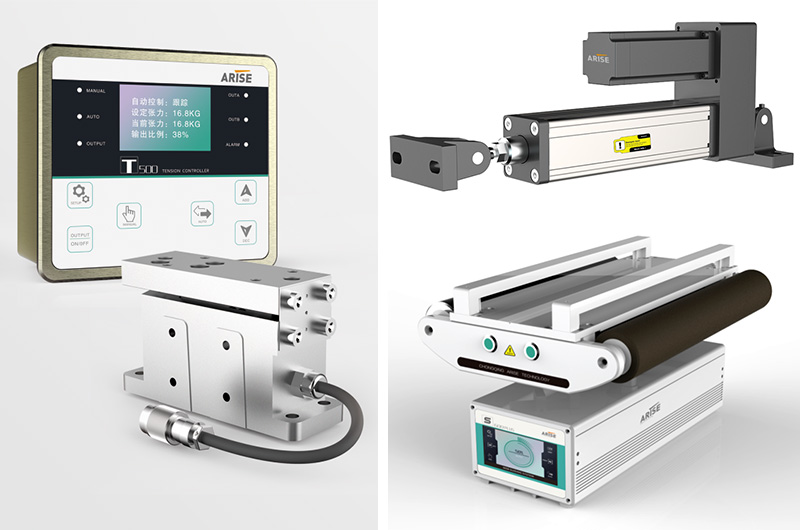
Web guide systems offer unparalleled control and accuracy when dealing with different types of web materials. By utilizing sensors, cameras, and actuators, these systems detect and correct misalignments, wrinkles, and irregularities in the web material, ensuring precise positioning throughout the manufacturing process. This level of control reduces material waste, eliminates product faults, and improves overall packaging quality.
Increased Production Efficiency
By minimizing manual intervention and human errors, web guiding system enhance manufacturing efficiency. These system can automatically adjust the alignment, tension, and speed of the web material, ensuring a continuous and smooth flow across the entire production line. Eliminating the need for manual adjustments allows packaging companies to significantly reduce setup time, increase production speeds, and achieve higher throughput rates.
Waste Reduction and Cost Savings
Web edge guide systems help reduce waste and save costs by minimizing material waste and rework. By precisely guiding the web material, these technologies prevent misalignment-related errors, such as slanted labels or uneven folds. This reduction in defects leads to fewer rejected products and less material waste, ultimately saving valuable resources for packaging companies. Additionally, the precise control provided by web guiding systems reduces the need for excess setup material and minimizes the risk of production line stoppages, resulting in cost savings.
Improving Product Quality and Customer Satisfaction
Implementing web guiding systems significantly improves product quality, which in turn increases customer satisfaction. By maintaining accurate web material positioning and tension, these systems eliminate variations that may result in defects or inconsistencies in the packaged products. Consistently high-quality packaging instills customer confidence and enhances brand reputation. Moreover, precise web material control enables packaging companies to incorporate complex features like holographic labels or intricate designs, elevating the visual appeal and perceived value of their products.

Operator Safety and Ease of Use
Web guiding systems prioritize operator safety by reducing the need for manual intervention in the production line. Automating the web material control process minimizes potential hazards associated with manual changes, such as entanglement or injuries caused by moving parts. Furthermore, these systems feature user-friendly interfaces and straightforward controls, making them easily accessible and manageable for operators with varying skill levels. This ease of use fosters a safer and more efficient workplace.
Adaptability and Versatility
Web guiding system offer customization and versatility in the packaging industry. They can seamlessly integrate into various packaging processes and support a wide range of web materials, including films, labels, and flexible packaging materials. The ability to handle different materials and adapt to diverse packaging requirements ensures that packaging companies can benefit from web guiding systems regardless of their specific needs, providing them with a competitive edge in the market.
In summary, implementing web guiding systems revolutionizes the packaging industry by enabling precise and efficient operations while minimizing waste and increasing revenue. As the packaging industry continues to evolve, web guiding control systems will become increasingly crucial in meeting the demands of a fast-paced market and delivering superior quality packaging to clients. By embracing these innovative technologies, packaging firms can unlock efficiency, precision, and customer satisfaction, positioning themselves as industry leaders in the dynamic world of packaging.
A magnetic powder brake is a device that controls the torque between a motor and a load in an exact and variable manner. It is an essential component in many industries that require accurate torque and tension control. Its durability, versatility, and ease of use make it a desirable solution in a variety of industries.
Magnetic Powder Brake is widely used in a variety of industries.
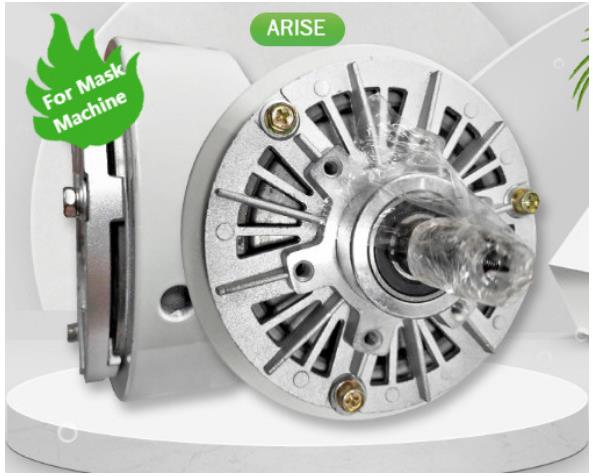
Magnetic powder brakes are useful in these industries because they enable precise and consistent control over torque and tension during the manufacturing process. This is essential for ensuring that the end product satisfies the specifications and is consistently of high quality.
Printing Industry
It is used in printing machines to control the tension of the web or paper during the printing process. This ensures that the printed material is consistently of high quality and devoid of aberrations.
Packaging Industry
It is used to regulate the tension of the packaging material throughout the manufacturing process. This is critical for ensuring that the packaging material is wound correctly and without slippage or wrinkling.
Textile Industry
A magnetic particle brake is used in textile industry to regulate yarn tension during the spinning and weaving operations. This is required to ensure that the yarn is tightly twisted and that the cloth is of uniform quality.
Industrial Equipment
During the manufacturing process, it is utilized to adjust torque and tension in various industrial machinery such as extruders, coaters, and slitters. This is essential for ensuring that the end product is consistently of high quality and meets the required parameters.
How Does a Magnetic Powder Brake Work?
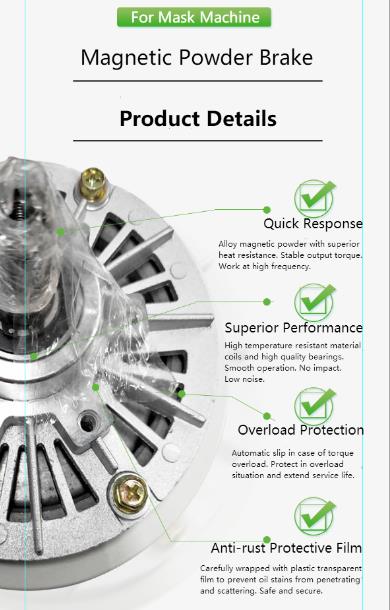
The working of a magnetic powder brake is that the braking force is generated by the interaction of magnetic particles in powder form with the magnetic field created by an electromagnetic coil. A rotor and a stator comprise a magnetic powder brake. The rotor is the output shaft that is connected to the load, whereas the stator is the stationary component that houses the electromagnetic coil. Between the rotor and the stator is a magnetic substance sandwiched. When a current is passed through the electromagnetic coil, it generates a magnetic field that interacts with the magnetic powder, causing the particles to align in the direction of the magnetic field. When the rotor rotates, the magnetic particles are dragged along with it, creating a resistance force in the powder that opposes the rotor's motion. This resistance force is proportional to the strength of the magnetic field produced by the electromagnetic coil, which is directly proportional to the input current. The rotor’s braking force can be varied by adjusting the input current to the electromagnetic coil. This allows for exact adjustment of the torque supplied from the motor to the load.
Factors to Consider For Choosing a Magnetic Powder Brake
Output torque requirements
When choosing a magnetic powder brake, the first aspect to consider is the amount of torque required to stop or retain the load. You must select a brake that can provide the necessary torque to ensure that the load is managed safely and correctly.
Speed requirements
The load speed and rotating speed of the brake must be considered while selecting a magnetic powder brake. You must ensure that the brake is designed to perform at the speeds required by your application.
Environmental factors
The environment in which the brake will be used is an important factor. Temperature, humidity, and dust levels can all have an effect on brake performance and lifespan. You must choose a brake that is intended to work in the environmental circumstances of your application.
Power requirements
Magnetic particle powder brakes require electricity to operate, and the power supply must be compatible with the brake. You must ensure that the power supply voltage, frequency, and current are appropriate for the brake.
Size and weight
If space and weight are constraints in your application, the physical size and weight of the brake are critical considerations. If space and weight are significant considerations, a small and lightweight brake should be selected.
Cost
The price of the magnetic powder brake is also an important issue to consider. To obtain the most bang for your buck, you must weigh the cost of the brake against its performance and features.
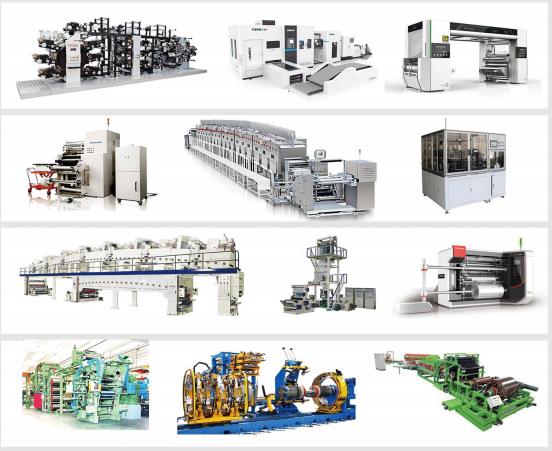
In manufacturing operations across various industries, web guide systems play a crucial role in ensuring precise alignment and material control. However, when it comes to selecting and implementing online directing systems, different types of materials require specific considerations. This article explores the applications and key factors to consider for web guiding systems in connection to various material types.
Web Guide Systems for Paper and Printing Materials
In the paper and printing industries, web guide systems are extensively used to maintain proper alignment and tension of paper and other printing materials. These systems are vital in achieving accurate registration, reducing waste, and enhancing overall print quality. When selecting web guide equipment for this application, factors such as the sensitivity of paper to tension fluctuations, web width, and the need for high-speed and precise registration control should be taken into account. Additionally, the web guide control system should be capable of accommodating different paper grades and sizes, as well as variations in coatings or finishes that may affect the surface characteristics of the material.
Web Guide Systems for Films and Flexible Packaging Materials
Web guide systems are critical in the flexible packaging industry to ensure proper film alignment during printing, laminating, and slitting operations. Films used in flexible packaging can vary in thickness, elasticity, and surface properties, posing unique challenges for web guiding. Elasticity, which affects the gripping and guiding mechanisms of the web guiding system, is particularly important in this application. Moreover, the system should maintain precise tension management to prevent film stretching or wrinkling during the guiding process.
Web Guide Systems for Nonwoven Materials
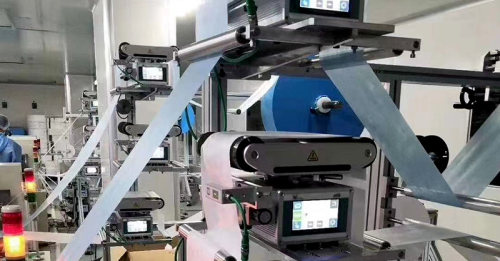
In nonwoven production, Web guide control systems are employed to align and manage materials such as spunbond, meltblown, and composite nonwovens. Nonwoven fabrics are often delicate and require sensitive handling and precise control to avoid damage or misalignment. Considerations for web guiding systems in this application include the delicate nature of nonwoven materials, the need to minimize contact to avoid distortion, and the ability to handle varying material widths and thicknesses.
Web Guide Systems for Metal Foils and Sheet Materials
Web guiding systems are used in sectors like metal processing and packaging to guide and control metal foils and sheet materials during manufacturing processes. Metal foils can be rigid, necessitating robust guiding mechanisms for proper alignment. In this application, web guide control systems must consider the stiffness and surface properties of metal foils, which may require specific guiding mechanisms and robust control systems. The system should provide precise tension management and be capable of handling variable material thicknesses and widths.
Web Guide Systems for Textiles and Fabrics
In textile manufacturing, web edge guide systems are employed to align and manage fabrics during weaving, printing, and finishing activities. Fabrics can vary in thickness, flexibility, and weave patterns, requiring adaptable guiding devices and accurate tension control. Web guide systems for textiles should incorporate flexible guiding parts to accommodate different fabric widths and patterns. Precise tension control is crucial to ensure proper alignment and prevent fabric distortion throughout the guiding process.
Web Guide Systems for Composite Materials
Web guide systems are utilized to maintain proper alignment during the layup operations involved in fabricating composite materials such as carbon fiber sheets or fiberglass laminates. Composite materials often require careful handling and precise alignment to maintain structural integrity. Special considerations for web guiding machines in this application include regulated tension, gentle handling, and low distortion during guiding. The system should deliver precise and customizable guidance to handle variable material widths and ensure proper alignment during the layup process.
Web Guide Systems for Adhesive Tapes and Labeling Materials
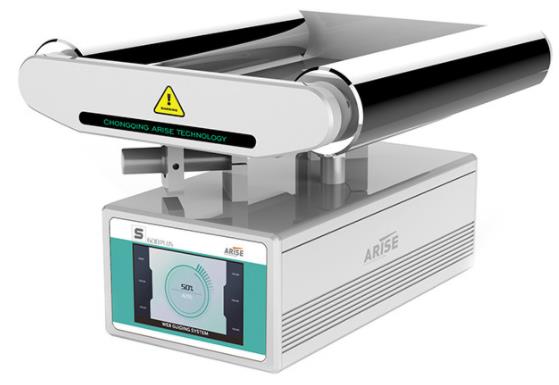
Web guide control systems are necessary in the production of adhesive tapes and labels to ensure perfect alignment and tension control. Accurate registration and consistent alignment are crucial for ensuring the quality and reliability of adhesive products. In this application, web guiding equipment must offer precise registration, minimize waste, and provide reliable edge detection for consistent guiding of narrow webs. The system should be capable of delivering precise guidance to handle varying web widths and maintain exact alignment throughout the manufacturing process.
Web Guide Systems for Foam and Foam-based Materials
In the foam material manufacturing industry, web guiding systems are employed to ensure perfect alignment and tension control during cutting, slitting, and laminating operations. Foam materials can be compressible, requiring specialized guiding systems capable of delicate handling. Compressibility and flexibility are important considerations for web alignment systems in this application. The system should provide precise and gentle web guiding to prevent material distortion or damage during the process.
Summary
Web guide systems are indispensable in industries dealing with various material types. Understanding the applications and unique considerations for each material type is crucial in selecting the appropriate web guiding machine. Carefully considering factors such as material properties, web width, tension control needs, and alignment precision is essential for achieving optimal performance and productivity in material handling and manufacturing operations. By choosing the right web guiding system for a specific material, industries can enhance quality, productivity, and overall production performance.
A web tension controller is a device that is used to keep a material or web taut during the manufacturing or production process. Using sensor feedback, the gadget monitors the tension and makes modifications to the process to maintain a consistent tension level.
Common Used Web Tension Controllers
Pneumatic Web Tension Controller
These controllers use air pressure to alter the tension of the web. They are often utilized in high-precision applications such as the manufacturing of thin films or foils.
Magnetic Particle Tension Controller
It changes the tension by using magnetic particles to create a magnetic field on the web. They are often employed in situations requiring high accuracy and speed.
Electronic Tension Controller
It uses electrical sensors to assess the tension of the web and makes modifications to maintain a consistent tension level. They are typically used in applications that require a high level of precision and flexibility.

Common Disadvantages Of Web Tension Controller On The Market
1. Complexity
It's possible they're complicated machines that require specific knowledge to run and maintain. It can take time to set up and calibrate a controller, and qualified experts may be necessary to assure accurate and dependable performance. Troubleshooting and resolving faults can be challenging due to this complexity, resulting in downtime and production delays.
2. Compatibility
Not all web tension controllers are compatible with every piece of web handling equipment or material. Before purchasing a controller, ensure that it is suitable for your application. Some controllers, for example, may be incompatible with high-speed operations, while others may be incompatible with specific sorts of online resources.
3. Sensor Positioning
The tension of the web is measured using sensors. The positioning of these sensors, as well as any vibrations or other ambient elements that may interfere with their operation, can all have an impact on their accuracy. It can be challenging to find the ideal sensor placement, and it may take some trial and error to reach the desired results.
4. Maintenance
To maintain precise and trustworthy functioning, it must be serviced on a regular basis. Maintenance includes calibration, sensor cleaning, and the replacement of old or damaged components. Failure to undertake routine maintenance might impair the accuracy, reliability, and lifespan of the controller.
5. Electrical Requirements
To work, it must be powered by electricity. This power supply must be compliant with the controller's voltage and current requirements. In addition, the controller may emit electromagnetic interference (EMI), which may interfere with other electrical equipment in the production process.
6. Learning Curve
Learning how to use a web tension controller can be challenging, particularly for individuals inexperienced with the technology. Operators must be taught how to configure and calibrate the controller, as well as troubleshoot and correct issues. This may take some time, and additional resources may be required to guarantee that operators are properly educated.
Benefits Of Double Loop Web Tension Controller
Two Feedback Loops
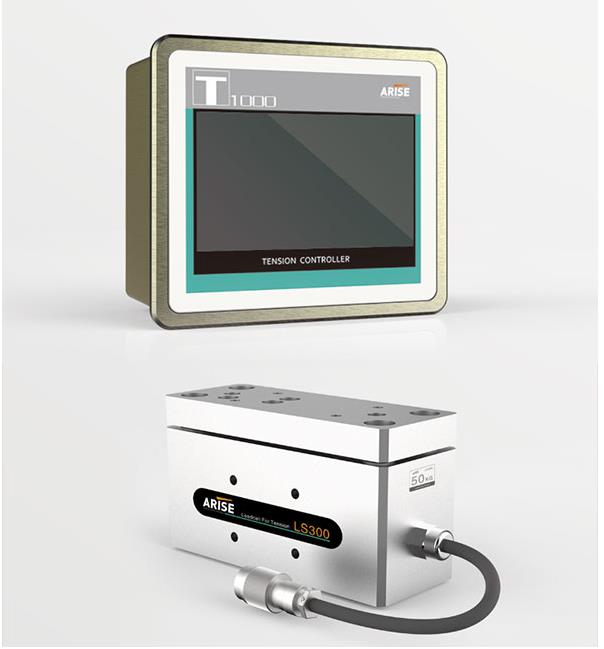
The double-loop tension controller combines two feedback loops to accomplish precise tension control. The first loop compares web tension to a setpoint value using a tension sensor. The second loop changes the control output based on the tension differential between the real and setpoint values. This two-loop technique delivers a more accurate and stable control signal than single-loop controllers.
Advanced Signal Processing
Using modern signal processing techniques, it filters out noise and other undesirable signals that could interfere with the stress measurement. To ensure the precision and dependability of the tension signal, low-pass filters, signal averaging, and other approaches may be used.
PID Control Algorithm
A PID control algorithm is used to change the control output based on the difference between the real tension and the setpoint value. This algorithm computes the proportional, integral, and derivative terms of the control signal to achieve precision and reliable tension control. For optimal control performance in a range of web handling applications, the PID algorithm can be fine-tuned.
Multiple Input and Output Options
It provides many input and output options to enable a wide range of web handling applications. Inputs for tension sensors, speed sensors, and other feedback devices can be incorporated, as can outputs for actuator control, alarms, and other control signals.

User-Friendly Interface
Operators can monitor and alter tension control parameters in real time using a user-friendly interface on a double-loop tension controller. A graphical depiction of the tension signal, setpoint values, and control output, as well as user-friendly menus and controls for adjusting the PID algorithm, filter settings, and other parameters, can be included.
Easy Integration with Existing Systems
It is designed to be easily integrated with current web handling systems, such as motors, drives, and other control devices. They can be used with a variety of communication protocols, including analog, digital, and fieldbus interfaces.
High-Reliability and Durability
The web tension controller is made to withstand tough industrial settings while providing dependable and long-lasting performance. They are often constructed with high-quality components such as tough housings, industrial-grade electronics, and strong connectors and wiring. This assures that the controller will be able to resist the rigors of continuous operation and deliver long-term performance.
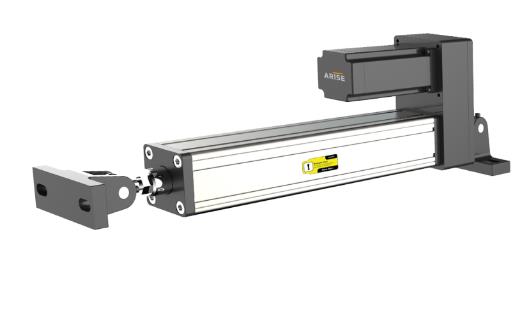
A web guide actuator is an important component of a web guiding system, used in industrial and manufacturing processes. Its principal function is to manage the position and alignment of a moving web of material along a manufacturing line, such as paper, film, fabric, or metal.
What Is the Function of a Web Guide Actuator in a Web Guiding System?
A web guide actuator detects any misalignment or deviation in a moving web of material and then adjusts the location of the web to keep it on track.
1. Sensor-based misalignment detection
The web's edge The actuator's sensors detect any misalignment or deviation of the web from its planned path. These ultrasonic, optical, or infrared sensors are installed along the web path to detect the web's position.
2. Signal transmission to the control system
When the sensor detects a change in the position of the web, it sends a signal to the control system. The sensor data is analyzed by the control system to determine the direction and magnitude of the misalignment.
3. Command signal generation by the control system
The web guide controller generates command signals based on sensor data analysis. The command signals instruct the actuator on how to adjust the web position to compensate for the discrepancy.
4. Command signal transmission to the actuator
The command signals are generated by the control system and sent to the actuator. The actuator receives these signals and converts them into mechanical movement that changes the placement of the web.
5. Adjustment of the web position by the actuator
The actuator adjusts the position of the web to correct the misalignment based on the control system's command signals. This is achieved by repositioning the web guide mechanism, which redirects the web to its desired path.
6. Feedback system
To ensure that the web remains properly oriented, the web guide actuator employs a feedback mechanism. The feedback system communicates the location of the web to the control system, which uses this information to continuously adjust the web's position as needed.
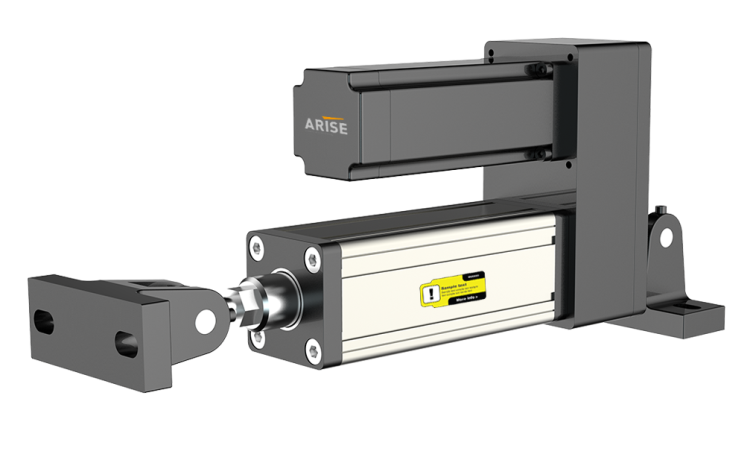
What are the Applications of Web Guide Actuator In A Web Guiding System
Web guide actuators are key components of web guiding systems which have a wide range of applications in various industries that demand continuous, accurate web guiding.
Printing and converting
Web guide actuators are used in printing and converting applications to ensure that the web of material remains aligned during the printing and cutting process. This helps to improve the accuracy of the printed images and reduce waste due to misaligned material.
Packaging
Web guide actuators are used to maintain the web of material aligned when printing and cutting in printing and conversion applications. This enhances image precision while decreasing waste caused by mismatched material.
Textile and nonwoven fabrics
Web guide actuators are used in the textile and nonwoven fabric manufacturing processes to keep the material web aligned during the manufacturing process. This improves fabric quality while reducing waste caused by incompatible materials.
Metal processing
They are appropriate for metal processing applications where the web of material must be kept aligned while cutting, punching, and shaping. This increases the precision of the finished product and saves waste caused by mismatched material.
Film and foil processing
The employment of a web guide actuator increases quality control by ensuring that the material being processed is consistent and accurate, which can contribute to overall product quality improvement.
What are the Benefits of Using a Web Guide Actuator in a Web Guiding System
Increased accuracy
The web guide actuator guarantees that the material being processed remains in the proper location, improving the quality of the finished output.
Waste has been reduced.
The web guide actuator reduces waste caused by mismatched material by ensuring that it remains aligned, which can save money and increase efficiency.
Enhanced productivity
The installation of a web guide actuator can help to enhance output by decreasing downtime caused by misaligned material or equipment.
Increased security
The web guide actuator helps to keep the material aligned throughout processing, which can reduce accidents and injuries caused by misaligned material.
Simple integration
The web guide actuator is easy to integrate into existing manufacturing processes and may be customized to meet the specific needs of different applications.
Reduced maintenance
The web guide actuator requires little maintenance, which can help to reduce maintenance costs and downtime.
Improved quality control
The use of a web guide actuator increases quality control by ensuring that the material being processed is consistent and accurate, which can contribute to overall product quality improvement.