
The world of industrial processes, from printing and packaging to textiles and nonwovens, hinges on precision and consistency. Advanced tension control algorithms are at the forefront of this transformation, enabling industries to achieve optimal tension levels. The result? Enhanced quality, reduced waste, and heightened operational efficiency. This article dives into the world of advanced tension control algorithms, exploring their definitions, applications, benefits, and the transformative impact they wield across various sectors.

Defining Advanced Tension Control Algorithms
Advanced tension control algorithms represent cutting-edge computational techniques that regulate tension levels in web processing operations. Employing real-time data, complex mathematical models, and feedback loops, these algorithms dynamically adjust tension, ensuring that material speed and tension remain in harmony across a diverse range of web processing scenarios.
Key Principles of Advanced Tension Control Algorithms
Sensor Data Integration
Strategically placed sensors throughout the web production line provide real-time inputs, including tension, speed, diameter, and temperature. These data points serve as the foundation for algorithmic analysis.
Mathematical Models
Advanced tension control algorithms harness intricate mathematical models based on sensor data. These models predict tension fluctuations, taking into account material properties, processing variables, and historical data for accurate forecasts.
Feedback Loops
A central tenet of these algorithms is continuous feedback loops. By comparing anticipated tension levels with actual measurements, the algorithms make real-time adjustments to the tensioning systems, ensuring that the desired tension is maintained.
Adaptive Control
In contrast to traditional methods, advanced algorithms adapt in real time to changing conditions. Swiftly responding to disturbances like speed fluctuations, material attributes, and abrupt starts and stops, they ensure consistent tension levels.
Applications in Various Industries
Flexible Packaging
Advanced tension control algorithms ensure precise tension levels in flexible packaging processes, enhancing quality and reducing material wastage during printing, laminating, and slitting operations.
Printing and Coating
In high-speed printing and coating, these algorithms deliver impeccable image registration and coating application by compensating for speed, temperature, and substrate changes.
Textiles and Nonwovens
Indispensable in textile weaving, knitting, and nonwoven production, advanced tension management yields uniform fabric creation, diminished distortions, and optimized material utilization.
Converting Machinery
Converting machines such as rewinders, sheeters, and slitters benefit from these algorithms' stable tension control, which adapts to roll diameter, speed, and material attributes, minimizing faults and downtime.
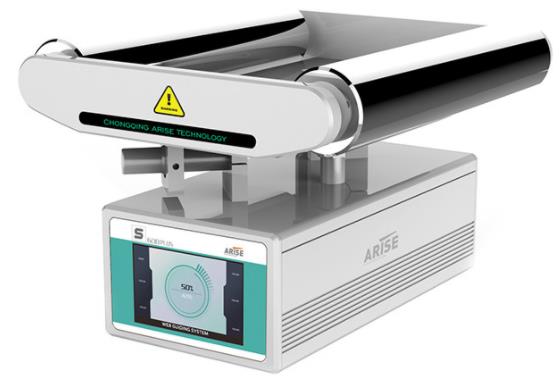
Automated Web Guiding Systems
Teaming up with web guide systems, advanced tension control algorithms achieve both alignment and tension management simultaneously, offering a comprehensive approach to web processing.
Advantages of Advanced Tension Control Algorithms
Precision
Exceptional precision is maintained even in complex processing scenarios, ensuring consistent tension levels.
Quality Enhancement
Flaws and irregularities are minimized by eliminating tension variations, resulting in higher-quality end products.
Material Efficiency
Optimized tension control system reduces material wastage, contributing to sustainability efforts and cost savings.
Operational Efficiency
Automation and predictive capabilities reduce manual intervention, enhancing overall process efficiency and minimizing downtime.
Flexibility
The flexibility of advanced algorithms suits a wide range of processing conditions and materials, making them versatile for various industries and applications.
Reduced Maintenance
Stable tension levels reduce wear and tear on machinery and components, extending equipment lifespan.

The Future of Advanced Tension Control Algorithms
As technology progresses, enhanced tension control algorithms will reach new heights:
Integration with Industry 4.0
Integration with artificial intelligence (AI) and machine learning will empower algorithms to learn from historical data, respond to intricate processing scenarios, and accurately predict tension fluctuations.
Predictive Maintenance
Advanced algorithms will introduce predictive maintenance strategies, identifying potential issues before they lead to equipment breakdowns by continuously analyzing sensor data.
Real-time Optimization
These algorithms will dynamically optimize tension by processing large data volumes in real time, responding to changing conditions and ensuring consistent quality.
Human-Machine Collaboration
The future lies in human-algorithm collaboration. Operators will work alongside algorithms to fine-tune settings, interpret data insights, and make informed decisions, resulting in higher product quality and operational efficiency.
Conclusion
Advanced tension control algorithms are the driving force behind transformative changes in various industries, redefining product manufacturing and enhancing quality, efficiency, and sustainability. Their role in establishing precision and consistency in web processing applications is set to shape the future of multiple sectors as technology continues to advance.
In the realm of advanced technologies, the web guide system stands as a sophisticated tool, meticulously overseeing the alignment and control of the paper web during the manufacturing process. Automatic web guiding control system plays a pivotal role in steering and governing the movement of the paper web as it navigates the manufacturing journey. Its impact is far-reaching, elevating precision, curbing waste, heightening productivity, and embellishing the quality of the final product by eradicating web inconsistencies and preserving impeccable alignment.
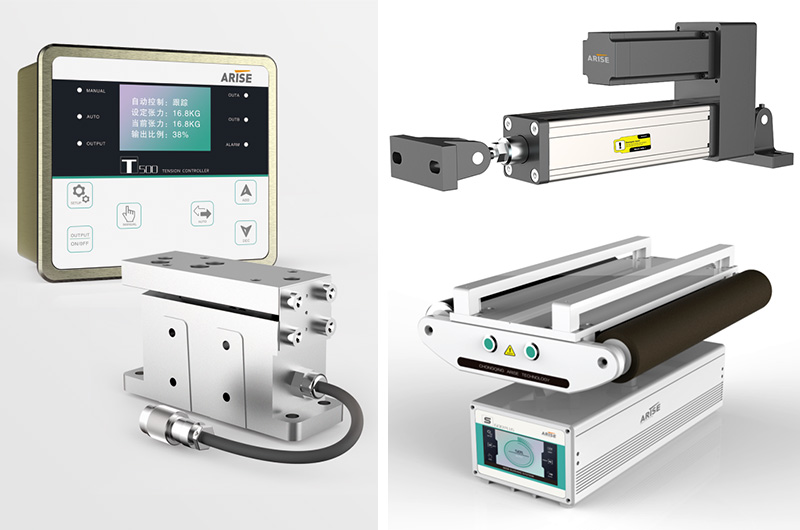
Delving into the subject of selecting the web guide system to augment accuracy and excellence in paper manufacturing, this article ventures into the mechanics, advantages, and principal applications of this system within the paper manufacturing landscape.
Unveiling the Mechanics of the Web Guide System in Paper Manufacturing
The Intricacies of Detection
Central to the functionality of the web guide system is the vigilant web guide sensor, ceaselessly monitoring the real-time position of the paper web and detecting any deviations from its designated alignment. Subsequently, this data is relayed to the control system, setting the stage for corrective actions.
Analysis and Precision Calculation
Herein, the control system undertakes a profound analysis of the sensor-derived data, meticulously calculating the necessary adjustments required to bring the web back into harmonious alignment. This intricate calculation takes into account dynamic variables such as web speed, tension, and the intricate specifications of desired alignment.
Precise Adjustment Mechanisms
With calculations complete, the control system issues commands to the actuator, a dynamic component within the system. The actuator responds by engaging the web guide mechanism – a collection of rollers or guides, for instance – in orchestrated movements to rectify the web's deviation and return it to its intended trajectory.
Continual Supervision and Responsive Loop
Even as production proceeds, the web guide sensor maintains its steadfast vigilance, ensuring constant observation of the web's position. This perpetual feedback loop transmits real-time data to the control system, which, in turn, orchestrates the necessary modifications to keep the web exquisitely aligned throughout the entirety of the manufacturing journey.
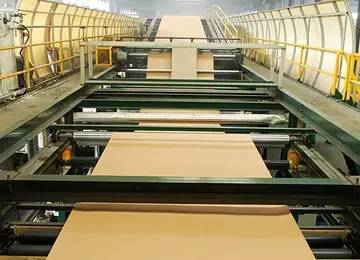
The Merits of Embracing the Web Guide System in Paper Manufacturing
Precision Aligned Web: A Cornerstone Benefit
Foremost among the advantages bestowed by the web guide system is the fine-tuning of the paper web's alignment. This achievement ensures that the web remains unfailingly poised within its intended position during the multifaceted manufacturing process. By mitigating deviations and misalignments, this facet engenders a refined level of accuracy in printing, coating, and cutting processes, ultimately culminating in a spectrum of high-quality end products.
Amplified Productivity Beckons
The web guide system introduces a new era of enhanced production speeds without compromising on precision. By upholding optimal web alignment, it obviates the need for human interventions that were historically necessary to rectify misalignments. The consequent seamless functioning of the manufacturing process minimizes downtimes caused by web misalignments, which, in turn, charts an upward trajectory for productivity and overall output.
Slicing Waste at the Roots
Paper waste can cascade from the web's irregularities and misalignments. Mispositioned sections might be relegated to the wastebin, ushering in heightened material costs and an unwelcome environmental footprint. Enter the web guide system – the guardian of alignment – which abates waste by championing the sustained alignment of the entire paper web. Material waste is thereby curbed, and the manufacturing landscape inches closer to sustainability.
Quality Ascends the Throne
The pinnacle of the final product's quality rests upon precise web alignment. This tenet, upheld by the web guide system, vouchsafes consistent and exact results across the manufacturing trajectory, be it printing, coating, or cutting. The outcome: paper goods of impeccable quality, poised to exceed customer expectations and elevate the manufacturer's standing in the market.
Counting Coins: Savings Galore
For paper manufacturers, ushering in the web guide system can herald substantial cost reductions. Slashing manufacturing costs becomes a reality as waste reduction, amplified productivity, and diminished manual interventions collectively pave the way for economic gains. Furthermore, the system's astute management of material usage unfurls the banner of resource efficiency, culminating in sustainable cost cuts that reverberate over the long term.
Reducing Downtime, Elevating Efficiency
Web misalignments and fluctuations are notorious for triggering halts in production and precipitating downtime. The web guide system orchestrates a ceaseless ballet of vigilance and adjustment, rendering manual interventions and downtime largely obsolete. This synergy maintains the rhythm of continuous production and begets a realm of heightened operational efficiency.
A Tapestry of Adaptability and Versatility
The beauty of the web guide system lies in its adaptability. A chameleon in the realm of paper manufacturing, this system seamlessly accommodates a spectrum of paper types, sizes, and weights. It effortlessly melds into existing production lines, malleable enough to be tailored to the distinct manufacturing requisites of each entity. This dynamic capacity empowers manufacturers to navigate shifting paper demands with dexterity, rendering the production journey remarkably versatile and responsive.
User-Centric Harmony
The web guide control system, with its user-friendly interfaces and intuitive controls, caters to the operators' ease. Armed with such a system, operators can fluidly monitor and tweak system parameters as necessity dictates. This streamlined operation obviates steep learning curves for new users, fostering operator satisfaction and bolstering overall efficiency.
Charting the Vistas of Application: Web Guide System's Key Roles in Paper Manufacturing
Embarking on Seamless Alignment
At its core, the web guide system is synonymous with immaculate web alignment throughout the manufacturing odyssey. The system's vigilant oversight translates into lateral paper web movement regulation, meticulously positioning and aligning it along its intended path. This alignment is pivotal for a myriad of paper manufacturing phases, from printing and coating to cutting and converting.
Precision in Printing
In the realm of printing, the web guide system assumes a pivotal mantle, meticulously steering precise registration and alignment of the paper web. This orchestration ensures that the printing plates or cylinders are in harmonious accord with the web, ushering in sharply defined and impeccably aligned printed images. This attribute finds profound utility in the realm of high-quality printing, including periodicals, catalogs, and packaging materials.
Coating: A Uniform Canvas
Coating, a cornerstone technique in paper manufacturing, involves the application of a coating material to the paper web to augment attributes like smoothness, gloss, and printability. The web guide system steps in to champion this realm, guaranteeing unwavering alignment during the coating process. The outcome is uniformity and consistency in the application of coating, culminating in a coated paper of extraordinary quality, boasting evenly dispersed coating material.
Meticulous Cuts and Slits
The transformations from paper web to diverse sizes and forms necessitate slitting and cutting procedures. The web guide system plays a pivotal role in this domain, preserving the precision and linearity of cuts by impeccably maintaining web alignment during these operations. This contribution is of paramount importance in crafting paper rolls, sheets, or specific paper products marked by uniform dimensions and impeccable trims.
Tension's Tamed Grace
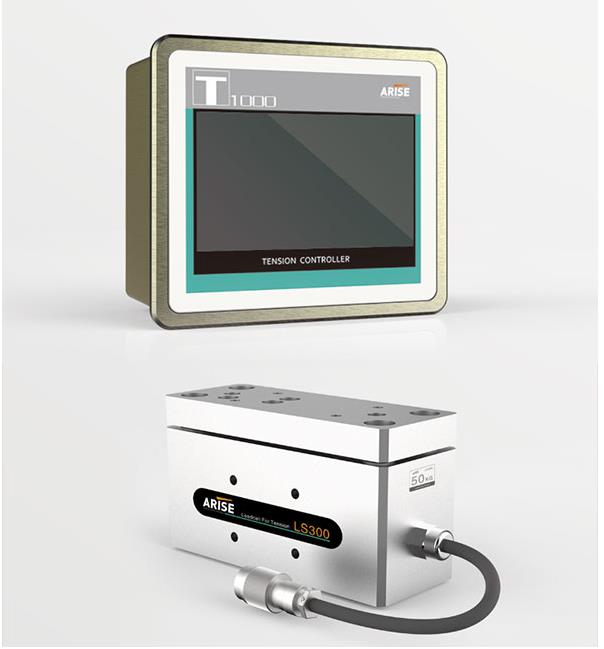
Tension control during papermaking finds a loyal ally in the web guide system. Its watchful eye ensures that the paper web is adorned with optimal tension levels, thwarting creases, wrinkles, and sagging. This guardianship over tension preserves the paper web's structural integrity, preventing quality setbacks in subsequent stages.
In numerous industries, the seamless treatment of continuous web materials, such as paper, film, textiles, and metal, hinges upon the indispensable presence of web guiding systems. These systems play a pivotal role in ensuring meticulous web alignment and tension management, a necessity for eradicating defects, reducing wastage, and bolstering overall production efficiency. The infusion of sensor technologies into modern web guiding machines has orchestrated a paradigm shift in the handling of web materials, ushering in real-time feedback and automated adjustments that revolutionize the process. In this article, we delve into the cornerstone sensor technologies employed within web guiding machines, elucidating their contributions in propelling precision and efficiency within the realm of web handling processes.
Pioneering Line Edge Sensors in Web Guiding Machinery
The bedrock of precision lies in the innovative deployment of line edge sensors within web guiding machines. At their core, line edge sensors operate on the principle of discerning alterations in light, infrared, or sound patterns as the web material traverses their field of vision. This process involves the emission of light, infrared radiation, or ultrasonic waves across the expanse of the web. A harmonious signal is registered by the sensor when the web is suitably aligned, signifying that it adheres to its designated trajectory.
In cases of deviation, the line edge sensor swiftly detects fluctuations within the signal pattern. This triggers the web guiding system to execute meticulous adjustments, thereby rectifying the lateral positioning of the web and steering it back towards the centerline or the intended alignment.
The Diverse Variants of Line Edge Sensors
Optical Line Edge Sensors: Optical sensors harness light-emitting diodes (LEDs) to project a light beam across the width of the web. A receiver stationed on the opposing side detects the light pattern, which remains uninterrupted when the web maintains its proper orientation. Displacements in the web's position lead to alterations in the received light pattern, facilitating the sensor's calculation of the web's lateral placement and furnishing corrective inputs.
Infrared Line Edge Sensors: Employing the same principle as optical sensors, infrared line edge sensors substitute visible light with infrared radiation. This substitution renders them more impervious to external lighting conditions, making them especially adept in environments characterized by subdued ambient light.

Ultrasonic Line Edge Sensors: By generating ultrasonic waves that interact with the web before returning to the sensor, ultrasonic line edge sensors can gauge the web's distance and position. This technology proves efficacious for guiding materials of varying thicknesses and surfaces that may bear imperfections.

Harnessing Capacitive Sensors in Web Guiding Systems
Capacitive sensors, an indispensable component of web guiding systems, rely on the detection of capacitance changes brought about by the proximity of web content. As the material's dielectric constant fluctuates, so does the capacitance, allowing the sensor to identify the web's presence and position. This technology finds its forte in guiding non-conductive or low-conductive materials.
Vital Role of Tension Sensors in Web Guiding Systems
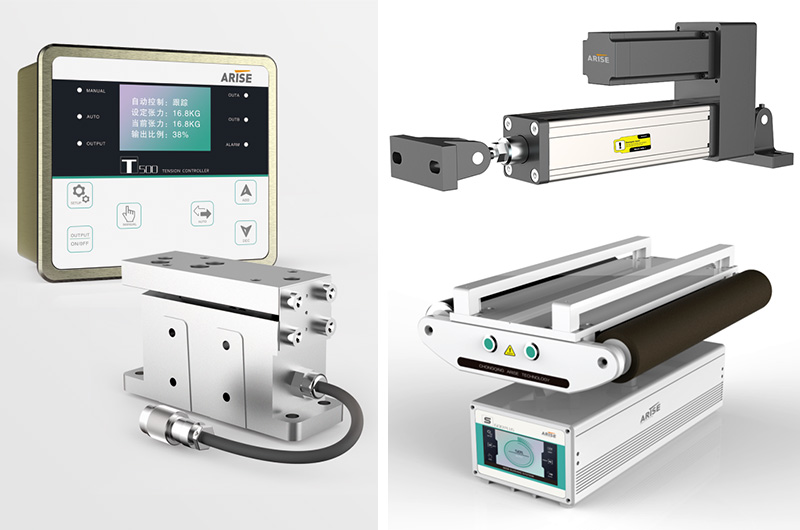
Tension sensors, veritable linchpins of web guide and tension control systems, wield the task of gauging and monitoring the tension forces acting upon moving web materials. Their role is pivotal in upholding continuous and precise tension throughout the web handling journey.
A Panoply of Tension Sensor Types
Load Cells: Hinging on the strain gauge principle, load cells undergo deformation when subjected to tension. Attached strain gauges discern this deformation and translate it into an electrical output proportional to the applied stress.
Dancer Roll Sensors: Employed in scenarios necessitating meticulous tension management, dancer roll sensors detect the position or angle of a freely-moving dancer roll—a roller responsive to fluctuations in web tension. This input aids in tension adjustments.
Ultrasonic Tension Sensors: Functioning through the measurement of ultrasonic waves' travel distance along the web, ultrasonic tension sensors deliver real-time tension feedback by constantly detecting changes induced by tension fluctuations.
Magnetic Tension Sensors: By detecting variations in the magnetic field's strength triggered by web stress, magnetic tension sensors cater to applications that demand non-contact sensing.
The Precision of Laser Sensors in Web Guiding Systems
Laser sensors emerge as exemplars of precision and accuracy within web guiding applications. Their modus operandi entails the detection of web position through laser beams, subsequently furnishing feedback for guiding adjustments. These sensors excel in high-speed processing and precision-intensive applications.
Summary
Sensor technologies have orchestrated a transformative epoch in the domain of web guiding machines, affording the luxury of real-time feedback and automated interventions that ensure impeccable alignment and tension control of web materials. Through the incorporation of these intelligent sensors, industries stand poised to elevate production efficiency, curtail wastage, and attain elevated levels of precision in the intricate realm of web handling processes.
Industries reliant on precision, such as printing, packaging, and paper manufacturing, find an indispensable ally in the form of a web guide system. This technology ensures meticulous alignment and seamless tracking of web content throughout the production journey. However, the pinnacle of performance is attainable only through meticulous installation and calibration. This article ventures into the intricacies of web guide system installation, elucidating best practices that foster efficiency, minimal downtime, and operational excellence for manufacturing machines.
Laying the Groundwork: Preparing for Web Guide System Installation
Embarking on the installation journey mandates a thorough prelude. Delve into system specifications, conduct a site reconnaissance, and ensure all requisites tools and components stand at the ready. Immersing oneself in the manufacturer’s guidelines and instructions proves crucial, for they harbor invaluable insights that align with the web guiding system at hand.
The Art of Mounting and Aligning Web Guide Systems
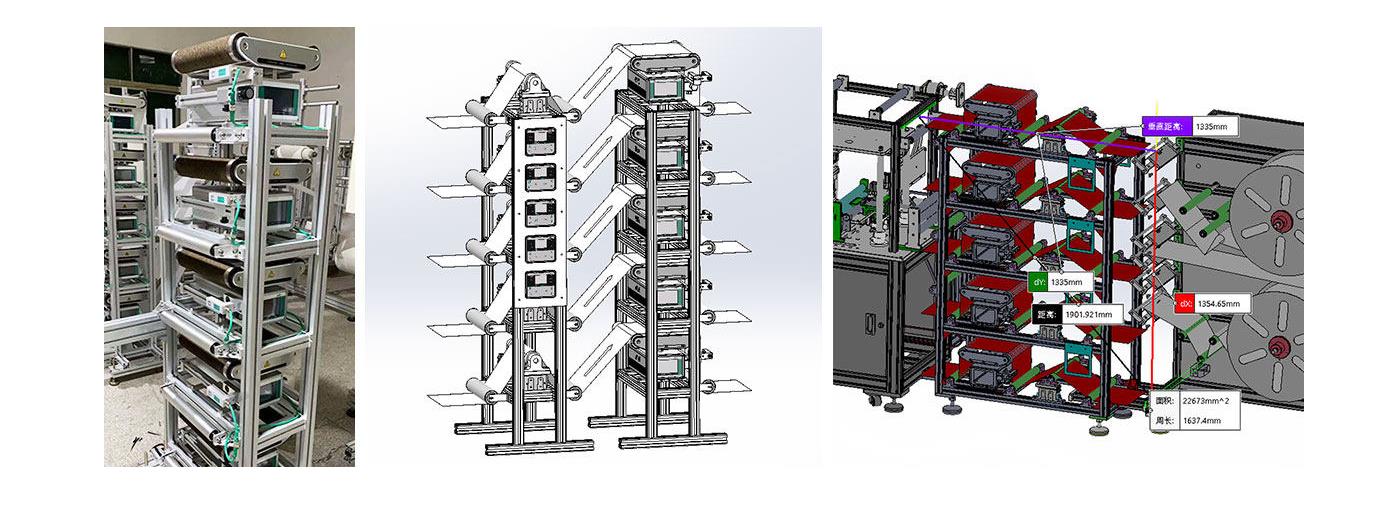
The foundation of the web guide system's prowess rests in its installation. Opt for a location conducive to maintenance and adjustments. The chosen mounting surface must possess the structural integrity to support the system's weight. Align with precision the manufacturer's recommendations, including mounting height, distance from neighboring equipment, and other critical specifications.
Alignment emerges as the cornerstone for accurate web tracking. Forge a parallel trajectory between the web guide system and the web path, ensuring perpendicularity to the web material's course. Precision leveling tools materialize as allies in this pursuit. Even a hair's breadth of misalignment during installation can trigger tracking predicaments, undermining the system's performance.
The Prelude to a Seamless Web Path: Preparation
Prudent preparation of the web path is imperative before web guide system installation. Eradicate debris, obstructions, and vibration sources from the route. A clear and unhindered web path curbs the risk of material breakage and tracking discrepancies.
Thoroughly inspect rollers, pulleys, and other web path constituents for signs of wear or damage. Exchange worn elements to guarantee uninterrupted web movement. Additionally, sanitizing the web path from dust, grime, or residues orchestrates a conducive environment, unfettered by hindrances.
Strategic Sensor Placement: Enabling Optimal Performance
Sensor placement in the installation and calibration of web guide control systems stands as a linchpin. These sensors vigilantly oversee web material's alignment and location, enabling the system to effectuate requisite adjustments for precise tracking. Here are pivotal guidelines governing sensor placement:
Proximity to the Web Material
Plant the sensors in close proximity to the web material, refraining from physical contact. This tactic assures sensors discern the material's alignment and location with utmost precision. Too great a distance can impede effective tracking, leading to inaccuracies.
Alignment Par Excellence
Orchestrate sensor alignment congruent to the web path. Parallelism empowers sensors to accurately monitor web material movement. Misalignment could spawn erroneous readings, jeopardizing the system's tracking efficiency. Precision leveling tools ascertain optimal alignment.
A Multitude of Sensors
Depending on the complexity of the web path and desired tracking precision, multiple sensors may prove requisite. Placing sensors at strategic junctures along the web path confers a comprehensive perspective of the material's position and alignment. This fortifies the system's capacity for exact adjustments, culminating in superior tracking performance.
Stability is Paramount
Secure sensors firmly to quell movement or vibration during operation. Loose or unstable sensors beget erroneous readings and tracking glitches. Leveraging manufacturer-prescribed mounting brackets or fixtures is indispensable for ensuring stability.
Meticulous Sensor Lighting Considerations
Pay heed to lighting conditions in the installation locale. Excessive glare, shadows, or light fluctuations impede sensor efficacy. Shield sensors from direct sunlight or potent light sources that can impede precise web material detection.
Navigating the Calibration Odyssey
Calibration emerges as the linchpin of web guide systems, harmonizing system parameters with online material to attain impeccable tracking. Calibration epitomizes the process through which the system attunes its alignment mechanisms. The calibration process follows a systematic course:
Harvesting Pertinent Information
Collect essential data concerning web material attributes and specific production prerequisites preceding calibration initiation. This entails factors like web width, desired alignment precision, and web speed. Manufacturer stipulations and recommendations form a vital compass during this phase.
Steering System Configuration
Leverage the system's control interface or software to configure parameters. Input critical information such as web width, speed, and alignment precision objectives. This control interface might encompass options for refining sensor sensitivity, control responsiveness, or other system-relevant parameters.
Test Run: A Crucial Litmus Test
Initiate a test run with a sample web material to gauge initial performance. Monitor how the system tracks the material's course and assesses alignment preservation. Scrutinize any anomalies or deviations from the expected trajectory during this trial.
Fine-Tuning Iterations: Precision in Progress
Tailor system parameters based on outcomes from the initial test run to elevate tracking accuracy. Fine-tuning encompasses sensor sensitivity, control response times, or filtering settings, contingent on the system's specifics. Iterations of these refinements shall vary based on the system's nuances and capabilities.
Perpetual Test Iterations
Upon effecting necessary adjustments, rerun the test with the sample web material. Evaluate the system's tracking prowess against desired alignment benchmarks. Persist in refining parameters and repeating test iterations until attaining the desired tracking precision.
Ultimate Fine-Tuning: Elevating Excellence
Consider supplementary fine-tuning avenues post-precise tracking achievement. This might encompass optimizing tension control mechanisms, edge detection settings, stability controls, or other system-specific components. Manufacturer literature or expert consultation stands as the guiding light for this phase.
Safeguarding Sustained Brilliance: Post-Installation Vigilance
Beyond the successful installation and calibration, ongoing vigilance and maintenance hold the reins for sustained performance. Instating a proactive maintenance regimen entails regular assessment and cleansing of system sensors, rollers, and other elements. Routinely scrutinize for signs of wear, misalignment, or any issues that could undermine system prowess.
Amid production runs, monitor system performance for deviations or tracking anomalies. Scrutinize performance metrics and undertake suitable adjustments through the control interface or software. Swiftly address emerging issues to curtail downtime and assure product consistency.
Summary
In the synthesis of web guide system installation and calibration lies the key to impeccable web tracking and unfaltering manufacturing operation. By adhering to the outlined best practices, you sidestep tracking discrepancies, minimize downtime, and fortify productivity. Pledge allegiance to manufacturer guidelines and seek expertise if necessary. With a meticulously installed and calibrated web guide system, your operations attain optimal efficiency, consistently delivering products of the highest caliber.
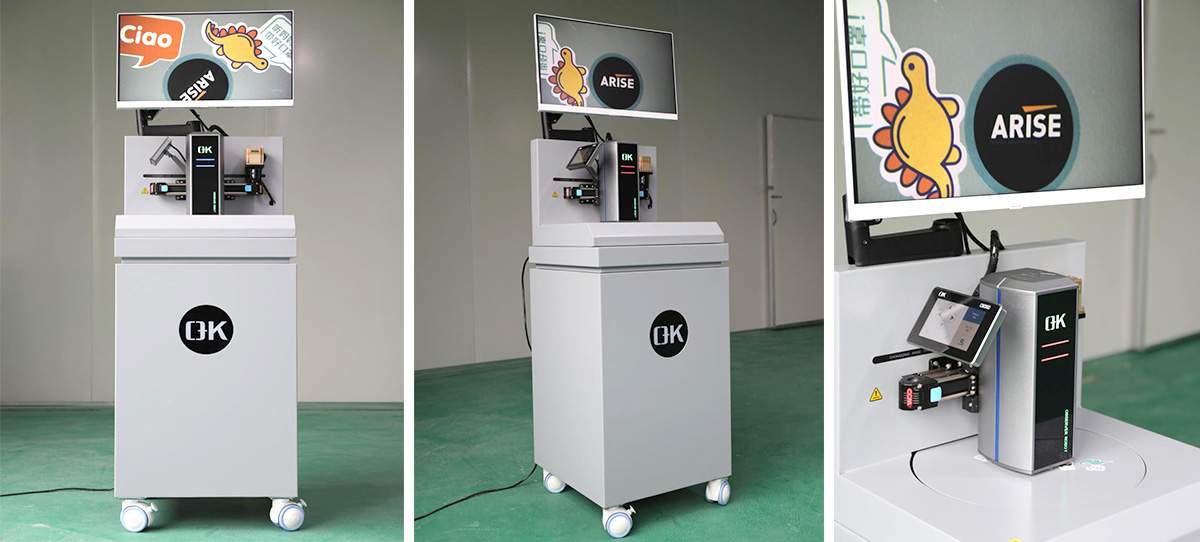
In the fast-paced world of printing and label manufacturing, consistent quality is essential to meet customer demands and regulatory requirements. Precision and perfection are vital when producing consumer product labels, packaging materials, or print media. To achieve top-notch quality and minimize errors, the printing industry relies on a revolutionary tool known as the web inspection system.
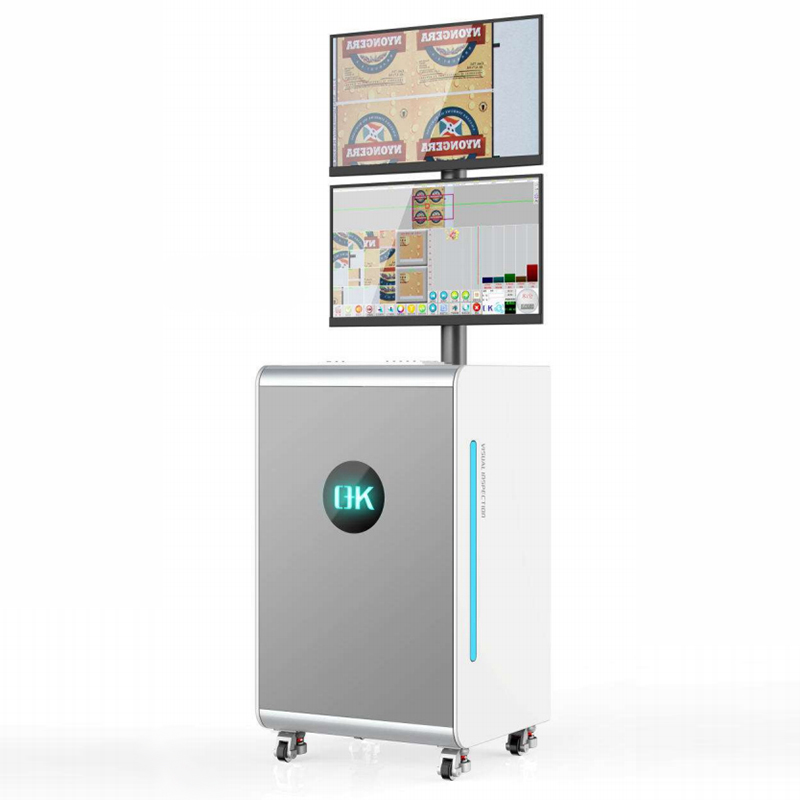
The web inspection system is a cutting-edge quality control system specifically designed for the printing industry. It combines sophisticated hardware and software technologies to monitor, analyze, and examine printed materials in real-time during production. This technology can detect and identify various faults and imperfections in printed output, ensuring that only flawless products reach the market.
Key Features and Functions of a Web Inspection System for Printing and Label Quality
The web inspection system is a powerful tool that revolutionizes the printing business, offering several key features and functions:
High-Resolution Imaging: The system uses high-resolution cameras and sensors to capture detailed photographs of printed materials, allowing for precise assessment of even minute faults and inconsistencies.
Defect Detection and Identification: Intelligent algorithms scan for flaws, such as misprints, color variations, streaks, smudges, specks, and registration issues, in real-time on collected photos.
Color Consistency and Accuracy: The system ensures that printed colors meet the required criteria, resulting in consistent output and detecting color discrepancies and variations.
Registration Control: Proper registration alignment of different colors and printing plates is verified, avoiding misregistration errors that can lead to fuzzy or overlapping prints.
Real-time Monitoring and Alerts: The system continuously monitors the printing process, providing alerts and notifications to operators if defects or deviations from quality standards are detected.
Integration with Printing Equipment: The system is designed to work with various types of printing equipment, allowing for easy incorporation into existing production processes.
Data Logging and Reporting: Detailed inspection reports provide important insights into production quality, allowing for data-driven decision-making and process improvements.
User-friendly Interface: Modern web inspection systems offer intuitive interfaces for easy setup and management of inspection settings.
Advantages of a Web Inspection System for Printing and Label Quality
Implementing a web inspection system for printing and label quality offers numerous advantages that significantly impact the printing industry:
Enhancing Printing Quality: The system ensures consistent and high-quality prints, maintaining precision throughout the production process.
Waste Reduction and Cost Savings: Early defect detection reduces the output of defective prints and raw material waste, enhancing production efficiency and profitability.
Improving Productivity and Throughput: Real-time monitoring and automated flaw detection help operators identify and correct printing problems quickly, increasing production throughput.
Regulatory Compliance Support: The system guarantees compliance with severe regulatory standards for printing quality, preventing potential recalls and legal consequences.
Reducing Rework and Reprints: Early defect detection helps prevent the production of faulty prints, reducing the need for rework and reprints.
Enhancing Customer Satisfaction: High-quality prints increase customer satisfaction, boosting the reputation and brand image of the printing company.
Real-time Monitoring and Actionable Insights: The system provides real-time monitoring and alerts, allowing operators to take immediate corrective actions.
Faster Time to Market: Minimizing the time spent examining and resolving faults allows printing companies to bring their products to market faster.
Streamlined Quality Control: Automation decreases the need for manual inspection, improving defect detection accuracy and efficiency.
Competitive Edge: Consistently delivering high-quality prints gives printing companies a competitive advantage in a fast-paced industry.
Summary
A web inspection system is a vital tool for ensuring top-notch printing quality. By implementing this cutting-edge technology, printing companies can confidently produce flawless products that exceed customer expectations and thrive in a competitive market. The web inspection system is a game-changer, revolutionizing the printing industry and setting new standards for excellence.