
In industries characterized by continuous material processing—such as printing, converting, packaging, and textiles—meticulous control of web tension and web alignment is paramount. These controls are essential to ensure product quality and optimize production efficiency. This article delves into the integration of web tension controllers with automated web guiding systems, shedding light on the advantages and diverse applications of this innovative combination.
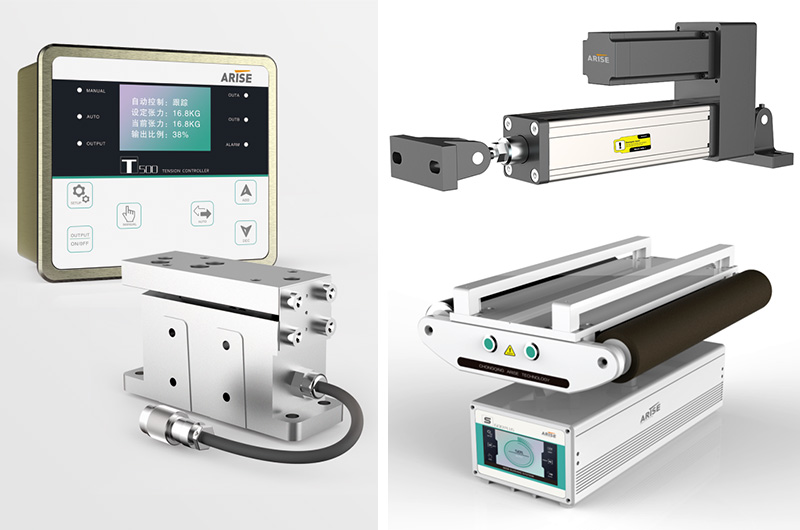
Understanding Web Tension Controllers
Web tension, often associated with materials in roll form or web format, pertains to the uniformity and consistency of material as it traverses the manufacturing process. Maintaining precise web tension is critical to prevent defects, control printed materials accurately, and avert web breakages. Web tension controllers are instrumental in achieving and sustaining the desired level of tension. These controllers operate by modulating the speed or torque of components like motors, brakes, or clutches to maintain the material's tension within the specified range.
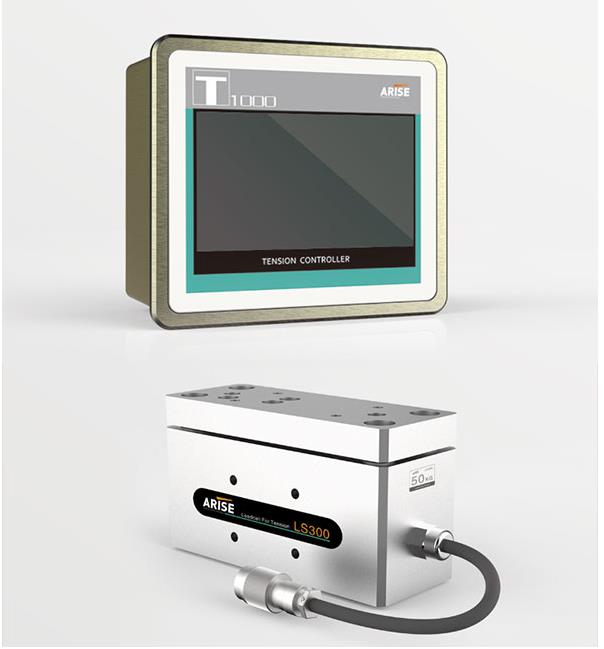
The Role of Web Guiding Systems
Web guiding systems are specialized machines dedicated to ensuring the alignment and positioning of continuous webs of materials as they progress through various industrial machines and processes. These materials can encompass paper, film, fabric, metal, and more. Web guiding systems are pivotal in keeping web materials centered, aligned, and free from defects as they traverse the production line.
Web guide control systems find application in numerous industrial processes where precise alignment and management of continuous materials or webs are indispensable for maintaining product quality and process efficiency. These systems play a critical role across a wide spectrum of industries, including printing, converting, packaging, textiles, and paper manufacturing.
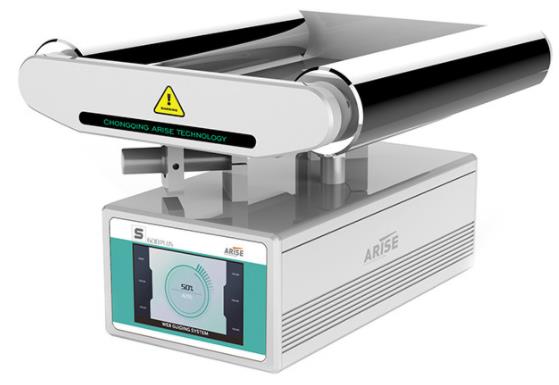
Key Components of Web Guiding Systems
Web Sensors: These sensors detect the position or alignment of the web material. Common web guide sensors include edge sensors, line sensors, or contrast sensors, selected based on the material type and process.
Controller: The web guiding controller processes sensor inputs and determines the necessary adjustments to maintain proper web alignment. It then transmits control signals to actuators.
Actuating Devices: Actuators, such as steering guides, rollers, or moving frames, physically alter the position of the web material in response to the controller's directives.
User Interface: Some web guiding machines provide user interfaces, enabling operators to configure parameters, monitor system performance, and make manual adjustments as needed.
Advantages of Integrated Web Tension Controllers with Web Guiding Systems
The integration of web tension controllers with automated web guiding systems offers several notable advantages:
Precise Control: The combination delivers real-time tension control and ensures precise alignment and tracking of materials, resulting in high-quality finished products.
Reduced Waste: By preventing misalignment and over-tensioning, these integrated systems minimize material waste, reducing defects and web breakages.
Enhanced Efficiency: Automation reduces the need for manual interventions, enhancing overall productivity as operators can focus on other critical aspects of the manufacturing process.
Improved Product Quality: Consistent tension and alignment throughout the process significantly enhance the quality of finished products, whether it involves printing, laminating, coating, or slitting.
Versatility: These systems are adaptable and can integrate seamlessly into various machines and processes, making them suitable for a wide range of industries and applications.
Common Applications of Integrated Web Tension Controllers with Web Guiding Systems
Printing: Precise tension and alignment control are pivotal in the printing industry to produce accurately printed materials with high quality.
Packaging: Integrated systems ensure proper cutting, folding, and sealing of package materials, reducing waste and optimizing packaging quality.
Textiles: Textile manufacturers rely on these integrated systems to maintain consistent tension and alignment of fabrics, preventing defects and improving the quality of end products.
Converting: In the converting industry, where materials undergo transformation into various products, integrated systems ensure accurate and efficient processing at each stage.
Labeling: Precision web tension and web guiding are critical in label printing and application to achieve correctly positioned and securely attached labels on items.
Conclusion
The integration of web tension controllers with web guiding systems marks a significant technological advancement in manufacturing. In diverse industries, these integrated systems play a pivotal role in enhancing efficiency, reducing waste, and elevating product quality. As technology continues to advance, we can anticipate further innovations in web tension and web guiding control, driving the manufacturing industry toward increased automation and precision.
Ensuring the quality and precision of printed materials is of paramount importance, be it for commercial packaging, marketing materials, or personal use. In this article, we will delve into the world of printing inspection systems, examining their roles and comparing their applications in digital and analog printing processes.
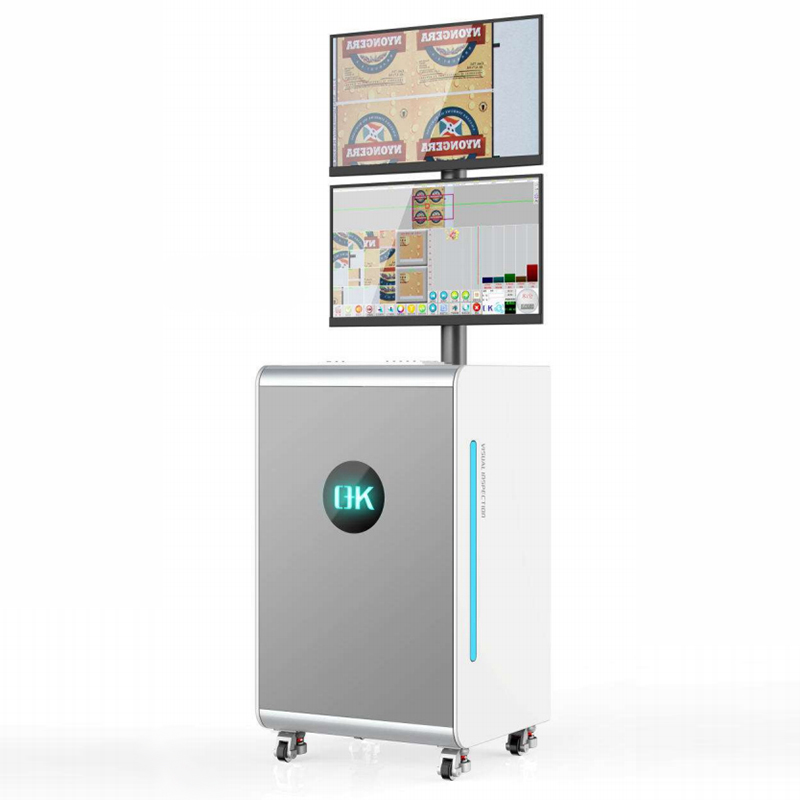
Distinguishing Digital and Analog Printing
Before we delve into the specifics of printing inspection systems, it's crucial to understand the fundamental disparities between digital and analog printing methods.
Digital Printing
Technology: Digital printing employs inkjet and laser technologies, directly applying ink or toner to the printing surface without the use of plates or cylinders.
Flexibility: Remarkably versatile, digital printing accommodates variable data printing, facilitating personalization for each printed piece.
Print Speed: Digital printers are capable of high-speed production, emphasizing the need for real-time inspection.
Analog Printing
Technology: Analog printing encompasses methods like offset, flexography, gravure, and letterpress, transferring ink onto the surface using plates, cylinders, or screens.
Standardization: Analog printing is less adaptable to variable data and is typically reserved for large print runs of identical items.
Setup: Analog printing requires more manual setup and calibration for color matching and registration.
The Vital Role of Printing Inspection Systems
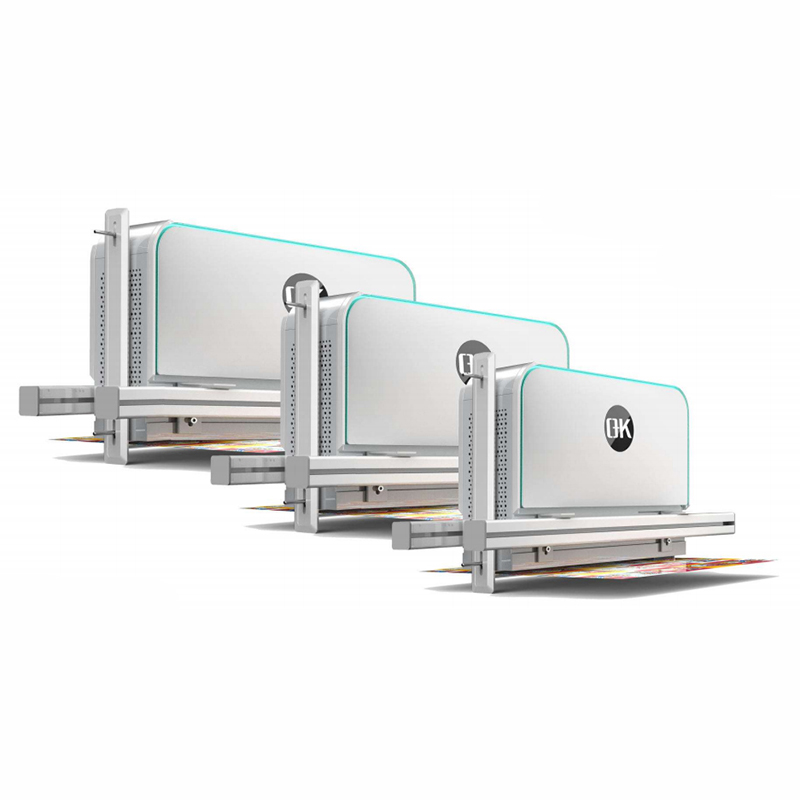
In today's printing industry, printing inspection systems serve as vigilant quality control monitors. They ensure the integrity of printed products, upholding stringent quality standards. These systems play a multifaceted role in guaranteeing that printed materials not only exhibit visual appeal but also provide reliable and consistent information, encompassing aspects from color accuracy to variable data verification.
Comparing Printing Inspection Systems in Digital and Analog Printing
The stark differences between these two printing processes significantly influence the design and functionality of the inspection systems employed. Let's compare the printing inspection methods in digital and analog printing processes:
1. Inspection Criteria
Digital Printing:
Digital printing inspection systems primarily focus on color accuracy, registration (alignment of different colors or parts), and print quality (identifying nozzle dropouts, streaks, or faults).
Analog Printing:Analog printing inspection systems also assess color accuracy and registration. However, they may need to address additional concerns such as plate wear, cylinder condition, and ink viscosity.
2. Variable Data Handling
Digital Printing:
Digital printing is ideally suited for variable data printing, necessitating inspection systems capable of handling variable data and ensuring each piece adheres to the intended design.
Analog Printing:
Analog printing processes are less flexible in handling variable data and are primarily utilized for high-volume print runs of identical materials.
3. Print Speed
Digital Printing:
Digital printers often operate at higher speeds than analog printing presses, making real-time inspection a critical aspect.
Analog Printing:
Analog printing presses may have slower production speeds, allowing more time for inspection during the printing process.
4. Setup and Calibration
Digital Printing:
Setting up inspection systems for digital printers is typically simpler and requires fewer manual adjustments due to built-in controls for color and registration.
Analog Printing:
Analog printing presses necessitate more manual setup and calibration of inspection systems to ensure precise color matching and registration.
5. Cost and Maintenance
Digital Printing:
Digital printing inspection systems, often integrated with the digital printer and featuring fewer moving parts, can be less expensive to set up and maintain.
Analog Printing:
Analog printing inspection systems may be more complex and costly due to additional components like web guide systems and tension control systems.
6. Waste Reduction
Digital Printing:
Digital printing inspection devices help minimize waste by detecting faults early in the printing process, reducing the need to discard misprinted materials.
Analog Printing:
Analog printing inspection systems also contribute to waste reduction but may not be as efficient as their digital counterparts.
In Conclusion
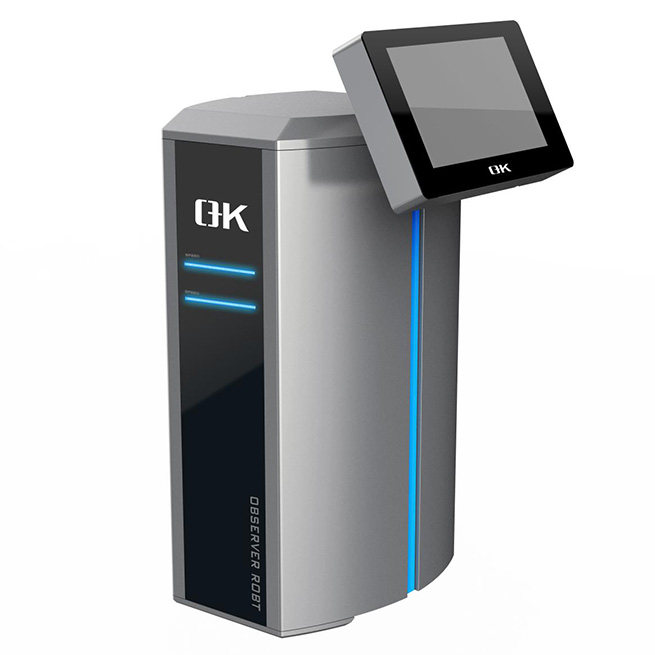
Printing inspection systems serve as diligent guardians of print quality, ensuring the final product meets or exceeds expectations. While these systems benefit both digital and analog printing processes, each comes with its own set of requisites and challenges.
Digital printing inspection systems excel in managing variable data, offer cost-effectiveness, and are well-suited for high-speed printing. On the other hand, analog printing inspection systems require more human calibration and may be better suited for high-volume, uniform print runs.
Ultimately, the choice of a printing inspection system should align with the specific demands of the printing process and the desired print quality. Whether digital or analog, the ultimate objective remains constant: delivering high-quality printed materials that leave a lasting impression.
In the realm of product packaging and labeling, ensuring both quality and safety is of paramount importance. Achieving such levels of precision and reliability can often be a challenging task. Enter printing inspection systems — a critical component in attaining these goals. These cutting-edge technologies combine precision optics, image processing, and artificial intelligence to scrutinize labels and packaging with unparalleled precision. In this article, we will delve into the crucial role that printing inspection systems play in upholding the quality and safety of labels and packaging.
The Significance of Printing Inspection Systems in Labels and Packaging
Before we dive into the intricacies of printing inspection systems, it's imperative to grasp why maintaining quality is so vital in labels and packaging:
1. Consumer Trust
High-quality labels and packaging inspire trust in consumers. When a product arrives in impeccable packaging, consumers are more likely to believe it has been handled and produced with care.
2. Brand Reputation
The quality of a brand's products and packaging often determines its reputation. Subpar packaging can tarnish a brand's image and negatively impact sales.
3. Safety Compliance
Certain industries, such as food and pharmaceuticals, are bound by stringent safety and regulatory guidelines. It is imperative that labels and packaging adhere to these requirements, as there is no room for compromise.
4. Marketing and Communication
Packaging serves as a powerful marketing tool for conveying information, branding, and highlighting product distinctiveness. Poorly executed labels can hinder effective communication.
Printing inspection systems represent advanced technologies that scrutinize every facet of labels and packaging with unwavering precision and speed, rendering them indispensable in the packaging industry.
Contributions of Printing Inspection Systems to Label and Packaging Quality and Safety
1. Detecting Defects with Precision
Label and packaging inspection systems meticulously scan for imperfections that might elude the human eye. These defects can range from misprints and color inconsistencies to streaks, smudges, or subtle flaws in graphics or text. By identifying and flagging these issues in real-time, these systems prevent subpar products from reaching consumers, thereby upholding quality standards.
2. Ensuring Regulatory Compliance
In industries like pharmaceuticals and food, regulatory compliance is non-negotiable. Label and package inspection systems are purpose-built to ensure that labels and packaging meet rigorous regulatory criteria. They validate the inclusion of crucial information such as expiration dates, dosage instructions, and legal disclaimers, reducing the risk of noncompliance and associated legal complications.
3. Barcode Verification
Barcodes play a pivotal role in modern packaging, aiding in inventory management, supply chain tracking, and product authenticity. Printing inspection systems excel at ensuring barcode accuracy and readability, reducing errors, and ensuring proper identification and tracking throughout a product's lifecycle—thus enhancing both quality and safety.
4. Maintaining Color Consistency
Brand consistency is paramount for consumer recognition and trust. Printing inspection systems monitor color accuracy and uniformity across labels and packaging, ensuring brand colors remain consistent. This meticulous attention to detail preserves brand integrity and elevates visual appeal.
5. Security Features Verification
For products requiring security features such as holograms, anti-counterfeiting measures, or tamper-evident seals, printing inspection systems play a critical role in verifying the presence and authenticity of these security elements. This safeguards products against counterfeit threats, bolstering both quality and safety.
6. Text and Content Inspection
With each inspection, a printing inspection system generates comprehensive data logs. These logs not only serve as a record of product quality but also facilitate product traceability. Manufacturers can swiftly identify affected products and take immediate action in the event of a recall or quality issue, ensuring consumer safety.
7. Data Logging and Traceability
A printing inspection system generates detailed data logs for every inspection. These logs serve as a record of product quality and enable traceability. In the event of a recall or quality issue, manufacturers can promptly identify affected products and take appropriate action, safeguarding consumer safety.
8. Reducing Waste and Costs
Printing inspection systems mitigate waste by detecting errors early in the manufacturing process, preventing the production of faulty items. This not only conserves resources but also reduces production costs, thereby enhancing overall efficiency.
Conclusion
Printing inspection systems serve as invaluable tools, ensuring that every label is flawless, every barcode is accurate, and every package is impeccable. They protect consumers, uphold brand reputations, and help manufacturers adhere to stringent industry regulations. As technology continues to advance, printing inspection systems will only become more sophisticated, further solidifying their role in preserving the quality and safety of labels and packaging across diverse industries.
In high-speed web processing applications like printing, coating, laminating, and converting, maintaining precise tension control is paramount. Tension, in this context, refers to the force applied to a continuous web of material as it undergoes various manufacturing phases. This article delves into the importance of tension control, the challenges it presents, and the methods and technologies utilized to achieve it in high-speed web processing applications.

Why Tension Control Matters in High-Speed Web Processing
Tension control in high-speed online processing is not just a technical detail; it's a critical factor impacting product quality, resource efficiency, energy conservation, and overall operational effectiveness.
Ensuring Product Quality
Tension control plays a pivotal role in maintaining product quality. Consistent tension levels ensure uniform treatment of the web material, preventing defects like misaligned prints, distortion, smearing, or uneven coating distribution.
Reducing Waste
Precise tension control directly affects material utilization and waste reduction. High-speed processing often involves expensive materials, making it vital to prevent material breakdown due to over-tensioning or issues like wrinkling, misalignment, or tearing due to under-tensioning.
Enhancing Energy Efficiency
Proper tension control optimizes energy usage in high-speed web processing equipment. Over-tensioning can strain motors and drives, leading to increased energy consumption and maintenance costs. Maintaining constant tension contributes to cost savings and sustainability.
Boosting Process Efficiency
High-speed web processing requires synchronization among various components. Tension control acts as the linchpin, ensuring these components work efficiently together, reducing downtime, and enhancing overall process efficiency.
Reducing Defective Products
Tension control not only enhances product quality but also helps avoid the production of defective items, preventing financial losses and safeguarding a company's reputation.
Challenges of Tension Control in High-Speed Web Processing
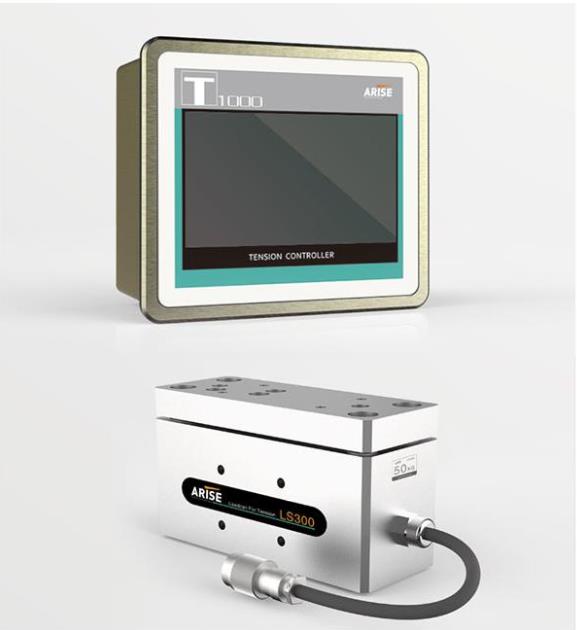
Tension control in high-speed web processing faces numerous challenges due to the dynamic nature of these operations. Overcoming these obstacles is essential to maintaining product quality, reducing waste, and ensuring effective operation.
Variable Material Properties
Web materials exhibit variations in thickness, elasticity, and surface qualities, impacting tension control and requiring constant adjustments.
Speed Variations
High-speed processing involves rapid changes in web speed, which can introduce sudden tension fluctuations that must be managed for consistent product quality.
Web Accumulation and Splicing
Operations like web accumulation and splicing require precise tension control to prevent material and equipment damage during transitions.
Web Width Changes
Altering the width of the web can lead to tension fluctuations, necessitating real-time tension adjustments.
Web Flutter and Vibration
Dynamic forces like web flutter and vibration can be challenging to combat, requiring advanced control systems and responsive equipment.
Friction and Slip
Inconsistent friction and slip between the web and equipment components can affect tension control.
Complex Web Paths
Maintaining continuous tension in complex web paths with multiple rollers, guides, and direction changes can be difficult.
Load Variations
Variations in the amount of web material on a roll can impact tension and require adjustments.
Material Stretch and Shrinkage
Certain materials may stretch or shrink under tension, necessitating correction for precise control.
Temperature and Humidity Changes
Temperature and humidity variations can impact web material properties and cause tension differences.
Safety Considerations
Implementing safety mechanisms is essential to prevent over-tensioning, and safeguarding equipment and personnel.

Key Methods for Tension Control
Various methods and technologies are employed to achieve precise tension control in high-speed web processing applications:
Dancer Systems
Load Cells
Pneumatic Brakes and Clutches
Closed-Loop Tension Control
Tension Control Software
Safety Mechanisms
The choice of tension control method depends on the specific requirements and challenges of the web processing application. In many cases, a combination of these strategies may be employed to achieve the necessary level of precision and responsiveness.
Conclusion
Tension control is indispensable in high-speed web processing applications, ensuring product quality, waste reduction, and process efficiency. Manufacturers can achieve precise and reliable tension control by integrating appropriate mechanical components, sensors, and control systems. As technology advances, the future of web tension control may bring even more sophisticated systems and automation, enhancing the potential of high-speed web processing across various industries, from printing to packaging and beyond.
Web guiding systems have revolutionized the manufacturing industry, particularly in processes involving continuous web materials, by offering precise alignment and tension control. As production demands continue to rise, the choice of the right web guide system becomes increasingly critical. This article presents an extensive comparison of various web guiding systems, highlighting their operational principles, advantages, and ideal applications.
Line Edge Sensor-Based Web Guiding Systems
At the core of these web guide systems are web line edge sensors that detect changes in light, infrared, or sound patterns as web materials pass through their field of view. These sensors receive signals that reflect the alignment status of the web by emitting beams of light, infrared radiation, or ultrasonic waves across it. When the web deviates from its intended path, the sensor's signal pattern shifts, prompting the web guiding system to make precise adjustments, realigning the web to the centerline or ideal alignment. This real-time feedback loop ensures the web materials remain consistently aligned throughout the production process.
Benefits
Real-Time Alignment: Line edge sensors provide rapid feedback, facilitating quick adjustments and minimizing misalignment.
Non-Contact Detection: These sensors offer non-contact sensing, safeguarding fragile materials.
Versatility: Line edge sensors are compatible with a wide range of materials, making them suitable for various industries.
Ideal Applications
Printing: Ensuring accurate alignment of paper or labels during printing processes.
Packaging: Precise alignment of packaging materials for uniform packing quality.
Textiles: Maintaining fabric alignment for flawless weaving or printing.
Labeling: Accurate label alignment on products or packaging materials.
Converting: Ensuring precision in cutting, slitting, and perforation during manufacturing operations.
Tension Sensor-Based Web Guiding Systems
Web guiding systems equipped with tension sensors are designed to monitor and manage the tension forces applied to moving web materials. These sensors detect variations in tension and provide real-time feedback, enabling swift adjustments to maintain optimal tension.
Benefits
Uniform Tension: Tension sensor-based systems ensure uniform tension across the web material, preventing flaws like creases and stretching.
Versatility: Different sensor types cater to different material types and industrial processes.
Real-Time Feedback: Immediate adjustments guarantee proper tension, enhancing product quality.
Ideal Applications
Textile Weaving: Maintaining consistent tension for seamless fabric weaving.
Paper Manufacturing: Precise tension control during plastic film extrusion and lamination.
Film Production: Accurate tension control for plastic film extrusion and laminating.
Labeling and Packaging: Tension control during label application and packing material production.
Capacitive Sensor-Based Web Guiding Systems
Capacitive sensor-based web guiding systems rely on sensing changes in capacitance induced by the presence of web materials. These sensors excel in detecting the position and alignment of non-conductive or low-conductive materials, which can be challenging for other sensor types.
Benefits
Alignment for Non-Conductive Materials: Capacitive sensors are effective in aligning materials with low conductivity, a task that can be problematic for other sensor types.
Consistent Detection: These sensors offer reliable alignment detection irrespective of material characteristics.
Precision Alignment: High precision ensures superior product quality.
Ideal Applications
Plastic Film Processing: Ensuring precise alignment during plastic film extrusion and laminating.
Labeling and Packaging: Aligning labels on non-conductive packaging materials.
Paper Manufacturing: Accurate alignment of non-conductive paper during printing and processing.
Textile Production: Maintaining alignment of non-conductive materials during weaving and printing.
Summary
Choosing the right web guide system demands a comprehensive understanding of each technology's intricacies and its suitability for specific applications. Line edge sensor-based systems excel in swiftly aligning diverse materials, while capacitive systems thrive in aligning non-conductive materials. Tension sensor-based web guide systems are indispensable for ensuring consistency, while laser sensor-based systems offer unparalleled precision.
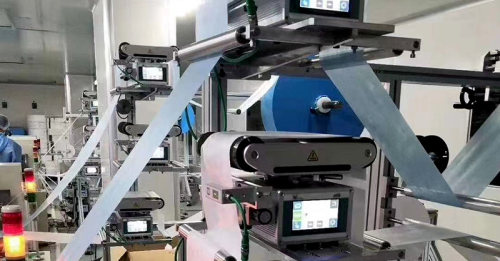
When selecting web guide systems, manufacturers must consider factors such as material properties, production environment, required precision, and budget constraints. Each system type presents its own set of advantages and limitations, enabling manufacturers to tailor their choice to their unique production needs. In a world where precision and efficiency are paramount, the ability to choose the appropriate web guiding system represents a crucial step in enhancing product quality, minimizing waste, and maintaining competitiveness in today's dynamic manufacturing landscape.