
A magnetic powder brake is a friction brake employing electromagnetic principles to control torque or speed in rotating machinery. This article explores the structure and operation of magnetic powder brakes, their types, applications, maintenance, troubleshooting, and future development trends.
1. Structure of Magnetic Powder Brake:
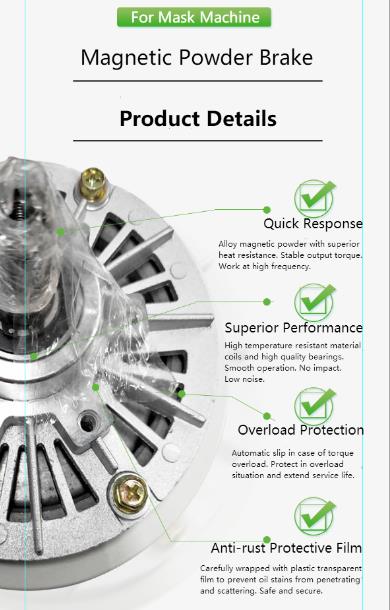
A standard magnetic powder brake comprises two key components: the input rotor (field rotor) and the output rotor (armature rotor), separated by a small air gap. The driving shaft connects to the input rotor, and the load is attached to the output rotor.
2. Magnetic Powder Filling:
The space between the input and output rotors is filled with a thin magnetic powder suspended in a carrier fluid, often composed of iron or iron-based compounds. This powder facilitates torque transmission.
3. Electromagnetic Coil:
An electromagnetic coil surrounds the input rotor, generating a magnetic field when powered. The current passing through the coil creates a magnetic field in the air space between the two rotors.
4. Magnetic Particle Alignment:
The electromagnetic coil aligns iron particles in the magnetic powder with the field lines, creating bridges across the air gap, connecting the input and output rotors.
5. Torque Control:
Operators can control torque precisely by adjusting the input current to the electromagnetic coil. Increased current strengthens the magnetic field and transmitted torque, while decreased current weakens the magnetic field.
6. Torque Limitation:
Magnetic powder brakes offer the advantage of limiting maximum torque, preventing overloading or sudden torque spikes.
7. Slip and Speed Control:
These brakes can control slip and speed by adjusting the coil current, regulating the speed difference between the input and output rotors.
Types Of Magnetic Powder Brake:
Magnetic powder brakes are categorized into hysteresis and eddy current types, each with distinct operating principles related to ferromagnetic and conductive particles.
Wide Applications Of Magnetic Powder Brake:
Used in printing presses, wire drawing machines, web tension control systems, automotive and aerospace industries, and medical imaging equipment for MRI.

Maintenance And Troubleshooting Of Magnetic Powder Brake:
Maintenance:
Regular inspection for wear and damage.
Cleaning to eliminate dust and debris.
Lubrication with compatible lubricants.
Adjustments using a controller to regulate magnetic field intensity.
Troubleshooting:
Adjusting magnetic field strength.
Inspecting for worn or damaged components.
Reducing the load on the brake.
Development Trends of Magnetic Powder Brake:
Energy from Renewable Resources:
Control speed in wind turbines to optimize energy output and reduce wear.
Robotics:
Used for precise control of joint and limb movement in robotic systems.
Medical Science and Technology:
Provides adjustable resistance or support in medical devices like prosthetics and exoskeletons.
Aerospace:
Developing applications to control aircraft control surfaces, such as flaps and rudders.
Conclusion:
Understanding the structure, operation, and diverse applications of magnetic powder brakes is crucial for their effective utilization. As technological advancements continue, these brakes are expected to play a pivotal role in various industries, contributing to enhanced efficiency and control in rotational machinery.
In the realms of commercial printing, packaging, and graphic design, achieving the desired colors on printed materials is a fundamental requirement. However, various factors, including differences in printing equipment, ink formulations, and environmental conditions, often make it a daunting task. The integration of printing inspection systems has brought about a transformative shift in the quest for color quality. This article delves into the pivotal role played by these systems in maintaining color consistency and precision in the world of printing.

The Significance of Color Consistency and Accuracy
Brand Identity: Consistent color reproduction across all brand materials, from business cards to banners, is crucial for establishing a recognizable and unified brand identity. A specific color associated with a brand immediately connects with the products or services it represents.
Client Expectations: Meeting or exceeding client expectations for color fidelity is paramount for ensuring client satisfaction. Clients often have brand guidelines that must be adhered to, and any deviation can lead to disappointment.
Quality Assurance: Achieving high-quality printed materials necessitates accurate color reproduction. Even the most professionally designed artwork can appear unprofessional with color variations.
Cost Efficiency: Color discrepancies can result in wastage, reprints, and added expenses. Maintaining color uniformity reduces costs while enhancing profitability.
Regulatory Compliance: Certain industries, such as pharmaceuticals and food packaging, require strict adherence to color standards to meet legal requirements and ensure product safety.
Key Challenges in Attaining Color Consistency and Accuracy
Device Variability: Different printing devices, such as printers and monitors, may interpret and reproduce colors differently.
Ink and Paper Variability: Variations in ink formulations, paper characteristics, and drying rates can influence color appearance on printed materials. Different ink-substrate combinations can lead to color shifts.
Environmental Factors: Factors like temperature, humidity, and air quality can affect color appearance. For example, high humidity can alter ink behavior on paper, impacting the final color output.
Complex Workflow: Complex production workflows involving multiple software applications, devices, and production stages can introduce inconsistencies in color output, making accuracy a challenge.
Material Aging: Over time, materials like fabrics, paints, and printed materials can change color due to exposure to light, air, or other environmental factors, resulting in color shifts and inconsistencies.
Color Matching Across Media: Maintaining consistent color fidelity across various media, including print, digital displays, and physical objects, can be challenging due to different color spaces and constraints.
Production Speed: In high-speed manufacturing processes, preserving color consistency can be difficult due to the rapid production cycle, requiring quick adjustments.
Cost Constraints: Achieving high levels of color consistency and accuracy often demands advanced equipment and materials, which can be cost-prohibitive, particularly when budget constraints are in place.
The Role of Printing Inspection Systems in Maintaining Color Consistency and Accuracy
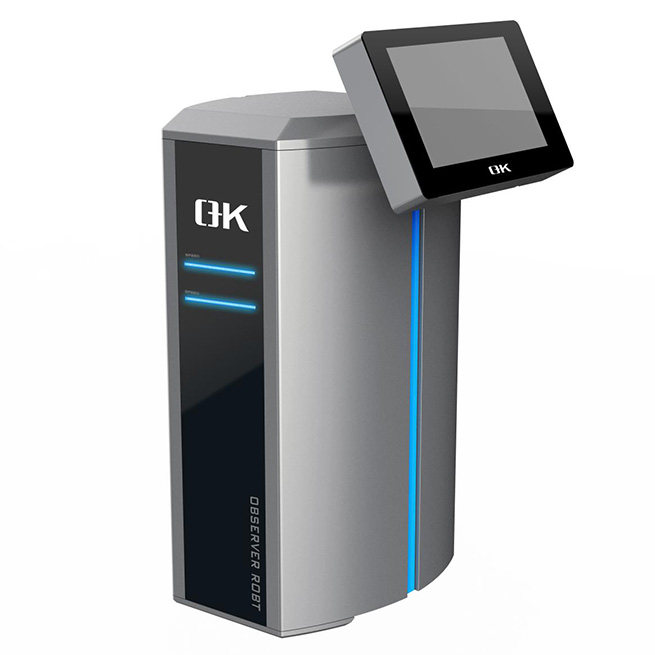
Printing inspection systems offer sophisticated solutions to address the challenges mentioned above and play a crucial role in ensuring color consistency and precision.
Color Measurement and Verification: Advanced color measurement technologies like spectrophotometers and colorimeters are employed to measure and verify colors, comparing actual colors to intended values to identify differences.
Ink Density Control: These systems monitor and control ink density, ensuring the correct amount of ink is applied. This helps reduce color differences resulting from over-inking or under-inking.
Inline Monitoring: Many systems are seamlessly integrated into the printing process, providing real-time feedback and allowing for immediate modifications to maintain color consistency during production.
Quality Control: In addition to color, the algorithms within printing inspection systems can detect other quality flaws, including streaks, misrepresentations, and missing text or images.
Compliance with Industry Standards: Some systems are specifically designed to adhere to industry standards and regulations, such as ISO standards for color accuracy in printing.
Data and Reporting: Printing inspection systems offer data and reporting tools for analyzing and documenting color consistency over time, facilitating process improvement and ongoing quality control.
Conclusion
Printing inspection systems has significantly enhanced the printing industry's ability to maintain color consistency and precision. These systems provide a multitude of tools and features to address issues related to device variability, ink and substrate variations, environmental influences, and complex workflows. By implementing color measurement and verification, ink density management, and inline monitoring, businesses can ensure that their printed products meet client expectations and comply with industry standards. Ultimately, these solutions contribute to improved brand identity, regulatory compliance, waste reduction, and overall printing quality. In a world where color consistency is paramount, printing inspection systems have become indispensable tools for individuals and organizations striving to deliver high-quality printed materials.
Web tension control is indispensable in numerous industries, including printing, packaging, paper manufacturing, and textile production, where continuous materials or "webs" are processed. Ensuring optimal web tension is vital for product quality and manufacturing efficiency. However, web tension control presents its fair share of challenges that require innovative solutions. In this article, we will delve into these common challenges of web tension control and explore strategies to overcome them.

Common Challenges in Web Tension Control
1. Variability in Web Material Properties
Web materials often exhibit variations in thickness, width, and stretchability. These differences can make it challenging to maintain precise tension control. For instance, sections with varying thickness may require different tension levels.
2. Dynamic Changes in Speed
Web speeds can fluctuate in manufacturing processes due to accelerations and decelerations. These speed changes can affect web tension and, if not managed properly, lead to web breaks or low-quality output.
3. Web Wrinkling and Folding
Web tension controller must prevent web wrinkling or folding, which can damage materials and disrupt manufacturing. Wrinkles may result from issues such as misaligned rollers or inadequate web spreading.
4. Slippage and Snagging
Slippage between the web and rollers can result in inconsistent tension control, while web snagging or jamming can halt production and damage the material.
5. Environmental Factors
Environmental conditions like temperature and humidity can impact web tension control. Changes in these conditions may cause the web material to expand or contract, affecting tension.
6. Complex Web Paths
In certain processes, web materials follow intricate paths with multiple rollers and turns, making precise tension control challenging.
Strategies to Overcome Web Tension Control Challenges
Variability in Web Material Properties
Web Inspection: Regularly inspect the web material for variations in thickness, width, or stretchability, using web inspection vision systems to identify and classify variances.
Tension Compensation: Use tension zones or dancer rollers that can respond to material changes, allowing you to adjust tension control parameters for different sections of the web.
Dynamic Changes in Speed
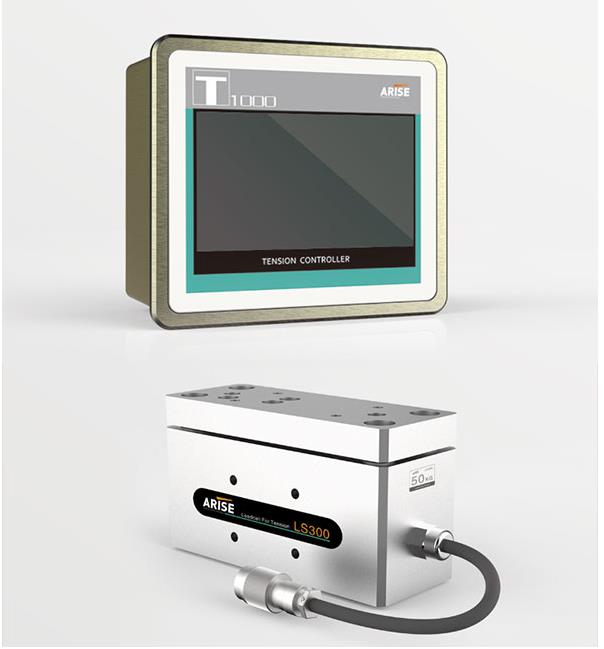
Closed-Loop Control: Invest in closed-loop tension control systems that can react to changes in web speed in real-time. These systems use sensors to detect fluctuations and adjust tension accordingly.
Web Wrinkling and Folding
Proper Roller Alignment: Ensure rollers are precisely positioned and parallel to the web path to prevent wrinkles. Roller guides and edge sensors can help maintain alignment.
Web Spreading: Use web spreading devices or air bars to keep the web flat and wrinkle-free, aiding in the even distribution of strain across the web.
Advanced Control Algorithms: Employ tension control systems with advanced control algorithms capable of detecting and correcting wrinkles as they occur.
Slippage and Snagging
Surface Properties: Choose rollers with appropriate surface properties, such as coatings or grips, to minimize slippage. Ensure that rollers and guides are kept clean and well-maintained to prevent snags.
Environmental Factors
Controlled Environment: Manage temperature and humidity in the manufacturing area to maintain a controlled environment. Use sensors to monitor environmental conditions and adjust tension control systems accordingly.
Complex Web Paths
Accurate Alignment: Pay close attention to roller alignment in complex web paths. Implement tension zones at key points to manage tension more effectively.
Customized Tension Zones: Design tension zones tailored to the specific requirements of complex web paths. Tension control systems should be adaptable and configurable to meet unique process needs.
Additional Best Practices
Regular Maintenance: Implement routine maintenance to ensure that all tension control components, including rollers, sensors, and control systems, are in good working order.
Operator Training: Provide comprehensive training to operators and technicians to equip them with the knowledge to manage web tension effectively.
Data Analysis: Use data logging and analysis tools to track tension fluctuations and identify patterns or trends, aiding in the identification of the root causes of tension issues.
Continuous Improvement: Foster a culture of continuous improvement by seeking feedback from operators and engineers to refine tension control processes and systems.
Conclusion
The importance of web tension control cannot be overstated in industries relying on continuous web materials. By addressing the challenges of maintaining precise web tension through innovative solutions and best practices, manufacturers can ensure product quality, enhance process efficiency, and minimize downtime. Employing modern tension control technologies, implementing rigorous quality control procedures, and understanding the dynamics of web materials are key to achieving optimal outcomes in production processes.
In industries reliant on continuous web handling and processing, such as printing, packaging, textiles, and paper manufacturing, web guide machines are indispensable. These web guide systems are instrumental in achieving precise web alignment and control, leading to enhanced product quality, reduced waste, and heightened production efficiency. However, with a multitude of options available in the market, choosing the right web guide machine tailored to your specific requirements can be a challenging task. In this article, we delve into the process of selecting the ideal web guide machine by exploring the different types of web guide systems and the key factors to take into account when making this critical decision for your industry.
Types of Web Guide Machines:
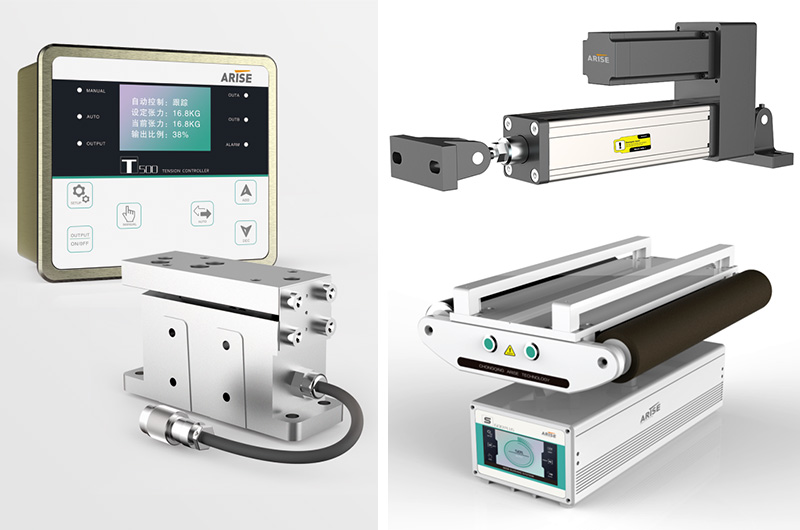
Edge Web Guiding Systems: These are the most commonly used web guide systems. They monitor and manage the web's position by detecting its edges. Sensors on either side of the web continuously track its edge positions, and the control system makes adjustments to keep the web centered and aligned.
Center Web Guiding Systems: Also known as line guiding systems, these systems regulate the web based on its centerline. A single sensor detects the web's center location and adjusts the guiding mechanism accordingly. Center guiding systems are especially effective when dealing with irregular or inconsistent edge materials.
Sensor-Based Web Guide Machines: These systems employ various sensor technologies to detect the web's position and make necessary adjustments. Sensor options include ultrasonic sensors, infrared sensors, line-scan cameras, and laser sensors, with each offering distinct advantages based on factors such as the web material, production environment, and required precision.
Hydraulic Web Guide Machines: Hydraulic web guide machines utilize hydraulic actuators to make real-time adjustments to the web's position. They excel in heavy-duty applications where substantial force is required for precise web guidance.
Pneumatic Web Guide Machines: Pneumatic actuators control the web's position in these machines. They are known for their rapid responsiveness and precise adjustments, making them well-suited for high-speed manufacturing processes.
Electric Web Guide Machines: Electric actuators are responsible for controlling the web's position in electric web guide machines. They are often preferred for their low energy consumption and ease of integration with other automated systems.
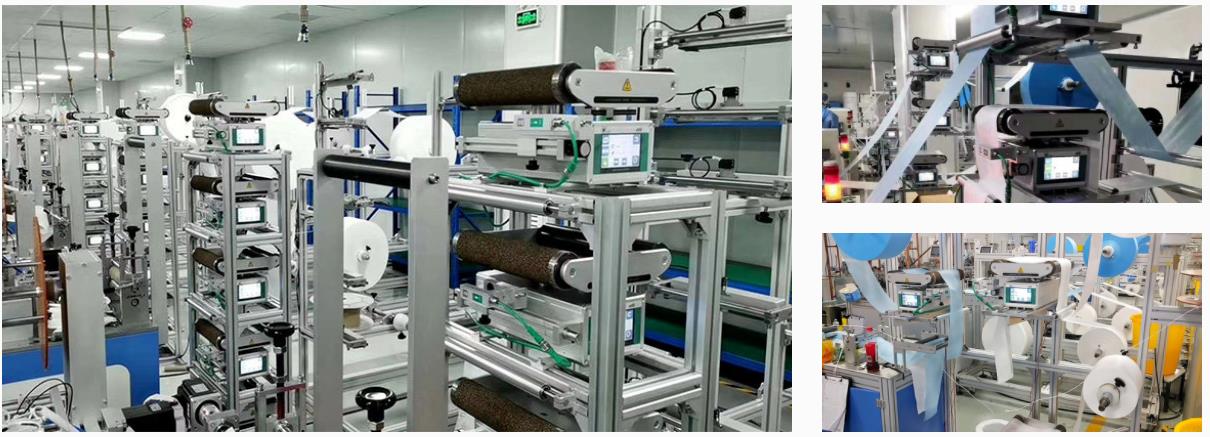
Factors to Consider When Choosing a Web Guide Machine for Your Industry:
Selecting the right web guide machine is a decision that can significantly impact production efficiency, product quality, and overall operational effectiveness. Here are the key factors to consider:
Types of Web Material: Evaluate the web material used in your industry, such as paper, film, foil, fabric, or non-woven material. The web guide machine must be compatible with the specific properties and requirements of the material you are working with.
Web Width and Speed: Determine the machine's maximum and minimum web widths and production speeds to ensure it can accommodate your entire range of web widths and speeds.
Alignment Precision: Identify the level of precision required for your production process. Industries like printing and converting may necessitate web guide machines equipped with advanced sensing technology and precise control mechanisms.
Guiding System Type: Choose the guiding system type that best suits your needs. Edge guiding systems are typically used for continuous and constant webs, while center guiding systems are preferred when dealing with irregular or inconsistent edge materials.
Sensor Technology: Examine the sensor technologies used in the web guide machine and select the one that aligns with your web material and guiding requirements.
Control Mechanism: Consider the control mechanisms available for the web guide machine, ranging from automatic systems that make real-time adjustments based on sensor feedback to manual control requiring operator interaction. Your choice depends on the desired level of automation and operator engagement.
Integration with Existing Equipment: Ensure the web guide machine can seamlessly integrate with your existing manufacturing equipment and automation systems. Compatibility with other machinery is essential for effective operation and communication between systems.
Web Tension Control: If web tension management is critical for your process, consider web guide machines equipped with integrated tension control functions. Maintaining web stability is essential for product quality.
Maintenance and Support: Assess the maintenance requirements of the web guide machines and the availability of technical support from the manufacturer or supplier. Regular maintenance and reliable support are essential for the machine's longevity and peak performance.
Cost and Return on Investment (ROI): While the initial cost is a factor, consider the long-term return on investment. A high-quality web guide machine that enhances production efficiency and product quality can yield substantial long-term benefits.
Training and User-Friendliness: Evaluate the machine's user-friendliness and the availability of operator training. Proper training ensures operators can efficiently utilize the machine and address minor issues.
Summary:
Selecting the right web guide machine is a pivotal decision with the potential to impact the efficiency and productivity of your manufacturing process significantly. A well-chosen web guide machine can lead to improved product quality, reduced waste, and more efficient production processes, all of which contribute to the overall success of your company.
The role of printing inspection systems has transformed significantly from their initial application in the printing industry to becoming indispensable tools across a wide spectrum of industries. Originally designed to ensure print quality, detect imperfections, and maintain production standards within the printing industry, these systems have evolved over time. The adaptability, precision, and efficiency of printing inspection systems have led to their integration into a diverse range of industries, revolutionizing quality control and enhancing efficiency in various industrial manufacturing processes.
The Evolution of Printing Inspection Systems
The journey of printing inspection systems has seen remarkable advancements. These systems were initially deployed in printing presses to identify printing defects such as smudges, misalignment, or irregular colors. They played a crucial role in upholding the quality and uniformity of printed materials.
However, breakthroughs in technology, particularly in the fields of computer vision, artificial intelligence, and automation, have propelled these systems into versatile tools with broader applications. The evolution of printing inspection systems can be summarized as follows:
1. Enhanced Imaging Technology:
Modern printing inspection systems utilize high-resolution cameras and powerful image sensors capable of capturing even the minutest details and flaws with astonishing clarity. This level of precision equips them to detect imperfections in a wide array of materials.
2. Advanced Algorithms:
The incorporation of machine learning algorithms and artificial intelligence has significantly amplified the capabilities of these systems. They can now detect faults in real-time, classify anomalies, and respond to evolving production conditions.
3. Expanded Applications:
Printing inspection systems have transcended traditional printing processes. They are currently employed across various industries, including packaging, pharmaceuticals, electronics, automotive, textiles, and more. Their versatility and adaptability make them invaluable assets in diverse manufacturing contexts.
Applications Across Industries of Printing Inspection Systems
Packaging Industry:
Printing inspection systems are indispensable in ensuring the quality and accuracy of packaging materials. They can identify defects in labels, cartons, and flexible packaging, contributing to the prevention of packaging and labeling issues that might result in costly recalls.
Pharmaceutical Industry:
Precision and quality control are of paramount importance in pharmaceutical manufacturing. Printing inspection systems are deployed to verify the accuracy of printed information on drug labels and packaging, thus guaranteeing patient safety and regulatory compliance.
Electronics Industry:
In the electronics industry, the inspection of printed circuit boards (PCBs) for soldering, component placement, and trace continuity issues is critical to maintaining product quality.
Automotive Industry:
Printing inspection systems are instrumental in upholding the quality of printed materials used for labeling, instruction manuals, and decorative elements in the automotive sector. They play a crucial role in ensuring brand consistency and product quality.
Textile Industry:
In textile manufacturing, these systems are employed to assess color consistency, pattern alignment, and fabric print imperfections. They contribute to the production of high-quality fabrics utilized in fashion, home furnishings, and various applications.
Food and Beverage Industry:
Accurate labeling and packaging are essential in the food packaging sector to adhere to regulations and ensure consumer safety. Printing inspection systems play a pivotal role in verifying the accuracy of labels and packaging materials, reducing the likelihood of errors.
Aerospace Industry:
In the aerospace industry, precision and quality control are indispensable in the manufacturing processes. Critical printed components, such as circuitry on aerospace components and labels, undergo meticulous examination using printing inspection systems.
Benefits of Printing Inspection Systems Used in Various Industries
The widespread adoption of printing inspection systems across industries offers several key advantages:
1. Quality Assurance:
These systems enhance product quality by detecting defects early in the manufacturing process, reducing waste, and preventing substandard products from reaching consumers.
2. Cost Reduction:
By identifying defects and errors promptly, manufacturers can cut production costs related to rework, waste materials, and product recalls.
3. Efficiency:
Automated inspection processes improve production efficiency by providing real-time feedback and diminishing the need for manual inspections.
4. Compliance:
Printing inspection systems provide the accuracy and consistency needed by industries with stringent regulatory requirements, ensuring compliance with norms and regulations.
5. Brand Reputation:
Delivering high-quality products consistently helps build a positive brand reputation and fosters consumer trust.
Conclusion
Printing inspection systems have evolved from their origins in the printing industry to become versatile tools with diverse applications in various manufacturing sectors. The state-of-the-art imaging technologies, machine learning capabilities, and precision provided by printing inspection systems play a critical role in quality control, efficiency, and compliance. As technology continues to advance, we can anticipate printing inspection systems to have an even greater impact, contributing to higher quality and productivity in a variety of industries.