
In an era where environmental consciousness is at the forefront of industrial evolution, the printing industry is experiencing a transformative shift towards sustainable processes. Central to this green revolution is the integration of printing quality inspection systems, which play a pivotal role in supporting eco-friendly and resource-efficient printing. This article delves into the critical contributions of printing inspection systems to sustainability, exploring how printing inspection system enhance printing processes while minimizing environmental impact.

Understanding Printing Inspection Systems:
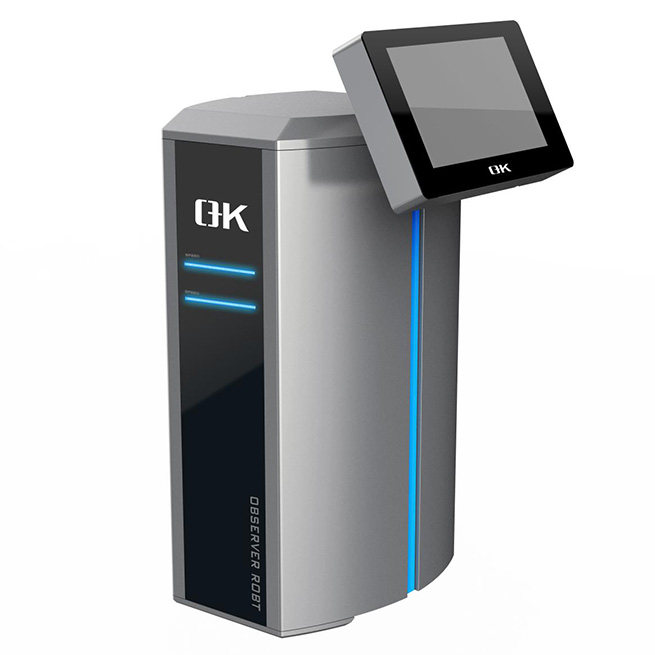
Printing quality inspection systems leverage advanced technologies to identify errors, validate print quality, and maintain uniformity throughout the production process. Web inspection machines, a key component of these systems, are designed to detect and rectify flaws in printed documents, ensuring the final product meets stringent quality standards. Comprising cameras and sensors, lighting systems, and processing units, these inspection systems contribute to the overall precision and efficiency of the printing process.
Key Components of Printing Inspection Systems:
Cameras and Sensors:
High-resolution cameras capture detailed photographs of printed materials.
Sensors detect color, registration, and other crucial properties for comprehensive inspection.
Lighting Systems:
Specialized lighting enhances image capturing accuracy by highlighting specific features for examination.
Processing Units:
Advanced processors and software analyze collected images, comparing them to established standards and identifying deviations.
Key Aspects Contributing to Eco-friendly Printing Processes:
Reducing Waste through Precise Defect Detection:
Printing inspection systems identify and rectify faults in real time, reducing the need for reprints and minimizing the volume of wasted materials.
Optimizing Energy Consumption:
Energy-efficient components, such as low-energy LED lights and CPUs, contribute to minimizing the environmental impact of printing operations.
Utilizing Recyclable and Sustainable Materials:
Many inspection methods are designed to function with recyclable and sustainable materials, supporting responsible sourcing and production.
Digitalization for Paperless Workflows:
Digital workflows reduce reliance on physical documentation, conserving paper, and increasing operational efficiency.
Lifecycle Assessment and Responsible Disposal:
Printing inspection systems undergo comprehensive lifecycle assessments, focusing on recyclability and responsible disposal practices.
Remote Monitoring and Predictive Maintenance:
Remote monitoring and predictive maintenance reduce emergency repairs and downtime, promoting a sustainable use of resources.
Employee Training for Sustainable Practices:
Training programs focus on sustainable methods, waste reduction, and energy efficiency, ensuring a collective effort towards environmental responsibility.
Certifications and Adherence to Standards:
Integration with industry requirements and environmental certifications, such as FSC certification, showcases a commitment to responsible material sourcing and sustainable practices.
Conclusion:
As the printing industry strives towards sustainability, printing inspection systems emerge as catalysts for environmentally responsible practices. These systems not only enhance the quality and efficiency of printing processes but also position the industry as a steward of resources committed to a greener and more sustainable future. Embracing eco-friendly printing practices is not merely an option but a strategic imperative for the printing sector, aligning with the global call for responsible and sustainable industrial practices.
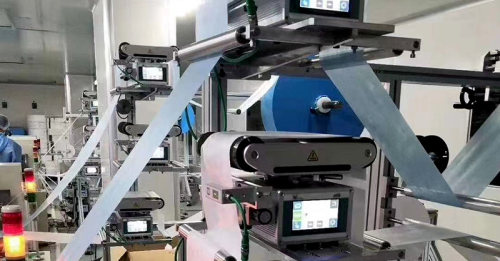
Producing nonwoven fabric is a complex undertaking that demands precision and unwavering consistency. Central to achieving the desired quality and efficiency in nonwoven production is the implementation of effective web tension control. Web tension controllers play a vital role in maintaining optimal material tension throughout the production process. In this article, we will explore the significance of web tension controllers in the nonwoven manufacturing process
Key Roles and Significance of Web Tension Controllers in Nonwoven Production Process
Web Formation and Fiber Laying
At the onset of nonwoven manufacturing, the creation of a loose web of fibers sets the stage. Continuous fiber deposition onto a conveyor belt or a revolving drum is the initial step. To ensure a uniform web, web tension controllers prove indispensable.
Tension Regulation: Web tension controllers facilitate the regulation of conveyor belt or drum speed, ensuring a consistent laydown of fibers. This controlled strain prevents overstretching or drooping, guaranteeing an even web formation.
Web Bonding and Consolidation
Following web generation, the fibers undergo a bonding process to consolidate and form a cohesive fabric. Techniques like needle punching, thermal bonding, or chemical bonding are employed, making proper web tension control crucial.
Uniform Bonding: Consistent web tension ensures uniform bonding of fibers during the bonding process, be it through mechanical needles, heat, or chemicals. This uniformity is essential for the overall quality and strength of the fabric.
Preventing Breaks: Web tension control helps prevent material disturbances or breaks during bonding, averting disruptions to the process and safeguarding the fabric's integrity.
Web Finishing and Additional Processes
Post-bonding, nonwoven fabrics undergo treatments such as calendering, drying, coating, or other finishing procedures. Web tension control remains pivotal during these stages.
Quality Enhancement: Web tension controllers ensure even processing of the fabric at the correct tension during finishing processes, elevating the quality of the final product with consistent characteristics.
Preventing Defects: Proper tension control helps prevent defects like wrinkles, creases, or uneven coating during finishing, reducing waste and enhancing production efficiency.
Advantages of Web Tension Controllers in Nonwoven Production Process
Quality Control
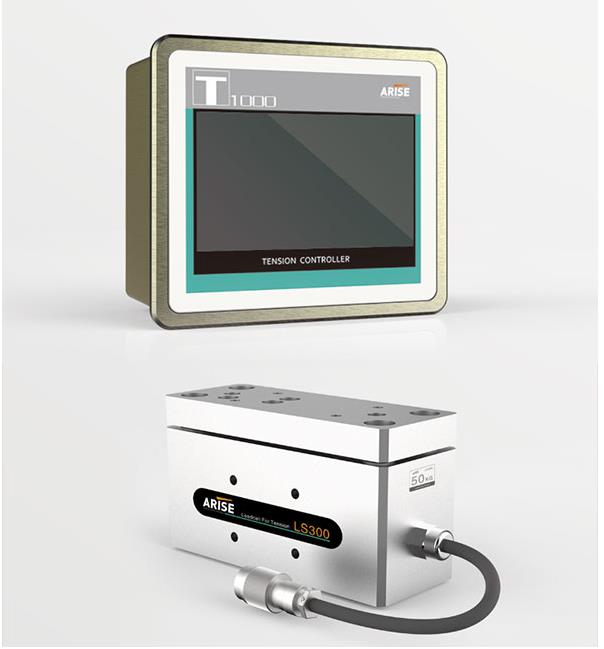
Maintaining consistent web tension is crucial for producing high-quality nonwoven materials, ensuring uniform qualities like thickness and strength along the entire length.
Efficiency
Web tension controllers prevent material waste due to wrinkles, creases, or flaws, leading to more effective manufacturing processes and cost savings.
Reduced Downtime
Effective web tension control minimizes the risk of breaks or tears, reducing downtime for repairs and adjustments.
Product Variety
Web tension controllers allow for easy adjustments to accommodate different materials and production requirements, enabling the production of a range of nonwoven products.
Safety
Consistent tension control enhances workplace safety by minimizing the risk of accidents caused by sudden material movements or breaks.
Conclusion
In nonwoven manufacturing processes, tension control is paramount. Web tension controllers emerge as critical elements, ensuring the quality, efficiency, and safety of nonwoven fabric production. As the demand for nonwoven items continues to rise across various industries, the role of web tension controllers becomes increasingly pivotal in meeting these demands while upholding high-quality standards.
In an era marked by a surge in counterfeiting and fraudulent activities, the significance of security features in printed materials cannot be overstated. From currency and passports to identification cards and important documents, ensuring authenticity is paramount. This article explores the pivotal role of advanced printing inspection systems in verifying security features, discussing their importance in preventing unauthorized replication.
Why Choose Printing Inspection Systems Integrated in Security Feature Verification
The Evolution of Security Features
Traditionally, security features relied on intricate designs, watermarks, and specialized inks. However, technology advances have given rise to highly sophisticated security measures, including invisible elements such as holograms, microprinting, UV inks, and color-shifting inks. To combat the evolving methods of counterfeiters, printing technology has adapted, incorporating these advanced security features.
The Challenge of Counterfeiting
Counterfeiters continually seek ways to replicate these advanced security measures, posing a significant challenge to authorities and organizations tasked with safeguarding printed materials. In this landscape, printing inspection systems become indispensable, providing a reliable means of verifying the presence and correct implementation of intricate security measures.
The Role of Printing Inspection Systems
Printing inspection systems are sophisticated technologies designed to inspect printed materials with extreme precision. Employing optical, mechanical, and electronic components, these systems play a crucial role in ensuring the authenticity of security features through:
Detection of Defects: Identifying flaws, irregularities, or deviations from the intended design, including missing or incorrectly placed security elements.
Verification of Security Features: Detecting the presence of specific security features and ensuring accurate reproduction by comparing printed materials to predefined standards.
Authentication of Color and Inks: Assessing color accuracy and the authenticity of inks, especially crucial for anti-counterfeit features relying on color-shifting or UV-responsive inks.
Fine Detail Inspection: Excelling at inspecting intricate details, including complex patterns, watermarks, or hidden images that are difficult to assess with the naked eye.
Real-time Monitoring: Offering real-time monitoring during the printing process, enabling immediate identification and correction of issues to reduce the likelihood of compromised materials entering circulation.
Key Benefits of Printing Inspection Systems in Security Feature Verification
Reduced Risk of Unauthorized Replication: Scrutinizing printed materials for adherence to specific security standards reduces the risk of unauthorized replication, ensuring document integrity.
Prevention of Security Feature Omissions: Preventing unintentional omissions of security features, guaranteeing that every printed item contains the necessary security elements.
Consistent Quality Control: Maintaining a consistent level of quality control in security printing by ensuring security features meet predefined standards across all printed materials.
Adherence to Industry Standards and Regulations: Ensuring compliance in industries where specific security printing standards are mandated, especially crucial for government-issued documents.
Minimized Risk of Fraud: Accurate verification of security features minimizes the risk of fraudulent activities, including attempts to alter or replicate documents for unauthorized purposes.
Increased Trust in Document Integrity: Instilling confidence in the integrity of printed materials for institutions, businesses, and government entities, crucial for maintaining public trust.
Efficient Resolution of Printing Issues: Real-time monitoring facilitates the immediate identification and resolution of security feature issues, minimizing potential impacts on overall document authenticity.
Protection Against Document Tampering: Contributing to protection against document tampering by ensuring tamper-evident elements and security features are intact and correctly implemented.
Enhanced Overall Security: Elevating the overall security of printed materials, making it more challenging for individuals or entities to compromise document authenticity through unauthorized replication or alteration.
Conclusion
In the dynamic landscape of security printing, the role of printing inspection systems is critical. These cutting-edge technologies not only confirm the presence and accuracy of security features but also contribute to ongoing efforts to ensure the authenticity of printed materials. The collaboration of innovative security features and advanced inspection systems remains essential in staying ahead of counterfeiters, safeguarding the integrity of critical documents and valuable items.
Efficiency is a paramount consideration for ensuring production and profitability in the manufacturing industry, with web directing processes standing out as a critical area. Web guiding technologies play a pivotal role in enabling precise control and alignment of webs or materials during manufacturing, leading to optimal quality and reduced waste. The advancement of these technologies has transformed the manufacturing landscape, contributing significantly to enhanced efficiency across various industries. This article delves into the ways in which web guiding technologies elevate efficiency in manufacturing industry.
Precise Control and Alignment Enabled by Web Guiding Technologies
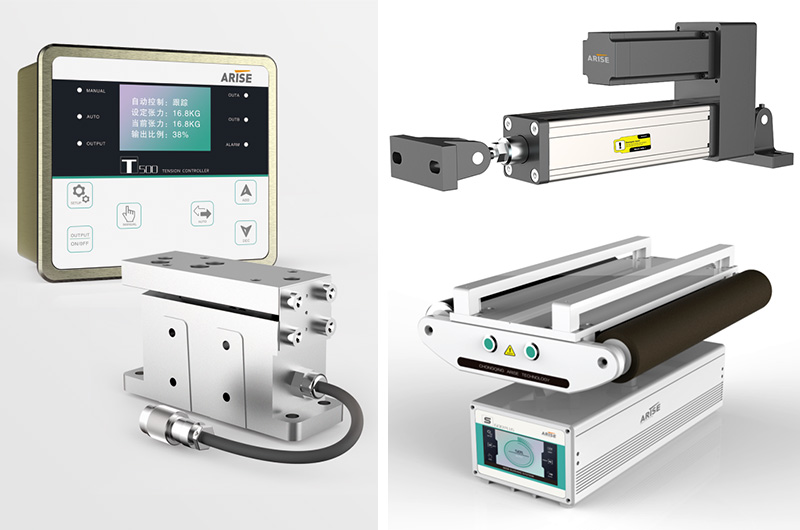
Web guiding facilitates meticulous control and alignment throughout production processes, surpassing the limitations of traditional manual or mechanical guiding methods in terms of precision and speed. Advanced web directing technologies, including vision-based systems, edge sensors, and laser guiding, offer unparalleled precision.
Vision-Based Systems:
Cameras and image recognition algorithms in vision-based systems detect and track the web’s edges or specific markers, ensuring precise alignment even for intricate designs or irregularly shaped materials.
Edge Sensors:
Utilizing infrared or ultrasonic technology, edge guide sensors detect the web’s edges, providing real-time feedback for precise control and alignment.
Laser Guiding:
Laser beams establish reference lines on the surface, serving as visual guides for operators and ensuring accurate positioning and alignment.
Reduced Downtime and Waste Facilitated by Web Guiding Technologies
Advanced web guiding technologies significantly reduce downtime and waste in manufacturing processes, enhancing production efficiency by boosting accuracy and minimizing errors.
Faster Setup and Changeovers:
Web guides with automated calibration and setup capabilities streamline transitions between different materials or product requirements, minimizing downtime associated with manual changes.
Continuous Alignment and Correction:
Real-time data from web guide systems allows continuous alignment and adjustment throughout manufacturing, promptly identifying and repairing deviations or misalignments, thereby reducing waste.
Increasing Speed and Productivity:
The precise control offered by web guiding systems enables manufacturers to run production lines at higher speeds without compromising quality, leading to increased productivity and throughput.
Enhancing Quality and Consistency Through Web Guiding Technologies
Advanced web guiding technologies elevate the overall quality and uniformity of products by eliminating variances and errors caused by human or mechanical guiding methods.
Accurate Printing and Coating:
In industries such as printing and coating, precise web guiding is crucial for accurate registration, color constancy, and uniform coverage, ensuring high-quality and visually appealing end results.
Reduction in Defects and Rework:
Advanced web guiding methods minimize the need for rework or discarding materials, leading to improved overall product quality.
Consistent Material Tension:
Maintaining consistent tension in the web throughout the production process is crucial for preventing wrinkles, creases, or stretching, and advanced web guiding technologies enable precise tension control.
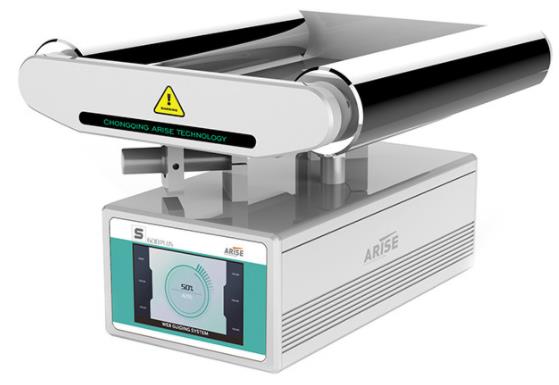
Integration of Web Guiding Technologies with Automation and Industry 4.0
Web guiding technologies seamlessly integrate with automation systems and Industry 4.0 initiatives, enhancing industrial process efficiency.
Integration with Automation:
Web guiding technologies can be effortlessly connected with automation systems, including robotic arms and material handling equipment, ensuring seamless coordination and synchronization while reducing manual involvement.
Data Collection and Analysis:
Advanced web guiding control technologies collect real-time data on material alignment, tension, and manufacturing parameters, enabling continuous efficiency and quality improvement through trend analysis and proactive issue resolution.
Predictive Maintenance:
Web guide systems with predictive maintenance features monitor performance, detect problems, and plan repair actions proactively, reducing unexpected issues, downtime, and maintenance expenses.
Summary:
Advanced web guiding technologies offer substantial benefits to manufacturers seeking to enhance the efficiency of their operations. By incorporating these technologies, manufacturers can expect increased efficiency, improved product quality, and a competitive edge in the evolving production landscape.
In today's rapidly evolving industrial landscape, where efficiency and cost-effectiveness are paramount, the need to meet production demands often requires the utilization of older machinery in sectors like printing, packaging, and textiles. However, while these machines may still be operational, their outdated features and lack of modern technology can hinder productivity and compromise product quality. The solution? Retrofitting older machines with web tension control systems, a pragmatic alternative that brings outdated equipment up to modern standards.

The Significance of Retrofitting with Web Tension Control Systems:
Web tension control is a critical element in manufacturing processes involving continuous materials such as paper, film, fabric, or metal. Ensuring the precise movement of materials through a machine is essential for maintaining product quality, minimizing waste, and reducing downtime.
Benefits of Retrofitting with Web Tension Control Systems:
1. Improved Product Quality:
Consistent web tension leads to fewer faults, translating to higher-quality goods that enhance a company's reputation and client satisfaction.
2. Enhanced Efficiency:
Reduced downtime and increased production rates contribute to overall efficiency, directly impacting the bottom line of manufacturing operations.
3. Cost Savings:
Less waste, lower maintenance costs, and improved energy efficiency collectively contribute to substantial cost savings and increased profitability.
4. Sustainability:
Reduced waste and energy consumption not only save money but also align manufacturing operations with environmental sustainability goals.
5. Prolonged Machine Life:
Retrofitting can extend the life of aging machinery, postponing the need for expensive replacements and providing a sustainable approach to equipment management.
6. Data-Driven Decision Making:
Modern tension control systems offer valuable data and analytics, enabling informed decision-making and process optimization.
The Retrofitting Process with Web Tension Control Systems:
Assessment:
Conduct a thorough evaluation of current equipment to identify areas where web tension control is critical to the production process.
System Selection:
Choose a web tension controller based on specific needs, considering factors such as web material, machine specifications, and production speed.
Installation:
Professional installation by experts familiar with the intricacies of integrating modern control systems with older equipment. Mechanical and electrical adjustments may be necessary for compatibility.
Calibration:
Calibrate the system to provide precise tension control, including setting up sensors, establishing tension zones, and adjusting control settings.
Training:
Train operators and maintenance personnel to efficiently operate and manage the tension control system.
Integration:
Seamlessly integrate the new web tension control system into the existing control infrastructure, such as PLCs (Programmable Logic Controllers) or SCADA (Supervisory Control and Data Acquisition) systems, for streamlined communication and data exchange.
Case Studies of Retrofitting Older Machines with Web Tension Control Systems:
Case Study 1: Printing Industry - ABC Printing Company
Challenge:
Aging web offset printing press lacking precise web tension control, resulting in inconsistent print quality and frequent paper jams.
Solution:
Replacement of the antiquated press with a modern web tension control system.
Results:
Significant improvements in product quality, increased productivity, waste reduction, and simplified maintenance.
Case Study 2: Textile Industry - XYZ Textile Mills
Challenge:
Weaving looms experiencing yarn breakage, misalignment, and variable fabric quality due to the lack of precise web tension control.
Solution:
Retrofitting of weaving looms with a modern web tension control system.
Results:
Enhanced fabric quality, increased productivity, and cost savings through reduced material waste.
These case studies underscore how retrofitting older machines with modern web tension control systems can positively impact product quality, productivity, cost savings, and sustainability, making it a prudent investment for manufacturing businesses.
Conclusion:
For companies seeking to enhance the efficiency and productivity of existing production processes, retrofitting older machines with web tension control systems proves to be a strategic and cost-effective solution. This method ensures that aging machinery can compete with modern counterparts, resulting in improved product quality, waste reduction, and overall cost savings. By carefully assessing machinery, selecting the appropriate control system, and investing in professional installation and training, manufacturing operations can remain competitive and forward-looking in an ever-evolving industrial landscape.