
In the ever-evolving landscape of manufacturing and industrial processes, the quest for energy efficiency and material conservation has become increasingly central. One pivotal factor in achieving these goals is precise tension control, a crucial element across diverse industries such as textiles, paper, metals, and more. Maintaining exact tension levels not only streamlines production processes but also minimizes waste, contributing to a more sustainable and cost-effective operation.
Understanding Tension Control
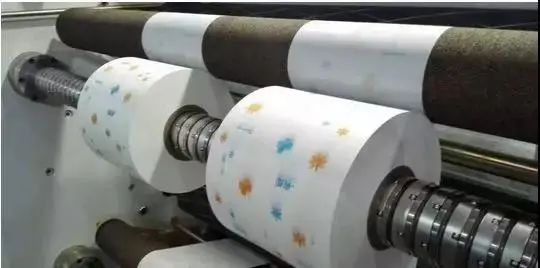
The management and preservation of tension within materials as they traverse various stages of production constitute tension control. Attaining precise tension control is of paramount importance, directly impacting the quality of the final product, production speed, and resource consumption.
How Tension Control Influences Energy Efficiency
Motor Power Optimization:
Fine-tuning motor power based on production process requirements becomes possible with precise tension control.
Optimal tension levels enable motors to operate efficiently, reducing energy consumption and waste.
Reduced Heat Generation:
Inaccurate tension control can lead to excessive friction and heat within machinery.
Precise tension control minimizes strain on components, reducing energy losses due to heat.
Minimized Energy Waste:
Aligning energy input with production needs becomes more efficient with accurate tension regulation.
Reduces wasted energy when procedures run at higher-than-necessary power levels.
Optimized Production Speed:
Stable tension levels allow for optimizing production speeds without compromising product quality.
Operating machinery at optimal speeds ensures efficient energy use, contributing to overall savings.
Prevention of Abrupt Tension Changes:
Precise tension control prevents sudden tension fluctuations, reducing energy spikes and strain on equipment.
Promotes a stable and energy-efficient industrial environment.
Extended Equipment Lifespan:
Uncontrolled tension variations contribute to equipment wear and tear.
Accurate tension levels extend equipment lifespan, reducing the need for frequent replacements and associated energy costs.
Improved System Reliability:
Consistent tension control enhances the overall reliability of the production system.
Reliable web tension controllers result in fewer energy-consuming stoppages and lower error rates, contributing to improved energy efficiency.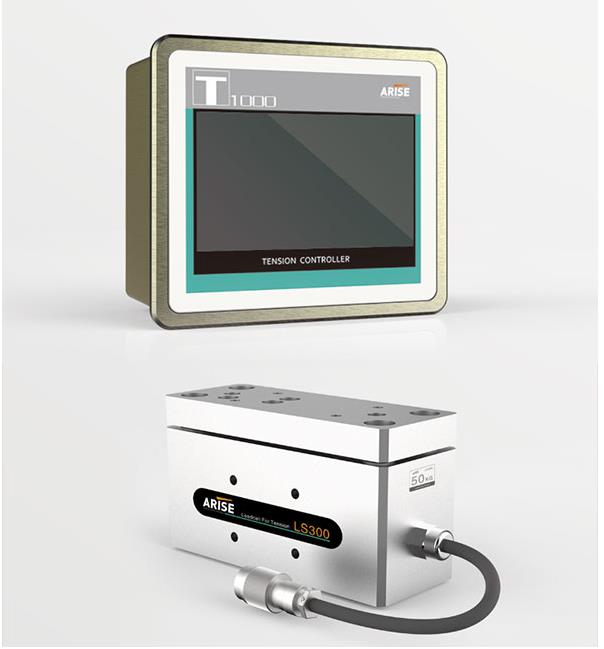
Energy-Aware Control Systems:
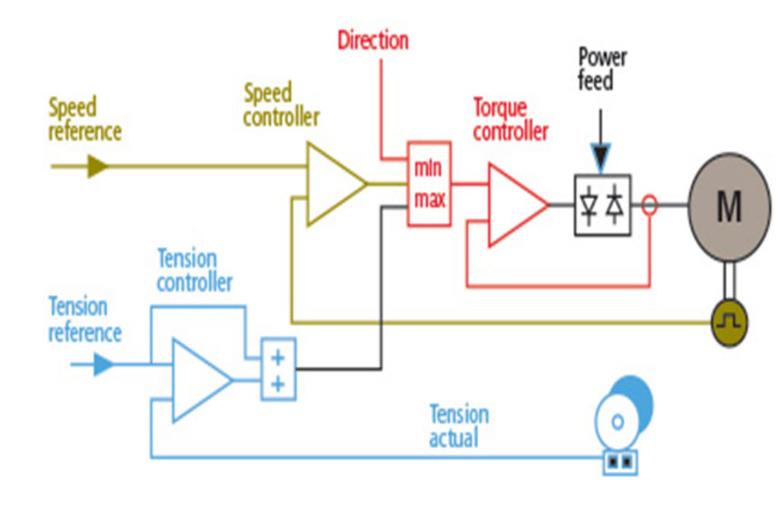
Advanced tension control systems, combined with energy-conscious technologies, optimize tension levels in real-time.
Consideration of material properties and external factors further enhances energy efficiency.
How Precise Tension Control Contributes to Material Savings
Waste Reduction:
Consistent tension control prevents material defects, misalignments, and breakages.
Minimizes material waste by maintaining uniform tension throughout the production process.
Optimized Yield:
Precise tension control allows machinery to operate at optimal speeds without compromising material integrity.
Results in higher yields and substantial material savings over time.
Enhanced Product Quality:v
Uniform tension ensures high-quality goods with minimal variance.
Critical for meeting or surpassing client expectations and minimizing faults.
Prevention of Overstretching or Distortion:
Precise tension control prevents overstretching or distortion, preserving material integrity.
Ensures materials are processed within specified limits.
Minimized Set-Up Scrap:
During setup and adjustment phases, precise tension control facilitates quicker and more efficient calibration.
Reduces scrap generated during initial production stages, contributing to material savings.
Extended Material Lifespan:
Maintaining ideal tension levels extends the lifespan of materials.
Reduces the need for frequent replacements and conserves material use.
Reduced Rejected Batches:
Critical in processes like printing or coating applications, precise tension control minimizes the likelihood of substandard batches.
Directly contributes to material savings by avoiding disposal of rejected products.
Improved Process Efficiency:
Precise tension control streamlines the entire production process, minimizing interruptions and errors.
Contributes to material savings by reducing the need for rework or additional raw materials.
Conclusion
Accurate tension control is indispensable for manufacturers committed to sustainability and operational efficiency. Investing in modern tension control systems enables businesses to improve energy efficiency, decrease material waste, and enhance product quality. Embracing precise tension control aligns with the global push toward sustainable and responsible manufacturing practices, making it a strategic business decision for a more sustainable, efficient, and economically viable future as industries continue to expand.
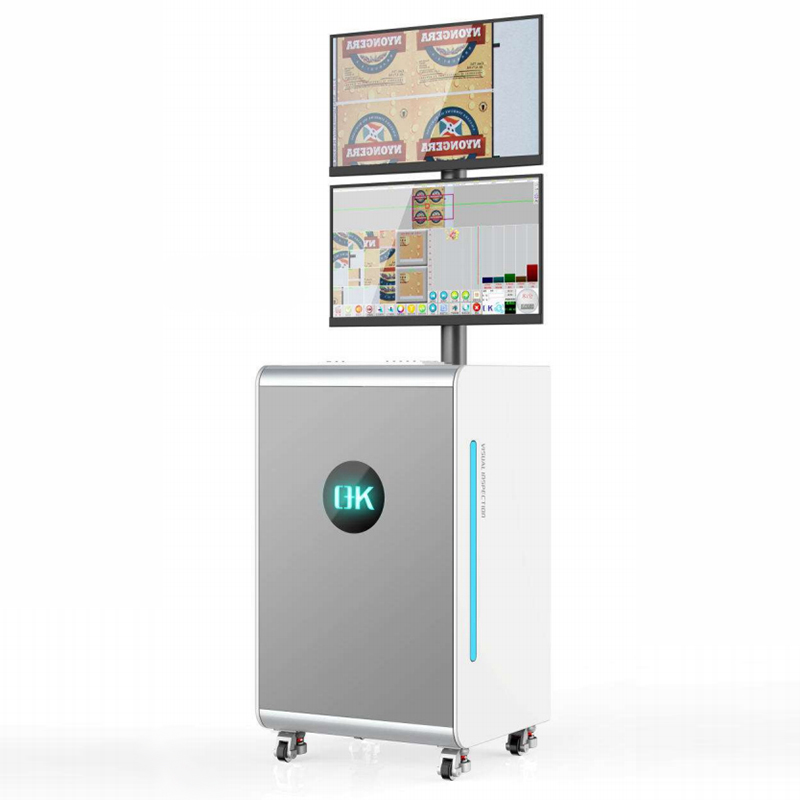
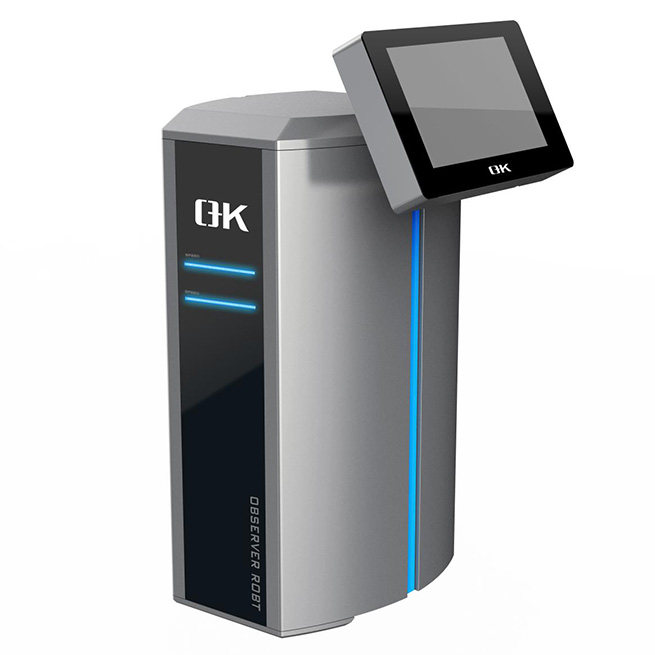
In the dynamic realm of modern manufacturing, where efficiency and precision are paramount, the printing industry stands out for its need to balance high-speed output with flawless quality. The introduction of printing quality inspection systems has revolutionized the landscape of printing quality assurance, ensuring top-notch printing quality at unparalleled speeds. This article explores the key features, technologies, and future advancements of these cutting-edge systems.
Key Features and Technologies of Printing Quality Inspection Systems:
Advanced Vision Systems:
High-Resolution Cameras: Equipped with high-resolution cameras, these advanced web inspection vision systems form the core of printing quality inspection. They capture detailed images of printed materials at remarkable speeds for thorough inspection.
Image Recognition Algorithms: Modern image recognition algorithms process captured images in real time, analyzing various print characteristics such as text, images, color, and registration.
Real-Time Inspection:
Continuous Monitoring: The ability to conduct real-time inspection while the material moves through the production line is a standout feature. Continuous monitoring ensures instant identification of defects or deviations from quality standards.
Instantaneous Feedback Loop: Real-time systems establish an instantaneous feedback loop, providing prompt notifications to operators about detected issues. This enables swift corrective actions, minimizing the risk of producing defective prints.
Defect Detection and Classification:
Comprehensive Defect Identification: These systems detect misprints, color variations, streaks, and missing pieces comprehensively, ensuring a thorough quality check.
Defect Classification: Beyond detection, the systems classify defects based on their nature, facilitating targeted corrective measures for issues like registration errors or color inconsistencies.
Integration with Printing Equipment:
Compatibility with Various Printing Technologies: Designed to work seamlessly with different printing equipment and technologies, these systems can integrate into production lines for flexographic, offset, or digital printing.
Synchronization with Printing Speeds: Integration ensures coordination with the pace of printing equipment, crucial for maintaining inspection accuracy in high-speed printing environments.
Automated Data Analysis:
Smart Software Solutions: Intelligent software solutions automate data analysis, interpreting collected data, identifying defects, and generating comprehensive reports.
Data Visualization: Automated analysis includes advanced data visualization features for clear and understandable presentation of inspection results, facilitating quick assessment and corrective actions.
Multi-Sensor Technology:
Diversity in Inspection Parameters: Some systems use multi-sensor technology to measure multiple parameters simultaneously, such as color, thickness, and surface quality, providing a comprehensive picture of print quality.
Comprehensive Quality Assessment: Multi-sensor technology enables a more thorough quality inspection by evaluating various aspects of the print simultaneously, particularly beneficial for high-quality standard applications.
Communication and Connectivity:
Integration with Plant Control Systems: These systems often feature communication capabilities for seamless integration with plant control systems, contributing to centralized monitoring and control for enhanced production efficiency.
Connectivity for Remote Monitoring: In the era of Industry 4.0, these systems may offer connectivity options for remote monitoring, allowing real-time access to data and inspection results from any location.
Artificial Intelligence (AI) and Machine Learning (ML):
Pattern Recognition: Advanced systems may incorporate AI and ML for pattern recognition, adapting and learning from various printing scenarios to improve the identification of subtle defects.
Predictive Maintenance: AI and ML algorithms can be applied for predictive maintenance, analyzing historical data to predict when components might require maintenance, minimizing downtime and ensuring continuous operation.
Future Technical Advancements of Printing Quality Inspection Systems:
As technology continues to advance, printing quality inspection systems are poised for further refinement and integration with other smart manufacturing technologies. The incorporation of artificial intelligence and machine learning algorithms holds the promise of even more sophisticated defect detection and analysis, further elevating the standards of print quality in high-speed production environments.
Conclusion:
Printing quality inspection systems mark a paradigm shift in the realm of printing industry quality assurance. Their seamless integration with high-speed printing lines, coupled with real-time inspection capabilities, positions them as indispensable tools for manufacturers aiming to strike a balance between speed and precision. As these technologies evolve, the future of high-speed printing appears brighter than ever, promising not only faster output but also a new level of unparalleled print quality.
In the dynamic world of converting machinery, where raw materials are transformed into final products, web tension control plays a pivotal role in ensuring the quality and precision of the production process. Whether creating flexible packaging, paper, textiles, or other converted products, maintaining proper tension in the continuous material being processed (the web) is paramount. This article explores the significance of web tension control in converting machinery, delving into the challenges faced and the diverse methods employed to achieve consistent and high-quality outcomes.
The Importance of Web Tension Control in Converting Machinery:
Web tension, the force applied to the material as it traverses converting machinery, is a critical parameter for several reasons:
Quality Assurance: Consistent web tension is imperative for producing high-quality final products, preventing issues like wrinkles, folds, or misalignments in the completed material.
Productivity: Precise tension control enhances the efficiency of the converting process, allowing for higher production speeds, reduced downtime due to web breaks, and ensuring a smoother workflow.
Material Savings: Accurate tension control minimizes material waste by preventing overstretching or sagging of the web, particularly important in industries where raw materials are expensive.
Challenges of Web Tension Control in Converting Machinery:
Variability in Material Properties: Processing a range of materials with different elasticity, thickness, and mechanical properties poses challenges in maintaining consistent tension.
Speed Changes: Fluctuations in tension levels occur during changes in production speed, impacting the system's ability to maintain consistent tension.
Web Slippage: Inconsistent tension can lead to web slippage, causing faults and disturbances in the manufacturing process.
Roll Diameter Changes: The changing diameter of the roll as it unwinds affects tension, presenting challenges in managing tension with different roll diameters.
Web Splicing: Splicing two webs together may result in abrupt tension shifts if not properly regulated.
Environmental Factors: Changes in humidity, temperature, or other external factors can impact material qualities and tension control requirements.
Mechanical Wear and Tear: Components such as rollers, bearings, and brakes may wear over time, affecting performance and tension control.
Complex Machine Configurations: Converting machinery with complex configurations may pose challenges in maintaining uniform tension across the entire process.
Common Methods of Web Tension Control in Converting Machinery:
Open-Loop Tension Control:
Description: Manual setting and adjustment of tension levels based on operator judgment and experience.
Application: Suitable for simple processes with minimal tension variations but lacks precision.
Closed-Loop Tension Control:
Description: Involves feedback systems to continuously monitor and adjust tension levels based on real-time data.
Application: closed-loop tension contollers Ideal for processes requiring precise tension control, offering automated adjustments for optimal tension levels.

Dancer Systems:
Description: Use rollers or arms to accumulate and release web material, creating a buffer to absorb tension variations.
Application: Effective for low to moderate tension applications, providing mechanical tension control.
Load Cells and Tension Sensors:
Description: Measure the force applied to the web at various points in the machinery.
Application: Data from load cells and sensors are used to adjust torque or braking force, ensuring consistent tension levels.
Pneumatic and Hydraulic Systems:
Description: Use air pressure or hydraulic force to apply tension to the web.
Application: Suitable for high-tension applications, offering precise tension control but can be more complex and expensive.
Motorized Unwind/Rewind Systems:
Description: Use motors to control the speed of unwinding and rewinding rolls, thereby controlling tension.
Application: Effective for processes with varying material properties, adjusting speed to maintain consistent tension.
Brakes and Clutches:
Description: Control tension by applying resistance to the material as it moves through the machinery.
Application: Cost-effective and suitable for applications where precise tension control is not as critical.
Tension-Controlled Accumulators:
Description: Accumulate and release material in reaction to tension changes, assisting in maintaining a steady flow.
Application: Useful in processes where tension variations need to be minimized, such as in the production of sensitive materials.
Conclusion:
Web tension control in converting machinery is indispensable for ensuring the quality, productivity, and efficiency of the production process. As technology advances, the industry continues to explore innovative ways to overcome challenges and improve tension control systems. From open-loop to closed-loop control, and mechanical to electronic systems, manufacturers invest in technologies that assure reliable and consistent material processing. Web tension control remains a key topic for optimizing converting machinery processes across various industries, emphasizing the importance of precision in manufacturing.
In the ever-evolving landscape of printing, where quality is paramount, web inspection systems play a pivotal role in ensuring the final output meets the highest standards. Tailored for scrutinizing every detail of the printing process, these systems identify faults and anomalies that could compromise overall quality. This article delves into the essential components of a web inspection system designed for printing quality, shedding light on the intricate elements that contribute to achieving printing perfection.
Principles of Operation for Web Inspection Systems
A web inspection system for printing quality operates on the real-time capture, analysis, and categorization of images from the printed web. This technology aims to detect and identify printing faults or inconsistencies, ensuring the final printed content adheres to stringent quality standards.
Critical Components of a Web Inspection System for Printing Quality
Camera Systems:
High-resolution camera systems serve as the core of a web inspection system, capturing detailed photographs of the printed material in real time. To achieve precise and comprehensive image capture, modern systems often integrate advanced camera technologies, including high-speed line scan cameras or high-resolution area scan cameras.
Illumination Systems:
Accurate fault detection requires proper lighting. Illumination systems in web inspection are meticulously designed lighting settings that illuminate the surface of the printed web, aiding in revealing flaws such as color fluctuations, misregistration, or substrate problems.
Conveyor System:
A robust conveyor system moves the web of printed material at a predetermined speed through the inspection zone. Consistent and precise web movement is crucial for reliable examination.
Image Processing Software:
Captured images undergo processing using sophisticated image processing software. This software utilizes algorithms to analyze the images, identify defects, and categorize them based on predefined criteria. Machine learning and artificial intelligence may be integrated for adaptive defect recognition.
Defect Classification Algorithms:
Defect classification algorithms are vital for distinguishing acceptable variations from actual defects. Trained to recognize patterns associated with common printing defects, these algorithms identify issues such as misprints, color deviations, streaks, or registration errors.
User Interface and Control System:
The user interface acts as the bridge between the operator and the inspection system, displaying real-time photos and allowing operators to customize inspection parameters. The control system enables operators to start, stop, or modify the inspection process as needed.
Defect Marking System:
Identified defects are marked using a defect marking system, highlighting or marking defective areas. This aids operators in pinpointing and addressing specific issues during the printing process, with some systems offering automatic defect marking for increased efficiency.
Integration with Printing Press:
Seamless integration with the printing press is crucial for the web inspection system to operate smoothly. This ensures synchronized control, allowing the inspection system to adjust to variations in printing speed, modify lighting conditions, and stay in sync with the printing process.
Data Logging and Reporting:
Comprehensive data logging capabilities record inspection results, including defect types, frequencies, and locations. Reporting tools enable operators to generate detailed reports for analysis and quality control purposes.
Remote Monitoring and Control:
Advanced web inspection systems offer remote monitoring and control capabilities, allowing personnel to oversee and adjust the inspection process from a remote location, enhancing operational flexibility.
In Conclusion
A web inspection system significantly contributes to the overall quality and consistency of printed material by combining advanced imaging technology, intelligent software algorithms, and real-time monitoring. Its ability to detect flaws swiftly enables prompt corrective actions, reducing waste and ensuring the final output meets stringent quality standards.
Remaining competitive in the ever-evolving manufacturing sector requires a proactive embrace of technological advancements that enhance precision, efficiency, and overall production quality. This case study examines the triumph of ABC Manufacturing, a forward-thinking industry player that significantly improved its production processes by adopting web guiding systems. This exploration delves into the challenges faced, the chosen solutions, and the tangible benefits realized.
Why ABC Manufacturing Opted for Web Guiding Systems
Background:
Specializing in flexible packaging materials for diverse industries such as food and beverage, pharmaceuticals, and consumer goods, ABC Manufacturing recognized the imperative to enhance the precision of its manufacturing processes, particularly web alignment, to meet growing demands for quality and efficiency.
Challenges Faced:
Inconsistent Web Alignment:
Dealing with issues related to inconsistent web alignment, ABC Manufacturing experienced product defects and increased waste due to manual adjustments causing production delays.
Downtime and Productivity Loss:
The manual alignment process led to frequent downtime, adversely impacting overall productivity. An automated solution was deemed necessary to minimize disruptions.
Quality Control Concerns:
Variations in web alignment raised quality control concerns in an industry where precision is paramount. ABC Manufacturing aimed for greater consistency to meet stringent quality standards.
Selected Solution: Web Guiding Systems Implementation
After a thorough evaluation of potential solutions, ABC Manufacturing decided to implement state-of-the-art web guiding systems tailored to the unique requirements of their production line.
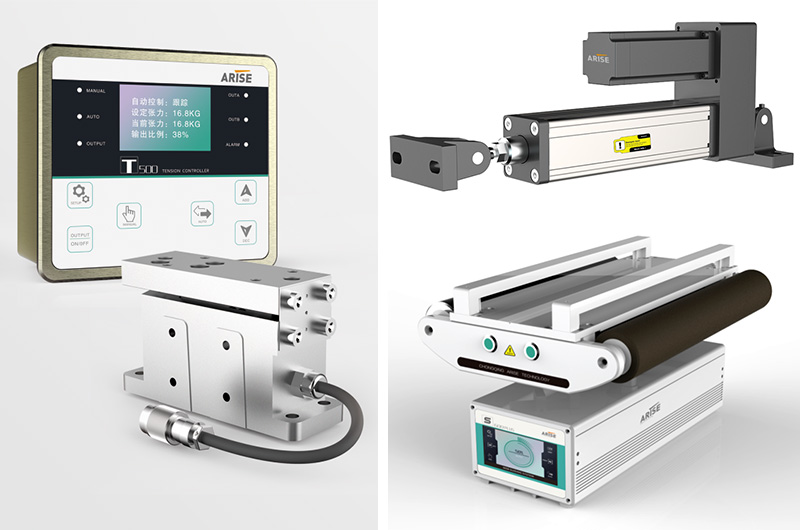
How ABC Manufacturing Successfully Implemented Web Guiding Systems
Key Components of the Implemented Web Guiding System:
High-Resolution Optical Sensors:
Opting for web-guiding systems with high-resolution optical sensors provided precise real-time feedback on material position, ensuring accurate alignment.
Advanced Actuators:
The chosen systems featured advanced web guide actuators, combining servomotors and pneumatic cylinders for quick and precise adjustments to ensure optimal web alignment.
User-Friendly Controller with Programmability:
Integration with a programmable, user-friendly web guide controller allowed operators to set parameters, fine-tune adjustments, and adapt the system to various materials and production needs.

Steps for Successful Implementation:
Assessment of Requirements:
Conduct a thorough assessment of the manufacturing process to identify specific web guiding requirements, considering material type, width, and processing speed.
Selection of Appropriate System:
Choose a web guide system that aligns with identified requirements, considering sensor technology, controller capabilities, and compatibility with existing machinery.
Integration with Existing Equipment:
Ensure seamless integration with the existing production line, collaborating with the system provider to adapt the solution to the facility's unique characteristics.
Operator Training:
Train operators on the proper use and maintenance of the web guiding system, familiarizing them with the user interface and troubleshooting procedures to minimize downtime.
Performance Monitoring:
Implement a monitoring system to track the performance of the web guiding system, regularly reviewing data to identify areas for optimization and preventive maintenance.
Continuous Improvement:
Embrace a culture of continuous improvement, regularly evaluating the system's effectiveness and exploring opportunities for enhancements or upgrades.
Benefits of Successfully Implementing Web Guiding Systems at ABC Manufacturing
Precision and Consistency:
The implementation resulted in a significant improvement in web alignment precision, enhancing the consistency of the production line and reducing variations in the final product.
Dramatic Reduction in Waste:
ABC Manufacturing experienced a substantial reduction in material waste due to the automated adjustments provided by the web guiding system, aligning with the company’s commitment to sustainability.
Enhanced Productivity:
Virtually eliminating downtime from manual adjustments, the web guiding system significantly increased overall productivity, enabling ABC Manufacturing to meet production targets more efficiently.
Quality Assurance and Customer Satisfaction:
The increased precision directly influenced product quality, allowing ABC Manufacturing to confidently meet and exceed clients’ stringent quality standards, enhancing overall customer satisfaction.
Adaptability to Changing Requirements:
The web guiding system's programmability enabled ABC Manufacturing to quickly adapt to changing production requirements, proving invaluable when dealing with a wide range of materials and product specifications.
Conclusion
The successful integration of web guiding systems showcases the transformative impact of advanced manufacturing technologies. By addressing issues of inconsistent web alignment, downtime, and quality control, ABC Manufacturing not only optimized its production processes but also established itself as a precision manufacturing leader. This case study underscores the importance of strategic technology adoption in remaining competitive and meeting the dynamic demands of the modern manufacturing landscape.