
In the realm of industrial processes, the evolution of web guide system technology has been nothing short of revolutionary. Over the years, significant strides have been made in advancing these systems, resulting in heightened efficiency, precision, and flexibility in various manufacturing operations.

Exploring the Landscape of Innovative Technologies
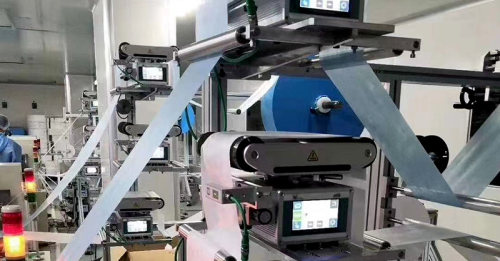
Automation and Precision
a. Sensor Technologies
Modern web guide systems leverage state-of-the-art sensor technologies such as ultrasonic sensors, infrared sensors, and line lasers. These advanced sensors facilitate real-time and precise detection of web edges, enabling impeccable alignment.
b. Closed-Loop Control
Through the integration of closed-loop control systems, web guide systems undergo continuous monitoring and automatic correction, minimizing the need for manual intervention and reducing errors. Real-time adjustments ensure seamless web handling during production.
Integration with Industry 4.0
a. IoT Connectivity
Web guide systems are increasingly becoming integral components of Industry 4.0 initiatives, offering connectivity through the Internet of Things (IoT). This enables remote monitoring, data analytics, and predictive maintenance, thereby optimizing operational efficiency.
b. Data Exchange
Seamless integration with Manufacturing Execution Systems (MES) facilitates effective data sharing, enhancing coordination across various stages of the production process. Real-time reporting capabilities provide heightened visibility into production data, supporting proactive decision-making.
Advanced Control Algorithms
a. Adaptive Control
Employing adaptive control algorithms allows web guide systems to continuously optimize parameters based on real-time conditions, ensuring optimal performance in diverse environments. These self-optimizing systems adjust to material variations and operating conditions.
b. Predictive Algorithms
Predictive algorithms analyze historical data to anticipate potential issues, enabling proactive adjustments before deviations impact alignment. This contributes to preventive maintenance strategies, minimizing downtime and extending system lifespan.
Improved Material Handling
a. Variable Web Width Handling
Advanced systems can handle variations in web width without manual adjustments, promoting seamless transitions between different products or specifications and enhancing manufacturing flexibility.
b. Tension Control
Powerful tension control system features guarantee consistent tension levels throughout the production process, enhancing product quality by preventing wrinkling and stretching.

Enhanced User Interfaces
a. Touchscreen Controls
User interfaces now feature intuitive touchscreen controls, simplifying setup processes and enabling real-time monitoring and adjustment. Visual representations aid operators in assessing alignment with ease.
b. Remote Accessibility
Remote accessibility allows for centralized monitoring and control, facilitating faster troubleshooting and minimizing downtime through remote interventions.
Future Trends in Advanced Web Guide Systems
Integration with Artificial Intelligence (AI)
Integration with AI algorithms enables predictive analytics to anticipate and prevent alignment concerns, leading to reduced downtime and improved performance. Self-optimizing systems continuously learn from data to enhance precision.
Evolution of Sensor Technologies
Advancements in nanotechnology will lead to the development of high-precision sensors capable of even more accurate web edge detection, while the integration of multiple sensor types will enable comprehensive data fusion for enhanced understanding.
Continued Sensor and Software Innovations
Edge computing technologies will drive further advancements in web edge detection, while ongoing improvements in software solutions will enhance overall system performance and capabilities.
In Conclusion
The advancements in web guide system technology have revolutionized production processes across various industries. Through a combination of automation, accuracy, and connectivity, these systems have significantly enhanced efficiency, quality, and sustainability. The future promises a convergence of cutting-edge technologies, ushering in an era of heightened intelligence and innovation in web guide systems.
In the dynamic landscape of industrial manufacturing, the pursuit of precision and adaptability has spurred the development of innovative technologies. Among these advancements, web guide systems emerge as vital components, ensuring accurate material alignment and management throughout diverse manufacturing processes. This article delves into the significance of customization and adaptability in web guide systems, examining how these features are revolutionizing industries and optimizing manufacturing operations.
Tailored Solutions for Varied Applications:
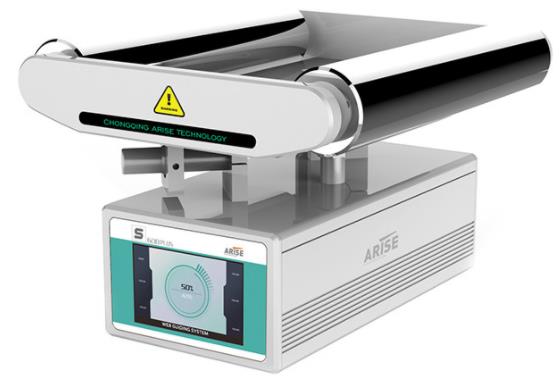
Customization lies at the core of effective web guide systems. Industries handling diverse materials, such as paper, film, textiles, and metal, require tailored solutions to address specific challenges. Customizable web guide systems empower manufacturers to adapt technology to the unique requirements of different applications, ensuring optimal performance across various materials and production scenarios.
Flexibility to Accommodate Changing Production Parameters:
Industries operate in a state of constant flux, with evolving production requirements and dynamic variables. Web guide systems equipped with adaptive features can effortlessly accommodate fluctuations in material thickness, width, or tension. This flexibility is invaluable in environments where production conditions frequently change, enabling swift adjustments without compromising precision.
Integration of Advanced Sensors and Controls:
Customized web guide systems often incorporate advanced sensors and controls, enhancing their versatility. Web guide sensors detect changes in web alignment or stress, triggering real-time adjustments to maintain material alignment. Intelligent control systems allow for parameter modifications and fine-tuning based on unique production conditions, optimizing performance.
Remote Monitoring and Control:
The digital era has ushered in remote connectivity and monitoring capabilities for web guide systems. Customizable solutions empower operators to remotely monitor and control web guide systems, facilitating real-time adjustments without physical presence. This enhances convenience and responsiveness, fostering a more efficient production environment.
Precision in Printing and Converting Processes:
Precision is paramount in printing and converting industries. Customized web guide systems ensure accurate registration, minimizing waste and enhancing the quality of printed materials. Whether in flexographic printing, gravure printing, or laminating processes, adaptable web guide systems play a pivotal role in maintaining alignment and registration.
Safety and Reliability Enhancements:
Customization extends beyond performance to include safety features. Industries with stringent safety requirements can tailor web guide systems to incorporate additional safety mechanisms, such as emergency stop functions and redundant sensors. This ensures not only precision but also a high level of reliability and compliance with safety standards.
Energy-Efficient and Sustainable Solutions:
Customized web guide systems increasingly integrate energy-efficient technologies, promoting sustainability. Variable frequency drives, low-energy components, and sophisticated power management systems are combined to deliver personalized solutions that align with the growing emphasis on environmentally friendly practices in modern enterprises.
Conclusion:
The customization and adaptability of web guide systems are pivotal in meeting the evolving needs of industries seeking precision, efficiency, and flexibility. From printing and converting to packaging and textiles, tailored web guide systems have a transformative impact across diverse sectors. As industries embrace customization, the future holds even more innovative solutions that will revolutionize how materials are handled and processed, ushering in a new era of industrial efficiency and reliability.
The evolution of real-time video analysis has emerged as a pivotal tool in web inspection systems, revolutionizing product quality assurance, minimizing faults, and enhancing overall manufacturing efficiency. This article delves into the importance of real-time video analysis in web inspection systems, its impact on quality control, and the anticipated future developments that will shape its role in modern industrial processes.
Understanding Web Inspection Systems:
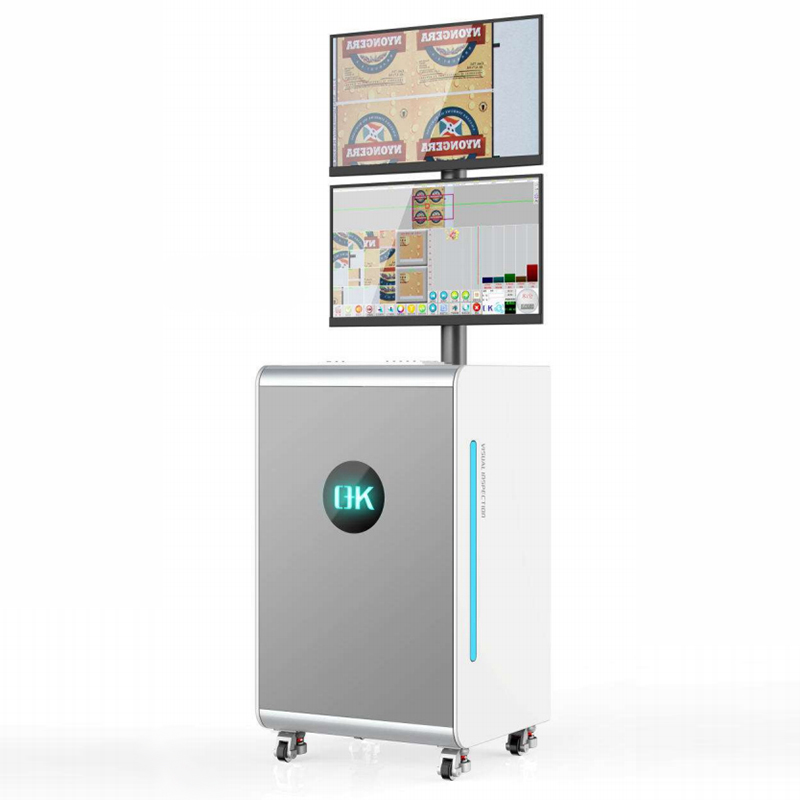
Web inspection systems are integral to various industrial sectors, including printing, packaging, textiles, and paper manufacturing. These systems track and analyze materials, commonly referred to as the "web," as they progress through the manufacturing process. Traditional manual inspection methods were not only time-consuming but also susceptible to human error. Real-time video analysis in web inspection systems has overcome these challenges by providing automated, swift, and accurate inspection capabilities.
Future Trends and Developments in Real-Time Video Analysis for Web Inspection Systems:
Advancements in Artificial Intelligence (AI) and Machine Learning (ML):
The future of real-time video analysis lies in the refinement of AI and machine learning algorithms. This progress will significantly enhance defect detection accuracy and efficiency as these algorithms become more sophisticated and adaptable. Continuous learning capabilities and adaptability to evolving production environments will be key focus areas.
Integration with Industry 4.0 and Smart Manufacturing:
Anticipated seamless integration with Industry 4.0 initiatives and smart manufacturing concepts will enable real-time communication between web inspection systems and other components of the manufacturing process. This interconnectedness will foster a more responsive and integrated production ecosystem.
Edge Computing for Enhanced Speed and Efficiency:
The adoption of edge computing will become more widespread, allowing real-time data processing and analysis directly on the production line. This shift towards edge computing will minimize latency, facilitating quicker decision-making and immediate corrective actions in response to detected defects.
IoT Connectivity for Comprehensive Monitoring:
The Internet of Things (IoT) will continue to play a pivotal role in web inspection systems. Increased connectivity with IoT devices will provide comprehensive monitoring capabilities, enabling manufacturers to collect and analyze data from various points in the production process. This data-driven approach will contribute to predictive maintenance and proactive quality control measures.
Enhanced Imaging Technologies:
Continuous advancements in imaging technologies, including high-resolution cameras and hyperspectral imaging, will enhance the ability of real-time video analysis to gather detailed and nuanced information. This will be particularly crucial in industries with stringent quality standards, such as pharmaceutical and electronics production.
Augmented Reality (AR) for Maintenance and Training:
The utilization of augmented reality will extend beyond the production line to maintenance and training. AR interfaces can offer real-time information to maintenance personnel, such as equipment health status and troubleshooting guides. Additionally, AR can be leveraged for training purposes, providing immersive and interactive experiences for operators.
Cloud-Based Solutions for Scalability:
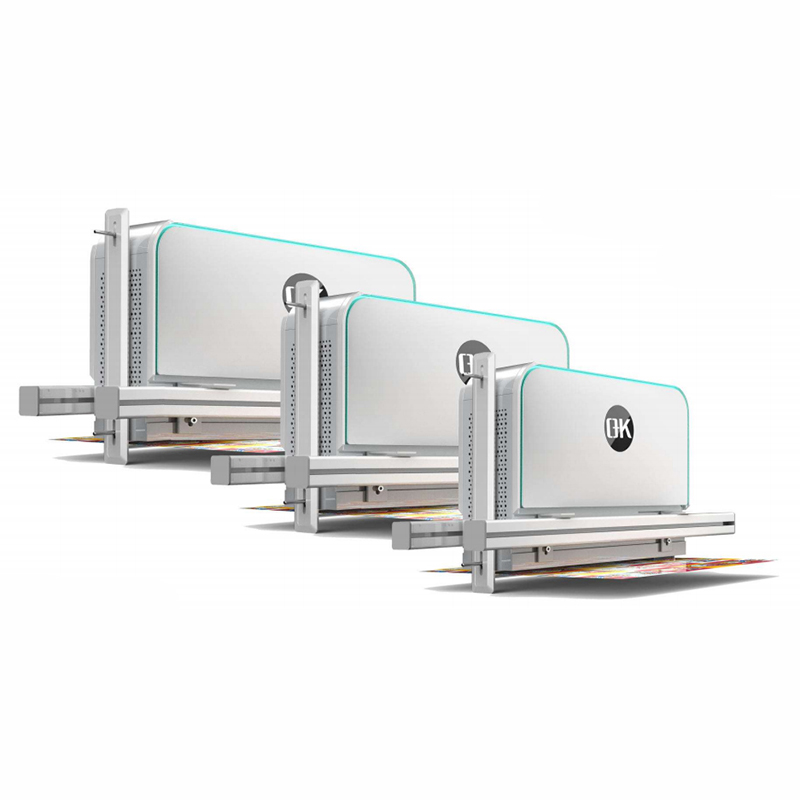
Cloud-based solutions will enhance scalability and accessibility. Manufacturers can utilize cloud computing to store and analyze vast amounts of data generated by online inspection systems, enabling centralized management, remote monitoring, and data-driven insights.
Robotic Integration for Automated Handling:
Integration with robotic systems will facilitate the automated processing of items identified as problematic by web inspection tools. This seamless synchronization of inspection and handling procedures will enhance efficiency and reduce dependence on manual intervention.
Cybersecurity Measures:
As web video inspection systems become increasingly interconnected, robust cybersecurity measures will be imperative. In the face of emerging cyber risks, safeguarding sensitive production data from unauthorized access and maintaining the integrity of the inspection process will be crucial.
Conclusion:
Real-time video analysis has not only transformed web inspection systems but has also provided manufacturers with an effective tool for ensuring product quality, improving efficiency, and minimizing defects. As technology advances, the integration of real-time video analysis with other cutting-edge technologies will further enhance the capabilities of web inspection systems, shaping modern production processes. Embracing these advancements will be paramount for organizations seeking to remain competitive and deliver high-quality products in today's dynamic industrial landscape.
Web guiding systems play a crucial role in facilitating the seamless movement of materials through the manufacturing process in high-speed printing, where precision is of utmost importance. However, the accelerated pace of printing operations introduces new challenges that demand innovative solutions. This article explores the hurdles faced by web guiding systems in high-speed printing and delves into the solutions that pave the way for improved accuracy and efficiency.
Challenges in Web Guiding for High-Speed Printing
Dynamic Tension Variations
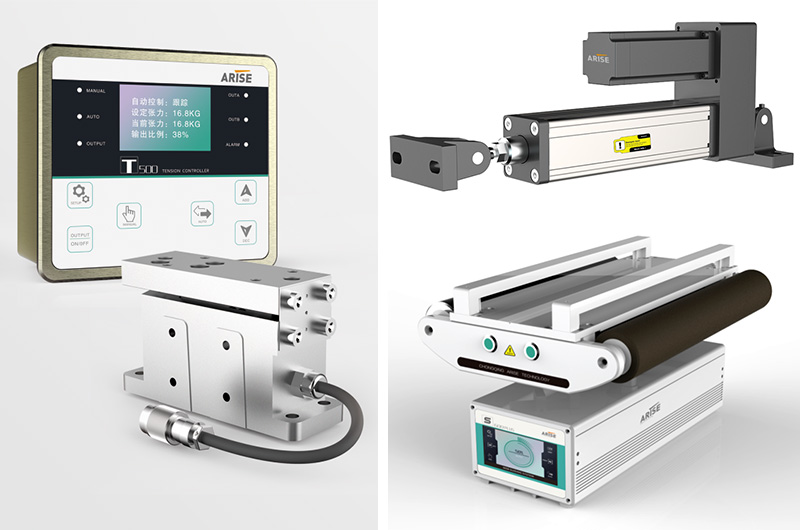
High-speed printing processes often lead to dynamic tension fluctuations in the web, impacting material alignment and registration.
Substrate Variability
Variations in printing substrates and materials, including differences in elasticity and thickness, make consistent web guiding at high speeds challenging.
Accurate Registration Requirements
Perfect color and element registration are essential when printing at high speeds, presenting a significant challenge in maintaining proper alignment throughout the process.
Web Flutter and Deflection
Increased speeds may cause the web to experience flutter or deflection, introducing deviations that must be swiftly detected and corrected by the web guiding system.
Vibration and Machine Dynamics
Vibrations and dynamic motions of high-speed printing equipment can influence the web's stability, complicating the challenge of keeping it aligned.
Material Stretch and Shrinkage
High speeds and associated forces can cause materials to stretch or shrink, impacting the accuracy of web guiding systems and necessitating real-time adjustments.
Solutions to Address Web Guiding Challenges in High-Speed Printing
Advanced Sensor Technologies
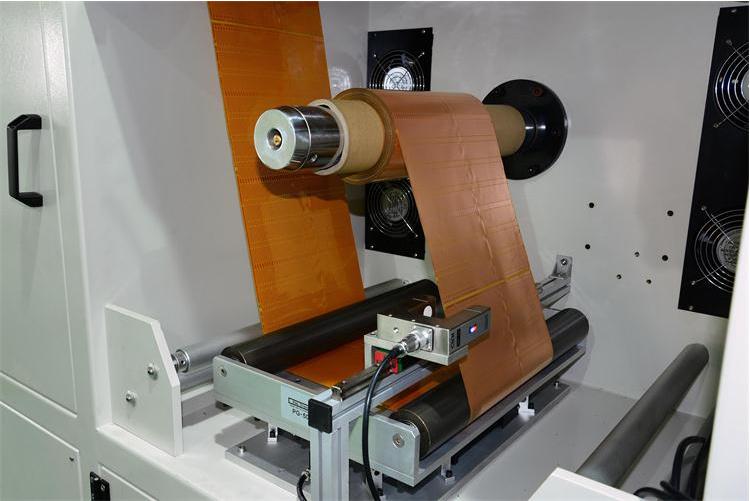
Utilizing cutting-edge sensor technologies like ultrasonic or laser sensors enables real-time monitoring of web position and tension, allowing rapid adjustments to changes in material properties.
Closed-Loop Control Systems
Continuous analysis of sensor feedback by closed-loop control systems ensures real-time adjustments to the web guiding mechanism, maintaining precise alignment despite dynamic tension variations.
Smart Algorithms for Registration Control
Employing smart algorithms predicting and compensating for registration errors ensures accurate web alignment throughout the printing process, contributing to high-quality output.
Web Guiding Systems with Fast Response Times
Investing in systems with rapid response times ensures swift corrections, minimizing the impact of flutter, deflection, or sudden changes in web behavior.
Dynamic Tension Control Mechanisms
Incorporating tension control mechanisms that dynamically adjust to changes in web tension helps preserve stability, especially in settings where tension fluctuations are common.
Continuous Monitoring and Diagnostics
Implementing continuous monitoring and diagnostics through modern Human-Machine Interface (HMI) systems enables operators to identify potential issues before they affect print quality, reducing downtime.
Precision Rollers and Guiding Components
Upgrading precision-engineered rollers and web guiding components reduces friction, enhancing the overall stability of the system and mitigating the impact of vibrations and dynamic forces.
Material-specific Web Guiding Configurations
Tailoring configurations to the individual qualities of different substrates ensures the system can respond to variations in elasticity and thickness, resulting in improved performance.
Conclusion
Web guiding in high-speed printing is a delicate balance of precision and speed. Addressing the challenges posed by the rapid pace of modern printing requires the adoption of innovative technology, smart algorithms, and sensitive control systems. As the demand for high-quality, high-speed printing grows, the industry's ability to tackle these issues becomes increasingly crucial for achieving peak performance and producing flawless prints. By focusing on adaptable solutions and continuous innovation, web guiding systems can meet the challenges of high-speed printing with unparalleled accuracy and efficiency.
The printing industry continually seeks innovations to enhance processes and ensure the highest quality in its products. A transformative shift has occurred with the integration of printing inspection systems into workflow management, revolutionizing traditional printing processes. This article explores the significance of this integration, detailing its benefits and the profound impact it has on overall productivity and product quality.
Understanding Printing Inspection Systems
Printing inspection systems employ advanced technologies like computer vision and image analysis to scrutinize printed materials for faults and discrepancies. These systems can detect issues such as misprints, color discrepancies, registration errors, and other flaws that may compromise the final product's quality. Traditionally, manual checks were time-consuming and prone to human error. However, the integration of automated printing inspection systems has ushered in a new era of heightened accuracy and efficiency.
Key Benefits of Printing Inspection Systems Integration with Workflow Management
The collaboration between automated printing inspection systems and optimized workflow procedures offers numerous advantages to printing companies, contributing to increased productivity, enhanced quality control, and overall operational excellence.
Increased Operational Efficiency:
Automated systems eliminate the need for manual labor in quality control, accelerating production cycles and enhancing overall operational efficiency.
Cost Savings:
Reduced manual labor requirements lead to significant cost savings, as automated inspection systems minimize the risk of human oversight errors and reduce the need for reprints.
Enhanced Quality Control:
Automated systems uncover minor flaws and irregularities, maintaining a consistent high level of quality in printed materials and minimizing the risk of delivering subpar items to clients.
Real-time Monitoring and Correction:
Workflow management provides real-time visibility into the printing process. Integrated inspection systems enable immediate correction of deviations or errors, reducing the need for costly reprints.
Data-Driven Decision-Making:
Integration produces valuable data about the printing process and quality management, offering actionable insights for informed decisions on process optimization, resource allocation, and continual development.
Consistency in Product Quality:
Printing inspection systems ensure a consistent and high level of quality across all printed materials, crucial for maintaining brand reputation and customer satisfaction, especially in industries where aesthetics and print quality are paramount.
Compliance Assurance:
Integration with workflow management ensures compliance with stringent regulatory requirements in industries like pharmaceuticals and food packaging. Traceability and documentation facilitate audits and regulatory approvals.
Traceability and Accountability:
The integrated system enables traceability throughout the production process, documenting each step of the workflow and inspection results to ensure accountability, particularly for quality assurance and customer satisfaction.
Reduced Downtime:
Early detection of errors minimizes interruptions, reducing downtime associated with reworking or reproducing large batches of goods.
Scalability:
Integrated systems can adapt to fluctuating production levels, maintaining efficiency and quality control while coping with increased demand or expansion.
Conclusion
The The integration of printing inspection systems with workflow management marks a critical advancement for efficiency and excellence in the printing industry. As technology continues to progress, incorporating innovative solutions is poised to become standard practice, setting new benchmarks for efficiency and quality not only in the printing sector but also beyond.