
Accurate alignment and registration of substrates are paramount in wide-format printing, crucial for achieving high-quality prints while minimizing wastage. However, this precision presents unique challenges in web guiding for wide-format printing. Let's delve into these challenges and explore innovative solutions to overcome them, ensuring optimal performance and efficiency in the printing process.
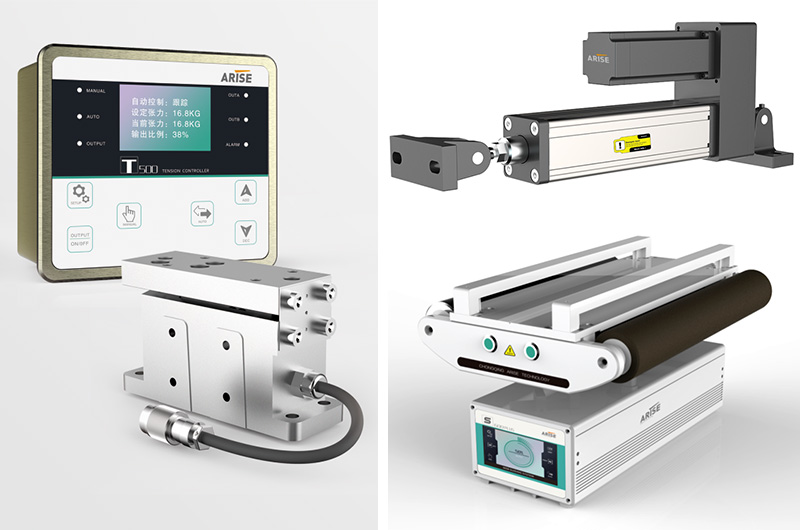
1. Substrate Variability: Wide-format printing involves a range of substrates, each with distinct characteristics like thickness, texture, and elasticity. This variability complicates maintaining consistent tension and alignment during printing.
Solution: Advanced sensor technologies such as laser sensors and vision systems offer real-time feedback on substrate position, aiding in precise adjustments despite substrate variations.
2. Dynamic Environmental Conditions: Fluctuations in temperature, humidity, and airflow can affect substrate stability, leading to misregistration and print flaws.
Solution: Implementing active web tension control mechanisms like pneumatic brakes or servo-driven systems helps reduce web flutter and vibration, ensuring stable substrate movement despite environmental changes.
3. Web Flutter and Vibration: High-speed printing and substrate movement can induce web flutter and vibration, particularly with lightweight materials, causing inaccurate registration.
Solution: Mechanical stabilization techniques like tension rollers and web spreaders help mitigate web flutter and maintain consistent substrate tension during printing.
4. Edge Detection and Tracking: Accurate edge detection is crucial for effective web guiding systems, but factors like substrate transparency and irregular edges pose challenges for sensors.
Solution: Utilizing advanced sensor technologies improves edge detection and tracking accuracy, enhancing the reliability of web guiding systems.

5. Integration with Printing Equipment: Seamless communication and synchronization between web guiding systems and printing equipment are essential for uninterrupted operation.
Solution: Enhancing integration and automation streamlines operations, minimizing disruptions and improving overall efficiency.
6. Maintenance and Calibration: Regular maintenance and calibration are necessary to ensure optimal performance of web guide system, but scheduling these operations can be challenging and may lead to downtime.
Solution: Instituting a proactive maintenance program and calibration procedure minimizes downtime and improves guiding accuracy over time.
Conclusion
Addressing the challenges in web guiding for wide-format printing through innovative solutions enhances performance, efficiency, and reliability. By implementing these solutions, printers can achieve optimal print quality and productivity, paving the way for innovation and growth in the industry.
In today's printing industry, maintaining consistent print quality is paramount for meeting customer expectations and adhering to regulatory standards. A significant advancement in achieving this consistency comes from Automated Printing Quality Inspection Systems, revolutionizing the way print quality is monitored and ensured. This article explores the components, benefits, applications, and latest advancements of Automated Printing Quality Inspection System, underscoring their pivotal role in modern printing practices.
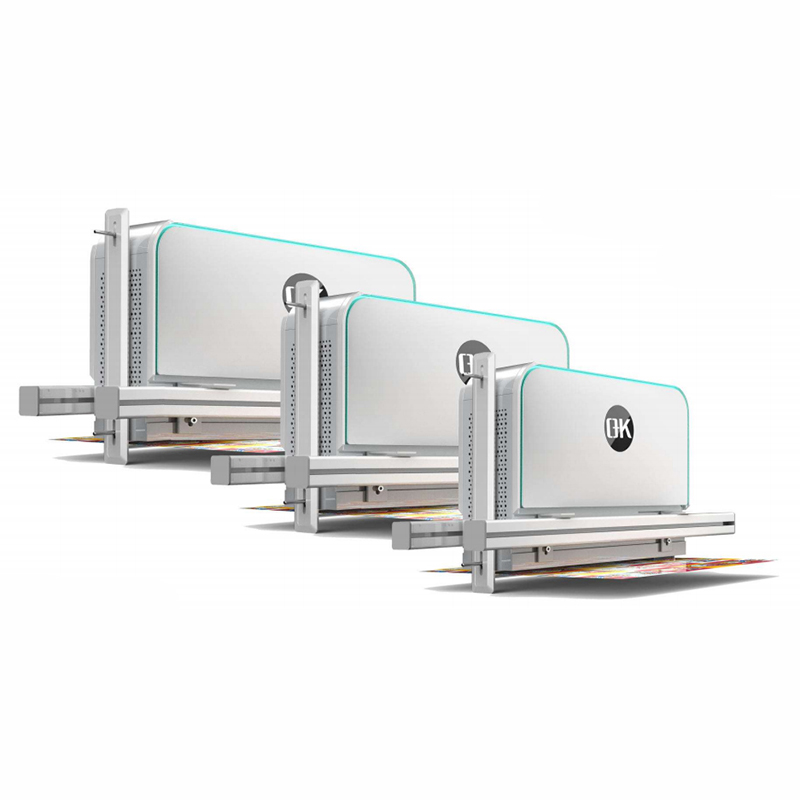
Evolution of Automated Printing Quality Inspection Systems
Traditionally, print quality inspection relied heavily on manual techniques, prone to errors and time-consuming processes. However, the evolution of technology paved the way for Automated Printing Quality Inspection Systems, enabling real-time monitoring, analysis, and rectification of print issues.
How Automated Printing Quality Inspection Systems Work
Utilizing sensors, cameras, and sophisticated algorithms, Automated Printing Quality Inspection Systems scrutinize printed materials for defects like misprints, color discrepancies, streaks, and registration errors with exceptional precision.
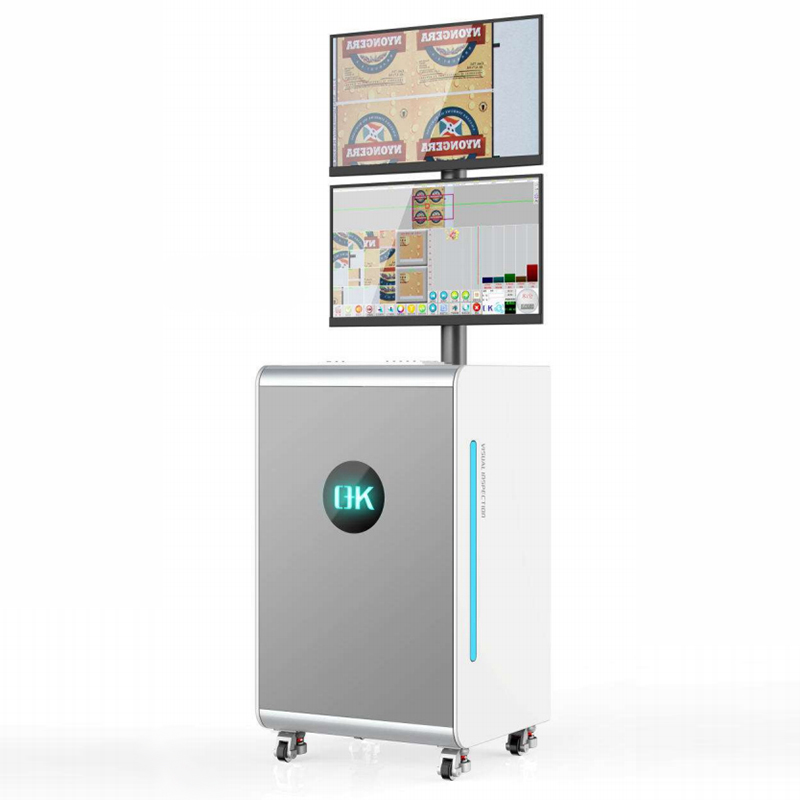
Advancements and Trends
Integration of Artificial Intelligence (AI) and Machine Learning (ML): AI and ML algorithms are reshaping automated inspection systems, empowering them to analyze vast amounts of data, anticipate issues, and adjust to changing printing conditions, thereby enhancing accuracy and efficiency.
Real-Time Defect Classification and Correction: Modern systems classify defects promptly, enabling immediate corrective actions. By adjusting printing settings on the fly, such as ink levels and registration, these systems minimize waste and ensure uniform print quality.
Multi-Modal Inspection Capabilities: To cater to diverse printing requirements, systems now incorporate multi-modal inspection capabilities, utilizing various imaging technologies for comprehensive defect detection across different materials and substrates.
Enhanced Color Management and Calibration: Automated inspection systems offer advanced color management features, ensuring precise color reproduction across different substrates. They detect color variations, match predefined standards, and adjust color profiles in real-time.
Cloud-Based Solutions for Remote Monitoring and Analytics: Cloud-based systems enable remote monitoring, data storage, and analytics, facilitating real-time access to inspection results and insights into production performance from anywhere.
Integration with Industry 4.0 Technologies: Automated inspection systems are increasingly integrated with Industry 4.0 technologies like IoT and robotics, enabling seamless data exchange and predictive maintenance for optimized production processes.
Conclusion
Automated Printing Quality Inspection Systems represent a significant innovation in the printing industry, offering unparalleled precision, efficiency, and control. As technology continues to advance, these systems will be instrumental in driving innovation and maintaining consistent quality across diverse printing applications. Embracing automated inspection technology isn't just advantageous—it's imperative for printers striving to thrive in today's competitive landscape.
In the era of Industry 4.0, where intelligent technologies are reshaping manufacturing processes, web video inspection machine have emerged as indispensable assets. These systems not only align with but also reinforce the key principles of Industry 4.0, contributing to its advancement. Let's delve into how web video inspection systems harmonize with and bolster the core tenets of Industry 4.0.
Impact of Web Video Inspection Systems on Industry 4.0 Principles:
Real-Time Data and Connectivity
Contribution: Web video inspection systems continuously generate real-time data, offering immediate insights into industrial operations. This mirrors Industry 4.0's emphasis on real-time connectivity, empowering operators to monitor and respond to dynamic conditions promptly.
Benefits:
Swift decision-making facilitated by live data.
Timely response to anomalies or defects.
Enhanced overall operational efficiency.
Interoperability and Integration
Contribution: These systems seamlessly integrate with various digital platforms and control systems, epitomizing Industry 4.0's principle of interoperability. They become pivotal components within a connected network of smart devices.
Benefits:
Comprehensive data exchange across the manufacturing ecosystem.
Integration with IoT devices for a cohesive approach.
Streamlined communication among diverse manufacturing components.
Predictive Maintenance and Analytics
Contribution: Web inspection systems, particularly those incorporating AI and machine learning, contribute to predictive maintenance by analyzing historical data and forecasting potential issues proactively.
Benefits:
Proactive maintenance strategies to mitigate downtime.
Prolonged equipment lifespan through predictive analytics.
Data-driven insights for continuous process enhancement.
Enhanced Efficiency and Resource Management
Contribution: Web video inspection systems elevate process efficiency by offering real-time monitoring, prompt defect detection, and streamlined decision-making, aligning with Industry 4.0's focus on efficiency and resource optimization.
Benefits:
Optimization of resource allocation.
Waste reduction through immediate defect identification.
Improved production outcomes via streamlined processes.
Cyber-Physical Systems
Contribution: These systems contribute to realizing cyber-physical systems by providing a digital replica of the physical production process. This digital twin enables comprehensive monitoring, analysis, and optimization.
Benefits:
Digital representation facilitating in-depth analysis.
Synergistic relationship between the physical and digital realms.
Informed decision-making empowered by a digital twin.
Conclusion:
Web video inspection systems serve as catalysts for Industry 4.0, embracing its core concepts and driving the evolution of smart manufacturing. They exemplify the transformative potential of technology in today's manufacturing landscape by delivering real-time data, enabling automation, supporting predictive maintenance, and fostering interconnectivity across industrial processes. As companies embrace Industry 4.0, web inspection systems will continue to shape the future of manufacturing through innovation, efficiency, and connectivity.
The evolution of web guide system technology has revolutionized industrial processes, vastly improving efficiency and precision. Over the years, significant strides have been made in the development of web guide systems, ushering in increased automation, enhanced performance, and improved flexibility.
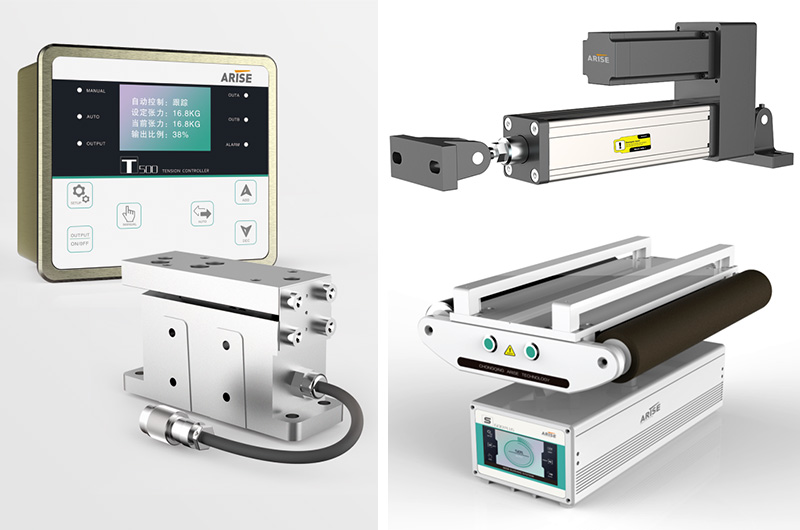
Key Technological Innovations in Web Guide Systems:
Automation and Precision
a. Sensor Technologies
Utilization of Advanced Sensors: Modern web guide systems incorporate state-of-the-art sensor technologies such as ultrasonic sensors, infrared sensors, and line lasers. These web edge guiding sensors facilitate real-time and highly precise detection, enabling accurate alignment.

Web Edge Detection: Sensors accurately determine the position of the web, facilitating automated adjustments to maintain optimal alignment.
b. Closed-Loop Control
Automated Correction: Closed-loop control systems continuously monitor and automatically correct web alignment, reducing the need for manual intervention and minimizing errors.
Real-Time Adjustments: Closed-loop systems enable real-time adjustments, ensuring seamless and efficient web handling during production.
Integration with Industry 4.0
a. IoT Connectivity
Internet of Things (IoT) Integration: Web guide systems are increasingly integrated into Industry 4.0 initiatives, enabling connectivity through IoT. This facilitates remote monitoring, data analytics, and predictive maintenance.
Data-Driven Insights: Integration with IoT networks provides valuable data-driven insights, supporting informed decision-making and operational optimization.
b. Data Exchange
MES Integration: Web guide systems seamlessly integrate with Manufacturing Execution Systems (MES), enabling effective data sharing and greater coordination across the production process.
Real-Time Reporting: MES integration enables real-time reporting, enhancing visibility into production data and supporting proactive decision-making.
Advanced Control Algorithms
a. Adaptive Control
Dynamic Adjustments: Web guide systems employ adaptive control algorithms that continuously optimize parameters based on real-time conditions, ensuring effective performance in diverse operating environments.
Self-Optimizing Systems: The adaptive nature of control algorithms enables web guide systems to self-optimize, adjusting to variations in materials and operating conditions.
b. Predictive Algorithms
Historical Data Analysis: Predictive algorithms analyze historical data to anticipate potential issues, facilitating proactive adjustments before deviations impact alignment.
Preventive Maintenance: Predictive algorithms contribute to preventive maintenance strategies, reducing downtime and extending the lifespan of web guide systems.
Improved Material Handling
a. Variable Web Width Handling
Automated Adjustments: Advanced systems can handle variations in web width without manual adjustments, supporting seamless transitions between different products or specifications.
Flexibility: The ability to handle variable web widths enhances manufacturing process flexibility, accommodating diverse production requirements.
b. Tension Control
Precision Tension Management: Web guide systems feature powerful tension control capabilities, ensuring consistent tension levels throughout the production process and enhancing product quality.
Enhanced User Interfacesa. Touchscreen Controls
Intuitive Interfaces: User interfaces now feature intuitive touchscreen controls, simplifying setup and allowing operators to configure and monitor the system easily.
Visual Representation: Touchscreen interfaces provide visual representations of web alignment, aiding operators in real-time assessment and adjustment.
b. Remote Accessibility
Centralized Monitoring: Many modern web guide systems offer remote accessibility, enabling centralized monitoring and control for improved operational efficiency.
Remote Troubleshooting: Remote access facilitates faster troubleshooting and minimizes downtime, reducing the need for on-site interventions.
Future Trends of Advanced Web Guide Systems:
Integration with Artificial Intelligence (AI)
Predictive Analytics: Integration with AI algorithms enables predictive analytics to anticipate and prevent alignment concerns, reducing downtime and maximizing performance.
Self-Optimizing Systems: AI-driven systems continuously learn from data to adapt and improve alignment precision based on historical and real-time information.
Evolution of Sensor Technologies
High-Precision Sensors: Advancements in nanotechnology will lead to the development of high-precision sensors capable of even more accurate web edge detection, ensuring optimal alignment.
Multi-Sensor Fusion: Integration of multiple sensor types will enable comprehensive data fusion for a more nuanced understanding of the web’s position.
Continued Sensor and Software Innovations
Innovations in Web Edge Detection: Edge computing technologies will enable faster processing and decision-making at the sensor level, driving further advancements in web edge detection.
Advanced Software Solutions: Continued improvements in software solutions will be critical in enhancing the overall performance and capabilities of web guide systems.
In Conclusion,
Advancements in web guide system technology have significantly enhanced production processes across various industries. The combination of automation, accuracy, and connectivity has improved production line efficiency, product quality, and waste reduction. The future of web guide systems promises a convergence of cutting-edge technologies, increased intelligence, and a commitment to sustainability.
In the contemporary realm of manufacturing and production, ensuring product quality stands as a paramount concern. The advent of web video inspection systems has revolutionized this landscape, enabling real-time monitoring and analysis of manufacturing processes. What sets these systems apart is their remarkable versatility, capable of catering to the unique requirements of diverse industries and evolving production methodologies. This article delves into the nuances of customization and adaptability, elucidating how web video inspection systems are tailored to address the distinctive needs of various sectors and ever-changing production protocols.
Tailored Solutions for Industry Specifics:
Web video inspection systems offer a distinct advantage in their ability to adapt to the specific challenges encountered across various sectors. Given that quality control standards vary significantly from automotive manufacturing to pharmaceuticals, these systems can be customized to address industry-specific concerns. This ensures that the inspection process aligns seamlessly with the requirements and intricacies of each production environment.
Flexibility in Configuration and Parameters:
The adaptability of web inspection systems is exemplified by their versatility in configuration. Manufacturers can fine-tune these systems to suit the nuances of their production processes. Parameters such as inspection criteria, tolerance levels, and fault detection algorithms are all customizable, allowing producers to precisely tailor the system in response to evolving needs and product specifications.
User-Friendly Interfaces for Seamless Customization:
Web inspection vision systems prioritize user interaction by offering intuitive interfaces. This ensures that operators, irrespective of their technical proficiency, can swiftly navigate and adjust the system settings. The user-friendly interfaces facilitate quick modifications to settings, inspection criteria, and other variables, enabling real-time adaptation to the dynamics of production.
Adaptive Integration of AI and Machine Learning:
Integration of artificial intelligence (AI) and machine learning (ML) enhances the adaptability of web video inspection systems. These technologies enable the system to continuously learn from and adapt to new data inputs. As patterns emerge and production processes evolve, the system becomes increasingly proficient at detecting flaws and anomalies. The adaptive nature of AI and ML empowers a proactive approach to quality management.
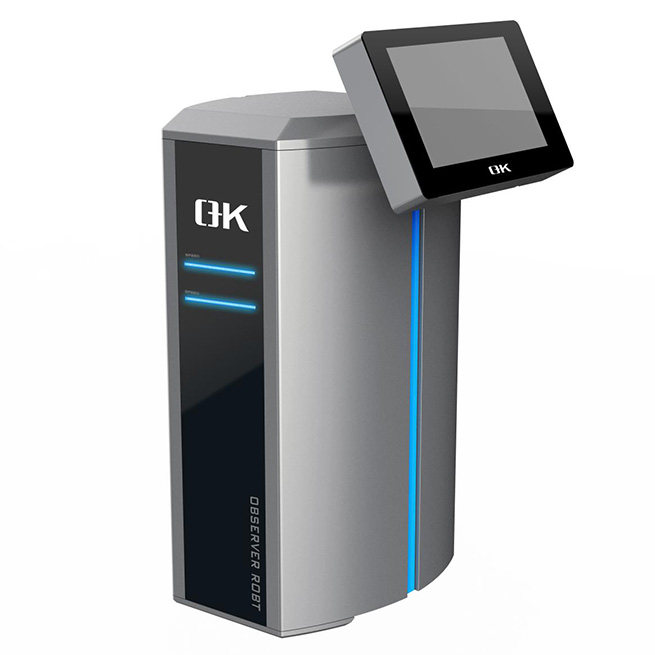
Real-Time Feedback and Corrective Actions:
The real-time capabilities of web video inspection systems bolster their adaptability by providing instantaneous feedback. Upon detecting anomalies, the system can trigger alerts, prompting operators to take corrective measures promptly. This real-time adaptability minimizes the risk of producing substandard products, thereby upholding the integrity of the manufacturing process.
Scalability for Changing Production Needs:
The adaptability of web video inspection systems extends to scalability, allowing them to accommodate fluctuations in production requirements. Whether a production facility undergoes expansion, contraction, or technological upgrades, these systems can scale accordingly. This scalability ensures that the investment in inspection technology remains relevant and valuable over the long term.
Beyond Visual Inspection:
While visual inspection remains a primary focus, modern web inspection systems transcend mere visuals. Some systems integrate additional sensors and technologies to enhance their inspection capabilities, including dimension measurement, structural integrity analysis, and thermal quality evaluation. This adaptability empowers manufacturers to tailor inspections to suit the unique characteristics of their products.
Conclusion:
Customization and adaptability define the contemporary landscape of web video inspection systems. These solutions not only address the distinct needs of various industries but also provide producers with the flexibility to adapt to evolving manufacturing processes. As automation and Industry 4.0 continue to advance, the customizable and adaptable nature of web inspection systems ensures their prominence in quality control, contributing to the efficiency and perfection of diverse manufacturing sectors.