
Optimizing energy consumption stands as a cornerstone for sustainability and cost-effectiveness across various manufacturing operations. Among these, tension control emerges as a critical factor in industries such as web handling, printing, packaging, and textiles. Exact tension levels are pivotal for product quality and operational efficiency. Yet, traditional tension control mechanisms often incur significant energy costs. To address this challenge, industries are increasingly adopting energy-efficient tension control solutions.
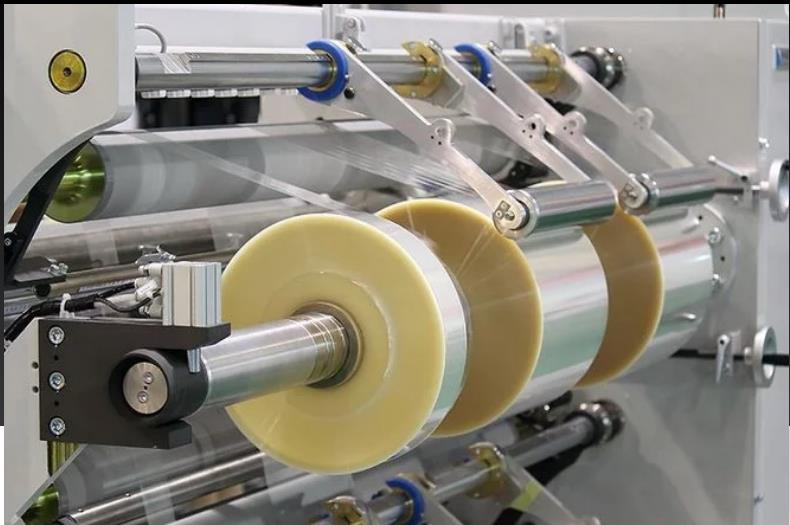
Benefits of Energy-Efficient Tension Control Solutions:
Cost Savings:
Energy-efficient tension control solutions drastically reduce energy consumption, leading to lower utility bills and operating costs. Businesses can enhance their bottom line by optimizing energy usage and utilizing resources more efficiently.
Environmental Sustainability:
Energy efficiency directly contributes to environmental sustainability by reducing carbon footprint. Lower energy consumption helps mitigate climate change, showcasing a commitment to environmental responsibility and corporate citizenship.
Compliance with Regulations:
Many regions impose strict regulations regarding energy usage and environmental impact. Adopting energy-efficient technologies ensures compliance with these regulations, averting potential penalties or fines. Moreover, it enhances brand reputation and market competitiveness by demonstrating adherence to sustainability initiatives.
Enhanced Equipment Performance:
Energy-efficient tension control solutions integrate advanced technologies and intelligent algorithms to optimize system performance. By maintaining precise tension levels and minimizing energy waste, these solutions enhance equipment reliability, longevity, and overall operational efficiency.
Improved Product Quality:
Precise tension control is paramount for product quality and integrity, particularly in industries like printing, packaging, and textiles. Energy-efficient tension control solutions ensure uniform tension levels, reducing the risk of product defects, waste, and rework, thereby enhancing customer satisfaction and brand reputation.
Flexibility and Adaptability:Energy-efficient tension control solutions are designed to be versatile and adaptable to varying production requirements and process conditions. They offer flexibility and customization options to meet specific operational needs, whether adjusting tension levels for different materials, speeds, or environmental factors.
Future-Proofing Investments:
Investing in energy-efficient solutions not only yields immediate cost savings but also shields businesses from escalating energy bills and evolving regulatory requirements. Prioritizing energy efficiency secures the durability and sustainability of operations amid changing market circumstances.
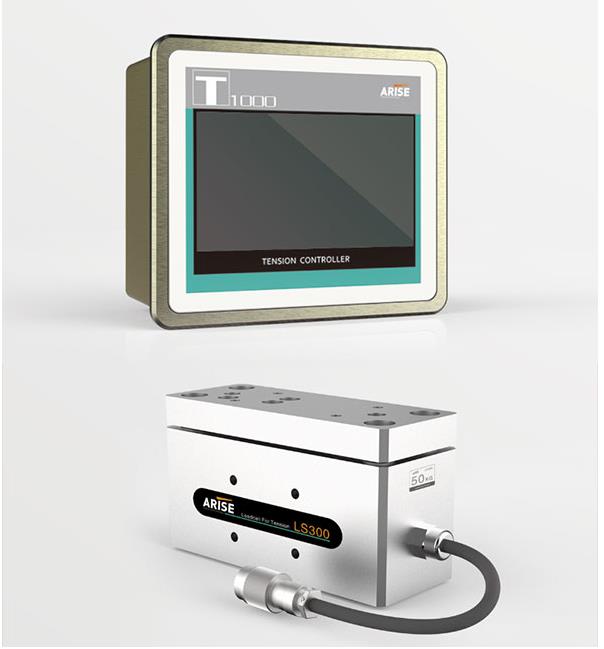
Innovative Approaches in Energy-Efficient Tension Control Solutions:
Regenerative Braking Systems:
Regenerative braking systems capture and store excess kinetic energy generated during braking for later utilization. By converting this energy into electrical energy, these systems reduce energy consumption and manage peak power demands efficiently.
Intelligent Control Algorithms:
Intelligent tension control algorithms monitor and adjust tension levels in real-time based on variables like material type, speed, and environmental conditions. These algorithms optimize tension control parameters, minimizing energy waste while maintaining optimal tension levels.
Low-Friction Components:
Utilizing low-friction materials, coatings, and design optimizations within tension control components reduces frictional losses and energy requirements. This minimizes resistance and enhances material movement smoothness, contributing to energy efficiency and equipment lifespan extension.
Variable Frequency Drives (VFDs):
VFDs enable precise adjustment of motor speeds based on process requirements, resulting in energy savings. By matching motor speed to required tension levels, VFDs eliminate energy wastage associated with constant-speed operation and reduce mechanical stress on equipment.
Predictive Maintenance and Condition Monitoring:
Predictive maintenance techniques and condition monitoring systems identify potential issues before they escalate into costly failures. Regular monitoring and analysis of tension control equipment condition optimize system efficiency, preventing energy losses due to unexpected downtime or malfunctions.
System Integration and Optimization:
Integrating tension controllers with broader energy management platforms enables comprehensive optimization of energy usage across manufacturing processes. This holistic approach synchronizes tension control operations with other energy-intensive equipment and processes, maximizing energy efficiency and overall productivity.
Conclusion:
Energy-efficient tension control solutions offer enterprises an opportunity to enhance operations while reducing environmental impact. By leveraging innovative technology, intelligent algorithms, and integrated energy management systems, businesses can achieve significant energy savings, improving productivity and sustainability simultaneously.
The realm of flexible packaging operates within a dynamic framework, demanding precision, consistency, and efficiency at every stage. Among the myriad components and technologies ensuring seamless operations, web tension controllers emerge as pivotal players. These controllers play a critical role in maintaining optimal tension levels throughout flexible packaging processes, leading to enhanced quality, minimized waste, and overall operational efficiency. In this article, we delve into the indispensable role of web tension controllers in flexible packaging processes, exploring their functionality, benefits, and transformative impact on the industry.
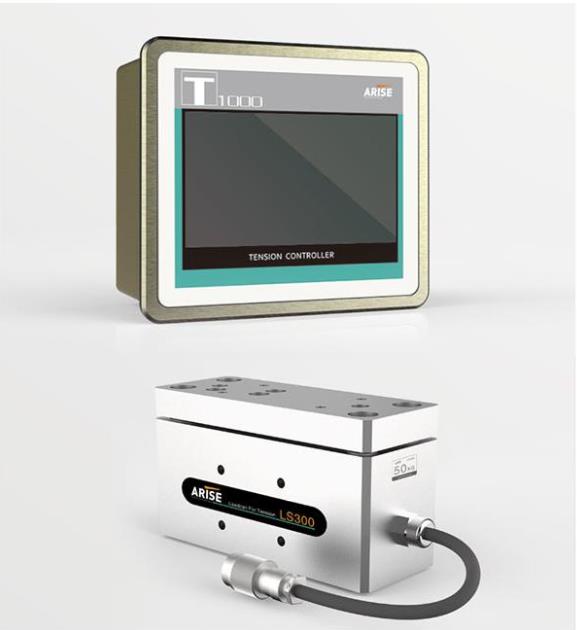
Functionality of Web Tension Controllers in Flexible Packaging Processes:
Flexible packaging involves handling materials inherently sensitive to tension variations, such as films, foils, and laminates. Consistent tension application is paramount to preserving material integrity across printing, laminating, slitting, and winding operations. Even minor tension imbalances can trigger issues like misalignment, wrinkles, and material breakage, jeopardizing packaging aesthetics, functionality, and operational efficiency.
At the core of optimal tension control lies the web tension controller. Serving as a diligent conductor, this device orchestrates the intricate dance of packaging materials throughout their journey. Leveraging advanced tension control algorithms and real-time data from strategically positioned sensors, these controllers make instantaneous adjustments to maintain precise tension levels. Continuously monitoring factors such as material tension, speed, and diameter, they ensure seamless material handling and processing.

Key Benefits of Web Tension Controllers in Flexible Packaging Processes:
Consistent Product Quality: Web tension controllers uphold uniform tension levels across flexible packaging materials, ensuring consistent product quality and minimizing defects like wrinkles or misalignment.
Reduced Material Waste: By optimizing tension levels, web tension controllers minimize material waste associated with defects, maximizing material utilization and reducing scrap rates.
Improved Machine Efficiency: These controllers enhance machine efficiency by eliminating tension-induced stoppages or jams, maximizing production throughput and minimizing downtime.
Enhanced Print Registration: Accurate tension control is crucial for precise print registration, resulting in sharp, aligned prints and high-quality packaging graphics.
Greater Process Flexibility: Web tension controllers offer flexibility to adjust tension settings based on specific material and process requirements, accommodating diverse substrates and production conditions.
Reduced Operator Intervention: Automated tension control systems minimize manual adjustment and monitoring, allowing personnel to focus on other critical tasks and improving overall efficiency.
Prevention of Machine Damage: By maintaining optimal tension levels, these controllers prevent excessive stress on machinery components, prolonging equipment lifespan and reducing maintenance costs.
Compliance with Quality Standards: Web tension controllers help meet stringent quality standards for flexible packaging products, enhancing customer satisfaction and brand reputation.
Conclusion:
Web tension controllers ensure the seamless flow of operations in the flexible packaging industry. Their role in maintaining ideal tension levels translates to superior product quality, minimized waste, and enhanced operational efficiency. As the flexible packaging industry continues to evolve, web tension controllers will remain at the forefront of innovation, driving advancement and contributing to the production of top-tier packaging materials that safeguard and elevate the items they encapsulate.
In the realm of print inspection, traditional methods often struggle to keep pace with the nuances of modern printing processes. Manual visual inspection and basic machine vision systems frequently fall short in detecting minor flaws or adapting to the complexities inherent in newer printing technologies. However, the advent of deep learning techniques, a subset of artificial intelligence, has ushered in a new era of unparalleled accuracy and efficiency in print inspection systems. This article delves into the transformative role of deep learning in revolutionizing print inspection and its far-reaching implications for the industry.

The Evolution of Printing Inspection Systems
Traditionally, print inspection relied heavily on manual visual checks or rudimentary machine vision systems. These methods, however, proved inadequate in addressing variations in print quality and identifying faults accurately. With the rapid advancement of printing technology, these shortcomings led to increased production costs and quality control challenges. Consequently, there arose a pressing need for advanced, automated inspection systems capable of meeting stringent quality standards in the printing sector.
Deep Learning Techniques in Print Inspection Systems
Deep learning techniques, inspired by the intricate workings of the human brain, have emerged as a game-changer in the realm of print inspection. Unlike traditional approaches reliant on predefined rules or feature extraction, deep learning algorithms possess the unique ability to autonomously learn and adapt from vast amounts of data. This inherent flexibility makes them ideally suited for the diverse and intricate nature of print inspection tasks.
Key Techniques and Applications of Deep Learning in Print Inspection Systems
Convolutional Neural Networks (CNNs)
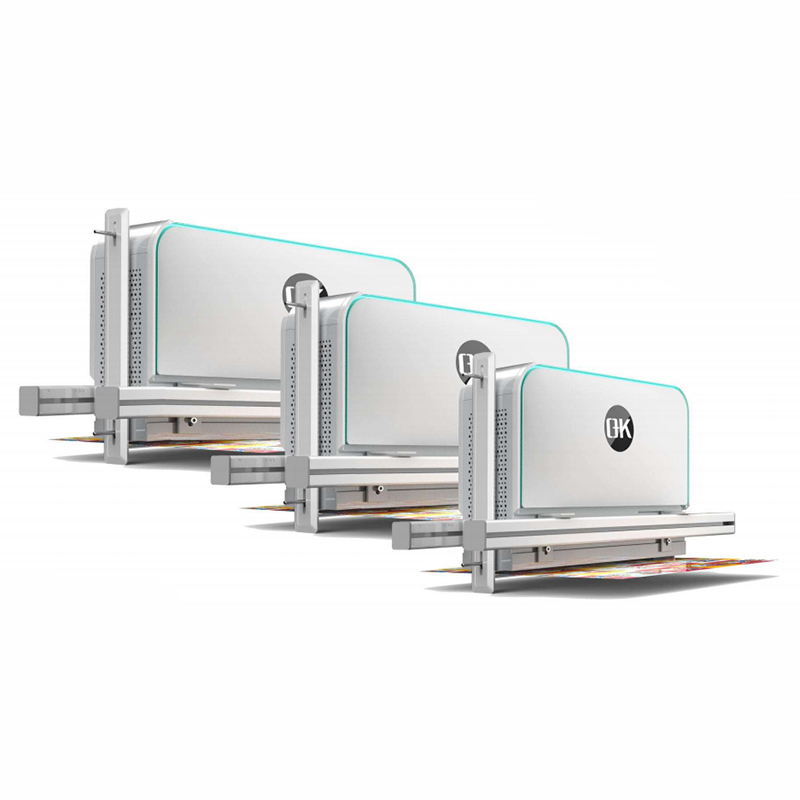
CNNs serve as the cornerstone of many printing inspection systems due to their adeptness in processing and extracting features from image data. Trained on extensive datasets comprising defect-free and defective prints, CNNs can accurately identify various anomalies such as misprints, streaks, smudges, or color variations by analyzing pixel-level information. Their adaptability allows for customization and fine-tuning to specific printing processes or defect types, rendering them highly versatile.
Transfer Learning
Transfer learning involves leveraging pre-trained CNN models, initially trained on vast datasets like ImageNet, and fine-tuning them for specific print inspection tasks. This approach proves particularly beneficial when dealing with limited labeled data or transitioning between printing processes or materials, enhancing performance while conserving resources.
Generative Adversarial Networks (GANs)
GANs, comprising two competing networks - a generator and a discriminator, find utility in defect synthesis and augmentation for print inspection purposes. By generating synthetic defect images to supplement training datasets, GANs bolster the robustness and generalizability of print inspection models. Moreover, they facilitate anomaly detection by discerning deviations from the distribution of defect-free prints.
Recurrent Neural Networks (RNNs) and Long Short-Term Memory (LSTM) Networks
RNNs and LSTMs, adept at processing sequential data, play a vital role in visual printing quality inspection systems for analyzing time-series information. In continuous printing processes, they can detect defects such as variations in ink density or registration errors by scrutinizing temporal patterns. By considering contextual and sequential data, these networks enhance defect detection accuracy while minimizing false alarms.
Edge Computing
Edge computing involves deploying lightweight deep learning models directly on printing equipment or network edges to enable real-time inference and decentralized decision-making. This approach minimizes latency and bandwidth requirements, facilitating faster reaction times and scalability. Particularly useful in contexts necessitating real-time monitoring and control, such as high-speed manufacturing lines, edge computing enhances the efficacy of print inspection systems.
Conclusion
Deep learning techniques have heralded a paradigm shift in print inspection systems, offering unprecedented levels of accuracy, efficiency, and adaptability. By harnessing artificial intelligence, print producers can ensure that every print meets exacting quality standards, thereby enhancing customer satisfaction and bolstering brand reputation. As technology continues to evolve, the integration of deep learning is poised to play a pivotal role in shaping the future landscape of the printing industry.
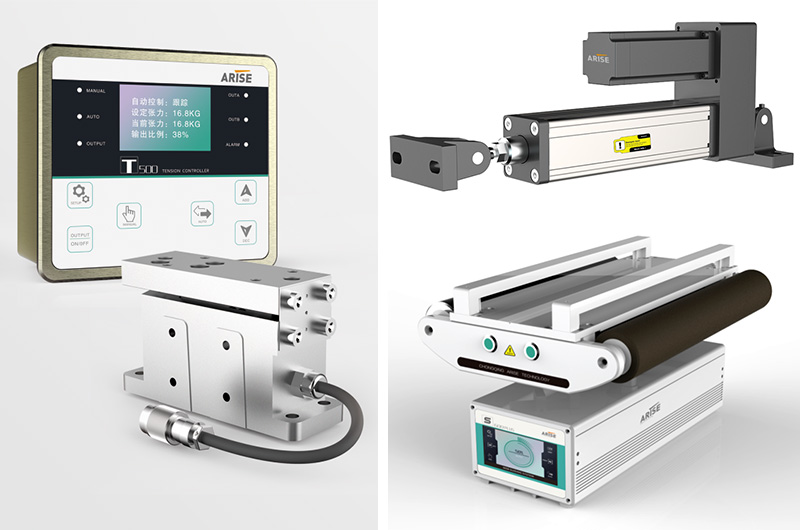
Precision and accuracy play pivotal roles in industrial manufacturing, particularly in operations involving continuous webs of materials like paper, film, or foil. Even minuscule variations can lead to costly faults and production delays. To ensure seamless operations and high-quality outputs, regular maintenance and calibration of web guiding systems are indispensable. In this article, we delve into the significance of maintenance and calibration practices in maximizing the efficiency and reliability of web guiding systems.
Regular Maintenance Practices in Web Guiding Systems
Cleaning and Inspection: Regular cleaning and inspection are essential maintenance procedures for web guiding systems. Removing debris, dust, and residue from guiding rollers and sensors ensures smooth operation and longevity. Visual evaluation for wear, damage, or misalignment is crucial to preempt potential issues.
Lubrication: Proper lubrication of moving parts minimizes friction, wear, and ensures smooth functioning. Following manufacturer recommendations for lubrication type and frequency is paramount to extend component life and maximize system operation.
Tension Adjustment: Maintaining proper web tension is vital to prevent wrinkles, creases, and breaks. Regularly checking and adjusting tension settings ensures consistent tension levels across the web, enhancing product quality and process efficiency.
Alignment Verification: Regularly verifying the alignment of guiding rollers and sensors guarantees precise web guidance. Proper alignment reduces edge deviations and maintains product quality. Utilizing alignment tools and techniques ensures accuracy.
Software Updates: Staying updated with the latest software releases provided by the manufacturer enhances system functionality and reliability. Prompt installation of updates ensures compatibility with other equipment and processes, benefiting from performance enhancements and bug fixes.

Calibration Practices in Web Guiding Systems
Sensor Alignment: Accurate sensor alignment is crucial for reliable web position detection. Ensuring sensors are perpendicular to the web path and aligned with the desired tracking position optimizes detection accuracy along the entire web width.
Tension Calibration: Proper tension calibration maintains consistent tension levels, minimizing faults and material waste. Monitoring tension levels and adjusting control systems according to production requirements and material properties is essential.
Position Control Adjustment: Calibrating position control settings minimizes edge deviations and maintains correct web alignment. Fine-tuning settings like gain, offset, and response time optimizes alignment accuracy.
Sensor Sensitivity Optimization: Optimizing sensor sensitivity ensures reliable detection of web deviations. Adjusting sensitivity settings based on material characteristics and environmental conditions enhances detection accuracy, even at low contrast or speed variations.
Verification and Validation: After calibration adjustments, conducting test runs using representative materials and conditions verifies system performance. Comparing actual performance against specified tolerances and making further adjustments ensures accuracy and reliability.
Documentation and Record-Keeping: Maintaining thorough records of calibration activities facilitates traceability and responsibility. Documenting calibration dates, adjustments, and test results aids in troubleshooting and continuous improvement efforts.
Conclusion
Regular maintenance and calibration are indispensable practices for ensuring the reliable web guiding systems with optimal performance. By following proactive maintenance schedules, conducting thorough inspections, and calibrating system parameters as needed, manufacturers can reduce downtime, eliminate defects, and increase production efficiency.
Web handling, a crucial aspect of manufacturing processes, hinges on the effective management of tension throughout its various stages. Maintaining proper tension is paramount to prevent defects like wrinkles, tears, and misalignment, ensuring the integrity of the final product. This article delves into the significance of tension control in web handling and explores a range of techniques and technologies employed to achieve optimal tension levels.
Understanding Tension Control
Tension control involves regulating the force applied to a material web as it progresses through different production phases. The objective is to uphold a consistent level of tension to prevent sagging or excessive stretching, ensuring uniform speed and alignment. This uniformity is vital for processes such as printing, coating, laminating, slitting, and winding.

Techniques for Effective Tension Control
Various strategies empower manufacturers to regulate tension in web handling systems, thereby guaranteeing consistent product quality, enhanced production efficiency, and heightened equipment reliability.
Manual Tension Control:
Operators manually adjust tension using mechanical devices like brakes, clutches, or dancer rollers based on visual observations or feedback from tension indicators. This method suits straightforward web handling processes where quick tension adjustments are feasible.
Closed-Loop Tension Control:
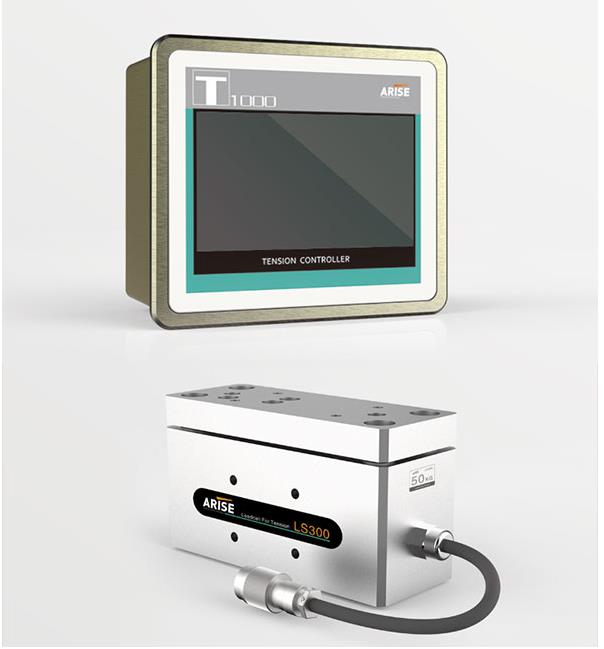
Automated systems employ feedback from tension sensors positioned along the web path to dynamically adjust tension in real-time. This tension controller ensures precise tension regulation, regardless of material characteristics, speed variations, or environmental factors, making it suitable for complex web handling operations.
Tension Zones:
Dividing the web handling system into multiple tension zones enables independent tension control at different process stages. This setup proves advantageous for tasks requiring varying tension levels across distinct sections, such as multi-stage printing or coating operations.
Load Cells and Tension Sensors:
Load cells and tension sensors measure the force exerted on the web, furnishing data for feedback control systems to make accurate tension adjustments. They play a pivotal role in closed-loop tension control systems, facilitating precise tension monitoring and adjustment capabilities.
Inertia Compensation:
Advanced tension control systems integrate algorithms to compensate for the inertia of moving components, ensuring swift responses to changes in tension requirements. This feature is indispensable for high-speed web handling processes where rapid adjustments are necessary to maintain consistent tension levels.
Web Accumulators:
Web accumulators temporarily store excess web material during tension fluctuations, releasing or absorbing material as needed to uphold consistent tension. They are particularly useful in intermittent web handling processes or during equipment start-up, stoppage, or speed changes.
Pneumatic Tension Control:
Pneumatic tension control systems utilize air pressure to regulate tension, typically employing pneumatic brakes or clutches. This method is suitable for applications demanding precise tension regulation, such as film or foil processing.
Electromagnetic Particle Brakes and Clutches:
Electromagnetic particle brakes and clutches adjust tension by modulating the friction between rotating components, varying the strength of the magnetic field. They offer precise and responsive tension control, making them well-suited for high-precision web handling tasks like printing and laminating.
In Conclusion
Tension control stands as a critical element in web handling during manufacturing processes, profoundly impacting product quality, operational efficiency, and overall performance. By implementing effective tension control techniques and embracing cutting-edge technologies, manufacturers can elevate the performance of their web handling systems, ensuring superior outcomes and sustained competitiveness.