
Tension control systems stand as linchpins in ensuring seamless material movement through labeling and packaging machinery, catering to a spectrum of industries. With the ability to maintain uniform tension, they safeguard against damage and uphold the quality of packaged goods. In this exploration, we unravel the intricacies of tension control systems, their critical importance, applications, and the transformative innovations driving the industry forward.
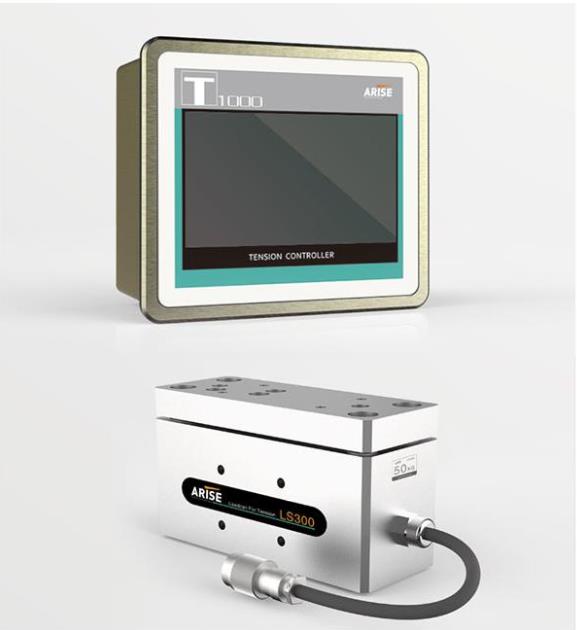
Deciphering Tension Control Systems
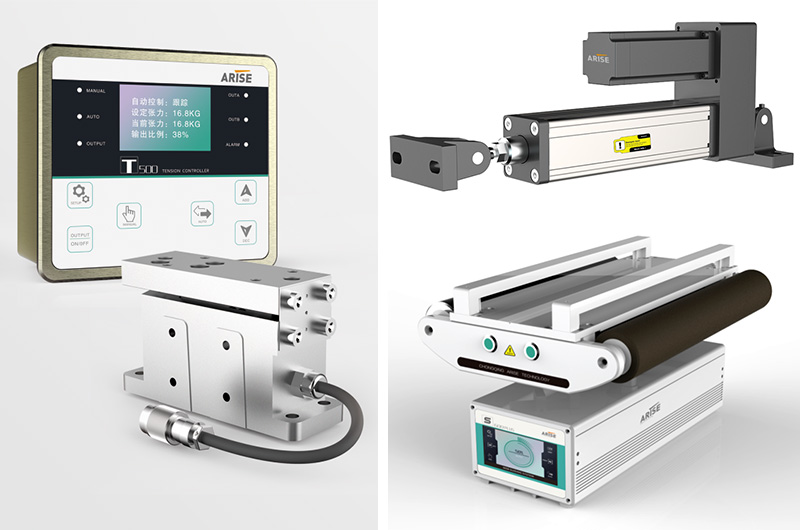
Mechanisms: Tension control systems are meticulously designed mechanisms tasked with regulating material tension during packaging. They meticulously manage speed and torque of crucial components like rollers, brakes, clutches, and motors, ensuring precise control over material handling.
Objective: The paramount objective of these systems lies in sustaining consistent tension levels throughout the packaging process, irrespective of material thickness, speed variations, or environmental factors. By upholding this uniformity, manufacturers circumvent issues like wrinkling, tearing, or label misalignment, thereby enhancing product quality and bolstering brand reputation.
Crucial Role in Labeling Machinery
1. Precision Label Placement: Tension control systems orchestrate labels' feeding at the precise speed and tension, facilitating accurate placement on products or packaging surfaces. This precision is instrumental in maintaining brand consistency and effectively conveying essential information.
2. Prevention of Label Damage: By exerting control over tension levels, these systems avert label stretching or distortion during application, preserving their integrity. This ensures labels adhere smoothly, devoid of wrinkles or creases, thereby enhancing product aesthetics.
3. Minimization of Production Waste: Consistent tension control curtails material waste by preventing misaligned or damaged labels. This reduction in rework mitigates production costs associated with discarded materials, driving overall efficiency and profitability.
4. Optimized Production Efficiency: With precise tension control, labeling machinery operates at optimal speeds without compromising label quality. This maximizes throughput, ensures a steady production flow, and augments overall efficiency and output.
5. Compliance and Regulatory Standards: Tension control systems facilitate adherence to regulatory standards and industry requirements, ensuring labels comply with labeling laws governing product information, safety warnings, and other mandatory elements.
6. Enhanced Brand Image: Consistently well-applied labels contribute to a positive brand image and consumer perception. Tension control systems play a pivotal role in maintaining label consistency and quality, fostering brand trust and loyalty.
Applications Across Packaging Machinery
1. Web Handling: Essential for guiding flexible materials (webs) through packaging machinery, tension control systems maintain consistent tension, averting wrinkles, tears, or misalignment.
2. Bagging and Pouching: These systems regulate packaging material tension during forming, filling, and sealing processes, crucial for achieving tight seals and preventing spillage or contamination.
3. Wrapping and Sealing: Vital in wrapping machines, tension control systems ensure even application of shrink films or stretch films around products, maintaining integrity during transportation and storage.
4. Cartoning: Employed to manage carton blanks or packaging materials' tension, these systems produce neatly folded and securely sealed cartons.
5. Case Packing and Palletizing: Tension control systems ensure packaging materials are applied with the right tension, maintaining product stability and integrity during transportation and storage.
6. Converting Processes: Utilized in various converting processes like slitting and cutting, these systems ensure precise control over material tension levels, minimizing waste and maintaining product quality.
Innovations Driving the Industry Forward
1. Advanced Sensor Technology: Incorporating real-time feedback tension sensors, modern tension control systems offer greater accuracy and sensitivity, allowing for finer adjustments and control over the packaging process.

2. Integrated Servo Drives: Revolutionizing tension control, integrated servo drives offer precise control over motor speed and torque, enabling synchronized operation and optimal tension management.
3. Intelligent Control Algorithms: Sophisticated algorithms optimize tension levels based on material properties, machine speed, and environmental conditions, minimizing errors and maximizing efficiency.
4. Web Guiding Systems: Utilizing sensors and actuators, web guiding systems detect and correct deviations in web alignment, preventing edge damage and ensuring precise tensioning.
5. Cloud-Based Connectivity and Data Analytics: Offering remote monitoring and analysis, cloud-based systems enable proactive maintenance, predictive analytics, and performance optimization.
6. User-Friendly Interfaces: Featuring intuitive controls and graphical displays, modern interfaces allow operators to monitor tension levels, adjust settings, and troubleshoot issues with ease.
In Conclusion
Tension control systems represent the backbone of the labeling and packaging industry, ensuring precision, efficiency, and reliability at every turn. As manufacturers navigate an evolving market landscape, embracing innovative tension control technologies becomes paramount. By harnessing these advancements, manufacturers can position themselves for success, delivering superior products and maintaining a competitive edge in the industry landscape.
In the dynamic landscape of the printing industry, maintaining impeccable product quality is non-negotiable. Every flaw, no matter how small, can reverberate into significant consequences. This is where printing inspection steps in as the sentinel of quality, enabling businesses to identify and rectify errors before they reach consumers' hands. From packaging materials to labels and printed electronics, the meticulousness of inspection processes is paramount. In this comprehensive discourse, we navigate through the importance of printing inspection, its methodologies, challenges, innovative technologies, and its pivotal role in upholding quality assurance standards across various industries.

Significance of Printing Inspection Across Different Sectors:
Printing inspection holds undeniable significance across diverse industries where printed materials serve indispensable functions. Whether it's packaging for consumer goods, labels for pharmaceutical products, or informational brochures, the quality and precision of printed materials directly influence brand reputation, consumer safety, and adherence to regulatory standards.
Ensuring Quality and Consistency:
Industries like consumer packaged goods (CPG), cosmetics, and food and beverage rely on packaging for brand identity and product presentation. Printing inspection ensures that packaging materials meet stringent quality standards, including color accuracy, print clarity, and overall aesthetics, fostering consumer trust and confidence.
Compliance with Regulatory Standards:
In regulated sectors such as pharmaceuticals and food packaging, printing inspection is imperative for compliance with strict regulatory requirements. Printed materials often convey critical information like dosage instructions and safety warnings. Any inaccuracies or defects in printing could lead to severe consequences, including regulatory penalties and compromised consumer safety.
Brand Protection and Reputation Management:
Across all industries, safeguarding brand integrity is paramount. Printing inspection plays a pivotal role in upholding brand reputation by ensuring that printed materials adhere to brand guidelines and quality standards. Consistent high-quality printing reflects positively on the brand, reinforcing its image as trustworthy and reliable.
Waste Reduction and Cost Savings:
Printing defects can result in substantial material wastage and production inefficiencies. Inspection systems help minimize waste, reduce rework, and optimize resource utilization by detecting errors early in the printing process, leading to significant cost savings for manufacturers and bolstering operational efficiency.
Enhancing Consumer Experience:
Printed materials serve as a conduit of communication between businesses and consumers. Clear, accurate printing enhances the consumer experience by ensuring that information is legible, coherent, and error-free, thereby fostering better understanding and usability of the product.
Supporting Sustainable Practices:
Printing inspection contributes to environmentally responsible practices by minimizing printing defects and waste. By ensuring compliance with labeling regulations, inspection systems promote transparency and accountability in product information, catering to the preferences of environmentally conscious consumers.

Commonly Used Methods in Printing Inspection:
Printing inspection employs a repertoire of methods and technologies to uphold the quality and accuracy of printed materials.
Visual Inspection:
Manual Visual Inspection: Trained personnel visually scrutinize printed materials to identify defects such as misprints, smudges, and color inconsistencies.
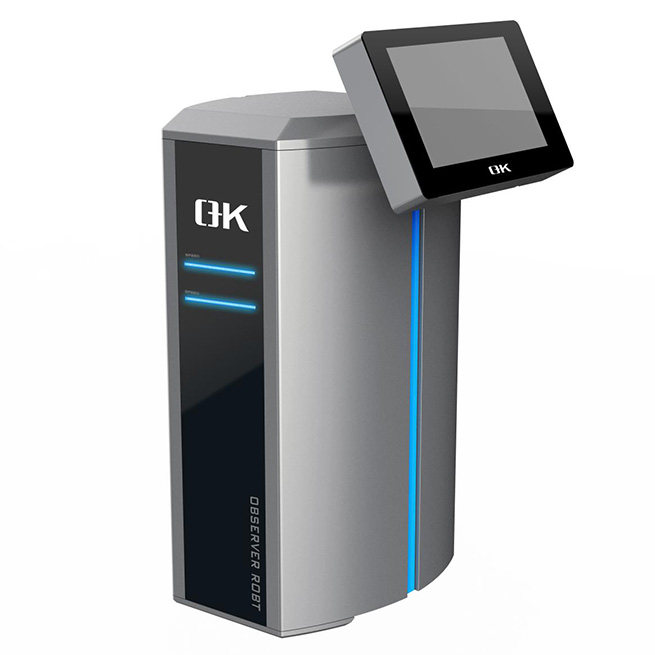
Automated Inspection Systems: Machine vision printing inspection systems utilize high-speed cameras, image processing algorithms, and pattern recognition techniques to detect defects with precision and efficiency.
Digital Printing Inspection:
Real-Time Inspection: Inline inspection systems integrated into digital printing presses enable immediate feedback and adjustment during the printing process.
Post-Printing Inspection: Offline inspection systems analyze printed output after the printing process for defects or inconsistencies, facilitating batch-level quality control.
Statistical Process Control (SPC):
Data Analysis: Statistical methods are employed to analyze printing process data and identify trends, variations, or abnormalities.
Control Charts: Monitoring key process parameters over time and setting control limits ensures that printing processes remain within acceptable bounds.
Challenges and Considerations in Printing Inspection:
Addressing challenges in printing inspection requires a multifaceted approach encompassing technological innovation, operational optimization, and organizational readiness.
Complexity of Print Processes:
Variability in Printing Technologies: Different printing technologies pose unique challenges for inspection systems, necessitating adaptable solutions tailored to specific processes.
Diverse Substrates and Materials: Printing on various substrates requires inspection systems to accommodate diverse surface properties and printing challenges.
Defect Detection and Classification:
Detection of Subtle Defects: Some printing defects are elusive and require advanced inspection technologies with high sensitivity and specificity.
Defect Classification and Prioritization: Accurately categorizing and prioritizing defects based on severity is crucial for effective corrective action.
Speed and Throughput:
High-Speed Production Environments: Inspection systems must operate at high throughput rates to keep pace with production without causing bottlenecks.
Real-Time Inspection Requirements: Real-time inspection is essential for inline printing processes to detect defects promptly and enable immediate corrective action.
Integration with Production Workflow:
Compatibility with Equipment and Software: Seamless integration of inspection systems into existing workflows requires coordination and collaboration across different stakeholders.
Training and Expertise:
Operator Training: Adequate training ensures that operators can effectively utilize and interpret inspection systems to maximize their utility.
Technical Expertise: Maintenance and troubleshooting of inspection systems demand technical proficiency across various domains.
Cost and ROI:
Initial Investment: Implementing inspection systems entails significant upfront costs, including equipment acquisition and integration expenses.
Return on Investment (ROI): Demonstrating the ROI of inspection systems necessitates quantifying the value of improved product quality and operational efficiency over time.
Innovative Technologies to Address Challenges:
Advanced Machine Vision Systems:
Deep Learning and AI: Leveraging deep learning algorithms enhances defect detection capabilities, enabling the identification of subtle anomalies with exceptional accuracy.
Convolutional Neural Networks (CNNs): CNNs automatically learn features from printed images, facilitating defect classification and analysis.
Real-Time Monitoring and Control:
IoT-enabled Sensors: Embedded sensors monitor key process parameters in real-time, optimizing printing conditions and preempting defects.
Closed-Loop Control Systems: Feedback from sensors triggers dynamic adjustments to printing parameters, ensuring optimal print quality.
Multi-Sensor Fusion:
Integration of Multiple Inspection Techniques: Combining diverse inspection methods provides comprehensive defect detection and characterization.
Data Fusion Algorithms: Advanced algorithms analyze and correlate data from multiple sensors, enhancing the accuracy and reliability of defect detection.
Augmented Reality (AR) and Virtual Reality (VR):
AR-assisted Inspection: Overlaying digital information onto real-world views assists operators in visual inspection tasks, enhancing accuracy and efficiency.
VR-based Training Simulations: VR simulations provide immersive training experiences, enabling operators to hone their inspection skills in virtual environments.
Blockchain for Traceability and Authentication:
Blockchain Technology: Blockchain-based solutions ensure the integrity and authenticity of printing processes, fostering transparency and accountability throughout the supply chain.
Conclusion:
In the dynamic landscape of the printing industry, inspection serves as the bedrock of quality assurance, regulatory compliance, and brand integrity. By leveraging innovative technologies, addressing operational challenges, and fostering a culture of continuous improvement, businesses can navigate the complexities of printing inspection with confidence. As the industry evolves, embracing cutting-edge solutions and best practices will be instrumental in driving sustained growth and competitiveness in the global market.
The utilization of flexible packaging materials, including plastic films, laminates, and pouches, has proliferated due to their versatility, cost-effectiveness, and sustainability. However, maintaining the integrity and quality of these materials is paramount to prevent defects that could compromise product safety and brand reputation. In response to this challenge, web inspection systems have emerged as indispensable tools, offering comprehensive inspection capabilities throughout the production process.
Understanding Web Inspection Systems
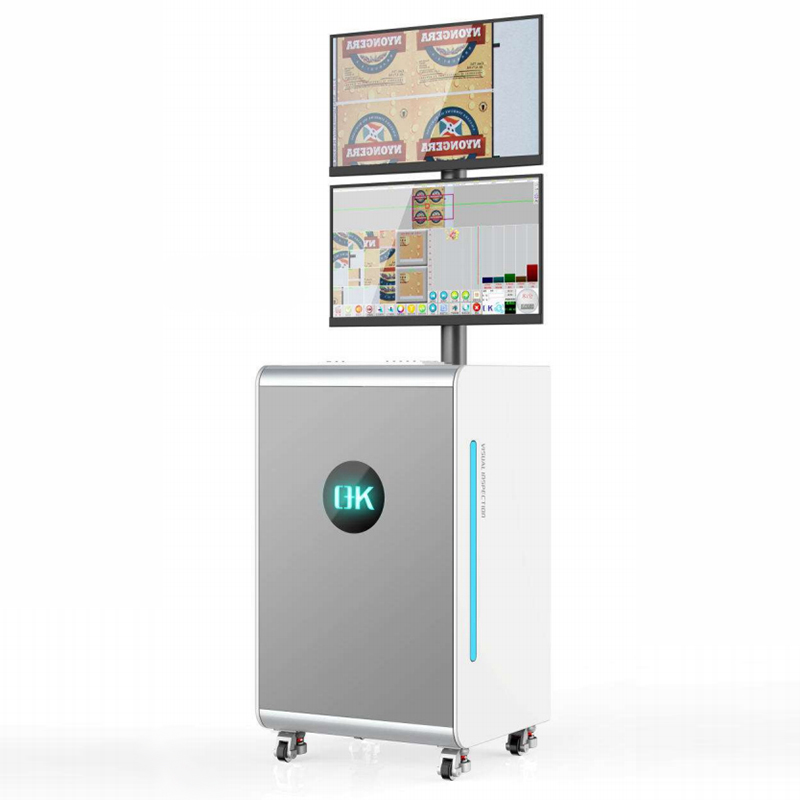
Web inspection systems are sophisticated equipment deployed along production lines to continuously inspect materials. These systems utilize cameras, sensors, illumination, and software algorithms to scrutinize various characteristics of the material, including flaws, pollutants, print quality, and structural integrity. By promptly identifying and resolving errors, web inspection solutions ensure that only high-quality items reach the market.
Web Inspection Systems Applied in the Context of Flexible Packaging
Printing Inspection: These systems scrutinize printed flexible packaging materials for inspecting defects such as misprints, color variations, streaks, and missing graphics. High-resolution cameras and advanced algorithms detect imperfections precisely, ensuring compliance with brand standards and regulatory requirements.
Lamination and Coating Inspection: During lamination and coating processes, web inspection systems assess layer integrity, detecting defects like delamination, bubbles, wrinkles, and uneven coating. Early identification of flaws prevents material waste and ensures packaging structural integrity.
Substrate Inspection: Multiple substrates in flexible packaging are examined for defects like tears, scratches, and foreign particles. Maintaining substrate quality upholds overall packaging integrity, safeguarding products during storage and transportation.
Slitting and Rewinding Inspection: These systems monitor slitting and rewinding processes for defects such as edge irregularities and uneven tension. Real-time defect detection ensures consistency in final packaging products.
Barriers and Seals Inspection: Inspection of seals for defects like leaks and wrinkles is crucial for preserving product freshness, particularly in food and pharmaceutical industries.
Regulatory Compliance: Web inspection systems help comply with regulatory standards and industry-specific guidelines, mitigating the risk of recalls and reputational damage.
Data Analytics and Process Optimization: Beyond defect detection, these systems collect production metrics and defect rates for process optimization and waste reduction.
Future Innovations in Web Inspection Systems Applied in Flexible Packaging
3D Imaging and Analysis: Integration of 3D imaging technologies for enhanced defect detection accuracy.
Nanotechnology-enabled Inspection: Utilization of nanotechnology for detecting ultra-fine defects and contaminants.
Flexible Sensor Integration: Integration of stretchable sensors for real-time monitoring of packaging performance.
Augmented Reality (AR) Inspection Interfaces: AR-enabled interfaces for intuitive defect identification and troubleshooting.
Autonomous Inspection Systems: AI-driven autonomous systems for end-to-end inspection tasks.
vBlockchain-enabled Traceability and Authentication: Integration of blockchain for end-to-end traceability and anti-counterfeiting measures.Quantum Sensing and Computing: Utilization of quantum sensing technologies for rapid and accurate defect identification.
Self-healing Materials and Packaging: Incorporation of self-healing properties into packaging materials.
Predictive Maintenance and Reliability Engineering: Advanced analytics for predictive maintenance and reliability optimization.
Conclusion
Web inspection systems play a vital role in ensuring the quality, safety, and compliance of flexible packaging materials. As technology continues to advance, these systems will drive innovation and excellence in the packaging industry, enhancing quality assurance and operational efficiency.
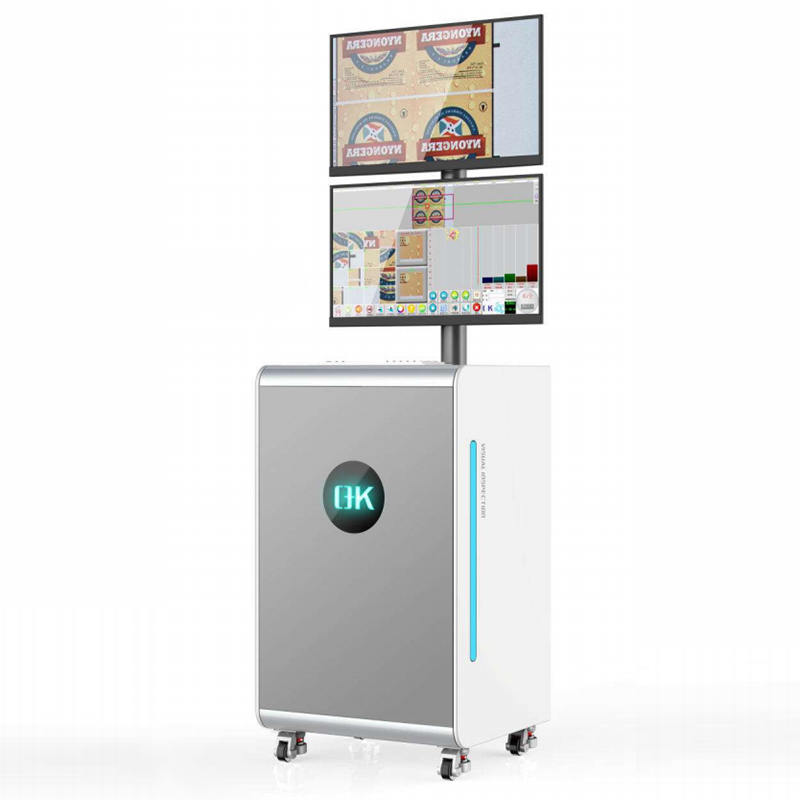
In today's fast-paced production environments, precision and quality are paramount. The integration of print inspection capabilities into web inspection systems emerges as a transformative advancement, revolutionizing quality assurance practices across industries from packaging to printing. This convergence of technologies empowers manufacturers with unprecedented accuracy and efficiency, ensuring the delivery of flawless products to consumers.
Evolution of Integrated Systems:
Manufacturers, driven by the demand for perfection in printed goods, have expanded the capabilities of web inspection systems by integrating print inspection functionality. This collaborative approach enables not only the assessment of material integrity but also the scrutiny of printed content's accuracy and quality.
Key Features of Integrated Systems:
Comprehensive Inspection:
Integrated systems offer complete inspection capabilities, allowing simultaneous examination of both material surface and printed content. This holistic approach ensures the detection of printing issues, such as misprints, color disparities, and registration irregularities, alongside physical defects in the material.
Real-time Detection:
Leveraging advanced imaging technology and intelligent algorithms, integrated systems enable real-time detection of printing flaws as materials traverse the web inspection setup. This proactive approach empowers manufacturers to promptly identify and rectify defects, minimizing the production of subpar or non-compliant products.
Multi-parameter Inspection:
Integrated systems can scrutinize multiple parameters of printed content, including text, graphics, barcodes, and color fidelity. This comprehensive assessment ensures adherence to design specifications and regulatory standards, guaranteeing superior quality in the final product.
Adaptability:
Highly adaptable to diverse printing processes and materials, integrated web inspection systems accommodate variations in substrates, inks, and printing methods. Their flexibility allows for customization to meet specific industry requirements and application needs, ensuring versatility in quality assurance practices.
Data Analytics:
Integrated systems generate valuable data insights, capturing information on defect rates, production trends, and performance metrics. This data-driven approach facilitates root cause analysis, process optimization, and continuous improvement initiatives, driving operational excellence.
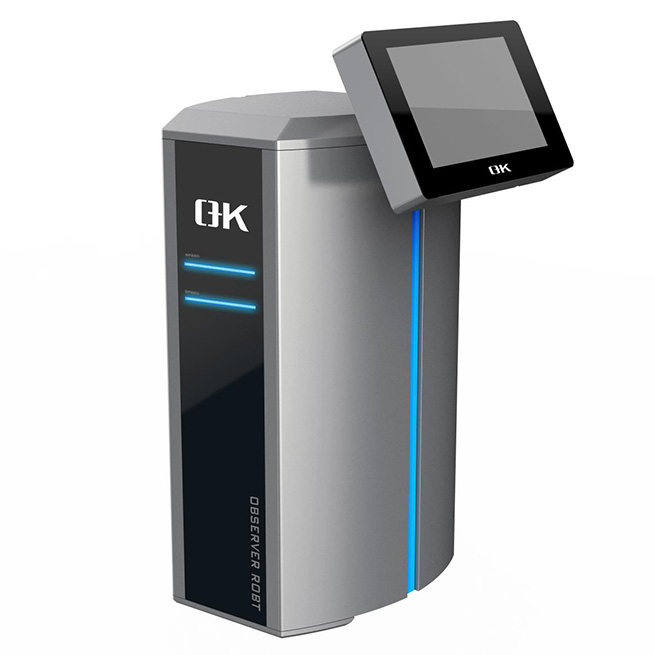
Benefits of Integration:
Improved Quality Control:
By amalgamating web and print inspection capabilities, manufacturers ensure the highest levels of quality and accuracy in printed goods. Detection and correction of defects in material integrity and printing result in products that meet stringent quality standards and exceed customer expectations.
Reduced Waste and Rework:
Real-time defect detection minimizes the production of flawed or non-compliant items, reducing waste and the need for costly rework. Early intervention and corrective measures prevent defective products from progressing further in the production pipeline, optimizing resource utilization.
Enhanced Efficiency:
Integrated inspection systems streamline quality assurance processes, reducing inspection times and manual intervention. This enhances production efficiency, shortens cycle times, and boosts throughput, leading to significant cost savings and operational enhancements.
Compliance Assurance:
Integrated printing quality inspection systems ensure compliance with regulatory requirements and industry standards by validating the quality and legibility of printed text. This is particularly critical in regulated sectors such as pharmaceuticals and food packaging, where precise adherence to regulations is imperative.
Increased Customer Satisfaction:
By consistently delivering products of superior quality and accuracy, manufacturers enhance customer satisfaction and foster brand loyalty. Integrated inspection systems uphold brand integrity, mitigate the risk of recalls or returns, and elevate the overall customer experience.
Industrial Applications:
The integration of print inspection capabilities into web inspection systems finds diverse applications across industries, transforming quality control and production processes. From packaging to printing, the technology revolutionizes defect detection, ensuring precision and reliability in manufacturing operations.
Future Innovations:
As technology advances, further innovations in print inspection integrated with web inspection systems are anticipated. Enhanced imaging resolution, artificial intelligence algorithms, and machine learning techniques will enable more precise flaw detection, increased accuracy, and greater adaptability to evolving production needs.
In conclusion, the integration of print inspection capabilities into web inspection systems marks a significant milestone in manufacturing quality assurance. By harnessing the strengths of both technologies, manufacturers can achieve unparalleled levels of defect detection, print accuracy, and production optimization, setting new standards of excellence in the industry.
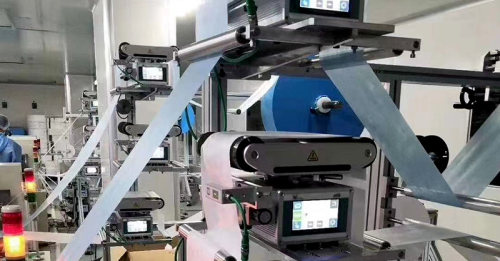
The emergence of smart technology has revolutionized traditional web guide systems, paving the way for the advent of smart web guide systems. These sophisticated systems, driven by artificial intelligence (AI) and automation, mark a groundbreaking shift towards unparalleled accuracy, adaptability, and efficiency in web guiding within modern manufacturing. Let's explore the intricacies of smart web guide systems and their transformative impact on the manufacturing landscape.
Key Techniques of Smart Web Guide Systems:
Harnessing Artificial Intelligence: Smart web guide systems leverage AI to enable robots to learn from data, adapt to changing conditions, and autonomously make decisions. By analyzing real-time sensor data, AI algorithms detect web alignment errors and automatically adjust guide mechanisms, ensuring precise alignment and minimizing waste and downtime.
Adaptive Machine Learning: These systems utilize adaptive machine learning algorithms to continuously improve performance. By studying past data and user feedback, smart web guide systems adjust guide settings to accommodate different materials, speeds, and environmental conditions, optimizing performance with minimal manual intervention.
Predictive Analytics for Proactive Maintenance: Smart web guide systems excel in anticipating and preventing maintenance issues before they arise. By monitoring sensor data and equipment performance parameters, predictive analytics algorithms forecast maintenance needs, enabling operators to take preemptive action and minimize unplanned downtime.
Real-Time Monitoring and Optimization: Providing real-time monitoring of web alignment and tension, smart web guide systems offer operators valuable insights into process performance. With advanced visualization tools and dashboards, operators can monitor system status and make informed decisions while real-time optimization algorithms adjust guide settings for maximum efficiency.
Enhanced Integration and Connectivity: In the era of Industry 4.0, connectivity and integration are paramount. Smart web guide systems seamlessly integrate with existing production equipment and enterprise systems, enabling end-to-end visibility and control to optimize workflow efficiency.
Advanced Control Algorithms: Utilizing advanced control algorithms such as PID controllers and MPC, smart web guide systems ensure precise adjustment of guide mechanisms for optimal performance based on sensor data and feedback mechanisms.
Human-Machine Interface (HMI): Intuitive user interfaces and visualization tools empower operators to effectively monitor and manage web guiding processes, with features including dashboards, alerts, and diagnostic tools.
Energy Efficiency Optimization: Smart web guide systems prioritize energy efficiency through the integration of energy-efficient components and optimization techniques, minimizing energy consumption while maintaining precise web control.
Fault Tolerance and Redundancy: Employing fault-tolerant design principles and redundancy mechanisms, these systems ensure reliability and uptime, with redundant sensors, actuators, and control circuits minimizing the risk of production interruptions.
Remote Monitoring and Diagnostics: Remote accessibility enables operators to monitor and monitor and troubleshoot web guiding systems from any location, facilitating proactive maintenance and optimization of web guiding processes.
Benefits of Smart Web Guide Systems:
Precision and Accuracy: Ensures consistent web alignment and tension control.
Efficiency and Productivity: Minimizes waste, downtime, and manual intervention, enhancing productivity.
Operator Convenience: User-friendly interfaces simplify operation and monitoring.
Adaptability and Flexibility: Responds to changing production requirements in real-time.
Conclusion:
Smart web guide systems represent a significant advancement in web guiding technology, offering unparalleled precision, efficiency, and automation. As smart manufacturing continues to evolve, these systems will play a crucial role in driving innovation and competitiveness across various industries.