
High-performance batteries are increasingly sought after in electric vehicles, consumer electronics, and renewable energy storage, propelling the need for advanced manufacturing processes. Central to ensuring the quality and consistency of battery components are web guide systems. This article dives into the pivotal role web guide systems play in battery manufacturing, elucidating their functionalities and their contribution to crafting dependable, high-performance batteries.
Battery manufacturing entails intricate processes where precise alignment and tension control are paramount for producing top-notch battery components. Any deviation in alignment or tension can result in defects, compromised performance, and even safety hazards in the final product. Web guide systems mitigate these challenges by furnishing precise control over material positioning, alignment, and tension throughout the manufacturing journey, thereby ensuring uniformity and consistency.
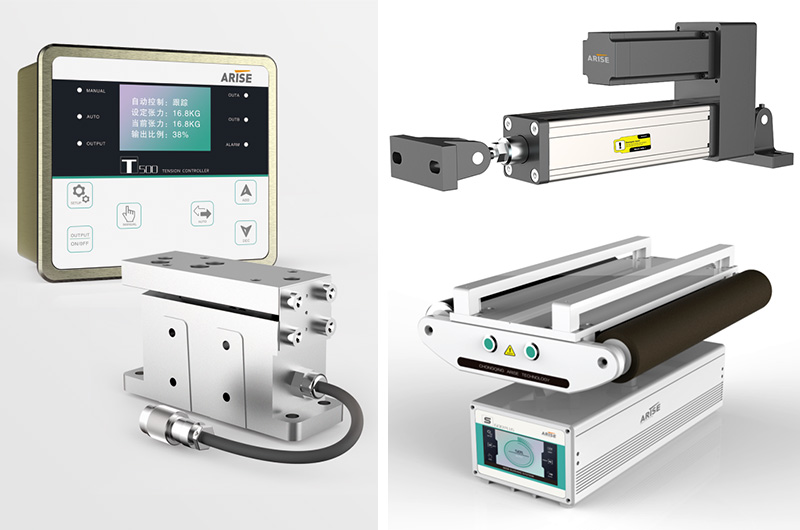
Key Functions of Web Guide Systems in Battery Manufacturing:
Alignment and Positioning: Web guide systems ensure accurate alignment and positioning of battery materials, like electrode foils, separators, and electrolytes, as they progress through various manufacturing stages. This precision is indispensable for upholding uniformity and consistency in battery cell construction, thereby minimizing defects and optimizing battery performance.
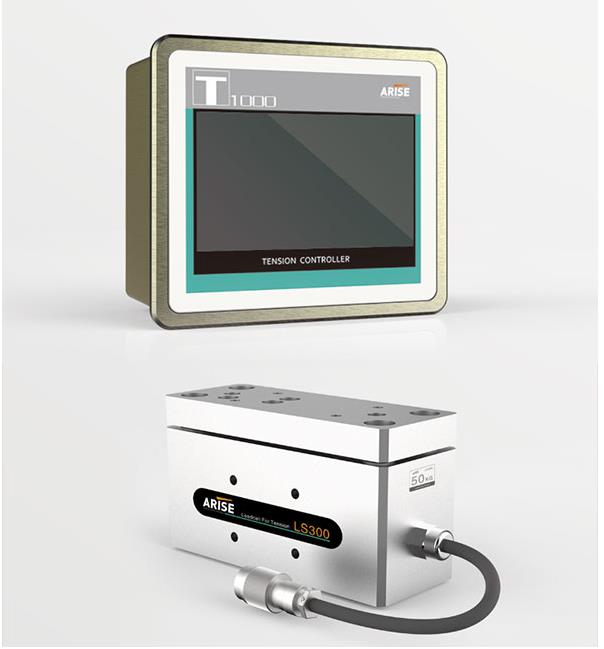
Tension Control: Precise tension control is imperative for averting wrinkles, creases, and tears in battery materials during processing. Web guide systems diligently monitor and adjust tension levels to ensure smooth and stable material movement, culminating in high-quality battery components boasting optimal mechanical properties.
Edge and Center Guiding: These systems can guide materials along their edges or centers, contingent on the manufacturing process's specific requirements. This flexibility affords precise control over material alignment and tracking, thereby curbing waste and maximizing efficiency.
Slitting and Cutting: Besides alignment and tension control, web guide systems can execute slitting and cutting operations to customize the widths and lengths of battery materials. This capability empowers manufacturers to tailor battery components to meet specific design and performance criteria, thereby enhancing product versatility and flexibility.
Material Handling and Tracking: Facilitating smooth and continuous material movement along the production line, web guide systems ensure efficient processing while minimizing downtime. By tracking material position and movement, these systems enable real-time adjustments and optimization of manufacturing parameters.
Advanced Features and Technologies in Web Guide Systems:
Innovations in web guide systems have transformed material handling and processing across various industries, including printing, packaging, and manufacturing, enhancing accuracy, efficiency, and reliability. Noteworthy advancements include:
High-Resolution Sensors: Cutting-edge sensors like ultrasonic sensors, line scan cameras, and laser sensors deliver precise measurement and detection of material position, alignment, and defects, even at high speeds and under challenging conditions.
Servo-Driven Actuators: These actuators provide precise and responsive control over web guiding movements, leveraging feedback mechanisms to adjust position, tension, and alignment in real-time, thus ensuring optimal performance and minimal errors.
Closed-Loop Control Systems: Continuously monitoring sensor feedback, these systems automatically adjust to maintain desired web alignment and tension, employing feedback control algorithms to optimize performance and ensure consistent and reliable operation.
Integration with Automation Systems: Seamless integration with automation systems such as PLCs and SCADA systems enables centralized control, real-time monitoring, and data logging, thereby enhancing efficiency and productivity.
Web Inspection and Defect Detection: Some advanced systems integrate web inspection and defect detection capabilities, leveraging web inspection vision systems to identify defects like wrinkles, tears, or misalignment, facilitating immediate corrective action and reducing waste.
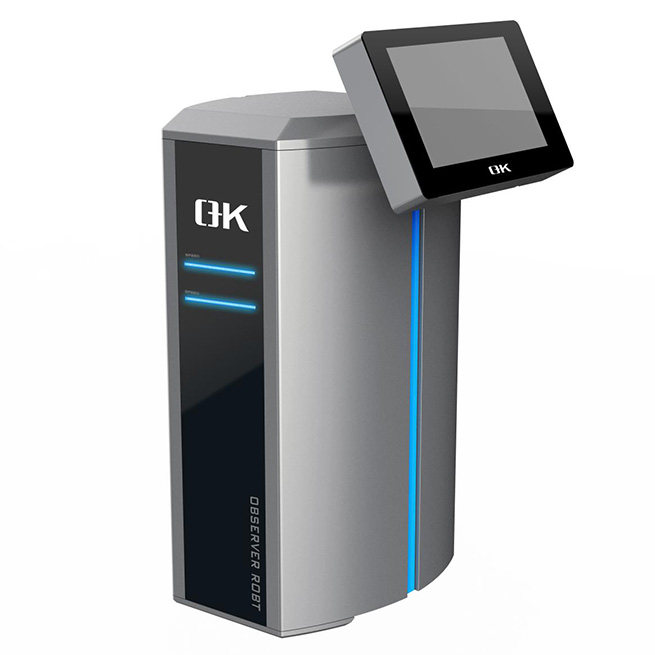
Remote Monitoring and Diagnostics: Equipped with remote monitoring and diagnostics capabilities, these systems allow operators to oversee system performance and troubleshoot issues from a remote location, enabling proactive maintenance and minimizing downtime.
Adaptive Control Algorithms: These algorithms continuously adapt system parameters based on changing operating conditions, optimizing performance and minimizing errors, thereby ensuring consistent operation under varying conditions.
Safety Features: Incorporating built-in safety features such as overload protection and emergency stop mechanisms, advanced web guide systems prioritize safe operation, safeguarding equipment and personnel from potential hazards.
Data Logging and Analytics: These systems collect and analyze data on material position, tension, and alignment over time, furnishing valuable insights into system performance, identifying trends, and optimizing operating parameters for enhanced efficiency and productivity.
In Conclusion:
By furnishing accurate alignment, tension control, and material handling capabilities, web guide systems play a pivotal role in producing high-quality batteries boasting superior performance and safety characteristics. As the demand for advanced batteries continues to surge, the significance of web guide systems in battery manufacturing will only intensify, fostering further innovation and optimization in this indispensable industry.
Maintaining the quality of printed materials is essential to uphold brand reputation, ensure customer satisfaction, and meet industry standards. Surface inspection systems are instrumental in identifying and rectifying defects, ensuring that printed materials adhere to stringent quality requirements. This article delves into the significance of surface inspection in printed materials, exploring various techniques, advancements in inspection technologies, and their applications across diverse industries.
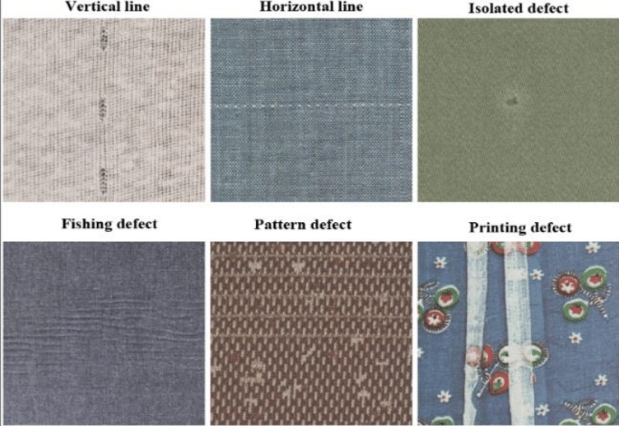
Importance of Surface Inspection in Printed Materials:
Quality Assurance:
Detects and rectifies defects like misprints, color inconsistencies, and registration errors, maintaining high-quality standards crucial for customer satisfaction and brand reputation.
Compliance and Consistency:
Ensures adherence to regulatory requirements and brand consistency across batches, especially vital in packaging and labeling industries.
Waste Minimization:
Early defect detection minimizes material waste and rework, reducing production downtime and cost overruns associated with remanufacturing.
Preventing Defective Products:
Prevents distribution of defective products, averting customer complaints, returns, and damage to brand reputation.
Optimizing Production Efficiency:
Provides real-time feedback to operators, allowing for immediate adjustments and corrections, thereby optimizing production efficiency.
Ensuring Print Accuracy:
Verifies print accuracy, readability, and alignment, essential for maintaining visual appeal and usability of printed materials.
Security and Authenticity:
Helps ensure authenticity and integrity of printed security features, crucial in security printing applications.
Customer Satisfaction:
Contributes to positive customer experiences by delivering high-quality printed materials that meet or exceed expectations.
Techniques and Technologies Used in Surface Inspection of Printed Materials:
Automated Optical Inspection (AOI):
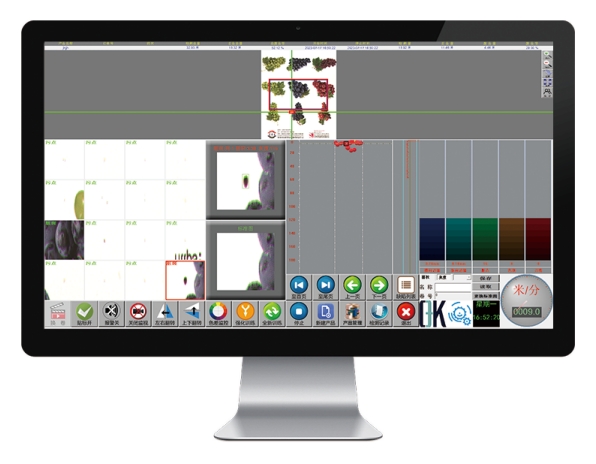
Automated printing quality inspection system utilizes high-resolution cameras and advanced image processing algorithms for high-speed defect detection, commonly used in packaging, labels, newspapers, and commercial printing.

Spectrophotometry:
Measures color accuracy and consistency by analyzing spectral characteristics, ensuring compliance with color standards across batches.
3D Surface Profiling:
Employs laser or optical sensors to create detailed three-dimensional maps of printed surfaces, detecting defects such as embossing errors and print thickness variations.
Artificial Intelligence (AI) and Machine Learning:
Utilizes machine learning algorithms to analyze images and recognize defect patterns, enhancing defect detection accuracy and efficiency.
Real-time Monitoring and Control:
Provides real-time feedback during printing, enabling proactive quality control measures and minimizing production downtime.
Applications of Surface Inspection in Printed Materials:
Packaging Industry:
Quality control, barcodes and labels verification.
Labeling and Branding:
Brand consistency, security features verification.
Publishing and Printing:
Print quality, color consistency verification.
Commercial Printing:
Marketing collaterals, proofing and prototyping.
Security Printing:
Currency and identification documents, secure labels and packaging.
Conclusion:
Surface inspection is indispensable in ensuring the quality and integrity of printed materials across various industries. Advancements in inspection technologies have significantly improved efficiency and accuracy, enabling early defect detection and rectification. By minimizing waste, optimizing production efficiency, and maintaining customer satisfaction, surface inspection systems play a pivotal role in enhancing the overall quality control process in the printing industry.
In the realm of print marketing, maintaining color consistency is pivotal for success. Whether it's a logo on a business card or a vibrant brochure showcasing products, uniformity in color across printed materials is indispensable for brand identity, consumer trust, and overall visual appeal. In this piece, we'll delve into the significance of color consistency in printed materials, tackle the challenges associated with achieving it, and explore effective strategies for maintaining uniformity.

The Importance of Color Consistency in Printed Materials
1. Reinforcing Brand Identity
Recognition: Consistent colors are crucial for brand recognition. When consumers encounter consistent colors across different printed materials like business cards and brochures, they quickly associate those colors with the brand, reinforcing brand identity and recall.
Professionalism: Inconsistencies in color can detract from the professional appearance of printed materials. Maintaining color consistency conveys attention to detail and professionalism, enhancing brand credibility and trustworthiness.
2. Enhancing Communication
Message Clarity: Consistent colors ensure that the intended message of the printed material is accurately conveyed. Whether it's a call-to-action on a flyer or product information on a label, uniform colors make the content more legible and comprehensible, improving communication effectiveness.
Visual Cohesion: Uniform colors create visual harmony across different printed assets, enhancing the overall visual appeal of marketing materials and making them more engaging and memorable to the audience.
3. Improving Customer Experience
Consistency Expectation: In today’s competitive market, consumers expect consistency from brands across all touchpoints, including printed materials. Consistent colors instill confidence in consumers, signaling reliability and attention to detail, which positively impacts the overall customer experience.
Brand Trust: Inaccurate colors or inconsistencies in printed materials can undermine brand trust and perception. By ensuring color consistency, brands demonstrate their commitment to delivering high-quality products and services, fostering trust and loyalty among consumers.
4. Boosting Operational Efficiency
Streamlined Production: Color consistency streamlines the production process for print service providers. By establishing standardized color profiles and workflows, printers can minimize color adjustments and reprints, leading to greater efficiency and cost savings.
Reduced Waste: Consistent colors reduce the likelihood of color-related errors and rejections during the printing process, minimizing waste of materials, time, and resources and contributing to a more sustainable printing operation.
Challenges in Achieving Color Consistency in Printed Materials
Achieving color consistency in printed materials is a multifaceted process fraught with challenges stemming from technical and environmental factors.
1. Printer Variation
Hardware Differences: Even printers of the same model may produce slight variations in color output due to differences in hardware components.
Calibration Discrepancies: Inconsistent calibration settings among printers can lead to variations in color reproduction.
2. Substrate Influence
Paper Type and Texture: Different types of paper absorb ink differently, leading to variations in color appearance.
Ink Absorption: Highly absorbent substrates may cause inks to spread and blend, resulting in less vibrant colors and reduced accuracy.
3. Environmental Factors
Temperature and Humidity: Fluctuations in environmental conditions can impact color perception and print quality.
Lighting Conditions: Inconsistent lighting sources may alter color appearance and visibility.
4. Ink and Color Management
Ink Formulation: Variations in ink formulation can impact color consistency.
Color Management Practices: Inadequate color management practices can lead to discrepancies and inaccuracies.
5. Human Error
Manual Color Adjustments: Human intervention in color adjustments can introduce errors.
Communication Challenges: Miscommunication regarding color expectations can lead to discrepancies in color reproduction.

Effective Strategies for Achieving Color Consistency in Printed Materials
Achieving color consistency requires a systematic approach that addresses technical, environmental, and operational factors.
1. Standardized Color Management System
Color Profiling: Use management software to create accurate color profiles and calibrate devices regularly.
Color Standards: Adhere to industry-standard color spaces for consistency.
Device Calibration: Regularly calibrate printing devices for accurate reproduction.
2. Quality Control Procedures
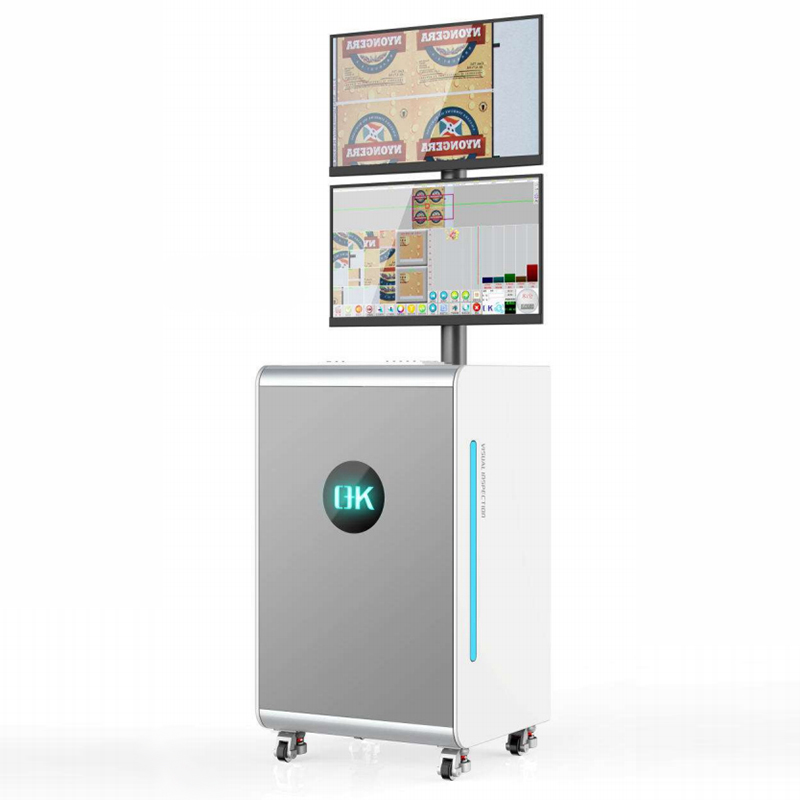
Color Verification: Conduct checks throughout the printing process using visual printing inspection machine and compare samples against reference standards.
Test Prints: Evaluate color accuracy before full production.
3. Substrate Selection and Preparation
Consistent Substrates: Use uniform substrates to minimize variations in color appearance.
Pre-Press Treatment: Prepare substrates properly before printing.
4. Environmental Control
Stable Environment: Maintain stable conditions in the printing facility.
Lighting Considerations: Use consistent lighting sources to ensure accurate color perception.
5. Color Communication and Collaboration
Clear Communication: Establish clear channels and provide detailed specifications.
Collaborative Approaches: Foster collaboration between stakeholders.
6. Continuous Improvement
Feedback Mechanisms: Solicit feedback and implement corrective actions.
Training and Education: Provide ongoing training on best practices.
Conclusion
Color consistency in printed materials is fundamental for brand identity and professionalism. By prioritizing color management and implementing standardized procedures, printers can ensure accurate reproduction, thereby fostering trust and visual harmony, ultimately driving success in print marketing.
The integration of vision systems into traditional web guiding processes marks a substantial advancement in precision manufacturing. Unlike conventional methods relying on mechanical sensors or manual adjustments, vision systems offer improved accuracy and flexibility, essential for modern production operations. By incorporating cameras and image processing algorithms, these systems provide real-time monitoring and adaptive control capabilities, significantly enhancing precision and efficiency. This article explores the integration of vision systems in web guiding, shedding light on their transformative impact across various industries.

The Role of Vision Systems in Web Guiding
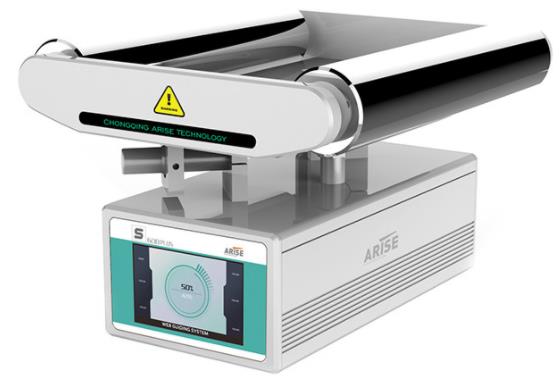
Vision systems, comprising cameras and image processing algorithms, excel at capturing and analyzing visual information in real-time. By continuously monitoring the location and alignment of web content, they offer precise input to guiding mechanisms, facilitating dynamic adjustments to maintain proper alignment. Unlike mechanical sensors prone to limitations or wear, vision systems boast greater flexibility and accuracy, making them indispensable for applications demanding precise alignment.
Key Benefits of Integrating Vision Systems in Web Guiding Processes
Precision:
Vision systems provide high-resolution imaging and advanced algorithms for accurate alignment identification and analysis. By precisely tracking the location and orientation of web material, they minimize misalignment-related faults, ensuring high-quality output.
Real-time Monitoring:
Continuous monitoring of web content position and movement enables immediate identification of deviations or abnormalities, allowing swift corrective action to maintain synchronization. Real-time monitoring reduces material waste and minimizes manufacturing errors.
Adaptive Control:
Vision systems facilitate adaptive control of guiding mechanisms based on real-time feedback. By dynamically adjusting parameters like speed, angle, or tension, they respond to changes in material properties or production conditions, ensuring consistent alignment and performance.
Versatility:
Vision systems can be tailored to accommodate various web materials and production processes. Adaptable and easily integrated, they offer versatility across industries, making them suitable for diverse applications.
Reduced Downtime:
Early detection of alignment issues or defects minimizes downtime associated with manual inspection. Vision systems enable timely interventions and preventive maintenance, mitigating the risk of production stoppages and equipment damage.
Data Insights:
Capturing valuable data on material alignment trends and production parameters, vision systems facilitate process optimization and quality control. Insights gained enable continuous improvement of web guiding processes and production efficiency.
Improved Safety:
Vision web guide systems reduce manual intervention, minimizing the risk of accidents associated with handling materials or machinery. By automating the guiding process, they contribute to a safer working environment for operators and maintenance personnel.
Future Trends and Innovations of Vision Systems in Web Guiding Processes
Enhanced Artificial Intelligence (AI) Integration:
Advanced AI techniques will enhance vision systems' capabilities, enabling them to evaluate vast amounts of visual data in real-time and autonomously modify guiding parameters for increased precision and effectiveness.
Multi-Spectral Imaging:
Integration of multi-spectral imaging will enhance material characterization and defect detection, particularly in applications with diverse materials and surface properties.
3D Vision and Depth Sensing:
Incorporating 3D vision and depth sensing technologies will enable more accurate detection of surface irregularities and enhance defect detection capabilities.
Edge Computing and Real-Time Processing:
Leveraging edge computing will enable faster response times and more efficient processing of visual data, enhancing system responsiveness and adaptability.
Integration with Robotics and Automation:
Integration with robotics will enable autonomous web guiding in dynamic production environments, enhancing efficiency and productivity.
Augmented Reality (AR) Interfaces:
AR interfaces will provide operators with user-friendly tools for managing web guiding procedures, improving user interaction and situational awareness.
Sustainability and Energy Efficiency:
Vision systems will prioritize eco-friendly materials and energy-efficient design, promoting sustainable manufacturing practices and waste reduction.
Conclusion
The integration of vision systems into web guiding processes represents a significant advancement in precision manufacturing. Across industries, these systems revolutionize production processes, enabling manufacturers to achieve higher quality, efficiency, and competitiveness. With ongoing advancements and innovations, vision-guided web guiding systems are poised to play a pivotal role in shaping the future of manufacturing.
Ensuring the quality of printed materials is paramount across various industries, where defects can compromise both aesthetics and functionality. Modern technology has introduced sophisticated solutions to tackle this challenge, offering comprehensive methods for defect detection and categorization in printed materials.
The Significance of Quality Assurance in Printed Materials
Whether it's packaging, labels, newspapers, or industrial components, defects in printed materials can have severe consequences. Even minor imperfections can render products unsellable or compromise their performance. Therefore, robust quality assurance processes are essential to identify and rectify defects in the printing industry.
Common Detection Techniques
Visual Inspection
Human Visual Inspection: Trained operators visually inspect printed materials for visible defects like misprints, smudges, and color inconsistencies.
Automated Optical Inspection (AOI)
Automated vision print inspection system utilizes high-resolution cameras and advanced image processing algorithms for rapid and automated defect detection.
Machine Vision Systems
Equipped with cameras and sensors, coupled with image analysis software to identify defects such as misprints, color variations, and scratches.
UV Inspection
Illuminates printed materials with ultraviolet light to reveal defects like ink splatters, stains, and contamination that may not be visible under normal lighting.
Spectrophotometry
Measures color properties to ensure consistency and detect color inconsistencies across printed materials.
Dimensional Measurement
Uses tools like calipers and micrometers to ensure printed materials meet specified dimensional tolerances.
Barcodes and QR Codes Inspection
Verifies the accuracy and readability of printed codes for product identification and inventory management.
Surface Inspection Technologies
Employs microscopy techniques to identify surface defects like scratches, abrasions, and printing artifacts.
Categorization Methods for Printed Materials
Defects are categorized based on type, severity level, location, frequency, root cause, impact on functionality, customer impact, and corrective action required.
Technological Advancements
Real-Time Monitoring and Feedback Systems
Provides continuous monitoring, immediate feedback, and data analytics for proactive quality management.
Artificial Intelligence (AI) and Machine Learning
Utilizes advanced algorithms for automated defect categorization and continuous improvement in detection accuracy.
Remote Inspection Technologies
Enables real-time monitoring and collaboration from remote locations through cloud-based solutions and collaborative tools.
Integration with Industry 4.0 and IoT
Enhances connectivity, data exchange, and smart manufacturing practices for improved efficiency and quality in printing operations.
Conclusion
Detecting and categorizing defects in printed materials are critical processes for maintaining quality standards and customer satisfaction in the printing industry. Leveraging advanced inspection technologies, automated systems, and collaborative approaches ensures efficient defect detection and categorization, ultimately contributing to the success of printing operations. Continuous improvement driven by technological advancements further enhances the effectiveness of quality assurance processes in printed materials.