
In the intricate landscape of engineering, where precision and control are paramount, innovations continually emerge to optimize performance and efficiency. A standout innovation in this realm is the tension amplifier, a mechanical marvel that enhances force transmission and control across various applications. This article delves into the inner workings, applications, and benefits of tension amplifiers.

What are Tension Amplifiers?
At its core, a tension amplifier is a mechanical device designed to amplify tension or force while maintaining precise control over its application. It operates on the principle of mechanical advantage, leveraging mechanisms such as pulleys, levers, or hydraulic systems to increase the force output relative to the input. By magnifying tension in a controlled manner, tension amplifiers enable the achievement of higher force levels with reduced effort.
Benefits of Tension Amplifiers
Enhanced Control and Precision
Tension amplifiers provide precise control over tension levels, allowing for fine adjustments and calibration in various applications. This enhances accuracy, consistency, and reliability in performance-critical systems.
Increased Force Output
By amplifying input forces, tension amplifiers enable the generation of higher output forces without requiring additional power sources. This improves efficiency, reduces energy consumption, and minimizes the size and weight of mechanical systems.
Improved System Performance
Tension amplifiers contribute to improved system performance, including responsiveness, stability, and safety. By ensuring optimal tension levels in control systems, they enhance overall system efficiency and reliability.
Versatility and Adaptability
Tension amplifiers are versatile devices that can be customized and adapted to suit specific application requirements. They can be integrated into existing systems or designed as standalone units, offering flexibility and scalability in implementation.
How Do Tension Amplifiers Work?
Tension amplifiers work by leveraging mechanical principles to amplify tension or force while maintaining precise control over its application. They typically employ mechanisms such as pulleys, levers, or hydraulic systems to achieve force amplification.
Pulley Systems
In pulley-based tension amplifiers, multiple pulleys are arranged in a configuration that increases the effective mechanical advantage. The input force is applied to one end of a cable or rope, which is then routed through a series of pulleys. As the cable passes through each pulley, the direction of force changes, and the tension is distributed across multiple segments of the cable. This rerouting amplifies the force applied at the output end relative to the input force.
Lever Systems
Lever-based tension amplifiers rely on the mechanical advantage provided by the arrangement of levers or linkages. A lever consists of a rigid bar or beam that pivots around a fixed point called the fulcrum. By adjusting the positions of the fulcrum and input/output connections, levers can amplify force while maintaining precise control over displacement. When an input force is applied to one end of the lever, the mechanical advantage provided by the lever’s geometry amplifies the force at the output end.
Hydraulic Systems
Hydraulic tension amplifiers utilize the principle of fluid pressure transmission to amplify force. They consist of a hydraulic circuit comprising a pump, control valves, hydraulic cylinders, and fluid lines. When a force is applied to one end of a hydraulic cylinder, it creates pressure in the hydraulic fluid, which is transmitted through the system to generate a corresponding force at the output end. By controlling the flow of hydraulic fluid through valves and cylinders, hydraulic systems can achieve precise force amplification with minimal mechanical complexity.
Key Industries and Applications
Manufacturing and Machinery
Conveyor Systems: Maintain precise tension levels in belts, chains, and cables for smooth and efficient material handling.
Presses and Stamping Machines: Control the force applied during pressing and stamping operations for consistent product quality.
Textile Machinery: Regulate the tension in yarns and fibers during spinning, weaving, and knitting processes to enhance productivity and product quality.
Aerospace and Aviation
Flight Control Systems: Provide critical force control for maneuvering aircraft control surfaces such as ailerons, elevators, and rudders.
Landing Gear Systems: Control the extension and retraction of landing gear components for safe and reliable landing operations.
Automotive Industry
Throttle and Brake Systems: Regulate the tension in throttle cables and brake lines for precise vehicle acceleration and braking.
Suspension Systems: Control the tension in suspension components to optimize ride comfort, handling, and stability.
Marine and Offshore
Winch Systems: Control force in lifting, lowering, and anchoring operations for safe and efficient marine operations.
Mooring Lines: Maintain the desired tension in mooring lines and anchor chains for the stability and safety of vessels and offshore structures.
Construction and Infrastructure
Cranes and Hoists: Regulate tension in cables and ropes for precise lifting and lowering of heavy loads in construction.
Elevators and Escalators: Control tension in elevator cables to ensure smooth and reliable vertical transportation.
Robotics and Automation
Robotic Arms: Control tension in cables and actuators for precise and dexterous movements in industrial automation.
Automated Assembly Lines: Regulate tension levels in conveyor belts and material handling systems to improve efficiency and accuracy in manufacturing processes.

Future Directions and Innovations
As technology continues to advance, the capabilities and applications of tension amplifiers are expected to expand further. Innovations in materials, manufacturing processes, and control technologies are driving the development of more compact, lightweight, and efficient tension amplifier designs. Additionally, integration with digital control systems, sensors, and actuators enables real-time monitoring and adaptive control, further enhancing performance and reliability in diverse applications.
Conclusion
Tension amplifiers represent a versatile and efficient solution for enhancing force transmission and control in engineering systems. With their ability to amplify tension or force while providing precise control, tension amplifiers play a vital role in improving system performance, reliability, and safety. As technology advances and applications continue to evolve, tension amplifiers are poised to remain at the forefront of innovation, unlocking new possibilities and driving progress in engineering and mechanical systems.
Food packaging printing stands at the crossroads of creativity, functionality, and compliance, ensuring products not only appear attractive but also meet strict safety standards.
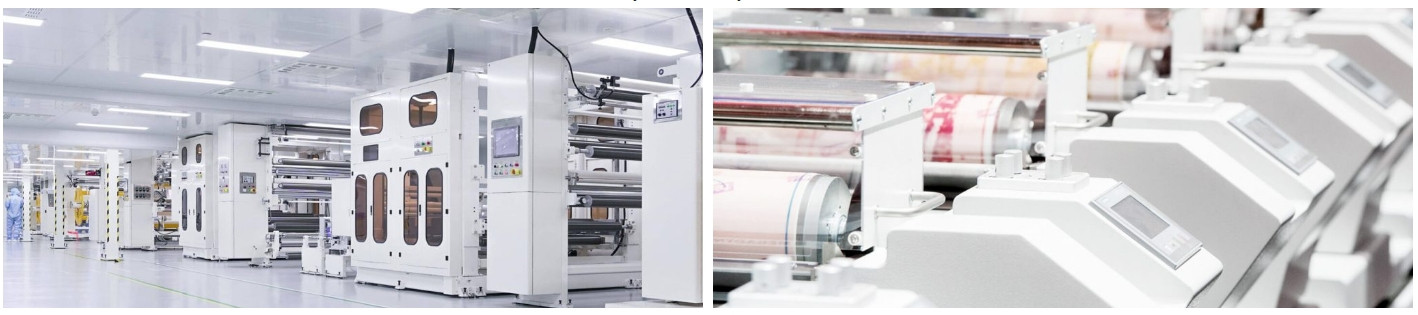
Addressing safety, regulatory compliance, quality, and sustainability, food packaging printers face numerous challenges to deliver packaging that satisfies both consumers and regulatory authorities. This article explores the key challenges in the food packaging printing industry and the innovative solutions to overcome them effectively.
Challenges in Food Packaging Printing
Regulatory Compliance
The foremost challenge in food packaging printing is adhering to regulatory standards. Different regions have varying regulations for food contact materials, including inks and substrates used in printing. These regulations aim to protect public health by preventing harmful substances from migrating into food products. Printers must stay informed about these regulations and select materials that meet the required safety criteria. Non-compliance can lead to costly recalls, legal penalties, and brand reputation damage.
Safety and Migration Concerns
Food packaging printing uses inks and coatings that must be safe for consumers. Ink components need careful selection to minimize migration—the transfer of substances from packaging into food. This involves thorough testing to ensure inks are safe and compatible with different packaging materials and food types. Factors like temperature, acidity, and moisture also influence migration risk, which printers must account for.
Adherence to Brand Guidelines
Beyond regulatory compliance and safety, food packaging printing is vital for branding. Printers must balance meeting regulatory requirements and adhering to brand guidelines, which include accurately reproducing brand colors, logos, and imagery. Achieving this balance requires advanced color management, high-quality printing equipment, and skilled personnel capable of executing complex designs precisely.
Sustainability and Environmental Concerns
Increasingly, there is a focus on sustainability in food packaging printing. Consumers are more aware of the environmental impact of packaging, prompting brands to adopt eco-friendly solutions. Printers must find sustainable alternatives to traditional materials and inks, such as recycled or biodegradable substrates and vegetable-based inks. Balancing sustainability with cost-effectiveness and performance remains challenging.
Technical Limitations and Compatibility Issues
Printing on diverse packaging materials presents unique technical challenges. Different substrates, like plastics, paperboard, and metals, require specialized printing techniques and inks for optimal results. The shape and surface texture of packaging containers also affect print quality and adhesion. Printers must have the technical expertise to overcome these challenges and deliver consistent, high-quality results across various substrates and packaging formats.
Supply Chain Complexity
Food packaging printing is part of a complex supply chain involving manufacturers, converters, printers, and brand owners. Coordination among these stakeholders is crucial for timely production, quality control, and specification compliance. Disruptions or miscommunications within the supply chain can lead to delays, errors, and increased costs. Effective collaboration and communication are essential for success.
Solutions to Address Challenges in Food Packaging Printing
Investment in Advanced Printing Technologies
Embrace advanced printing technologies like digital printing, flexography, and offset printing. These technologies offer precise color management, high-resolution printing, and faster production speeds, enhancing efficiency and quality.
Regulatory Compliance Management
Implement robust regulatory compliance management systems to ensure adherence to food safety regulations and packaging standards. Stay updated on regulatory changes and collaborate with experts to assess and mitigate compliance risks.
Quality Assurance Systems
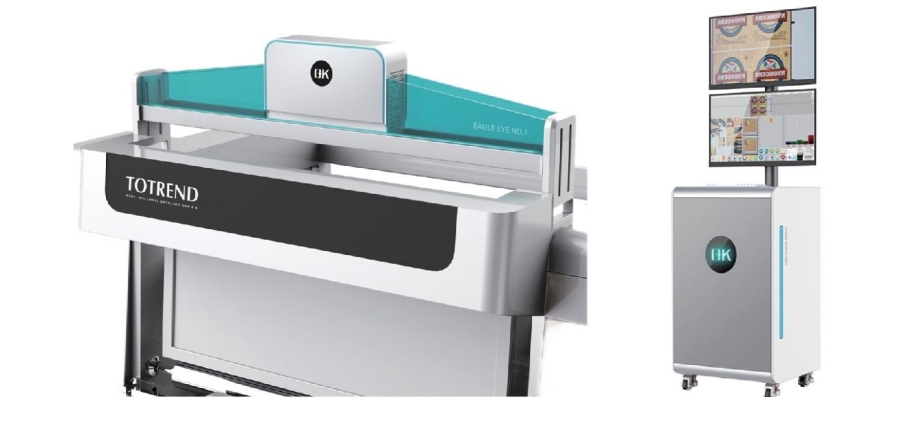
Deploy comprehensive quality assurance systems and printing inspection technologies to monitor print quality, detect defects, and ensure consistency. Automated inspection systems identify issues in real-time, minimizing errors and reducing waste.
Sustainable Printing Practices
Adopt sustainable printing materials and processes to reduce environmental impact. Use eco-friendly substrates, biodegradable inks, and energy-efficient equipment to meet sustainability goals and consumer demand for eco-conscious packaging.
Collaboration Across the Supply Chain
Foster collaboration and communication among stakeholders in the food packaging supply chain, including suppliers, converters, printers, and brand owners. Streamline workflows, share best practices, and leverage collective expertise to optimize processes and address challenges collaboratively.
Investment in Training and Skill Development
Provide ongoing training and development for printing personnel to enhance technical expertise, regulatory knowledge, and problem-solving abilities. Empower employees to proactively identify and address challenges, driving continuous improvement.
Integration of Data Analytics and Automation
Utilize data analytics and automation tools to optimize printing processes, improve efficiency, and reduce errors. Analyze production data to identify trends, optimize workflows, and make data-driven decisions that enhance performance and quality.
Continuous Improvement Culture
Promote a culture of continuous improvement by encouraging feedback, implementing feedback loops, and celebrating successes. Encourage innovation, experimentation, and collaboration to drive ongoing advancements in food packaging printing practices.
How Printing Inspection Systems Address Challenges in Food Packaging Printing
Quality Control and Defect Detection
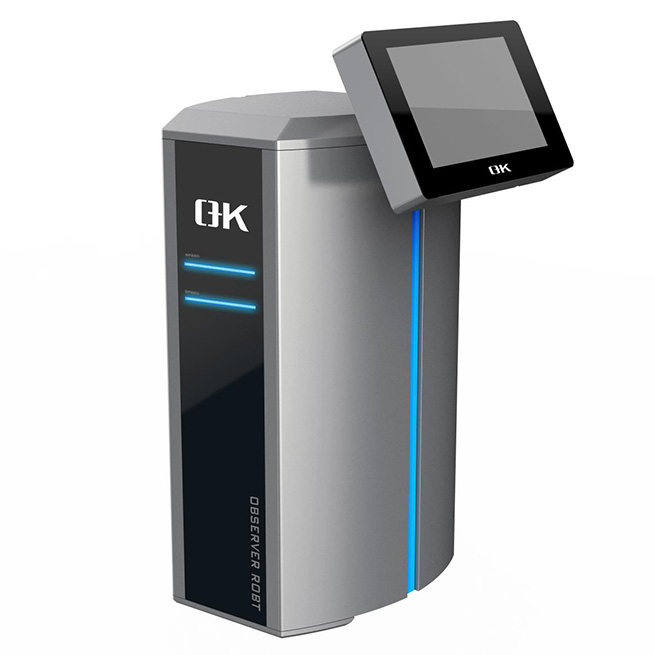
Printing inspection systems use advanced imaging technology to detect defects like misprints, smudges, streaks, and color variations on printed packaging materials. By scanning and analyzing substrates in real-time, these systems identify and rectify quality issues before they escalate, ensuring only flawless packaging reaches consumers.
 Color Consistency and Accuracy
Consistent color reproduction is crucial for maintaining brand identity and consumer trust. Printing inspection systems use color management algorithms to compare printed colors against reference standards and detect deviations. Monitoring color consistency throughout the printing process helps achieve accurate and uniform color reproduction across different substrates, batches, and printing runs.
Barcode and Text Verification
Accurate printing of barcodes, expiration dates, batch codes, and other essential text is critical for traceability and regulatory compliance. Printing inspection systems verify the readability and accuracy of printed text and codes using optical character recognition (OCR) and barcode verification algorithms, ensuring all necessary information is legible and correctly printed, reducing errors and regulatory non-compliance.
Regulatory Compliance Assurance
Food packaging printing must comply with strict regulations regarding ink migration, substrate suitability, and labeling. Printing inspection systems help ensure compliance by detecting issues like ink smudging, incomplete printing, or non-compliant materials. These systems provide objective evidence of compliance, mitigating the risk of penalties, recalls, and reputational damage.
Data Integrity and Documentation
Printing inspection systems generate detailed reports and documentation of inspection results, including images, measurements, and timestamps. This documentation serves as a comprehensive record of print quality and compliance, enabling traceability and accountability throughout the printing process. Accurate records facilitate audits, investigations, and continuous improvement, enhancing transparency and confidence in the printing process.
Real-time Monitoring and Intervention
By integrating with printing equipment and production workflows, printing inspection systems enable real-time monitoring and intervention in response to detected issues. Automated alerts notify operators of potential problems, allowing prompt corrective action. This proactive approach minimizes downtime, reduces waste, and optimizes production efficiency, ensuring timely delivery of high-quality printed packaging materials.
Process Optimization and Continuous Improvement
Printing inspection systems provide valuable data and insights into printing performance, including defect trends, error rates, and production bottlenecks. Analyzing this data helps identify root causes of quality issues, implement corrective actions, and optimize printing processes for greater efficiency and reliability. Continuous improvement efforts driven by printing inspection systems enhance print quality, reduce costs, and maintain compliance with evolving regulatory standards.
Conclusion
Food packaging printing is a complex process requiring careful consideration of regulatory requirements, safety concerns, quality control, sustainability, and collaboration across the supply chain. By adopting proactive measures, investing in technology, and focusing on sustainability and quality, the food packaging printing industry can evolve and meet the ever-changing demands of consumers and regulatory authorities.
The precise measurement of tension is crucial for ensuring product quality, operational efficiency, and safety. Tension sensors, also known as tension transducers or load cells, are fundamental instruments used to gauge the force applied to an object by measuring the tension in a material or structure. This article delves into the essence of tension sensors, unraveling their significance, workings, and evolution in the modern technological landscape.

Understanding Tension Sensors
Tension sensors are designed to measure the force or tension applied to an object or material. Whether monitoring the tension in a conveyor belt, a surgical suture, or an aircraft cable, these sensors provide invaluable insights into the mechanical dynamics of various systems.
Working Principles of Tension Sensors
Tension sensors operate on various principles, each tailored to specific applications and requirements.

Strain Gauge Technology
Principle: The electrical resistance of a conductor changes when it is stretched or compressed.
Mechanism: Thin metallic foil patterns called strain gauges are bonded to a flexible substrate. When tension is applied, the strain gauges deform, causing a change in their electrical resistance, measured using Wheatstone bridge circuits.
Load Cell Designs
Principle: Converts mechanical force into electrical signals.
Mechanism: Comprising a mechanical element (bending beam, diaphragm, or shear beam) with bonded strain gauges, load cells deform under tension, changing the resistance, which is then converted into an electrical signal proportional to the applied force.
Piezoelectric Effect
Principle: Piezoelectric materials generate an electric charge in response to mechanical stress.
Mechanism: When tension is applied, the piezoelectric material deforms, producing a voltage output proportional to the applied force, which is then measured to determine the tension.
Capacitive Sensing
Principle: Measures the change in capacitance between two conductive plates.
Mechanism: Tension changes the distance between plates, altering capacitance. This change is measured to determine the material's tension.
Magnetic Induction
Principle: Uses a magnet and a coil to measure tension.
Mechanism: Tension changes the magnetic field between the magnet and coil, inducing a voltage in the coil, proportional to the applied force, which is then measured.
Applications Across Industries of Tension Sensors
Tension sensors are versatile instruments with applications across various industries, playing a pivotal role in monitoring and controlling tension or force in different materials and structures.
Manufacturing Industry
Textile Production: Maintain proper tension in fibers and yarns during spinning, weaving, and knitting processes.
Papermaking: Control tension in the paper web during forming, pressing, and drying to prevent defects.
Printing: Regulate paper or substrate tension for accurate color registration and preventing jams.
Film and Foil Processing: Maintain uniform tension in film stretching, slitting, and laminating processes.
Automotive Industry
Timing Belt Tensioning: Monitor and adjust timing belt tension for proper engine synchronization.
Drive Belt Tensioning: Maintain correct tension in accessory drive belts to prevent slippage and wear.
Suspension Systems: Measure tension in suspension components, providing feedback for adaptive systems and safety features.
Aerospace Industry
Aircraft Structures: Ensure precise tension in cables, wires, and composite materials in aircraft assembly and maintenance.
Parachute Deployment: Monitor deployment force for safe and controlled descent.
Satellite Deployment: Ensure proper deployment of satellite components in space.
Medical Industry
Surgical Robotics: Provide haptic feedback in surgical robotic systems for precise force control during procedures.
Prosthetics and Orthotics: Monitor tension in artificial muscles and joints for natural movement in prosthetic limbs.
Material Handling and Packaging Industry
Conveyor Systems: Maintain proper tension in conveyor belts, chains, and rollers for efficient material handling.
Packaging Machinery: Control packaging material tension for secure and uniform product packaging.

Notable Advancements in Tension Sensors
Recent advancements in tension sensor technology have brought about significant improvements in accuracy, reliability, versatility, and integration capabilities.
Miniaturization
Microfabrication Techniques: Development of smaller, lighter tension sensors.
Applications: Integration into compact devices, wearable technology, and microsystems for healthcare, robotics, and consumer electronics.
Wireless Connectivity
Wireless Communication: Transmit data without physical wiring.
Benefits: Real-time monitoring in remote or inaccessible locations, predictive maintenance, and IoT integration.
Capabilities: Measure tension in multiple axes simultaneously.
Applications: Precise measurement in three-dimensional structures, enhancing versatility and accuracy.
Smart Sensing Algorithms
Advanced Signal Processing: Enhance accuracy and reliability.
Techniques: Machine learning and AI for data analysis and proactive maintenance.
Integration with IoT and Industry 4.0
IoT Integration: Seamless data collection, analysis, and visualization.
Benefits: Predictive maintenance, remote monitoring, and adaptive control in real-time.
Enhanced Material Properties
Novel Materials: Improved sensitivity, durability, and stability under harsh conditions.
Applications: Expanded range of applications in tension sensing technology.
Conclusion
Tension sensors, though often unseen, are the unsung heroes of precision engineering, ensuring that the invisible threads of tension are carefully monitored and controlled across industries. As technology continues to evolve, advancements in sensor design, materials, and data processing capabilities will further enhance their performance and expand their range of applications, contributing to improved efficiency, safety, and quality in numerous sectors.
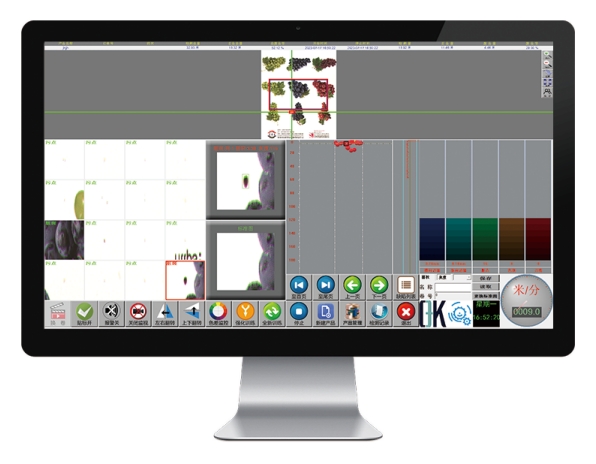
In today's industrial landscape, advanced imaging technologies have emerged as indispensable tools within web inspection systems, reshaping quality control processes across diverse industries. From defect detection to process optimization, these systems are pivotal in enhancing efficiency and minimizing waste. In this article, we explore the significance of advanced imaging technologies within web inspection systems and their transformative influence on various sectors.
The Evolution of Web Inspection Systems
Over the years, web inspection systems have undergone significant evolution, fueled by advancements in imaging technology and automation. Traditionally reliant on manual inspection methods—tedious, labor-intensive, and error-prone—these systems have witnessed a remarkable transformation with the advent of advanced imaging technologies. High-resolution cameras, sensors, and artificial intelligence (AI) have propelled web inspection systems into realms of sophistication and efficiency previously unimaginable.
Key Components of Advanced Imaging Technologies in Web Inspection Systems
High-Resolution Cameras:
At the heart of advanced imaging systems in web inspection lie high-resolution cameras. These cameras capture intricate images of the entire web surface with unparalleled clarity and precision, boasting high pixel counts and sophisticated optics for accurate material representation.
Line Scan Cameras:
Specialized line scan cameras are engineered to capture images of moving webs or materials. Unlike conventional cameras that capture entire images at once, line scan cameras meticulously capture images line by line, facilitating continuous inspection of the entire web width without distortion or blurring, even at high speeds.
Spectral Imaging Systems:
Spectral imaging systems operate across multiple wavelengths of the electromagnetic spectrum, furnishing valuable spectral data. This data aids in identifying subtle color variations, detecting defects, and analyzing material properties imperceptible to the naked eye or conventional imaging systems.
UV and Infrared Imaging:
UV and infrared imaging technologies play pivotal roles in detecting defects and anomalies invisible under normal lighting conditions. UV imaging unveils fluorescent substances or coatings, while infrared imaging detects temperature variations and structural irregularities in materials.
Machine Vision and AI Algorithms:
Web inspection vision machines harness algorithms and AI to analyze captured images, automating defect detection, classification, and quantification processes. Trained on extensive datasets, these algorithms swiftly and accurately identify defects based on predefined criteria, obviating the need for human intervention.
Illumination Systems:
Illumination systems provide requisite lighting to enhance contrast and visibility in captured images. Employing diverse lighting techniques—diffuse lighting, backlighting, strobe lighting—these systems cater to specific inspection requirements and material characteristics.
Optical Filters:
Optical filters selectively transmit or block specific wavelengths of light, facilitating targeted imaging and defect detection. These filters enhance contrast, eliminate background noise, and isolate features of interest in captured images.
Image Processing Software:
Image processing software serves to analyze and manipulate captured images, extracting pertinent features, and executing defect detection and classification tasks. Equipped with advanced algorithms and statistical analysis tools, these software solutions aid in defect analysis and decision-making processes.
Applications Across Industries of Advanced Imaging Technologies in Web Inspection Systems
Printing and Packaging Industry:
Defect Detection
Color Consistency
Barcode Verification
Flexible Packaging and Converting:
Material Inspection
Coating Quality
Textile Manufacturing:
Fabric Inspection
Print Quality
Nonwoven Industry:
Nonwoven Material Inspection
Fiber Orientation
Paper and Pulp Manufacturing:
Paper Quality Control
Coating Inspection
Food and Beverage Packaging:
Food Safety Assurance
Label Verification
Medical Device Manufacturing:
Quality Assurance
Barcoding and Serialization
Conclusion
Advanced imaging technologies have ushered in a new era of quality assurance across industries, with web inspection systems serving as frontline guardians of quality control. Their unparalleled capabilities in defect detection, process optimization, and cost reduction have rendered them indispensable assets in modern manufacturing and production. As technology continues to advance, these systems will play an increasingly vital role in upholding standards of quality and efficiency across diverse sectors.
In industries spanning printing, packaging, textiles, and manufacturing, the presence of defects in materials poses not only financial losses but also reputational risks. Enter web inspection systems, pivotal tools dedicated to identifying defects in continuous materials like paper, textiles, and films. Among the most groundbreaking advancements in these systems is the integration of automated defect detection, heralding improvements in accuracy, efficiency, and overall production quality.
Understanding Web Inspection Systems:
Web inspection systems serve as specialized machinery deployed to scrutinize continuous materials, or "webs," for defects during manufacturing processes. These flaws can range from minor imperfections to critical errors rendering the product unfit for use. Traditionally, visual inspections by operators were the norm, but this method is susceptible to human fatigue and subjectivity, proving inefficient for high-speed production lines. Enter web inspection systems, armed with various technologies like cameras, sensors, and image processing algorithms, capable of accurately and swiftly detecting defects.
Automated Defect Detection: A Game-Changing Innovation
Automated defect detection marks a monumental stride forward in quality assurance within web inspection systems. Harnessing the prowess of artificial intelligence, machine learning, and computer vision, these systems swiftly and accurately identify defects in real-time, curtailing production downtime and waste.
Benefits of Automated Defect Detection in Web Inspection Systems:
Improved Accuracy: Automated defect detection systems utilize advanced algorithms and machine learning techniques to pinpoint defects with unparalleled precision. This precision ensures the detection of even the most minor imperfections, often overlooked by human inspectors, leading to the production of higher-quality goods.
Enhanced Efficiency: Unlike manual inspection methods, which are labor-intensive and time-consuming, automated defect detection systems can inspect materials at high speeds without compromising accuracy. This capability enables manufacturers to maintain efficient production rates and meet stringent deadlines while upholding rigorous quality standards.
Consistency: Automated systems offer consistent performance over extended durations, eliminating the variability inherent in human inspectors. This consistency guarantees uniform quality across all production batches, mitigating the risk of defects slipping through the cracks and reaching consumers.
Cost Savings: Early detection of defects in the production process translates to reduced waste, rework, and scrap costs. Moreover, preventing defective products from entering the market minimizes the potential for expensive recalls, warranty claims, and damage to brand reputation.
Real-time Monitoring: Automated defect detection systems provide real-time feedback on material quality, empowering manufacturers to promptly identify and rectify issues. This proactive approach averts defects from snowballing into larger problems, thereby minimizing production downtime and maximizing yield.
Data Insights: These systems generate invaluable data insights that can be leveraged to optimize production processes and bolster overall quality. By analyzing patterns and trends in defect occurrence, manufacturers can pinpoint areas for improvement, refine product designs, and enhance manufacturing practices.
Adaptability: Automated defect detection systems boast easy configurability and adaptability to accommodate diverse materials, production environments, and inspection requirements. This flexibility ensures effective defect detection across a broad spectrum of products and applications without necessitating extensive reprogramming or reconfiguration.
Technologies Underpinning Automated Defect Detection in Web Inspection Systems:
Automated defect detection relies on a synergy of cutting-edge technologies to accurately identify and analyze defects in continuous materials:
Machine Vision: Cameras, sensors, and optics capture high-resolution images or videos of the material under inspection, which are then processed using specialized software algorithms to detect defects like surface irregularities and color variations.
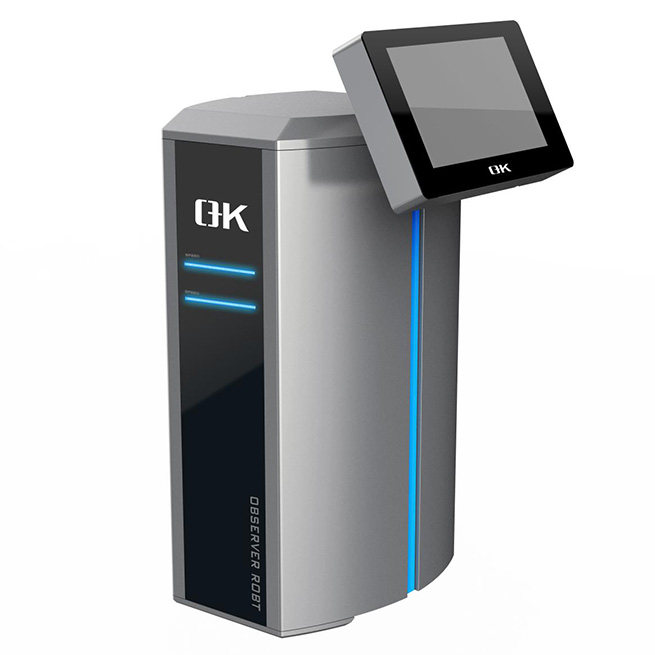
Artificial Intelligence (AI) and Machine Learning: AI algorithms, particularly those underpinned by machine learning techniques such as neural networks, analyze vast datasets containing examples of defects and non-defective materials to recognize patterns and anomalies indicative of defects.
Deep Learning: Deep neural networks, a subset of machine learning, automatically extract features from images and learn hierarchical representations of defects, enabling the detection of defects with exceptional accuracy across diverse materials and production environments.
Image Processing Algorithm: These algorithms extract relevant information from captured images, enhancing defect visibility by isolating defects from background noise or variations in lighting conditions.
Sensor Integration: In addition to visual inspection, web inspection systems may incorporate various sensors to detect defects based on physical properties like thickness, color, or chemical composition, enhancing defect detection capabilities.
Data Fusion: Data fusion techniques integrate information from multiple sensors and sources to improve defect detection reliability and accuracy, overcoming limitations associated with individual sensing modalities.
Connectivity and Integration: Modern web inspection systems feature connectivity features facilitating seamless integration with other manufacturing equipment and enterprise systems, enhancing workflow automation and decision support.
Challenges and Solutions in Automated Defect Detection:
Variability in Defect Types: Diverse printing processes and materials yield a broad spectrum of defect types and characteristics, necessitating the development of universal detection algorithms.
High-Speed Inspection Requirements: Web printing processes operate at high speeds, demanding defect detection algorithms capable of swift and accurate processing.
Complex Backgrounds and Patterns: Complex backgrounds and patterns in printed materials can confound defect detection, requiring advanced image processing techniques to distinguish defects from background noise.
Variations in Lighting and Contrast: Inconsistent lighting conditions and contrast across the web can obscure defect visibility, necessitating adaptive imaging techniques to enhance defect detection.
Large Data Volumes and Storage: Web inspection systems generate vast amounts of image data, posing challenges for data storage, management, and processing.
Defect Classification and Prioritization: Not all detected defects are equally critical, necessitating the development of classification algorithms to prioritize defects based on severity and impact.
Integration with Production Workflow: Seamless integration into existing production workflows and control systems is vital for real-time defect detection and process optimization.
In Conclusion:
Automated defect detection stands as a revolutionary force in quality control across manufacturing industries reliant on continuous materials, empowering manufacturers to deliver products of unparalleled quality and reliability. As the industry embraces automation and digitalization, automated defect detection will play an increasingly vital role in ensuring excellence across all facets of manufacturing.