
In textile production, printing presses, and web handling applications, maintaining optimal tension in materials is essential for achieving desired outcomes. This article delves into the intricacies of tension control systems, their significance across industries, and the technologies driving their evolution.
Understanding Tension Control Systems
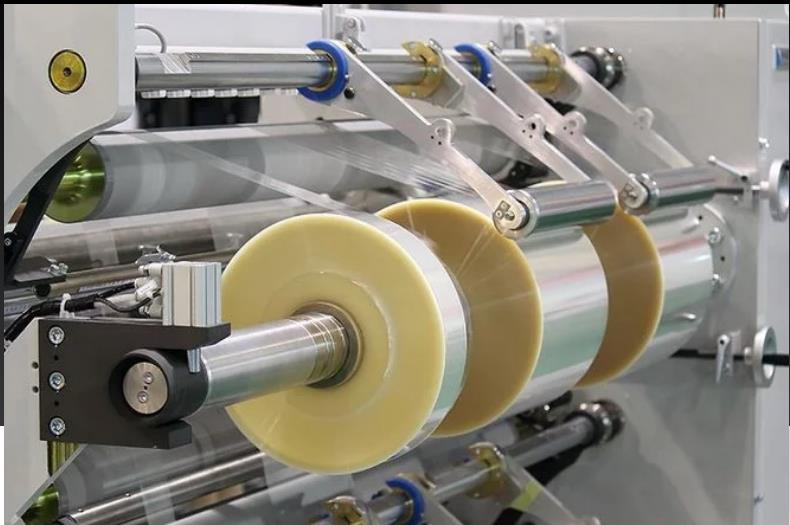
Tension control systems are engineered mechanisms designed to regulate the tension exerted on a moving material, such as paper, film, fabric, or metal. The goal is to ensure uniform tension throughout the production process, preventing issues like wrinkles, stretching, tearing, or misalignment.
The Dynamics of Tension
The dynamics of tension in materials are complex and influenced by various factors interacting throughout the production process.
Material Properties
Different materials behave differently under tension. For instance, textiles may stretch, while metals may deform or break. Understanding the properties of the material being processed is essential for determining appropriate tension levels. Factors like elasticity, yield strength, and elongation at break dictate how a material responds to applied forces. Engineers must consider these properties when designing tension control systems to ensure precision and care in material handling.
Speed and Acceleration
The speed at which material moves through the production line significantly impacts tension dynamics. Rapid acceleration or deceleration can introduce sudden changes in tension, leading to issues such as wrinkles or material breakage. Tension control systems must respond quickly to changes in speed, maintaining consistent tension levels to prevent production disruptions and ensure product quality.
Friction and Drag
Friction between the material and machine components, such as rollers or guides, can affect tension distribution along the material’s length. High friction may cause uneven tension or material slippage, compromising product quality. Tension control systems often incorporate mechanisms to minimize friction, such as precision bearings, low-friction coatings, or air flotation systems. By reducing frictional forces, these mechanisms help maintain uniform tension and improve process efficiency.
Environmental Factors
Environmental conditions, such as temperature and humidity, can influence material properties and tension dynamics. For instance, changes in temperature may cause materials to expand or contract, affecting tension levels. Tension control systems may include sensors to monitor environmental variables and adjust tension accordingly. Climate-controlled production environments can also help minimize the impact of environmental fluctuations on tension regulation.
External Forces
External forces, such as wind or vibrations, can introduce disturbances that affect tension stability. In outdoor applications, such as web handling in printing or construction, wind-induced fluctuations in tension pose significant challenges. Tension control systems may incorporate features to mitigate the effects of external forces, such as tension compensators or dynamic tension control algorithms, maintaining stability and accuracy even in challenging conditions.
Key Components of Tension Control Systems
Tension Sensors
Tension sensors measure the tension exerted on the material as it moves through the production line. These sensors can take various forms, including load cells, dancer rollers, ultrasonic sensors, or pneumatic tension sensors. They provide real-time feedback on tension levels, allowing the control system to make necessary adjustments to maintain desired tension setpoints.

Actuators
Actuators adjust tension based on feedback from tension sensors. Common actuators used in tension control systems include electromagnetic brakes, pneumatic clutches, servo motors, and hydraulic tensioners. They respond to control signals from the tension control system, applying or releasing tension as needed to maintain desired levels.
Control Algorithms
Control algorithms form the intelligence behind tension control systems, processing data from tension sensors and issuing commands to actuators to regulate tension. These algorithms can be simple PID (Proportional-Integral-Derivative) controllers or more complex adaptive control systems. They continuously monitor tension levels and adjust actuator settings to minimize deviations from the target tension, ensuring consistent tension throughout the production process.
Rollers and Guides
Rollers and guides guide the material through the production line while minimizing friction and maintaining consistent tension. These components come in various configurations, including idler rollers, nip rollers, dancer rollers, and edge guides. Properly designed and positioned rollers and guides ensure the material remains in contact with tension sensors and that tension is evenly distributed across the material width.
Tension Indicators and Displays
Tension indicators and displays provide operators with real-time feedback on tension levels, allowing them to monitor the performance of the tension control system and make adjustments as necessary. Indicators may include analog gauges, digital displays, or graphical user interfaces (GUIs) that visualize tension data and provide insights into system operation.
Control Interface
The control interface enables operators to interact with the tension control system, set parameters, and adjust settings as needed. This interface may consist of physical controls, such as knobs or buttons, or software-based interfaces accessible via a computer or touchscreen. Advanced control interfaces may offer features such as preset tension profiles, automatic tension adjustments based on production parameters, and remote monitoring capabilities.
Safety Mechanisms
Safety mechanisms are crucial components of tension control systems, designed to prevent accidents and protect both equipment and personnel. These may include emergency stop buttons, overload protection devices, interlocks, and safety guards. Safety mechanisms ensure tension control systems operate reliably and securely, minimizing the risk of injury or damage in the event of system malfunctions or operator errors.

Challenges and Future Solutions in Tension Control Systems
Addressing the challenges faced by tension control systems requires innovative solutions leveraging advancements in technology, engineering, and automation.
Material Variability
Challenge: Different materials exhibit varying levels of elasticity, friction, and other properties, posing challenges for maintaining consistent tension levels.
Future Solution: Advanced sensor technologies and machine learning algorithms can dynamically adapt tension control parameters based on the specific characteristics of each material. Real-time feedback loops can continuously adjust tension settings to compensate for material variability, ensuring uniform quality across production runs.
High-Speed Processing
Challenge: High-speed production lines require rapid response times and precise control to maintain tension levels, minimizing the risk of defects or production stoppages.
Future Solution: Integration of advanced actuators, such as servo motors and electromagnetic brakes, coupled with digital control systems, enables ultra-fast response times and precise tension control at high speeds. Predictive algorithms can anticipate changes in tension requirements and preemptively adjust control parameters to maintain stability.
Environmental Factors
Challenge: Environmental conditions, such as temperature, humidity, and air currents, can affect material properties and tension dynamics, leading to fluctuations in tension levels.
Future Solution: IoT-enabled tension control systems equipped with environmental sensors can monitor and analyze environmental data in real-time. Adaptive tension control algorithms can use this information to dynamically adjust tension settings, compensating for changes in ambient conditions and ensuring consistent performance regardless of external factors.
Integration with Industry 4.0
Challenge: Tension control systems must seamlessly integrate with other components of Industry 4.0-enabled manufacturing ecosystems, such as MES, ERP, and IoT platforms.
Future Solution: Standardization of communication protocols and data exchange formats facilitates interoperability between tension control systems and other industrial automation systems. Cloud-based analytics platforms enable centralized monitoring, predictive maintenance, and optimization of tension control processes across distributed manufacturing networks.
Energy Efficiency and Sustainability
Challenge: Traditional tension control systems may consume significant amounts of energy, contributing to operational costs and environmental impact.
Future Solution: Adoption of energy-efficient components, such as regenerative braking systems and low-power actuators, reduces energy consumption while maintaining performance. Integration of renewable energy sources, such as solar or wind power, further enhances sustainability by minimizing reliance on fossil fuels.
Maintenance and Reliability
Challenge: Ensuring the reliability and uptime of tension control systems requires proactive maintenance practices and robust fault detection mechanisms.
Future Solution: Predictive maintenance techniques leverage sensor data and machine learning algorithms to detect early warning signs of component degradation or failure. Condition monitoring systems continuously assess the health of critical components, enabling timely interventions to prevent unplanned downtime and reduce maintenance costs.
Conclusion
Tension control systems are indispensable tools in modern manufacturing, enabling industries to achieve high levels of quality, productivity, and reliability in their production processes. As industries continue to demand higher standards of quality and efficiency, the mastery of tension control remains an essential asset, driving innovation and excellence across the manufacturing landscape.
Whether producing intricate electronic components, sturdy construction materials, or delicate medical devices, maintaining uniform thickness is crucial for product performance and reliability. One crucial aspect of quality control is ensuring the thickness of materials meets specified standards. This is where in-line thickness measurement systems play a pivotal role.
Understanding In-line Thickness Measurement Systems
An in-line thickness measurement system is a sophisticated technology designed to measure the thickness of materials accurately and rapidly during the manufacturing process. Unlike traditional off-line methods, where samples are taken for measurement in a separate environment, in-line systems perform measurements directly within the production line, providing real-time feedback.

How Do In-line Thickness Measurement Systems Work
In-line thickness measurement systems are sophisticated instruments designed to measure the thickness of materials directly within the production line. These systems utilize various techniques and technologies to achieve precise measurements.
1. Integration into the Production Line
In-line thickness measurement systems are seamlessly integrated into the manufacturing process, typically positioned at strategic points along the production line where thickness measurements are required. They can be incorporated into existing equipment or installed as standalone units, depending on the specific application and requirements.
2. Sensor Technology
The heart of an in-line thickness measurement system lies in its sensors or probes. These sensors come in different forms, such as laser, ultrasound, x-ray, electromagnetic, or optical sensors, each tailored to suit specific materials and applications. The choice of sensor depends on factors like material properties, thickness range, and environmental conditions.
3. Measurement Principle
The sensors emit signals or waves towards the material being measured and capture the response to determine its thickness. The exact measurement principle varies depending on the type of sensor used:
Laser Sensors: Emit a laser beam onto the material surface and measure the time it takes for the beam to reflect back. By calculating the round-trip time and knowing the speed of light, the thickness of the material can be determined.
Ultrasound Sensors: Send high-frequency sound waves through the material and measure the time it takes for the waves to bounce back. The thickness is determined based on the speed of sound in the material.
X-ray Sensors: Emit x-ray radiation through the material and measure the attenuation or absorption of the radiation. Thicker materials absorb more radiation, resulting in lower intensity readings.
Electromagnetic Sensors: Generate an electromagnetic field around the material and measure changes in the field caused by variations in thickness. Thicker materials induce greater changes in the field strength.
Optical Sensors: Utilize light refraction or interference patterns to determine thickness variations in transparent or translucent materials.
4. Data Processing and Analysis
The measurements captured by the sensors are then processed and analyzed by dedicated software or algorithms. This software interprets the raw data, compensates for environmental factors (such as temperature or humidity), and calculates the precise thickness of the material. Advanced algorithms may also perform statistical analysis or pattern recognition to identify trends, deviations, or defects in the measured thickness.
5. Feedback and Control
Based on the analyzed data, the in-line thickness measurement system provides real-time feedback to operators or automated control systems. If the measured thickness deviates from the specified tolerances, corrective actions can be initiated to adjust manufacturing parameters, such as material flow rate, pressure, temperature, or machine settings, to bring the thickness back within acceptable limits.
Applications Across Industries of In-line Thickness Measurement Systems
In-line thickness measurement systems find diverse applications across a wide range of industries, where precise control of material thickness is critical for product quality, performance, and regulatory compliance.
1. Automotive Industry
Sheet Metal Production: In-line thickness measurement systems ensure uniform thickness in automotive body panels, chassis components, and structural parts, ensuring optimal strength, durability, and safety.
Coating Thickness Control: These systems monitor the thickness of paint, primer, and protective coatings applied to automotive surfaces, ensuring consistent coverage and adherence to quality standards.
2. Aerospace Industry
Composite Material Manufacturing: In-line measurement systems monitor the thickness of composite materials used in aircraft structures, such as fuselages, wings, and interior components, ensuring compliance with stringent aerospace standards and specifications.
Metal Alloys Production: For aircraft engine components and structural parts, in-line thickness measurement systems ensure precise control of metal alloy thickness during manufacturing processes like forging, machining, and heat treatment.
3. Electronics Industry
Semiconductor Wafer Production: In-line thickness measurement systems monitor the thickness of semiconductor wafers during fabrication processes such as polishing, etching, and deposition, ensuring uniformity and consistency for optimal electronic performance.
Printed Circuit Board (PCB) Manufacturing: These systems measure the thickness of copper layers, solder masks, and dielectric materials in PCB production, ensuring adherence to design specifications and reliable electrical performance.
4. Packaging Industry
Film and Foil Production: In-line measurement systems monitor the thickness of packaging films, foils, and laminates used in food packaging, pharmaceutical blister packs, and flexible pouches, ensuring barrier properties and product integrity.
Paperboard and Cardboard Manufacturing: These systems control the thickness of paperboard and cardboard substrates used in packaging boxes, cartons, and containers, ensuring dimensional stability and structural strength.
5. Construction Industry
Concrete and Asphalt Production: In-line thickness measurement systems monitor the thickness of concrete slabs, asphalt pavements, and road surfaces during production, ensuring uniformity, strength, and durability for infrastructure projects.
Insulation Material Manufacturing: These systems measure the thickness of thermal and acoustic insulation materials used in buildings and construction applications, ensuring energy efficiency and soundproofing performance.
6. Medical Device Industry
Catheter and Tubing Manufacturing: In-line thickness measurement systems monitor the thickness of medical-grade polymers and elastomers used in catheters, tubing, and implantable devices, ensuring precise dimensions and biocompatibility.
Packaging for Pharmaceuticals: These systems measure the thickness of packaging materials for pharmaceutical products, such as blister packs, vials, and pouches, ensuring compliance with regulatory requirements for product protection and stability.

Challenges and Future Solutions in In-line Thickness Measurement Systems
While in-line thickness measurement systems offer significant advantages, they also face several challenges that impact their effectiveness and reliability. Addressing these challenges requires continuous innovation and the development of solutions.
1. Calibration Drift
Over time, sensors used in in-line measurement systems may experience calibration drift, leading to inaccuracies in thickness measurements. This can result from factors such as sensor degradation, environmental changes, or wear and tear.
Future Solution: Implementing self-calibration mechanisms or using advanced sensor technologies with built-in calibration monitoring capabilities can help mitigate calibration drift. Additionally, regular maintenance and recalibration schedules can ensure the continued accuracy of measurement systems.
2. Material Variability
Different materials exhibit varying properties and behaviors, making it challenging to develop universal measurement techniques that apply across all materials. Factors such as material composition, surface finish, and opacity can affect measurement accuracy.
Future Solution: Advancements in sensor technology, including multi-sensor fusion and adaptive algorithms, can enable in-line measurement systems to adapt to different material properties and optimize measurement techniques accordingly. Machine learning and artificial intelligence algorithms can also be employed to enhance measurement accuracy by learning from historical data and adjusting measurement parameters in real-time.
3. High-Speed Production Environments
In-line measurement systems must operate effectively in high-speed production environments where materials move rapidly through the production line. Achieving accurate measurements within short timeframes presents technical challenges related to sensor response time and data processing speed.
Future Solution: Developments in sensor technology, such as high-speed laser scanners and ultra-fast signal processing algorithms, can enable in-line measurement systems to keep pace with high-speed production lines while maintaining measurement accuracy. Integration with advanced control systems and real-time data analytics platforms can further enhance system responsiveness and performance.
4. Complex Geometries and Surfaces
Some manufacturing processes involve materials with complex geometries or irregular surfaces, making it difficult to obtain accurate thickness measurements using traditional techniques. Surface curvature, texture, and reflectivity can pose challenges for measurement systems.
Future Solution: Advancements in sensor design, such as the development of flexible and adaptable sensor arrays, can enable in-line measurement systems to accommodate complex geometries and surface profiles. Incorporating advanced imaging techniques, such as structured light or depth sensing, can improve measurement accuracy on non-planar surfaces.
5. Integration with Industry 4.0 Technologies
In-line thickness measurement systems are increasingly being integrated into Industry 4.0 ecosystems, where they interact with other smart manufacturing technologies such as IoT devices, cloud computing, and cyber-physical systems. Ensuring seamless interoperability and data exchange between different systems poses integration challenges.
Future Solution: Standardization efforts and interoperability protocols, such as OPC UA (Open Platform Communications Unified Architecture), can facilitate seamless integration of in-line measurement systems with other Industry 4.0 technologies. Developing standardized interfaces and communication protocols will enable plug-and-play compatibility between different systems, fostering interoperability and data exchange.
Conclusion
In-line thickness measurement systems represent a critical advancement in quality control technology, enabling manufacturers to achieve higher levels of precision, efficiency, and consistency in their production processes. As industries continue to evolve, the widespread adoption of these systems is poised to catalyze further innovation, driving quality improvement and bolstering competitiveness across sectors.
A high-frequency tension amplifier is an electronic device designed to accurately measure and amplify tiny mechanical vibrations or tension changes that occur at high frequencies. Such amplifiers are often used in engineering and precision instrumentation, such as textiles, papermaking, plastic processing, and other industrial processes that require precise tension control. They can accurately capture and respond to material tension changes in high-speed motion to ensure product quality and production efficiency.

Working principle of high-frequency tension amplifier
The working principle of high-frequency tension amplifier is based on sensor technology, which usually includes two parts: tension sensor and signal amplifier. The tension sensor is responsible for sensing material tension changes and converting them into electrical signals. The signal amplifier amplifies and processes these electrical signals for further analysis and control. These devices usually have good frequency response characteristics and can maintain stable amplification effects over a wide frequency range. Application fields of high-frequency tension amplifier High-frequency tension amplifiers are widely used in various industrial fields, especially in places where tension control is extremely demanding during continuous production. For example, in the textile industry, it can be used to monitor the tension of fabrics to ensure fabric uniformity and tension consistency. In the papermaking industry, high-frequency tension amplifiers help control the tension of paper to avoid paper breaks or other defects caused by improper tension. In addition, in the production of plastic film, the thickness and flatness of the film can be better controlled by using a high-frequency tension amplifier.
Development History of High-Frequency Tension Amplifier
The development history of high-frequency tension amplifiers reflects the progress of sensor and amplifier technology. Early tension measurement equipment may only provide basic tension detection functions, while modern tension amplifiers integrate more intelligent functions, such as self-diagnosis, data recording and remote monitoring, which greatly improves production efficiency and safety.

Future Trends of High-Frequency Tension Amplifiers
With the continuous improvement of industrial automation and intelligence, the future development trend of high-frequency tension amplifiers will be towards higher precision, stronger functional integration and easier operation. It is expected that future equipment will adopt more digital and networked designs to meet more complex and sophisticated production control needs.
In summary, as a key industrial measurement and control device, high-frequency tension amplifiers play an important role in ensuring product quality and production efficiency. With the continuous advancement of technology, we can expect more innovations and breakthroughs in this device in the future.
Whether producing paper, plastic, metal, textiles, or countless other materials, ensuring uniformity in width and thickness is paramount. This is where the in-line width/thickness measurement system comes into play, offering real-time monitoring and control of dimensional parameters during the production process. In this article, we delve into the workings, benefits, and applications of this advanced system.

What is an In-line Width/Thickness Measurement System?
An in-line width/thickness measurement system is a sophisticated piece of equipment designed to accurately measure the width and thickness of materials as they move through a production line. It employs a variety of sensing technologies, including lasers, cameras, ultrasonic sensors, and contact sensors, to capture precise dimensional data. This data is then processed using advanced algorithms to calculate the exact width and thickness of the material in real-time.
How the In-line Width/Thickness Measurement System Works
Material Inspection
The process begins as the material travels along the production line, passing through a designated measurement zone.
The material can be in the form of sheets, rolls, coils, or other configurations, depending on the specific manufacturing process.
Sensor Deployment
The system utilizes various sensing technologies, including lasers, cameras, ultrasonic sensors, or contact sensors, to capture dimensional data.
These sensors are strategically positioned within the measurement zone to ensure comprehensive coverage of the material.
Data Acquisition
As the material passes through the measurement zone, the sensors capture detailed images or measurements of its width and thickness.
Cameras may capture high-resolution images of the material’s surface, while lasers or ultrasonic sensors may emit signals and measure the time it takes for them to reflect back, allowing for precise distance calculations.
Data Processing
The captured data is processed using advanced algorithms and software to analyze and interpret the dimensions of the material.
Sophisticated image processing techniques identify edges, contours, or features of interest, enabling accurate measurement of width and thickness.
Dimensional Analysis
Based on the processed data, the system calculates the exact width and thickness of the material.
Algorithms take into account factors such as material properties, surface irregularities, and measurement uncertainties to ensure accurate results.
Real-time Feedback and Control
The calculated width and thickness measurements are provided as real-time feedback to the production line.
This feedback enables operators to make immediate adjustments to the manufacturing process to maintain optimal dimensional parameters.
Automated control systems may adjust rollers, cutters, or other machinery to ensure uniformity in width and thickness across the material.
Continuous Monitoring
The in-line measurement system operates continuously, monitoring width and thickness variations as the material progresses through the production line.
Any deviations from specifications are detected in real-time, allowing for timely corrective action to maintain product quality and consistency.
Integration with Production Systems
In-line thickness measurement systems can be seamlessly integrated with other production systems and control mechanisms, enabling automated feedback and adjustments.
Integration with data logging and reporting systems facilitates documentation and analysis of dimensional data for quality control and process optimization purposes.
Benefits of In-line Width/Thickness Measurement Systems
Enhanced Quality Control
Real-time monitoring of width and thickness allows manufacturers to detect deviations from specifications immediately.
Early detection of dimensional variations enables prompt corrective action, minimizing the production of non-conforming products and reducing waste.
Improved Product Quality
By maintaining precise control over dimensional parameters, in-line measurement systems ensure that manufactured products meet stringent quality standards.
Consistent width and thickness result in products with uniform appearance, performance, and functionality, enhancing customer satisfaction and brand reputation.
Increased Production Efficiency
Automated measurement reduces the need for manual inspection, saving time and labor costs associated with traditional quality control methods.
Real-time feedback enables operators to make immediate adjustments to the production process, optimizing throughput and minimizing downtime.
Cost Savings
Minimizing material waste and rework through accurate dimensional control leads to significant cost savings for manufacturers.
Reduced scrap and rejections result in lower production costs and improved overall profitability.
Compliance with Standards and Regulations
In-line measurement systems ensure that manufactured products comply with industry standards, specifications, and regulatory requirements.
Documentation of dimensional data facilitates traceability and provides evidence of compliance for audits and certifications.
Process Optimization
Continuous monitoring of width and thickness variations allows manufacturers to identify trends and patterns in production processes.
Data analysis enables process optimization, leading to increased yield, reduced variability, and enhanced overall productivity.
Enhanced Customer Satisfaction
Consistently delivering products with precise dimensions and high quality improves customer satisfaction and loyalty.
Meeting customer requirements and expectations fosters long-term relationships and promotes repeat business.
Data-driven Decision Making
in-line thickness measurement system generate valuable data on thickness variations, which can be used for analysis, optimization, and decision-making.
Data-driven insights help manufacturers identify root causes of dimensional deviations and implement preventive measures to improve process reliability and efficiency.
Applications across A Wide Range of Industries
Paper and Pulp Industry
Monitoring paper thickness and width in paper mills to ensure uniformity for consistent print quality and packaging performance.
Measuring the thickness and width of paper rolls, sheets, and cardboard for various printing, packaging, and paper product applications.
Plastic Extrusion Industry
Measuring the thickness and width of plastic films, sheets, and profiles for packaging, construction, and automotive applications.
Monitoring the extrusion process to ensure precise dimensions of plastic products such as pipes, tubes, and extruded profiles.
Metal Processing Industry
Ensuring uniform thickness and width of metal coils, strips, and sheets in metalworking industries such as automotive, aerospace, and construction.
Monitoring the rolling and stamping processes to achieve precise dimensional control of metal components and products.
Textile Manufacturing Industry

Monitoring fabric thickness and width in textile mills for apparel, upholstery, and industrial applications.
Ensuring consistent dimensions of woven or knitted fabrics for garment manufacturing, home textiles, and technical textiles.
Packaging Industry
Measuring the thickness and width of packaging materials such as films, foils, and laminates to ensure uniformity in packaging performance and barrier properties.
Monitoring the production of packaging containers, boxes, and cartons to maintain dimensional accuracy and structural integrity.
Printing Industry
Ensuring consistent thickness and width of printing substrates such as paper, cardboard, and plastic films for high-quality printing results.
Monitoring the printing process to achieve precise registration and alignment of printed materials on substrates of varying dimensions.
Converting Industry
Measuring the thickness and width of converted products such as tapes, labels, and adhesive films to meet customer specifications and performance requirements.
Ensuring dimensional accuracy of converted materials during cutting, slitting, and laminating processes for various industrial and consumer applications.
Construction Industry
Monitoring the thickness and width of construction materials such as insulation boards, membranes, and roofing materials for building envelope performance.
Ensuring precise dimensions of concrete, asphalt, and other construction materials during mixing, casting, and curing processes.
Automotive Industry
Measuring the thickness and width of automotive components such as gaskets, seals, and trim materials for optimal performance and fit.
Ensuring uniformity in the dimensions of stamped, molded, or extruded parts used in vehicle assembly and manufacturing.
Conclusion
The in-line width/thickness measurement system plays a vital role in modern manufacturing, enabling manufacturers to achieve precise control over dimensional parameters and ensure product quality. By harnessing advanced technology and automation, manufacturers can achieve higher levels of quality, efficiency, and cost-effectiveness in their production processes.
In industries where precise tension control is critical, tension sensors are indispensable tools. These sensors come in various types, each suited to specific applications and environments. However, selecting the right type of tension sensor can be challenging. In this article, we explore the different types of tension sensors available and provide guidelines for selecting the most suitable option for your needs.

Types of Tension Sensors
1. Strain Gauge Sensors
Strain gauge tension sensors are among the most common types. They operate on the principle of resistance change due to mechanical strain. When subjected to tension, compression, or bending, the strain gauge deforms, altering its resistance, which is then measured to determine the applied force or tension. These sensors are versatile and find applications in load cells, force measurement systems, and material testing machines.
2. Load Cells
Load cells are specialized tension sensors designed to measure force or weight. They are commonly used in industrial scales, tension measurement systems, and force monitoring applications. Load cells come in various configurations, including hydraulic, pneumatic, and strain gauge types. They offer high accuracy and reliability, making them indispensable in industries where precise force measurement is essential.
3. Capacitive Tension Sensors
Capacitive tension sensors utilize changes in capacitance to measure tension. They consist of two conductive plates separated by a dielectric material. When subjected to tension, the distance between the plates changes, resulting in a variation in capacitance. This change is then detected and converted into a measurable output. Capacitive tension sensors are ideal for applications requiring non-contact and high-resolution tension measurement, such as in textile manufacturing and web handling processes.
4. Optical Tension Sensors
Optical tension sensors employ light-based techniques to measure tension. They utilize principles such as light reflection, interference, or absorption to detect changes in material properties caused by tension. Optical tension sensors offer advantages such as high sensitivity, non-intrusiveness, and suitability for high-speed applications. They find applications in industries like paper manufacturing, printing, and film production, where precise tension control is critical for quality assurance.
5. Magnetic Tension Sensors
Magnetic tension sensors utilize magnetic fields to measure tension indirectly. They often involve the use of magnets, Hall effect sensors, or magnetic encoders to detect changes in the position or movement of tensioned materials. Magnetic tension sensors are suitable for harsh environments where other sensor types may be impractical due to factors like dust, moisture, or high temperatures. They are used in industries such as mining, construction, and automotive manufacturing.
6. Piezoelectric Tension Sensors
Piezoelectric tension sensors convert mechanical deformation into electrical signals. When subjected to tension, piezoelectric materials generate a voltage proportional to the applied force, allowing for precise tension measurement. These sensors offer high sensitivity and fast response times, making them suitable for dynamic tension measurement applications like vibration analysis, structural health monitoring, and biomechanics research.

A Step-by-Step Guide to Selecting the Right Tension Sensor
1. Understand Your Application Requirements
Start by clearly defining the requirements of your application. Consider factors such as:
Desired Accuracy: How precise does the tension measurement need to be?
Range of Tension: What are the minimum and maximum tension levels that need to be measured?
Speed of Measurement: Do you require real-time monitoring, or can measurements be taken intermittently?
Environmental Conditions: Will the sensor be exposed to extremes of temperature, humidity, or other environmental factors?
Compatibility: Ensure the sensor is compatible with your existing equipment and systems.
2. Familiarize Yourself with Different Types of Tension Sensors
Research and understand the various types of tension sensors available. Each type has its own set of characteristics, advantages, limitations, and applications.
3. Evaluate Sensor Characteristics
Once you understand the different types of tension sensors, evaluate their characteristics such as:
Sensitivity: How accurately can the sensor detect changes in tension?
Resolution: What is the smallest increment of tension that the sensor can measure?
Response Time: How quickly does the sensor respond to changes in tension?
Durability: Is the sensor robust enough to withstand the conditions of your application?
Calibration Requirements: How often does the sensor need to be calibrated to maintain accuracy?
4. Consider Environmental Factors
Take into account the environmental conditions in which the sensor will operate. Factors such as temperature, humidity, vibration, and exposure to dust or chemicals can impact sensor performance. Choose a sensor that is designed to withstand these conditions.
5. Assess Installation and Mounting Requirements
Consider the installation and mounting options available for each type of sensor. Ensure that the sensor can be installed in a way that provides accurate and reliable measurements while also considering factors such as space constraints and accessibility.
6. Evaluate Cost and Maintenance
Compare the cost of different types of sensors, taking into account not just the initial purchase price but also any ongoing maintenance costs. Consider factors such as the lifespan of the sensor, the availability of replacement parts, and the ease of calibration and servicing.
7. Seek Expert Advice if Needed
If you’re unsure about which type of tension sensor is best suited for your application, don’t hesitate to seek advice from experts or consult with manufacturers and suppliers. They can provide valuable insights and help you make an informed decision.
Conclusion
Selecting the right type of tension sensor is crucial for achieving accurate and reliable tension measurement in various industrial applications. By understanding the different types of tension sensors available and considering factors such as application requirements, sensor characteristics, environmental conditions, and installation options, you can make an informed decision to meet your specific needs.