
In industries like textiles, metal processing, and paper production, precision tension control is paramount for ensuring product quality, operational efficiency, and machinery longevity. This article delves into the importance of the importance of tension control in high-speed processes, the challenges it presents, and the innovative solutions driving advancements in this field.
The Importance of Precision Tension Control
Precision tension control is essential for:
Product Quality: Consistent tension ensures uniformity in material handling, preventing defects like wrinkles, stretching, or misalignment.
Reduced Waste: Fluctuations in tension can lead to material damage, such as tearing or deformation, resulting in increased waste.
Enhanced Efficiency: Proper tension control avoids machine stoppages and downtime, improving operational efficiency and throughput.
Improved Equipment Longevity: Excessive or insufficient tension can cause undue stress on machinery, leading to premature wear and tear.
Adaptability to Complex Materials: Precision tension control systems can be tailored to handle various materials, including delicate or advanced ones.
Minimized Downtime and Errors: Real-time tension monitoring and adjustment help prevent issues before they escalate, reducing downtime and production errors.
Optimized Energy Consumption: Proper tension control can improve the energy efficiency of high-speed machines.

Challenges in Precision Tension Control
High-Speed Dynamics: Maintaining consistent tension at high speeds can be challenging due to rapid acceleration, deceleration, and the inertia of moving parts.
Material Variability: Different materials have varying properties that affect tension, making it difficult to maintain consistency.
Environmental Factors: External conditions like temperature and humidity can influence material behavior and tension control.
Digital Integration: Integrating tension control systems with digital platforms and IoT devices presents technical challenges.
Equipment Wear and Tear: Continuous high-speed operation can lead to wear and tear on tension control equipment.
Complexity in Multi-Stage Processes: Maintaining consistent tension across multiple stages of a process can be complex.

Innovative Solutions
Advanced Sensing Technologies: High-precision tension sensors provide real-time feedback on tension levels.
Closed-Loop Control Systems: These systems automatically adjust tension based on real-time data.
Digital Twins and Predictive Analytics: Virtual replicas of physical systems can simulate tension behavior and predict potential issues.
Smart Rollers and Actuators: These components can dynamically adjust tension in real-time.
Industry 4.0 Integration: Integrating tension control with IoT devices and AI-driven analytics enhances efficiency.
Adaptive Control Algorithms: These advanced algorithms adjust tension control parameters based on real-time conditions.
Automated Tension Calibration: Regular calibration ensures long-term accuracy.
Multi-Zone Tension Control: This approach is useful in complex, multi-stage processes.

Conclusion
Precision tension control is a crucial factor in high-speed manufacturing. While challenges exist, innovative solutions are driving advancements in this field. By addressing these challenges and leveraging advanced technologies, industries can achieve greater precision in tension control, enhancing product quality, efficiency, and sustainability.
Printing inspection systems are essential for ensuring the quality and accuracy of printed products across various industries. However, each industry presents unique challenges that must be addressed to maintain the integrity of printed materials. This article explores the specific challenges faced by different industries in printing inspection systems and the solutions that help overcome these obstacles.
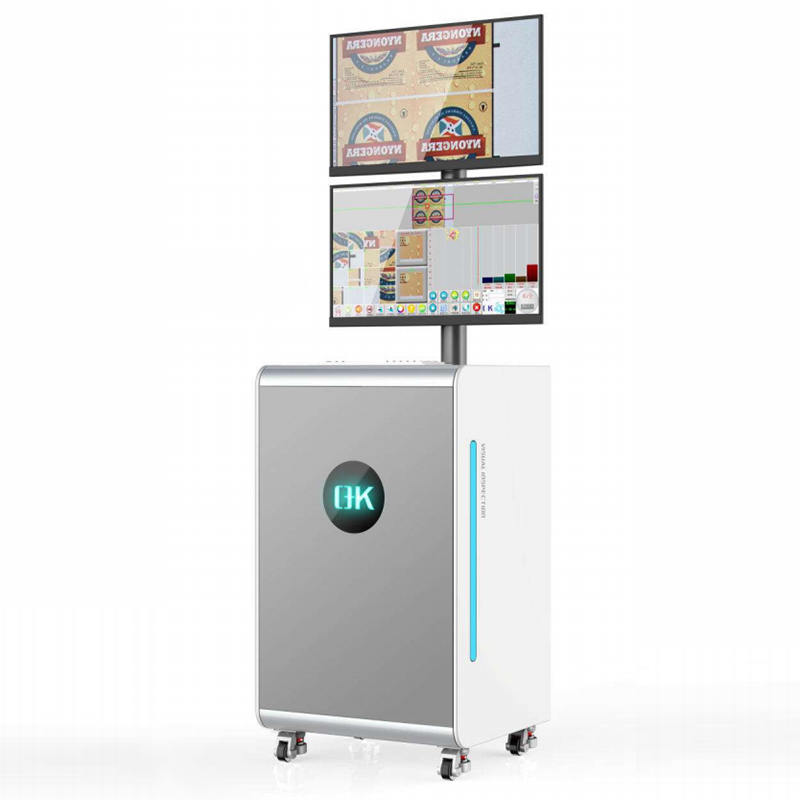
Understanding Printing Inspection Systems
Key Components of Printing Inspection Systems
Optical Inspection: This involves using cameras and sensors to capture images of the printed material and analyze them for defects like color variations, misalignment, or missing elements.
Image Analysis: Advanced algorithms are used to process and analyze captured images, identifying patterns, defects, and comparing them to predefined standards.
Sensor-Based Measurements: Sensors can measure various properties of the printed material, such as thickness, density, or surface texture, to detect inconsistencies.
Benefits of Printing Inspection Systems
Improved Quality: By identifying and correcting defects early in the production process, printing inspection systems help ensure higher-quality printed materials.
Increased Efficiency: Automated printing quality inspection systems can significantly reduce manual inspection time and improve overall production efficiency.
Reduced Costs: By preventing defects from reaching the end customer, printing inspection systems can help reduce waste and rework costs.
Enhanced Compliance: Many industries have strict quality standards and regulations. Printing inspection systems can help ensure compliance with these requirements.

Applications of Printing Inspection Systems
Packaging Industry: Inspecting labels, cartons, and other packaging materials for defects like color variations, misalignment, and missing information.
Pharmaceutical Industry: Verifying the accuracy of dosage information, expiration dates, and batch numbers on pharmaceutical packaging.
Textile Industry: Inspecting fabrics for defects such as color bleeding, misalignment, and incomplete prints.
Security Printing: Ensuring the authenticity of security documents like banknotes, passports, and ID cards.
Food and Beverage Industry: Verifying the accuracy of labels, expiration dates, and other information on food and beverage packaging.
Specific Industrial Challenges in Implementing Printing Inspection Systems
1. Packaging Industry: Ensuring Consistency and Precision
High-Speed Production: Advanced inspection systems utilizing machine learning and AI can adapt to high-speed production lines.
Varied Substrates: Multi-sensor technology can ensure consistent inspection across different packaging materials.
Complex Designs: AI-powered inspection systems can accurately detect defects in intricate designs.
2. Pharmaceutical Industry: Regulatory Compliance and Traceability
Regulatory Compliance: High-resolution cameras and OCR technology can help meet strict regulatory requirements.
Counterfeiting: Blockchain integration can enhance traceability and combat counterfeiting.
Small Print and High Contrast: Advanced inspection systems can accurately read and verify small print and high-contrast elements.
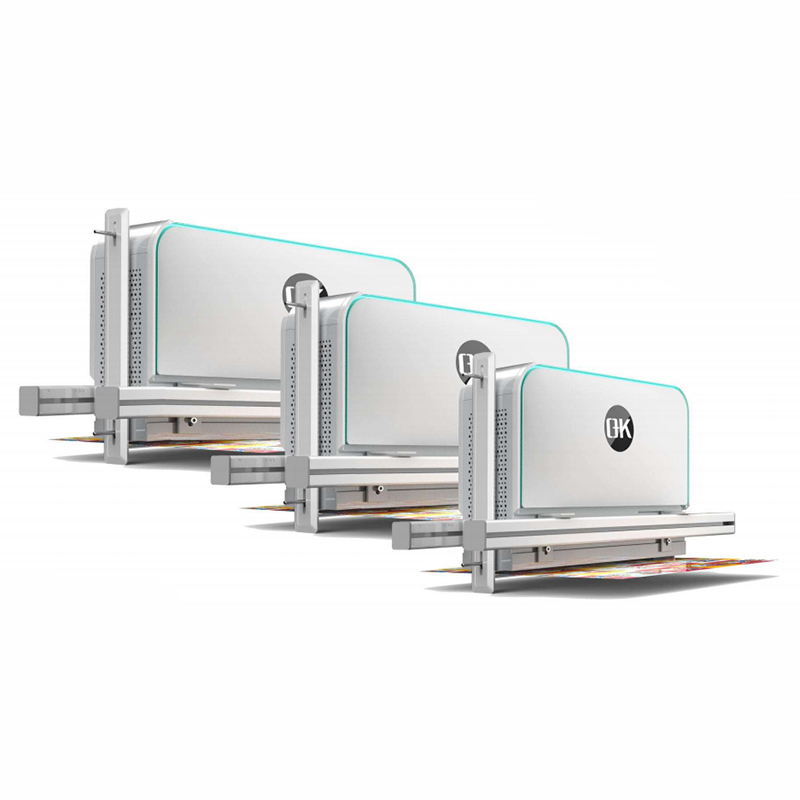
3. Textile Industry: Handling Variability in Fabric Printing
Fabric Variability: Adaptive lighting solutions and pattern recognition capabilities can address challenges posed by varying fabric materials.
Large Print Areas: High-resolution vision systems can scan large surfaces without missing details.
Complex Patterns: Advanced pattern recognition algorithms can distinguish between design elements and defects.
4. Security Printing Industry: Safeguarding Against Fraud
Anti-Counterfeiting Measures: Multi-layer inspection systems can verify holograms, microtext, and UV-sensitive inks.
Complex and Diverse Features: AI-driven pattern recognition can improve the accuracy of inspections.
Strict Compliance Standards: Advanced 100% printing inspection systems can meet high accuracy and reliability standards.
5. Food and Beverage Industry: Hygiene and Safety Concerns
Hygiene Standards: Non-contact inspection methods can maintain hygiene in food and beverage production.
Shelf-Life Information: High-speed vision systems can ensure accurate printing of expiration dates and batch numbers.
Flexible Packaging: Advanced inspection systems can handle the challenges of inspecting flexible packaging materials.
By addressing these industry-specific challenges, businesses can ensure the quality, consistency, and safety of their printed products, meeting the demands of their respective industries.
In today's manufacturing landscape, where precision and efficiency are paramount, advanced control strategies have become indispensable for web guiding systems. These systems are crucial for maintaining the lateral alignment of materials as they move through production processes, preventing defects such as wrinkles, misalignment, and waste. Traditional methods, while effective in some scenarios, often struggle to maintain stability, particularly in high-speed applications or when dealing with varying material properties.

The Role of Advanced Control
Advanced control strategies offer a solution to these challenges by providing more sophisticated approaches to maintaining web alignment. These strategies can adapt to dynamic conditions, handle complex processes, and ensure optimal performance even in demanding environments.
Key Advanced Control Techniques
Model Predictive Control (MPC): MPC uses a mathematical model of the system to predict future behavior and optimize control actions. By anticipating potential deviations, MPC can proactively adjust the web guide to maintain alignment.
Adaptive Control: This method allows the control system to adjust its parameters in real-time based on the current conditions, making it ideal for handling materials with varying properties or changing process conditions.
Fuzzy Logic Control: Fuzzy logic control uses a set of rules to make decisions, providing flexibility and robustness in handling uncertainties and nonlinearities.
Neural Network-Based Control: Neural networks can learn from data and adapt to complex patterns, offering a powerful approach to predicting and controlling web alignment.
Hybrid Control: Combining multiple control strategies can leverage the strengths of each, providing a comprehensive solution for challenging applications.
Benefits of Advanced Control
Improved Stability: Advanced control strategies can maintain stable web alignment even under varying conditions, reducing defects and increasing product quality.
Enhanced Efficiency: By optimizing control actions, these strategies can improve process efficiency and reduce waste.
Increased Flexibility: Advanced control systems can adapt to changing process requirements, making them versatile and suitable for a wide range of applications.

Conclusion
As the demand for higher quality products and more efficient processes continues to grow, advanced control strategies are becoming increasingly essential for web guiding systems. By leveraging these techniques, manufacturers can optimize their operations, reduce costs, and deliver products that meet the highest standards of quality.
In the fast-paced world of high-speed printing, maintaining consistent print quality is crucial. Even minor defects can result in substantial waste, rework, and dissatisfied customers. To address these challenges, quality inspection systems have become indispensable, especially in high-speed printing environments, where ensuring each print meets stringent standards is essential.
These print quality inspection systems leverage cutting-edge technology to monitor and control various printing parameters in real-time, significantly reducing errors and enhancing overall efficiency. Let’s explore the features of these systems that make them so effective.
1. High-Speed Image Capture and Processing
Ultra-fast Cameras: These systems are equipped with high-resolution cameras capable of capturing images at very high speeds. They can inspect every print in real-time without interrupting the production flow.
Image Processing Algorithms: Advanced algorithms analyze captured images instantly to detect defects such as smudges, misalignments, or color inconsistencies with high precision.
2. Real-Time Defect Detection and Correction
Immediate Identification: The system quickly identifies defects as they occur, allowing for immediate corrective actions, such as adjusting print settings or stopping the press to avoid further errors.
Automated Responses: When a defect is detected, the system automatically corrects the issue—whether it’s adjusting color balance, repositioning the print, or rerouting the print for rework.
3. Color Consistency Control
Spectrophotometry: Integrated spectral sensors monitor color accuracy throughout print runs to ensure that colors remain consistent, which is critical for brand integrity.
Automatic Calibration: The system can adjust ink levels, tone, and other parameters in real-time, correcting any deviations from the desired color profile.
4. Registration and Alignment Monitoring
Precision Registration: Constant monitoring ensures different print layers are perfectly aligned, preventing defects such as ghosting and misalignment.
Real-Time Adjustments: Any detected misalignments are corrected immediately to maintain high-quality print production standards.
5. Automated Workflow Integration
Seamless Integration: These systems can easily integrate into existing workflows, automating tasks like defect logging, sample inspection, and report generation, thus reducing manual intervention.
Centralized Control: Operators can manage the entire process from a centralized interface, streamlining complex production lines.
6. Data Logging and Traceability
Comprehensive Data Capture: Detailed data on every inspection—including defects, corrective actions, and overall print quality—are logged, aiding in quality assurance and process optimization.
Traceability: Each print is traceable, making it easier to pinpoint the source of defects and take corrective action.
7. User-Friendly Interface
Intuitive Design: These systems have user-friendly interfaces that allow operators to easily set inspection parameters, view real-time data, and generate reports.
Customizable Alerts: Operators can set alerts for specific defect types, ensuring quick responses when potential issues arise.
8. Enhanced Safety and Reliability
Fail-Safe Mechanisms: Built-in fail-safes ensure that systems operate safely, minimizing the risk of damage to equipment or products.
Operator Alerts: Immediate notifications are sent to operators when critical defects or system malfunctions occur, helping prevent downtime.
9. Scalability and Flexibility
Modular Design: These systems can be scaled to meet the demands of different printing environments, from small-scale operations to large high-speed production lines.
Customizable Features: Systems can be tailored to specific printing needs, whether for packaging, textiles, or high-volume publishing.
10. Predictive Maintenance and Diagnostics
Condition Monitoring: The system continuously monitors its components to predict when maintenance is needed, reducing the risk of unexpected breakdowns.
Self-Diagnostics: Built-in diagnostics identify potential issues early, ensuring reliable and consistent operation while minimizing maintenance costs.
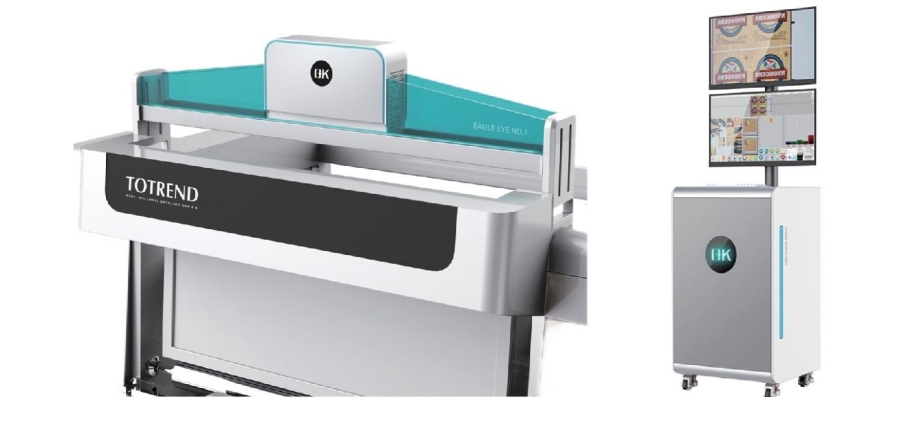
Why Choose Arise Quality Inspection System for High-Speed Printing
The Arise Quality Inspection System is specifically designed to meet the rigorous demands of high-speed printing environments. Offering superior precision and efficiency, it stands out as the ideal solution for ensuring consistent print quality.
Key Advantages of Arise Printing Quality Inspection Systems
Real-Time Monitoring: Arise systems monitor printing quality in real-time, quickly detecting defects or inconsistencies, which helps in maintaining high print quality and reducing waste.
Advanced Imaging Technology: Using high-resolution cameras and sophisticated imaging algorithms, Arise systems detect even the smallest defects, such as color inconsistencies, registration errors, and surface imperfections.
Automation: With automated features, Arise systems minimize the need for manual inspection, improving efficiency and reducing human error.
Seamless Integration: Arise systems can easily integrate with existing printing equipment and workflows, reducing the need for major changes in your setup.
Data Analysis: Detailed reports and analytics are provided on print quality, allowing for trend identification and continuous improvement.
Customizable Settings: The system can be customized to meet specific printing quality standards, ensuring a tailored fit for your production processes.
Durability: Built to withstand the high demands of fast-paced printing environments, Arise systems are designed for long-term reliability.
Customer Support: Arise provides exceptional customer support, offering training and technical assistance to ensure smooth operation.
In conclusion, the Arise Quality Inspection System offers high-speed printing operations the tools necessary for maintaining top-tier print quality, maximizing efficiency, and minimizing waste. Its real-time monitoring, advanced imaging, and integration capabilities provide a comprehensive solution that enhances both productivity and product quality.
In today's diverse manufacturing landscape, the ability to process various materials with precision and efficiency is paramount. Multi-material processing presents unique challenges in tension control due to the varying properties and behaviors of different materials. Effective tension control systems are crucial to ensuring high-quality products and optimizing production processes.
Key Challenges in Multi-Material Tension Control
Diverse Material Properties: Each material has distinct characteristics, including tensile strength, elasticity, and thickness, that influence its behavior during processing.
Variable Processing Conditions: Factors like speed, temperature, and humidity can significantly affect material properties and require adjustments to tension control.
Complex Machine Setup: Handling multiple materials on a single production line demands intricate machine configurations and calibration.
Real-Time Monitoring and Adjustment: Accurate and timely adjustments are essential for maintaining consistent tension.
Quality Assurance: Ensuring defect-free and uniform products is crucial in multi-material processing.
Operator Expertise: Skilled operators are needed to manage complex tension control systems effectively.

Advancements in Tension Control Systems
To address these challenges, manufacturers are turning to innovative tension control technologies:
Adaptive Control Algorithms: These advanced tension control algorithms use machine learning to dynamically adjust tension settings based on real-time data.
Multi-Sensor Integration: Combining various sensors (e.g., load cells, ultrasonic sensors, laser sensors) provides comprehensive material monitoring.
Intelligent Feedback Systems: These systems use sensor data to make real-time adjustments and ensure consistent tension.
Modular Design: Modular systems offer flexibility and scalability to accommodate different materials and processing needs.
Digital Twin Technology: Creating virtual replicas of physical systems enables simulation, optimization, and predictive analytics.
Predictive Maintenance: Using data analytics to predict maintenance needs and minimize downtime.
Benefits of Advanced Tension Control
Improved Quality: Consistent tension ensures product uniformity and reduces defects.
Increased Efficiency: Automated adjustments and predictive maintenance minimize downtime.
Enhanced Flexibility: Modular systems allow for easy adaptation to different materials and processes.
Cost Savings: Reduced waste and improved efficiency can lead to significant cost savings.
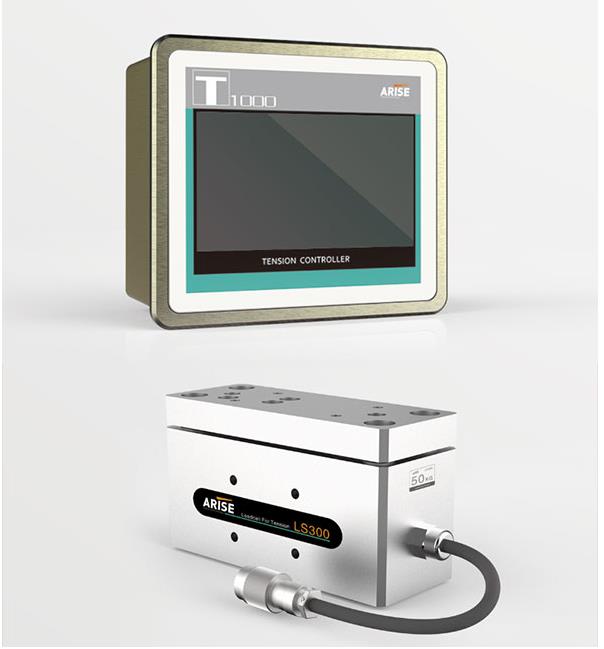
As manufacturing continues to evolve, advanced tension control systems will play a vital role in enabling efficient, high-quality production of diverse materials. By addressing the challenges and leveraging innovative technologies, manufacturers can stay competitive and meet the demands of the modern market.