
Web guide systems are critical components in industries that rely on precise handling of materials such as paper, textiles, films, and metals. These systems ensure the accurate alignment of material as it moves through production lines, preventing wastage, reducing downtime, and enhancing overall process efficiency. This article explores the role of web guide systems in promoting cost-effectiveness across various industries.

Web Guide Systems for Cost-Effectiveness in Various Industries
Web guide systems are critical components in industries that rely on precise handling of materials such as paper, textiles, films, and metals. These systems ensure the accurate alignment of material as it moves through production lines, preventing wastage, reducing downtime, and enhancing overall process efficiency. This article explores the role of web guide systems in promoting cost-effectiveness across various industries.
The Basics of Web Guide Systems
Web guide systems are designed to detect and correct deviations in the material's position during production. They use sensors, actuators, and controllers to maintain alignment, ensuring that the material stays within designated tolerances. The primary components include:
Sensors: Detect material edges or printed lines.
Actuators: Adjust material positioning in real-time.
Control Units: Manage feedback loops for precise alignment.

Key Features Enhancing Cost-Effectiveness
Waste Reduction:
By maintaining alignment, web guide systems reduce material waste caused by misalignment.
Fewer defects lead to significant savings in raw material costs.
Enhanced Productivity:
Minimizing downtime caused by manual adjustments.
Faster production speeds without sacrificing quality.
Extended Equipment Lifespan:
Reducing strain on machinery components by preventing unnecessary tension and stress.
Lower maintenance and repair costs.
Energy Efficiency:
Advanced systems operate with minimal energy requirements, contributing to overall cost savings.
Applications Across Industries
Printing Industry:
Ensures precise alignment of printed material, avoiding defects such as color misregistration.
Helps in meeting high-quality standards while minimizing rework.
Packaging Industry:
Essential for ensuring the correct alignment of flexible films and laminates.
Reduces packaging material waste and improves the efficiency of sealing processes.
Textile Industry:
Maintains consistent alignment of fabric rolls, ensuring uniform patterns and reducing defects.
Supports high-speed looms without compromising on precision.
Metal Processing Industry:
Helps in the alignment of metal sheets or foils in high-temperature processes.
Reduces scrap rates and ensures consistency in final product dimensions.
Technological Advancements Driving Cost-Effectiveness
Modern web guiding systems are equipped with advanced technologies such as:
Optical and Ultrasonic Sensors:
Provide highly accurate edge detection for diverse material types.
Automatic Calibration:
Simplifies setup, reducing labor costs and errors.
Integration with IoT and Industry 4.0:
Real-time monitoring and predictive maintenance capabilities.
Allows data-driven decision-making for enhanced operational efficiency.
Multi-Lane Systems:
Capable of handling multiple web materials simultaneously, further optimizing production.

Challenges and Solutions
High Initial Investment:
While the upfront cost can be significant, the long-term savings in material, labor, and downtime often justify the expense.
Customization Needs:
Industries with unique materials or production requirements may face challenges in finding suitable systems. Collaborating with manufacturers for tailored solutions ensures compatibility and maximizes ROI.
Summary
Web guide systems are indispensable for industries aiming to improve efficiency and reduce costs. Their ability to maintain precision, minimize waste, and enhance productivity makes them a cornerstone of cost-effective operations. As technology continues to evolve, the integration of smart systems and advanced sensors will further amplify their value, ensuring they remain a vital tool for modern industrial processes.
Investing in the right web guide system tailored to specific industry needs is not just a cost-saving measure—it is a strategic move toward achieving sustainable and efficient production.
Tension control is an essential aspect of numerous industrial processes, from paper and film manufacturing to metal processing and textiles. Precise tension management is crucial for maintaining product quality, ensuring safety, and optimizing productivity. However, achieving reliable tension control poses significant challenges across different sectors due to unique operational and material considerations. This article explores the primary challenges faced in tension control across industries and discusses possible solutions.
Understanding Tension Control
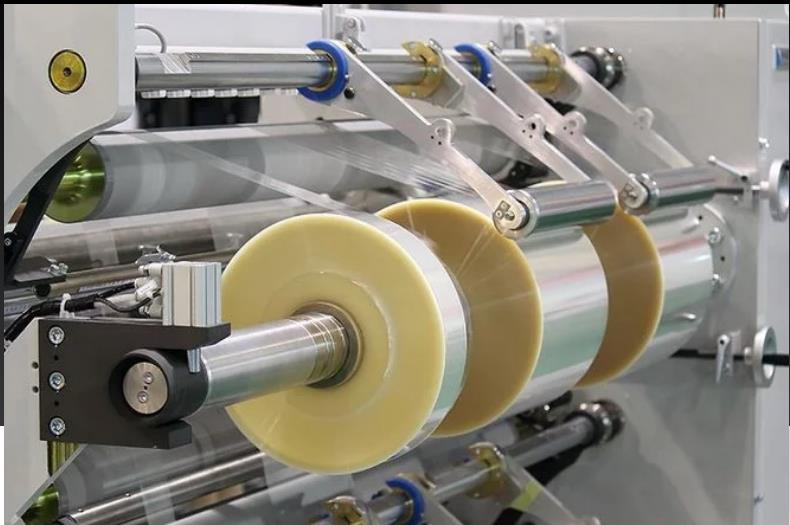
Tension control refers to the regulation of force exerted on materials as they move through production machinery. Whether dealing with flexible materials such as paper and plastic film or more rigid substrates like metals, effective tension control prevents issues such as stretching, tearing, or inconsistent thickness. Variations in tension can lead to defects, equipment damage, or product waste.
Common Industries Requiring Tension Control
Printing Industry: Consistent tension ensures high-quality print registration and prevents substrate misalignment.
Textile Industry: Tension variations can cause weaving and dyeing defects, impacting fabric quality.
Metals Industry: Metal processing, including rolling and slitting, requires precise tension management to maintain uniform thickness and prevent breakage.
Packaging Industry: Ensuring tension control during film unwinding and rewinding processes is crucial to avoid film stretching or wrinkles.
Key Challenges in Tension Control
Each industry faces its own set of challenges when it comes to tension management. Here are some common issues:
Material Variability: The physical properties of materials can vary, even within the same batch. This variability poses a challenge in maintaining consistent tension. For instance, some materials may stretch more than others, leading to adjustments during processing.
High-Speed Production: With modern machinery capable of operating at extremely high speeds, maintaining consistent tension becomes more complex. High-speed operations increase the risk of inertia effects, leading to rapid tension fluctuations that are difficult to control.
Environmental Factors: Changes in temperature and humidity can affect the elasticity and behavior of materials, impacting tension control. For example, textile and paper industries often face difficulties in controlling tension when production conditions are not adequately regulated.
Equipment Limitations: Outdated or improperly calibrated equipment can result in tension inconsistencies. Mechanical components such as rollers and sensors may wear out or malfunction over time, leading to less precise tension management.
Transition Phases: Tension control is particularly challenging during processes such as splicing or roll changes. The transition between rolls often results in temporary tension loss or gain, which can affect product uniformity.
Operator Skills: Effective tension management requires skilled operators who understand how to adjust and troubleshoot control systems. A lack of training or experience can lead to poor tension regulation and increased downtime.
Strategies for Improving Tension Control
Addressing these challenges requires a multifaceted approach. Here are some strategies that industries can employ to enhance tension control:

Advanced Automation and Control Systems: Integrating digital and automated control systems helps monitor and adjust tension in real-time. Technologies such as automatic tension controllers and load cells provide more precise and responsive management compared to manual adjustments.
Material-Specific Solutions: Customizing tension control solutions based on material properties can help maintain consistency. For example, adjusting the tension settings based on the elasticity of specific batches can minimize variations.
Maintenance and Calibration: Regular maintenance and calibration of equipment ensure that all components function correctly, reducing the likelihood of tension inconsistencies. Scheduled checks for wear and tear, as well as updates to control software, contribute to reliable performance.
Operator Training: Providing comprehensive training programs for operators can significantly improve tension control outcomes. Skilled operators are better equipped to recognize and address tension-related issues promptly.
Environmental Control: Implementing climate control systems in production facilities can mitigate the impact of temperature and humidity on materials. This is especially beneficial in industries sensitive to environmental fluctuations, such as textiles and paper.
Feedback Systems: Real-time feedback mechanisms that monitor tension and adjust operations as needed can enhance accuracy. Closed-loop systems that use data from tension sensors to automatically modify roller speeds or apply braking forces ensure consistent tension throughout the process.
Case Study: The Printing Industry
In the printing industry, maintaining tension is critical for precise print alignment. Variations in tension can lead to misregistration, resulting in poor print quality and increased waste. High-speed web presses often encounter challenges due to rapid acceleration and deceleration, which impact tension stability. To counter this, many printing facilities have adopted servo-driven systems and digital tension controllers, which help maintain uniform tension even at varying speeds.

Conclusion
Tension control is a complex yet essential part of many industrial processes. While challenges such as material variability, high-speed operations, and environmental changes pose difficulties, advancements in automation, regular maintenance, and skilled operators can significantly improve tension regulation. By adopting modern control technologies and tailored solutions, industries can enhance product quality, reduce waste, and maintain operational efficiency.
Effective tension control requires ongoing innovation and strategic implementation to meet the demands of various industries. By addressing these challenges, businesses can ensure consistent product quality and improved productivity across the board.
Printing inspection systems have become an indispensable part of quality control in the printing industry. As technology has evolved, printing quality inspection systems are now capable of handling a diverse range of materials with precision and consistency. This capability is crucial as different materials present unique challenges that can impact print quality, durability, and overall product reliability. This article explores the types of materials that benefit from advanced printing inspection systems and how these systems contribute to effective quality management.

Challenges in Handling Various Printing Materials
The printing industry uses a wide array of substrates, such as paper, cardboard, plastic films, metals, textiles, and glass. Each material has specific properties that influence the printing process:
Paper and Cardboard: Commonly used but present challenges related to texture, thickness variations, and absorbency that can lead to uneven print.
Plastic Films: Flexible and non-absorbent, requiring special techniques for ink adhesion and drying, and are prone to distortions during printing.
Metals: Often used for packaging, these surfaces require inspection for consistency due to their reflective nature and hardness.
Textiles: The porous and flexible nature of textiles makes maintaining color accuracy and edge definition more difficult.
Glass: Smooth and reflective, glass surfaces need precise control to ensure that printing adheres properly without smudging or fading.
The Role of Printing Inspection Systems
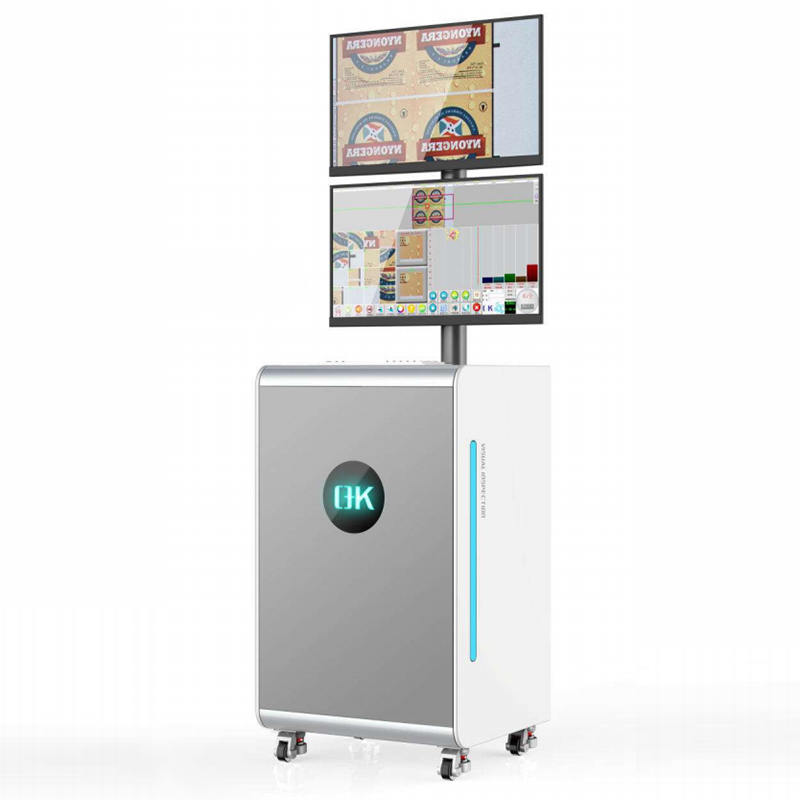
Printing inspection systems utilize a combination of sensors, cameras, and advanced software algorithms to detect issues in real-time. These systems are designed to adapt to different materials and can detect defects such as smudges, misalignments, color deviations, and missing elements. The main components include:
High-resolution Cameras: Capable of capturing minute details across a range of materials with varying levels of reflectivity and texture.
Multi-spectral Imaging: Useful for inspecting materials that might not be visible under normal lighting conditions, ensuring defects are detected on non-uniform surfaces.
Artificial Intelligence (AI) and Machine Learning: Enhance the system’s ability to learn from past data, allowing it to detect new or previously unseen defects.
How Inspection Systems Cater to Different Materials
Printing inspection systems are tailored to handle the unique properties of each material:
For Paper and Cardboard: These systems monitor color consistency, alignment, and print density. High-speed cameras ensure that even the slightest variations are identified.
For Plastic Films: Advanced image processing algorithms identify distortions or stretches in the film, while specialized lighting setups reduce glare and enhance defect visibility.
For Metal Surfaces: Reflective surfaces are inspected using anti-reflection techniques and angled lighting to detect issues like scratches, missing print areas, or smudges.
For Textiles: Inspection systems use adaptive imaging that accounts for the movement and stretch of fabric to spot irregularities in print distribution and color.
For Glass: Printing inspection systems with adaptive lighting and high-resolution imaging capture fine details to ensure print adhesion and prevent fading or inconsistencies.
Benefits of Using Advanced Inspection Systems
The advantages of deploying printing inspection systems include:
Enhanced Product Quality: Ensuring each product meets exact standards improves customer satisfaction and reduces the likelihood of returns or complaints.
Reduced Waste: Early detection of defects allows manufacturers to correct problems quickly, minimizing material waste and lowering costs.
Increased Productivity: Automated systems work continuously and at high speeds, allowing businesses to maintain fast production rates without sacrificing quality.
Versatility: The ability to inspect a wide range of materials means that businesses can expand their product lines without needing separate inspection equipment.

Case Studies and Industry Applications
Packaging Industry: Companies that print on multi-material packaging, such as snack wrappers and boxes, rely on 100% print inspection systems to check for perfect registration and color matching.
Textile Printing: Apparel manufacturers use these systems to maintain high standards for fabric prints, ensuring that designs are consistent across large batches.
Label Printing for Pharmaceuticals: Ensuring that labels on bottles and boxes are accurate and legible is critical for compliance and safety. Printing inspection systems help maintain these high standards.
In summary, printing inspection systems are a vital tool for handling different materials effectively. With advancements in imaging technology, AI, and adaptable configurations, these systems have the versatility to meet the stringent demands of modern printing across a variety of substrates. As industries continue to diversify their product offerings and integrate new materials, the role of reliable and precise inspection systems will only grow in importance, safeguarding quality and supporting innovation.
Custom in-line measurement solutions are essential for maintaining high-quality standards in industrial processes by providing real-time data and enabling immediate adjustments. These solutions are tailored to specific applications and industries, ensuring precision, efficiency, and adherence to strict requirements. Here’s an overview of custom in-line measurement solutions and their benefits.

What Are Custom In-line Measurement Solutions?
In-line measurement system solutions are integrated directly into production lines to monitor and measure critical parameters of products or processes without halting operations. Custom solutions are specifically designed to meet the unique requirements of different industries and applications, such as manufacturing, pharmaceuticals, food processing, and automotive production.
Key Features of Custom In-line Measurement Solutions:
Real-Time Monitoring:
These systems provide continuous, live feedback, which allows for immediate detection of deviations and facilitates quick corrective actions to maintain quality.
Tailored Design:
Custom solutions are built to address specific measurement challenges, such as complex geometries, high speeds, or variable environmental conditions, ensuring that they meet the exact needs of the process.
High Accuracy and Precision:
In-line systems are designed to deliver precise measurements with minimal error margins, crucial for maintaining product quality and consistency.
Data Integration:
Modern in-line solutions often come with the capability to integrate with data systems, including Industrial Internet of Things (IIoT) platforms, facilitating advanced data analysis and predictive maintenance.
Scalability:
Custom solutions can be scaled to suit production volumes, whether for small-scale custom manufacturing or large-scale continuous production.

Applications of Custom In-line Measurement Solutions:
Automotive Industry:
Used for measuring dimensions and tolerances of parts such as gears, engine components, and chassis elements to ensure they meet stringent specifications.
Pharmaceutical and Food Processing:
In-line measurement ensures proper dosage, correct packaging weights, and compliance with safety regulations by measuring parameters such as volume, weight, and composition.
Electronics Manufacturing:
Custom measurement solutions help ensure the accuracy of complex components like circuit boards, connectors, and microchips.
Metal and Material Processing:
In-line measurement tools are used to monitor the thickness and surface quality of sheets and coils, ensuring they meet the required specifications for downstream processes.
Types of Custom In-line Measurement Technologies:
Laser and Optical Sensors:
Used for non-contact measurements such as dimensions, surface roughness, and shape profiling. Ideal for high-speed production lines due to their rapid response times.
X-ray and Radiographic Systems:
Provide in-depth, non-destructive measurement of internal structures and are used in industries where internal integrity is vital, such as aerospace and automotive.
Ultrasonic Testing:
Employed for thickness measurements and defect detection in various materials, especially metals and composites.
Infrared and Spectroscopic Sensors:
Used for analyzing material composition, moisture content, and other chemical properties, particularly in food and pharmaceutical manufacturing.
Benefits of Implementing Custom In-line Measurement Solutions:
Enhanced Product Quality:
Continuous monitoring helps identify defects early and ensures that only products meeting quality standards reach the market.
Increased Efficiency:
Automation and real-time feedback reduce downtime associated with manual inspections, leading to higher throughput.
Cost Savings:
Early detection of potential issues prevents waste and reduces costs associated with rework or scrapping defective products.
Regulatory Compliance:
Ensures products meet industry regulations and standards, which is essential in sectors like pharmaceuticals and food processing.
Improved Process Control:
Enables operators to make data-driven decisions for process optimization, leading to better overall system performance.

Considerations for Choosing Custom Solutions:
Integration with Existing Systems: Solutions should be compatible with current production line setups and data infrastructure.
Scalability and Flexibility: The system should be adaptable for potential future process changes or expansions.
Environmental Challenges: Consider factors like temperature, dust, or vibrations that could affect measurement accuracy and system performance.
Maintenance and Support: Reliable service and maintenance support should be available to ensure minimal disruptions to operations.
Web guide systems are essential in a variety of industries for ensuring precise alignment of materials during processing. These systems are critical in manufacturing environments that deal with web-based materials such as paper, film, textiles, and other flexible substrates. While large-scale enterprises have long benefited from advanced web guiding technologies, small enterprises are increasingly exploring these systems to improve their operational efficiency and product quality. This article delves into the benefits of web guide systems for small enterprises, and tips for selecting the right system.

What Are Web Guide Systems
A web guiding system is an automated system used in the manufacturing process to maintain the alignment of a moving web (a continuous sheet of material) as it travels through different stages of production. By ensuring that the material remains centered or follows a specific path, web guide systems help prevent defects, reduce waste, and improve production efficiency.
These systems typically consist of:
Sensors: Used to detect the position of the material and provide feedback.
Actuators: Adjust the material’s position based on the sensor feedback.
Control Units: Manage the communication between sensors and actuators to maintain consistent alignment.
Benefits of Web Guide Systems for Small Enterprises
Increased Product Quality: Web misalignment can lead to material defects such as uneven cuts, wrinkles, or misprints. Web guide systems ensure consistent alignment, minimizing these issues and enhancing the overall quality of the finished product.
Reduction in Waste: Inaccuracies in material alignment often result in wasted material and production downtimes due to rework. By maintaining precise control over the web, small enterprises can reduce material loss and improve cost efficiency.
Enhanced Productivity: Automation in web guiding means fewer manual adjustments, leading to faster and smoother production runs. This increased efficiency allows smaller operations to boost their output without hiring additional labor.
Cost Savings: While implementing a web guide system requires an initial investment, the long-term savings from reduced waste and improved productivity make it a cost-effective solution for small businesses.
Versatility: Modern web guide system equipment are adaptable to different types of materials and processes, allowing small enterprises to diversify their production capabilities without needing multiple specialized systems.

Types of Web Guide Systems Suitable for Small Enterprises
Edge Guiding Systems: Ideal for materials that need to maintain their position relative to one edge. These systems use sensors to detect the edge of the material and adjust its position accordingly.
Center Guiding Systems: Suitable for maintaining the center alignment of the web. This type of system is often used when precise centering is crucial, such as in printing applications.
Line and Pattern Guiding Systems: These systems are designed for applications where the material has printed lines or patterns that must remain in alignment during processing. They are especially useful for industries like packaging or textiles.
Key Considerations for Small Enterprises
Budget: Cost is a significant factor for small businesses. It’s important to find a system that offers a good balance between affordability and functionality. Consider entry-level or mid-range systems that still offer the essential features without excessive costs.
Ease of Integration: Choose a system that can be easily integrated into existing production lines without major overhauls. Compatibility with current equipment and user-friendly interfaces can help minimize training and setup time.
Maintenance and Support: Select a provider that offers reliable customer support and maintenance services. A well-maintained system will ensure consistent performance and longevity.
Scalability: Small enterprises should look for systems that can scale up as their business grows. Modular designs or systems with upgrade options allow for future expansions without needing a complete replacement.
Best Practices for Implementing Web Guide Systems
Conduct a Needs Assessment: Understand the specific requirements of your production process, including the types of materials used, production speed, and the level of precision needed.
Employee Training: Ensure that operators and maintenance staff are adequately trained to use the new system. Proper training helps maximize the system’s benefits and reduces potential downtime due to errors.
Regular Calibration: Schedule periodic calibrations and maintenance checks to keep the system running efficiently and accurately.
Feedback Loop: Implement a feedback system where operators can report on the performance of the web guide system. This can help in identifying areas for improvement or catching issues early.
In summary, investing in a web guide system can provide small enterprises with a competitive edge by boosting production quality, reducing waste, and enhancing overall operational efficiency. By choosing the right system that fits their budget and needs, small businesses can streamline their manufacturing processes and set the stage for future growth.