
Maintaining precise web tension is critical in industries that involve continuous processing of materials like paper, film, textiles, or metals. Web tension control directly influences product quality, material waste, and operational efficiency. Web guide systems play an integral role in achieving optimal web tension control, offering precise adjustments that ensure smooth and error-free material handling. This article delves into the principles, benefits, and innovations associated with optimizing web tension control using web guide systems.

The Importance of Web Tension Control
Web tension refers to the longitudinal force applied to a material as it moves through a production process. Fluctuations in tension can lead to defects such as wrinkles, breaks, misalignment, or slack. Proper tension control ensures:
Uniform material quality: Eliminating variations in the process.
Minimized waste: Reducing the likelihood of damage or rework.
Increased productivity: Ensuring consistent machine speeds and minimizing downtime.
Longer equipment lifespan: Preventing undue stress on machinery components.
How Web Guide Systems Enhance Tension Control
Web guide systems are designed to correct misalignment and maintain consistent lateral positioning of materials. These systems typically include sensors, actuators, and controllers that work in harmony to optimize tension control. Here's how they contribute:
Real-time adjustments: Advanced sensors detect deviations from the ideal position, enabling immediate corrective actions.
Improved alignment: Automatic tracking and steering mechanisms keep the web on its intended path, reducing strain.
Customizable control: Operators can set parameters tailored to specific materials and production requirements.
Key Components of Web Guide Systems
The effectiveness of web guide systems lies in their sophisticated design, which includes:
Sensors: Detect edge, line, or contrast changes in the material. Common web guide senso rtypes include ultrasonic, infrared, and optical sensors.
Actuators: Mechanical devices that adjust the web's position based on sensor feedback.
Control units: Process data from the sensors and issue commands to the actuators for precise alignment.
Guiding mechanisms: Rollers or guiding elements that physically redirect the material.

Innovations in Web Guide Systems
Modern web guide systems incorporate advanced technologies to achieve unparalleled precision and efficiency. Some of the notable innovations include:
Closed-loop feedback systems: Continuously monitor and adjust tension to maintain optimal performance.
Integration with IoT: Enabling remote monitoring and predictive maintenance to minimize downtime.
AI-powered adjustments: Algorithms that adapt to changing material properties or production speeds.
High-speed response mechanisms: Ensuring seamless adjustments in fast-paced production environments.
Best Practices for Optimizing Web Tension Control
To fully leverage the benefits of web guide systems, consider the following practices:
Routine calibration: Regularly inspect and calibrate sensors and actuators for accurate operation.
Material-specific settings: Adjust parameters to match the physical properties of the material being processed.
Preventive maintenance: Keep components clean and free of debris to avoid malfunctions.
Operator training: Equip staff with the knowledge to effectively manage and troubleshoot the system.
Data analysis: Use system-generated data to identify and resolve recurring tension issues.
Applications of Web Guide Systems
Web guide systems are indispensable in various industries, including:
Printing: Ensuring precise registration and alignment for high-quality output.
Packaging: Maintaining uniform tension for consistent sealing and cutting.
Textiles: Preventing fabric deformation during processing.
Metal and foil production: Ensuring smooth handling of thin, delicate materials.
Conclusion
Optimizing web tension control is a critical factor in enhancing operational efficiency and product quality. By integrating advanced web guide systems, manufacturers can achieve greater accuracy, reduce waste, and minimize downtime. As technology continues to evolve, innovations in web guide systems will further streamline industrial processes, providing unmatched reliability and performance. Investing in these systems not only resolves current tension control challenges but also future-proofs operations for years to come.
In industries reliant on continuous web processing, such as printing, packaging, textiles, and converting, maintaining precise alignment of the web (a thin, flexible material) is critical. Misalignment at high speeds can lead to defects, wasted materials, and downtime, impacting both productivity and cost-effectiveness. Automated alignment systems for high-speed web guiding address these challenges, offering unprecedented precision, reliability, and efficiency. This article delves into the technology, benefits, applications, and innovations in automated alignment systems for high-speed web guiding.

The Need for Automated Alignment in High-Speed Web Guiding
High-speed web guiding system involves guiding and aligning continuous materials like paper, film, or fabric as they move through production processes. Precise alignment is essential to ensure uniform quality and prevent issues such as wrinkling, tearing, or edge irregularities.
Challenges in Manual Alignment
Human Error: Manual adjustments are prone to inaccuracies, especially at high speeds.
Inconsistent Results: Variability in operator skill levels can lead to inconsistent web alignment.
Time-Consuming: Manual interventions require production stoppages, affecting efficiency.
Demand for Higher Throughput
Modern production lines operate at significantly higher speeds, often exceeding hundreds of meters per minute. Manual methods cannot keep up with the alignment precision required at these velocities.
Tight Quality Standards
Industries face increasing pressure to meet stringent quality and sustainability standards, necessitating precise, automated web guiding solutions.
How Automated Alignment Systems Work
Automated alignment systems use advanced sensing, control, and actuation technologies to maintain precise web alignment in real-time. These systems typically consist of:
Sensors
Sensors such as optical, ultrasonic, or infrared devices detect the position of the web edges or printed features.
Controllers
Sophisticated web guiding controllers process sensor data to determine the web's alignment and send corrective signals to actuators.
Actuators
Actuators, such as servo motors or pneumatic systems, adjust the web's position by controlling guide rollers, steering frames, or tension zones.
Feedback Loop
A closed-loop system ensures continuous monitoring and real-time corrections, maintaining precise alignment throughout the process.

Key Benefits of Automated Alignment in High-Speed Web Guiding
Enhanced Precision
Automated systems ensure alignment accuracy within micrometers, even at extremely high speeds. This level of precision is unattainable with manual methods.
Increased Production Efficiency
Real-time corrections eliminate the need for manual adjustments, reducing downtime and enabling uninterrupted production.
Waste Reduction
By preventing misalignment, automated systems minimize material wastage, contributing to cost savings and sustainability goals.
Improved Product Quality
Consistent web alignment ensures uniform quality, reducing defects and increasing customer satisfaction.
Adaptability
Modern systems can handle a wide range of materials and web widths, making them suitable for diverse industrial applications.
Data Integration
Many automated systems integrate with Industry 4.0 technologies, providing valuable insights into alignment performance and enabling predictive maintenance.
Applications of Automated Alignment in Various Industries
Printing
Automated alignment ensures precise positioning of the web to prevent registration errors, color misalignments, and blurred prints, critical in high-speed printing applications.
Packaging
In flexible packaging production, precise alignment is essential to ensure that printed graphics, logos, and seals align perfectly with the packaging structure.
Textiles
Automated systems help maintain consistent alignment of fabric rolls during weaving, dyeing, or finishing processes, enhancing product quality.
Converting
Web guiding is vital in converting applications, such as laminating, slitting, and coating, where precise alignment is essential for producing uniform, defect-free products.
Film and Foil Processing
Industries dealing with thin films or foils rely on automated systems to prevent tearing, wrinkling, or edge misalignment during high-speed processing.
Technological Innovations in Automated Alignment
The field of automated alignment for high-speed web guiding has seen significant advancements, enabling greater efficiency and adaptability:
Advanced Sensor Technologies
Edge Detection Sensors: High-resolution optical or ultrasonic sensors can detect web edges with remarkable accuracy.
Pattern Recognition Sensors: These sensors identify printed patterns or marks, enabling precise alignment in printed webs.
Artificial Intelligence (AI) Integration
AI-powered systems analyze alignment data to predict and correct deviations more efficiently. Machine learning algorithms improve system performance over time.
Enhanced Control Algorithms
Adaptive control algorithms enable rapid response to alignment deviations, even at variable speeds or with fluctuating material properties.
IoT Connectivity
Internet of Things (IoT) connectivity allows remote monitoring, diagnostics, and control, reducing downtime and enabling proactive maintenance.
Touchless Systems
Non-contact alignment systems use air or magnetic forces to guide delicate or sensitive materials, preventing surface damage.
Energy-Efficient Actuators
Servo motors and other energy-efficient actuators reduce power consumption while maintaining high performance.
Challenges and Considerations
Despite their advantages, automated alignment systems face certain challenges:
High Initial Investment
The cost of implementing automated systems can be substantial, particularly for small-scale operations.
Complex Integration
Integrating automated alignment systems into existing production lines requires careful planning and expertise.
Maintenance Requirements
Advanced systems demand regular maintenance and calibration to ensure optimal performance.
Material Variability
Differences in web material properties, such as thickness, tension, and elasticity, can affect alignment accuracy and require system customization.
Best Practices for Implementing Automated Alignment Systems
Assess Production Needs
Evaluate the speed, material type, and alignment precision requirements of your production line to choose the most suitable system.
Choose Reliable Sensors
Select sensors capable of accurately detecting the specific material or features of your web.
Invest in Training
Ensure operators and maintenance personnel are well-trained to operate and maintain the system.
Integrate with Existing Systems
Opt for systems compatible with your current production setup to simplify integration and reduce costs.
Regular Maintenance
Perform routine inspections and calibrations to maintain system accuracy and prevent downtime.

The Future of Automated Alignment for High-Speed Web Guiding
As industries continue to prioritize efficiency, quality, and sustainability, automated alignment systems are poised for further innovation. Emerging technologies such as AI, IoT, and robotics will enhance these systems' adaptability and performance, enabling smarter, faster, and more reliable web guiding solutions. Additionally, advancements in sensor technologies and energy-efficient components will make these systems more accessible and environmentally friendly.
In summary, automated alignment for high-speed web guiding is a transformative technology that addresses the challenges of precision and efficiency in modern industrial processes. By ensuring consistent web alignment, these systems improve product quality, reduce waste, and boost productivity across various applications. As technology evolves, automated alignment systems will become even more integral to high-speed web processing, driving innovation and competitiveness in a wide range of industries.
Web guiding systems are essential for maintaining precision in industries like printing, packaging, textiles, and converting, where continuous web materials such as paper, film, and fabric must remain accurately aligned. Among the key components in modern web guides, ultrasonic and infrared sensors stand out for their ability to ensure reliable and precise edge detection. This article delves into the functionalities, advantages, and applications of ultrasonic and infrared sensors in web guiding systems.
The Role of Sensors in Web Guides
sensors in web guides are tasked with detecting the position of the web and transmitting this information to the guide controller. This feedback enables the system to correct deviations and ensure alignment. Accurate sensing minimizes material waste, reduces downtime, and improves the quality of the final product.
Ultrasonic Sensors in Web Guides
Ultrasonic sensors operate by emitting high-frequency sound waves and measuring the reflection of these waves from the web material.
Key Features:
Material Independence: Ultrasonic web guide sensors can detect a wide range of materials, including transparent films, which may pose challenges for optical sensors.
Non-Contact Operation: They ensure accurate measurement without coming into contact with the material, preserving the web's integrity.
High Precision: These sensors can detect even minute positional deviations, ensuring tight tolerances.

Advantages:
Suitable for various materials, including those with glossy or uneven surfaces.
Resistant to environmental factors such as dust and ambient light.
Reliable in high-speed web applications.
Applications:
Ultrasonic sensors are often used in industries dealing with transparent films, non-woven fabrics, and paper where material type varies frequently.
3. Infrared Sensors in Web Guides
Infrared sensors function by emitting and detecting infrared light. These sensors measure the intensity of reflected or transmitted infrared signals to determine the web's position.
Key Features:
High Sensitivity: Infrared sensors excel in detecting edges with sharp contrast or specific color patterns.
Compact Design: They are lightweight and easy to integrate into compact systems.
Adaptability: Infrared sensors can be fine-tuned for specific wavelengths to optimize performance with particular materials.

Advantages:
Ideal for materials with clear or colored edges.
Perform well in controlled environments with low ambient interference.
Cost-effective for specific applications requiring sharp edge detection.
Applications:
Infrared sensors are commonly used in industries where the web material exhibits consistent contrast, such as in foil-based or dyed materials.
Integration Challenges and Solutions
While both ultrasonic and infrared sensors offer significant benefits, their integration requires addressing specific challenges:
Calibration Needs: Regular calibration ensures consistent performance, especially in varying environmental conditions.
System Compatibility: Matching sensor output to the guide controller is critical for seamless operation.
Material Variations: Advanced algorithms in the controller can compensate for material inconsistencies.
Future Trends in Sensor Technology for Web Guides
The integration of AI and IoT with ultrasonic and infrared sensors is reshaping web guiding systems. Smart sensors with self-calibration capabilities and enhanced real-time feedback are becoming the norm. These advancements promise to reduce manual intervention, enhance precision, and further optimize production efficiency.
In summary, Ultrasonic and infrared sensors play pivotal roles in modern web guiding systems, each excelling in specific applications. By understanding their unique strengths and limitations, manufacturers can select the most appropriate sensor technology to optimize their web handling processes. As these sensors continue to evolve, their integration will further enhance the precision and reliability of web guides, driving innovation across industries.
In the fast-paced world of printing, ensuring high-quality output is crucial for maintaining customer satisfaction, reducing waste, and staying competitive. Traditional methods of inspection, such as manual checks and visual spot inspections, are often time-consuming, prone to human error, and inefficient in detecting subtle defects. As the demand for higher print quality and consistency increases, the adoption of automated 100% inspection systems has become a popular solution. These systems use advanced technologies like cameras, sensors, and artificial intelligence to inspect every printed piece for defects, ensuring that only flawless products reach the market.
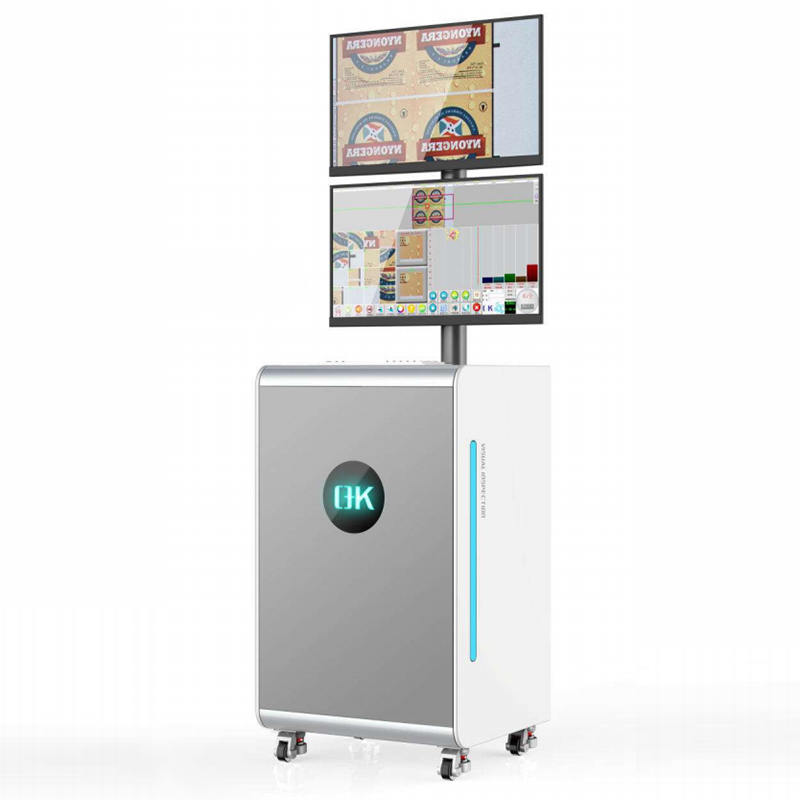
However, as with any significant investment, companies must weigh the costs and benefits of implementing such systems. This article provides an in-depth cost vs. benefit analysis of 100% inspection systems in the printing industry.
Initial Investment and Setup Costs
The upfront costs for implementing a 100% inspection system can be significant. These systems typically involve:
High-resolution cameras: The core component of the system, which can cost anywhere from a few thousand to tens of thousands of dollars, depending on the resolution and technology used.
Software for defect detection and analysis: These programs can range from specialized defect-detection software to AI-driven platforms that provide real-time analysis and reporting. Licensing fees, integration costs, and ongoing maintenance can add to the overall investment.
Integration into existing workflows: Retrofit and integration of the system into existing print lines, ensuring compatibility with other equipment, can incur additional installation costs.
Training and education: Employees will need to be trained on how to operate and maintain the system, which adds to both the time and cost required for deployment.
In total, a full 100% inspection system may require an investment of $50,000 to $250,000 or more, depending on the scale of the printing operation and the complexity of the system.
Operational Costs
Once the system is in place, operational costs are typically lower compared to manual inspection methods. These include:
Power consumption: The cameras and processing units used in the system may consume more electricity than traditional inspection methods, though this is usually a minor cost.
Maintenance and software updates: Regular maintenance of the system’s hardware and software updates are necessary to ensure peak performance, and ongoing support contracts may be required.
Technical support staff: Although the system reduces the need for manual labor, companies will need to allocate resources to monitor the system and address any issues that arise.
Overall, operational costs are generally lower than the manual inspection methods, which require a dedicated labor force to inspect and identify defects on each printed sheet.
Benefits of 100% Inspection Systems
1. Increased Quality Control
One of the most significant benefits of 100% inspection systems is enhanced quality control. These systems can detect even the smallest defects, such as color inconsistencies, misalignment, and print flaws, which human inspectors may miss. This results in:
Fewer defective products: By identifying issues early in the process, 100% inspection systems reduce the risk of defective products reaching customers.
Consistency across production runs: Automated systems ensure that quality standards are maintained consistently, even across large production volumes or long production runs.
2. Reduced Waste and Rework Costs
Defects caught early can be corrected before the product moves further down the production line, reducing the need for expensive rework. The result is:
Lower material wastage: Defective products can be identified and removed before they waste valuable raw materials.
Reduced downtime: Detecting defects in real-time allows for quicker adjustments, reducing the likelihood of production stoppages and unnecessary delays.
Lower scrap rates: Consistently high-quality prints mean fewer products are discarded, which contributes to better cost control.
3. Enhanced Efficiency and Faster Production Times
100% inspection systems operate continuously without breaks, which leads to:
Faster detection and resolution: Real-time analysis ensures that defects are caught instantly, leading to faster corrections.
Higher throughput: With the system running efficiently, the overall speed of production can increase, making better use of resources and reducing idle time.
4. Labor Cost Savings
By automating the inspection process, companies can:
Reduce the need for manual inspectors: The system eliminates the reliance on human inspectors, saving on labor costs and reducing the risk of errors due to fatigue or oversight.
Optimize workforce allocation: Employees can focus on higher-level tasks, such as maintenance and equipment optimization, rather than repetitive inspection duties.
5. Data and Reporting for Continuous Improvement
Modern 100% inspection systems come with robust data collection and reporting capabilities that allow companies to:
Track defects and trends: The printing quality inspection system records and categorizes defects, providing valuable insights into recurring problems and potential areas for improvement.
Generate reports for quality audits: The data collected can be used for internal quality audits, making it easier to ensure compliance with industry standards and customer requirements.
Cost Savings Over Time
While the initial investment is substantial, the long-term savings generated by 100% inspection systems often justify the expense. Over time, companies can expect:
A return on investment (ROI): For many printing operations, the cost savings from reduced defects, lower waste, and labor savings can quickly outweigh the initial investment.
Increased competitiveness: Consistent product quality and fast turnaround times can help a printing company stay competitive, attracting more customers and potentially commanding higher prices for its products.
Long-term scalability: As production volumes increase, the system can handle higher throughput without additional labor costs, allowing companies to scale up without significant additional investment.
Challenges to Consider
While the benefits are clear, there are challenges to consider when implementing 100% inspection systems:
High initial cost: Smaller printing companies may find it difficult to justify the upfront investment.
Integration with legacy systems: Some older printing equipment may not be easily compatible with modern inspection technologies, requiring expensive upgrades or replacements.
Learning curve: Employees may need time to adapt to new technologies, which could impact initial productivity.
The decision to invest in a 100% inspection system in the printing industry requires careful consideration of both costs and benefits. While the initial investment can be high, the long-term advantages—such as improved quality, reduced waste, enhanced efficiency, and lower labor costs—often result in a significant return on investment. For companies that prioritize quality control and aim for long-term growth, adopting a 100% inspection system can be a strategic move to enhance their competitive edge in an increasingly quality-conscious market.
The printing industry is constantly under pressure to deliver flawless products that meet the highest quality standards. To achieve this, 100% inspection systems have become an indispensable part of modern printing quality control. Unlike traditional sampling methods, these systems inspect every single piece of printed material, ensuring unparalleled precision and reliability.
What Are 100% Inspection Systems
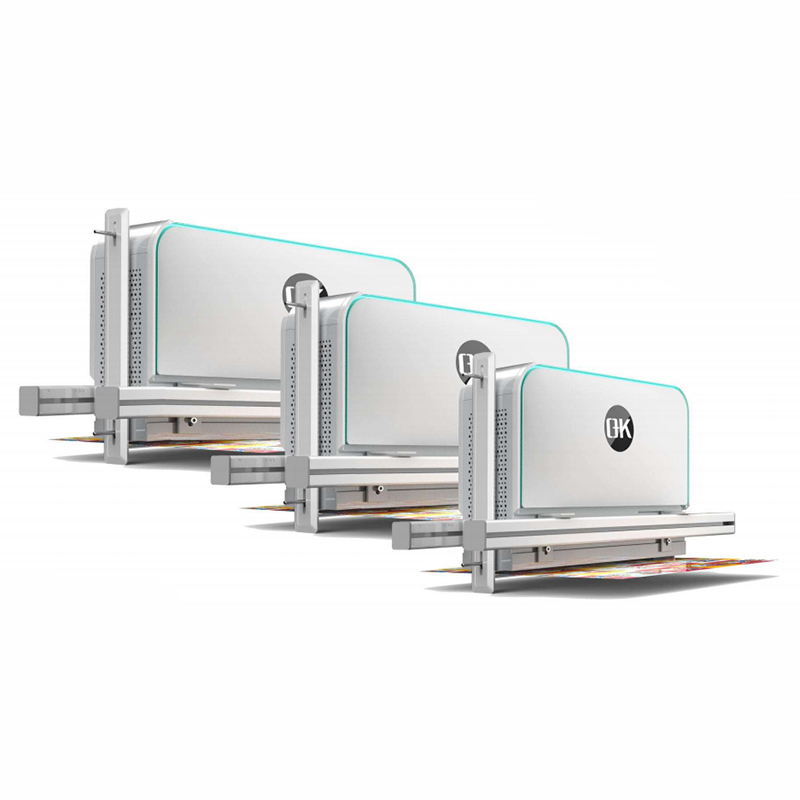
100% inspection systems are automated solutions designed to monitor, analyze, and detect printing defects in real time. These systems utilize advanced imaging technologies, such as high-resolution cameras, machine vision, and AI algorithms, to evaluate every printed piece against predefined quality standards.
Key Features of 100% Inspection Systems
High-Speed Operation
Modern inspection systems can seamlessly integrate with high-speed printing machines, ensuring no delays in production lines.
Defect Detection
They can identify various defects, including color deviations, registration errors, missing text, and surface imperfections.
Automated Data Collection
These systems generate detailed reports and statistical data for continuous process improvement.
Integration with Printing Equipment
Compatibility with various printing technologies (e.g., offset, digital, and flexographic) makes these systems versatile.
Advantages of 100% Inspection in Printing
Enhanced Product Quality
By ensuring each item meets the required standards, 100% inspection reduces customer complaints and returns.
Cost Savings
Early detection of defects prevents further processing of faulty items, reducing waste and rework costs.
Increased Productivity
Automated systems eliminate the need for manual inspection, freeing up resources and speeding up production.
Regulatory Compliance
In industries like pharmaceuticals or food packaging, where stringent regulations apply, 100% inspection ensures compliance.
Challenges in Implementing 100% Inspection Systems
Initial Investment
The cost of acquiring and integrating these systems can be high, but the return on investment often justifies the expense.
Complexity in Setup
Calibrating systems for different print jobs and materials requires skilled personnel.
Data Overload
While detailed reports are beneficial, managing and analyzing large volumes of data can be overwhelming without the right tools.
Applications of 100% Inspection Systems
Packaging Industry
Ensures labels, barcodes, and product information are accurate and legible.
Security Printing
Validates sensitive materials like currency and passports for authenticity and precision.
Commercial Printing
Checks for aesthetic defects in marketing materials such as brochures and posters.

Future Trends in 100% Inspection Systems
Artificial Intelligence and Machine Learning
AI is enhancing defect detection by learning from historical data to predict and prevent potential issues.
Real-Time Feedback Loops
Advanced print inspection systems now provide real-time feedback to printers, enabling immediate corrections and reducing downtime.
Cloud Integration
Cloud-based solutions facilitate remote monitoring, data storage, and analytics, empowering global operations.
Summary
As the demand for flawless printed materials continues to grow, 100% inspection systems are setting new standards in quality control. These systems not only safeguard brand reputation but also streamline production and improve profitability. Despite the challenges, advancements in technology are making them increasingly accessible, cementing their role as a critical asset in the printing industry.
For businesses aiming to stay competitive, investing in a robust 100% inspection system is no longer optional—it is a necessity.