
Web guiding systems play a crucial role in various industries, ensuring the precise alignment and tracking of material webs during processing. However, managing wider webs introduces unique challenges that demand advanced solutions. Below, we explore the primary difficulties faced in web guiding for wider webs and potential strategies to overcome them.

Principles of Web Guiding
Web guide systems are designed to detect and correct misalignments of material webs as they travel through a processing line. The system typically comprises:
Sensors to monitor web edges, centerlines, or printed features.
Actuators to adjust the web's position in real time.
Controllers to process sensor data and command actuators.
In the case of wider webs, these components must be optimized to account for the larger width and associated challenges.

Challenges and Solutions in Web Guiding for Wider Webs
1. Increased Web Tension Variability
Wider webs are inherently more prone to tension inconsistencies across their width. Factors such as uneven material density, stretching, or external environmental conditions can cause localized tension imbalances. This variability can lead to wrinkling, misalignment, or even tearing of the web.
Solution: Advanced tension control systems with multiple sensors and actuators are necessary to monitor and adjust tension dynamically across the entire web width.
2. Challenges in Sensor Alignment
Accurately tracking the edges or centerline of a wider web requires highly precise sensor placement and calibration. Wider webs increase the likelihood of sensor blind spots or errors due to misalignment.
Solution: Using multiple high-resolution web guide sensors, including edge or line-following systems, can help ensure consistent tracking. Modern sensors equipped with machine learning capabilities can adapt to changing conditions and improve reliability.

3. Deflection and Sagging
As the web width increases, its weight and tension can cause deflection or sagging, particularly in the middle of the web. This deflection can interfere with the guiding system, leading to alignment issues.
Solution: Utilizing rollers with optimal diameter and material to support the web uniformly can reduce sagging. Additionally, air-floatation systems or vacuum hold-downs can be employed for lightweight materials.
4. Load Distribution on Guiding Mechanisms
Guiding mechanisms, such as steering rollers or pivoting frames, face greater mechanical loads with wider webs. These increased loads can lead to wear and tear, reducing the overall efficiency and accuracy of the system.
Solution: Employing reinforced guiding mechanisms and materials with high durability can mitigate wear. Regular maintenance schedules should be implemented to ensure consistent performance.
5. Limited Corrective Action Response Time
With wider webs, the time required to correct alignment errors increases due to the larger distance that needs adjustment. This delay can result in material wastage or process inefficiencies.
Solution: Implementing high-speed actuators and real-time control systems minimizes the corrective response time. Integrating predictive analytics can also help detect and address potential misalignment issues proactively.
6. Environmental Influences
Wider webs are more susceptible to external influences such as temperature variations, humidity, and airflow, which can impact material behavior and alignment.
Solution: Enclosing the web handling system in a controlled environment can minimize external disturbances. Monitoring and adjusting for environmental factors using sensors and automated controls ensure consistent operation.
7. Material Variability
Materials used for wider webs, such as laminates or composites, often exhibit inconsistent properties across their width. These variations can cause tracking issues during processing.
Solution: Conducting thorough material characterization before production and adjusting guiding system parameters for specific materials ensures better alignment. Adaptive systems capable of learning material behavior can further enhance reliability.
Applications of Wider Web Guiding
Printing Industry: Maintaining precise alignment for high-speed and wide-format printing.
Packaging: Ensuring accurate lamination and coating in flexible packaging applications.
Textile Manufacturing: Managing the variability and elasticity of wide fabric rolls.
Film Production: Maintaining alignment in wide plastic or composite films for industrial and consumer applications.
Conclusion
The challenges in web guiding for wider webs necessitate advanced, robust, and adaptive solutions. By addressing tension variability, sensor accuracy, deflection, and environmental factors, manufacturers can ensure precise web alignment and reduce material waste. As technology evolves, innovations in sensor technology, machine learning, and real-time control systems are poised to tackle these challenges, enabling more efficient and reliable web guiding for wider applications.
In the printing industry, precision and accuracy are crucial for ensuring the quality of printed materials. Dimensional inspection, a key component of quality control, involves measuring and verifying the geometric attributes of printed materials, such as dimensions, alignment, and spacing. Advanced printing inspection systems play a pivotal role in automating this process, providing unparalleled accuracy, speed, and efficiency. This article explores the importance, methods, and advantages of dimensional inspection using modern printing inspection systems.

Importance of Dimensional Inspection in Printing
Dimensional inspection ensures that printed materials meet design specifications and customer requirements. It is vital in industries such as packaging, labels, textiles, and security printing, where precise dimensions are critical to functionality, aesthetics, or regulatory compliance. Key benefits of dimensional inspection include:
Quality Assurance: Ensures products meet high-quality standards, avoiding costly rejections or recalls.
Compliance: Verifies adherence to regulatory or industry-specific dimensional requirements.
Brand Integrity: Maintains consistency across products, protecting brand reputation.
Process Optimization: Identifies errors early in the production process, reducing waste and improving efficiency.
How Printing Inspection Systems Perform Dimensional Inspection
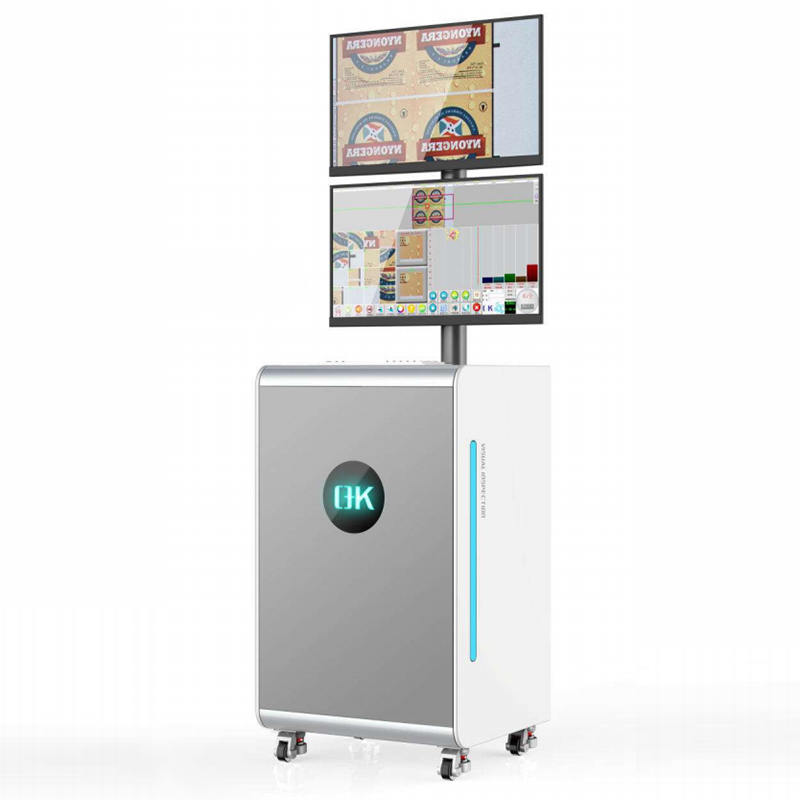
Advanced printing inspection systems use advanced technologies to conduct dimensional inspections with high accuracy. These systems can measure various parameters, such as dimensions, alignment, and tolerances, in real time. Key technologies include:
1 Vision Systems
High-resolution cameras capture images of printed materials, which are analyzed using sophisticated algorithms. These systems detect deviations in dimensions, spacing, and alignment with micron-level accuracy.
2 Laser Profiling
Laser-based systems generate 3D profiles of printed materials, allowing for precise measurement of dimensions and surface irregularities. This method is especially useful for embossed or textured prints.
3 Inline Inspection
Inline inspection systems are integrated directly into the production line, enabling real-time dimensional checks without halting the process. This minimizes downtime and ensures immediate detection of defects.
4 AI-Powered Analysis
Artificial intelligence (AI) enhances the capabilities of printing inspection systems by learning from historical data and recognizing complex patterns. AI-driven systems can identify subtle defects or trends that might be missed by traditional methods.
Parameters Assessed During Dimensional Inspection
Printing inspection systems evaluate several critical parameters to ensure dimensional accuracy:
Width and Length: Ensures the overall size of the printed material matches specifications.
Alignment: Checks the placement of text, images, and graphics against reference points.
Spacing: Verifies the uniformity of spacing between elements, such as text lines or graphic features.
Margins and Borders: Measures the distances between the content and edges to ensure proper alignment and aesthetics.
Tolerance Levels: Confirms that variations in dimensions remain within acceptable limits.
Applications of Dimensional Inspection
Dimensional inspection is used across various printing sectors, including:
1 Packaging
Ensures accurate dimensions of boxes, labels, and seals to prevent issues during assembly or use.
2 Labels
Verifies that label dimensions align with container sizes and regulatory requirements.
3 Security Printing
Checks the precise dimensions of features like watermarks, holograms, and microtext in currency, ID cards, and certificates.
4 Industrial Printing
Ensures the alignment and sizing of technical drawings or schematics used in engineering applications.
Advantages of Using Printing Inspection Systems
Modern printing inspection systems offer several advantages over manual inspection methods:
Accuracy: Automated web inspection systems for printing quality achieve higher precision than human inspectors.
Speed: Real-time inspections significantly increase productivity.
Consistency: Eliminates variations caused by human error.
Comprehensive Analysis: Provides detailed reports and data for quality assurance and process improvement.
Cost-Effectiveness: Reduces material waste and downtime caused by defective prints.

Challenges and Solutions
While printing inspection systems are highly effective, challenges such as system calibration, complex material types, and high initial investment can arise. These issues can be addressed through:
Regular Calibration: Ensures accuracy and reliability over time.
Advanced Software: Handles complex inspections, including curved or irregular surfaces.
Scalable Solutions: Offers customizable systems tailored to specific needs and budgets.
Future Trends in Dimensional Inspection
The future of dimensional inspection in the printing industry is driven by advancements in automation, artificial intelligence, and integration with Industry 4.0. Emerging trends include:
AI-Enhanced Systems: AI will further improve defect detection and predictive maintenance.
3D Printing Inspection: Systems designed to inspect 3D-printed materials with high precision.
Cloud-Based Analytics: Real-time data sharing and analytics for remote quality control.
In summary, dimensional inspection using printing inspection systems has become indispensable for ensuring the quality and precision of printed materials. By automating the inspection process and leveraging advanced technologies, these systems enhance productivity, reduce waste, and uphold high standards of quality. As printing technologies continue to evolve, dimensional inspection systems will play a pivotal role in meeting the growing demands for accuracy and efficiency in the printing industry.
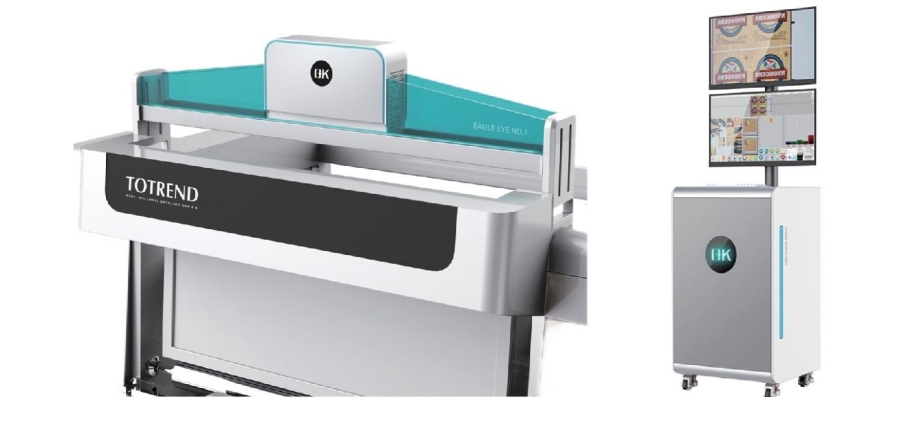
The demand for personalized products has skyrocketed in recent years, driven by advancements in digital printing technology and the growing consumer desire for unique, tailored items. Alongside this growth, ensuring the quality of these personalized products has become increasingly critical. Enter custom printing inspection systems which provide an innovative solution tailored to the challenges of inspecting customized goods. These systems enable businesses to maintain high-quality standards.
1. The Rise of Personalized Products
Personalization has permeated industries such as fashion, packaging, home décor, and promotional merchandise.
Small Batch and Single-Item Orders: Unlike mass production, personalized products are often created in limited quantities or as unique pieces.
Complex Designs: Custom designs may include intricate patterns, variable data (like names or serial numbers), or diverse materials.
2. Challenges in Inspecting Personalized Products
Traditional inspection methods often fall short when applied to personalized goods due to their variability. Key challenges include:
High Variation: Each item may have different text, colors, or graphics.
Precision Requirements: Even minor deviations in design, alignment, or color can impact customer satisfaction.
Speed and Scalability: Inspecting customized products manually is time-consuming and error-prone, especially at scale.

Key Features of Custom Printing Inspection Systems
Custom printing inspection systems are designed to address these challenges. They incorporate cutting-edge technology to ensure flawless quality.
a. Automated Detection
AI-Powered Vision Systems: Advanced algorithms analyze every aspect of the printed design to detect inconsistencies in real time.
Customizable Parameters: Users can set specific criteria for acceptable tolerances based on the product type and personalization.
b. Adaptability to Variable Data
Dynamic Inspection: Print inspection systems are capable of inspecting items with variable text, barcodes, or images without the need for reconfiguration.
Pattern Matching: Algorithms compare each piece to its corresponding digital file for accuracy.
c. High-Speed Processing
Real-Time Analysis: These systems operate at high speeds to inspect large volumes of products efficiently.
Scalability: They are ideal for both small businesses and large-scale operations.
d. Integration with Printing Workflows
Seamless Integration: 100% inspection systems can be integrated with digital printers, conveyors, and other production equipment.
Feedback Loops: Systems can provide real-time feedback to the printer, allowing for immediate corrections and reduced waste.
Industries Benefiting from Custom Printing Inspection Systems
The versatility of these systems makes them invaluable across various sectors:
Packaging: Inspecting labels, cartons, and wrappers for personalized branding.
Textiles: Ensuring accuracy in custom apparel and fabric prints.
Promotional Merchandise: Verifying the quality of custom pens, mugs, and other branded items.
Publishing: Inspecting personalized books, invitations, or stationery.
Advantages of Implementing Custom Printing Inspection Systems
Enhanced Quality Control: Reduces defects and ensures products meet customer expectations.
Cost Efficiency: Minimizes waste and rework by catching errors early.
Customer Satisfaction: Consistent quality boosts brand reputation and customer loyalty.
Time Savings: Automating inspection processes reduces lead times and increases production throughput.
Future Innovations in Printing Inspection Systems
As technology evolves, custom printing inspection systems will continue to advance:
Machine Learning Improvements: Systems will become more intelligent, learning from defects to improve accuracy over time.
Advanced Color Recognition: Enhanced capabilities for detecting subtle variations in hues and gradients.
IoT Integration: Connected systems will enable remote monitoring and predictive maintenance.
Sustainability: Improved systems will contribute to greener operations by reducing material wastage.

Conclusion
Custom printing inspection systems have become indispensable tools for businesses dealing with personalized products. By ensuring accuracy, efficiency, and high-quality standards, these systems address the unique challenges posed by customization. As personalization trends continue to grow, the adoption of these inspection systems will be key to meeting customer expectations and staying competitive in the market.
In today’s manufacturing and production environments, quality assurance is paramount. Vision-based 100% inspection systems have emerged as critical tools for ensuring that every product meets stringent quality standards. These systems leverage advanced imaging technologies, machine learning, and artificial intelligence to deliver unparalleled accuracy and efficiency in detecting defects.
What Are Vision-Based 100% Inspection Systems?
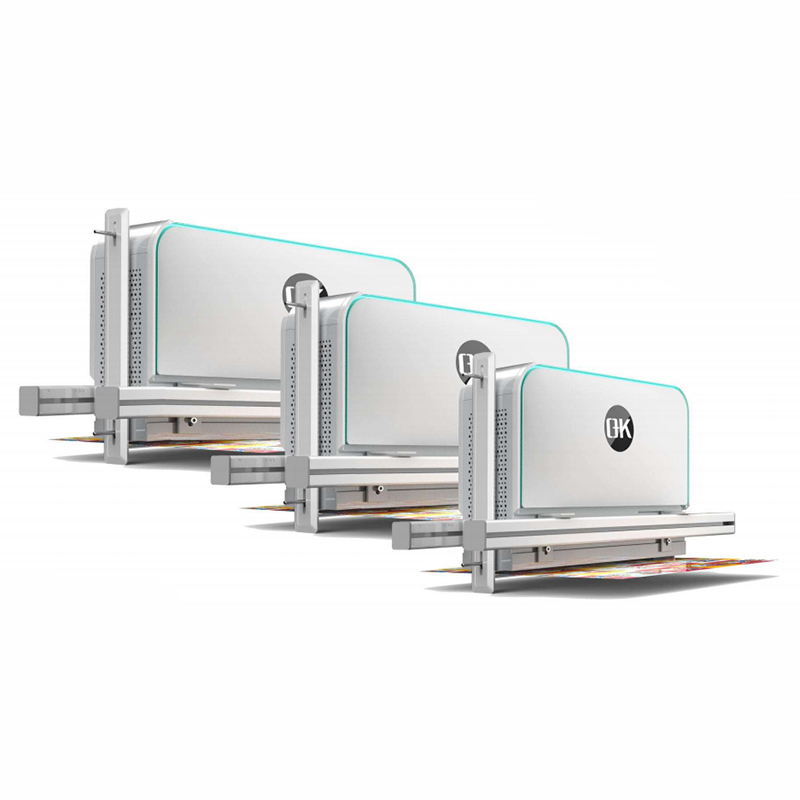
Vision-based inspection systems use cameras, lighting, and image-processing algorithms to inspect products during manufacturing. These systems provide a comprehensive, automated evaluation of every unit, ensuring consistent quality without the inefficiencies of manual inspection.

Key Features of Vision-Based 100% Inspection Systems
High-Speed Operation
Designed to integrate seamlessly with high-speed production lines, these 100% inspection systems can inspect thousands of products per minute without compromising accuracy.
Non-Contact Inspection
Vision-based systems use optical methods, ensuring that the products remain untouched, making them ideal for delicate or sensitive items.
Precision and Accuracy
With advanced algorithms and high-resolution cameras, these systems detect even microscopic defects.
Real-Time Analysis
Real-time feedback allows for immediate corrective actions, minimizing waste and downtime.
Scalability
These systems can be tailored to meet the specific needs of different industries, from small-scale operations to mass production lines.
Applications of Vision-Based Inspection Systems
Automotive Industry
Inspection of components such as gears, bearings, and seals for dimensional accuracy and surface defects.
Electronics Manufacturing
Ensures the correct placement of components on circuit boards and detects soldering defects or missing elements.
Pharmaceutical Industry
Verifies labeling, detects missing or broken tablets, and ensures product integrity in blister packs.
Food and Beverage Sector
Checks packaging for proper sealing, labeling, and contamination in food products.
Printing and Packaging
Ensures color consistency, correct alignment, and absence of printing errors on labels or packaging.
Benefits of Vision-Based 100% Inspection
Improved Product Quality
Detects defects and deviations early, ensuring only high-quality products reach the customer.
Cost Savings
Reduces the costs associated with recalls, rework, and waste.
Increased Productivity
Speeds up the inspection process while maintaining high accuracy, allowing manufacturers to meet tight deadlines.
Compliance Assurance
Helps manufacturers comply with regulatory standards by documenting and verifying product quality.
Enhanced Customer Satisfaction
Consistent quality leads to higher customer trust and loyalty.
Challenges in Implementing Vision-Based Inspection
Initial Investment
High upfront costs for equipment and integration may deter some businesses.
Complexity of Setup
Systems require careful calibration, proper lighting, and algorithm customization to achieve optimal performance.
Variability in Defects
Complex or subtle defects may necessitate advanced AI models and additional training data.
Innovations Driving Vision-Based Inspection Systems
Artificial Intelligence (AI) and Machine Learning
AI-powered systems can learn from data and adapt to new defect patterns, improving inspection accuracy.
3D Vision Technology
Advanced systems can analyze depth and surface profiles, enabling the detection of 3D defects.
Edge Computing
On-device processing reduces latency, enabling faster analysis and response times.
Cloud Integration
Allows for remote monitoring, data storage, and advanced analytics to optimize inspection processes.
Conclusion
Vision-based 100% inspection systems have revolutionized quality control across various industries. By ensuring precision, reducing costs, and enhancing productivity, these systems are indispensable in modern manufacturing. As technology evolves, the capabilities of vision-based inspection systems will only improve, making them a cornerstone of industry 4.0 and the future of quality assurance.
Web guide systems are critical in industries such as printing, packaging, textiles, and converting, ensuring precise alignment of materials during production. However, the durability of these systems significantly impacts operational efficiency and cost-effectiveness. Here’s a detailed guide on enhancing the longevity of web guide systems through proper design, maintenance, and operational strategies.

Optimize System Design
The design of a web guiding system lays the foundation for its durability. Consider the following design aspects:
Material Selection: Use corrosion-resistant and wear-resistant materials, such as stainless steel or high-grade aluminum, to improve the system's lifespan in harsh environments.
Precision Components: Invest in high-quality sensors, rollers, and actuators to ensure smooth and accurate operation, reducing strain on the system.
Integrated Safety Features: Include overload protection and emergency stops to prevent accidental damage during unexpected operational issues.
Regular Maintenance Practices
Proactive maintenance is essential for ensuring the longevity of web guide systems. Adopt these maintenance practices:
Lubrication: Regularly lubricate moving parts, such as bearings and rollers, to minimize friction and wear.
Alignment Checks: Periodically inspect and adjust the alignment to prevent excessive stress on the system.
Clean Components: Keep sensors, guides, and rollers free from dust and debris to maintain optimal functionality.
Implement Real-Time Monitoring
Advanced web guide systems often come equipped with digital monitoring tools. Leverage these to enhance durability:
Sensor Diagnostics: Use built-in sensors to monitor the system's performance and identify potential issues before they escalate.
Predictive Maintenance: Analyze real-time data to predict when components are likely to fail, allowing for timely replacements.

Upgrade to Advanced Technologies
Technology upgrades can significantly improve system durability:
Servo-Driven Systems: Replace traditional systems with servo-driven ones for enhanced precision and reduced mechanical wear.
AI-Based Control Systems: Implement artificial intelligence algorithms to optimize web tension and alignment dynamically, reducing strain on components.
5. Training and Standard Operating Procedures
Operators play a key role in maintaining system durability. Ensure they:
Understand System Limits: Educate staff on the operational limits of the web guide system to avoid overloading or misuse.
Follow SOPs: Develop and enforce standard operating procedures that emphasize proper handling and timely maintenance.
6. Environmental Adaptations
Environmental factors can affect the durability of web guide systems. Take these precautions:
Control Temperature and Humidity: Use climate-controlled environments to reduce the risk of corrosion and material degradation.
Shield Against Contaminants: Install protective covers or housings to safeguard the system from dust, moisture, and chemicals.
7. Quality Assurance in Installation
Proper installation is crucial for ensuring long-term durability:
Professional Setup: Engage qualified technicians for the installation to ensure precise alignment and secure mounting.
Thorough Testing: Conduct comprehensive system tests post-installation to verify performance under various operating conditions.

Conclusion
Enhancing the durability of web guide systems requires a combination of robust design, regular maintenance, technological upgrades, and operator training. By investing in these strategies, industries can achieve longer system lifespans, reduced downtime, and cost savings. Properly maintained web guide systems not only deliver consistent performance but also contribute to the overall efficiency of the production line.