
The technical level of operators directly influences the efficiency of oil and gas operations. Esmitech has released a range of oil simulators to help operators increase efficiency by simulating scenarios. Esmitech is dedicated to increasing the safety and efficiency of the petroleum sector as the world's top provider of drilling simulation technology.
The Esmitech simulator complies entirely with IADC and IWCF requirements, delivering the most stringent industry standards for drilling and well control simulation training. The Esmitech simulator portfolio comprises portable and full-size drilling and well control simulators, as well as complex network base models for specific customer needs.

What is Portable Drilling Simulator?
The portable drilling simulator is extremely practical and can play a huge role in different kinds of operations. Compared with other technologies, its characteristics are very obvious. Using portable drilling simulator, drilling, well control training can be conducted on a single simulator platform, and can be packaged in a customized protective sleeve for transportation.
The module-based learning management system has a user-friendly interface that is easy to operate and use. Esmitech simulator supports human-machine interface system and drilling simulator of various oil drilling rigs to track and report the progress and development of training and simulation operations in a timely manner.
For the performance in training, the evaluation, feedback and improvement functions in simulation can play a significant role in improving. In addition, cloud-based dashboards can be used to remotely monitor the ability of operators. In addition, cloud-based dashboards can be used to remotely monitor the ability of operators.
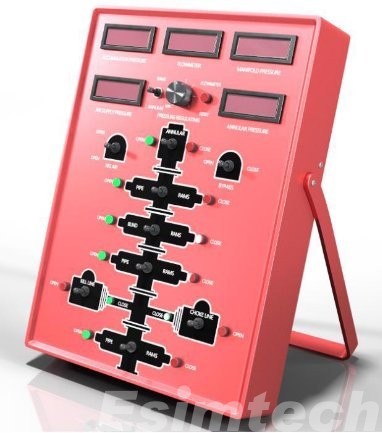
Advantages of Using Portable Drilling Simulator
Portable drilling simulators can help improve safety by providing workers with a realistic training experience in a controlled setting, allowing personnel to practice procedures and methods without the risk of real-world mishaps.
Savings on equipment and staff: Portable drilling simulators can be a cost-effective alternative to traditional field training, which can be costly due to the need for specialized equipment and personnel.
Portable drilling simulators can provide workers with a realistic and engaging learning experience, helping to enhance learning outcomes and retention rates.
Portable drilling simulators can be used to standardize training across different locations and teams, ensuring that everyone is trained to the same level and using the same methodology.
Portable drilling simulators can help boost productivity by minimizing the time necessary for on-the-job training and allowing workers to become adept in their abilities more rapidly by allowing workers to practice processes and techniques in a virtual environment.
Portable drilling simulators can be an effective tool for enhancing drilling and well control safety by providing workers with a realistic and engaging training experience that eliminates the need for expensive and time-consuming field training.
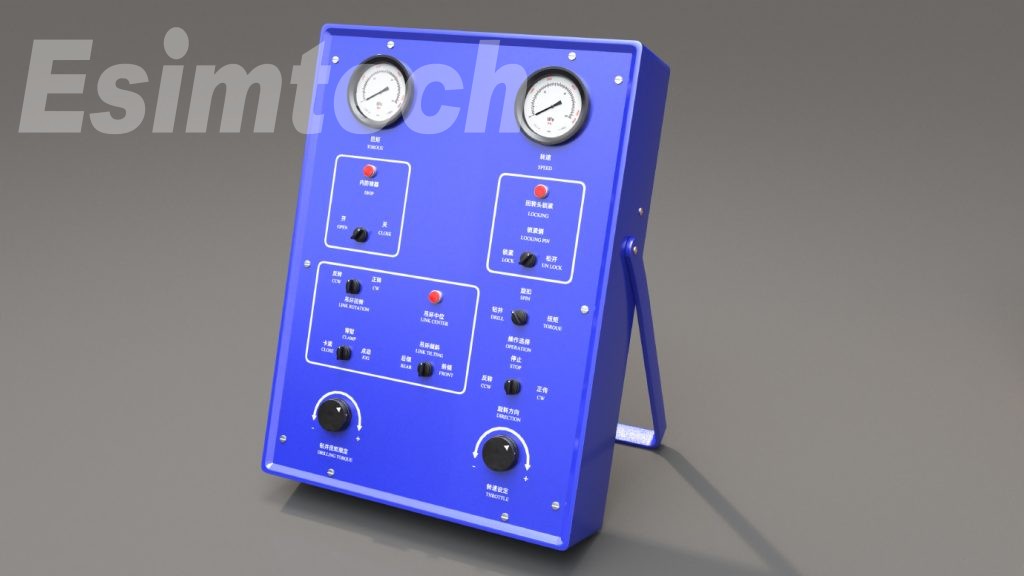
How Portable Drilling Simulator Used For Improving Operation Efficiency In Petroleum Industry
Portable drilling simulators can help the petroleum sector enhance operational efficiency in a variety of ways. Some examples are:
Portable drilling simulators can provide workers with a realistic and engaging training experience, which can aid in improving learning outcomes and retention rates. This can help people become more skilled in their abilities faster and reduce the amount of time necessary for on-the-job training.
Portable drilling simulators can be used to standardize training across different locations and teams, ensuring that everyone is trained to the same level and using the same methodology. This can help increase operational consistency and reduce the likelihood of errors and mishaps.
New technology testing and evaluation: Portable drilling simulators can be used to test and assess new technologies such as automation systems and remote monitoring tools. This can help companies identify ways to improve efficiency and reduce costs in drilling and well control operations.
Virtual drills and simulations can be conducted using portable drilling simulators, allowing workers to practice emergency response protocols in a safe and controlled setting. In the event of an actual disaster, this can help increase readiness and reaction times.
Portable drilling simulators can be used to test worker performance and indicate areas where more training may be required. This can assist businesses in identifying areas for improvement and ensuring that employees are functioning at their best.
Companies in the petroleum industry can increase operation efficiency and decrease the risk of accidents and downtime by employing portable drilling simulators to improve training, evaluate new technologies, and analyze worker performance.
ESIM-PDS9B Portable Drilling Simulator
The real-time portable drilling simulator trains drill rigs on drilling operations, equipment control, well control, and crane operation. The interactive device's non-teacher mode and the long-term provision of training, development, and evaluation are fundamentally redefining the drilling industry's training mode. The operators can create and perform drilling and well control exercises, as well as display downhole conditions in 3D images. This allows learners to see and understand the repercussions of their actions, as well as the ramifications of the same actions in different drilling operations.
Advantages
Economy: by allowing unlimited team practice, you may maximize your return on investment.
Ensure that the team is well-trained and capable, and that it adheres to internationally accepted standards.
Reality: providing hands-on training without endangering assets, workers, or the environment.
Interactivity: make team training easier and more interactive through four consoles.
The drilling simulator has two types of full size and portable, allowing workers to practice real-time drilling and well control activities in a safe environment to better prepare for the real thing.
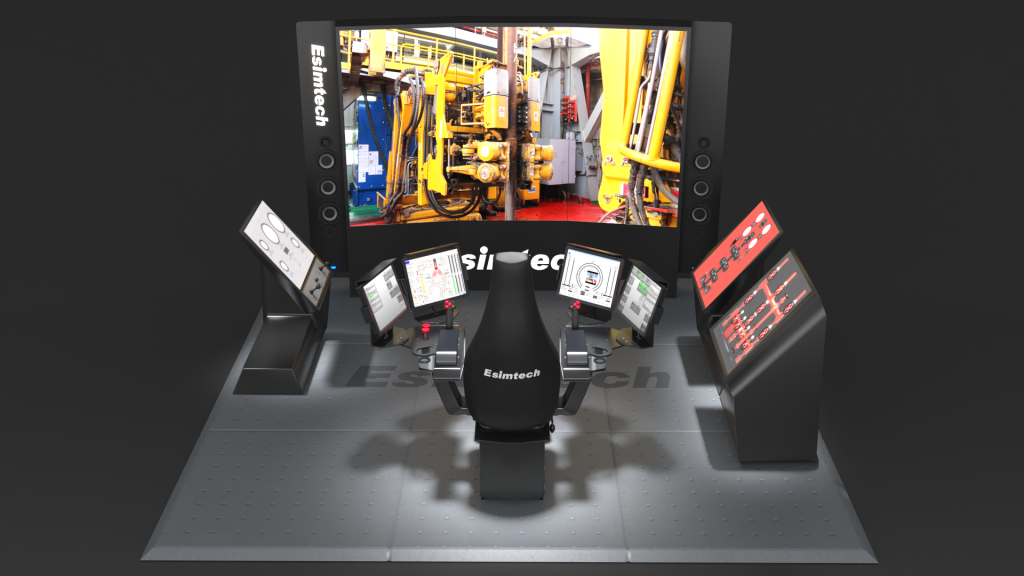
Esmitech is a reputable oil and gas simulator provider. The new ESIM-FCC11 drilling simulator includes a Cyber driller's chair and uses cutting-edge 3D visuals and modeling software to create an extraordinarily realistic drilling platform, resulting in a very immersive learning experience.
The sophisticated simulation technology may be designed according to the exact conditions and situations of oil wells, allowing people to practice drilling procedures such as pipe jamming, shock, controlled pressure drilling, and BOP landing in a safe and regulated environment.

Characteristics Of Esmitech Drilling Simulator
The drill chair's control console
Nonsequence drilling operation mode
Making a training picture based on excellent condition
Real-world device operation environment at full size
Interface that is simple to use
3D animation that is interactive
Real-time voice prompting
Advanced and exact physical-mathematical mode
Adaptability and systematic training content
Intelligent scoring, fair and square scoring
High stability and dependability in controlling industrial PLCs
Sound effects that are realistic and an alarm system
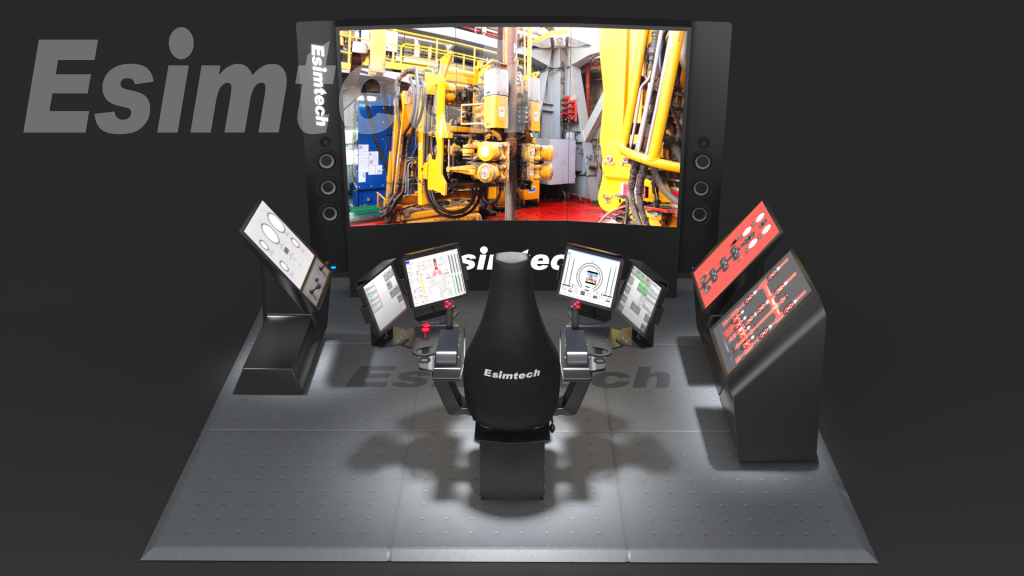
Why Should You Use Esmitech as Your Drilling Simulator Provider?
The qualitry of Esmitech drilling simulator is great, and the reading of each piece of equipment is identical to that of a genuine drilling rig, as even experienced drilling workers admit. It creates a new and highly skilled workforce to meet the changing needs of the global energy business and contribute to the improvement of worldwide drilling standards.
Reality
Display service for very realistic 3D scenes
Fast and attentive after-sales service
Preciseness
A precise mathematical and physical model
Reliability
Stable and trustworthy software and hardware
Simulation
The visual design, system layout, operating technique, and parameter display of the console panel are all identical to the real equipment.
Reasonable Price
The DS series drilling simulator has established itself as one of the drilling simulator products with the most competitive cost, the most complete functionality, and the greatest performance, as recognized by the industry both domestically and internationally.
Member of the IWCF and the IADC
Esimtech has become a member of the IADC and IWCF.
The Complete Product Line
Esimtech has developed a full oil and gas simulation training system that includes drilling, well control, logging, oil production, gas production, downhole operations, oil and gas gathering and transportation, fracturing, and acidizing.
Significant Market Share
We currently have a monopoly on the domestic drilling simulation equipment market and are aggressively growing globally.
Oil safety incidents such as blowouts, explosions, fires, and poisonous gas leaking can happen at any time. Front-line employees face significant safety concerns when extracting oil. The oil and gas simulator is used to solve this issue and ensure the safety of petroleum extraction. The use of a drilling simulator training system for drilling staff can considerably increase actual operation capability and crisis reaction capability, hence boosting oil drilling efficiency and safety.
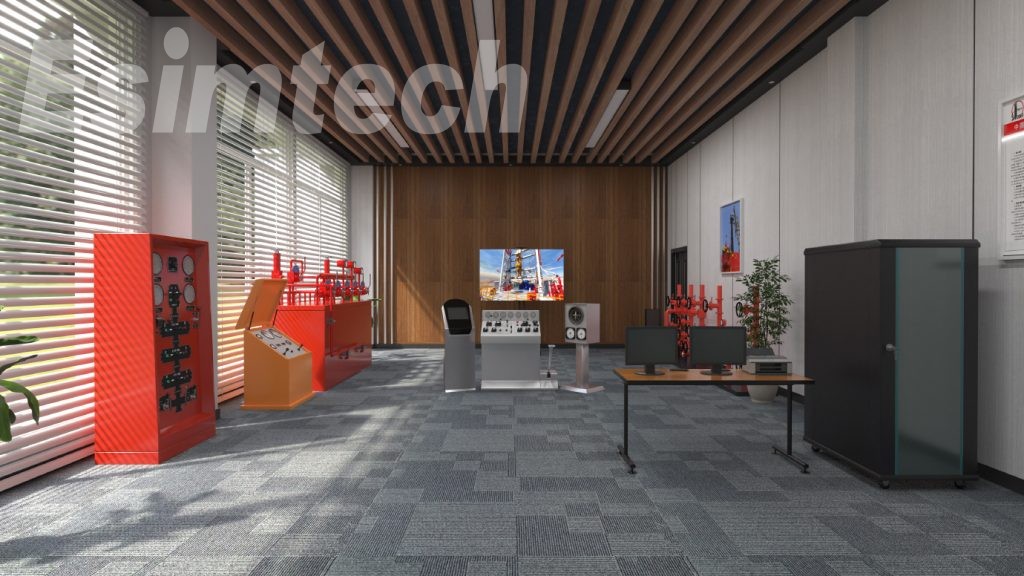
The Importance Of Oil & Gas Simulator
A high-performance oil and gas simulator is required to carry out simulation training. The petroleum equipment simulator, which uses computer technology, can not only replicate the appearance and functioning of real petroleum equipment, but also most common mishaps such as overflow, blowout, sticking, and so on.
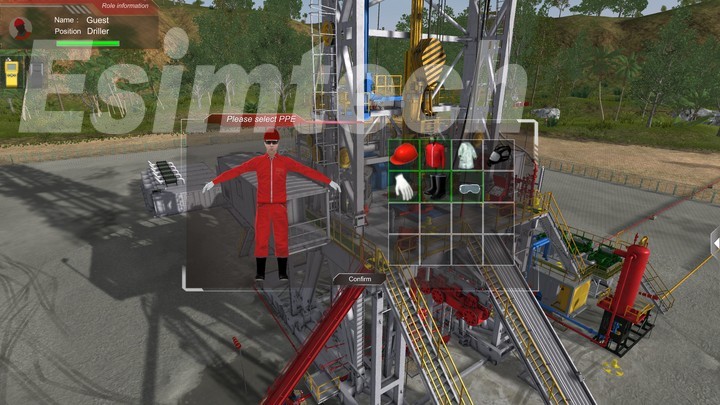
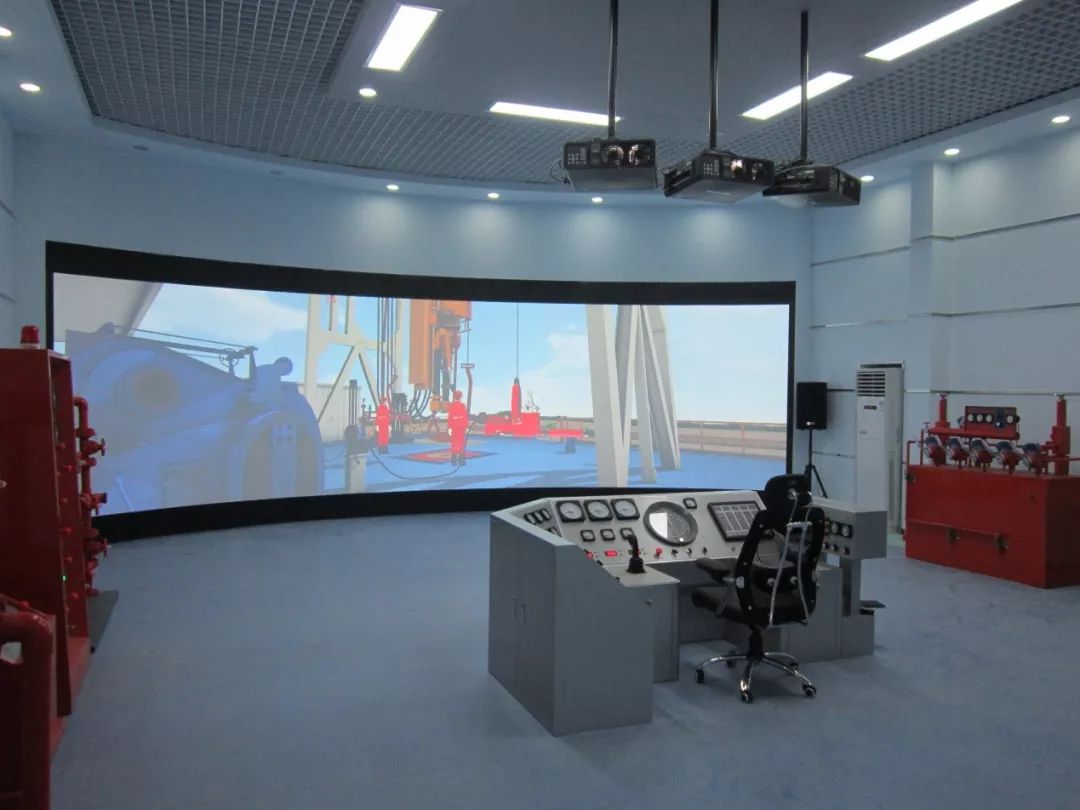
The operator can utilize the simulator to learn how to operate petroleum equipment and can provide efficient and complete training on the basis of cheap cost and low risk, ensuring the trainees' operational safety following their formal employment. The simulator's control panel is nearly identical to that of the genuine pressure machine. The layout of the pressure gauge, operational lever, and valve control button is likewise created with the current condition in mind. The simulator's visual output is likewise highly realistic. Even the corrosion and oil marks on the equipment match the real-life setting. Through the 4K HD display system, the trained personnel can feel the real well site environment. Wearing VR virtual reality glasses, the trainees can fully immerse themselves in the virtual oilfield scene.
Professional Oil & Gas Simulator And Simulation Training System Provider – Esmitech
Esmitech insists on a custom production mode in order to make the simulator a reality. Engineers will go to the oil field early in the construction of each simulator to perform extensive research and personalize the product to the actual circumstances. Not only should the simulator's appearance and performance be accurate, but so should the sound made by the equipment when it is in use on the job site. Esmitech must also be able to imitate it. Although the adoption of customized production simulators is delayed, the simulators created in this manner are unique and can provide the maximum level of safety guarantees for front-line workers.
Coiled tubing is referred to as a universal operating mechanism. It is becoming increasingly popular due to its convenience. Esmitech has created a full-size coiled tubing simulator.
In order to make the video image real, Esmitech needs to measure every detail with artistic standards from image modeling, detail rendering to animation generation.
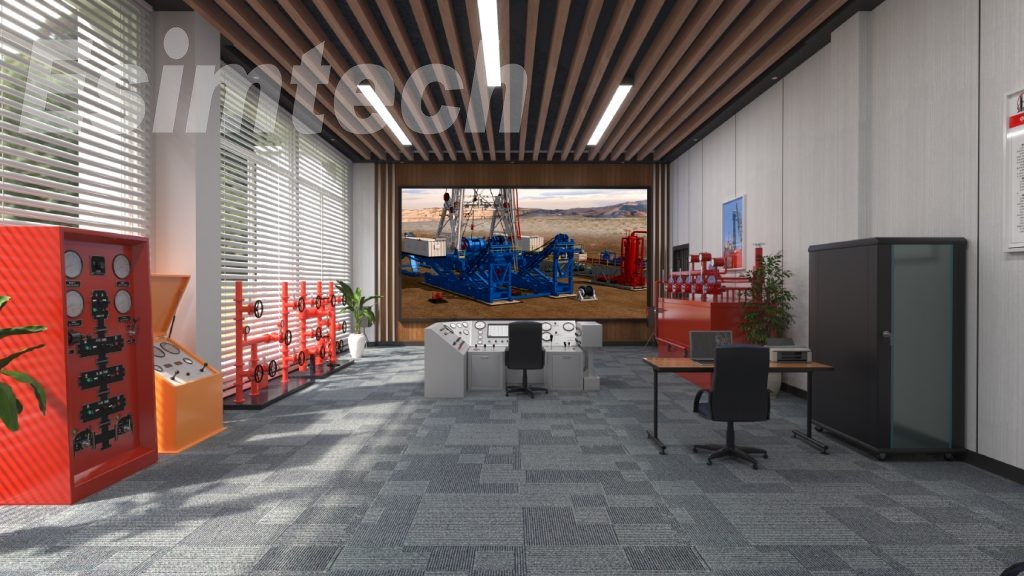
Esmitech has created 15 petroleum engineering simulation training systems, such as downhole operation simulators, oil and gas production and transportation simulators, and well logging simulators, which are represented by the drilling simulation system. Simultaneously, Esmitech can offer specialized services such as industrial animation, VR simulation training, and large-scale software systems that cover the entire field of oil and gas exploration.
Esmitech has now become one of the leading oil and gas simulator producers, having successfully entered the markets of many major oil producing countries in the Middle East, Africa, and the Americas.
Drilling rigs are vital tools in the exploration, extraction, and construction industries. They are used to drill deep holes into the earth's surface, allowing important resources like as oil and gas, minerals, and water to be extracted. Drill rigs exist in a variety of shapes and sizes, each tailored to specific drilling needs. Understanding the various types of drill rigs and their capabilities is crucial when choosing the right equipment for a certain drilling operation. In this post, we will look at the various types of drill rigs and their functions, providing a full overview of the drilling technology globe.
Definition of a Drilling Rig
A drilling rig is a machine that drills holes or wells in the ground for a variety of reasons such as exploration and extraction of natural resources such as oil, gas, and minerals, as well as construction and geotechnical research. Drilling rigs are often mounted on trucks, trailers, or skids and contain a variety of drilling gear such as drill bits, drill pipes, and drilling mud systems. The rigs can be driven by electricity, diesel engines, or hydraulic systems and come in a variety of sizes and configurations to meet a variety of drilling needs.
What is the Function of the Drilling Rig?
A drilling rig is a mechanical apparatus that propels a drilling tool underground to collect physical geological data while exploring or exploiting mineral resources.
A drilling rig's principal job is to drill holes or wells in the ground for various purposes. The drilling rig's primary job is to drive the drilling tool into the hole and break the rock at the bottom, as well as to lower and raise the drilling tool. It can be used to assess the state of subterranean geology and mineral resources via drilling cores, ore cores, cuttings, gaseous samples, liquid samples, and so on. A drilling rig's exact function is determined by the type of drilling being performed, which can include
Exploration drilling: This technique is used to identify and assess subsurface resources such as oil, gas, and minerals.
Production drilling: A method of extracting oil, gas, and minerals from the earth's crust.
Geotechnical drilling is a technique used to collect soil and rock samples for engineering and construction reasons.
Environmental drilling is used to collect soil and groundwater samples and to monitor groundwater levels.
Water well drilling: The process of creating wells that supply drinking water to homes and businesses.
Construction drilling: Drilling used in construction to produce holes for building foundations, bridges, and other structures.
Drilling rigs play an important role in well completion and maintenance in addition to generating holes. They are used to install casing and tubing to prevent the wellbore from collapsing and being contaminated, as well as to execute well intervention activities such as well stimulation and remediation. Overall, drilling rigs are critical tools for accessing and utilizing the Earth's subterranean resources.
What Are the Different Types of Drilling Rigs Based on Classification Methods?
Drilling rigs exist in a variety of shapes, sizes, and configurations, each tailored to a specific drilling activity. Understanding the many types of drilling rigs is critical in picking the suitable equipment for a certain drilling project in the area of drilling technology. The following are the main types of drilling rigs, as classified by various methods:
Drilling equipment is typically classified as follows:
1. Standard land drilling rigs
2. The Desert Rig
3. Drilling rig mounted on a vehicle
4. Machine for coiled tubing
5. Well Drilling Rig Deviation
6. Offshore drilling rig
7. Drilling
1. In accordance with the drilling method
(1) Impact drilling rigs, including wire rope impact drilling rigs, vibration drilling rigs, and so on.
(2) Rotary drilling rigs, such as those used for rotary table drilling.
(3) Downhole power drilling tools, such as turbo drills, screw drills, electric drills, and so on.
2. Based on drilling and depth categorization
(1) Drilling rig for ultra-deep wells. A drilling rig with a drill pipe diameter of 114mm, a nominal drilling depth of over 7,000 meters, and a maximum hook load of over 4,500 kN is used.
(2) Drilling rig for deep wells. A drilling rig with 114 mm drill pipe diameter, a nominal drilling depth of 4000-7000 meters, and a hook load of 2250-4500 kN.
(3) Drilling rigs for medium and deep wells. A drilling rig with a drill pipe diameter of 114 mm, a nominal drilling depth of 1500-4000 meters, and a hook load of 900-2250 kN is used.
3. Depending on the power equipment
(1) The drilling rig is powered by a diesel engine. A drilling rig that is powered by a diesel engine via mechanical or hydraulic transmission.
(2) Drilling rig with AC drive. It can be used in oil fields with industrial power systems.
(3) Drilling rig with direct current drive. A DC motor powers the working unit.
4. Depending on the driving mode
(1) A single drive. The drawworks, drilling pump, and turntable are all powered by the same power unit. Most rigs employ this strategy. The unified drive can only accommodate one drilling pump; the other drilling pump must be operated separately. Although the unified drive drilling rig has a high power utilization rate and can be adjusted mutually when the engine fails, the transmission is difficult to install and modify, and its efficiency is low.
(2) Drive as a group. The power combination consists of independent drive and unified drive. This type of drilling rig has a higher power usage rate than a single drive.
What is the most common type of drill rig?
The most frequent form of drilling rig is determined by the specific application and geological conditions of the drilling operation. The rotary drilling rig, also known as a typical drilling rig, is one of the most regularly utilized types of drilling rigs.
Rotary drilling rigs are adaptable devices that can be used for oil and gas exploration and production, geothermal drilling, and water well drilling. They are usually placed on vehicles or trailers and run on diesel engines. While rotary drilling rigs are the most common, other types of drilling rigs, such as cable tool drilling rigs, top drive drilling rigs, and directional drilling rigs, are also used depending on the specific drilling project's requirements. Each type of drilling rig has advantages and disadvantages, and the rig used will be determined by the geological conditions, drilling objectives, and project budget restraints.
Esimtech is a high-tech enterprise in the oil and gas industry that combines scientific research, design, production, maintenance, sales, and computer application technology. Committed to the development of simulation systems for petroleum engineering and petroleum equipment, a number of application results with completely independent intellectual property rights have been obtained, as well as a number of domestic and international patents, and it has become a member of IADC and IWCF.
Through perseverance and unwavering efforts, it has developed petroleum engineering over the course of more than 20 years, including drilling, well control, logging, oil and gas production, downhole operations, oil and gas gathering and transportation, fracturing and acidizing, drilling rig installation, coiled tubing, and snubbing operations. Our product line covers the entire spectrum of oil and gas application sites.
Blowouts are without a doubt the most dangerous and catastrophic possible disasters in the area of oil drilling. They can cause serious injury, even death, as well as large-scale, catastrophic production shutdowns and a negative influence on succeeding well output. Blowouts can have major consequences for the environment. It is critical to have a well-control system in place when working with high-pressure drilling activities. You can reduce your chance of a blowout by taking precautions and following control procedures.v
The term "blowout prevention" refers to a variety of activities, ranging from preventative measures taken on drilling rigs to prevent "kicks" — the unexpected and unwanted flow of formation fluids into a well — to the use of sophisticated Blowout Preventers (or BOPs) designed to seal off a well in the event of an impending blowout. Here are the steps of "how to prevent blowout during oil drilling"
The first step in preventing blowouts is preparation.
In order to prevent kicks, drilling operators must balance the immense upward pressure of formation fluids going up the well with "drilling mud," also known as drilling fluid, a viscous liquid that resembles mud and comes in a variety of densities. Bottomhole pressure refers to the downward pressure of the drilling fluid. It is a difficult but necessary task for drilling fluid engineers to monitor and be cautious to ensure that the pressures are balanced.
The Signs of a Wellbore Kick
Every oil field worker understands the importance of maintaining a steady fluid balance in the wellbore. When the amount of drilling fluid unexpectedly and drastically increases, it is a signal that something is really wrong and a kick is occurring. Knowing the indications of a wellbore kick can allow you to take proper action and avoid a blowout.
How to Prevent Well Blowouts
Well blowouts can be averted in several ways before they occur. To reduce the likelihood of a leak or pressure escape, keep BOPs in good condition by cleaning out the mud and removing metal fragments with a downhole magnet. You should also be aware of how your equipment performs under harsh conditions. To accomplish this, run several computer simulations of diverse scenarios. Finally, ensure that everyone on the job site is always informed of the correct safety protocols in order to be prepared for any emergency.
A Blowout Protector
Before making a purchase, you should identify which type of blowout preventer (BOP) is best for your application. You can choose between ram blowout preventers and annular blowout preventers, each of which serves an important purpose. Whether you need a BOP for a long-term project or for immediate needs, your industry has a large assortment of new and secondhand components and equipment.
diverse BOPs with diverse functionalities may be used in a well.
It is critical to detect the problem, secure it as soon as possible, and then take proper action.
Summary
Ensure that your employees have the necessary control tools and information to know what to do in the event of a controllable kick. The easiest way to deal with a blowout is to prevent it from happening in the first place.
Esimtech is a manufacturer of simulation training systems for drilling and well control that can help certified professionals. As training simulators, we build entire oil and gas manufacturing lines. Please contact us if you have any specific requirements.