
The intricate and multifaceted nature of land rigs is crucial for oil and gas production from onshore fields. Setting up these rigs demands complex operations and a profound understanding of the processes involved. To address these challenges, the introduction of land rig installation simulator has ushered in a new era of training that focuses on safety, efficiency, and practical knowledge. This article delves into the significance and advantages of using land rig installation simulators.
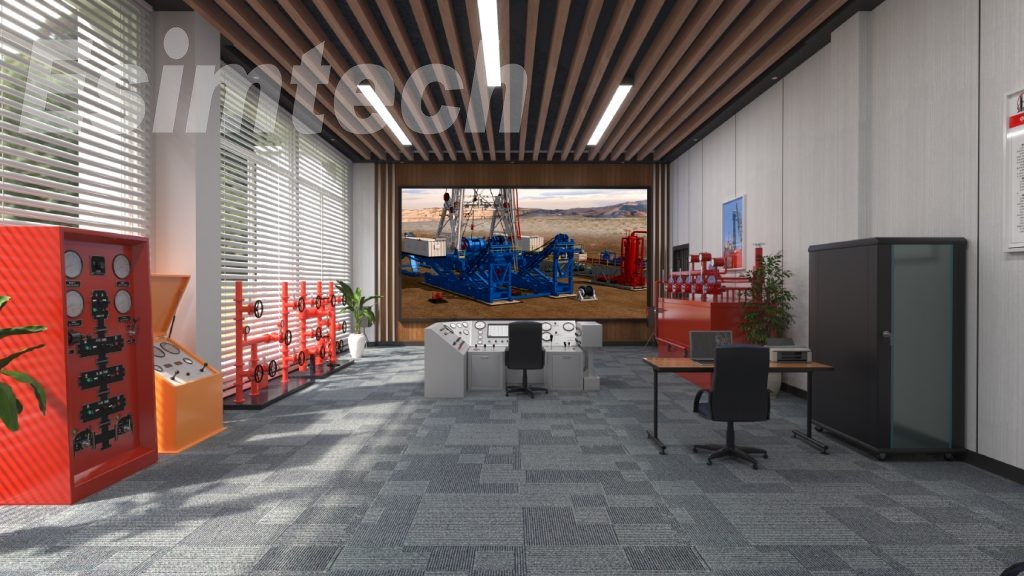
The Significance of Land Rig Installation Simulators:
Historically, manual labor, hands-on training, and practical experience were the cornerstones of land rig installation training. However, this approach posed challenges such as steep learning curves, safety hazards during training, and the potential for installation errors or delays. Enter the land rig installation simulator, a virtual environment that replicates actual installation procedures. This simulator revolutionizes training by offering a risk-free space for learning, optimization, and improved safety.
Functionality of the Land Rig Installation Simulator:
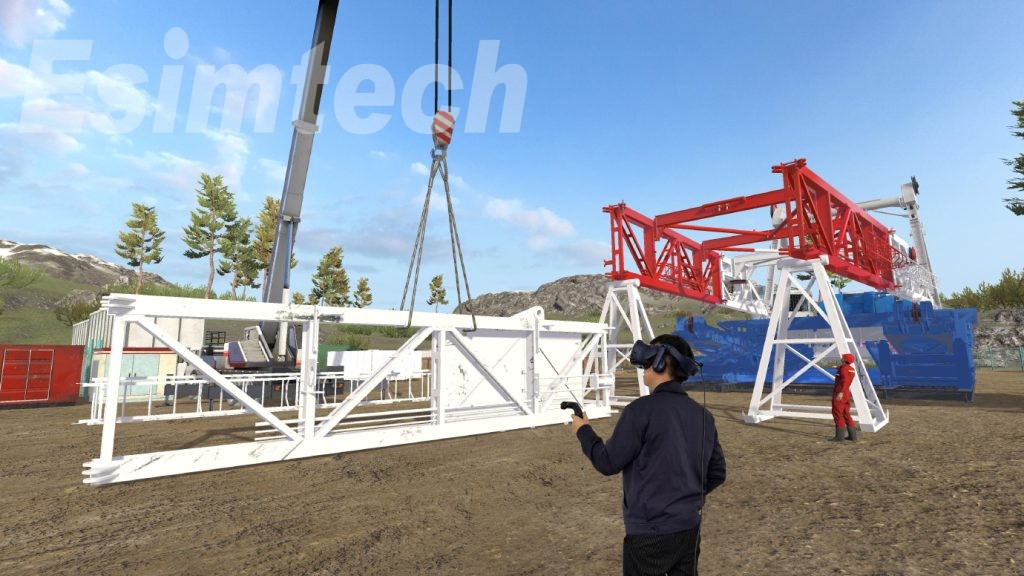
Powered by advanced technology, the simulator employs computer-based training and simulation programs to replicate the intricate processes involved in setting up a land rig. Utilizing sophisticated 3D modeling, physics-based algorithms, and real-time simulations. The land rig installation simulator provides an immersive experience. It factors in equipment specifications, environmental conditions, and operational constraints to create a lifelike virtual representation of the installation process.
Advantages of Using the Land Rig Installation Simulator:
Elevating Safety and Efficiency:
The primary objective of the land rig installation simulator is to enhance safety and efficiency during rig setup. Traditional on-site training can be risky for both workers and equipment. With the simulator, trainees can practice various scenarios in a controlled environment, reducing the potential for accidents and downtime.
Realistic Simulation Environment:
The simulator faithfully recreates the complex conditions encountered during land rig installation. Trainees navigate through each phase with remarkable accuracy, from initial site preparation to mast assembly, drill pipe insertion, and substructure construction. The simulated environment replicates diverse weather patterns, topographical challenges, and operational complexities akin to real-world scenarios.
Comprehensive Training Modules:
The land rig installation simulator offers an array of training courses covering all aspects of rig installation. Trainees can familiarize themselves with tools, learn safety protocols, troubleshoot common issues, and acquire the expertise required for successful installations. This practical experience equips trainees without subjecting them to real-world risks, ensuring their preparedness for challenges.
Real-Time Feedback and Assessment:
The simulator's real-time feedback and evaluation capabilities are instrumental. Immediate guidance and performance evaluations empower trainees to identify weaknesses and refine their techniques. This feedback-driven approach nurtures a culture of continuous learning, enabling individuals to track their progress and strive for excellence in rig installation practices.
Cost-Effective Training Solution:
Integrating the land rig installation simulator as a training tool yields significant cost-saving benefits. It eliminates the need for costly on-site training exercises that demand specialized equipment, travel expenses, and prolonged downtime. By delivering a realistic and immersive experience, the simulator accelerates trainee proficiency, optimizing resource utilization and operational efficiency.
Reducing Environmental Impact:
In addition to financial and safety benefits, the land rig installation simulator contributes to reducing environmental impact. Conventional training methods can result in substantial fuel consumption, greenhouse gas emissions, and potential land and water contamination. The simulator allows in-depth training without these environmental costs, promoting sustainability within the industry.
Conclusion:
The advent of land rig installation simulators marks a transformative advancement in training methodologies. This technology offers a secure, lifelike, and immersive learning environment for mastering crucial skills, negating the risks associated with traditional on-site training. By enhancing safety, efficiency, and environmental responsibility, these simulators are reshaping the landscape of land rig installation training in the oil and gas industry.
The backbone of the oil and gas industry lies in its profound reliance on the capabilities of the downhole operation simulator. This technological marvel equips operators with a virtual realm to forge and refine downhole activities, thus achieving optimal results in drilling, completion, and production endeavors.
Defining the Downhole Operation Simulator
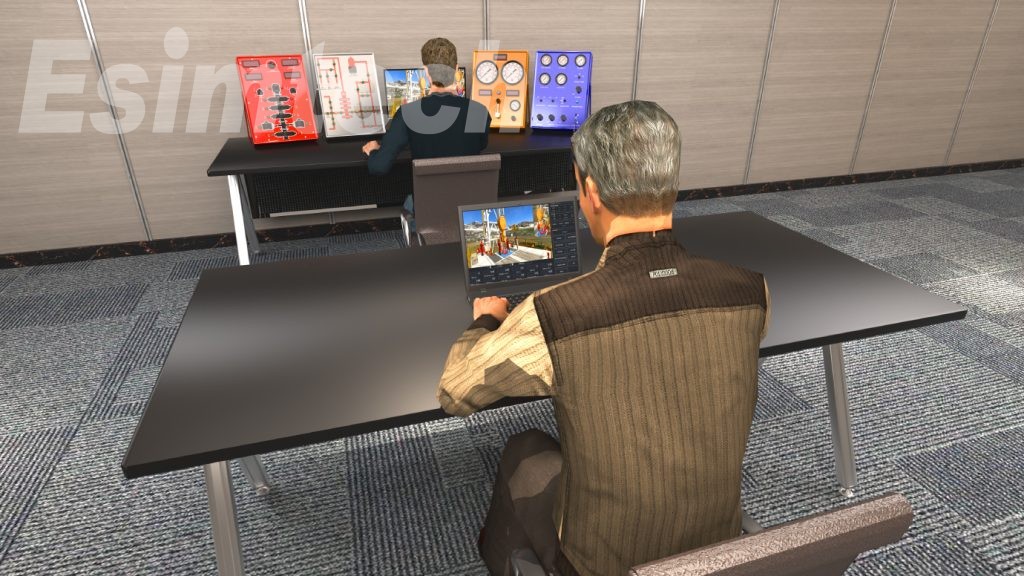
The downhole operation simulator stands as a sophisticated computer-based simulation tool harnessed within the oil and gas domain to replicate downhole activities virtually. This intricate software program constructs a precise model of downhole conditions, orchestrating simulations of diverse drilling, completion, and production processes. Empowering operators to explore myriad scenarios and make informed decisions based on results, the simulator obviates the need for physical testing, safeguarding personnel and equipment. Its significance is paramount in the industry, fostering efficiency enhancements, cost curtailment, and heightened safety standards.
Diverse Applications of the Downhole Operation Simulator
A versatile ally, the simulator adeptly emulates a vast spectrum of downhole operations, rendering invaluable insights into the efficacy and proficiency of drilling, completion, and production activities.
Drilling Operations:
Within drilling operations, the simulator orchestrates a symphony of drilling scenarios, unveiling crucial data concerning drill bit performance, drilling fluid behavior, and rig efficiency. Operators are equipped to fine-tune drilling trajectories and wellbore positioning, thereby mitigating the risk of errors and boosting drilling effectiveness.
Well Completion Operations:
In the realm of well completion, the simulator crafts a canvas of diverse scenarios, unraveling the intricacies of completion tools and strategies. Operators gain the prowess to optimize completion equipment design and arrangement, encompassing elements such as packers, screens, and tubing. This orchestration maximizes output and concurrently minimizes expenditures.
Production Operations:
The simulator transcends into production operations, simulating diverse production scenarios while delivering insights into the comportment of production equipment, from pumps and valves to separators. By identifying production bottlenecks and optimizing rates, operators magnify overall system efficiency, thereby mitigating downtimes.
Training and Education:
As a conduit for training, the downhole operation simulator proves invaluable for fledgling operators and engineers, affording them a risk-free platform to amass downhole operation experience. Students and researchers equally reap its benefits, as it fosters a profound comprehension of downhole activities and the associated challenges.
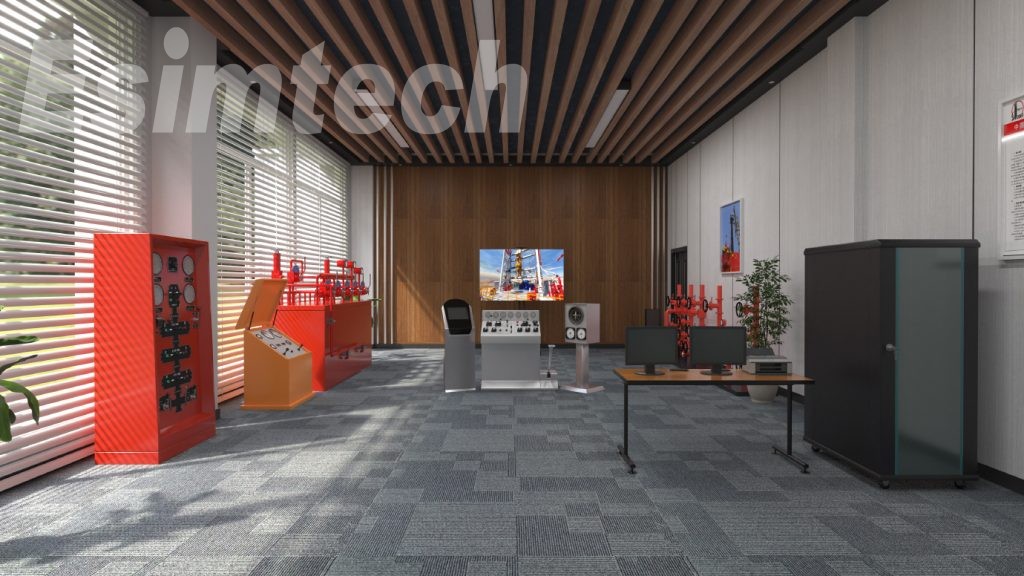
Advantages Encompassing the Downhole Operation Simulator
Amplified Safety:
From blowout risks to equipment malfunctions, hazards pervade downhole operations. The simulator quashes these concerns by preemptively identifying potential threats, thereby forestalling accidents and protecting personnel and assets.
Heightened Efficiency:
Efficiency garners an upswing through simulation-powered optimization of various facets, including drilling trajectories and wellbore placement. This systematic approach hones productivity while trimming expenses, negating the necessity for field trial and error.
Mitigated Downtime:
In an industry where downtime begets substantial losses, the simulator emerges as a beacon of foresight. By prognosticating issues before their emergence, operators deploy preemptive measures that curtail downtime and its attendant production deficits.
Informed Decision-Making:
Operators wield the simulator to gauge the repercussions of decisions on downhole operations, fostering informed and judicious decision-making. This pivotal tool ensures the adoption of the most efficacious and streamlined strategies.
Industry Case Studies Showcasing the Downhole Operation Simulator's Prowess
Shell: In deepwater drilling, Shell harnessed the simulator to ascertain the prime approach to drilling deepwater wells. The simulation’s insights into drilling trajectories and wellbore placement optimized efficiency and minimized errors.
BP: BP harnessed the simulator to finesse well completion in unconventional reservoirs, optimizing completion equipment arrangement for maximum production with minimal expenses.
Total: Total adeptly identified bottlenecks in production scenarios and optimized rates, thanks to the simulator. This proactive approach minimized downtime and augmented overall operational efficiency.
Chevron: Utilizing the simulator as an educational tool, Chevron augmented novice operators' expertise while mitigating accidents and downtime risks.

Summary
As a dynamic force within the oil and gas industry, ushers in an era of efficiency optimization, by offering a virtual milieu for simulation and evaluation of diverse downhole processes, downhole operation simulator empowers operators to revolutionize their operations. This catalyst for streamlined activities, risk reduction, and cost containment embodies the industry's march toward heightened efficiency and productivity.
Coiled tubing is a valuable tool in the oil and gas industry, enabling various operations with its long, continuous tube wound onto a spool. To optimize performance, increase safety, and reduce costs, the industry relies on coiled tubing simulators. These software programs create virtual environments where users can simulate different scenarios and test various parameters.
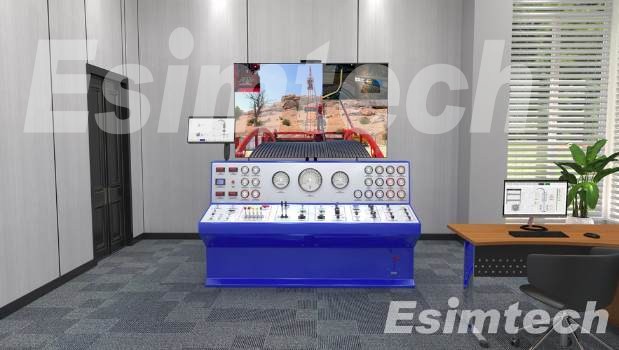
Components of a Coiled Tubing Simulator:
User Interface: Provides a graphical platform for users to interact with the simulator, input data, choose parameters, and view results.
Mathematical Models: Utilizes fluid mechanics, thermodynamics, and material science principles to simulate coiled tubing behavior and fluid flow through it. Hydraulic, mechanical, thermal, and chemical models are employed.
Data Management: Handles input and output of data, including wellbore geometry, tubing dimensions, fluid properties, and simulation results for analysis.
Visualization Tools: Generates visual feedback, such as 2D or 3D graphical interfaces and animations, helping users better understand and make informed decisions.
Control System Simulation: Represents the position of coiled tubing, fluid flow, and other relevant parameters in real-time, enhancing the simulation experience.
Scenario Builder: Allows users to create and modify simulation scenarios, specifying wellbore parameters, tubing dimensions, fluid properties, and more.
Features of a Coiled Tubing Simulator:
Realistic Simulation: Uses complex mathematical models for accurate representations of coiled tubing behavior and fluid flow.
Scenario Building: Enables users to create various simulation scenarios and analyze their impact on coiled tubing operations.
Virtual Control System: Provides real-time visual feedback on coiled tubing behavior and fluid flow.
Data Visualization: Presents simulation results in diverse scenarios for better analysis.
Data Analysis: Generates valuable data for further examination and optimization.
Training Tool: Portable coiled tubing simulators aids in operator and engineer training for enhanced safety and efficiency.
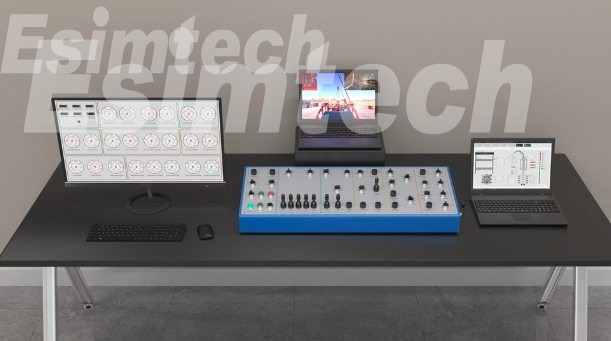
Applications of a Coiled Tubing Simulator:
Planning and Design: Helps engineers identify ideal settings for coiled tubing operations.
Optimization: Assists in analyzing different operational aspects for improved efficiency.
Troubleshooting: Detects and addresses potential concerns before real operations.
Research and Development: Facilitates the evaluation of novel coiled tubing technology.
Limitations and Challenges:
Model Accuracy: Mathematical models may not always capture complex interactions accurately.
Data Availability: Limited or incomplete input data can affect simulation accuracy.
Simulation Time: Running complex simulations can be time-consuming.
Cost: Development and maintenance of simulators can be costly.
Complexity: Coiled tube operations involve numerous elements that require precise representation.
Future Directions of Coiled Tubing Simulator:
Artificial Intelligence: AI algorithms could enhance accuracy and efficiency.
Augmented Reality: AR technology for more immersive simulations.
Cloud-Based Computing: Remote collaboration and real-time access to data.
Integration with Other Tools: Combined simulations for a comprehensive view.
User-Friendly Interfaces: Simplified interfaces for broader industry adoption.
In summary, coiled tubing simulators play a crucial role in the oil and gas industry, offering numerous benefits and opportunities for improvement. As technology advances, these simulators will continue to evolve, revolutionizing how coiled tubing operations are planned, executed, and optimized.
Maintaining well control, which involves regulating pressure and fluids in the wellbore, is a critical aspect of drilling operations to prevent unintentional hydrocarbon release. Well control simulators have emerged as invaluable training tools to enhance the expertise and preparedness of drilling personnel.

What Are Well Control Simulators?
Well control simulators are advanced training tools that replicate the real-world well control environment within a controlled and safe setting. Leveraging cutting-edge technology, these simulators create a virtual well control experience, allowing trainees to practice well control procedures and techniques without any risk of real-world consequences. They provide a risk-free environment where drilling workers can refine their well control skills, improve decision-making abilities, and gain hands-on experience.
Advantages Of Well Control Simulators
Realistic Scenarios: Well control simulators excel in reproducing real-world well control scenarios. They can simulate various well control circumstances, including different types of kicks, blowouts, and pressure-related incidents. By simulating diverse well types, geology, and drilling equipment, trainees gain confidence and proficiency in dealing with well control challenges they may encounter in the field.
Hands-On Training: Portable well control simulators offer trainees the opportunity to familiarize themselves with the functioning of well control equipment and systems. They can practice operating various types of equipment, such as blowout preventers (BOPs), choke and kill manifolds, and pressure control systems, to improve competency. This hands-on training aids in developing muscle memory and reflexes, critical in high-pressure well control scenarios.
Dynamic and Realistic Environment: Well control simulators provide a dynamic training environment equipped with sophisticated monitoring systems that continuously measure wellbore pressure, temperature, and other parameters. Trainees can react to changing wellbore conditions and make necessary adjustments to maintain well control. This fosters quick thinking, decision-making, and problem-solving abilities, all vital in well control operations.
Immediate Feedback and Assessment: Well control simulators offer quick feedback and assessment. They continuously monitor trainee performance, providing feedback on various factors such as wellbore pressure and mud characteristics. This feedback loop enables learners to analyze their performance and adjust well control measures accordingly, enhancing their skills and knowledge.

Customized Well Control Simulators From Esimtech
Esimtech, a leading provider of simulation systems for petroleum engineering and equipment, specializes in creating customized well control simulators tailored to the specific training needs of different drilling operations. These simulators can replicate the features of various wells, formations, and drilling equipment, offering a truly realistic training experience. They can also simulate different well control scenarios, such as shallow gas kicks, deep water well control, and high-pressure/high-temperature (HPHT) well control, allowing trainees to practice handling diverse well control situations they may face in the field.
Summary
Well control simulators, with their immediate feedback and customized training capabilities, are instrumental in improving the competency and preparedness of drilling personnel. By providing a risk-free environment for honing well control skills, well control simulators contribute to the safety and efficiency of drilling operations in the oil and gas industry.
The oil and gas industry is witnessing a significant transformation with the growing adoption of Virtual Reality (VR) technology, particularly in training and simulation applications. VR has emerged as a game-changer in drilling and well control training, offering trainees a safe, controlled, and immersive learning environment to develop their skills.
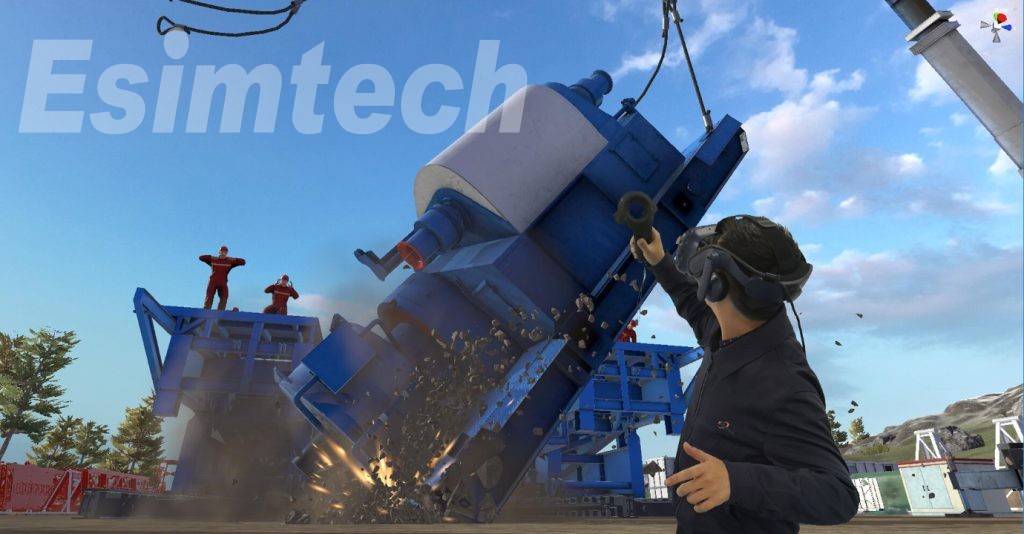
Traditionally, drilling and well control training involved live sessions on actual oil rigs, which came with inherent risks, high costs, and time-consuming logistics. However, VR technology has revolutionized this training process by providing trainees with a realistic simulation of an oil rig, ensuring they can learn and practice without any real-life dangers.
One of the most significant advantages of VR technology is its ability to create 3D virtual environments that accurately replicate real-world oil rigs. The simulator can be programmed to emulate various drilling scenarios, enabling trainees to practice and refine their skills in a controlled setting. Moreover, it can recreate hazardous situations that are challenging or impossible to replicate in reality, allowing trainees to practice emergency procedures and responses without any actual risks.
The adoption of VR technology in drilling and well control training offers several benefits, including:
Improved Safety: Safety is paramount in the oil and gas industry, known for its hazardous work environments. Live training on real oil rigs exposes trainees to potential dangers, even with strict safety protocols. VR technology provides a safer alternative by enabling trainees to experience realistic scenarios without physical risks. They can practice handling emergencies, such as well control incidents, with accurate representations of hazards and appropriate responses, reducing the risk of injuries and equipment damage.
Realistic Scenarios: Realism is essential for effective training. VR technology empowers training programs with highly authentic 3D virtual environments that mimic actual oil rigs. Trainees can experience various drilling scenarios, drilling in different formations, handling different drilling fluids, and responding to different well control incidents. This immersive experience allows them to gain valuable expertise and confidence before applying their skills in real-life situations.
Enhanced Training: VR technology enhances the training experience by providing personalized feedback and coaching to trainees. The simulator can offer detailed performance analysis, enabling trainees to identify areas for improvement. Instructors can monitor progress and tailor training programs to individual needs, leading to more effective learning outcomes.
As VR technology continues to evolve and become more accessible, its role in the oil and gas industry is expected to grow even further. Beyond drilling and well control training, VR is finding applications in maintenance and inspection, where simulations can train workers to conduct safe and effective equipment and structural maintenance.
In conclusion, the integration of VR technology into drilling and well control training is revolutionizing the oil and gas industry's approach to skill development. The safety, cost-effectiveness, realistic scenarios, and enhanced training experience offered by VR make it a valuable asset in fostering a skilled and competent workforce. As technology progresses, VR is poised to drive positive change across various aspects of the oil and gas industry, empowering the industry to meet its challenges with confidence and expertise.