
Unleashing the full potential of oil recovery from reservoirs remains an unceasing pursuit within the oil and gas industry. As traditional extraction methods hit their limits, engineers and researchers are embracing innovative technology to optimize the recovery process. The Oil Recovery Simulator, a cutting-edge software solution, is reshaping oil recovery strategies through sophisticated modeling techniques. This article delves into the depths of the Oil Recovery Simulator, examining its core features, advantages, real-world success stories, and transformative impact on the petroleum industry.
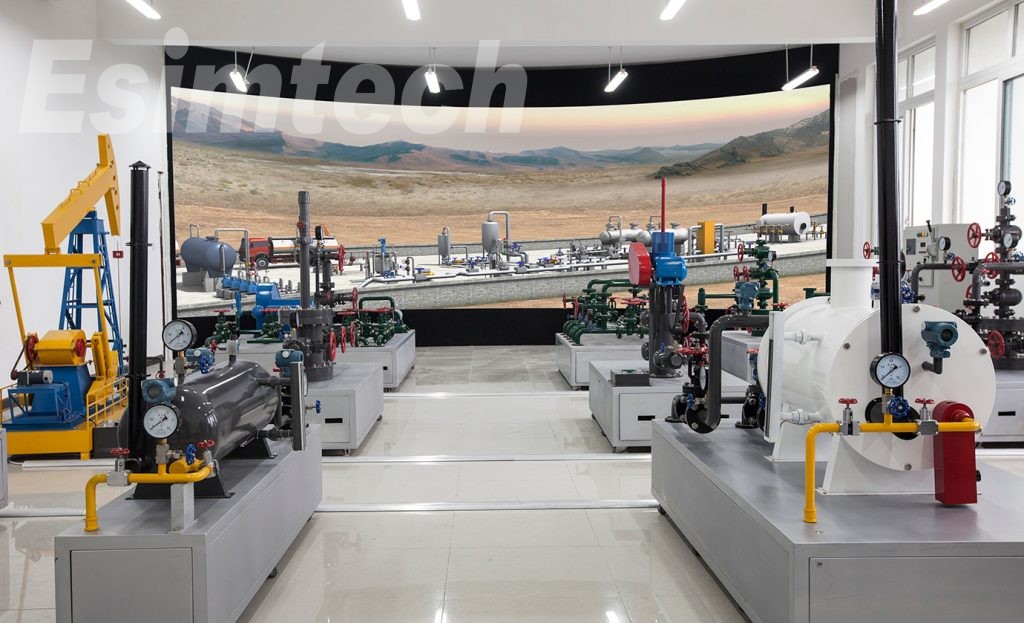
Unveiling the Oil Recovery Simulator
The Oil Recovery Simulator stands as a comprehensive software program designed to model and simulate oil recovery operations. Leveraging state-of-the-art reservoir simulation methodologies, it accurately replicates the behavior of oil reservoirs under diverse conditions. This simulator amalgamates geological, petrophysical, and production data to construct a virtual representation of the reservoir. This virtual landscape empowers engineers to evaluate and enhance oil recovery strategies.
Core Features and Functionalities
Reservoir Modeling
Employing advanced algorithms, the simulator crafts intricate reservoir models that encapsulate the geological complexities beneath the surface. By incorporating well logs, core samples, and seismic measurements, it paints a comprehensive picture of the reservoir's characteristics.
Fluid Flow Simulation
Through mathematical models, the simulator predicts fluid behavior within the reservoir. It accounts for factors like porosity, permeability, and fluid properties, allowing insights into the interactions of oil, water, and gas during production and injection processes.
Enhanced Oil Recovery (EOR) Techniques
The simulator replicates diverse EOR approaches such as water flooding, gas injection, and chemical flooding. Engineers can assess the effectiveness of these techniques and fine-tune the selection and implementation of EOR methods by analyzing their impact on reservoir dynamics.
Operational Optimization
Engineers harness the simulator to optimize operational decisions encompassing well placement, production rates, and injection strategies. By exploring various scenarios and their potential outcomes, the most efficient and cost-effective approaches for maximizing oil recovery are revealed.
Economic Analysis
Integrated economic analysis tools evaluate the financial viability of oil recovery projects. Considering factors like production costs, oil prices, and project economics, these tools aid in decision-making and investment planning.
Advantages of the Oil Recovery Simulator
Informed Decision-Making
By providing a realistic simulation of reservoir behavior, the simulator empowers engineers to make informed decisions about production and injection techniques. Diverse scenarios can be evaluated to identify the most effective strategies for maximizing oil recovery.
Resource Allocation Optimization
The simulator assists in optimizing resource allocation, including wells, facilities, and equipment. By modeling alternative operating scenarios, engineers can pinpoint the most efficient resource utilization, reducing expenses and enhancing operational efficiency.
Enhanced Reservoir Understanding
Reservoir dynamics gain clarity through extensive modeling and fluid flow simulation. The simulator unveils insights into fluid displacement, sweep efficiency, and reservoir performance, enabling engineers to identify potential issues and devise appropriate recovery solutions.
Risk Mitigation
Operational risks in oil recovery projects are identified and mitigated using the simulator's modeling capabilities. By modeling potential risks, safety measures, emergency response plans, and environmental implications can be examined, ensuring robust risk management.
Cost Reduction
Optimization of operating strategies leads to reduced manufacturing costs. Engineers can discover cost-effective solutions, amplify production efficiency, and enhance the economic viability of oil recovery operations.
Training and Education
The simulator serves as a powerful training tool for the oil and gas industry. Engineers and students gain hands-on experience in a realistic environment, fostering skill development and knowledge acquisition.
Real-World Case Studies
Real-world examples underscore the efficacy of the Oil Recovery Simulator. In one instance, engineers used the simulator to optimize water and chemical flooding procedures in a mature oil field, resulting in significant improvements in oil recovery rates. In another case, a global oil corporation optimized horizontal well placement, leading to enhanced sweep efficiency and increased oil recovery.
Future Developments
The evolution of the Oil Recovery Simulator continues with the integration of emerging technologies:
Integration with Artificial Intelligence (AI)
AI-driven optimizations and real-time monitoring can enhance decision-making and automate certain operations within the simulator.
Data Analytics and Machine Learning
Big data analytics and machine learning techniques will enable the simulator to process vast reservoir data and optimize recovery strategies.
Integration with Real-Time Data
By integrating real-time data streams, engineers can make swift decisions based on up-to-the-minute information.
Sustainability and Environmental Considerations
Simulating the environmental impact of recovery techniques can guide the development of sustainable practices.
Conclusion
The Oil Recovery Simulator emerges as a catalyst for maximizing oil recovery operations. Its ability to model reservoir behavior and simulate diverse scenarios empowers engineers to make informed decisions, optimize resource allocation, mitigate risks, reduce costs, and enhance operational efficiency. As technology progresses, the Oil Recovery Simulator will play an increasingly pivotal role in maximizing oil recovery while ensuring the responsible and sustainable utilization of this invaluable energy resource.
Given the intricate nature of snubbing operations and the need for skilled professionals to carry them out safely and effectively, the utilization of snubbing simulators is rapidly gaining significance within the oil and gas sector. Snubbing, a crucial well-servicing process involving the insertion of pressurized pipes into wells, demands specialized equipment and techniques to ensure pressure control and prevent hazardous blowouts.
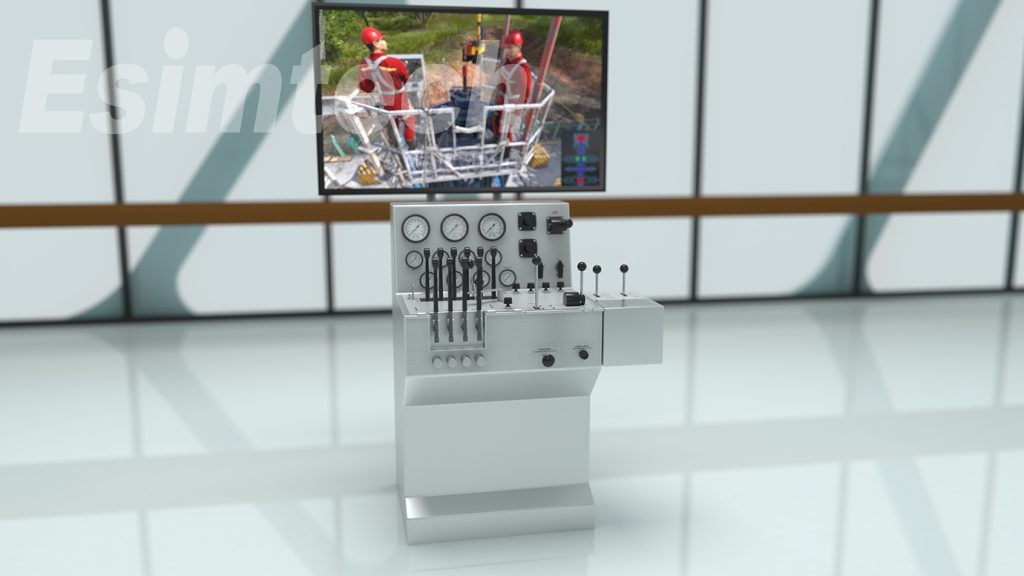
Features and Advancements of Snubbing Simulators
Two primary types, namely full-size snubbing simulators and portable snubbing simulators, are available, each designed to replicate diverse scenarios and challenges, enabling trainees to practice across a wide spectrum of settings.
Realistic Wellbore Replications
Snubbing simulators adeptly recreate an array of wellbore conditions, encompassing scenarios like high-pressure situations and stuck pipe occurrences. This realism facilitates experiential learning in a safe environment.
Tailored Scenario Simulations
Snubbing simulators are customizable to simulate various circumstances and challenges, providing trainees with exposure to an extensive range of settings.
Instant Feedback Mechanisms
Trainees receive real-time feedback on their performance from snubbing simulators, enabling them to identify areas needing improvement and make immediate adjustments.
Comprehensive Monitoring and Control Systems
Equipped with monitoring and control systems resembling hydraulic systems, pipe handling mechanisms, and control panels, snubbing simulators accurately replicate the functions of real snubbing machinery.
Diverse Control Modalities
Snubbing simulators offer various control options, including joystick and computer-based controls, allowing trainees to practice using familiar control interfaces.
Varied Training Modes
These simulators support a range of training modes, including individual and team-based approaches, accommodating diverse training needs.
Data Collection and Analysis
Snubbing simulators capture and analyze training data, empowering trainees to evaluate their performance and monitor progress over time.
Simulated Snubbing Operations
Snubbing simulators can simulate a multitude of snubbing operations, such as:
Pipe Insertion and Removal: Teaching safe and efficient methods for inserting and removing pipes from wellbores using snubbing equipment.
Pressure Control: Simulating varying wellbore pressures and imparting pressure regulation techniques during snubbing operations.
Tool Deployment and Retrieval: Training staff in deploying and retrieving downhole tools, like packers or pumps, during snubbing.
Wellbore Cleaning and Debris Removal: Replicating debris removal procedures and educating personnel on wellbore cleaning techniques.
Stuck Pipe Recovery: Instructing staff on proper procedures for extracting jammed pipes during snubbing.
Wellbore Remediation: Teaching wellbore rehabilitation strategies, including installing remedial equipment like liners or casing patches.
Specialized Snubbing Techniques: Training individuals in specialized snubbing methods, such as hydraulic snubbing that employs hydraulic power for tubular insertion or removal.
Technology Employed in Snubbing Simulators
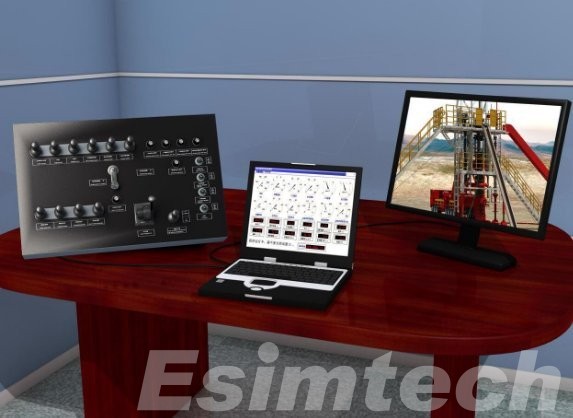
Snubbing simulators comprise complex systems utilizing various technologies to replicate the functions of actual oil and gas snubbing units.
Hydraulic Systems: Simulating hydraulic functions of actual snubbing machines through pumps, hoses, and cylinders for movement control.
Pipe Handling Systems: Replicating real pipe handling systems using mechanisms like elevators, slides, and tongs.
Control Panels: Mimicking genuine snubbing unit control panels to monitor hydraulic and pipe handling systems.
Sensors and Actuators: Employed to measure and regulate hydraulic system movement and pressure, providing real-time performance feedback.
Computer Software: Operating hydraulic and pipe handling systems, customizing training scenarios, and gathering training data.
In Conclusion
Snubbing simulators significantly enhance training in the oil and gas industry, furnishing a secure and lifelike platform for personnel to practice a wide array of snubbing operations. These simulators enable organizations to ensure that their workforce is proficient in executing snubbing procedures, thereby enhancing safety, productivity, and efficiency within the industry.
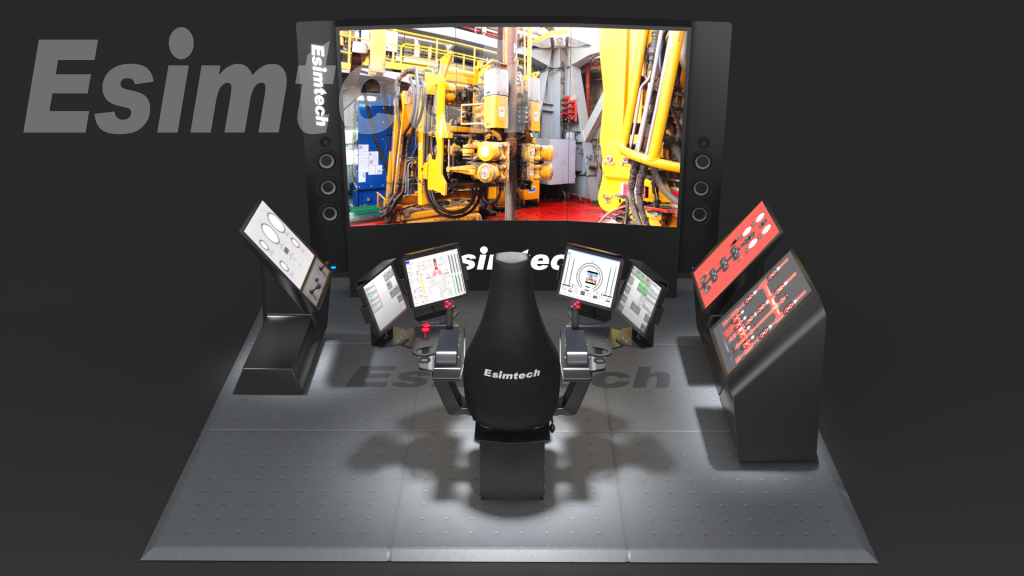
The oil and gas industry's drilling operations are intricate, involving a complex array of equipment and procedures. Despite rigorous protocols, emergencies can still occur, posing serious risks to personnel, the environment, and equipment. The drilling emergency practice training platform is a tailored training system designed for the oil and gas industry. This innovative drilling practice training simulator replicates diverse drilling scenarios, enabling personnel to practice emergency response strategies in a secure and controlled environment, thereby enhancing their skills and comprehension of emergency protocols.
The Vital Necessity of the Drilling Emergency Practice Training Platform
Safety: Drilling operations harbor inherent hazards, and emergencies can materialize unexpectedly. Comprehensive training in emergency response protocols reduces the likelihood of injuries or fatalities.
Preparedness: Equipping workers with rapid and efficient response capabilities limits losses and minimizes the impact of emergencies.
Compliance: Regulatory bodies mandate proper emergency response training. Adhering to these standards is pivotal for personnel and environmental safety and to avoid penalties and legal ramifications.
Efficiency: Effective emergency response necessitates a well-coordinated effort. Adequate training streamlines collaboration, minimizing response time and operational disruptions.
Reputation: Oil and gas emergencies can tarnish a company's public image. Competent emergency response mitigates negative publicity and maintains public trust.
Components of the Drilling Emergency Practice Training PlatformThe platform encompasses computer systems, software, physical models, and monitoring systems.
Software simulates drilling issues like blowouts and stuck pipelines.
Physical models replicate drilling equipment and components.
Monitoring and control systems ensure training safety.
Various control methods and training modalities are available.
Training Modules and Exercises

Blowout Control Exercise: Teaches blowout control measures and well-kill procedures.
Stuck Pipe Exercise: Instructs pipe-freeing techniques.
Well Control Exercise: Covers pressure control procedures.
Equipment Malfunction Exercise: Focuses on troubleshooting and repair skills.
Emergency Response Exercise: Imparts emergency response methods and basic first aid.
Team-Based Exercise: Enhances communication, teamwork, and decision-making.
Advantages of the Drilling Emergency Practice Training Platform
Improved Safety: Provides a secure environment for practicing response tactics, mitigating real-life risks.
Enhanced Preparedness: Enables quick and efficient responses to actual emergencies, minimizing potential damage.
Cost Savings: Offers a cost-effective alternative to on-site training, saving resources and reducing operational interruptions.
Customization: Tailored to simulate distinct drilling scenarios, promoting hands-on experience in diverse situations.
Real-Time Feedback: Enables self-assessment and skill refinement.
Regulatory Compliance: Meets training requirements while ensuring preparedness for crises.
In Conclusion
The drilling emergency practice training platform is pivotal for honing the skills and knowledge of oil and gas professionals. By replicating practice crises within a controlled environment, personnel can enhance their readiness and response techniques, reducing the risk of harm, loss, and damage. In an industry where safety and efficiency are paramount, this platform serves as an essential tool for safeguarding personnel, the environment, and the industry's reputation.
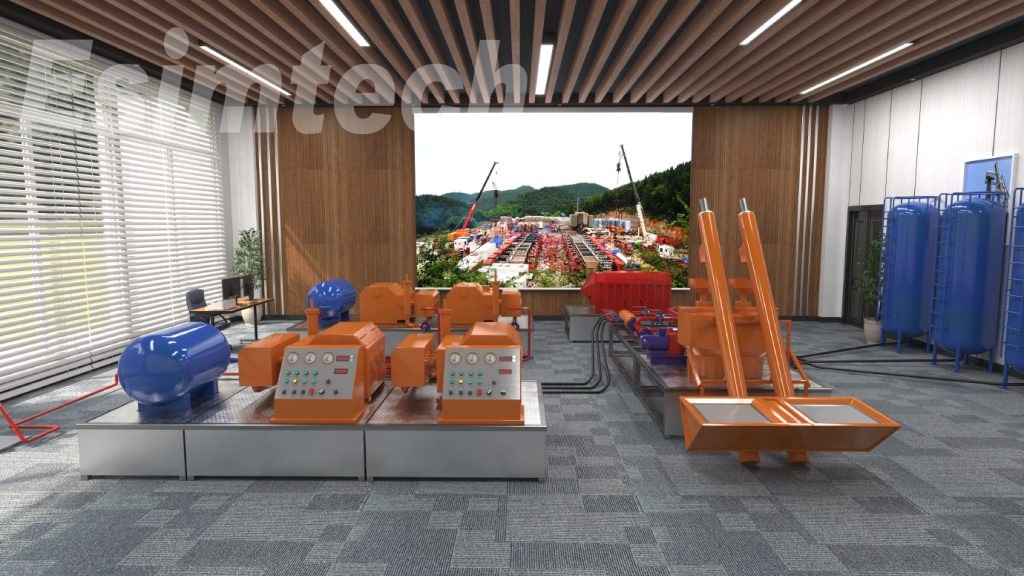
In the dynamic realm of oil and gas, ongoing technical breakthroughs have ushered in a new era of exploration and extraction methods. This transformation is most evident in the evolution of reservoir stimulation strategies, now empowered by fracturing and acidizing simulators. These cutting-edge tools have redefined how oil and gas company approach reservoir enhancement, ushering in a paradigm where output maximization, cost reduction, and environmental preservation converge. This article delves into the intricacies of fracturing and acidizing simulators, exploring their functionalities, significance, and the advantages they offer.
Understanding Fracturing and Acidizing Simulators
Two pivotal techniques, fracturing and acidizing, play a vital role in stimulating oil and gas reservoirs. Acidizing employs chemical treatments to dissolve formation components, thereby boosting permeability. On the other hand, fracturing revolves around generating fractures in rock formations, thereby enhancing the flow of hydrocarbons. These methods have proven indispensable in extracting previously untapped resources and optimizing yield from pre-drilled wells.
The Relevance of Fracturing and Acidizing Simulators in the Industry
Enhanced Production Optimization: These simulators empower engineers to predict reservoir behavior accurately, enabling them to devise stimulation treatments tailored to these predictions. This precision-driven approach leads to increased production rates and heightened reservoir performance.
Cost-Efficient Operations: The oil and gas sector demands substantial capital investments. By using fracturing and acidizing simulators, companies reap benefits like resource efficiency, reduced reliance on trial-and-error, and avoidance of costly errors. Simulators curtail expenses by streamlining operations, modeling diverse scenarios, and evaluating the effectiveness of stimulation strategies.
Elevated Reservoir Management: Simulators provide comprehensive insights into reservoir behavior and performance. By factoring in variables such as fluid properties, rock mechanics, and wellbore configurations, engineers can optimize stimulation designs. This results in enhanced production predictions, refined recovery techniques, and efficient well spacing, all contributing to superior reservoir management.
Environmental Impact Evaluation: The environmental repercussions of fracturing and acidizing processes can be detrimental if not managed effectively. Simulators play a pivotal role in assessing potential environmental effects by accurately predicting fluid behavior, fracture propagation, and migration concerns. This enables operators to execute stimulation procedures that minimize environmental risks and conserve natural resources.
Risk Mitigation and Safety Enhancement: Inherent risks in fracturing and acidizing operations include fluid migration, wellbore integrity, and equipment failures. Simulators mitigate these risks by simulating various scenarios and assessing potential consequences. This insight allows operators to implement safety measures and optimize operational protocols, ensuring secure and dependable operations.
Technological Advancements: With the advancement of computer power and data analytics, simulators for fracturing and acidizing are evolving. By integrating real-time data with artificial intelligence and machine learning algorithms, these simulators enhance precision, effectiveness, and predictive capabilities. Operators now have the opportunity to harness cutting-edge technology and foster innovation in reservoir stimulation methods.
Unveiling the Mechanism of Fracturing and Acidizing Simulators
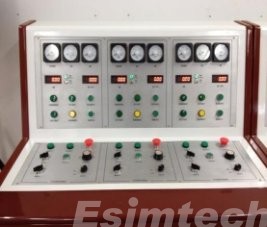
These computer-based models emulate fluid flow, rock mechanics, and chemical processes within reservoirs. Considering variables like wellbore configurations, fluid properties, reservoir characteristics, and treatment strategies, simulators generate forecasts of reservoir performance, encompassing fracture propagation, proppant placement, and fluid distribution.
A Glimpse into Future Developments
The trajectory of simulators for fracturing and acidizing continues to evolve as computational prowess and data analytics advance. By merging real-time data with AI and machine learning, these simulators heighten precision, effectiveness, and predictability. This technological convergence empowers operators to leverage innovative methods for reservoir stimulation.
In Conclusion
Fracturing and acidizing simulators have catalyzed a profound shift in the oil and gas industry, ushering in an era of optimized reservoir stimulation. These simulators, underpinned by their ability to accurately forecast reservoir behavior, are integral to enhancing design optimization, cost containment, and environmental sustainability. They empower operators and engineers to make data-informed decisions, ultimately leading to the efficient and sustainable extraction of oil and gas resources.
Within the oil and gas industry, the deployment of well intervention simulators has emerged as a pivotal strategy for replicating the intricacies of oil and gas well interventions. These advanced training tools serve as virtual laboratories, enabling practitioners to hone their skills, master techniques, and navigate complex procedures within a secure and controlled environment.

The Significance of Well Intervention Simulators in the Oil and Gas Industry
The integration of well intervention simulators holds profound importance in the oil and gas industry, primarily due to their provision of a secure and controlled training platform. These simulators facilitate practical exposure to intricate well intervention scenarios without subjecting participants to the inherent hazards and financial ramifications of real-world operations.
A key advantage of well intervention simulators lies in their potential to elevate industry safety standards. By affording a lifelike emulation of well intervention situations, personnel can acquire the necessary competencies to execute their tasks both competently and safely. This proactive approach diminishes the likelihood of accidents and incidents that can exert substantial tolls on both personnel and the environment.
Moreover, the application of well intervention simulators can substantially curtail downtime and expenditures typically associated with real-world operations. Armed with refined skills nurtured in a virtual realm, personnel can expedite their tasks and optimize efficiency when dealing with actual wells. This streamlined approach reduces the temporal and monetary investments associated with well intervention undertakings, ultimately yielding notable cost savings for industry stakeholders.
Furthermore, well intervention simulators offer the potential to enhance staff skill retention and knowledge assimilation. These simulators deliver a more engaging and memorable learning experience compared to traditional training methodologies. As a result, personnel are poised to enhance their competencies and overall performance, thereby fostering superior outcomes and heightened production levels.
Diverse Types of Well Intervention Simulators
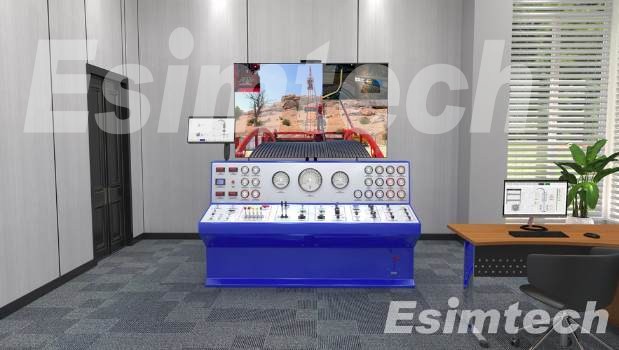
Well intervention simulators manifest in various forms, each characterized by distinct advantages and constraints. The choice of simulator is contingent upon the specific needs and requisites of the operation. Noteworthy categories of well intervention simulators encompass:
Virtual Reality Simulators
Crafting immersive 3D environments through advanced software and hardware, these simulators replicate well intervention scenarios. Participants manipulate specialized tools and controls to interact within the virtual domain.
Hardware-Based Simulators
Utilizing authentic equipment and tools, hardware-based simulators simulate well intervention procedures. Hydraulic or pneumatic systems mimic the challenges and pressures encountered during such operations.
Critical Components of Well Intervention Simulators
The architecture of well intervention simulators incorporates various integral components, collaboratively delivering an authentic simulation experience. While specific elements may vary contingent on the simulator type and intended application, the following components are commonly featured:
Computer Hardware
Encompassing physical components like computers, displays, and input devices (e.g., keyboards, mice, joysticks), computer hardware constitutes the operational nucleus of the simulator.
Software
At the core of the simulator lies the software, which engenders the simulation environment, constructs scenarios, and interfaces with users. Analysis tools for post-simulation assessment and reporting may also be encompassed.
Visualization System
The visualization system transmutes simulation scenarios into 2D or 3D renderings. Monitors, projectors, and head-mounted displays for virtual reality simulations exemplify visualization components.
Input Devices
These devices empower users to manipulate the simulated environment. They encompass specialized tools, joysticks, and other tailored input mechanisms.
Hydraulic or Pneumatic Systems
In hardware-based simulators, these systems replicate the stress and pressure dynamics encountered during well intervention tasks.
Sensors and Instrumentation
Essential for monitoring and recording simulation data (e.g., forces, pressures), sensors and instrumentation play a crucial role in the simulator's functionality.
Data Acquisition and Storage
This facet collates and archives simulation data, facilitating post-simulation analysis and reporting.
Power Systems
Certain simulators, particularly those reliant on hydraulic or pneumatic power, necessitate dedicated power systems for optimal performance.
Challenges Confronting Well Intervention Simulators
Development and Maintenance Costs
Creating and sustaining effective simulators can be economically demanding, particularly when specialized hardware and software are requisite.
Limited Availability of Specialized Simulators
A dearth of comprehensive well intervention simulators on the market, especially tailored to specific needs, can pose challenges for businesses in identifying appropriate options.
Limited Access to Real-World Data for Simulation Models
The accuracy and efficacy of simulation models hinge on the caliber of data employed. Securing real-world data for these models can be intricate due to proprietary concerns.
Complexity of Well Intervention Scenarios
Accurately simulating multifaceted well intervention scenarios is intricate, as factors like wellbore geometry, formation attributes, and downhole equipment interplay to shape simulation accuracy.
Conclusion
The integration of well intervention simulators is important, facilitating secure and efficient personnel training, risk evaluation, and well intervention optimization. By furnishing a virtual realm that mirrors real-world circumstances, these simulators transcend conventional methodologies, augmenting industry competence and ensuring enhanced safety and efficacy in well intervention endeavors in the oil and gas industry.