
Drilling simulators play a vital role in the oil and gas industry by providing safe, cost-effective, and efficient training opportunities while simultaneously improving skills and reducing environmental impact.

Safety: Drilling simulation training systems offer a controlled and secure environment for trainees to learn and practice drilling skills. They can replicate various drilling scenarios, including emergencies and equipment breakdowns, enabling trainees to respond swiftly and effectively in real-life situations.
Cost-Effective Training: Utilizing drilling simulators is a low-cost method of training and preparing drillers and other personnel. It eliminates the expenses associated with using actual drilling equipment and reduces equipment downtime, which is often necessary for training purposes.
Skill Enhancement: Drilling simulation systems enable trainees to enhance their skills and knowledge. The simulators can simulate challenging and complex drilling situations, helping trainees improve their problem-solving and decision-making abilities.
Environmental Benefits: Drilling and well control simulators can help minimize the environmental impact of drilling and well operations. By simulating scenarios beforehand, drilling operators can anticipate and avoid potential hazards and reduce environmental effects.
Operational Efficiency: Drilling simulators have the potential to increase the overall efficiency of drilling operations. Operators can reduce downtime, enhance drilling accuracy and efficiency, and increase production by using simulators to train workers and identify potential issues before they arise.
Main Components of Drilling Simulators
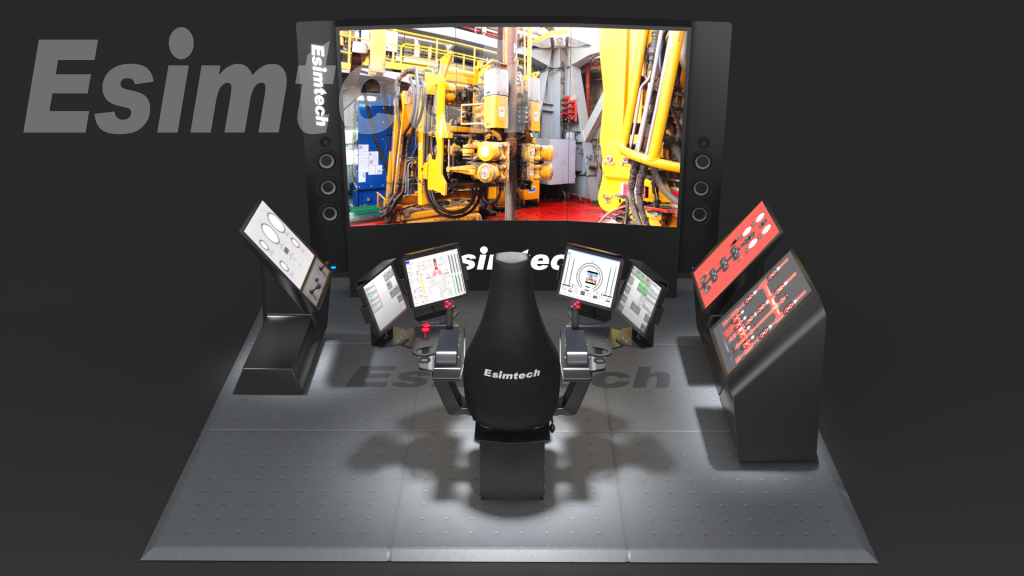
Hardware: This includes the physical components of the simulator, such as the computer, monitors, and input devices like joysticks and control panels. The hardware is designed to closely resemble a real drilling rig to provide a realistic experience.
Software: The drilling simulator's software is the core component responsible for recreating the drilling operation. It simulates drill bit movement, drill string rotation, and the behavior of the rock formations being drilled. It can also simulate various drilling scenarios, including equipment failures and emergencies.
Visualization System: The visualization system presents learners with a three-dimensional image of the drilling environment, including the drill rig, drill string, borehole, and surrounding geological formations. Realism in the visualization system is crucial to provide an accurate portrayal of a real drilling scenario.
Control System: The control system allows trainees to interact with the drilling simulator in a manner similar to how they would operate a real drilling rig. This includes controlling the movement of the drill string, monitoring drilling parameters, and responding to crises and equipment malfunctions.
Data Management System: The data management system collects and interprets drilling simulator data, such as drilling performance, equipment performance, and trainee performance. This information can be used to enhance training programs and optimize drilling operations.

Common Applications of Drilling Simulators
Training: Drilling simulation training systems are used to train drillers, wellsite supervisors, and engineers in the safe and effective execution of drilling operations. Trainees can practice and refine their abilities in a realistic drilling environment before going to the field.
Equipment Testing: Drilling simulators are ideal for testing new drilling equipment, such as drill bits, drill strings, and downhole instruments. Operators can evaluate equipment performance and identify any flaws before field utilization by simulating drilling activities.
Well Planning: Drilling and well control simulators aid in improving drilling parameters and planning well trajectories. Operators can simulate the drilling process to find the best path for the wellbore and determine the most effective drilling parameters, reducing drilling time and costs.
Safety and Emergency Response: Drilling simulation systems prepare personnel for emergencies and equipment failures. Operators can practice emergency response protocols and develop the skills needed to respond swiftly and effectively to various scenarios.
Performance Monitoring: Drilling simulators are valuable for monitoring drilling performance and identifying areas for improvement. Operators can optimize drilling operations, boost efficiency, and minimize costs by collecting data on drilling parameters and equipment performance.
In conclusion, drilling simulators are critical tools that enhance safety, efficiency, performance, and cost-effectiveness in the oil and gas industry.
Drilling and well control simulators have revolutionized training in the oil and gas industry, equipping personnel with the necessary skills to respond to well control incidents. Recent years have witnessed remarkable progress in the technology driving these simulators, resulting in more realistic and effective training experiences. In this article, we explore the latest trends and innovations in drilling well control simulators that are shaping the future of workforce readiness.
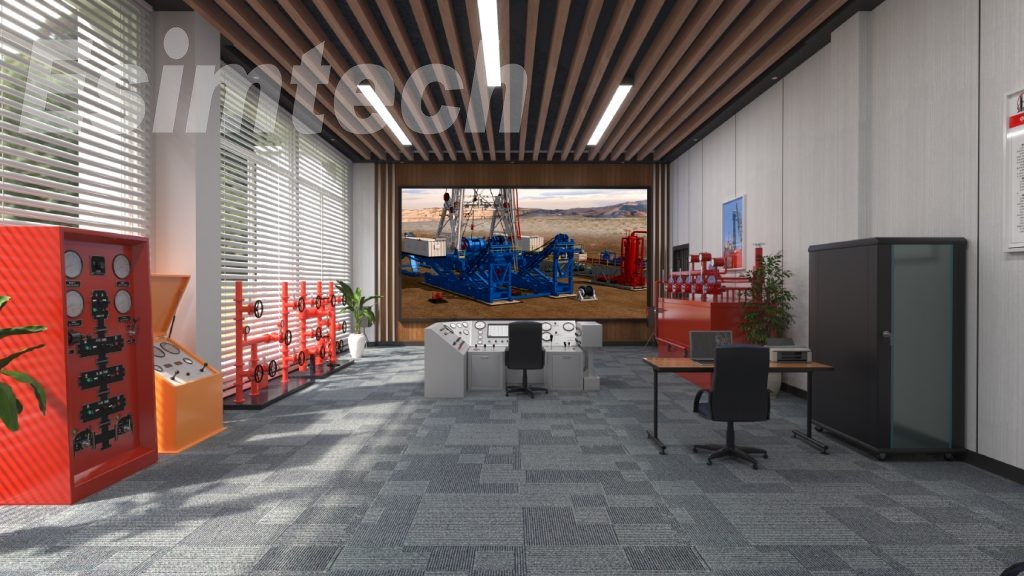
Advanced Software and Graphics: Creating Immersive Training Environments
A key trend in drilling well control simulators is the adoption of advanced software and graphics, which enable the creation of immersive training experiences. The incorporation of high-fidelity graphics and 3D models of well sites, drilling equipment, and downhole scenarios has become standard practice. Moreover, mathematical models simulating drilling parameters such as flow rate, pressure, and temperature are increasingly prevalent. By leveraging advanced software and graphics, drilling well control simulators offer more effective preparation for real-life well control incidents.
Artificial Intelligence and Machine Learning: Enhancing Realism and Adaptability
Artificial Intelligence (AI) and Machine Learning (ML) are being integrated into drilling well control simulators to generate dynamic and lifelike training scenarios. AI algorithms simulate real-time events like equipment failures and weather changes, enabling trainees to respond to unexpected situations. This fosters a more challenging and authentic experience, enhancing decision-making and problem-solving skills. Additionally, AI and ML analyze data from real-life incidents, identifying patterns and trends to improve well control training and offer personalized support where needed.
Virtual and Augmented Reality: Providing Realistic and Hands-On Training
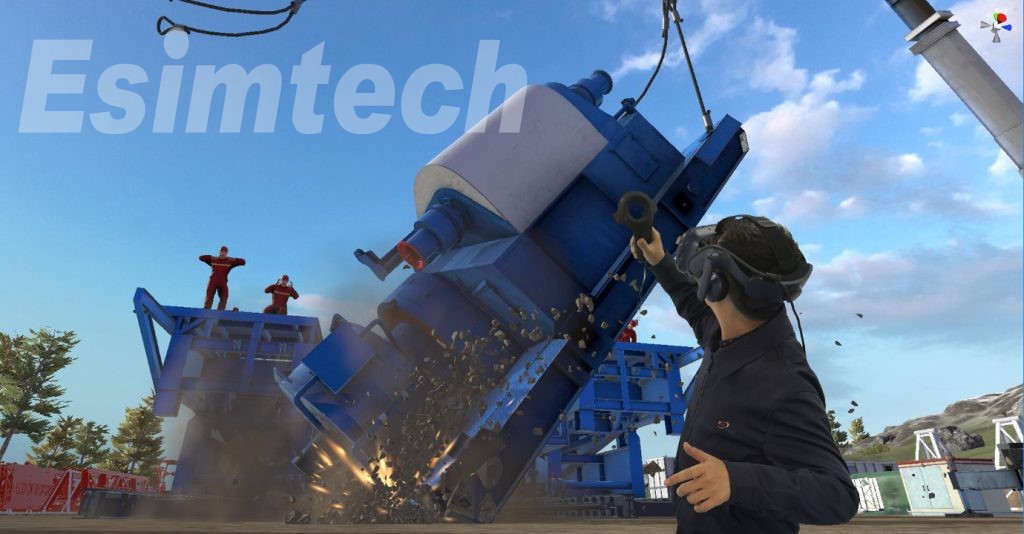
Virtual and augmented reality technologies have transformed drilling well control simulators into highly realistic training platforms. Trainees can physically interact with the virtual environment, boosting engagement and simulation accuracy. Using virtual reality headsets, trainees can practice different well control scenarios, including equipment usage, within a simulated environment. Augmented reality overlays real-time data on the simulation, empowering trainees with vital information during well control incidents.
Cloud-Based Training: Boosting Accessibility and Scalability
Cloud-based training has gained popularity in the oil and gas industry, and drilling well control simulators are no exception. Accessible from anywhere and at any time, cloud-based training improves efficiency and reduces costs. Particularly beneficial for remote drilling sites, where transporting physical simulators might be impractical, cloud-based training is also highly scalable, enabling organizations to efficiently train larger numbers of personnel.
Integration with Real-Time Data: Enhancing Decision-Making and Safety
Drilling well control simulators now integrate real-time data from drilling operations, creating dynamic training scenarios that mirror actual drilling conditions. Trainees practice responding to real-time events, making quick decisions in well control incidents. Wellbore pressure, mud weight, and other parameters are used to simulate realistic drilling conditions, enhancing both training effectiveness and operational safety.
Gamification: Elevating Engagement and Training Outcomes
Gamification is making drilling well control simulators more engaging and enjoyable for trainees. By incorporating game-like elements such as points, levels, and rewards, gamification motivates trainees to complete training modules. This interactive approach increases training effectiveness, ensuring that trainees are well-prepared to respond to well control incidents with confidence and proficiency.
In conclusion, the continuous evolution of drilling well control simulators is revolutionizing workforce readiness in the oil and gas industry. With advanced software and graphics, AI and ML, virtual and augmented reality, cloud-based training, real-time data integration, and gamification, these simulators provide lifelike and effective training experiences. By equipping personnel with essential skills and knowledge, drilling well control simulators contribute to safer drilling operations and environmental protection.
Drilling simulators have become invaluable tools for enhancing drilling efficiency and safety. This comprehensive article aims to provide an overview of drilling simulators, including their components, benefits, and development trends.

Understanding Drilling Simulators
Drilling simulators are training systems designed to replicate drilling operations, offering trainees practical experience in a controlled environment without the inherent risks and costs associated with real drilling. The primary goal of these simulators is to improve the efficiency and safety of drilling activities. By providing realistic drilling experiences, simulators mitigate the risks associated with actual drilling while reducing expenses related to tools, personnel, and downtime.
Virtual Drilling Simulators
Virtual drilling simulators are computer-based systems that enable trainees to practice drilling operations within a simulated environment. These simulators replicate drilling rigs, tools, processes, and environments, providing an immersive and lifelike training experience. Virtual drilling simulators offer numerous advantages over physical simulators, such as cost reduction, the ability to simulate complex drilling scenarios, and the capability to monitor and analyze trainee performance data.
Components of Drilling Simulators
Drilling simulators consist of both physical and software components. Hardware components include the drilling rig, control systems, and sensors, while software components encompass simulation models, visualization tools, and data analysis capabilities. Although the drilling rig and equipment used in simulators are typically scaled-down versions of real equipment, they must accurately mimic the functionality and behavior of their real counterparts. Simulation models are computer programs that simulate drilling physics and equipment behavior.
Benefits of Drilling Simulators in the Oil and Gas Industry
Drilling simulators find extensive use in training within the oil and gas industry. They aid in training drilling crews, enhancing drilling operations, and improving safety. Simulators can simulate various drilling scenarios, including harsh environments, deepwater drilling, and unconventional drilling. Furthermore, they can evaluate drilling equipment efficiency and optimize drilling processes.
Advantages of Using Drilling Simulators
Drilling simulators offer multiple advantages, including cost savings, enhanced safety, improved training efficiency, and realistic simulations. Simulators reduce risks associated with real drilling by providing trainees with authentic drilling experiences while minimizing tool costs, personnel expenses, and downtime. Moreover, simulators provide a safe environment for trainees to make and learn from mistakes without endangering themselves or others. Lastly, simulators can replicate a wide range of drilling situations, enabling trainees to gain diverse experience in routine, complex, and hazardous operations.
Development Trends of Drilling Simulators
The development of drilling simulators is an evolving process, with several trends emerging. Virtual reality is gaining popularity, offering a more immersive training experience. Virtual reality simulators allow trainees to interact with simulated environments and equipment in real time, enhancing their training. Integration with automation technology is also on the rise, improving drilling operation efficiency. Automated drilling systems can be controlled and monitored remotely, reducing the need for on-site personnel. Additionally, advanced data analytics are employed to analyze drilling data and optimize drilling operations. Data analytics enables drilling crews to identify patterns and trends in the data, leading to enhanced drilling processes and reduced costs.
Conclusion
Drilling simulators are indispensable tools in the oil and gas industry, enhancing drilling operation efficiency. They provide realistic training experiences, reduce risks and costs, and enable drilling crews to practice a wide range of drilling scenarios. The development of drilling simulators continues to evolve, incorporating virtual reality, automation technology, and data analytics to further enhance their capabilities.
Oil and gas simulation has become increasingly crucial in the petroleum industry, offering engineers and operators vital tools for decision-making, optimizing performance, and reducing costs. By utilizing mathematical models and computer simulations, oil and gas simulation predicts behavior and enables a deeper understanding of reservoir dynamics. However, this field also faces several challenges and limitations:
Data availability: Accurate simulation requires extensive reservoir data, including rock parameters, fluid properties, and well data. However, obtaining complete and up-to-date data can be challenging, leading to difficulties in developing effective simulation models.
Uncertainty: The oil and gas industry is rife with uncertainties, such as fluctuating oil prices, changing regulations, and unexpected geological features. These uncertainties make it challenging to create realistic simulations that can confidently estimate production and reservoir dynamics.
Complex models: Simulating oil and gas reservoirs often involves complex mathematical models that can be challenging to comprehend and interpret. Communicating simulation results to stakeholders and decision-makers can be difficult due to the complexity of these models.
Computing power: Running simulations requires substantial processing power, which can be costly and time-consuming. Large datasets can slow down or even crash simulations, further complicating the process.
Model assumptions: Simulation models are built upon various assumptions, which may or may not be correct. For example, a model may assume a homogeneous reservoir when it is actually heterogeneous, leading to inaccurate projections.
Limited scope: Simulations often focus on specific aspects of the reservoir or production process, resulting in a narrow scope. This limitation makes it challenging to capture the full complexity of the system, potentially leading to incomplete or erroneous results.
Despite these challenges, oil and gas simulation finds wide applications in the industry:
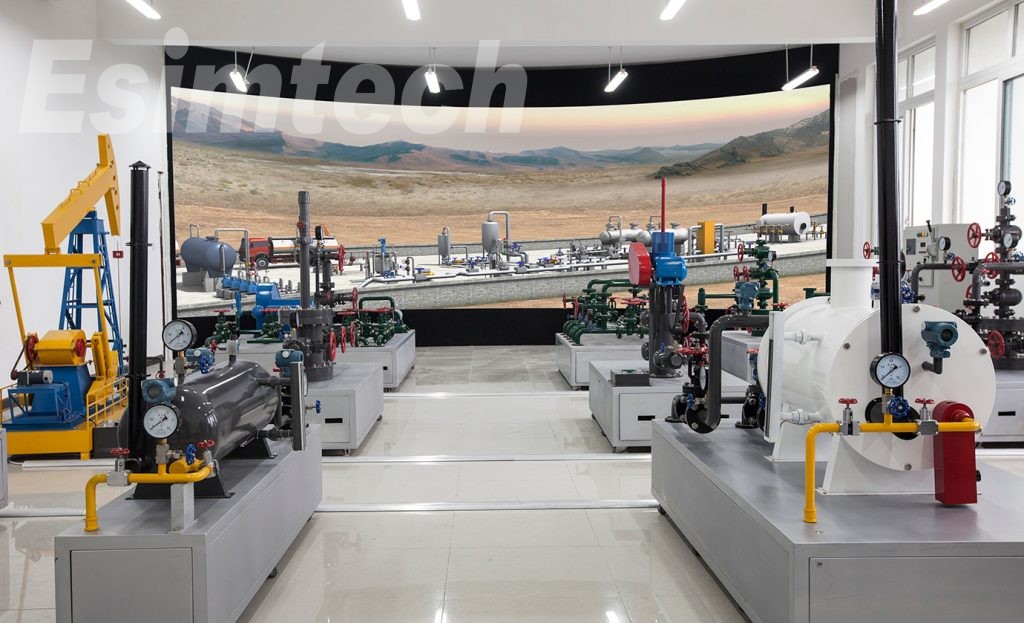
Reservoir management: Engineers use reservoir simulators to model oil and gas reservoir behavior, maximizing production rates. Optimization of output and increased recovery rates can be achieved through effective reservoir management using simulation tools.
Wellbore design: Oil and gas simulation aids in the design of wellbores, accounting for factors such as fluid output, gas flow, and pressure variations. Wellbore simulators optimize drilling processes, leading to reduced drilling time and improved efficiency.
Pipeline design: Simulation tools can optimize the design of oil and gas pipelines by considering fluid characteristics, flow rates, and pressure variations. This optimization can result in cost savings during construction and efficient pipeline operations.
Refinery optimization: Oil and gas modeling helps optimize refinery operations by simulating factors such as feedstock qualities, process conditions, and product standards. Process simulators enable energy reduction, increased product yields, and significant cost savings.
Looking ahead, several trends and developments are shaping the future of oil and gas simulation:

Increasing use of artificial intelligence and machine learning: These technologies analyze large volumes of data, identifying patterns and making predictions. They enhance reservoir characterization, production optimization, and cost reduction in the oil and gas industry.
Greater integration of simulation tools: Integrated asset simulators combine reservoir, wellbore, and process modeling into a single model. This integration allows companies to optimize the entire value chain, from exploration to refining.
Focus on sustainability: The industry's increasing emphasis on sustainability drives the use of simulation software to maximize production while minimizing environmental impact.
Adoption of virtual reality and augmented reality: These technologies create immersive training environments and aid in visualizing complex data and models. They enhance operator training, reservoir visualization, and drilling operations.
Growing use of cloud computing: Cloud computing enables the storage and processing of vast amounts of data, promoting collaboration among geographically dispersed teams and providing on-demand access to simulation software.
As oil and gas simulation continues to evolve, these trends and developments will play a significant role in enhancing decision-making, performance optimization, and sustainability in the industry.
Simulation software, specifically designed for the oil and gas industry, empowers engineers and operators with valuable insights into the behavior of reservoirs, prediction of production outcomes, and optimization of exploration and production activities. Petroleum simulators serve as indispensable tools for understanding complex reservoir dynamics, identifying potential hazards, improving operational efficiency, and maximizing resource recovery. Moreover, they play a pivotal role in testing and advancing new technologies, driving innovation, and fostering competitiveness within the industry.
Types of Petroleum Simulators
Petroleum simulators encompass various types, including reservoir simulators, wellbore simulators, process simulators, and integrated asset simulators. Each type offers distinct capabilities and finds applications in different areas.
Reservoir Simulators:
Reservoir simulators are sophisticated programs that replicate the behavior of oil and gas reservoirs. These simulators take into account parameters such as rock properties, fluid characteristics, and fluid flow. They are instrumental in forecasting reservoir performance, optimizing production strategies, and evaluating the impact of different production scenarios.
Reservoir simulators excel in assessing unconventional reservoirs, such as shale gas and tight oil deposits, which possess intricate geology and challenging reservoir characteristics. By reducing uncertainty and aiding in the optimization of drilling and completion operations, reservoir simulators greatly enhance decision-making processes.
Wellbore Simulators:
Wellbore simulators focus on modeling the behavior of oil and gas wells. They consider factors like fluid generation, gas flow, and pressure variations. Wellbore simulators contribute to enhancing production efficiency, optimizing well design, and predicting well performance.
These simulators are particularly effective in optimizing output from horizontal wells, which are commonly utilized in unconventional reservoirs. Given the complexities associated with such wells, including hydraulic fracturing requirements, wellbore simulators prove instrumental in optimizing fracturing operations and maximizing production rates.
Process Simulators:
Process simulators are employed for modeling refining processes, encompassing activities such as distillation, cracking, and chemical reactions. By simulating these processes, they assist refineries in optimizing operations, minimizing energy consumption, and improving product quality.
Process simulators offer significant advantages in assessing the impact of changing feedstock compositions on refining operations. As refineries frequently encounter crude oil with varying compositions, process simulators enable the optimization of refinery processes to accommodate such fluctuations.
Integrated Asset Simulators:
Integrated asset simulators merge reservoir, wellbore, and process modeling into a unified framework. These comprehensive simulations allow companies to optimize the entire value chain, from exploration to refining. Integrated asset simulators contribute to increased resource recovery, reduced operating costs, and optimized production rates.
Integrated asset simulators are particularly valuable in assessing the implications of production decisions across the complete value chain. By optimizing manufacturing and refining activities, these simulators enhance profitability and maximize resource utilization.
Benefits of Petroleum Simulators
Improving Reservoir Characterization:
One of the primary advantages of petroleum simulators lies in their ability to enhance reservoir characterization. By considering factors such as rock properties, fluid characteristics, and fluid flow, reservoir simulators simulate the behavior of oil and gas reservoirs. This reduces uncertainty in reservoir characterization and improves predictions of reservoir performance.
Enhanced reservoir characterization brings several benefits, including more accurate resource estimation, more efficient drilling and completion operations, and reduced risks in exploration and production activities.Optimization of Production Rates:
Petroleum simulators enable the optimization of production rates. Wellbore simulators replicate the behavior of oil and gas wells by considering elements like fluid output, gas flow, and pressure variations. These simulators aid in optimizing well design, predicting well performance, and increasing production efficiency.
Optimizing production rates leads to increased resource recovery, improved reservoir management, and lower operating costs.Reduced Operating Costs:
Another advantage of petroleum simulators is their ability to reduce operating costs. Integrated asset simulators combine reservoir, wellbore, and process modeling into a single model, enabling companies to optimize the entire value chain. Integrated asset simulators contribute to increased resource recovery, reduced operating costs, and optimized production rates.
Reduced operating costs offer multiple advantages, including improved profitability, reduced environmental impact, and enhanced safety.Increasing Profitability:
Petroleum simulators play a crucial role in driving profitability. Economic simulators replicate the economic aspects of oil and gas production, encompassing factors such as project costs, cash flow, and profitability. They enable the examination of project sustainability and the evaluation of the influence of price fluctuations on project economics.
Increased profitability brings numerous benefits, including improved financial performance, increased shareholder value, and enhanced flexibility for future investments.In summary, petroleum simulators are indispensable tools within the oil and gas industry. They enable organizations to make informed decisions, optimize operational performance, increase profitability, and gain a comprehensive understanding of complex geological and technical scenarios. By leveraging the power of simulation software, the industry can unlock significant benefits and drive continuous progress.