
The significance of well logging, a technique used to measure and record properties of rocks and fluids in a wellbore, is on the rise within the energy industry. Well logging simulators have revolutionized this process by providing virtual platforms for simulating and analyzing downhole measurements. In this article, we will explore well logging simulators, their characteristics, and their substantial impact on the energy industry.
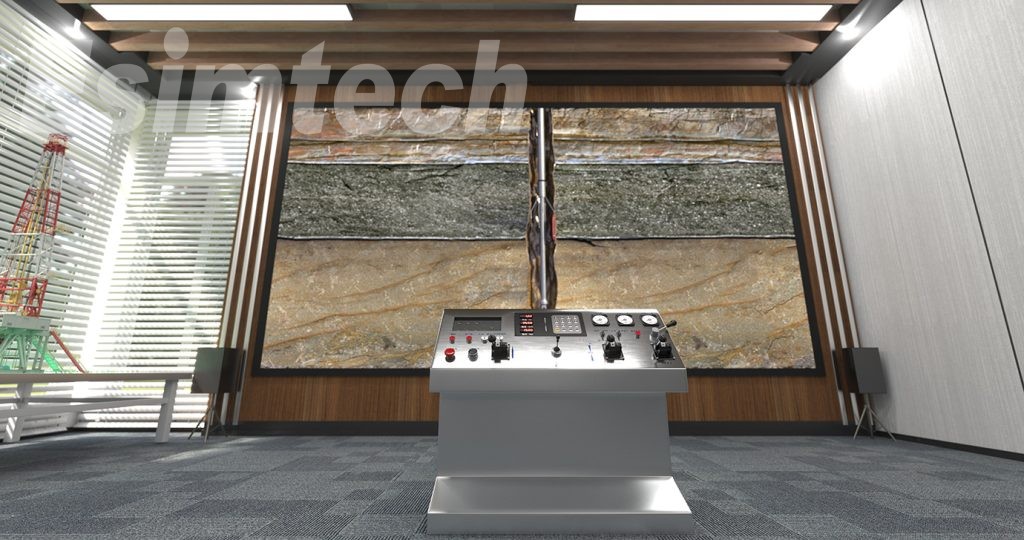
Understanding Well Logging Simulators
Well logging simulators are advanced computer models that replicate the behavior of downhole measurements and the underlying subsurface formations. These simulators employ intricate algorithms rooted in physics, geology, and engineering principles to simulate and predict logging responses. They enable energy companies to execute virtual well logging exercises, assess alternative logging equipment and techniques, and gain valuable insights into reservoir characteristics by generating a digital representation of the wellbore and the surrounding formation.
Modeling Logging Tools
Simulators precisely model the physics and measurements of various logging tools, including gamma-ray, resistivity, neutron porosity, and sonic tools. These models account for factors like tool shape, sensor response, and interactions with the formation, allowing engineers to replicate the behavior of specific logging tools and assess their performance in diverse geological contexts.
Formation Modeling
Well logging simulators include accurate simulations of subsurface formations, encompassing aspects such as rock types, lithology, porosity, and fluid saturation. These models incorporate complex geological variations, enabling engineers to simulate various scenarios, comprehend formation characteristics, and evaluate their impact on logging responses. Companies can make informed decisions regarding reservoir properties and optimize resource extraction strategies by analyzing these simulated measurements.
Calibration and Validation
Simulators facilitate the calibration and validation of logging responses by comparing simulated results with real field data. This process ensures that the simulation models faithfully represent downhole measurements and offer reliable insights into reservoir properties. Through validation, companies can build confidence in the accuracy of the simulators and effectively utilize them for data interpretation and reservoir characterization.
Scenario Analysis
Engineers can utilize well logging simulators for scenario analysis, simulating different logging scenarios under varying conditions. By modifying logging tool parameters, wellbore conditions, or reservoir characteristics, companies can assess the impact of various variables on logging responses. This approach aids in optimizing logging procedures, identifying formation characteristics, and reducing uncertainty in reservoir evaluation.
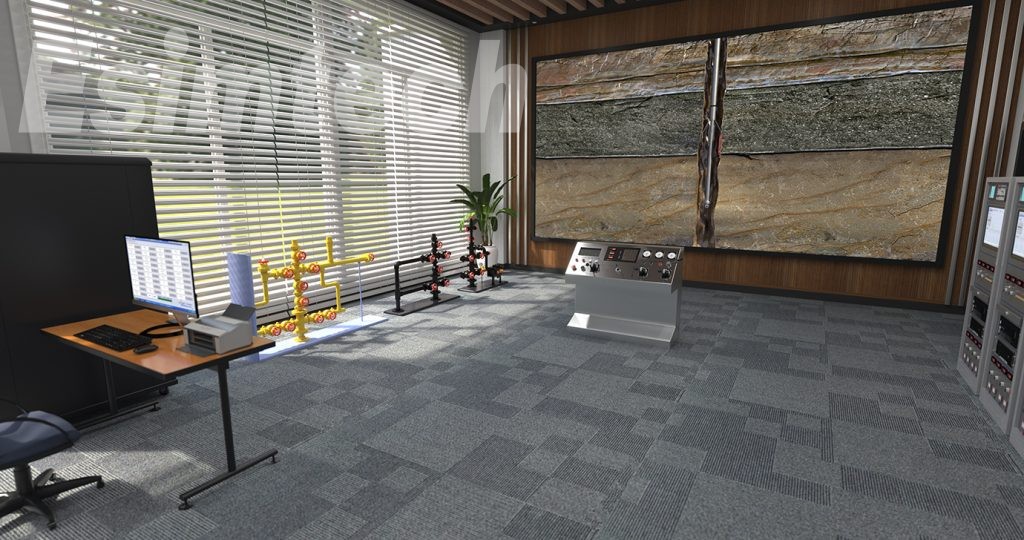
The Profound Impact of Well Logging Simulators on the Energy Industry
Cost Optimization
Well logging simulators help organizations optimize their logging strategies and reduce field operation costs. By conducting virtual well logging exercises, companies can evaluate different logging equipment and methodologies, identify the most efficient ones, and optimize the deployment of actual logging tools in the field. This minimizes the need for additional trips and reduces the risk of failed logging runs, resulting in substantial cost savings.
Enhanced Data Interpretation
Engineers can use well logging simulators to assess logging results and extract relevant information about reservoir features. By simulating various scenarios and analyzing the simulated observations, companies can enhance their understanding of formation parameters such as porosity, permeability, and fluid saturation. This improved data interpretation leads to more accurate reservoir modeling, resource assessment, and decision-making.
Improved Reservoir Characterization
Well logging simulators play a crucial role in reservoir characterization, providing precise information about subsurface formations. Engineers can assess formation attributes, analyze reservoir heterogeneity, and identify potential production zones by modeling logging responses. This data is essential for optimizing well placement, developing completion procedures, and maximizing hydrocarbon recovery from reservoirs.
Risk Mitigation
Well logging simulators aid in mitigating risks associated with reservoir appraisal and resource extraction. Companies can assess uncertainties and hazards related to various logging scenarios by modeling logging responses. This enables them to identify potential issues, formulate suitable contingency plans, and reduce overall risk in reservoir development and production activities.
Training and Skill Development
Well logging simulators serve as valuable training and skill development platforms for industry personnel. They offer a safe and controlled environment for engineers to practice and enhance their logging interpretation skills, especially as the complexity of logging tools and procedures increases. This results in a more knowledgeable workforce and enables the effective use of logging data for reservoir evaluation.
In Summary
Well logging simulators are instrumental in uncovering subsurface information and ensuring effective resource extraction within the energy industry. They can provide precise reservoir characterization, efficient well logging strategies, and improved decision-making by offering virtual platforms to replicate logging responses.
The realm of oil and gas has witnessed a transformative tool emerge in recent years – oil and gas animation. This innovative technology harnesses cutting-edge 3D modeling, rendering, and animation techniques to breathe life into intricate concepts, fostering seamless communication among a diverse range of stakeholders. Its impact extends from the initial phases of exploration and drilling to the intricacies of production and refining, with the potential to revolutionize the entire industry. In this article, we explore the world of oil and gas animation, examining its uses, benefits, and the game-changing potential it holds for the oil and gas sector.
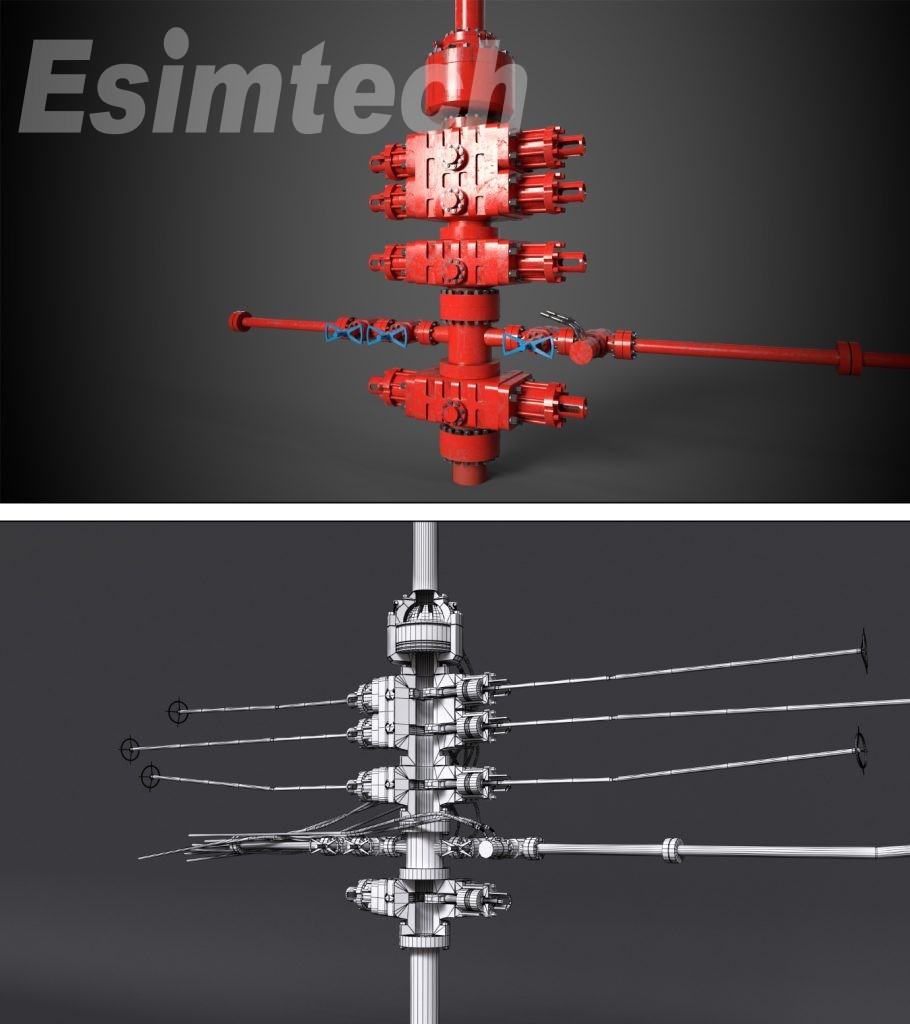
The Power of Oil and Gas Animation
In an industry characterized by complexity and data intricacy, visualization has emerged as a potent means of conveying information. Oil and gas animation represents a fusion of advanced technology and visual storytelling, providing an engaging and dynamic medium to unravel the intricacies of the sector.
One of its paramount attributes lies in its ability to simplify convoluted concepts. By transforming abstract ideas into tangible representations, oil and gas animation enables stakeholders like engineers, investors, and legislators to gain a deeper comprehension of the industry's complexities. Whether depicting geological formations, drilling procedures, or refining processes, animation offers unparalleled clarity and insight into the industry's myriad challenges.
Applications of Oil and Gas Animation
Oil and gas animation finds utility across various stages of the industry's value chain. Here are some key areas where this innovative technology is making a significant impact:
1. Exploration and Reservoir Modeling
Geologists and geophysicists employ oil and gas animation to visualize subsurface features, reservoir models, and fluid flow dynamics. This visualization aids in informed decision-making regarding exploration targets, optimal drilling locations, and resource estimation by rendering seismic data and well logs in three-dimensional clarity.
2. Drilling and Production
Oil and gas animation proves invaluable in enhancing drilling techniques, such as directional drilling and well completions. It vividly illustrates the positioning of drilling equipment, downhole tools, and the extraction of oil or gas from the reservoir. This, in turn, enhances safety awareness, operational efficiency, and field crew training.
3. Refining and Processing
Complex refining and processing procedures benefit immensely from oil and gas animation. From depicting distillation processes to elucidating catalytic cracking and blending activities, animation aids plant operators in monitoring plant performance, identifying bottlenecks, and optimizing equipment utilization. It also serves as an effective tool for conveying environmental and safety regulations in potentially hazardous work environments.
4. Offshore Operations
Offshore oil and gas operations entail intricate infrastructure, including platforms, pipelines, and subsea equipment. Animation plays a pivotal role in visualizing installation processes, maintenance activities, and emergency response protocols in these offshore scenarios. It enhances situational awareness, facilitates risk assessment, and empowers real-time decision-making.
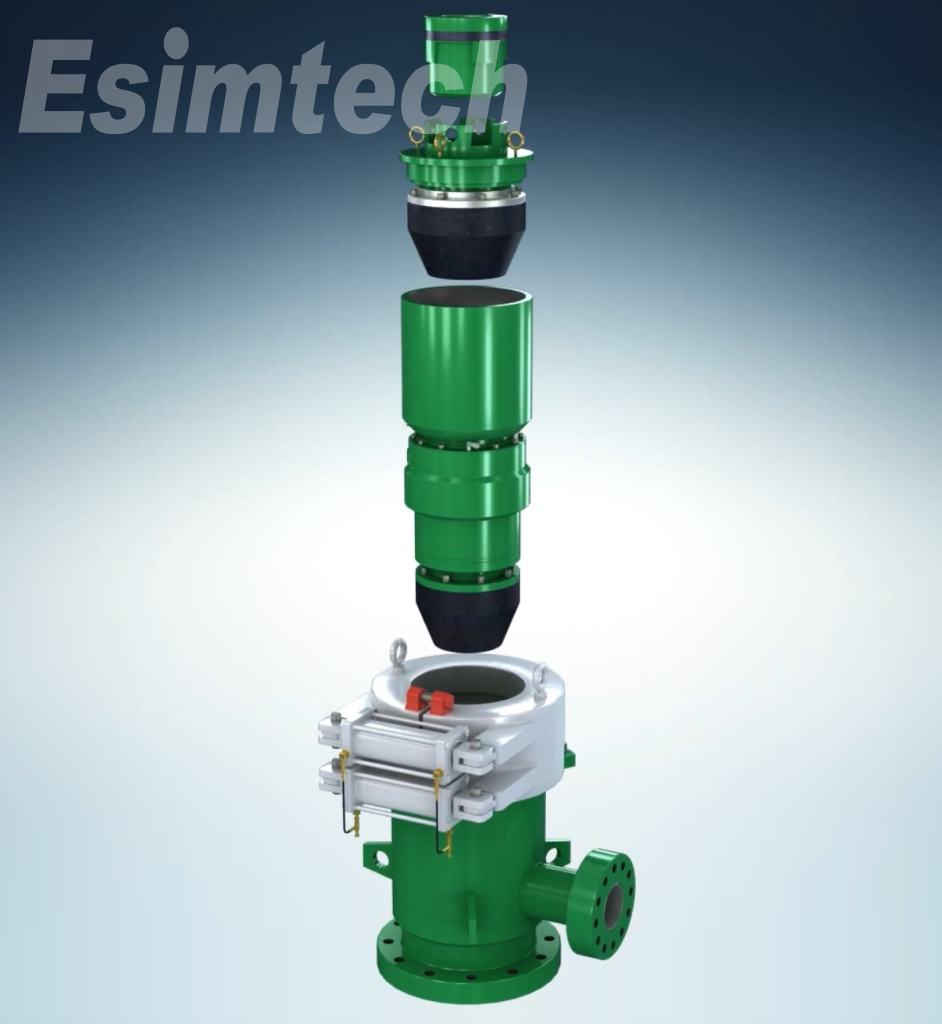
Benefits of Oil and Gas Animation
The adoption of oil and gas animation offers numerous advantages to the industry:
1. Enhancing Communication and Stakeholder Engagement
Oil and gas animation bridges the gap between technical experts and non-technical stakeholders. It transforms complex data into visually compelling narratives that are easily comprehensible and engaging for a broad audience. This fosters improved communication, collaboration, and decision-making, from project planning to community engagement.
2. Training and Safety
As a training tool, animation allows personnel in the oil and gas industry to grasp equipment operation, emergency procedures, and safety protocols within a simulated environment. Immersing users in realistic scenarios enhances safety awareness and reduces risks during real-world operations. Furthermore, it enables the development of comprehensive training programs tailored to address specific challenges and requirements.
3. Cost and Time Efficiency
The adoption of oil and gas animation leads to optimized designs, reduced downtime, and improved project outcomes, resulting in substantial cost and time savings.
4. Data Integration and Real-time Visualization
Technological advancements have enabled the integration of real-time data into oil and gas animation. Operators can now link animation platforms to data sources such as sensors, SCADA systems, and IoT devices, enabling proactive decision-making, predictive maintenance, and continuous process optimization.
Future Outlook of Oil and Gas Animation
The future of oil and gas animation holds tremendous promise, with ongoing breakthroughs and innovations anticipated as technology evolves. Virtual reality (VR) and augmented reality (AR) technologies will enable users to virtually interact with oil and gas facilities. Real-time data integration will further improve, providing stakeholders with up-to-the-minute information crucial for decision-making.
Conclusion
In conclusion, oil and gas animation simplifies complex concepts, strengthens safety protocols, and enhances operational efficiency. Its ability to bridge communication gaps across a diverse range of stakeholders and streamline decision-making processes positions it as an indispensable tool in today's oil and gas landscape. As the industry increasingly embraces the benefits of animation, we can expect visualization to play a pivotal role in reshaping the future of the oil and gas sector.
The oil and gas industry is a multifaceted and ever-evolving industry, heavily reliant on efficient and secure gathering and transportation operations. Traditionally, training within this sector demanded extensive on-the-job experience, often consuming valuable time, financial resources, and posing potential safety risks. Enter the Oil and Gas Gathering and Transportation Simulator, a cutting-edge solution harnessing the power of virtual reality (VR) and simulation to offer a realistic and immersive training experience for oil and gas professionals. In this article, we delve into the essence of the Oil and Gas Gathering and Transportation Simulator, exploring its key attributes and the benefits it brings to the industry.
Understanding the Oil and Gas Gathering and Transportation Simulator
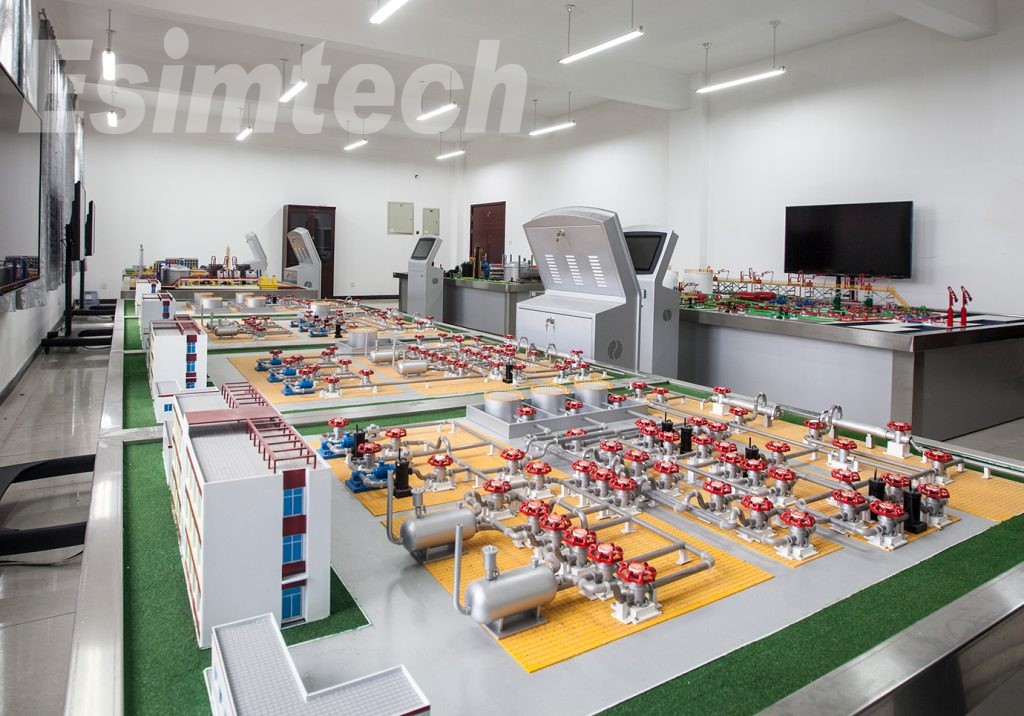
The Oil and Gas Gathering and Transportation Simulator represents a groundbreaking training tool that leverages virtual reality (VR) and simulation technologies to construct a virtual realm mirroring the intricacies and challenges encountered in actual gathering and transportation scenarios.
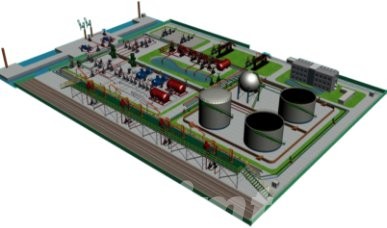
This state-of-the-art simulator equips trainees with VR headsets, immersing them in a simulated environment where they can interact with various gathering and transportation components and equipment. This virtual landscape accurately replicates pipelines, tanks, compressors, pumps, valves, and other vital industry infrastructure. Trainees gain the ability to monitor pipeline integrity, conduct equipment inspections, manage flow rates, and effectively respond to crisis situations.
Moreover, the simulator offers a wide array of tailored scenarios, replicating diverse operational conditions such as fluctuating weather patterns, equipment malfunctions, and maintenance demands. This controlled environment allows trainees to refine their skills and make informed decisions, free from the real-world consequences of any missteps.

Key Features and Advantages of the Oil and Gas Gathering and Transportation Simulator
1. Realistic Simulation
The simulator provides an astonishingly lifelike virtual environment, faithfully mirroring the complexities of oil and gas gathering and transportation processes. Trainees undergo a genuine representation of their responsibilities and the challenges posed by real-world scenarios, encompassing everything from infrastructure and equipment to ever-changing weather conditions.
2. Immersive Virtual Reality Experience
The simulator with virtual reality (VR) technology delivers an immersive experience to trainees through . Donning VR headsets, they fully engage with the virtual environment, becoming wholly absorbed in gathering and transportation operations. This heightened level of immersion significantly enhances training effectiveness, promoting deeper engagement and more fruitful learning outcomes.
3. Hands-On Training
The simulator allows students to actively interact with simulated pipelines, tanks, compressors, pumps, and other equipment, offering a hands-on approach to training. Trainees can gain practical experience in a controlled environment, engaging in tasks such as monitoring, inspection, and responding to emergencies. This hands-on training fosters skill development and boosts confidence in handling real-world challenges.
4. Safety Training and Risk Mitigation
Safety is paramount in gathering and transportation operations. The simulator serves as a platform for practicing safety protocols, emergency response procedures, and risk management techniques. Trainees learn to detect and efficiently manage potential hazards and incidents by simulating these scenarios, fostering a safety-conscious mindset and enhancing safety performance in the field.
5. Performance Tracking and Analytics
The simulator includes features for performance tracking and analytics, enabling trainees and organizations to measure and evaluate performance. Trainees receive feedback on their actions and decisions, helping them identify areas for improvement. Analytics empower organizations to assess overall training effectiveness, optimize programs, and make informed decisions regarding skill development and budget allocation.
6. Cost-Effectiveness
In contrast to traditional training methods, the simulator offers a cost-effective alternative. It reduces the need for physical resources, site preparation, and logistical arrangements, thus driving down associated costs. Trainees can acquire valuable expertise and competence in a virtual setting, reducing on-the-job training durations and operational disruptions.
7. Continuous Learning and Refresher Training
The simulator facilitates ongoing learning and refresher training for the oil and gas industry. As new technologies, procedures, and regulations emerge, trainees can return to the simulator to refresh their knowledge and stay abreast of industry developments. This adaptability ensures a continuous pool of expertise, ready to meet evolving industry demands.
In Conclusion
The Oil and Gas Gathering and Transportation Simulator represents a significant advancement in oil and gas industry training technology. This revolutionary solution, combining virtual reality and simulation, provides a secure, realistic, and cost-effective training environment. It empowers industry professionals with the skills and knowledge needed to excel in gathering and transportation operations, ultimately enhancing safety and efficiency in this dynamic sector.
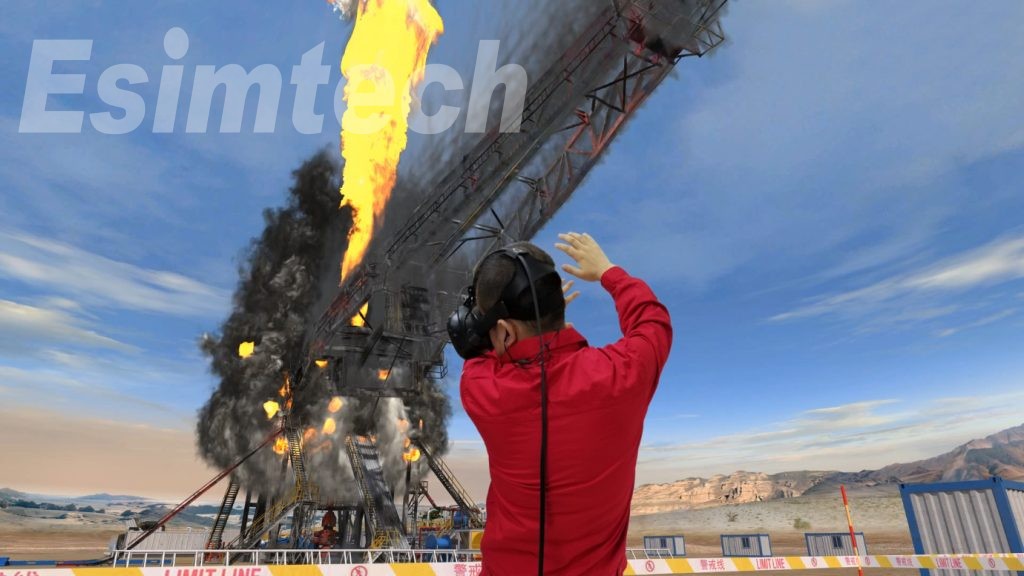
In recent years, Virtual Reality (VR) technology has garnered widespread attention across various industries, ushering in immersive and interactive experiences that were once only imagined. Among its transformative impacts, one area that stands out is emergency response training. The emergence of VR-based emergency training simulators is reshaping how responders prepare for critical situations, offering a risk-free yet true-to-life environment to enhance their skills and decision-making capabilities. This article delves into the groundbreaking potential of VR in emergency training and explores its manifold advantages for first responders and medical professionals.
Advantages of Embracing VR Emergency Training Simulators
A Gateway to Realistic Scenarios:
Conventional emergency response training encompasses theoretical learning, tabletop exercises, and practical drills. While valuable, these methods often lack the authentic realism required to fully equip individuals for high-pressure real-world scenarios. This is where VR emergency training simulators shine.
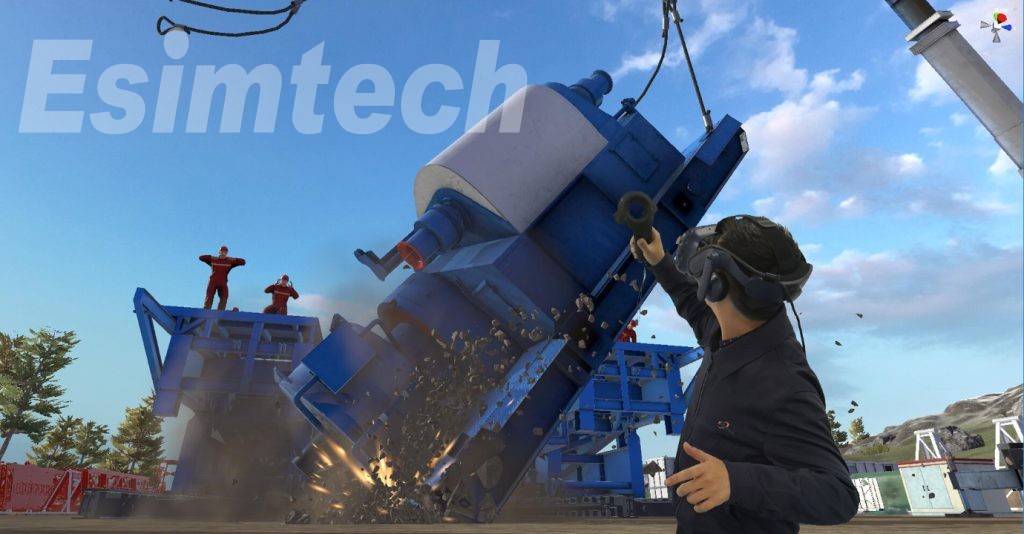
These simulators create lifelike environments that authentically replicate the challenges faced by first responders, depicting a range of emergency scenarios from natural disasters to complex medical crises.
Trainees navigate through virtual landscapes, interact with simulated patients, and practice essential skills without risking lives or property. This immersive approach hones their ability to make swift, informed decisions and adapt to rapidly evolving situations.
Enhanced Learning through Immersion and Interaction:
The immersive nature of VR technology offers a distinctive edge in emergency training. Trainees are fully immersed in virtual worlds where they can interact with genuine emergency scenarios, replicating the sensory experience of being on the frontlines. Specialist VR headsets, haptic feedback systems, and motion-tracking controllers heighten the realism, thereby enhancing the learning curve.
Interactivity sets VR emergency training simulators apart from traditional methods. Trainees practice critical skills like triage, CPR, and wound management within a controlled environment. Instant feedback, guidance, and performance metrics aid continuous improvement.
Risk-Free Training with Infinite Scenarios:
Mitigating risks associated with real-world training is a cornerstone advantage of VR emergency training simulators. In traditional training, errors can have serious consequences, but in the virtual realm, trainees can learn from mistakes without endangering lives or property. They can simulate scenarios, experiment with various approaches, and acquire knowledge without fear of negative outcomes.
Additionally, the versatility of the VR simulator offers a wide array of scenarios tailored to specific training needs. From responding to multi-car accidents to managing chemical leaks, the simulator adapts to simulate nearly any emergency situation. This adaptability empowers students to gain expertise across diverse conditions that traditional training settings would struggle to replicate.
Cost-Efficiency and Accessibility:
Beyond its training benefits, the VR emergency training simulator brings cost-effectiveness and accessibility to the table. Virtual training circumvents logistical and budgetary challenges linked to organizing large-scale practical exercises or deploying personnel for on-site training. Remote training becomes feasible, allowing responders in remote or resource-constrained locations to access high-quality training experiences.
Future Prospects and the Potential of VR Emergency Training Simulators
Integration of Artificial Intelligence (AI):
AI algorithms enhancing virtual environments' realism and intelligence.
Dynamic and adaptive training experiences responding to trainee actions.
Real-time AI-generated feedback and guidance for trainees.
Advanced Simulation Capabilities:
Enhanced realism with improved graphics, physics, and environmental effects.
Modeling intricate physiological reactions and medical conditions.
Integration of mixed-sensory feedback for heightened immersion.
Collaborative Training and Communication:
Virtual teamwork and coordination exercises for trainees in remote locations.
Integration of speech recognition and natural language processing for seamless communication.
Simulation of interagency cooperation during large-scale disasters.
Data Analytics and Performance Metrics:
Comprehensive data collection and analysis of trainee performance.
Identification of areas for enhancement and tailored training strategies.
Benchmarking and comparison of trainee performance against industry standards.
Virtual Reality for Mental Health Support:
Integration of stress management and resilience training modules.
VR therapy for treating and preventing post-traumatic stress disorder (PTSD).
Psychological well-being support for responders through immersive experiences.
Mobile and Wireless VR Training Solutions:
Development of portable, wireless VR training systems.
Accessible training in remote locations or during on-site situations.
Integration with mobile devices and lightweight VR headsets for improved mobility.
Expansion to Additional Emergency Response Fields:
Application of VR training to law enforcement, firefighting, and disaster management.
Customization of scenarios for diverse emergency response professions.
Cross-training opportunities to bolster teamwork among different response teams.
Industry Collaboration and Standardization:
Collaboration between VR technology innovators and emergency response organizations.
Formulation of industry standards and best practices for virtual reality emergency training.
Resource and information sharing to foster field advancements.
Continuous Technological Advancements:
Progress in VR hardware, software, and simulation technologies.
Utilization of emerging technologies like augmented reality (AR) and mixed reality (MR) in training simulations.
Integration with Internet of Things (IoT) devices for heightened realism and data collection.
Summary
The VR simulator emerges as a potent tool for simulating emergency response training, equipping first responders and medical personnel with the necessary skills and decision-making capabilities in a safe yet authentic and immersive environment.
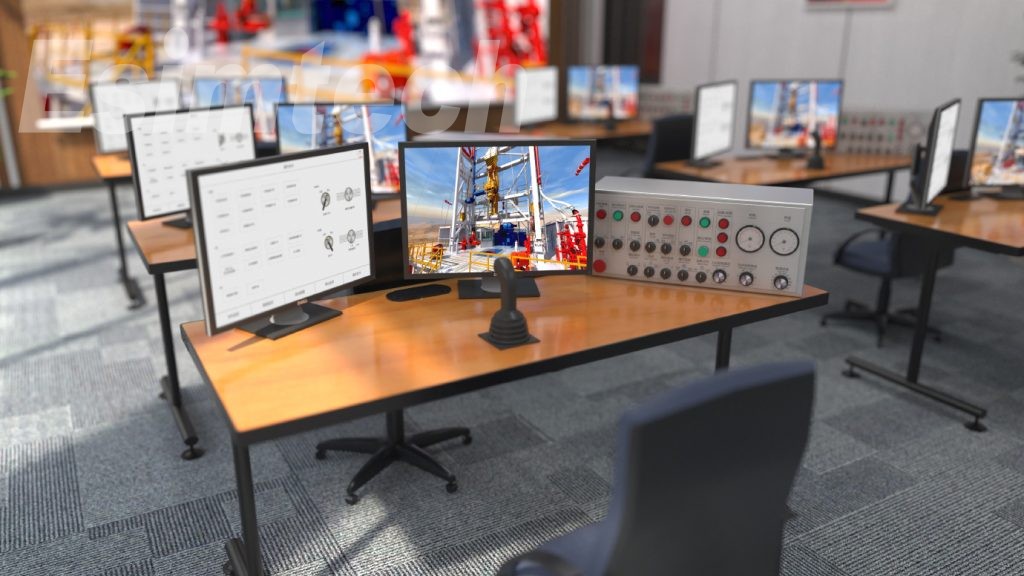
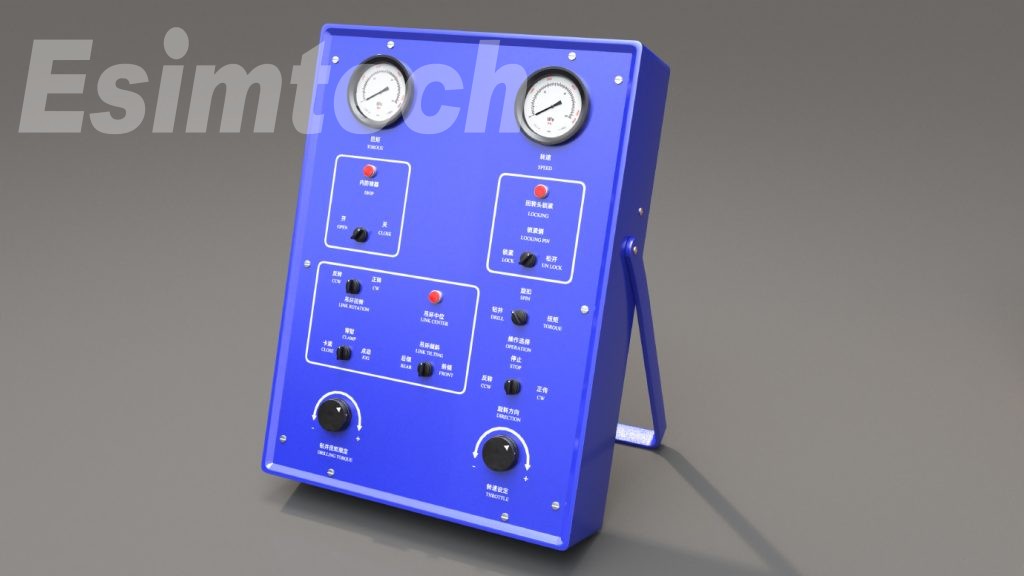
In the intricate realm of oil and gas drilling, the top drive assumes a pivotal role in driving efficient operations. Traditionally, mastering the complexities of this intricate machinery involved a blend of classroom lectures and on-site training, with limited exposure to hands-on practice. However, the emergence of top drive simulators has revolutionized the training landscape, ushering in a new era of immersive virtual environments that refine operator skills and optimize drilling performance. This article meticulously examines the significance of top drive simulators within the oil and gas sector, elucidating their transformative influence and disruptive potential.
The Importance of Top Drive Simulators
Realism Unleashed: Authentic Training Scenarios
The top drive simulator orchestrates an exceptionally authentic and immersive training experience for operators. Trainees can traverse a spectrum of scenarios and hone their skills within a secure and controlled digital setting that meticulously replicates the drilling milieu, encompassing the rig floor, drill string, and control interfaces. The simulator faithfully captures the intricacies and dynamics of actual drilling undertakings, fostering the enhancement of operators' decision-making prowess and operational efficiency.Through modeling diverse drilling scenarios, operators amass substantial expertise in handling multifaceted drilling operations. Operating the top drive, modifying drilling parameters, diagnosing equipment glitches, and deftly managing emergencies can all be practiced. Rendered with lifelike visuals, haptic feedback, and precise physics simulations, the simulator engenders an immersive and engaging learning milieu, enabling operators to accrue invaluable hands-on experience devoid of real-world hazards.
Immersion and Interaction: Augmented Learning
The top drive simulation system harnesses immersive technologies to confer operators with a unique and efficacious training expedition. Using cutting-edge virtual reality (VR) or augmented reality (AR) headsets and controllers, trainees interact with simulated drilling equipment as if situated on an actual rig. Realistic visuals, haptic feedback, and precise physics modeling enhance the training experience, enabling operators to nurture their competencies via practical engagement.
The interactive facet of the top drive simulator is a marked departure from conventional training methodologies. Operators can shoulder diverse responsibilities, encompassing top drive operation, drilling parameter modulation, and dynamic condition response. Swift feedback and performance metrics provide instant insights, enabling trainees to identify and refine their skill sets. This iterative learning approach expedites the maturation of operator competence and self-assurance.
Risk-Free Training: Boundless Scenarios
Mitigating risks intrinsic to real-world training is a pivotal boon of the top drive simulation system. Errors during drilling operations can yield severe consequences in the oil and gas domain, spanning accidents, downtime, and financial setbacks. Conversely, the simulator furnishes a secure arena wherein trainees can learn from their mistakes sans endangering personnel or machinery. Operators can rehearse intricate operations, experiment with novel strategies, and hone their proficiencies, all without the specter of exorbitant blunders.
The top drive simulator unveils an inexhaustible array of training scenarios tailored to individual drilling challenges. Operators can simulate diverse drilling conditions, encompassing varied well profiles, geological characteristics, and equipment permutations. This adaptability empowers trainees to amass expertise across a spectrum of settings, some of which might be scarce or challenging in real-world drilling scenarios. By surmounting these simulated hurdles, operators amass the skills and knowledge indispensable for navigating a gamut of conditions, augmenting their readiness for any drilling endeavor.
Optimized Performance and Cost Efficiency
On the fronts of operational efficiency and cost-effectiveness, the top drive simulator bequeaths substantial advantages. Drilling operations executed by adeptly trained personnel within the oil and gas sector are poised for accuracy and efficiency, effectively curtailing drilling duration and associated expenditures. The simulator aids operators in honing skills that streamline drilling parameters, adroitly diagnose equipment glitches, and facilitate real-time informed decision-making, culminating in elevated drilling performance and heightened productivity.
Furthermore, the top drive simulation tool curtails expenses by obviating the necessity for physical training equipment and on-site instructional sessions. Operators can access the simulator remotely through virtual training, sidestepping travel costs and logistical encumbrances. The capacity to train multiple operators concurrently enhances cost efficiency, optimizing resource allocation.
Future Prospects and Potential of Top Drive Simulators
The trajectory of top drive simulators augurs remarkable growth prospects. As technology advances, the integration of artificial intelligence (AI) and machine learning can amplify the simulator's capabilities. AI algorithms could offer real-time guidance, intelligent feedback, and adaptive scenario customization catering to distinct operator needs and skill levels. This personalized training approach holds promise for expediting the velocity and efficacy of operator training initiatives.
The top drive simulation system could also converge with other drilling-related technologies and systems, such as well control systems, drilling optimization software, and remote monitoring capabilities. This fusion would furnish a holistic training experience, enabling operators to garner comprehensive insights into the entirety of the drilling process while concurrently optimizing overall operational efficiency.
Conclusion
In a domain where precision and efficiency are paramount, the top drive simulator emerges as a transformative force, honing operator skills, decision-making acumen, and overall performance through immersive exposure to multifarious drilling scenarios. The road ahead for this form of drilling simulation training harbors vast potential for advancement, bolstering the oil and gas industry with heightened drilling efficacy and operational prowess.