
Coiled tubing, a flexible pipe wound on a massive reel, has become indispensable for well intervention and production enhancement in the oil and gas industry. However, the complexity of coiled tubing operations demands skilled professionals. To bridge the knowledge-practice gap, the full-size coiled tubing simulator has emerged as a transformative technology. In this article, we explore the significance of the full-size coiled tubing simulator and its impact on the oil and gas sector.
Description of the Full-Size Coiled Tubing Simulator:
The full-size coiled tubing simulator is an advanced training system that replicates real-world coiled tubing activities within a controlled and immersive environment. It combines cutting-edge virtual reality technology, physics-based modeling, and interactive simulations to offer coiled tubing operators an authentic learning experience. The simulator recreates coiled tubing units, downhole instruments, and well conditions, allowing trainees to engage with physical replicas and gain hands-on experience that mirrors actual operations. It accurately replicates equipment functionalities, responses, and limitations, preparing operators for real-world scenarios.
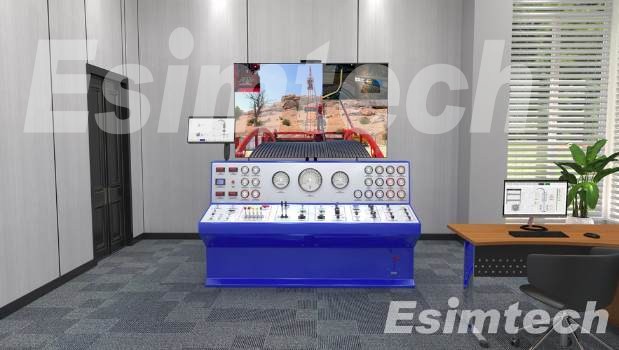
Key Advantages of a Full-Size Coiled Tubing Simulator:
Realistic Training Scenarios:
The simulator provides a lifelike learning experience by faithfully reproducing the physical setup of coiled tubing units and well conditions. Trainees can practice coiled tubing operations in a realistic, controlled setting, enhancing their familiarity with equipment and functions.Safe Learning Environment:
Coiled tubing operations carry inherent risks, making on-the-job training perilous. The simulator offers a controlled environment for trainees to practice various coiled tubing interventions, including emergency responses, without real-world hazards.
Skill Development and Proficiency:
Operators can develop muscle memory and refine coiled tubing skills through hands-on practice, increasing their competence and efficiency. This prepares them to perform real-world coiled tubing operations with precision.
Cost-Effectiveness:
Traditional coiled tubing training involving field operations can be costly and time-consuming. The simulator eliminates the need for physical setups, reducing costs significantly. Trainees can repeat simulations without extra expenses, expediting learning and minimizing resource utilization.
Versatility and Customization:
Full-size coiled tubing simulators are highly adaptable. They can simulate specific well types, downhole conditions, and intervention scenarios, tailored to individual operational requirements.

Potential for Technological Developments:
Enhanced Realism:
Advancements in virtual reality technology used in oil and gas simulation, could provide even more immersive experiences, closely resembling actual coiled tubing operations.
Haptic Feedback System:
Incorporating haptic feedback devices could provide tactile sensations during virtual operations, increasing realism.
Interactive Downhole Conditions:
Future simulations could include dynamic downhole situations, simulating variations in pressure, temperature, and fluid behavior.
Artificial Intelligence Integration:
AI algorithms could enable dynamic responses based on student activities, offering tailored training experiences.
Performance Analytics:
Detailed data on trainee performance, efficiency, and decision-making could be collected and analyzed, providing feedback for improvement.
Multi-Player Training:
Multi-player scenarios could simulate real-world teaming scenarios, enhancing communication and cooperation among coiled tubing personnel.
Integration with Field Operations:
Integrating the simulator with field operations could enable real-time training based on current well conditions.
Remote Training:
Advancements in connectivity could facilitate remote training, allowing operators from different locations to access the simulator.
Conclusion:
The full-size coiled tubing simulator is revolutionizing coiled tubing training, offering a safe, cost-effective, and realistic learning experience. As technology advances, its potential for further development promises to shape the future of well intervention and production enhancement, ultimately contributing to the oil and gas industry's success.
Drilling operations in the petroleum industry are inherently risky, demanding extensive training and preparation to ensure staff safety and optimize operational efficiency. In this context, innovative training tools play a crucial role. One such innovation is the portable drilling well control simulator, designed to provide realistic, hands-on training experiences in a compact and portable format.

Simulating Realistic Well Control Scenarios:
Well control is paramount in drilling operations, where the stakes are high. The drilling teams must receive realistic and effective training to ensure worker safety and equipment integrity. Simulators that faithfully recreate well-control scenarios are indispensable in this regard.
Trainees benefit from hands-on experience in addressing critical situations by simulating realistic well control scenarios. These simulators replicate the complexities and challenges encountered during drilling operations, enabling learners to develop essential skills, knowledge, and confidence to effectively manage emergencies. Let's delve into how these simulators achieve such realistic simulations.
1. Dynamic Physics and Fluid Modeling:
Well control simulators employ intricate physics and fluid modeling methods to simulate the behavior of fluids encountered during drilling. They accurately represent the dynamic interactions between drilling mud, formation pressures, and wellbore conditions. By faithfully simulating fluid dynamics, these simulators can precisely replicate pressure fluctuations, influxes, and outflows that occur during well control incidents.
2. Real-Time Monitoring and Feedback:
Simulators provide real-time monitoring of critical parameters, including wellbore pressure, flow rates, and choke settings. Trainees can continuously monitor and analyze changing well conditions, allowing them to make informed decisions based on simulated data. Instant feedback enables trainees to assess the effectiveness of their actions and make real-time adjustments.
3. Emergency Scenarios:
Well control simulators offer a range of emergency scenarios to challenge trainees' abilities. From well kicks and blowouts to loss of circulation, these severe conditions demand prompt and effective action. By simulating these emergencies, trainees can practice essential well control techniques, such as shutting down the well, managing pressure, and executing situation-specific well control procedures.
4. Equipment and Control Panel Replication:
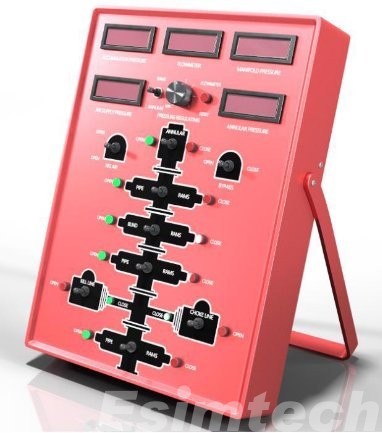
To create a lifelike training environment, simulators replicate drilling rig equipment and control panels. Trainees can interact with virtual control panels and operate drilling equipment, including Blowout Preventers (BOPs), mud pumps, and chokes. This hands-on training enhances trainees' familiarity with the equipment, improving their ability to respond swiftly and efficiently during well control incidents.
5. Communication and Decision-Making:
Well control simulators simulate the communication network and dynamics within a drilling team. Trainees practice coordinating actions with team members, sharing critical information, and managing resources effectively. This collaborative environment fosters teamwork and prepares trainees for the coordination required in real-world well control situations.
6. Variable Training Difficulty:
Simulators offer the flexibility to tailor the difficulty level of training scenarios to match the experience and skill levels of trainees. Novice drillers can start with basic scenarios and progress to more complex and challenging ones as their proficiency grows. This adaptive training approach ensures that students are adequately prepared for a wide range of well control scenarios encountered in the field.
Key Features and Benefits of Portable Drilling Well Control Simulators:
1. Hands-on Training:
The simulator provides a hands-on learning experience for well control techniques. Trainees actively engage with simulated equipment, control panels, and well control processes, gaining practical experience in handling crises and making critical decisions. This interactive approach enhances skill development and boosts trainees' confidence.
2. Portability and Flexibility:
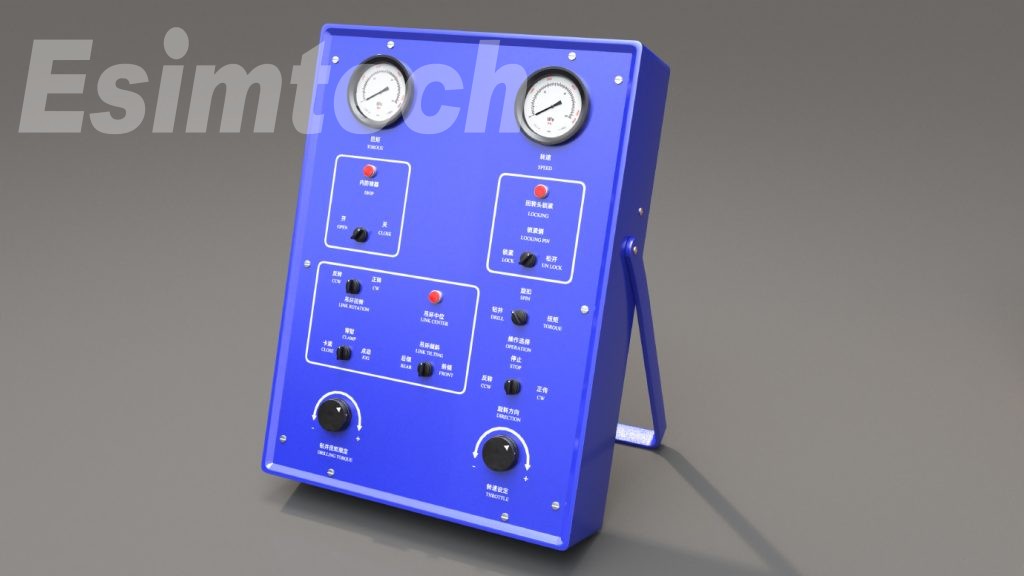
The portable nature of the simulator allows it to be easily transported and set up in various locations, including training centers, on-site training facilities, or even offshore platforms. This flexibility ensures convenient access to well control training, eliminating the need for trainees to travel long distances for training purposes.
3. Risk-free Environment:
The simulator creates a risk-free training environment where learners can practice and refine their well control skills without endangering crew safety or risking damage to equipment. It allows trainees to experiment with different strategies and techniques, enabling them to learn from failures and develop effective responses to well control challenges.
4. Performance Evaluation and Feedback:
The simulator tracks trainees' progress and provides instant feedback on their actions and decisions. This evaluation approach empowers trainees to assess their performance, identify areas for improvement, and fine-tune their well control techniques. Continuous feedback and performance metrics enable focused training interventions and allow for monitoring progress over time.
5. Cost-Effective Training:
Investing in a portable drilling well control simulator can lead to long-term cost savings in training. Companies can reduce expenses related to travel, accommodation, and equipment rental by providing on-site or nearby well control training. The durability and reusability of the simulator contribute to sustained cost efficiency.
6. Enhancing Safety Awareness:
By simulating well control scenarios, the simulator enhances safety awareness among trainees. It allows them to experience potential risks and consequences associated with well control incidents firsthand, instilling a profound understanding of the significance of safety protocols and the importance of proactive risk management.
7. Team Collaboration and Communication:
The simulator promotes effective communication and teamwork among drillers and well control teams. In a virtual setting, trainees can practice coordinating actions, sharing information, and making group decisions. This fosters teamwork, enhances coordination skills, and improves the overall effectiveness of well control operations.
8. Scenario Customization:
The simulator offers the flexibility to tailor training scenarios to specific learning objectives. This customization allows trainees to gain firsthand experience with potential hazards and consequences of well control incidents, reinforcing the importance of safety precautions and proactive risk management.
9. Continuous Training and Skill Development:
The simulator supports ongoing training and skill development. It can be used to offer increasingly complex scenarios and challenges as trainees progress and master fundamental well control procedures. This incremental training approach ensures continuous skill growth and prepares learners for a wide range of real-world well control situations.
Conclusion:
The portable drilling well control simulator represents a significant advancement in safety and efficiency within the petroleum industry. It serves as a vital tool in training the next generation of competent drilling professionals as the industry continues to prioritize safety and enhance operational efficiency. With its realistic simulations, hands-on training, and numerous benefits, this innovative training tool contributes to safer and more efficient drilling operations.
In the dynamic and high-stakes world of the oil and gas industry, the safety and efficiency of drilling operations are paramount. Even minor errors can lead to significant financial losses and environmental damage. Traditionally, training in this sector has relied on a combination of classroom instruction and hands-on experience. However, a transformative technology has emerged to enhance training methodologies and improve drilling proficiency – the Cyberchair Drilling Simulator. In this article, we will explore the features, functionalities, and implications of the Cyberchair Drilling Simulator in the oil and gas industry.
Why Choose the Cyberchair Drilling Simulator for Training?
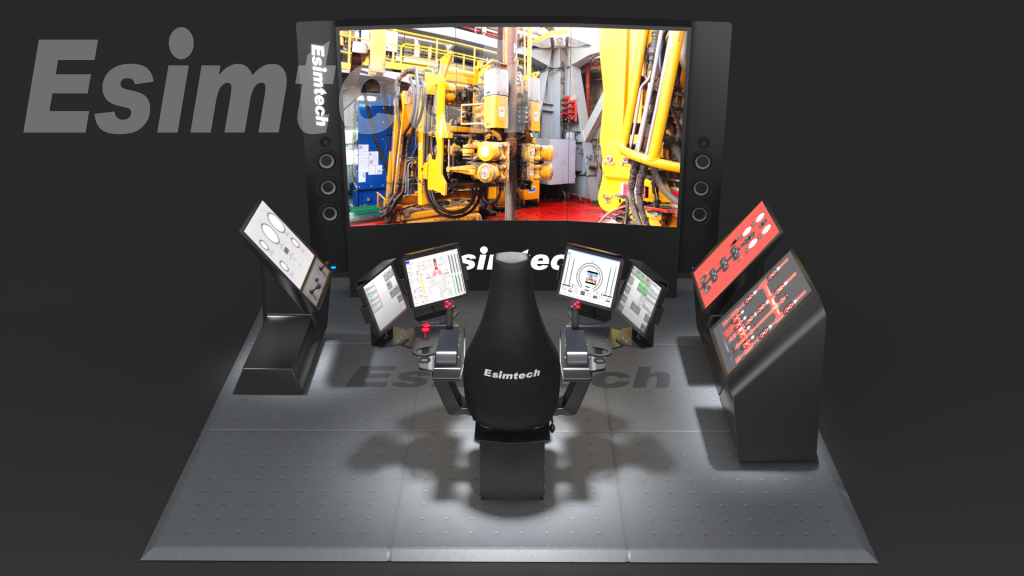
The Cyberchair Drilling Simulator represents an innovative virtual reality (VR) training system that offers a realistic and immersive experience of operating drilling equipment. It seamlessly integrates cutting-edge VR technology with advanced drilling simulations to replicate various drilling scenarios within a safe environment. Comprising a physical chair with haptic feedback sensors, a VR headset, and controls resembling an actual drilling console, trainees can don the VR headset, take a seat in the Cyberchair, and immerse themselves in a virtual drilling rig that simulates the conditions and challenges encountered in real-world drilling operations.
Key Features and Functionalities of the Cyberchair Drilling Simulator
1. Realistic Virtual Environment:
The simulator generates an incredibly immersive and lifelike virtual environment that closely mirrors actual drilling locations.
Graphics, acoustic effects, and physics-based simulations work harmoniously to provide trainees with a realistic experience.
The virtual environment can replicate diverse scenarios, including offshore and onshore drilling sites, various weather conditions, and challenging operational situations.2. Interactive Control Panel:
The simulator boasts a control panel that closely mimics that of a drilling rig.
Trainees can interact with levers, switches, buttons, and touchscreens just as they would during real-world drilling operations.
This hands-on experience aids in the development of muscle memory and familiarity with drilling equipment.
3. Haptic Feedback Sensors:
The Cyberchair Drilling Simulator is equipped with haptic feedback sensors integrated into the chair.
These sensors allow trainees to experience vibrations, resistance, and other tactile sensations associated with drilling tasks, enhancing the sense of touch and physical feedback.
This haptic input greatly enhances simulation realism, immersing trainees in the training experience.
4. Diverse Training Scenarios:
The simulator encompasses a wide range of training scenarios, covering various drilling techniques, equipment types, and operational challenges.
Trainees can simulate drilling for different energy sources, such as oil, natural gas, or geothermal energy.
They may also encounter scenarios like well blowouts, pressure control issues, wellbore stability concerns, and other unexpected events.
The ability to simulate multiple scenarios fosters critical thinking and problem-solving skills in trainees.
5. Simulation of Drilling Technologies:
The Cyberchair Drilling Simulator can replicate the use of various drilling methods prevalent in the industry.
Trainees can practice directional drilling, hydraulic fracturing (fracking), and other specialized procedures.
This allows users to grasp the intricacies of each technology and gain hands-on experience without the need for real-world equipment.
6. Real-time Performance Monitoring:
The simulator features data collection and analysis capabilities, enabling real-time monitoring of learner performance.
Trainers can track parameters such as response time, accuracy, and decision-making abilities.
This data empowers trainers to provide immediate feedback and identify areas where learners can improve, promoting continuous skill development during training.
7. Data-driven Training Programs:
The simulator's data can be analyzed to create data-driven training programs.
Trainers can tailor the training curriculum to address specific weaknesses or focus on honing particular skills by identifying patterns and trends in learner performance.
This customized approach enhances the simulator's effectiveness and ensures participants receive targeted instruction.
8. Remote Accessibility:
The Cyberchair Drilling Simulator offers remote accessibility, enabling trainees to participate in training sessions from multiple locations.
This feature proves especially valuable for companies with multiple training facilities or learners who cannot attend physical training centers.
Remote accessibility enhances flexibility and enables continuous training, even when physical presence is not feasible.
Implications of the Cyberchair Drilling Simulator for the Oil and Gas Industry
The Cyberchair Drilling Simulator holds profound implications for the oil and gas industry, influencing various facets of operations, training, safety, and efficiency.
1. Enhancing Training and Skill Development:
By providing a realistic and immersive virtual environment for drilling operations, the simulator revolutionizes training methodologies.
It offers hands-on training, allowing trainees to practice operating drilling equipment in a safe environment.
This immersive training enhances learners' skills, knowledge, and decision-making abilities, making them more proficient in their roles.
2. Improving Safety:
Safety is a top priority in the oil and gas industry, and the Cyberchair Drilling Simulator contributes to enhancing safety protocols.
Trainees can develop the necessary skills to respond effectively to real-world emergencies within a controlled environment.
This reduces the likelihood of drilling accidents, equipment damage, and injuries.
3. Reducing Costs:
Traditional training methods in the oil and gas industry often involve expensive on-site drilling activities or sending trainees to remote locations for hands-on experience.
The Cyberchair Drilling Simulator eliminates the need for real equipment and travel expenses, providing a cost-effective alternative.
Companies can deliver virtual training, reducing costs while maintaining high-quality learning experiences.
4. Time Efficiency:
The simulator accelerates skill development by offering trainees unrestricted access for drills and experience acquisition, even during downtime.
It can replicate challenging and uncommon drilling scenarios that might take years to encounter in real-world operations.
This shortens the learning curve, ensuring trainees are well-prepared for actual drilling operations.
5. Addressing Skill Shortages:
The oil and gas industry faces a shortage of skilled drilling personnel due to an aging workforce and limited new talent entering the field.
The Cyberchair Drilling Simulator addresses this skills gap by providing a platform for training and skill development.
Companies can efficiently train new hires and upskill existing employees, ensuring a competent workforce to meet industry demands.
6. Digital Transformation:
Adoption of the Cyberchair Drilling Simulator represents a significant step in the industry's digital transformation journey.
It reflects the industry's embrace of advanced technologies to optimize operations, enhance efficiency, and improve safety.
The simulator complements ongoing efforts to leverage digital tools and data-driven approaches for better decision-making and performance optimization.
7. Data Analytics for Continuous Improvement:
The simulator's data collection and analysis capabilities provide insights into learner performance.
Analyzing this data allows for the continuous improvement of training programs, safety protocols, and operational processes.
A data-driven approach aids in refining training procedures, optimizing drilling processes, and enhancing overall operational performance.
In Summary:
The Cyberchair Drilling Simulator plays a pivotal role in enhancing the safety, efficiency, and sustainability of operations in the oil and gas industry. Its immersive virtual environment, realistic simulations, and interactive controls create a safe and cost-effective platform for trainees to acquire essential drilling skills.
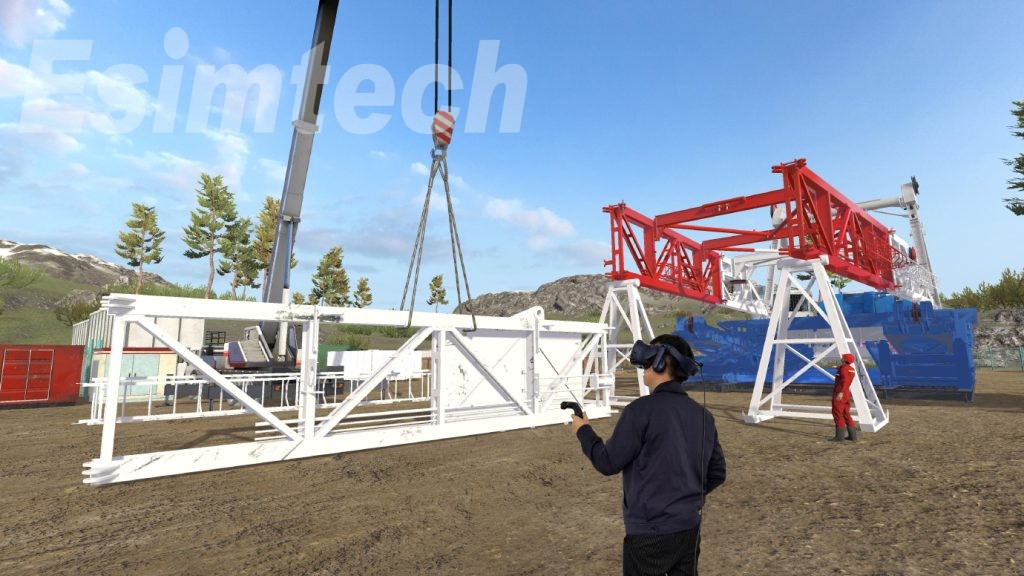
In the dynamic realm of the oil and gas sector, the application of land rig installation animation continues to reshape and revolutionize various facets of operations. Utilizing computer-generated imagery (CGI), this technology creates immersive and visually captivating animations that vividly portray the entire process of installing land rigs. But what exactly is land rig installation animation, and how does it benefit the industry? In this article, we will delve into the intricacies of this innovative technology and explore its profound significance in the oil and gas industry.
Understanding Land Rig Installation Animation
Land rig installation animation is a digital visualization approach that harnesses the power of computer-generated imagery (CGI) to replicate and elucidate the intricate process of preparing a land rig for drilling operations. It offers a comprehensive visual representation of each stage of rig installation, from initial site preparation to the meticulous arrangement of equipment. These animations are typically crafted using sophisticated computer software and are grounded in precise engineering data and standards.
The fundamental objective of land rig installation animation is to enhance comprehension, communication, and decision-making throughout the rig installation process. By generating a virtual environment, this technology provides stakeholders with a detailed and immersive experience, enabling them to envision the entire installation procedure from start to finish. This visual representation empowers stakeholders to gain a holistic understanding of the project, identify potential challenges, and make informed decisions regarding design, logistics, and safety.
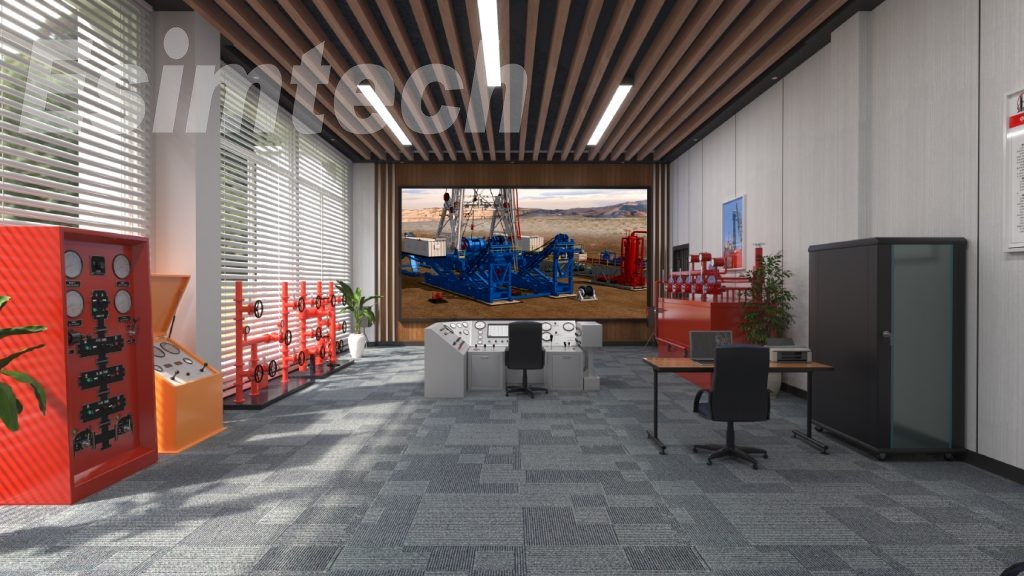
Key Benefits of Land Rig Installation Animation
1. Enhancing Safety and Training
Among the most significant advantages of land rig installation animation is its capacity to boost safety. The oil and gas industry inherently poses risks, making the assurance of worker safety paramount. By recreating the installation process, these animations allow operators, engineers, and other stakeholders to identify potential safety hazards and develop mitigation strategies. This proactive approach to safety reduces the likelihood of accidents or incidents during the installation process, safeguarding both lives and assets.
Moreover, land rig installation animation serves as a valuable training tool for rig operators. These animations can simulate various scenarios, such as equipment failures or emergency situations, creating a lifelike training environment. This enables rig personnel to become familiar with the installation process, understand their roles and responsibilities, and acquire the necessary skills to effectively address unforeseen challenges. The result is a more skilled and confident workforce, which enhances safety outcomes through improved training and preparedness.
2. Optimizing Design and Planning
Another pivotal feature of land rig installation animation is its ability to optimize design and planning. Rig installations entail complex engineering considerations, including equipment compatibility, geographical constraints, and operational efficiency. The animations provide engineers and designers with a visual representation of the proposed rig design, enabling them to assess multiple configurations, identify potential bottlenecks, and fine-tune the arrangement for peak performance. This early identification of design issues or logistical challenges allows for prompt adjustments, leading to smoother installation processes and superior operational outcomes.
3. Improving Communication and Stakeholder Engagement
Furthermore, land rig installation animation enhances communication and engagement among stakeholders. These animations offer a clear and concise visual language that is easily understood by all parties involved, regardless of their technical expertise. This fosters collaborative decision-making by facilitating effective communication among engineers, operators, investors, regulators, and other stakeholders. The animations aid stakeholders in grasping the intricacies and hurdles of rig installation, ensuring that everyone shares a common understanding and works toward a unified goal.
4. Increasing Efficiency and Cost-effectiveness
Land rig installation animation offers substantial cost-effectiveness advantages. Engineers can pinpoint areas where time and resources can be conserved through visualizing the installation process, resulting in more efficient workflows and cost savings. Additionally, the animations assist in identifying the optimal placement of equipment, reducing the need for costly repositioning or modifications during installation. Moreover, by enabling early detection of design or logistical issues, these animations help prevent costly delays and revisions, ultimately leading to significant cost savings for the project.
5. Supporting Remote Operations and Global Collaboration
In an era marked by remote operations and global collaboration within the oil and gas industry, land rig installation animation shines as a valuable asset. Because the animations are virtual, geographically dispersed teams can collaborate effectively regardless of their physical locations. These animations facilitate seamless communication and collaboration among multinational teams, whether they are discussing designs, conducting virtual meetings, or troubleshooting issues. This feature not only enhances productivity but also allows companies to tap into a diverse talent pool without being constrained by geographical limitations.
In Conclusion
Land rig installation animation emerges as a potent tool that has ushered in a transformation within the oil and gas industry. It elevates safety, enriches training, optimizes design and planning, streamlines communication, bolsters productivity, and supports remote operations and collaboration by offering a virtual insight into the land rig installation process. As the industry continues to embrace digitalization and automation, land rig installation animation stands as a pivotal tool for stakeholders to make informed decisions, enhance operations, and achieve superior outcomes. It represents a breakthrough that underscores the potency of visualization and its potential to reshape traditional practices in the oil and gas sector.
Diesel engines are renowned for their efficiency and durability, finding applications in a wide array of machinery, from automobiles to heavy industrial equipment. Whether you're a seasoned technician or an eager enthusiast, understanding the intricate process of assembling and disassembling a diesel engine is paramount for maintenance and repair. In this article, we present a comprehensive step-by-step guide that takes you through the animation of intricate procedure for both diesel engine assembly and disassembly.
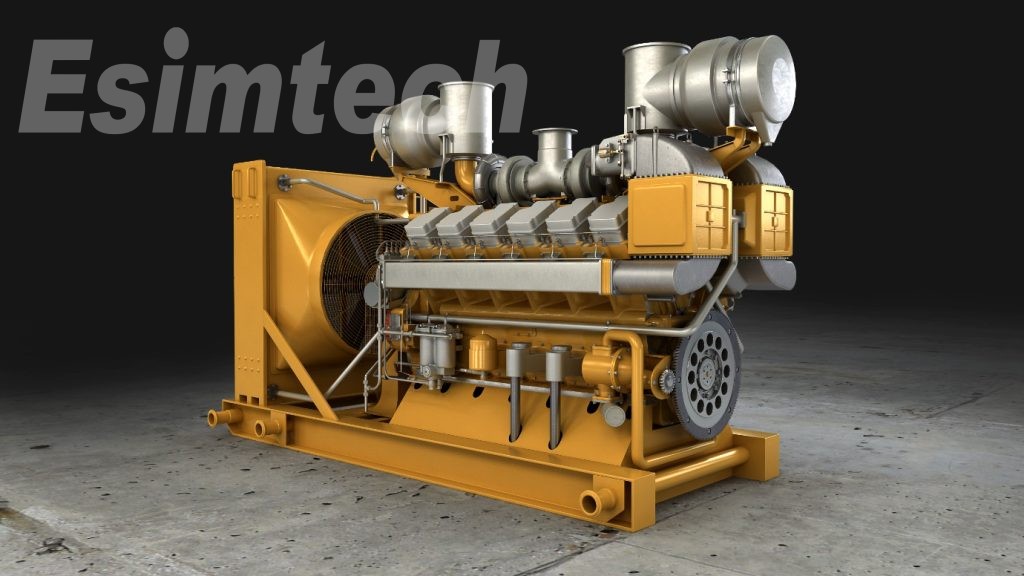
Step-by-Step Animation of Diesel Engine Disassembly
Engine disassembly is a pivotal phase in the maintenance, repair, or reconstruction of a diesel engine. Our step-by-step animation provides a clear and detailed method for dismantling various engine components:
Step 1: External Component Removal
The animation initiates with the removal of external components such as the air filter, fuel lines, and exhaust system. These parts are systematically disconnected and detached from the engine, creating unobstructed access to the internal components.
Step 2: Cylinder Head Removal
Following the external component removal, the animation proceeds to demonstrate the meticulous removal of the cylinder head. This intricate process involves the careful disconnection of the intake and exhaust manifolds, the valve train components, and the head bolts. Once these steps are completed, the cylinder head can be gently lifted off the engine block.
Step 3: Piston and Connecting Rod Removal
To access the pistons and connecting rods, the animation expertly guides you through each step of the removal process. This includes the removal of piston rings, the disconnection of connecting rod caps, and the safe extraction of the piston and connecting rod assemblies from the engine block.
Step 4: Crankshaft and Main Bearing Removal
The animation then focuses on the crankshaft, a critical component responsible for translating the piston's up-and-down motion into a rotating motion. Here, you'll witness the removal of the main bearing caps, allowing for the careful extraction of the crankshaft from the engine block.
Step 5: Camshaft and Timing Gear Removal
In the final phase of engine disassembly, the animation tackles the removal of the camshaft and timing gears. These vital components play a pivotal role in regulating the engine's valve openings and closings and ensuring precise timing. The animation meticulously demonstrates the separation of the camshaft, removal of the timing gears, and disengagement of the timing chain or belt.
By following these step-by-step instructions, technicians and enthusiasts alike can proficiently disassemble an engine, inspect its internal components, and perform necessary repairs or replacements.
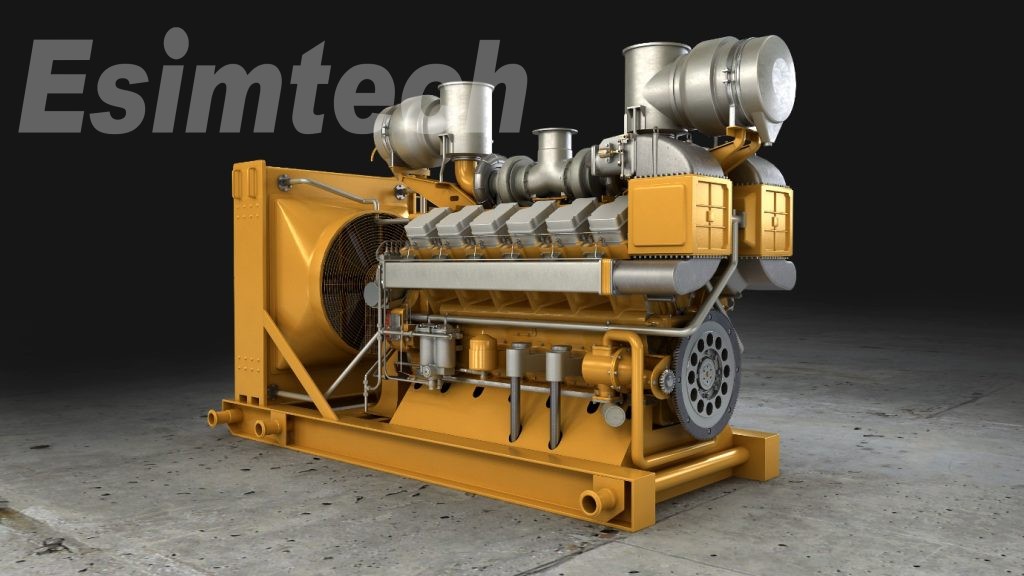
Step-by-Step Animation of Diesel Engine Assembly
Engine assembly is a precise and intricate procedure that involves methodically piecing together various components to create a fully operational engine. Our animation walks you through this assembly process step by step:
Step 1: Camshaft and Timing Gear Installation
The animation commences with the installation of the camshaft, timing gears, and timing chain or belt. Precise alignment and synchronization are crucial for optimal engine performance. You'll witness the correct placement and installation of the camshaft and timing gear assembly.
Step 2: Crankshaft and Main Bearing InstallationNext, the animation guides you through the installation of the crankshaft and main bearings. The crankshaft is meticulously positioned and aligned within the engine block, with the main bearing caps tightened in the proper sequence and to the recommended torque specification. This step ensures smooth rotation of the crankshaft and proper support.
Step 3: Piston and Connecting Rod Installation
The animation then focuses on the installation of pistons and connecting rods. This involves precise positioning of piston rings on the pistons and secure attachment of connecting rods to the crankshaft. You'll witness how these components should be oriented and assembled to ensure efficient combustion and power delivery.
Step 4: Cylinder Head Installation
The animation illustrates the installation of the cylinder head in this step. Proper positioning of the cylinder head onto the engine block, along with the installation of new head gaskets, is crucial to create a tight seal. The animation emphasizes the correct torquing sequence and values for the head bolts to achieve the necessary clamping force.
Step 5: Reassembly of External Components
In the final phase of engine assembly, the animation demonstrates the reconnection and secure attachment of external components, including the air filter, fuel lines, and exhaust system. These components are essential for the engine's proper functioning and optimal performance.
In summary, understanding the intricate processes is paramount for effective maintenance and repair of diesel engines. This article's step-by-step animation guide of diesel engine assembly and disassembly provides a visually informative explanation of these complex procedures, empowering technicians and enthusiasts to navigate the intricacies involved. By following these methods, you can ensure the reliability and longevity of your diesel engine.