
Snubbing operations play a crucial role in well interventions by facilitating the controlled insertion and extraction of coiled tubing or jointed pipe into live wells. Ensuring the efficiency and safety of these operations requires well-trained operators with finely honed skills. To meet this need, the full-size snubbing simulator has emerged as a groundbreaking technology, offering snubbing operators an immersive and realistic training environment. In this article, we will explore the significance of the full-size snubbing simulator and its profound impact on the evolution of well intervention practices in the oil and gas industry.
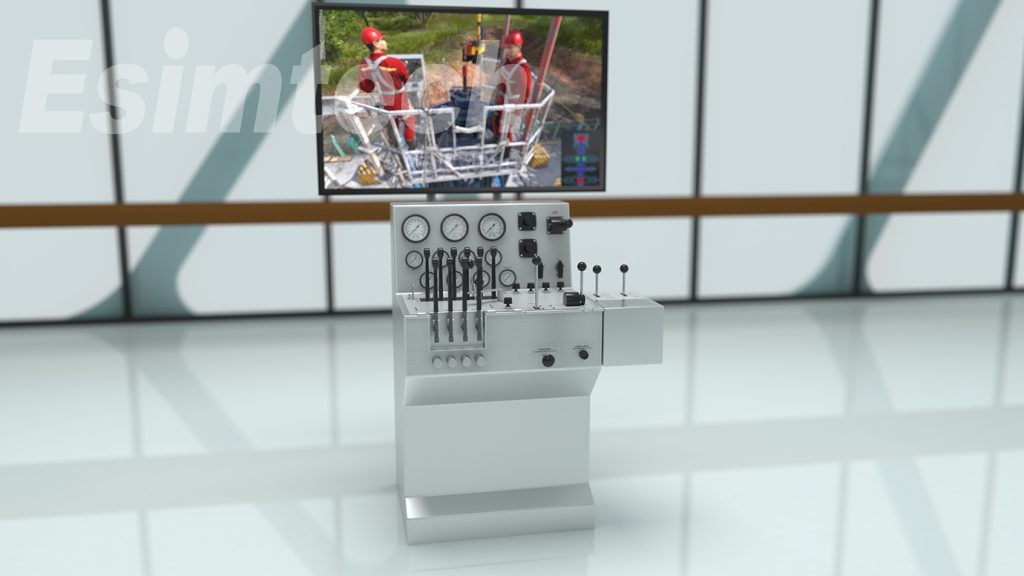
Unveiling the Full-Size Snubbing Simulator
The full-size snubbing simulator stands as an innovative training tool designed to replicate real-world snubbing operations within a safe and immersive setting. Employing state-of-the-art technology such as virtual reality, physics-based modeling, and interactive simulations, this simulator provides operators with a hands-on, lifelike learning experience for snubbing operations.
At its core, the full-size snubbing simulator aims to enhance snubbing operator training and skill development. It meticulously mimics the configuration of snubbing units, control panels, downhole tools, and well conditions, allowing operators to interact with physical replicas of equipment and engage in various snubbing procedures in a controlled environment. This replication extends to the functionality, responses, and limitations of the actual equipment, providing operators with invaluable familiarity with their tools.
Transforming Well Intervention in the Oil and Gas Industry
The adoption of the full-size snubbing simulator promises to revolutionize well intervention practices across various dimensions in the oil and gas industry.
1. Enhancing Safety
Safety is paramount in the oil and gas industry, particularly during well intervention procedures. The full-size snubbing simulator offers a secure and controlled learning environment where operators can practice their skills without exposure to the inherent dangers of real field operations. This training equips operators to confidently manage real-world situations safely and effectively.
2. Skill Development and Proficiency
The simulator fosters muscle memory and the mastery of skills in a realistic environment, promoting hands-on learning. Operators can enhance their competency, efficiency, and decision-making abilities by engaging in a range of snubbing interventions. This, in turn, leads to more successful well interventions, reduced downtime, and optimized well productivity.
3. Cost-Effective Training
Traditional live field training for snubbing operations can be both costly and time-consuming. The Full-Size Snubbing Simulator eliminates the need for physical installations and lowers operational costs, offering a cost-effective alternative. Companies can streamline their training programs and resource management, resulting in substantial cost savings.
4. Customization and Versatility
The full-size snubbing simulator's adaptability allows operators to create training scenarios tailored to specific well conditions and intervention challenges. This versatility ensures that operators receive specialized and comprehensive training, enabling them to effectively address a wide range of real-world snubbing situations.
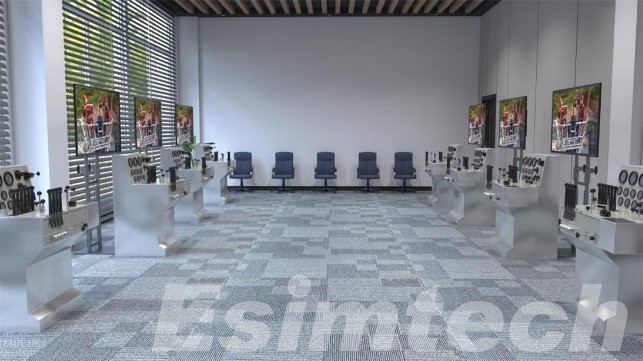
5. Improving Operational Efficiency
When skilled operators are trained using the Full-Size Snubbing Simulator, snubbing operations become more efficient and precise. Optimized well interventions lead to increased well production, reduced downtime, and enhanced reservoir performance, ultimately improving overall operational efficiency and the industry's success.
6. Accelerated Learning and Continuous Improvement
The simulator facilitates repetitive practice and ongoing skill development. Operators can run simulations repeatedly, learning from their mistakes and continuously improving their skills and strategies. This fosters a culture of learning and ongoing growth, ensuring that operators remain updated on industry best practices and technological advancements.
7. Technological Advancements and Innovation
The adoption of the full-size snubbing simulator underscores the industry's commitment to embracing cutting-edge technologies. As the simulator evolves, incorporating advancements like virtual reality, artificial intelligence, and data analytics, it propels the industry toward more advanced and innovative well intervention techniques.
In Conclusion
The full-size snubbing simulator stands as a transformative tool, revolutionizing snubbing operator training and skill development in the oil and gas industry. As the industry continues to embrace the latest technologies, the snubbing simulator is a crucial catalyst for optimizing snubbing operation techniques and elevating the overall performance of well interventions in the oil and gas sector.
Open hole well logging is a crucial technique employed in the oil and gas industry for acquiring valuable insights into subsurface formations. This process involves inserting specialized equipment into an uncased wellbore to assess parameters such as resistivity, porosity, and rock density. In this context, the open hole well logging simulator emerges as a groundbreaking tool for training professionals and enhancing their expertise in interpreting well logging data.
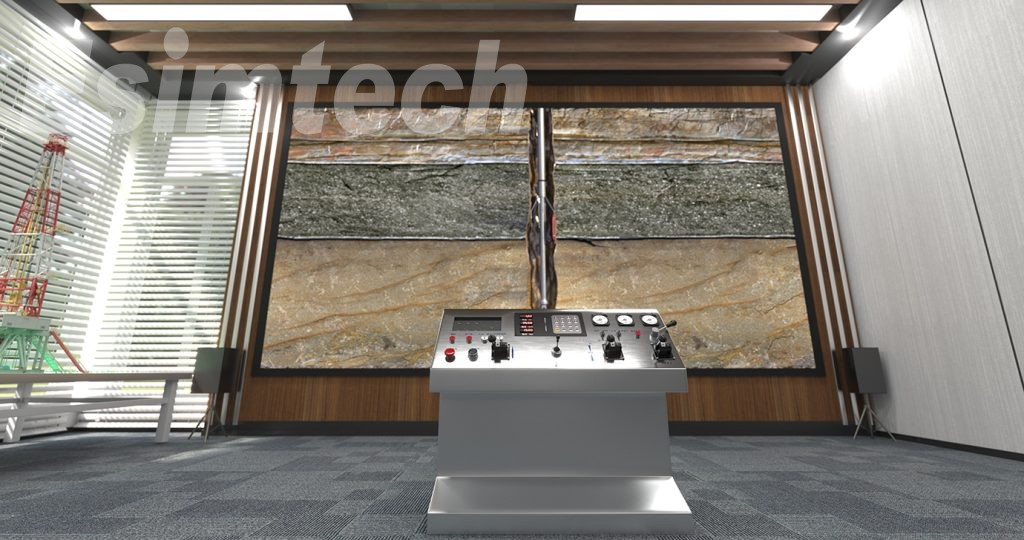
The open hole well logging simulator is a sophisticated software program designed to replicate real-world well logging conditions. It creates a virtual environment where users can simulate and practice data interpretation from an open hole wellbore, offering an immersive learning experience that simplifies complex well logging concepts.
Features and Benefits of an Open Hole Well Logging Simulator
Realistic Data Generation: The simulator generates well logging data that closely mimics real readings, allowing users to simulate actual well logging settings and enhance their comprehension of logging tool responses and interpretations.
Variety of Logging Tools: The simulator includes a range of logging instruments commonly used in open hole well logging, such as resistivity, neutron, density, acoustic, and gamma-ray logs. Users can practice deploying and interpreting these diverse logging mechanisms.
Interactive Interface: The simulator features a user-friendly interface that enables hands-on simulation, parameter adjustments, and interactive data analysis. This interactive approach fosters active learning and skill development.
Multiple Scenarios: The simulator offers various well logging scenarios, each simulating distinct geological formations and wellbore conditions. This allows users to refine their interpretation skills under different contexts, enhancing their adaptability in real-world situations.
Data Visualization and Analysis: Advanced data visualization and analysis tools are integrated into the simulator, allowing users to plot and analyze the simulated well logging data to gain a deeper understanding of reservoir features and rock formations.
Calibration and Validation: The simulator ensures data accuracy by calibrating the simulated measurements against known values, guaranteeing dependable training results for users.
Error and Uncertainty Simulation: The simulator incorporates errors and uncertainties into synthetic data to mirror real-world challenges, assisting users in developing the ability to identify and mitigate uncertainty in actual well logging data.
User Progress Tracking: Throughout training sessions, the simulator tracks user development and performance, providing users with insights into their progress and areas for improvement.
Scenario Customization: Users can tailor parameters like wellbore trajectory, formation features, and logging tool configurations to create personalized scenarios, offering customized training experiences to meet individual learning goals.
Simulation Speed Control: Users can adjust the simulation speed to observe data collection and responses in real-time or slow motion, enhancing their understanding.
Virtual Wellbore Environment: The well logging simulator creates a lifelike wellbore environment complete with geological formations, wellbore pathways, and logging tool responses, immersing users in a realistic learning experience.
Error Diagnosis and Troubleshooting: The simulator includes tools for error diagnosis and troubleshooting to help users identify and rectify common well logging data interpretation errors.
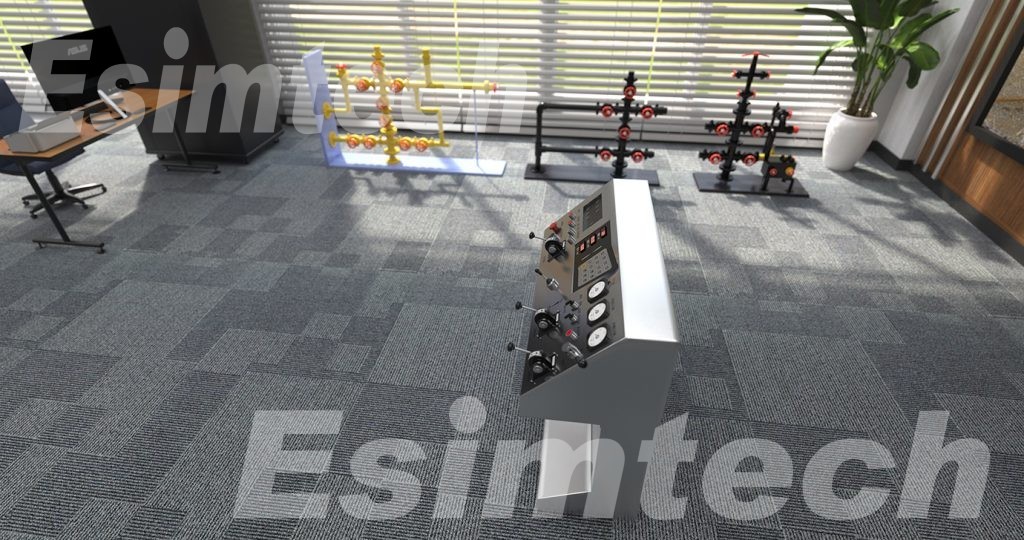
Common Applications of an Open Hole Well Logging Simulator
Training and Education: Open hole well logging simulators are widely used in universities, technical schools, and training centers to educate and train professionals, allowing them to practice and enhance their interpretation skills in a cost-effective and risk-free environment.
Skill Enhancement: Even experienced experts can benefit from the simulator, using it as a valuable resource for refreshing and updating their well logging interpretation skills.
Research and Development: Researchers can utilize the simulator for testing novel well log interpretation methods and approaches, providing a controlled setting for experimenting with various scenarios and assessing the effectiveness of their methods.
Quality Assurance and Performance Evaluation: Oilfield service companies can employ the simulator to assess the competence of their well logging teams, ensuring high-quality well logging data interpretation and identifying areas for improvement.
Well Log Analysis Training: The simulator can be integrated into well log analysis training programs, preparing trainees for real-world well logging missions by allowing them to practice with various logging tools and analyze diverse data sets.
Reservoir Evaluation Practice: The simulator aids in practicing reservoir evaluation and subsurface formation characterization, facilitating the estimation of key reservoir parameters such as porosity, permeability, and fluid saturation for informed reservoir management decisions.
Team Collaboration and Training: Well logging teams can collaborate in a simulated environment to improve teamwork, communication skills, and problem-solving abilities, thereby enhancing their overall effectiveness.
In summary, open hole well logging simulators are essential tools shaping the future of well logging and reservoir evaluation. They will play a pivotal role in enhancing the knowledge and skills of professionals in the oil and gas industry.
This article is aiming to introducing portable workover simulators which has transformed the way the oil and gas industry approaches workover operations, emphasizing the importance of highly qualified personnel and meticulous planning to ensure productivity and safety in the field. These portable simulators leverage cutting-edge software, hardware, and virtual reality technologies to create realistic and immersive training environments that can be deployed wherever workover activities are conducted. Let's delve deeper into the core components and functions of these portable workover simulators.
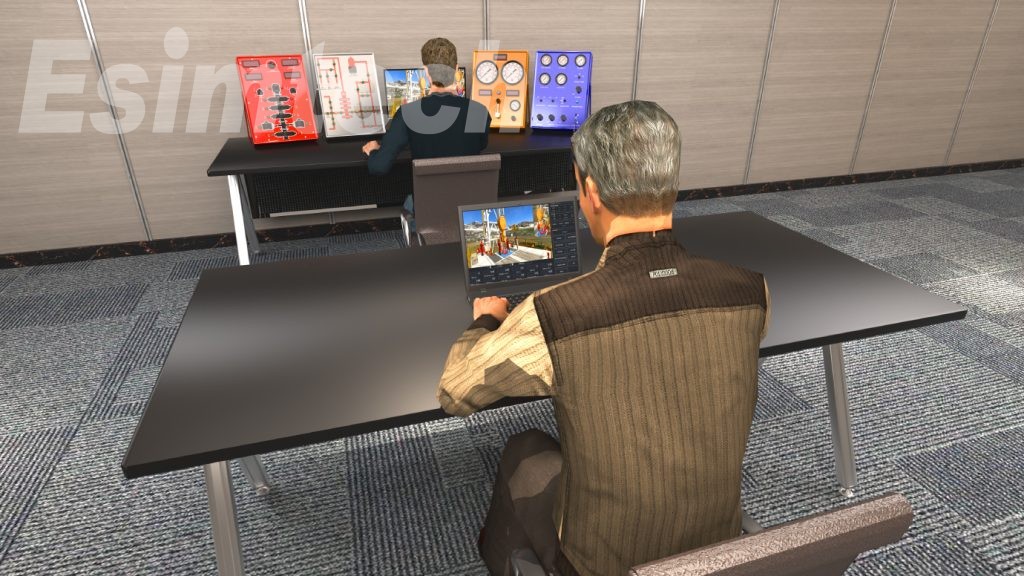
Key Components of Portable Workover Simulators
Portable Computer or Laptop: The primary hardware component of a portable workover simulator is a high-performance PC or laptop. It should feature a robust processor, ample memory, and a dedicated graphics card capable of rendering intricate simulations. Portability is a key feature, allowing the setup of the simulator at workover sites.
Virtual Reality (VR) or Augmented Reality (AR) Devices: Many workover simulations integrate VR or AR technologies to enhance the user experience. Headsets, goggles, or glasses create immersive visuals and provide a sense of presence within the virtual environment. These devices may also include hand controllers or other input mechanisms for users to interact with and perform tasks on the simulated equipment.
Haptic Feedback Devices: Haptic feedback devices offer tactile sensations to the user, heightening the realism of the simulation. Through vibrations or forces applied to the user's hands or other body parts, these devices simulate the sensation of touch. For example, when handling virtual tools or equipment, haptic feedback can offer resistance or feedback, mimicking the physical sensations experienced during actual workover procedures.
Simulation Software: The heart of portable workover simulators is their simulation software. This oil and gas software is responsible for crafting the virtual environment, replicating the physics and mechanics of workover operations, and providing an interactive experience. It generates lifelike graphics, models fluid and equipment behaviors, and incorporates real-world data to faithfully represent well conditions and associated challenges.
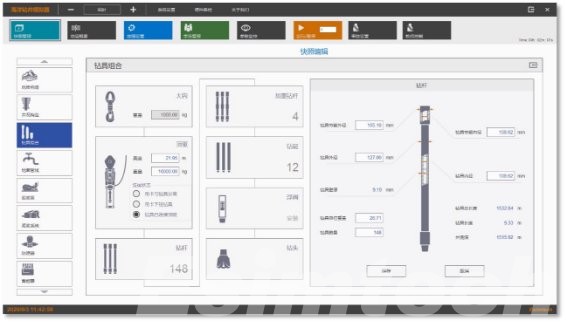
Data Integration and Analysis: Workover simulators rely heavily on simulation software to create the virtual world and provide a realistic experience. The software can integrate real-time data streams from the field, enhancing the simulation and offering valuable insights. This may include data on well parameters, production statistics, or equipment performance. By incorporating real-time data, the simulator can dynamically adjust the simulation based on changing conditions and provide operators with feedback and analysis of their actions and decisions.
User Interface and Controls: A user-friendly interface and intuitive controls ensure effective interaction with the simulator. Operators can navigate the virtual environment, control equipment, and make decisions through an interface that closely mirrors real-world workover operations.
Key Functionality of Portable Workover Simulators
Realistic Workover Environment: Portable workover simulators meticulously replicate the physical environment encountered during actual workover procedures. They model the wellbore, downhole equipment, and geological features of the workover site, providing a visually accurate representation. This realism aids workers in familiarizing themselves with the specific conditions they will face and enhances their understanding of the operational environment.
Interactive Training: Portable workover simulators encourage active participation in simulated workover processes, facilitating interactive training sessions. Users can manipulate virtual tools and equipment, execute tasks, and engage in various workover operations within the simulator. This hands-on approach aids workers in skill development, decision-making enhancement, and confidence building.
Scenario Customization: These simulators permit the customization of scenarios to match the specific well conditions and operational requirements of each site. Operators can input site-specific data, such as well parameters, production history, and equipment specifications, to create virtual well models closely mirroring the actual workover site. This customization allows personnel to learn and plan in an environment that accurately replicates their specific well's characteristics.
Real-Time Feedback and Assessment: Portable workover simulators offer real-time feedback and assessment of user actions and performance. The simulator continuously monitors and evaluates user interactions and decisions, providing prompt feedback on technique, timing, and adherence to safety protocols. This real-time assessment allows workers to learn from their mistakes, adjust their techniques, and enhance their overall competence in workover operations.
Planning and Optimization: These simulators provide real-time workover planning and optimization capabilities. Operators can experiment with various workover strategies, identify potential risks, and refine their plans for increased efficiency. The simulator serves as a platform for operators to explore different scenarios, assess potential outcomes, and optimize workover operations, ultimately reducing operational risks.
Safety Protocol Training: Safety is paramount in workover operations, and portable simulators play a vital role in improving safety training. They offer a controlled environment for personnel to practice safety protocols, emergency procedures, and critical safety skills related to workover tasks. By simulating potential hazards and emergency scenarios, workers can acquire essential skills and reflexes for effective responses in real-life situations.
In summary, the introduction of portable workover simulators represents a significant advancement in the oil and gas industry, revolutionizing workover operations by enhancing training, safety, and operational efficiency. These portable devices provide a valuable tool for workforce development and preparation for real-world workover challenges.
Production well logging is a vital operation in the oil and gas sector, offering critical insights into subsurface reservoirs. Analyzing the physical parameters of formations and fluid content is crucial for optimizing output and recovery. This article delves into the significance, characteristics, and applications of production well logging simulators in modern oil and gas operations.
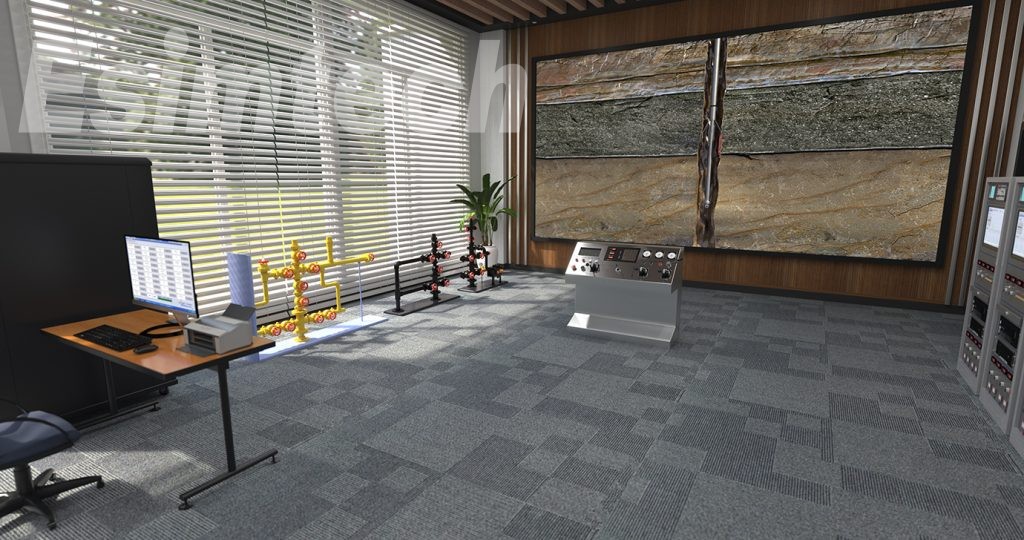
The Significance of Production Well Logging Simulators
Production well logging involves collecting data from downhole tools on an oil or gas well's production string, monitoring factors like formation porosity, resistivity, fluid saturation, pressure, and temperature. This data forms the foundation for informed decisions that enhance production, improve well performance, and extend reservoir life. The production well logging simulator, capable of simulating downhole tool responses and accurately interpreting logging data, empowers operators in these endeavors.
Key Components and Features of Production Well Logging Simulators
Downhole Tool Models: These simulators include realistic representations of industry-standard downhole logging tools:
Gamma Ray (GR) Detector: Identifies lithology and estimates mineral content by measuring natural gamma radiation emitted by formations.
Resistivity Sensors: Identify hydrocarbon-bearing zones and water saturation levels by determining the formation's electrical resistivity.
Neutron Porosity Tool: Estimates porosity and distinguishes between oil, gas, and water zones by measuring hydrogen content.
Density Log: Provides lithology information and computes porosity by measuring bulk density.
Pressure Gauge: Records downhole pressure, aiding well performance evaluation and reservoir pressure analysis.
Reservoir and Fluid Models: Precise geology, petrophysical, and hydrodynamic models consider variables such as formation porosity, permeability, fluid saturation, and rock properties to simulate the subsurface reservoir accurately.
Numerical Algorithms: Advanced algorithms transform raw logging data into valuable reservoir properties, including inversion algorithms for formation characteristics and machine learning techniques for data-driven interpretations.
3D Visualization: Engineers can observe reservoir changes over time, enhancing understanding of reservoir dynamics and production effects.
Data Integration: Incorporating seismic data, historical production data, and well test results provides a holistic view of the reservoir, improving characterization and interpretation accuracy.
Uncertainty Analysis: Well logging data inherently carries uncertainties; thus, the simulator employs uncertainty analysis methods to enhance decision-making under uncertainty.
User Interface: A user-friendly interface facilitates data entry, simulation setup, and result visualization, catering to professionals with varying levels of expertise.
Scenario Analysis: Engineers can assess various production tactics' influence on reservoir performance and optimize production plans by running different scenarios.
Applications of Production Well Logging Simulators
Reservoir Management: Vital for optimizing production plans, predicting reservoir behavior, and extending reservoir lifespan.
Field Development Planning: Aids in selecting well locations, well completion designs, and overall reservoir development strategies, ensuring efficient resource utilization and maximized production potential.
Well Performance Evaluation: Helps engineers evaluate individual well performance, identify production issues, and implement corrective actions to increase output.
Enhanced Well Stimulation: Supports the design of effective well stimulation and enhanced oil recovery (EOR) procedures, increasing hydrocarbon recovery rates through accurate formation and fluid saturation calculations.
Reservoir Monitoring and Surveillance: 3D visualization enables operators to track reservoir changes, identify production difficulties, and respond promptly.
Reserve Estimation: Accurate well logging data and reservoir characterization aid in precise calculations of recoverable hydrocarbon reserves, influencing financial planning, asset valuation, and investment decisions.
Conclusion
Production well logging simulators provide engineers with invaluable data and insights into subsurface reservoirs, enabling informed decision-making and optimizing production and reservoir management. They have evolved into indispensable tools within the oil and gas industry.
The Device Virtual Assembly Simulator (DVAS) is a cutting-edge virtual reality (VR) application revolutionizing the manufacturing industry. It offers manufacturers the ability to replicate and fine-tune assembly processes virtually, leading to enhanced efficiency, reduced costs, and superior product quality. This article delves into the concept of DVAS, its significance, operational mechanisms, advantages, and its profound impact on manufacturing.
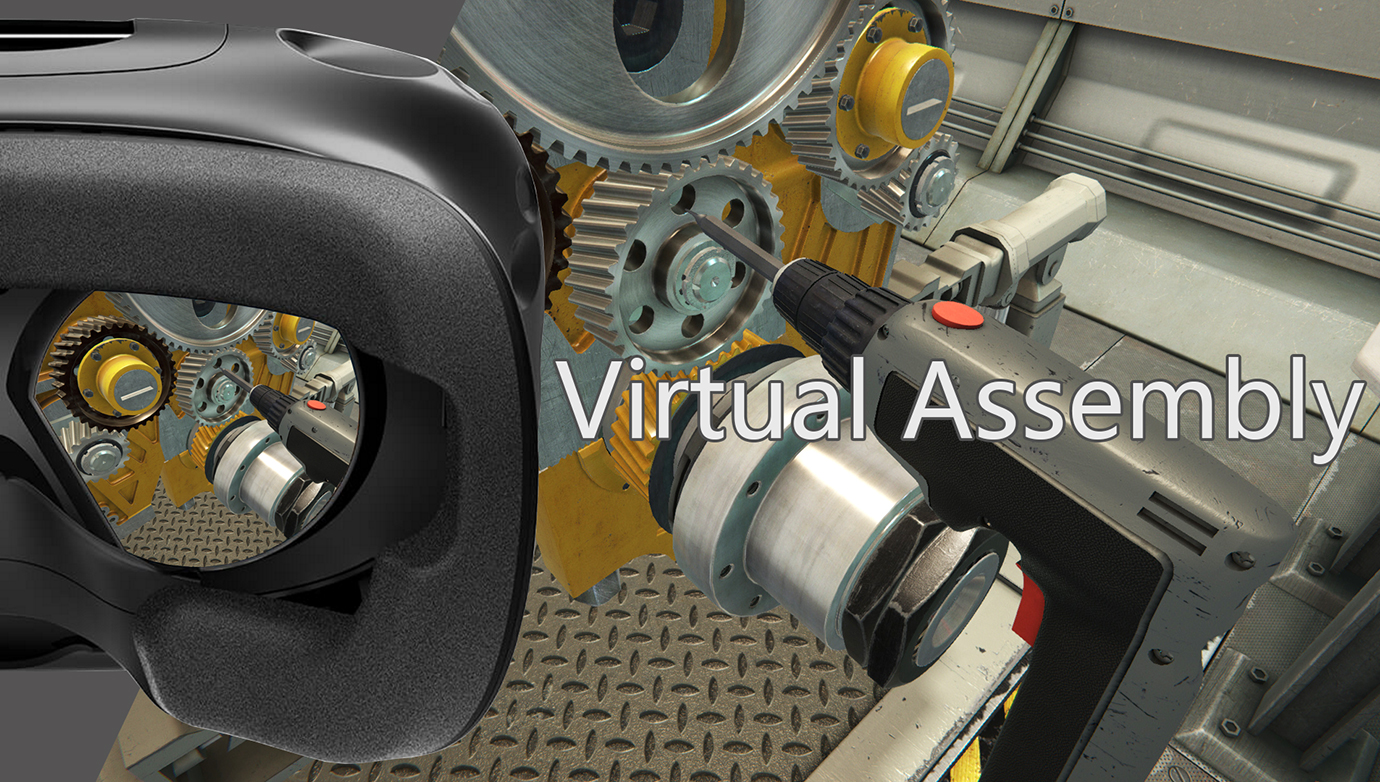
Why DVAS is Crucial for the Manufacturing Sector
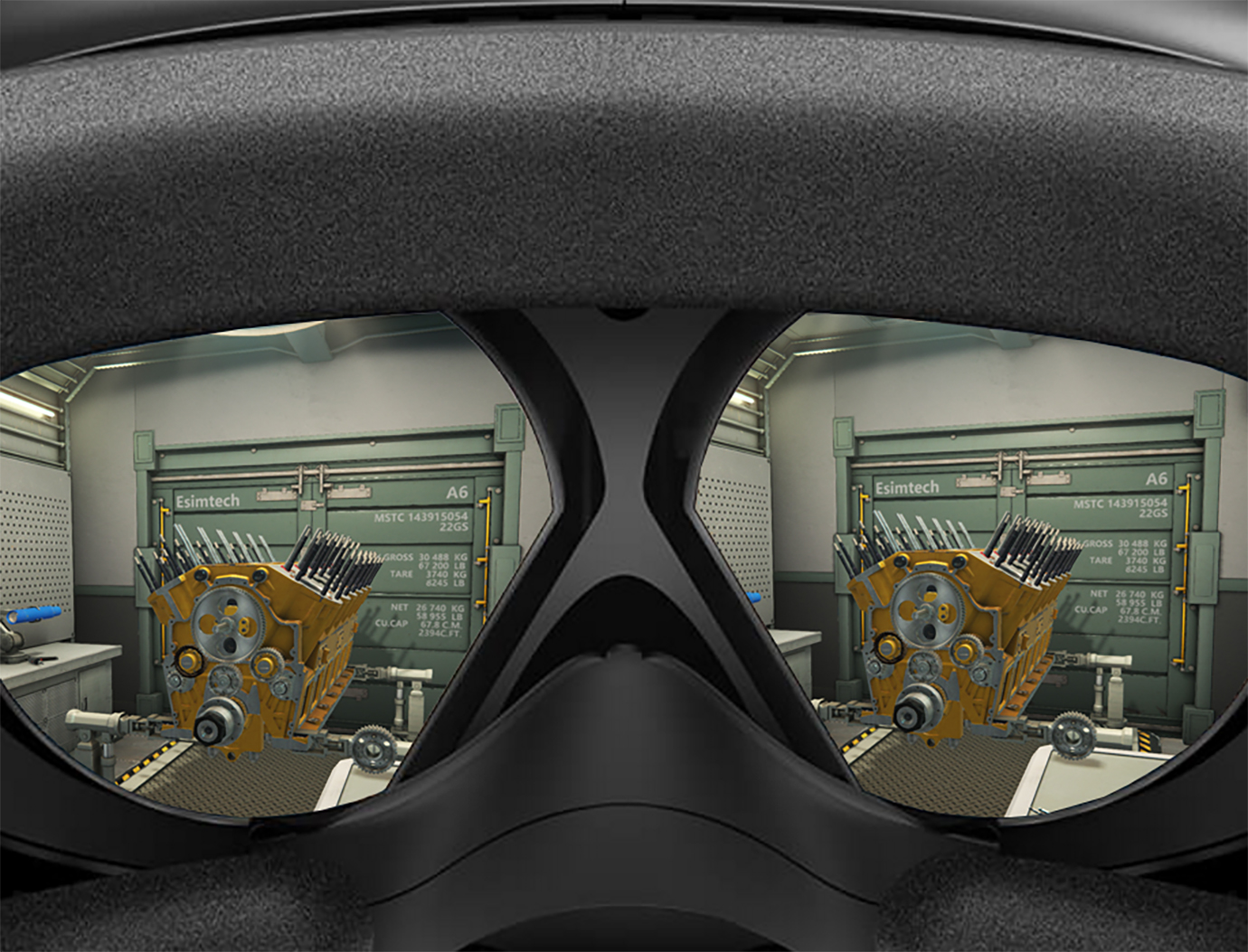
DVAS is a computer-based system that leverages virtual reality and simulation technologies to replicate assembly operations. Manufacturers can create virtual prototypes of equipment or products, allowing them to simulate assembly, disassembly, and maintenance processes. Users interact with virtual objects using specialized VR equipment such as headsets and motion controllers, resulting in a highly immersive experience.
How DVAS Operates
DVAS seamlessly integrates multiple technologies to deliver a unified virtual assembly experience:
3D Modeling: Manufacturers initiate the process by developing 3D models of their equipment or products using Computer-Aided Design (CAD) software. These digital models serve as the foundation for the virtual assembly simulation.
Physics Simulation: DVAS employs physics-based techniques to simulate the physical behavior of objects in a virtual environment. Factors like gravity, collisions, and interlocking systems are meticulously replicated. This ensures the realism and accuracy of the assembly process.
Virtual Environment: The DVAS recreates actual manufacturing facilities within a virtual environment, complete with workstations, tools, and other components essential for assembly. Users can navigate and interact with this virtual space using specialized VR devices.
Assembly Process: Manufacturers engage with virtual components using motion controllers to virtually assemble equipment or products. The system tracks users' movements and gestures, allowing them to manipulate virtual objects as if they were physically assembling them. This immersive experience fosters realism.
Real-time Feedback: DVAS provides real-time feedback during the assembly process. Visual indicators, tactile feedback, or audio signals guide users, ensuring adherence to correct assembly methods. This feedback aids users in analyzing and optimizing their assembly procedures for enhanced efficiency.
Disassembly and Maintenance: In addition to assembly, DVAS supports virtual disassembly and maintenance activities. Users can practice and refine their disassembly, maintenance, and reassembly skills without risking damage to real-world objects or equipment.
Iterative Refinement: Manufacturers can iterate and refine the assembly process within the virtual environment using DVAS. This enables early detection and correction of issues or inefficiencies, optimizing the assembly process before actual manufacturing. Such iterative refinement saves time, reduces costs, and enhances overall product quality.
Benefits of DVAS
Improved Efficiency: DVAS eliminates the need for physical prototypes and reduces trial-and-error assembly, allowing manufacturers to identify and rectify issues early in the design phase, thus streamlining the assembly process and shortening time-to-market.
Cost Reduction: Traditional assembly methods can be costly due to physical prototypes, material waste, and rework. DVAS detects and rectifies errors online, reducing the need for physical iterations and lowering costs.
Enhanced Product Quality: DVAS enables comprehensive evaluation of the assembly process, ensuring precise component fit and intended performance. This results in improved product quality and customer satisfaction.
Training and Skill Development: DVAS provides a safe training environment for assembly line workers. New personnel can learn and practice assembly techniques without risking damage to products or equipment. It also facilitates skill development and evaluation for continual improvement.
Design Optimization: DVAS identifies design defects or inefficiencies early on, allowing designers to optimize product design for improved manufacturability and reduced production costs.
Data Analytics: DVAS records and analyzes valuable data during the virtual assembly process. This data can be used to enhance overall production processes, providing insights into productivity, identifying bottlenecks, and optimizing assembly line layouts.
Future Prospects and Challenges
DVAS holds immense potential for the future of manufacturing. As VR technology advances, the simulation experience will become increasingly realistic. Integration with artificial intelligence and machine learning algorithms may enable the system to provide intelligent suggestions and automate repetitive processes.
However, challenges such as the initial setup cost and ensuring the accuracy of virtual simulations compared to real-world processes must be addressed through collaboration among technology developers, manufacturers, and researchers.
In Summary
The Device Virtual Assembly Simulator (DVAS) is a pivotal innovation in manufacturing, employing virtual reality and simulation technology to enhance efficiency, reduce costs, and improve product quality. As technology continues to evolve, DVAS will play a vital role in shaping the future of manufacturing, enabling companies to streamline processes, train their workforce effectively, and achieve higher levels of efficiency and competitiveness.