
The extraction and utilization of oil have undeniably shaped the modern world, fueling industries, transportation, and daily life. However, this pursuit of a valuable resource is not without its dangers. Oil field accidents, ranging from minor mishaps to catastrophic events, can have profound consequences on human lives and the environment. In this comprehensive exploration, we delve into the intricate causes and impacts of oil field accidents, discuss prevention strategies, and highlight how simulation technology is emerging as a transformative tool in enhancing safety within the oil and gas industry.
Understanding Oil Field Accidents:
Oil field accidents encompass unforeseen incidents occurring during various phases of oil and gas operations, including exploration, extraction, production, transportation, and processing. From equipment malfunctions to explosions and toxic chemical releases, these accidents result from a combination of technical failures, human errors, and external factors. Their consequences can be severe, impacting human lives, the environment, economies, and company reputations.
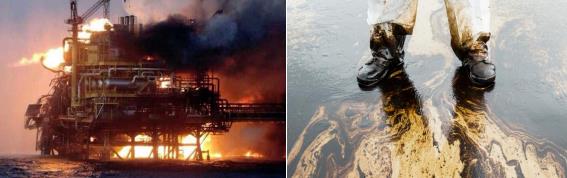
Influences of Oil Field Accidents:
Oil field accidents exert profound influences across environmental, economic, and societal dimensions:
Human Lives: Loss of lives and worker injuries.
Environmental Devastation: Contamination of water bodies, soil, and air.
Economic Disruption: Revenue loss, cleanup costs, legal settlements, and fines.
Reputation and Trust: Public outcry, increased scrutiny, and calls for stricter regulations.
In summation, these accidents cast a long shadow over the environment, economy, society, and policy framework, necessitating comprehensive preventive measures.
Preventing Oil Field Accidents:
A multi-faceted approach is essential for prevention:
Robust Training: Simulation-based training for workers in a controlled environment.
Regular Maintenance: Inspection and maintenance to identify potential issues.
Advanced Technologies: Sensors, monitoring, and predictive analytics for early warnings.
Stringent Regulations: Government oversight to enforce safety standards.
Safety Culture: Fostering a culture of safety within organizations.
Investment in Research: Developing safer extraction methods and technologies.
Role of Simulation in Prevention:
Simulation technology is pivotal in preventing oil field accidents:
Real-World Replication: Identifying vulnerabilities and risks without endangering personnel or the environment.
Training and Education: Virtual traning simulation used in drills for hands-on experience in responding to emergencies.
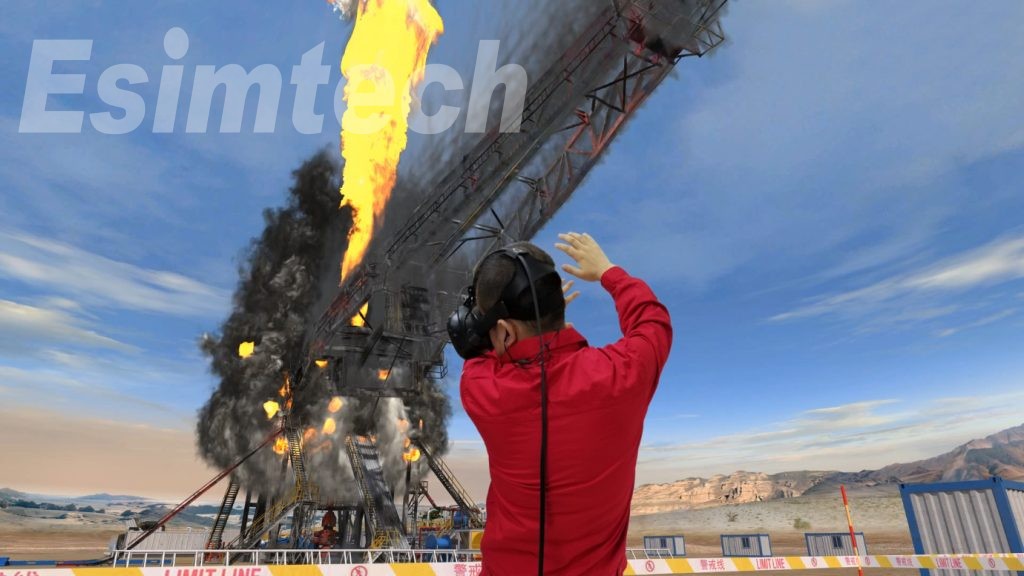
Emergency Response Strategies: Assessing different strategies for optimal responses.
Fostering Collaboration: Stakeholder collaboration in visualizing and analyzing potential accident scenarios.
Real-World Applications of Simulation:
Drilling Operations: Drilling simulators analyze variables like pressure and equipment performance.
Predicting Blowouts: Predicting blowout scenarios to design fail-safes.
Pipeline Integrity: Assessing factors like corrosion and pressure changes.
Conclusion:
Oil field accidents pose significant threats, but simulation technology emerges as a powerful ally in enhancing safety. By providing a controlled environment for analysis, training, and innovation, simulations empower professionals to make informed decisions, prevent accidents, and ensure responsible resource extraction. As technology evolves, simulations will play a vital role in shaping the future of oil field safety.
In the contemporary world, the insatiable demand for energy has driven the exploration and extraction of oil reserves from the Earth's crust. Oil rigs, serving as technical marvels, play a pivotal role in facilitating this intricate process, enabling access to vast quantities of fossil fuels concealed beneath the ocean floor. This article explores the workings of an oil rig, from its construction to the extraction process.
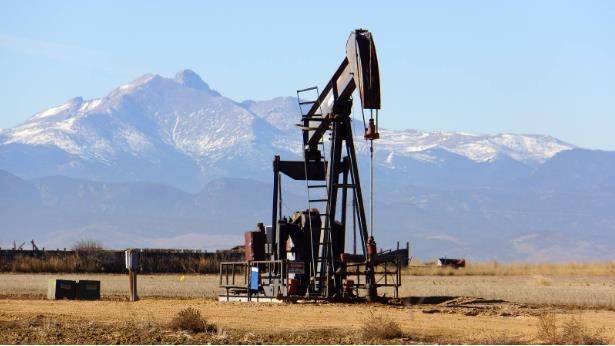
Drilling Operations in the Workings of an Oil Rig
The primary objective of an oil rig is to drill wells for the recovery of oil and gas from beneath the Earth's surface. The process commences with the meticulous selection of drilling locations based on geological surveys and seismic data. Once a suitable location is identified, the construction of the rig begins.
Platform Construction
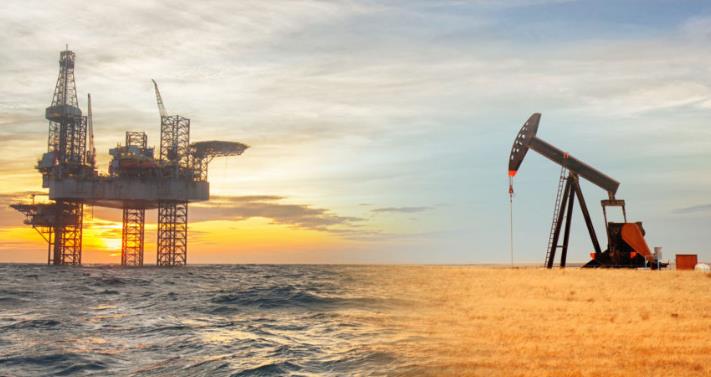
Oil rigs come in two primary types: offshore and onshore. Offshore drilling rigs are frequently utilized in water, presenting intriguing challenges due to the open sea and drilling depths. Offshore platforms vary in styles, including fixed platforms, floating platforms, and subsea systems. Fixed platforms are erected on concrete or steel constructions anchored to the seabed, while floating platforms float on the water's surface, secured by mooring systems. Subsea systems involve drilling holes in the ocean floor without a visible surface structure.
Drilling Process
Oil drilling involves a multi-step procedure of boring holes through rock layers to access hydrocarbon sources. The process includes several phases:
Site Preparation and Well Design: Extensive geological studies inform the selection of potential drilling sites. Engineers design the well, considering factors like goal depth, expected reservoir characteristics, and the surrounding environment.
Rig Setup: Before drilling begins, the drilling rig, including the derrick, drawworks, and rotary table, must be transported to the site.
Spudding In: The initial drilling, known as spudding in, involves attaching a drill bit to the bottom of the drill string. The rotary table rotates, driving the bit into the ground. Sections of drill pipe are added to reach the desired depth as drilling progresses.
Circulation of Drilling Fluid: Drilling fluid, or "mud," is crucial for cooling the bit, pushing rock cuttings to the surface, and preventing the well from collapsing.
Casing and Cementing: Steel casing is placed into the well to support it and prevent collapses. Cement is poured into the annular gap between the casing and wellbore walls to produce a secure seal, limiting fluid flow between formations and protecting groundwater.
Drill Bit Types: Different drill bits are employed based on the rock formation. Roller cone bits are commonly used for softer formations, while diamond bits are suitable for harder rock.
Measuring and Logging: Sensors and equipment capture data about the well, aiding geologists and engineers in understanding the subsurface environment.
Directional Drilling: Wells may need to be drilled at an angle to access reservoirs beneath impediments or in atypical formations. Directional drilling techniques involve using specialized equipment to control the hole's trajectory.
Drilling Engineering Simulations in the Drilling Process
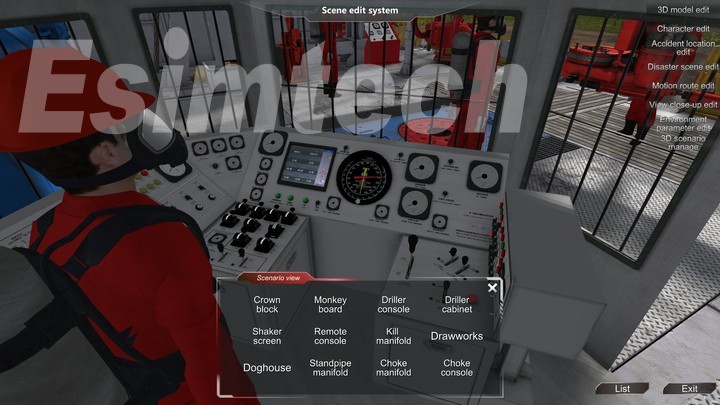
Drilling engineering simulations use computer-based models to simulate and analyze various aspects of the drilling process. These simulations include hydraulic modeling, drilling dynamics modeling, wellbore stability modeling, pore pressure prediction, and wellbore trajectory planning.
Extraction and Production in the Workings of an Oil Rig
After drilling, the extraction and production process begins, constructing channels for oil and gas to flow from the reservoir to the surface.
Casing and Cementing: Steel casing stabilizes the wellbore and prevents collapse. Cement is poured into the annular gap between the casing and rock walls to maintain a secure seal and protect groundwater.
Well Completion: The well is finished by inserting production tubing into the casing, providing a conduit for the passage of oil and gas to the surface while maintaining well integrity.
Extraction and Separation: Oil and gas naturally rise to the surface due to reservoir pressure. Additional measures may be used to improve flow. Extracted fluids are sent to the platform’s processing facilities upon reaching the surface.
Processing and Storage: Separation techniques remove contaminants, water, and gas from the produced oil. Crude oil is produced and stored in tanks on the platform before being transported to refineries for further processing.
Conclusion
Oil rigs involve sophisticated procedures requiring expertise from diverse sectors—from selecting drilling sites and navigating the challenging drilling process to subsequent extraction and production operations. As technology and procedures continue to evolve, oil rig operations will contribute to meeting the energy needs of modern society.
The landscape of the energy industry is undergoing a significant transformation, driven by the integration of sophisticated oil and gas software. These advanced programs and technologies are reshaping how businesses engage in exploration, extraction, management, and optimization. In this article, we delve into the pivotal aspects of oil and gas software and its profound impact on the energy sector.
Key Aspects of Oil and Gas Software
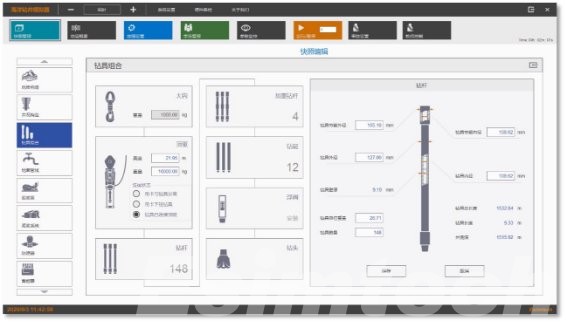
Oil and gas software encompasses a diverse range of solutions tailored to address the unique challenges of the industry. From exploration and drilling to manufacturing, transportation, and distribution, these applications streamline complex processes and enhance decision-making.
Exploration and Reservoir Modeling
Cutting-edge software empowers geologists and geophysicists to analyze seismic data, construct 3D reservoir models, and simulate various drilling scenarios. This predictive capability aids in identifying potential reserves, estimating production rates, and optimizing drilling strategies.
Drilling and Well Management
Drilling software assists engineers in meticulous planning and execution of drilling operations. Real-time data on well conditions enables on-the-fly modifications to maximize drilling efficiency and well integrity.
Production Optimization
Production management software monitors well and facility operations, facilitating early anomaly detection and predictive maintenance. This results in reduced downtime and enhanced overall operational efficiency.
Data Analytics and Integration
Big data and analytics software processes vast operational datasets, providing insights that inform decision-making. Integration of data from multiple sources enhances visibility across the value chain, from discovery to distribution.
Environmental and Regulatory Compliance
Regulatory compliance software ensures adherence to environmental and safety regulations, monitoring emissions, waste disposal, and other compliance-related elements to minimize the industry's environmental impact.
Advantages of Oil and Gas Software
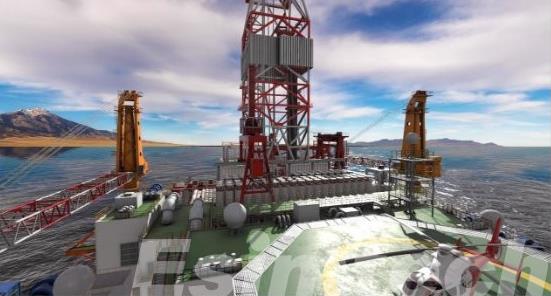
The adoption of oil and gas software yields numerous benefits, influencing industry efficiency, safety, and sustainability.
Efficiency and Cost Savings
Automation and workflow optimization increase efficiency, reduce operational costs, and expedite decision-making. Predictive analytics prevent equipment failures, minimizing downtime.
Safety Enhancement
Real-time monitoring and data analysis enhance safety by detecting potential threats, enabling swift intervention and reducing the risk of accidents, ensuring worker safety.
Environmental Stewardship
Software tools for environmental monitoring and compliance help companies minimize their environmental footprint, promoting a more sustainable approach to energy extraction and production.
Decision-Making Precision
Access to precise, real-time data empowers decision-makers to respond quickly to changing situations, improving overall operational efficiency.
Collaboration and Communication
Collaboration software fosters effective teamwork and knowledge exchange by facilitating seamless communication and information sharing across teams, departments, and partner businesses.
Challenges and Future Directions
As the oil and gas industry undergoes a digital transition, challenges and future directions emerge.
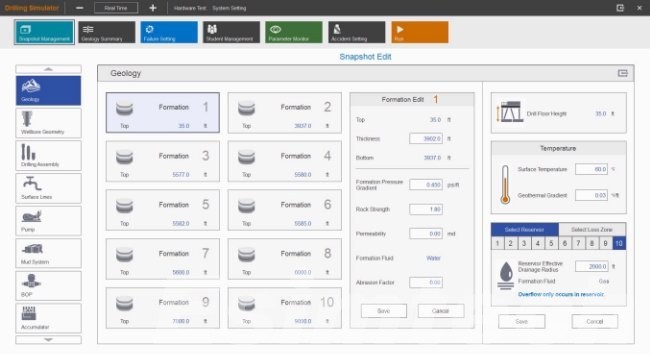
Challenges in Oil and Gas Software Implementation
Integration Complexity
Integrating new software with existing infrastructure poses challenges, requiring careful planning to ensure compatibility and data consistency.
Data Management
Effectively managing, storing, and analyzing vast amounts of data from various sources, including sensors and drilling operations, is a critical challenge.
Data Security
The growing risk of cyberattacks necessitates robust measures to protect sensitive operational and proprietary data.
Change Management
Introducing new software requires a cultural shift within organizations, demanding effective change management practices to facilitate smooth transitions.
Future Directions in Oil and Gas Software
Advanced Data Analytics
Real-time data processed by predictive analytics and machine learning algorithms will optimize drilling operations and enhance overall efficiency.
Cloud Computing and IoT
Cloud-based solutions and the Internet of Things (IoT) will play a crucial role in improving decision-making and operational agility.
Digital Twin Technology
Virtual oil and gas simulation of physical assets using digital twin technology enables accurate predictions regarding equipment behavior and performance.
Automation and Robotics
Automation and robotics, including autonomous drilling rigs and robotic pipeline inspection, enhance safety and efficiency.
Blockchain Applications
Blockchain technology improves transparency, traceability, and security in the oil and gas supply chain.
Virtual Reality (VR) and Augmented Reality (AR)
VR and AR have the potential to transform training, maintenance, and remote assistance in the industry.
Conclusion
Oil and gas software has become integral to energy industry innovation, playing a vital role in creating a more efficient, safe, and sustainable energy future. As technology advances, the incorporation of modern software will likely be a critical factor in determining the success of energy companies globally.
The oil and gas sector stands as a cornerstone of modern civilization, providing the vital energy resources that fuel economies and daily life. At the heart of this industry's triumph lies the intricate art and science of drilling, a process that involves the extraction of hydrocarbons from deep within the Earth's bowels. In this article, we will delve into the drilling techniques employed in the oil and gas industry, highlighting their pivotal role in ensuring efficient resource extraction. The oil and gas industry demands precision, safety, and advanced technology to extract resources from challenging geological formations. Drilling is a multi-faceted process, encompassing a range of techniques, each finely tuned to address specific challenges encountered during exploration, production, and extraction.
Rotary Drilling Techniques
The rhythmic rotation of a drill bit echoes like a heartbeat, an enchanting dance that beckons us on a profound journey into the Earth's very core. This mesmerizing choreography characterizes rotary drilling, a technique that has stood the test of time, sculpting geological formations into gateways of boundless potential.
As the drill bit delves deeper, an indispensable companion emerges – drilling mud. This life-sustaining fluid courses through the well, akin to a lifeline, orchestrating a symphony of tasks. It cools the diligent drill bit, dutifully carries fragments of rock cuttings towards the surface, and deftly balances the subterranean pressures. Indeed, this fundamental technique is the genesis, the doorway to the hidden vaults of energy that lie beneath, embodying the oil and gas industry's initial foray into the realm of abundance.
Directional Drilling Techniques
In the face of rugged landscapes and enigmatic geological puzzles, directional drilling emerges as an illustrious symbol of human ingenuity. Comparable to an adept mariner navigating uncharted waters, directional drilling takes a bold departure from tradition, skillfully charting unique trajectories. With grace reminiscent of an artist's brushstroke, wellbores curve and contour, masterfully evading obstacles while optimizing the yield of precious resources. This technique, a true masterpiece of innovation, seamlessly transforms challenges into opportunities, unlocking access to reservoirs once thought unreachable and leaving an indelible mark on the very canvas of exploration's terrain.
Horizontal Drilling Techniques
With the introduction of horizontal drilling, the narrative of resource recovery undergoes a profound transformation. This technique not only redefines efficiency but also extends wellbores laterally through reservoirs, revolutionizing the very essence of extraction. The precision with which hydrocarbon-rich formations are accessed is unparalleled, effectively rewriting the rulebook of productivity and resource retrieval. Emerging as a cornerstone in the quest to unlock unconventional resources, horizontal drilling vividly embodies the industry's unwavering dedication to innovation, poised at the forefront of reshaping energy exploration and exploitation.
Innovations and Automation of Drilling Techniques
As the oil and gas industry undergoes dynamic evolution, drilling techniques progress hand in hand, driven by the harmonious fusion of human ingenuity and state-of-the-art technology. This synergy is eloquently demonstrated through the integration of rotary steerable systems and top drive drilling, showcasing the seamless blend of oil and gas automation. The ability to make real-time adjustments to wellbore trajectories and the streamlining of operations underscore how these advancements heighten efficiency, precision, and safety, reflecting the industry's commitment to achieving optimal performance while embracing the transformative power of modern techniques.
Drilling Simulation Techniques
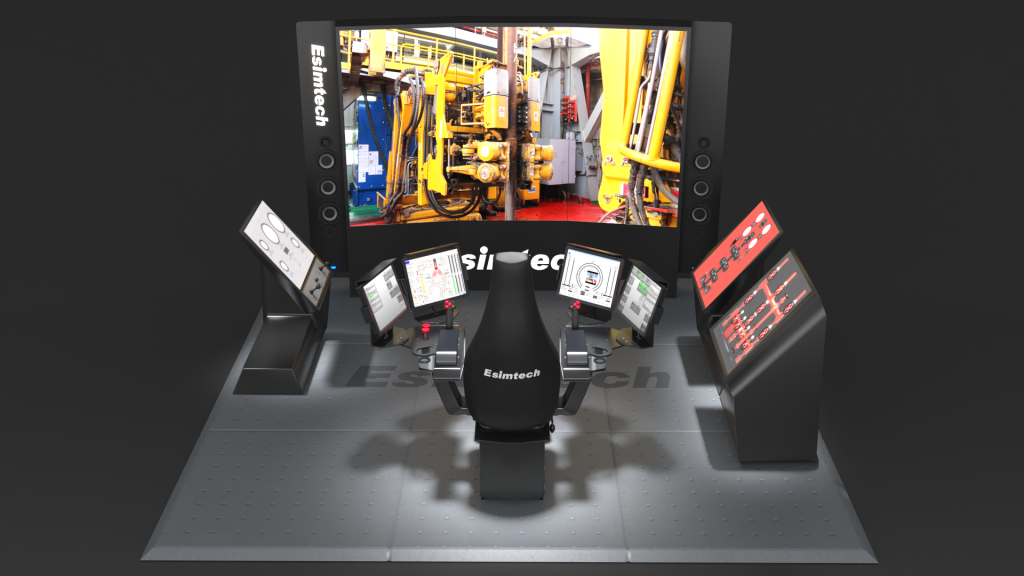
Drilling engineering simulation refers to the use of computer-based models to simulate and analyze various aspects of the drilling process. These simulations are designed to help drilling engineers better understand the behavior of the wellbore and make more informed decisions about the drilling process. Given the high cost of drilling equipment and the hazardous environment at construction sites, access is restricted to production professionals only. Drilling and well control simulators have become invaluable tools in this era where technology melds seamlessly with learning. These virtual environments replicate real-world drilling scenarios, providing training for drilling personnel. Simulators hone skills, simulate challenging situations, and enhance decision-making under pressure. This fusion of technology and training ensures safer, more efficient drilling operations, reducing learning curves and minimizing operational risks.
Conclusion
The oil and gas industry's reliance on drilling techniques is akin to a voyage of discovery, charting uncharted depths beneath the Earth's surface. From the rotary drills that have shaped the industry's history to the cutting-edge technologies that define its future, drilling techniques represent the industry's pioneering spirit and unwavering commitment to harnessing the Earth's resources responsibly. As the energy landscape evolves, these techniques will continue to be the linchpin of exploration, unlocking energy treasures that power the world.
The oil and gas industry, a vast and intricate realm, relies on a symphony of engineering marvels to explore and extract hydrocarbons from beneath the Earth's surface. At the heart of this intricate choreography is the drilling system, a complex ensemble of technologies, equipment, and methodologies that pierce through layers of rock and sediment to unlock the world's energy resources. In this article, we delve into the world of drilling systems that are propelling the oil and gas industry into a new era of efficiency, safety, and resource optimization.
The Essence of Drilling Systems:
Drilling systems are the lifeblood of the oil and gas industry, facilitating the exploration and extraction of Earth's hidden treasures. These intricate systems amalgamate cutting-edge technologies, machinery, and expertise to delve into the depths of the subsurface, unlocking coveted hydrocarbon reservoirs.
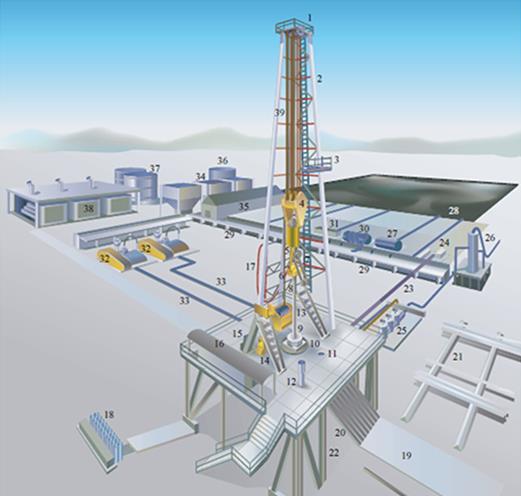
These systems orchestrate a synchronized dance of drill bits, drill strings, hoisting mechanisms, and mud circulation, culminating in the creation of wellbores. This intricate choreography not only grants access to precious resources but also embodies precision, innovation, and unwavering determination. Through the interplay of components like well control equipment, casing, and logging tools, drilling systems ensure operational integrity while guarding against potential hazards, all while harnessing the power of modern engineering.
As the industry evolves, drilling systems continue to be the backbone of oil and gas endeavors, embodying the relentless pursuit of energy excellence while reshaping the global energy landscape.
The Core Components of Drilling Systems:
The core components of drilling systems form an intricate web of technologies and equipment essential for the successful exploration and extraction of oil and gas resources. These components collaborate seamlessly to drive the drilling process forward, ensuring efficiency, safety, and optimal wellbore creation.
Drill Bit: The drill bit serves as the point of contact between the rig and the Earth's crust. Innovative drill bit designs, such as polycrystalline diamond compact (PDC) and roller cone bits, are engineered to cut through various rock formations with precision.
Drill String: Comprising the drill pipe, drill collars, and other accessories, the drill string provides the conduit for transmitting power and torque from the rig to the drill bit.
Mud Circulation System: This system involves drilling fluid, often referred to as "mud," which serves to lubricate the drill bit, cool the drill string, and carry cuttings to the surface. Mud also provides crucial pressure control to prevent blowouts.
Hoisting System: The hoisting system employs the drawworks to raise and lower the drill string, enabling vertical movement within the wellbore.
Rotating System: The rotating system powers the rotation of the drill string and bit, allowing for efficient drilling of the wellbore.
Together, these core components harmonize their functions, creating a symphony of engineering prowess that characterizes drilling systems in the oil and gas industry.
Benefits and Impact of Drilling Systems:
Efficiency Enhancement: Modern drilling systems optimize drilling speed, reduce non-productive time, and minimize downtime, contributing to more efficient operations.
Safety Advancements: Drilling systems incorporate state-of-the-art safety features, real-time monitoring, and automated controls to enhance personnel safety and prevent accidents.
Resource Optimization: By maximizing equipment utilization and minimizing operational inefficiencies, drilling systems contribute to cost savings and resource optimization.
Environmental Considerations: Advanced drilling technologies aim to minimize environmental impact through reduced emissions, efficient mud management, and optimized wellbore integrity.
Simulation of Drilling Systems:
In the dynamic realm of oil and gas exploration, the pursuit of efficiency, safety, and precision has spurred the evolution of drilling systems. Leading this transformation is simulation technology, an innovative approach that empowers the industry to test, optimize, and revolutionize drilling operations in virtual environments. Drilling systems simulations bring together the intricacies of engineering, data analysis, and real-world scenarios to create a digital playground for engineers, operators, and decision-makers.
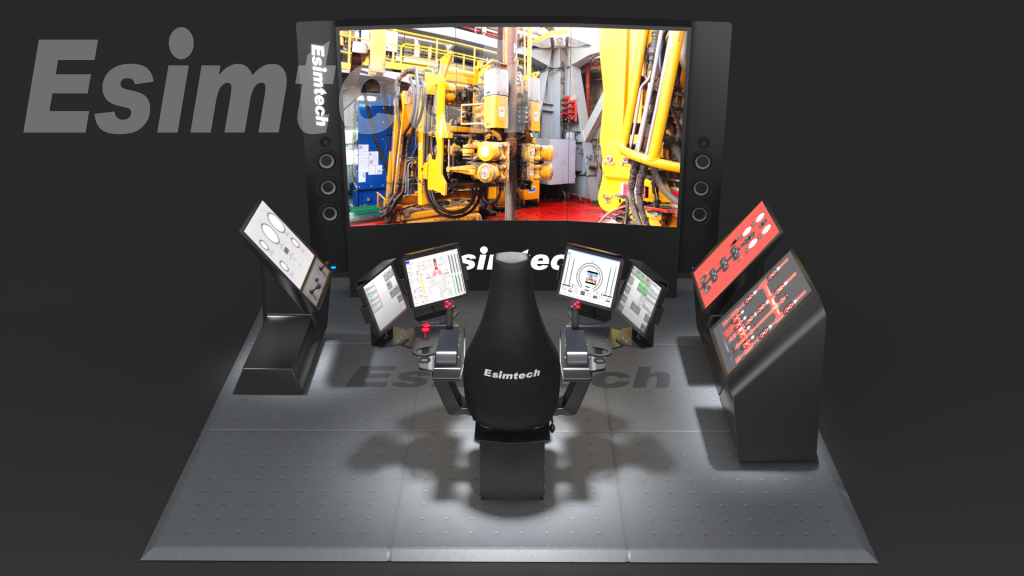
To provide an authentic experience of oil drilling and equip students with relevant knowledge and skills, Esimtech has developed a drilling and well control simulation system. This system faithfully reproduces the working atmosphere of oil drilling operations. Through this simulation technology, individuals can gain a comprehensive understanding of the drilling system and master its application.
Innovations and Transformation in Drilling Systems:
In the ever-evolving landscape of the oil and gas industry, innovation stands as the driving force behind the transformation of drilling systems. Pioneering technologies are reshaping conventional practices, enhancing efficiency, safety, and environmental responsibility. These innovations are not only propelling the industry forward but also redefining its capabilities and potential.
Automated Drilling: Automation has revolutionized drilling operations by enabling real-time monitoring, data analysis, and decision-making. Automated drilling systems utilize sensors and advanced algorithms to optimize drilling parameters, detect anomalies, and adjust operations in response to changing downhole conditions.
Directional Drilling: Advanced directional drilling techniques, such as rotary steerable systems and electromagnetic guidance, enable precise wellbore placement and access to previously inaccessible reservoirs, maximizing resource recovery and reservoir drainage.
Managed Pressure Drilling (MPD): MPD techniques control wellbore pressure to prevent kicks and losses, enhancing safety and efficiency. By optimizing pressure, MPD enables drilling through challenging formations while minimizing formation damage.
Dual Gradient Drilling: This technique uses two different types of drilling fluid to balance wellbore pressures, making drilling in challenging environments, such as deepwater, more manageable.
Casing While Drilling (CWD): CWD systems allow operators to simultaneously drill and install casing, saving time and reducing the risk of wellbore instability.
These innovations are ushering in a new era of drilling systems, where precision, automation, and sustainability converge to unlock previously untapped potential in the oil and gas industry. As technology continues to advance, the industry is poised to reach greater depths, access more challenging reservoirs, and conduct operations with unprecedented efficiency and environmental responsibility.
Conclusion:
Drilling systems represent the dynamic heart of the oil and gas industry, combining cutting-edge technology, engineering prowess, and operational expertise to unlock vital energy resources.
Simulation-driven drilling systems have emerged as a game-changing force in the oil and gas industry, offering a virtual canvas for exploration and innovation. As this technology continues to evolve, the realm of drilling systems simulation promises to usher in a new era of efficiency, safety, and sustainability, shaping the future of oil and gas exploration and production.