
In the realm of offshore exploration and resource extraction,drillships have emerged as cutting-edge vessels, amalgamating advanced technology, engineering prowess, and simulation capabilities to tackle the complexities of offshore drilling. These adaptable vessels represent a pinnacle of human innovation, granting access to valuable reserves beneath the ocean's depths. This article delves into the captivating universe of drillships, unraveling their extraordinary attributes and highlighting the pivotal role that simulation technology plays in their operational achievements.
The Genesis of Drillships
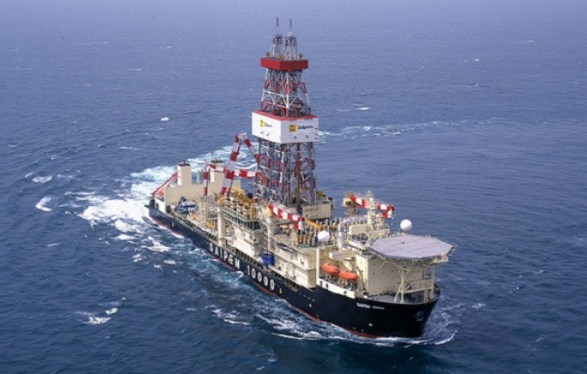
Drillships stand as meticulously crafted maritime vessels designed to delve into the seabed for the extraction of oil and gas reservoirs. These remarkable entities combine the characteristics of both ships and oil rigs, featuring advanced drilling apparatus, living accommodations for crew members, and state-of-the-art technology that grants them autonomous functionality even in remote and challenging landscapes.
The concept of drillships emerged as the imperative to explore and exploit resources from increasingly profound waters gained prominence. In contrast to conventional fixed oil rigs rooted to the ocean bed, drillships offer the agility to relocate to diverse locales, aligning adeptly with the ever-shifting demands of exploration. This mobility provides drillships access to previously inaccessible regions, unveiling untapped reserves concealed beneath the ocean's expanse.
Anatomy of a Drillship
A drillship is a specialized offshore drilling rig crafted for deep-sea exploration and extraction of oil and gas resources from beneath the ocean floor. Its key components include:
Hull and Structure:
Hull: Double-hulled for added safety, designed to withstand harsh marine conditions.
Mooring System: Equipped with anchors and chains or dynamic positioning (DP) system for precise positioning.
Drilling Equipment:
Derrick: Vertical structure supporting the drill string and drilling equipment.
Drillstring: Connects the drill bit to the surface equipment, allowing power and rotation transfer.
Top Drive: Motorized device providing rotational force for efficient drilling.
Blowout Preventer (BOP): Critical safety device on the seafloor to control well pressure.
Living Quarters and Facilities:
Accommodation: Living quarters for the crew.
Mess Rooms and Recreation Areas: Facilities for meals, relaxation, and recreation.
Control Rooms: Houses equipment for monitoring and controlling operations.
Power and Propulsion:
Engines and Generators: Provide electrical power for all onboard systems.
Thrusters: Enable precise maneuvering and positioning in dynamic environments.
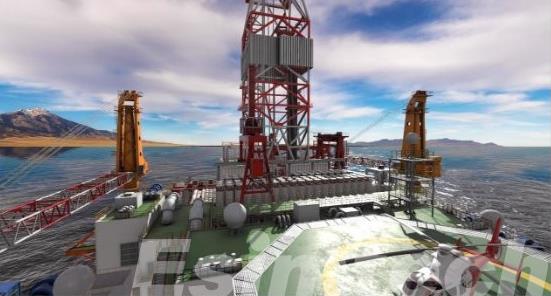
Helipad: Facilitates crew changes, supply deliveries, and emergency evacuations.
The Role of Simulation in Drillships
The operation of a drillship involves complex tasks demanding accuracy, precision, and adherence to safety protocols. Drilling simulation technology serves as a guiding beacon, replicating real-world scenarios in a controlled environment. Its purposes include:
Crew Training:
Allows crew members to practice tasks and emergency responses in a safe environment.
Navigational Excellence:
Enables navigation officers to practice positioning the vessel accurately under various conditions.
Drilling Procedures:
Assists drill operators in practicing drilling procedures to optimize efficiency and reduce accidents.
Emergency Preparedness:
Facilitates emergency drills for swift and effective responses to various scenarios.
Advanced Simulations
Contemporary simulation technology offers high-fidelity, lifelike experiences, integrating dynamic variables like weather patterns and equipment reactions. As technology advances, the potential of drillship simulators will progress, incorporating artificial intelligence and machine learning for adaptable scenarios.
In Conclusion
The drillship stands as a testament to human inventiveness, exploring new horizons by tapping into resources beneath the ocean floor. Its transformative feat is achieved through the fusion of leading-edge technology, inventive thinking, and simulation prowess. As drillships navigate the challenging waters of resource extraction, simulation technology will remain a steadfast companion, equipping crews, refining operations, and pushing the boundaries of achievement. Through the drillship, we witness the potency of human potential heightened by the tools of the digital era, propelling us deeper into the uncharted recesses of discovery.
In the expansive realm of the open sea, colossal structures known as oil rigs emerge from the depths, seemingly defying physics as they majestically float on the water's surface. The intriguing question often arises: Do oil rigs truly float? The answer delves into the fascinating and complex interplay of buoyancy, engineering marvels, and the indispensable role of drilling simulators. This article takes you on a journey to unravel the truth behind the floating oil rigs and explores how simulators contribute to their innovation and efficiency.
The Physics Behind Floating Oil Rigs
Buoyancy:
Buoyancy, a fundamental principle involving the upward force exerted by a fluid (seawater) on an immersed object, is crucial for floating oil rigs. These structures are designed to displace a volume of water equal to or greater than their own weight, allowing them to stay afloat.
Stability:
To withstand forces such as waves, currents, wind, and the weight of equipment, floating oil rigs need stability. Achieved through strategically placed ballast (heavy materials), the distribution of weight and ballast ensures a low center of gravity, preventing tilting or capsizing.
Hydrostatics:
Hydrostatics, dealing with fluid behavior at rest, plays a role in determining the equilibrium of the platform. Pressure differences exerted by surrounding water contribute to the buoyant force, maintaining the rig's afloat status.
Types of Floating Oil Rigs
Various designs and considerations apply to different types of floating oil rigs:
Semi-Submersibles:
Columns or pontoons submerged underwater provide stability by utilizing buoyant force to counteract weight, connected to a deck holding drilling equipment.
Drillships:
Ships with drilling equipment, featuring a deep hull for buoyancy and stability. Dynamic positioning systems maintain the ship's position over the drilling site.
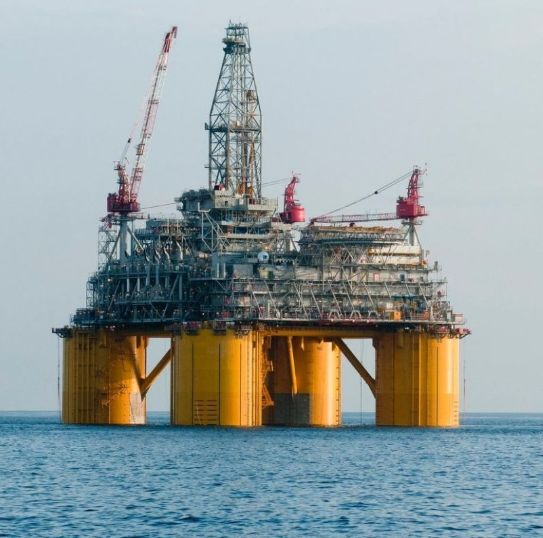
Tension Leg Platforms (TLPs):
Vertical tethers or tension legs anchor the platform to the seabed, limiting lateral movement while allowing vertical movement in response to waves.
Spar Platforms:
Cylindrical structures extending above and below the water's surface, utilizing buoyancy from the submerged section and housing drilling equipment and living quarters above water.
FPSOs (Floating Production Storage and Offloading):
Used for production and storage, FPSOs are moored to the seabed, achieving buoyancy and stability through hull design and ballast systems.
In summary, the physics of floating oil rigs involve principles of buoyancy, stability, and hydrostatics, ensuring their operation in the challenging offshore environment.
Simulation of Offshore Oil Rigs
Rig Design and Construction:
Simulation is utilized during the design phase to create virtual prototypes, allowing engineers to test different configurations for safety and efficiency.
Buoyancy and Stability:
Simulation aids in understanding how rigs maintain buoyancy and stability in various sea conditions, optimizing the rig's structure and ballast systems.
Drilling Processes:
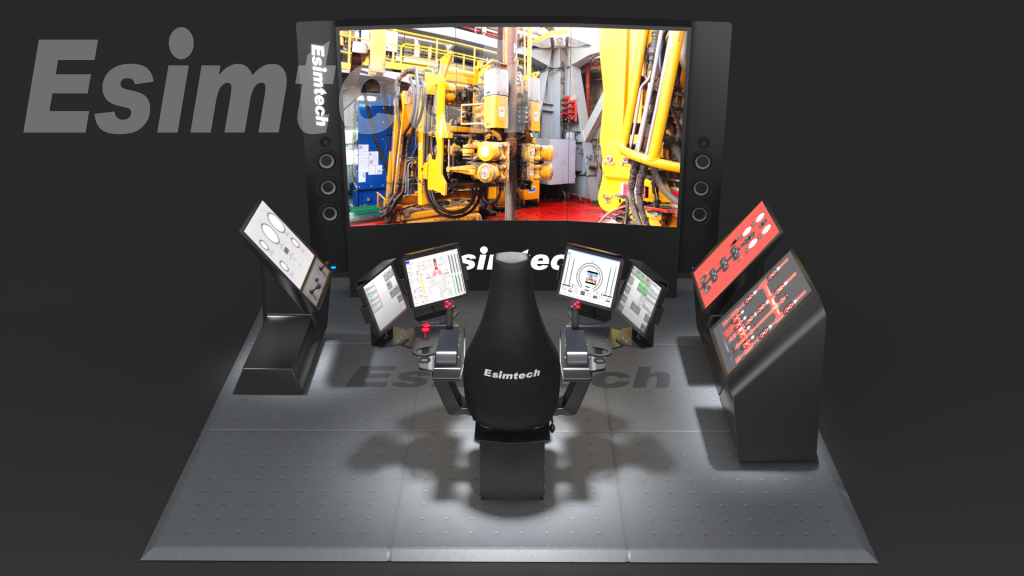
Drilling simulations enable practice and optimization of procedures in a virtual environment, including well control and actual drilling operations.
Dynamic Responses:
Simulations replicate responses to external factors like waves and wind, predicting their effects on stability, motion, and performance.
Emergency Scenarios:
Simulators train personnel in responding to emergencies, allowing practice of evacuation procedures and safety protocols.
Crew Training:
Simulation is essential for training rig personnel, providing familiarity with operations, equipment handling, and safety procedures.
Equipment Testing:
Simulation allows testing and optimizing the performance of drilling equipment and machinery, identifying potential issues before actual rig deployment.
Data Integration:
Platforms can be connected to real-time data feeds, enabling decision-making based on actual data and responding to changing conditions.
Optimization and Efficiency:
Engineers analyze different scenarios to identify opportunities for improving operational efficiency.
Risk Mitigation:
Simulations help identify potential risks and challenges, allowing operators to develop strategies to enhance safety measures.
Research and Development:
Simulation is a valuable tool for testing new technologies, accelerating innovation, and reducing risks associated with new solutions.
Incorporating simulation enhances safety, reduces downtime, improves efficiency, and prepares personnel for various scenarios, contributing to a safer and more sustainable offshore industry.
Conclusion
Oil rigs do indeed float, showcasing the remarkable synergy between physics, engineering, and innovative technology. Buoyancy, a timeless principle, continues to shape modern oil rig design and operation. Leveraging advanced simulators ensures stability, safety, and efficiency in the unpredictable marine environment. As our understanding of physics and technology advances, oil rigs will remain steadfast on the water's surface, symbolizing human achievement in overcoming nature's challenges.
In the oil and gas drilling industry, ensuring safety and environmental protection is paramount. The blowout preventer (BOP) stands as a critical component, shielding drilling operations from catastrophic accidents. The Deepwater Horizon incident in 2010 underscored the significance of robust blowout preventers in averting environmental and economic disasters. This article explores the key functions, components, challenges, and innovative technologies driving the evolution of blowout preventers in the oil and gas sector.
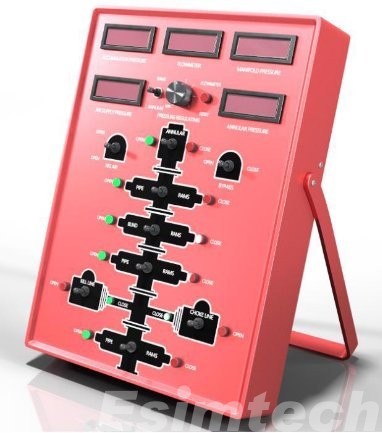
The Key Functions and Importance of Blowout Preventers:
1. Emergency Shut-off:
In response to sudden pressure surges or loss of control, a blowout preventer can be activated to swiftly seal around the wellbore, cutting off fluid flow and preventing a blowout.
2. Well Control:
Throughout drilling and completion processes, the BOP maintains the well's pressure balance, ensuring appropriate drilling mud circulation and overall well stability.
3. Environmental Protection:
Blowout preventers play a crucial role in averting oil spills and reducing their environmental impact by closing the wellbore and restricting the uncontrolled flow of hydrocarbons.
The Key Components of Blowout Preventers:
1. Annular Preventers:
Doughnut-shaped devices encircling drill pipes, casing, or open holes, equipped with rubber or metal sealing devices for a versatile and adaptable seal against fluid flow.
2. Ram Preventers:
Hydraulic devices closing around drill pipes, casing, or open holes, classified into blind rams, pipe rams, and shear rams, each serving specific applications during well control scenarios.
3. Hydraulic Systems:
Powering the movement of various components within the blowout preventer, ensuring quick and precise activation even under high pressures and dynamic conditions.
4. Control Systems:
Modern blowout preventers incorporate extensive control systems for remote monitoring and activation, offering operators precise control over the wellbore's pressure and component movements.
5. Choke and Kill Lines:
Pipelines connected to the BOP stack for controlling fluid flow from the wellbore, with choke lines regulating flow rates and kill lines used for adding fluids or chemicals to regain control of well pressure.
6. Manifold:
A collection of valves and pipelines connecting choke and kill lines to the drilling rig and surface equipment, facilitating fluid flow adjustments during routine operations and emergencies.
7. Accumulator System:
Stores hydraulic fluid under pressure, ensuring that even in the event of a primary hydraulic power source failure, the BOP can function effectively.
8. Sealing Elements and Gaskets:
Various sealing devices and gaskets ensuring tight seals between components, preventing fluid leaks and maintaining wellbore integrity.

Challenges and Innovations for Blowout Preventers:
Challenges:
Complexity and Maintenance: Regular inspection and maintenance of complex components.
Extreme Operating Conditions: Resistance to high pressures, temperatures, corrosive fluids, and abrasive materials.
Human Error and Training: Adequate training to prevent delays and errors during emergencies.
Real-time Monitoring and Data Analysis: Challenges in analyzing vast data generated by BOPs.
Deepwater and Subsea Challenges: Addressing unique challenges in deepwater and subsea environments.
Innovations:
Remote Operation and Automation: Minimizing human intervention for remote monitoring and control.
Digital Twin Technology: Virtual replicas for real-time simulations and testing.
Condition Monitoring and Predictive Analytics: Sensors and analytics for predicting breakdowns.
Material Improvements: Development of durable and corrosion-resistant materials.
Redundancy and Redundant Systems: Implementing backup systems for added security.
Real-time Training Simulators: Simulation for operators to practice emergency scenarios.
Standardization and Regulation: Industry-wide standards for consistent quality and performance.
Improved Emergency Response Plans: Thorough plans for precise procedures in well control scenarios.
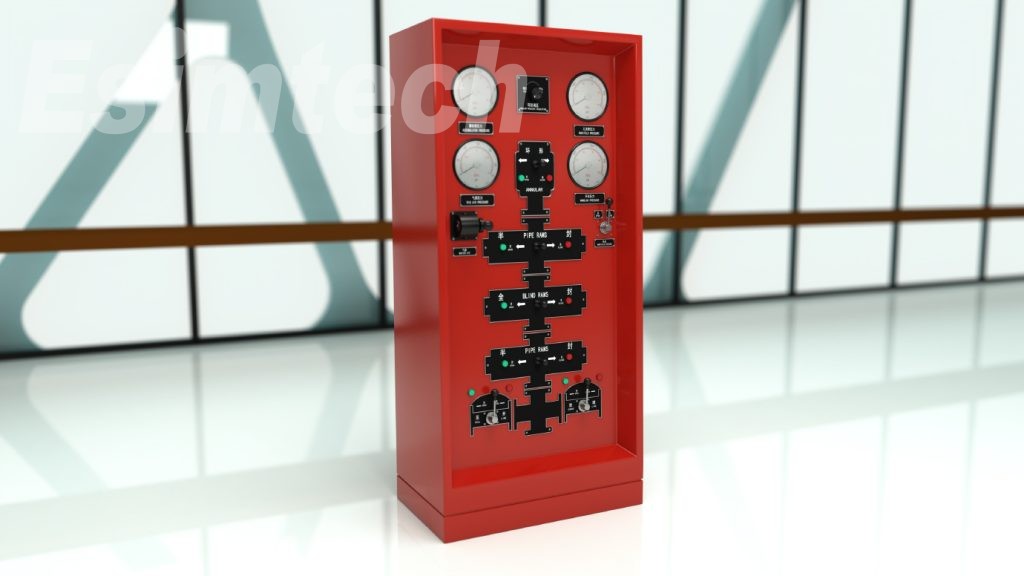
Conclusion:
Blowout preventers in the oil and gas industry are at the forefront of technological innovation, ensuring safety, integrity, and environmental protection. From real-time monitoring to material advancements and automation, the industry is committed to enhancing the reliability and effectiveness of blowout preventers. As technology continues to evolve, these guardians at drilling sites remain crucial in guaranteeing responsible exploration and extraction of oil and gas resources while safeguarding the environment and human lives.
Oil rigs, towering structures that extract valuable resources from the ocean floor, embody human ingenuity and the pursuit of energy independence. However, the very technologies driving progress also bring the risk of catastrophic events. The threat of an oil rig explosion underscores the importance of robust safety procedures and continuous vigilance. This article explores the causes, consequences, and preventive measures associated with oil rig explosions.
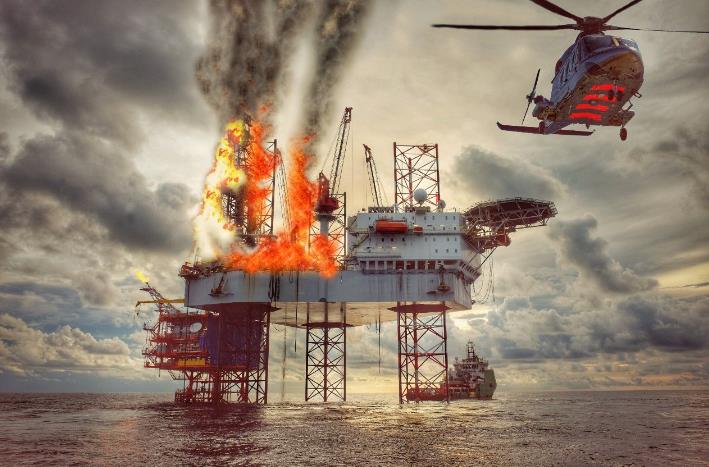
Causes of Oil Rig Explosions
Oil rig explosions result from a complex interplay of factors, with several key contributors:
Ignition Sources:
Electrical systems, machinery, and welding activities on oil rigs can produce sparks or excessive heat. A spark in the presence of flammable gases can trigger a chain reaction leading to an explosion.
Gas Leaks:
Hydrocarbon gases may escape from pressurized systems due to equipment failures, corrosion, or poor maintenance. When mixed with air in the right concentrations, these gases become explosive. Ignition Sources from Outside:
External factors like lightning strikes, static energy, and outside heat sources can ignite flammable chemicals, resulting in an explosion.
Human Error:
Operations mistakes, insufficient training, poor communication, and failure to follow safety regulations can contribute to conditions that lead to an explosion.
Impacts of Oil Rig Explosions
Oil rig explosions have severe and far-reaching consequences:
Loss of Life:
The most tragic consequence is the loss of human life, endangering workers on the rig and those involved in rescue and recovery activities.
Environmental Disaster:
Oil spills resulting from rig explosions harm marine habitats and threaten aquatic life, causing lasting environmental damage.
Property Damage:
Explosions can destroy the rig, neighboring structures, and boats, leading to substantial financial losses.
Economic Disruption:
Production disruptions can cause supply shortages and price fluctuations in the global oil market, affecting sectors and economies worldwide.
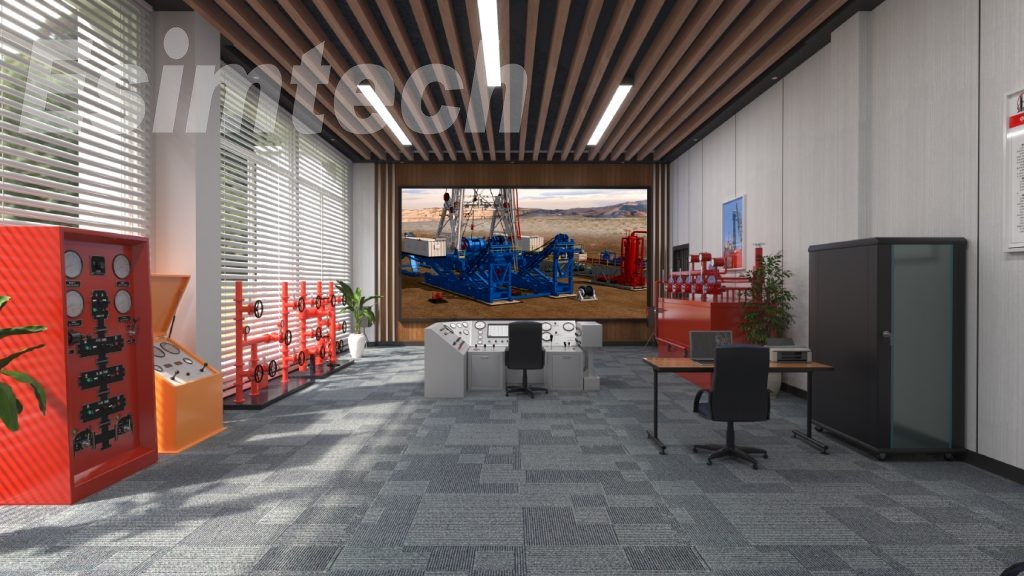
Essential Safety Measures and Mitigation Strategies
To prevent oil rig explosions, a comprehensive approach emphasizing safety, readiness, and continual improvement is essential:
Rigorous Risk Assessment:
Identify potential risks, analyze their likelihood, and calculate their potential impact through a thorough risk assessment.
Stringent Safety Protocols:
Strictly follow safety rules and guidelines, covering personal protective equipment (PPE) and emergency response techniques. Regular training sessions ensure readiness.
Robust Equipment Inspection and Maintenance:
Regularly examine, maintain, and test equipment to prevent unforeseen breakdowns and ensure everything is in good operating order.
Advanced Monitoring and Early Warning Systems:
Utilize monitoring and early warning systems, such as sensors and real-time data analysis, to detect anomalies and potential threats.
Comprehensive Training Programs:
Conduct regular emergency response simulation training programs covering safety protocols, emergency response methods, and the use of safety equipment.
Contingency and Emergency Response Plans:
Develop well-defined emergency and contingency plans detailing evacuation methods, communication protocols, medical response, and cooperation with relevant authorities.
Continuous Improvement and Learning:
Foster a culture of continual development, learning from mishaps and near misses, and regularly reviewing safety measures and technology.
Strong Leadership and Safety Culture:
Leadership plays a crucial role in establishing a strong safety culture. Emphasize the importance of safety and lead by example.
Conclusion
The looming possibility of an oil rig explosion emphasizes the inherent dangers of extracting energy resources. By understanding the causes, impacts, and preventive measures associated with oil rigs, the oil and gas industry can work towards a safer and more sustainable future. Prioritizing worker well-being, environmental protection, and a commitment to safety ensures a responsible and resilient energy extraction industry.
The global energy landscape relies heavily on the oil and gas industry, with drilling standing as a pivotal process in extracting hydrocarbon resources from beneath the Earth’s surface. In the pursuit of increased operational efficiency, cost reduction, and minimized environmental impact, the industry has turned to advanced technology. This article explores the transformative impact of simulation-driven drilling system optimization on the oil and gas sector.
Unpacking Drilling System Optimization:
Drilling operations are complex endeavors, involving numerous parameters such as drill bit type, rotational speed, mud properties, and downhole conditions. Traditionally, the trial-and-error approach to finding the optimal combination of these parameters has been both time-consuming and costly. Drilling system optimization addresses this challenge by strategically adjusting various factors to achieve the best outcomes during operations.
This process goes beyond mere speed; it considers drilling efficiency, equipment longevity, energy consumption, and environmental impact. Simulation tools have become instrumental in this optimization journey, allowing engineers to create virtual models of drilling systems, test scenarios, and identify optimal configurations before real-world execution.
Crucial Aspects of Drilling System Optimization:
Drilling Rate and Bit Life:
Optimization aims to maximize the drilling rate while preserving the drill bit's longevity. Simulations help identify the optimal combination of parameters for higher penetration rates without excessive wear.
Energy Efficiency:
Simulations analyze energy requirements, aiding in minimizing consumption while maintaining productivity—a significant cost factor in drilling operations.
Hole Cleaning and Cuttings Transport:Effective hole cleaning is essential for efficient drilling. Simulations model drilling fluid flow, optimizing fluid properties and flow rates for proper cuttings transport.
Wellbore Stability:
Predicting wellbore stability issues is crucial. Simulations anticipate potential problems, enabling proactive measures to ensure wellbore integrity and prevent collapse.
Cost Estimation:
Simulations provide accurate cost estimations based on different scenarios, aiding operators in making informed decisions aligned with budget constraints.
Simulation as the Driving Force for Optimization:
Modern drilling operations are characterized by complexity, with intricate technologies and interdependent factors shaping project outcomes. Simulation technology addresses these challenges by constructing detailed digital models mirroring real-world conditions. These models encompass a wide array of parameters, offering a comprehensive overview for meticulous analysis and informed decision-making.
Simulation tools eliminate the need for exhaustive physical trials, allowing engineers to experiment with scenarios systematically. This conserves time and resources, and as simulation tools advance, the potential for enhancing drilling operations and achieving unparalleled efficiency and cost-effectiveness expands.
Benefits of Simulation-Driven Optimization:
Enhanced Efficiency:
Optimized drilling systems achieve higher penetration rates, reducing the time required to reach target depths—particularly valuable in remote or challenging locations.
Extended Tool Life:
Real-time data from drilling simulators enables precise adjustments, reducing wear on drill bits and equipment, leading to longer tool life and reduced replacement costs.
Minimized Downtime:
Optimization reduces unplanned downtime by preventing issues such as stuck pipes, wellbore instability, or drilling fluid problems.
Safety Improvement:
Well-designed drilling systems with optimized parameters inherently minimize risks associated with high-pressure blowouts, equipment failures, and other operational hazards.
Cost Savings:
Optimization directly contributes to cost savings by reducing operational expenditures, optimizing resource utilization, and minimizing costly failures.
Challenges and Considerations:
While simulation-driven optimization offers numerous benefits, challenges include model accuracy, data integration, and model validation against real-world data. Ensuring accurate representation of real-world conditions is crucial for reliable results.
Conclusion:
Simulation techniques are reshaping drilling operations by creating virtual environments that closely replicate real-world conditions. The integration of innovation and optimization paves the way for a more efficient, sustainable, and productive drilling landscape. As technology advances, simulation-driven drilling system optimization is set to become even more integral in shaping the future of drilling operations across industries.