
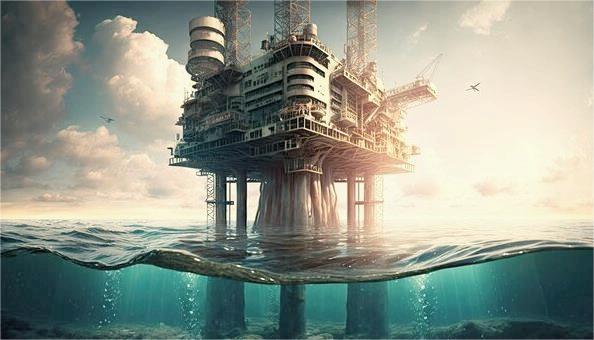
Oil rigs, imposing structures that dominate the sea's horizon, are renowned for their visible activities above the waterline. Yet, beneath the ocean's surface lies a lesser-known but equally intricate realm where essential oil rig operations unfold, extracting valuable resources concealed deep within the Earth's crust.
This article delves into the captivating world of oil rig underwater operations, exploring the equipment, challenges, and environmental considerations that make this aspect of the oil and gas industry both essential and distinctive. Additionally, we will discuss the crucial role that simulation plays in preparing workers for the complexities of these underwater operations.
Infrastructure for Oil Rig Underwater Operations
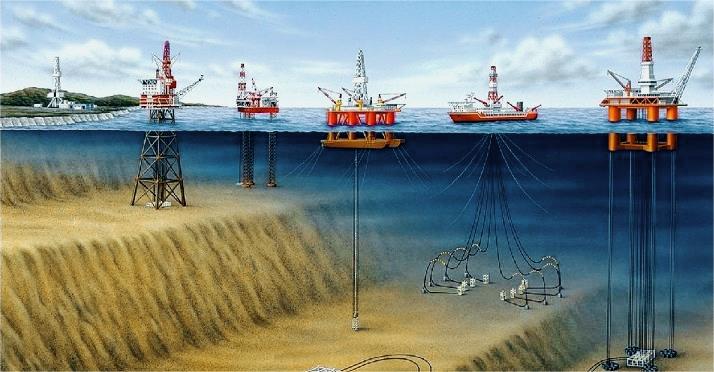
While the iconic structures of oil rigs command attention above water, a significant portion of operations occurs below the waterline. Subsea infrastructure, comprising pipelines, wells, and control systems, plays a pivotal role in extracting oil and gas from beneath the ocean floor.
Subsea Wells: Primary conduits for extracting hydrocarbons, equipped with components like blowout preventers (BOPs) to control well pressure and prevent blowouts.
Flowlines and Pipelines: Transport extracted oil and gas through a network of pipelines to the surface facility on the rig or to shore, designed to withstand harsh underwater conditions.
Control Systems: Complex, often remotely operated, systems that manage subsea infrastructure, monitoring well conditions, controlling valve operations, and providing critical data to surface operators.
Environmental Considerations of Oil Rig Underwater Operations
Oil rig underwater operations must adhere to strict environmental regulations to minimize their impact on marine ecosystems. Key considerations include:
Spill Response Plans: Comprehensive plans to address potential oil spills, including containment and cleanup strategies.
Marine Life Protection: Implementation of measures such as acoustic deterrent devices to minimize the impact of drilling and construction activities on marine mammals.
Sediment Management: Essential to prevent smothering of sensitive seabed ecosystems, with monitoring and control of sediment plumes.
Waste Disposal: Proper collection, treatment, and disposal of waste materials in accordance with environmental regulations.
Challenges for Oil Rig Underwater Operations
Operating beneath the sea presents unique challenges and complexities, requiring specialized expertise and equipment. Key challenges include:
Extreme Pressure: Subsea components must withstand extreme pressure conditions at great depths.
Corrosion and Erosion: Regular inspections and protective coatings are essential to combat the corrosive effects of seawater.
Remote Access: The inherently remote underwater environment requires specialized remotely operated vehicles (ROVs) for inspections, maintenance, and repairs.
Environmental Concerns: Stringent regulations and environmental impact assessments are in place to ensure responsible resource extraction.
Importance of Simulation in Oil Rig Underwater Operations
Simulation plays a pivotal role in mitigating risks associated with oil rig underwater operations, contributing to safety, efficiency, and environmental sustainability:
Training and Skill Development: Workers undergo simulation-based training to familiarize themselves with subsea equipment, practice emergency response procedures, and gain proficiency in operating ROVs safely.
Equipment Testing and Validation: Simulation is instrumental in testing and fine-tuning subsea equipment and control systems, identifying and rectifying potential issues before field deployment.
Emergency Response Drills: Simulated emergency scenarios allow operators to refine response protocols and coordination, ensuring personnel are well-trained for actual emergencies.
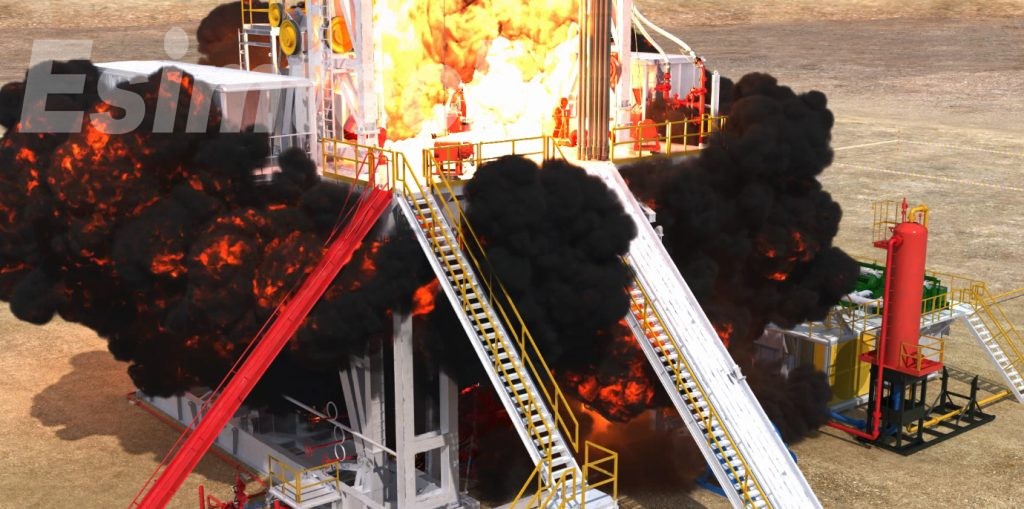
Environmental Impact Assessment: Simulation tools assess the potential environmental impact, helping operators develop strategies to minimize ecological footprint and comply with regulations.
Conclusion
Oil rig underwater operations, a vital yet often overlooked facet of the oil and gas industry, demand specialized equipment, expertise, and commitment to environmental stewardship. As technology advances, these operations will continue playing a significant role in meeting the world's energy needs. Simulation serves as a cornerstone for safety, efficiency, and sustainability in this underwater frontier, allowing workers to practice scenarios, enhance decision-making skills, and familiarize themselves with the equipment and systems encountered during subsea operations.
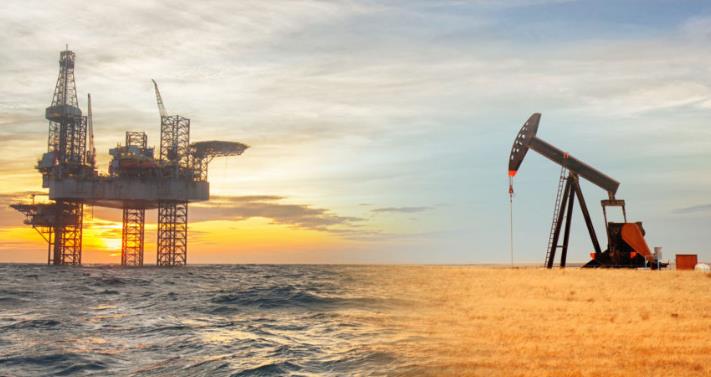
For nearly a century, the oil and gas industry has been a linchpin of the global economy, providing the essential energy resources that drive our modern world. Within this vast enterprise, a realm of innovation and technology has given rise to enhanced oil drilling instruments, the unsung heroes facilitating the extraction of hydrocarbons from deep beneath the Earth's surface. This essay delves into the captivating domain of oil drilling tools, exploring their evolution, diverse types, groundbreaking innovations, and crucial roles in the oil and gas extraction process.
Evolution of Oil Drilling Tools
The evolution of oil drilling tools mirrors the advancements in the oil and gas sector, progressing from rudimentary manual methods to highly sophisticated, computer-controlled technology.
Rotary Drilling:
In the late nineteenth century, rotary drilling emerged as a transformative method. Utilizing a rotary bit attached to a drilling string, this approach facilitated faster and deeper drilling, unlocking previously inaccessible oil deposits.
Tri-cone Bits:
In the early twentieth century, the introduction of tri-cone bits marked a significant shift. These bits, with three revolving cones featuring teeth, revolutionized drilling by crushing and drilling through rocks more efficiently than previous designs.
Diamond Bits:
Mid-twentieth century saw the advent of diamond drill bits, incorporating industrial-grade diamonds for enhanced precision and durability, especially in challenging rock formations.
Key Oil Drilling Tools in Modern Operations
Modern oil and gas extraction relies on a diverse array of advanced drilling tools and equipment tailored to extract hydrocarbons from increasingly challenging locations.
1. Drill Bits:
PDC (Polycrystalline Diamond Compact) Bits: Featuring synthetic diamond cutters, these bits are robust and efficient in drilling through hard rock formations.
Roller Cone Bits: Versatile and adaptable, these bits, with revolving cones and teeth, are well-suited for various drilling conditions.
2. Mud Motors (Positive Displacement Motors – PDMs):
These downhole devices transform hydraulic pressure from drilling fluid into mechanical energy to move the drill bit, providing precise drilling control, improved efficiency, and extended drill bit life.
3. Directional Drilling Tools:
Downhole Motors: Paired with Measurement-While-Drilling (MWD) systems, these tools enable operators to control wellbore trajectory, essential for reaching distant targets and drilling multiple branches from a single well.
4. Measurement-While-Drilling (MWD) and Logging-While-Drilling (LWD) Tools:
Providing real-time data on well conditions and geology during drilling, these tools enhance precision and decision-making in drilling operations.
5. Casing and Cementing Equipment:
Critical for well integrity and limiting fluid migration, proper casing and cementing are essential for well safety and environmental protection.
6. Top Drive Systems:
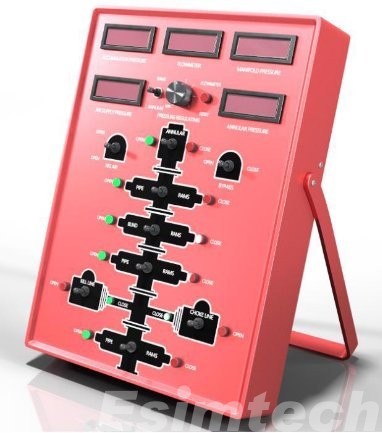
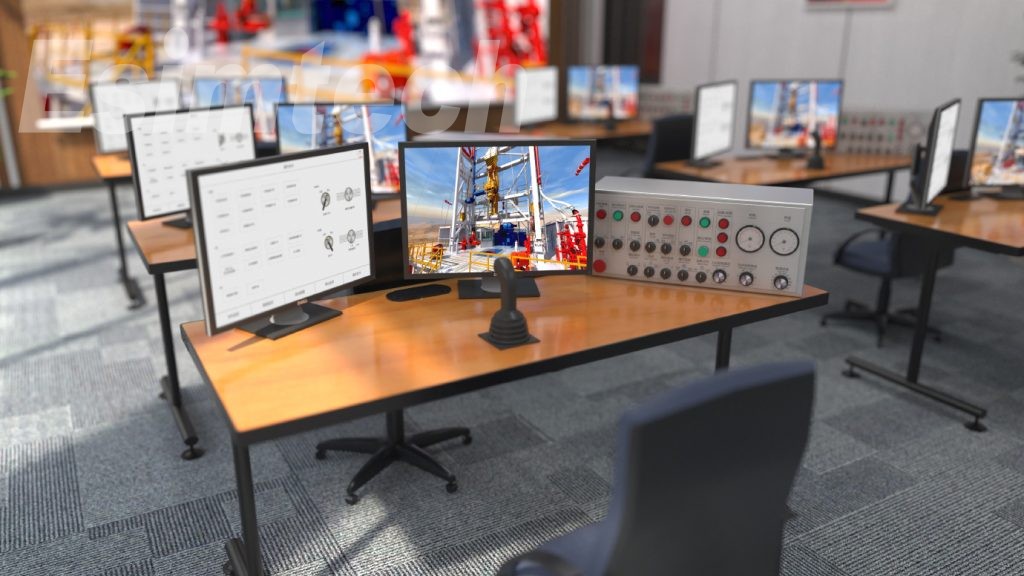
Motorized systems rotating the drill string from the top, improving efficiency and eliminating the need for manual pipe handling. The top drive simulators was created with the goal of training the functioning of the top drive device.It may provide training for all top drive operations as well as common accident handling.It can be utilized for driller/driller assistant, technician, and drilling team leader training.
7. Automated Drilling Rigs:
Equipped with advanced control systems and robotics, these rigs operate 24/7, enhancing safety and overall drilling efficiency.
8. Advanced Drill Pipe Materials:
Constructed from high-strength, corrosion-resistant materials, such as alloy steel or composite composites, modern drill pipes improve resilience and longevity.
9. Drilling Fluids and Mud Systems:
Formulated for optimal drilling performance and wellbore stability, advanced drilling fluids minimize friction, cool the drill bit, and remove cuttings from the wellbore.
10. Drilling Software and Data Analytics:
Sophisticated software aids in data analysis and decision-making, optimizing drilling parameters, detecting potential issues, and improving overall efficiency.
Challenges and Innovations for Oil Drilling Tools
The oil and gas industry faces a myriad of challenges, prompting continuous innovation for enhanced efficiency, safety, and sustainability.
Exploration and Reservoir Challenges:
Innovation: Advanced seismic imaging technologies, extended-reach drilling, and directional drilling enhance reservoir identification and access.
Environmental Concerns:
Innovation: Environmentally friendly drilling fluids, low-emission drilling technology, and environmental monitoring systems reduce the industry's impact.
Safety and Well Integrity:
Innovation: Blowout preventers (BOPs), managed pressure drilling (MPD) systems, and real-time monitoring technologies improve safety and well control.
Operational Efficiency:
Innovation: Automation, robotics, predictive maintenance, and data analytics optimize efficiency and reduce downtime.
Deepwater and Harsh Environments:
Innovation: Specialized equipment, subsea technology, and materials tailored for extreme conditions enable drilling in challenging environments.
Regulatory Compliance:Innovation: Drilling methods and equipment enhancements aid in meeting regulatory requirements, while digital reporting and monitoring systems ease compliance efforts. Energy Transition:
Innovation: Diversification into renewable energy, carbon capture and storage (CCS), and low-carbon research address the industry's long-term sustainability.
Geopolitical and Market Volatility:
Innovation: Risk mitigation, portfolio diversification, and operational improvements help navigate market changes and geopolitical uncertainties.
In conclusion, oil drilling tools have evolved into complex and high-tech equipment, driving the global oil and gas industry. Continuous innovation not only enhances hydrocarbon extraction efficiency but also contributes to the industry's sustainability and environmental responsibility. As the industry faces new challenges, the relentless pursuit of innovation remains critical for its continued success and adaptation to changing global dynamics.
Oil rigs play a pivotal role in the global energy industry, facilitating the extraction of essential fossil fuels that power our modern world. Despite their crucial role, working on an oil rig involves inherent risks, with potential consequences for both workers and the environment. This article explores the common causes of oil rig injuries, their repercussions, and preventive measures aimed at ensuring safer working conditions.

Common Causes of Oil Rig Injuries
Oil rig workers confront various hazards daily, requiring a comprehensive understanding to prevent accidents. The following are common causes of oil rig injuries:
Slips, Trips, and Falls:
Slippery surfaces, uneven walkways, and unpredictable weather conditions create an environment conducive to slips, trips, and falls.
Resulting injuries range from minor bruises to severe head injuries, with the proximity to the ocean heightening the danger.
Machinery Accidents:
Heavy machinery crucial for drilling and extraction, if not operated and maintained properly, can lead to crush injuries, amputations, or fatalities.
Fires and Explosions:
Flammable materials and chemicals make oil rigs susceptible to catastrophic fires and explosions, causing severe burns, smoke inhalation injuries, and fatalities.
Chemical Exposure:
Regular exposure to drilling, maintenance, and production chemicals can result in burns, respiratory problems, and long-term health issues.
Falling Objects:
Work at considerable heights increases the risk of falling objects, causing serious injuries, including head trauma and fractures.
Weather-Related Incidents:
Unpredictable and harsh offshore weather conditions can lead to accidents, including vessel collisions and equipment damage.
Consequences of Oil Rig Injuries
The repercussions of oil rig injuries extend beyond the injured workers, affecting families, colleagues, and the environment. These consequences include:
Physical Injuries:
Range from minor cuts and bruises to life-altering conditions like fractures, burns, amputations, and spinal cord injuries.
Emotional and Psychological Impact:
Traumatic events offshore can result in anxiety, depression, PTSD, and substance abuse among workers.
Financial Consequences:
Substantial medical bills, lost wages, reduced earning potential, and financial strain on families.
Environmental Impact:
Oil spills, chemical leaks, and other incidents can harm marine ecosystems, disrupting marine life and affecting coastal communities.
Preventive Measures of Oil Rig Injuries
To mitigate risks and ensure safety, the oil and gas industry has implemented preventive measures, including:
Training and Education:
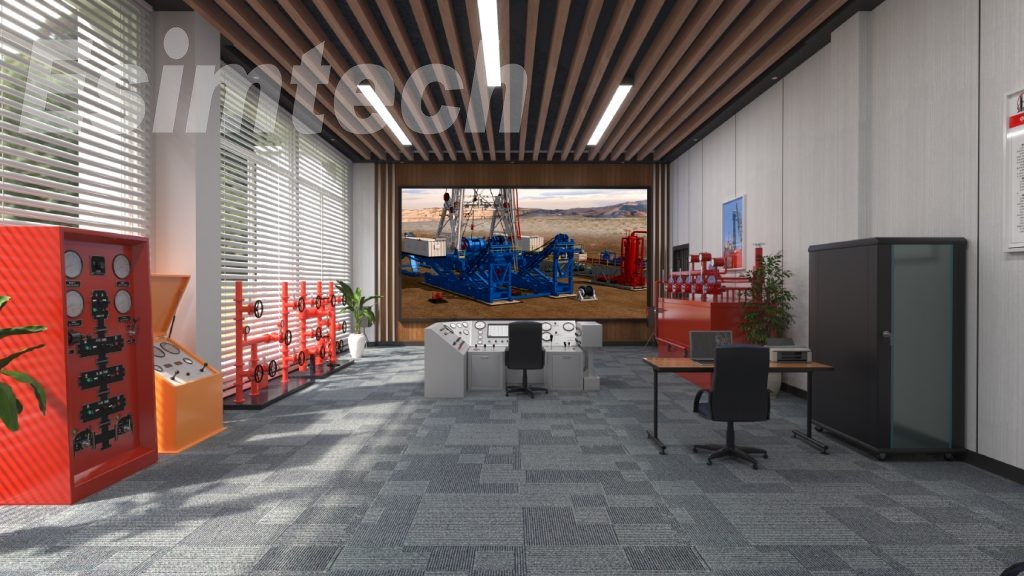
Oil and gas simulators for emergency response, drilling operations, equipment operation, navigation, and safety protocols. Personal Protective Equipment (PPE):
Workers mandated to wear appropriate PPE to reduce the risk of injuries.
Equipment Inspection:
Regular safety inspections of equipment and machinery to identify and address potential issues.
Emergency Response Plans:
Comprehensive plans for fires, explosions, and critical incidents, with regular drills to familiarize workers.
Environmental Safeguards:
Measures to prevent and mitigate environmental impact, including containment booms and rapid response teams.
Improved Technology:
Advancements in drilling techniques, automation, and remote monitoring systems to enhance safety and efficiency.
Conclusion
Oil rig injuries pose serious risks, prompting the industry to adopt strict safety measures, extensive training, and advanced technology. By learning from past incidents and prioritizing safety, the industry aims to ensure the well-being of oil rig workers and protect the environment. As the demand for oil persists, these efforts contribute to making oil drilling safer and more sustainable for the future.
The construction of oil rigs stands as an extraordinary testament to engineering prowess, addressing the global thirst for energy. Nestled in vast oceans, these monumental structures play a pivotal role in extracting petroleum resources, powering industries, economies, and contemporary lifestyles. This article delves into the intricate realm of oil rig construction, unraveling the methods, processes, challenges, and groundbreaking innovations that characterize the creation of these offshore marvels.

Understanding Oil Rig Construction:
Oil rig construction is a sophisticated endeavor demanding meticulous planning, cutting-edge technology, and a skilled workforce. The primary objective is to erect a resilient platform capable of withstanding the unforgiving conditions of the open sea while facilitating the extraction of oil and gas beneath the ocean floor. Two main types of oil rigs emerge: fixed platforms and floating structures.
Fixed Platforms:
Ideal for shallow waters, these rigs anchor to the ocean floor. Comprising steel or concrete bases extending from the seabed to the water's surface, fixed platforms find their niche in calm, shallow waters with a stable seafloor foundation.
Floating Structures:
Designed for deeper oceans where fixed platforms are impractical, floating rigs come in various forms like semisubmersibles, drillships, and tension leg platforms (TLPs). Leveraging buoyancy and mooring devices ensures stability in these challenging environments.
Detailed Process of Oil Rig Construction:
Oil rig construction is a collaborative achievement involving engineers, designers, technicians, and a diverse array of skilled individuals. The process unfolds through key stages:
Pre-Construction Planning and Design:
Thorough planning and design precede construction, incorporating feasibility studies and detailed engineering designs using computer-aided design (CAD) software.
Fabrication of Components:
Various components, serving distinct purposes, are fabricated off-site and then transported to the rig for assembly, including the foundation and superstructure.
Assembly and Integration:
Assembled components are integrated into the overall structure, involving the installation of foundations and superstructures with precision.
Installation of Equipment:
Drilling, extraction, and processing equipment are installed, encompassing drilling rigs, processing facilities, and crew accommodations.
Safety and Testing:
Safety Systems: Fire detection and suppression equipment, emergency shut-off valves, and evacuation routes are installed and tested on the rig.
Testing and Simulations: Various systems, including drilling operations and emergency procedures, are tested through drilling simulators to ensure readiness for operational use.

Transportation and Installation:
For floating oil rigs, the final construction is transported to its designated location in the open sea, employing advanced mooring systems for positioning.
Commissioning and Operation:
Commissioning involves final testing and adjustments, paving the way for drilling operations to extract oil and gas from the ocean floor.
Maintenance and Upgrades:
Regular maintenance and technological upgrades, incorporating automation and data analytics, contribute to the rig's efficiency, safety, and environmental performance.
Challenges and Innovations for Oil Rig Construction:
Navigating challenges inherent to offshore construction, the industry embraces innovations that enhance safety, efficiency, and environmental responsibility.
Challenges:
Harsh Environmental Conditions
Safety Concerns
Logistics
Depth and Pressure
Regulatory Compliance
Innovations:
Advanced Materials
Automation and Robotics
Digital Twin Technology
Drilling Technologies
Subsea Systems
Environmental Mitigation
Digitalization and Data Analytics
Hybrid Energy Solutions
Smart Sensors and IoT
Conclusion
Oil rig construction melds engineering expertise, technological advancements, and environmental consciousness. These colossal structures, whether fixed platforms or floating wonders, stand as indispensable contributors to meeting the world's energy demands.
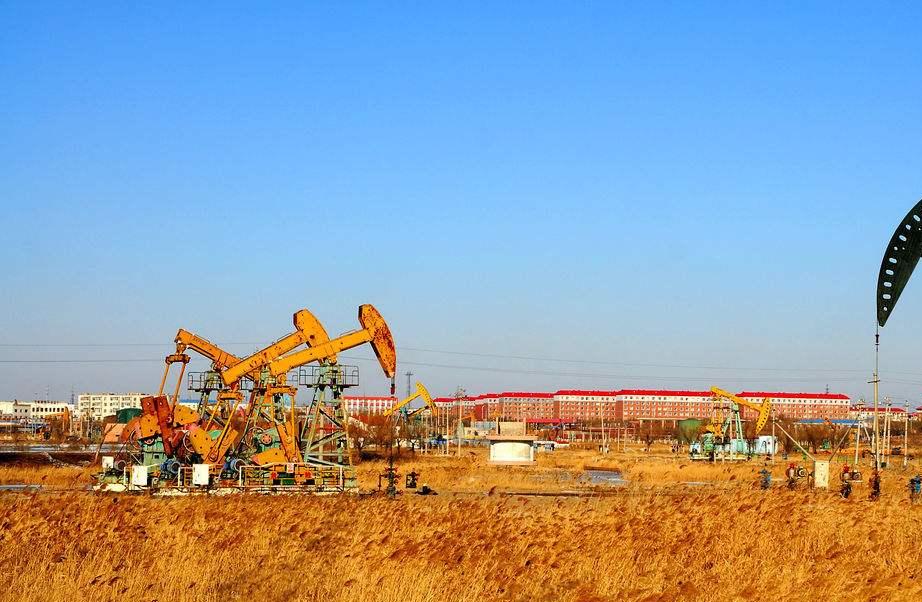
Beneath the Earth's surface, a complex system of components collaborates to create the essential structure of an oil well, a vital source of energy that powers our modern world. The intricate processes involved in extracting oil from the Earth are nothing short of remarkable. This article explores the workings of an oil well, examining its fundamental components and the detailed processes that drive its functionality.
Fundamental Components of an Oil Well:
Wellhead:
Description: The topmost portion serving as the fluid's entry and exit point, consisting of valves, fittings, and equipment regulating oil, gas, and fluid flow.
Casing:
Description: A network of steel pipes lining the wellbore for structural integrity, preventing collapse, and isolating distinct formations.
Cementing:
Description: The injection of cement between casing and wellbore to form a barrier, preventing fluid migration and stabilizing the well.
Tubing:
Description: A smaller pipe inside the casing allowing oil and gas movement, also housing industrial instruments like sensors and control devices.
Christmas Tree:
Description: A collection of valves and fittings regulating fluid flow, including production and injection valves, chokes, and pressure gauges.
Pumping Units:
Description: Devices like beam pumps or submersible pumps used for artificial lift methods to boost oil and gas flow.
Production Tubing:
Description: The conduit for oil and gas from reservoir to surface, typically made of corrosion-resistant materials.
Perforations:
Description: Punctures in casing and cement allowing oil and gas flow into the wellbore, often created with perforating guns.
Reservoir:
Description: The underground rock formation holding oil and gas, composed of porous and permeable rocks.
Reservoir Fluids:
Description: Oil, natural gas, and water existing in various proportions within the reservoir and extracted during production.
Wellbore:
Description: The hole bored into the ground during drilling, serving as a conduit for fluids from the reservoir to the surface.
Bottomhole Assembly (BHA):
Description: Instruments, sensors, and gadgets at the drillstring's bottom for reservoir information, drilling control, and downhole activities.
Blowout Preventer (BOP):
Description: A safety device blocking the wellbore in case of a blowout, crucial for accident prevention and well integrity.
Detailed Working Process of an Oil Well:
Exploration and Site Selection:
Geologists and engineers use seismic surveys, mapping, and technology to locate potential oil reserves. The well's location is chosen based on geological data.
Drilling:
A drilling rig with a revolving drill bit is used to dig a hole, supported by steel casing.
Drilling mud is used to cool the drill bit and transport rock fragments.
Well Completion:
Wellheads, valves, and casing are placed to ensure a safe extraction environment. Cementing is done to form a barrier between the well and surrounding rocks.
Extraction:
Oil naturally rises through porous rock formations due to reservoir pressure. Artificial means may be used to improve oil recovery if reservoir pressure is insufficient.
Primary Recovery:
Natural reservoir pressure forces oil to the surface during this phase, which can last a long time but gradually slows down as pressure declines.
Secondary Recovery:
Water or gas is injected into the reservoir to drive residual oil into the wellbore, preserving reservoir pressure and increasing recovery rates.
Tertiary Recovery (Enhanced Oil Recovery):
Advanced processes, such as chemical, steam, or CO2 injection into the reservoir, are used to extract difficult-to-reach oil.
Production and Processing:
Extracted oil is pumped to the surface, processed to remove contaminants, and transferred to storage tanks or processing plants.
Transport and Distribution:
Processed oil is transferred to refineries via pipelines, tankers, or vehicles for refining into various petroleum products.
Maintenance and Monitoring:
Continuous maintenance and monitoring ensure safe and effective operations, including inspections, well tests, and compliance with environmental rules.
Choosing Well Intervention Simulators for Efficiency Improvement:
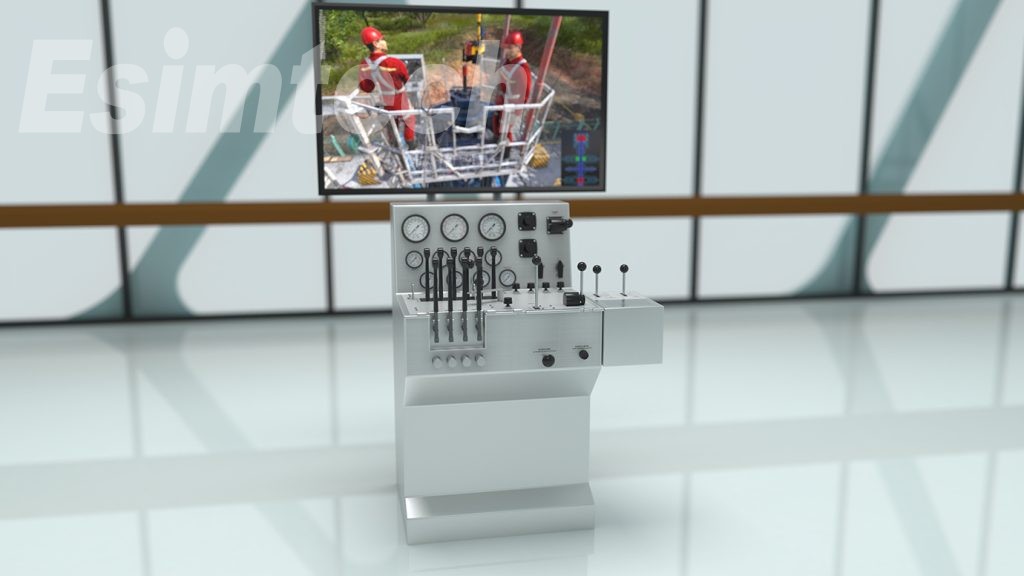
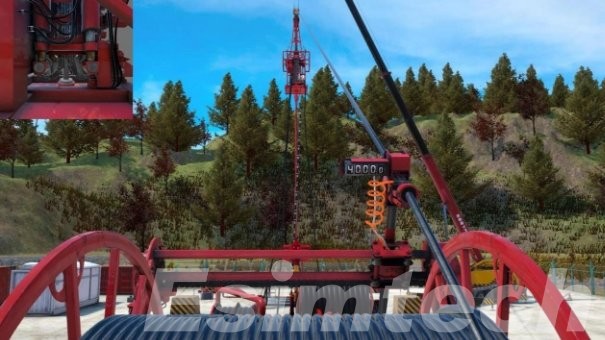
Well intervention simulators are specialized software or physical models simulating various well intervention procedures during an oil well's lifecycle. Operations like wireline, coiled tubing, hydraulic workover, snubbing, and fishing can be replicated.
Advantages of Well Intervention Simulators:
Minimize accident risk
Improve operation efficiency
Enhance the quality of well intervention operations
Optimize operations by identifying potential difficulties and analyzing intervention options before implementation.
Conclusion:
From exploration to extraction, the intricate journey of an oil well stands as a testament to human ingenuity and technical innovation. Oil wells play a crucial role in meeting global energy demands, shaping economies, and fostering growth. Understanding the workings of an oil well offers insight into the complex mechanisms powering our modern world, underscoring the importance of responsible extraction and environmental management.