
Offshore drilling stands as a pivotal endeavor, serving as a cornerstone of our global energy supply by extracting precious resources hidden beneath the ocean floor. In this article, we delve into the fundamental disparities between two significant contributors to this industry: drill ships and drill rigs. Both are crucial mechanisms with distinct attributes, applications, and functions, contributing to our understanding and utilization of the subaquatic realm.
Understanding Drill Ships and Drill Rigs:
Drill Ships: A Floating Marvel
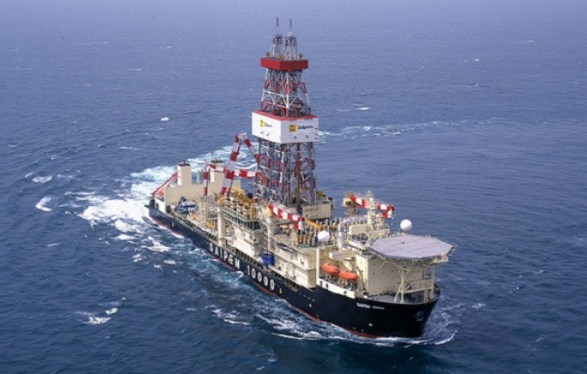
A drill ship designed to facilitate offshore drilling operations with unparalleled mobility and versatility, is an impressive fusion of a marine vessel and a drilling rig, designed to facilitate offshore drilling operations with unparalleled mobility and versatility.

Mobility and Versatility: Drill ships boast remarkable mobility, equipped with dynamic positioning systems that ensure stability above drilling sites, even in rough seas. This agility allows them to adapt to various offshore environments seamlessly.
Self-Propulsion: These vessels are self-propelled, enabling independent navigation across open seas. This capability reduces repositioning time and costs, making them efficient choices for exploration and production in remote or rapidly changing offshore environments.
Deep-Water Capabilities: Drill ships excel in deep-water drilling, operating in waters as deep as 12,000 feet or more. Their deep-water capacity unlocks vast areas of the ocean floor for exploration and resource extraction.
Advanced Drilling Equipment: Equipped with state-of-the-art drilling equipment such as derricks and blowout preventers, drill ships can perform a wide range of drilling operations, including exploratory and production drilling.
Living Quarters: To accommodate extended periods at sea, drill ships feature living quarters for a substantial crew, ensuring comfort and self-sustainability during offshore assignments.
Drill Rigs: A Solid Foundation
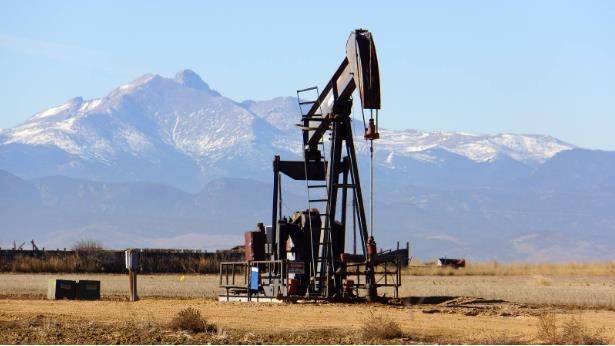
In contrast to the mobility of drill ships, drill rigs are fixed structures designed for drilling operations on the ocean floor, providing stability and endurance in specific drilling situations.
Fixed Location: Drill rigs are stationary structures anchored to the ocean floor or secured on specialized platforms, ensuring stability during drilling operations.
Shallow-Water Drilling: Primarily utilized for shallow-water drilling, typically up to 500 feet deep, drill rigs are cost-effective options for nearshore locations.
Simplicity and Cost-Effectiveness: Drill rigs are simpler and more cost-effective than drill ships, lacking extensive marine systems. They are favored for shallow-water drilling projects where complexity and cost may not be justified.
Jack-Up Rigs and Semi-Submersibles: Two primary types of drill rigs are jack-up rigs and semi-submersibles, each offering distinct advantages based on the drilling scenario.
Limited Crew Accommodation: Unlike drill ships, drill rigs typically have limited onboard accommodations, with crew members often residing onshore or nearby support vessels.
Comparison Between Drill Ships and Drill Rigs:
Mobility and Location:
Drill Ships: Highly mobile and versatile, suitable for a wide range of offshore locations.
Drill Rigs: Stationary structures fixed to the ocean floor, ideal for specific drilling situations.
Water Depth Capacity:
Drill Ships: Suited for deep-water drilling, operating in waters over 12,000 feet deep.
Drill Rigs: Primarily used for shallow-water drilling, up to 500 feet deep.
Complexity and Cost:
Drill Ships: Complex and relatively expensive due to advanced marine systems.
Drill Rigs: Simpler and more cost-effective for shallow-water projects.
Crew Accommodation:
Drill Ships: Equipped with extensive living quarters for self-sustaining crews.
Drill Rigs: Limited onboard accommodations, with crew often staying onshore or support vessels.
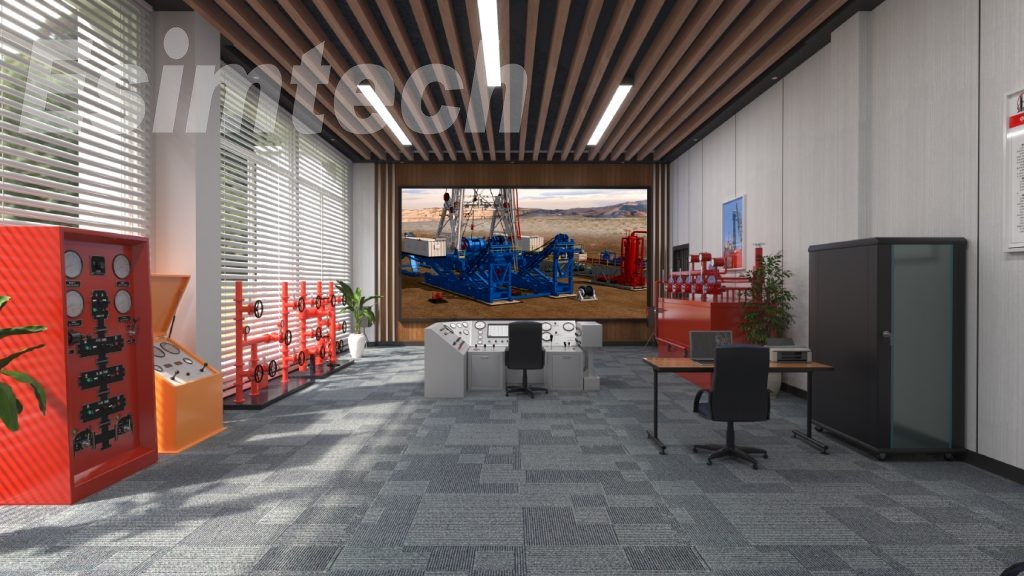
Simulation in Drill Ships and Drill Rigs:
In the realm of offshore drilling, simulation technology plays a crucial role in enhancing safety, efficiency, and precision.
Drill Ship Simulation: Advanced simulators train crews and optimize operations, providing realistic virtual environments for various scenarios.
Drill Rig Simulation: Simulators replicate rig processes, allowing operators to assess techniques and train crews before offshore deployment.
Conclusion:
Both drill ships and drill rigs are essential for offshore drilling, each with distinct advantages depending on the project requirements. As technology advances, simulation systems will continue to bridge the gap between theory and practice, ensuring the safe and efficient execution of offshore drilling operations.
The drill ship rig stands as an impressive feat of engineering prowess within the realm of offshore oil and gas drilling, offering both spectacle and adaptability. These vessels seamlessly merge the capabilities of a standard drilling rig with the mobility of a ship, granting access to remote and challenging offshore locations. This article delves into the captivating world of the drill ship rig, exploring its architecture, functionalities, and pivotal role in unlocking substantial energy resources beneath the seabed.
Key Components and Features of a Drill Ship Rig
A drill ship rig serves as a specialized vessel tailored for offshore drilling endeavors. Unlike conventional stationary oil drilling rigs fixed to the ocean floor, these ships boast self-propulsion capabilities, enabling them to traverse diverse drilling sites. This mobility proves invaluable in reaching deepwater reserves located in remote and demanding environments, rendering drill ships indispensable assets in the oil and gas sector.
Drilling Equipment:
Drilling Derrick: A towering structure that provides support to the drilling apparatus, often equipped with hoisting mechanisms for the manipulation of the drill string and associated tools.
Drilling Machinery: Robust drilling equipment such as drill bits and rotary systems, facilitating the creation of boreholes in the seabed. Blowout Preventer (BOP) System: A critical safety component designed to avert uncontrolled hydrocarbon discharges during drilling operations, featuring multiple valves and control mechanisms.Dynamic Positioning System (DPS):
A sophisticated amalgamation of thrusters and sensors enabling the drill ship to maintain a steady position above the drilling site, crucial for precise drilling operations in deepwater and challenging environmental conditions.
Storage and Processing Facilities:
Mud and Fluid Storage: Dedicated tanks for storing drilling mud and fluids essential for maintaining drill bit temperature and pressure.
Casing and Drill Pipe Storage: Designated areas for storing casing and drill pipes utilized in wellbore lining and stabilization.
Hydrocarbon Processing: Facilities for processing hydrocarbons, encompassing separation systems and storage tanks for recovered oil.
Accommodation and Support Facilities:
Crew Accommodation: Equipped with extensive safety systems and accommodations for crew members, including fire detection systems, lifeboats, and safety gear.
Supplies and Equipment Storage: Ample storage spaces for supplies, spare parts, and equipment, ensuring the rig's autonomy during extended operations.Workshops: Small workshops for maintenance and repair activities.
Helideck:
Essential for crew changes and transportation of supplies and equipment, facilitating helicopter landings for logistical and personnel rotations.
Control Room and Monitoring Systems:
Equipped with state-of-the-art control systems providing real-time data on drilling parameters, enabling precise monitoring and control of drilling operations.
Safety Systems:
Rigorous safety measures including fire detection systems, lifeboats, and crew safety equipment, bolstered by regular safety drills and procedures.
Power Generation and Propulsion:Massive generators and propulsion systems powering onboard systems and providing propulsion capabilities.
Subsea Equipment:
Risers and umbilicals connecting subsea wellheads and control systems to the drill ship, facilitating safe drilling, control, and maintenance operations.
Communication Systems:
Sophisticated communication infrastructure including satellite links for seamless coordination with onshore offices and ensuring operational safety.
Environmental Protection Systems:Systems for wastewater collection and treatment, waste disposal management, and spill response equipment to minimize environmental impact.
Mooring Systems:
Some drill ships feature mooring systems alongside dynamic positioning systems, using anchors or alternative methods to secure the vessel during drilling operations.
Functions and Capabilities of a Drill Ship Rig
Deepwater Drilling:
Specifically engineered for deepwater operations, capable of drilling to considerable depths below the sea surface with precise control.
Exploratory Drilling:
Essential for identifying potential oil and gas reserves, conducting test wells to assess hydrocarbon deposits in subsea formations.
Production Drilling:
Capable of extraction operations following successful exploration, serving as mobile production platforms for oil and gas extraction from the seabed.
Rapid Deployment:
Enables swift relocation to new drilling sites, facilitating rapid adaptation to evolving market conditions and exploration prospects.
Challenges and Environmental Concerns for a Drill Ship Rig
Environmental Impact:
Risk of oil spills and disruption of marine ecosystems, necessitating stringent spill response strategies and environmental management practices.
Safety Risks:Potential hazards including blowouts and fire incidents, demanding comprehensive safety protocols and emergency response capabilities.
Regulatory Compliance:
Adherence to complex international, national, and regional regulations governing offshore drilling operations.
Weather and Environmental Conditions:
Operating in remote and harsh environments, requiring resilience to extreme weather conditions and meticulous planning to mitigate risks.
Resource Depletion:
Considerations regarding the depletion of finite resources and associated environmental impacts.
Waste Management:
Proper handling and disposal of drilling waste materials to minimize environmental harm.
Climate Change Considerations:
Addressing the contribution of fossil fuel extraction to greenhouse gas emissions and climate change.
Accidental Discharges:
Potential inadvertent releases of chemicals, drilling fluids, or waste materials impacting marine environments.
Stranding Risk:
Potential risks of grounding or stranding, necessitating measures to mitigate environmental damage.
In summary, the drill ship rig stands as a versatile and self-sufficient platform for offshore drilling operations, capable of operating in demanding marine environments. While offering significant advantages, it also poses challenges and environmental concerns that must be diligently managed to ensure safe and sustainable operations. Through adherence to stringent safety measures, technological innovations, and environmental stewardship, the drill ship rig continues to play a pivotal role in unlocking offshore energy resources while minimizing environmental impact and ensuring operational safety.
Oil and gas drilling operations are intricate, involving heavy machinery and high-pressure environments that harbor significant risks for both workers and the environment. Hence, prioritizing safety measures within this industry is paramount. This article explores various pivotal aspects of safety in oil and gas drilling, delving into the risks involved, safety measures employed, and the role of technology in enhancing safety protocols.
Understanding the Risks:
Oil and gas drilling inherently carries substantial risks owing to the nature of the work and the environments in which it occurs. It is imperative to grasp these risks comprehensively to underscore the importance of safety measures. Some of the primary risks include:
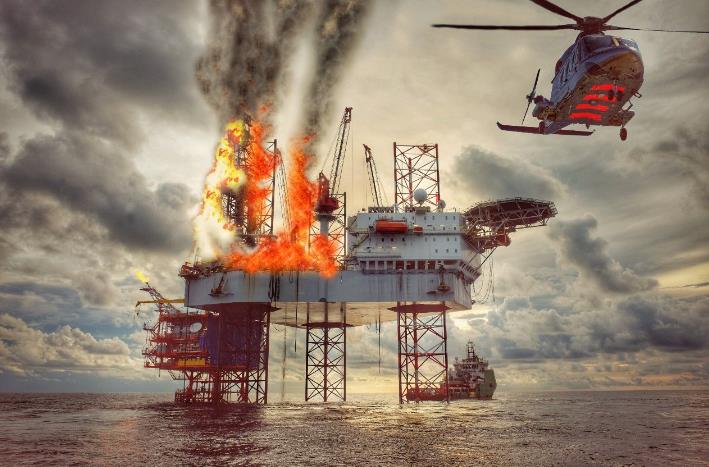
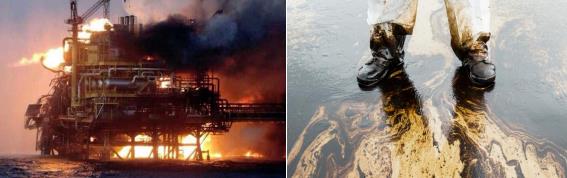
Well Blowouts: These catastrophic events result from uncontrolled releases of oil and gas from wells due to various factors, posing threats such as loss of life, environmental damage, and economic losses.
Equipment Failures: Malfunctions in the complex machinery utilized in drilling operations can lead to accidents, downtime, and environmental hazards.
Fires and Explosions: Presence of flammable substances heightens the risk of fires and explosions, causing fatalities, asset damage, and environmental repercussions.
Hazardous Substances: Handling toxic chemicals and gases during drilling activities poses risks such as chemical exposure, toxic releases, and adverse health effects.
Environmental Impact: Drilling operations can disrupt habitats, contaminate water sources, and contribute to climate change, amplifying environmental concerns.
Regulatory Compliance: Non-compliance with safety regulations can result in legal and financial consequences, necessitating adherence to industry standards.
Economic and Financial Risks: Unexpected incidents during drilling operations can incur significant financial losses, encompassing cleanup costs and revenue loss.
Implementing Safety Measures:
To mitigate these risks, the oil and gas industry has instituted various safety measures, including:
Safety Training: Comprehensive programs ensuring personnel are well-versed in safety procedures and emergency response protocols.
Personal Protective Equipment (PPE): Mandatory use of appropriate gear to safeguard workers from hazards.
Well Control Procedures: Strict protocols to prevent blowouts and uncontrolled releases.
Regular Equipment Inspections: Routine checks to identify and rectify potential issues promptly.
Emergency Response Plans: Detailed strategies outlining actions in case of emergencies.
Environmental Compliance: Adherence to stringent regulations to minimize environmental impact.
Safety Audits and Inspections: Regular evaluations to ensure compliance and address deficiencies.
Behavior-Based Safety: Encouraging a culture where workers report unsafe behaviors, fostering a proactive safety approach.
Role of Technology in Safety:
Technological advancements have significantly contributed to enhancing safety measures in oil and gas drilling, including:
Real-Time Monitoring: Sensors and monitoring systems for early anomaly detection.
Automation: Automated systems reducing worker exposure to risks.
Remote Operation: Remote control options minimizing on-site hazards.
Data Analytics: Utilization of analytics for proactive safety measures.
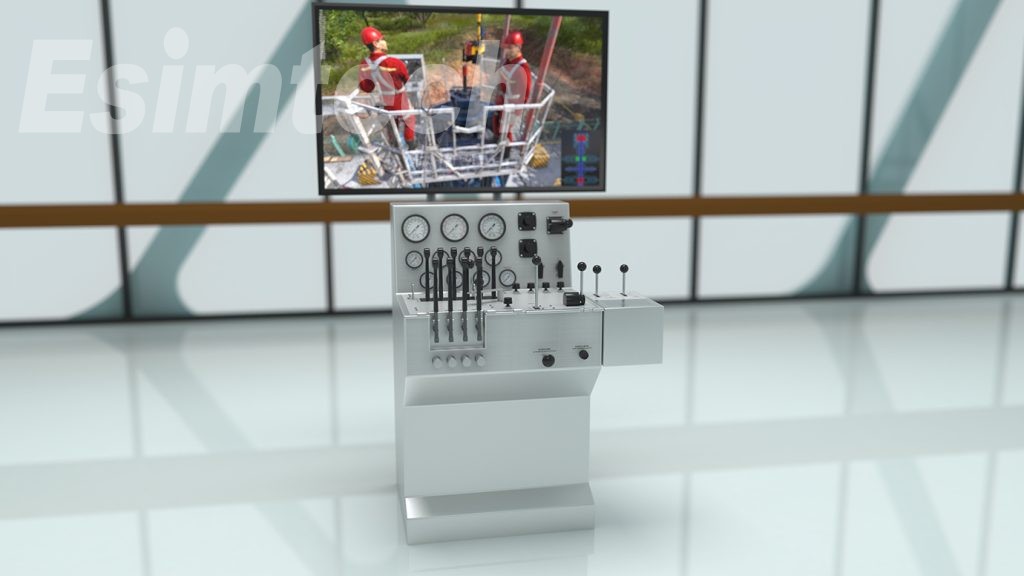
Safety Simulations: Virtual reality and simulation technology for realistic training environments.
Simulation in Drilling Operations: Customized simulation environments, integration with real-time data, and continuous training and assessment bolster safety preparedness in drilling activities.
Conclusion:
Ensuring safety in oil and gas drilling necessitates a multifaceted approach encompassing training, equipment, procedures, technology, and a robust safety culture. With ongoing technological advancements and unwavering commitment to safety, the industry can strive to minimize accidents, protect the environment, and safeguard its workforce. Ultimately, safety must remain paramount in meeting global energy demands.
Ensuring safe and efficient drilling operations while minimizing risks in the oil and gas industry hinges on effective well control techniques. Among these, the drillers method, also known as the "wait and weight" approach, stands out as a cornerstone practice for maintaining pressure equilibrium and averting uncontrolled wellbore flows. Let's delve into the intricacies of the drillers method, encompassing its principles, procedures, and the pivotal role of training in its execution.
Principles Underpinning the Drillers Method
The drillers method operates on a set of fundamental principles aimed at promptly regaining control of a well following the detection of formation fluid influx.
Influx Detection: Early identification of influxes, whether oil, gas, or water, is paramount. Drilling parameters like fluid returns, pit gain, and mud logger data are meticulously monitored for any deviations indicative of an influx.
Well Closure: Upon confirming or suspecting an influx, immediate closure of the well is initiated. Blowout preventers (BOPs) are activated to seal the wellbore, curtailing further influx and safeguarding the rig crew.
Kill Weight Calculation: Calculating the requisite kill weight of drilling mud becomes imperative. This weight is tailored to counterbalance formation pressure and halt the influx, factoring in formation type, depth, and mud characteristics.
Mud Weight Adjustment: Dense additives such as barite or calcium carbonate are introduced to boost mud density, offsetting formation pressure. Precise adjustment is crucial to maintain effective control without exacerbating issues.
Controlled Pumping: Pumping of weighted mud ensues in a controlled manner, managing pump rates to forestall abrupt pressure spikes and ensure a safe, regulated process.
Continuous Pressure Monitoring: Real-time pressure monitoring via gauges and equipment is upheld throughout the procedure. This data aids in assessing kill weight performance and facilitating timely adjustments for sustained control.
Resuming Drilling: With the well stabilized and influx managed, drilling operations cautiously recommence, emphasizing the need to maintain mud weight at levels conducive to continued control.
Training and Preparation: Pillars of Success
The efficacy of the drillers method hinges on comprehensive training and thorough preparation. Here's why:
Safety: Rig crew safety is paramount. Adequate training empowers personnel to respond swiftly and effectively to well control challenges, mitigating the risk of accidents or blowouts.
Quick Decision-Making: Time sensitivity demands swift decision-making. Training equips drillers with the acumen to assess situations, calculate kill weights, and take decisive action under pressure.
Risk Mitigation: Thorough training minimizes errors, thereby mitigating the potentially catastrophic consequences of well control incidents.
Efficiency: Well-trained drillers execute operations with precision, minimizing downtime and equipment damage, translating into tangible cost savings.
Adaptability: Varied well conditions necessitate adaptability. Training ensures drillers grasp the method's concepts, enabling adept application across diverse scenarios.
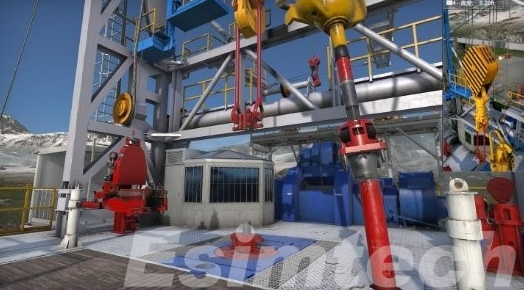
Realistic Simulations: drilling and well control simulators provide invaluable hands-on experience, fostering confidence and competence in handling real-world contingencies.
Team Coordination: Effective communication and coordination are fostered through training, enhancing teamwork during critical moments.
Regulatory Compliance: Adherence to regulatory mandates underscores the importance of ongoing training to uphold industry standards and reputation.
Continuous Improvement: Regular training keeps drillers abreast of evolving practices and technologies, facilitating adept responses to emerging challenges.
Confidence and Competence: Proper training instills confidence and competence, vital attributes for navigating high-pressure situations with composure and proficiency.
In essence, training and preparation are indispensable components of well control, particularly when employing the drillers method. Investment in robust training programs ensures that drilling operations uphold safety standards, protect personnel and the environment, and maintain operational integrity.
Conclusion
In the realm of oil and gas exploration, mastery of well control techniques like the drillers method is imperative. Its systematic approach underscores the importance of proactive measures in upholding pressure equilibrium and averting wellbore influxes. By prioritizing training and preparedness, drilling enterprises can fortify their workforce against well control emergencies, safeguard lives, assets, and the environment, while upholding the integrity of drilling operations.
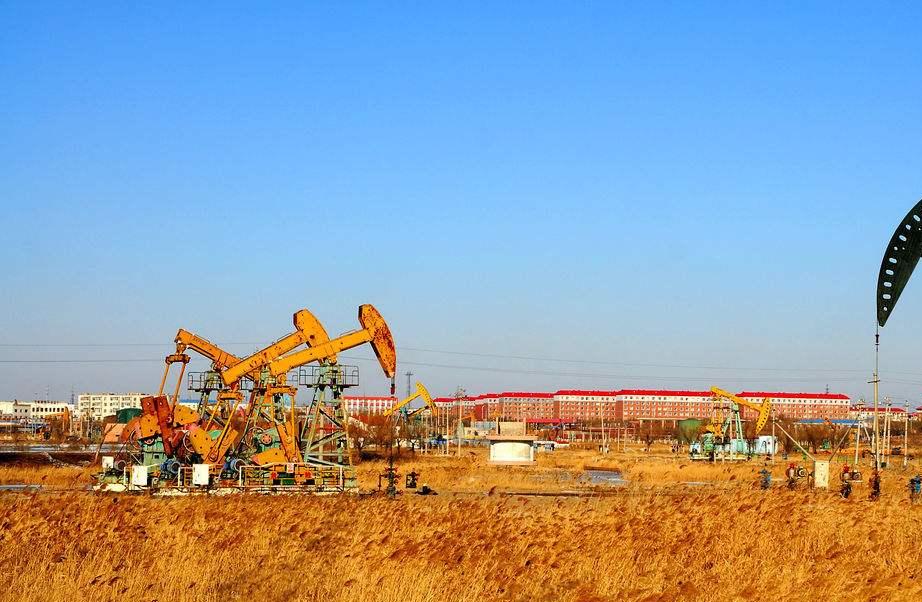
A well blowout, characterized by the uncontrolled release of oil, gas, or fluids from a wellbore, represents a catastrophic event with far-reaching consequences. This article delves into the causes, repercussions, and proactive prevention strategies associated with well blowouts.
Causes of Well Blowouts:
High Reservoir Pressure:
Excessive pressure within hydrocarbon reservoirs can lead to a forceful expulsion of fluids if it surpasses the pressure exerted by drilling mud, destabilizing the well.
Fluids:
Variable pressures and compositions of fluids within distinct rock formations can result in unexpected high-pressure encounters, contributing to a blowout.
Inadequate Well Design:
Poorly constructed wells lacking appropriate safety elements are susceptible to blowouts, especially when unprepared for sudden pressure changes.
Faulty Equipment:
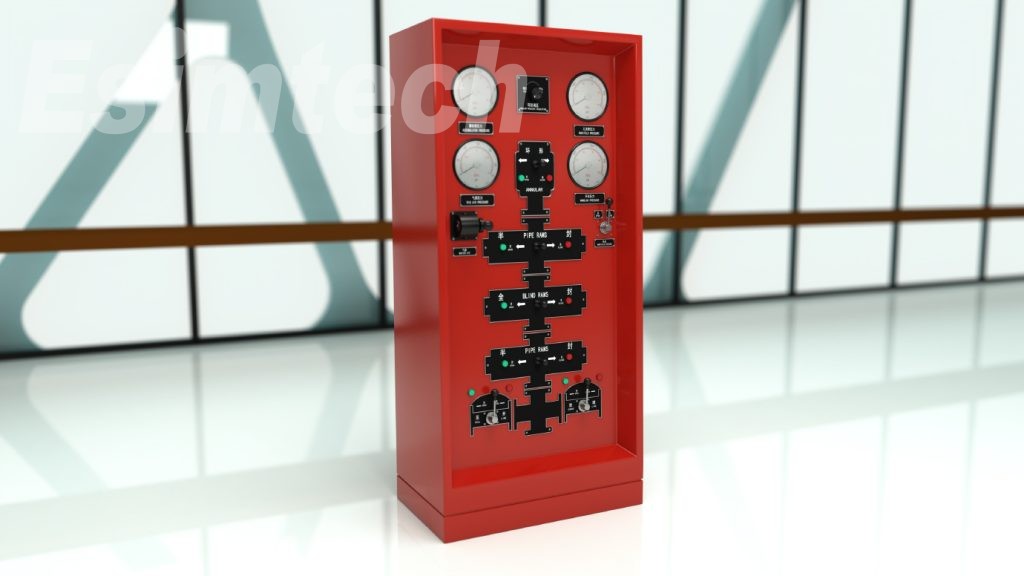
Malfunctions in critical equipment, such as blowout preventers (BOPs), increase the risk of a blowout by compromising the ability to control the well.
Drilling Mud Management:
Improper control of drilling mud parameters can lead to an insufficient pressure balance within the wellbore, increasing the risk of a blowout.
Human Error:
Mistakes during drilling operations, including incorrect pressure calculations or misinterpretation of data, can contribute to blowouts.
Kick Detection Failure:
Failure to detect and manage kicks – the influx of reservoir fluids into the wellbore – can escalate into a blowout.
Lack of Training:
Inadequate training on well control techniques may result in inappropriate responses during critical situations.
Natural Factors:
Seismic activity or other natural occurrences can induce geological changes, altering reservoir pressure and posing blowout risks.
Neglecting Safety Protocols:
Violating safety protocols to expedite drilling or cut costs raises the likelihood of a blowout.
Equipment Wear and Tear:
Old or poorly maintained equipment increases the risk of equipment failure, elevating the danger of a blowout.
Consequences of Well Blowouts:
Environmental Impact:
Oil spills from blowouts can wreak havoc on marine and coastal ecosystems, causing widespread environmental damage.
Health:
Vapors emitted during a blowout can negatively impact human health, leading to respiratory problems and other ailments.
Economic Loss:
The costs of containment, cleanup activities, and potential revenue loss from uncontrolled material discharge are substantial.
Reputation Damage:
Blowouts can significantly damage the reputation of the oil and gas industry, attracting public outcry, media attention, and regulatory inquiries.
Preventive Measures to Avoid Well Blowouts:
Well Design and Construction:
Employ skilled engineers and geologists to construct wells capable of resisting reservoir pressures.
Use strong casing and cementing procedures to prevent fluid migration and fortify the wellbore.
Advanced Technology and Monitoring:
Utilize cutting-edge monitoring equipment to track well conditions, pressures, and temperatures in real time.
Install automated systems for detecting pressure anomalies and unexpected changes in drilling conditions.
Blowout Preventers (BOPs):
Install high-quality, well-maintained BOPs as the first line of defense against uncontrolled releases.
Regularly inspect, test, and certify BOPs to ensure proper operation.
Well Control Training:
Provide thorough well control training for all staff involved in drilling and well operations.
Conduct regular drilling and well control simulations to ensure preparedness for blowout scenarios.

Regulations and Compliance:
Adhere to industry norms and standards set by competent authorities to meet specified safety and operational criteria.
Risk Assessments:
thorough risk assessments before drilling to identify potential hazards and plan mitigation strategies.
Emergency Response Plans:
Develop comprehensive emergency response plans outlining step-by-step methods for dealing with blowouts.
Ensure all workers are familiar with these strategies.
Safety Culture:
Foster a robust safety culture where employees are empowered to raise concerns and report potential dangers without fear of retaliation.
Regular Inspections and Maintenance:
Regularly inspect equipment, machinery, and safety systems to identify and address potential problems.
Communication and Collaboration:
Maintain open communication and collaboration among team members, contractors, and service providers to ensure adherence to safety guidelines.
Environmental Considerations:
Implement methods to reduce the environmental impact of blowouts, such as the use of containment booms and oil spill-mitigation equipment.
Continuous Improvement:
Encourage a culture of continuous improvement, applying lessons from prior incidents to enhance preventive measures and response tactics.
Industry Research and Innovation:
Invest in research and development to explore new technologies and approaches that can improve blowout prevention and response capabilities.
Conclusion:
The oil and gas industry faces the constant threat of well blowouts, demanding a proactive approach to mitigate the occurrence and impact of such events. Through technological advancements, comprehensive training, adherence to regulations, and effective emergency response planning, the industry can work towards safer and more responsible extraction procedures, ensuring the well-being of employees, protecting the environment, and maintaining operational integrity.