
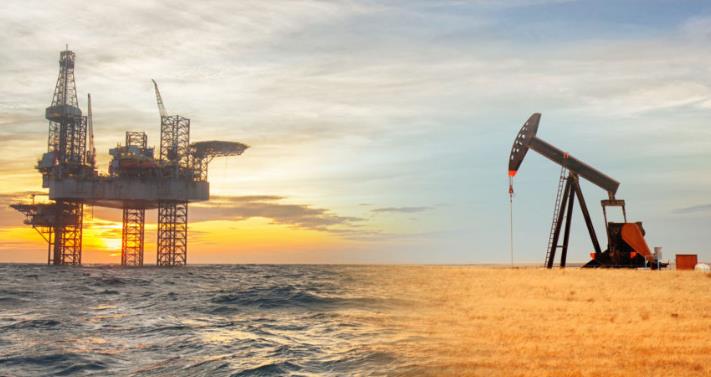
Oil drilling rigs serve as vital infrastructure for extracting hydrocarbons deep within the Earth's surface. These towering structures, positioned both onshore and offshore, represent remarkable feats of engineering and technology. This article delves into the world of oil drilling rigs, exploring their diverse types, functions, and transformative innovations that have shaped the industry.
Common Types of Oil Drilling Rigs
Onshore Rigs
Conventional Land Rigs: Versatile rigs used for vertical and deviated well drilling across various geological terrains.
Mobile Drilling Units: Portable rigs designed for rapid setup and dismantling, often utilized for exploratory drilling due to their mobility.
Jack-Up Rigs: Transportable offshore platforms with extendable legs, deployed in shallow waters for stability during drilling operations.
Semi-Submersible Rigs: Buoyant pontoons and columns that partially submerge, offering stability even in rough seas, commonly used in deepwater exploration.
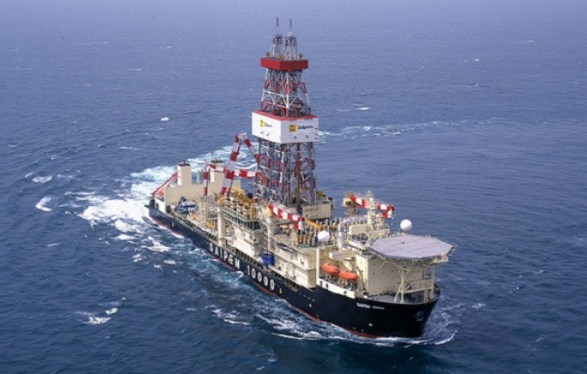
Drillship Rigs: Self-propelled vessels equipped for drilling, featuring dynamic positioning systems for stability in deepwater and remote locations.
Tension Leg Platforms (TLPs): Floating platforms tethered to the seabed, providing stability while allowing vertical movement, ideal for deepwater drilling.
Functions of Oil Drilling Rigs
Exploration Drilling
Site Assessment: Initial appraisal of prospective drilling areas using geological data and seismic studies.
Wildcat Wells: Drilling test wells to assess the presence and potential quantity of hydrocarbons, crucial for identifying reserves.
Production Drilling
Production Wells: Creation of wells to extract oil and gas from confirmed reserves, the primary function of drilling rigs.
Appraisal Drilling: Assessment of reserve size and quality post-discovery, aiding in determining commercial viability.
Enhanced Oil Recovery (EOR) Drilling: Utilization of techniques like EOR to maximize production from mature fields.
Directional and Horizontal Drilling
Accessing reservoirs not directly beneath the drilling site, enhancing reservoir access and recovery.
Well Maintenance and Workovers
Ensuring wellbore integrity and retiring wells at the end of their productive life through plug and abandonment operations.
Noteworthy Innovations in Oil Drilling Rigs
Automation and Remote Monitoring
Integration of advanced control systems and sensors for real-time data collection and analysis, enhancing drilling accuracy and safety.
Top Drives
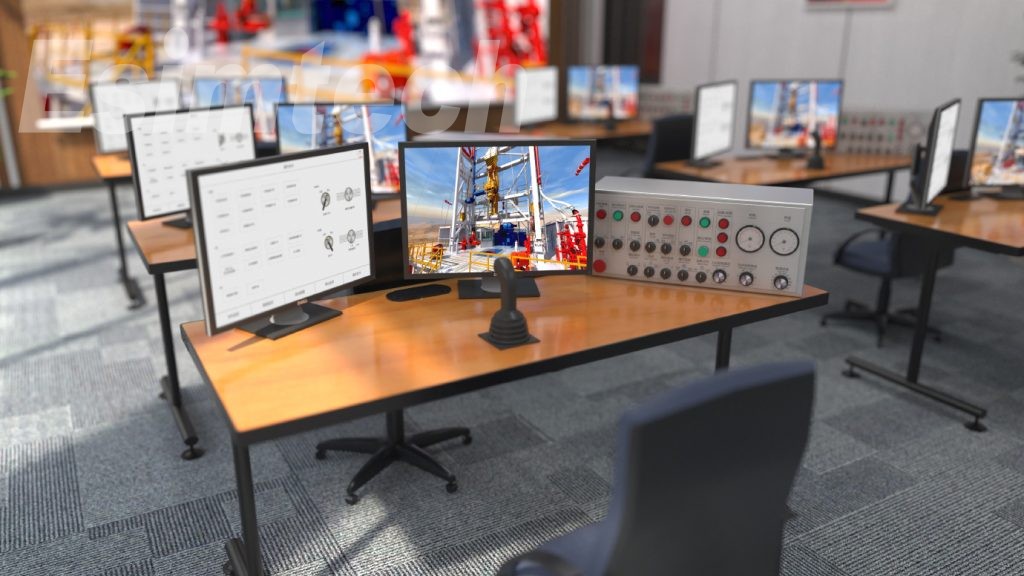
Motorized drilling systems providing rotational power, enabling faster and controlled drilling, particularly useful for complex tasks. The top drive simulators have been developed with the goal of training the functioning of the top drive device. It may provide training for all top drive operations as well as common accident handling. It can be utilized for driller/driller assistant, technician, and drilling team leader training. Trainees can master the operating method of top drive and the handling skills of common mishaps by training with the system.
Directional Drilling Technologies
Innovations like rotary steerable systems and measurement-while-drilling (MWD) equipment for accurate drilling of deviated and horizontal wells.
Digital Twin Technology
Creation of virtual models replicating physical rigs, allowing for simulation and optimization of drilling processes, enhancing safety and efficiency.
Dual Gradient Drilling (DGD) Systems
Techniques controlling drilling fluid density for consistent well pressure, reducing the risk of blowouts and environmental incidents.
Enhanced Drilling Fluids
Development of environmentally friendly drilling fluids enhancing lubrication, temperature stability, and wellbore stability for safer and sustainable drilling.
Wellbore Monitoring and Control Systems
Advanced systems continuously monitoring downhole conditions and improving drilling parameters using real-time data, enhancing accuracy and safety.
Conclusion
Oil drilling rigs are indispensable for the exploration and production of hydrocarbon resources, performing diverse functions across various terrains. Recent innovations have made drilling operations safer, more efficient, and environmentally friendly, ensuring a sustainable energy future. These rigs remain at the forefront of technological advancement, unlocking new reserves and driving the energy industry forward.
Offshore drilling, a topic wrought with contention, offers promises of vast energy resources and economic prosperity alongside significant environmental and safety concerns. This article delves into the intricacies of offshore drilling, exploring its benefits and risks while proposing effective strategies to strike a balance between the two.

Exploring the Benefits
Resource Accessibility:
Offshore drilling unlocks previously inaccessible hydrocarbon reserves beneath the seabed, crucial for meeting global energy demands.
Economic Growth:
The industry serves as an economic powerhouse, generating employment opportunities, stimulating local economies, and attracting substantial investments.
Energy Security:
By tapping into offshore resources, nations can reduce dependence on foreign energy sources, enhancing energy security and mitigating geopolitical risks.
Environmental Stewardship:
Modern drilling practices prioritize environmental responsibility through stringent regulations and innovative spill prevention measures.
Revenue Generation:
Governments benefit from offshore activities through taxation, royalties, and lease agreements, funding public services and infrastructure projects.
Technological Innovation:
Offshore drilling drives advancements in drilling technologies and safety practices, fostering broader technological progress.
Diversification of Energy Sources:
Accessing offshore reserves allows countries to diversify energy portfolios, reducing reliance on single energy sources and facilitating a transition to cleaner alternatives.
Increased Energy Supply:
Offshore drilling contributes significantly to global energy supply, meeting the growing demands of populations, industries, and economies.

Examining the Risks
Environmental Concerns:
Oil Spills: Pose catastrophic risks to marine ecosystems, coastal communities, and tourism sectors.
Habitat Disruption: Offshore activities can disrupt fragile marine environments, leading to lasting ecological consequences.
Pollution: Routine procedures introduce pollutants into the marine environment, impacting marine life and water quality.
Safety Hazards:
Accidents and Blowouts: High-pressure conditions can lead to well blowouts, explosions, and fires, endangering workers and the environment.
Infrastructure Failures: Aging infrastructure and inadequate maintenance can result in equipment failures, leaks, and structural issues.
Human Error: Mistakes during operations underscore the importance of comprehensive training and safety protocols.
Economic Vulnerability:
Market Volatility: Fluctuations in oil and gas prices can render offshore projects economically unviable, leading to financial losses and job cuts.
Investment Risks: Uncertainty in project outcomes and long lead times pose financial risks for investors and companies.
Regulatory and Legal Hurdles:
Multifaceted Regulations: Navigating complex regulatory frameworks requires compliance to avoid penalties and legal obligations.
Legal Disputes: Accidents may lead to protracted legal battles, damage claims, and extensive cleanup operations.
Balancing Benefits and Risks
Achieving a balance necessitates a multifaceted approach, including:
Technological Advancements:
Invest in research for safer drilling techniques, utilizing drilling simulation technology for testing and optimization.
Drilling Simulation:
Enhance safety through realistic simulations, enabling personnel to practice emergency response procedures and safety protocols.

Stringent Regulations:
Enforce strict regulations to guarantee safety and environmental protection, with drilling simulations aiding in personnel training.
Investment in Clean Energy:
Mitigate risks by investing in renewable energy sources, utilizing drilling simulations for safety training in renewables.
Environmental Impact Assessments:
Conduct comprehensive assessments before drilling, utilizing simulations to model potential impacts and inform decision-making.
Monitoring and Transparency:
Maintain regular monitoring of activities and promote transparency through accurate reporting, with drilling simulations providing real-time insights.
Conclusion
Offshore drilling presents both rewards and risks, necessitating a balanced approach that prioritizes environmental stewardship, equitable distribution of benefits, and risk reduction. The future of offshore drilling hinges on a multidimensional strategy that embraces sustainability and ensures responsible practices.
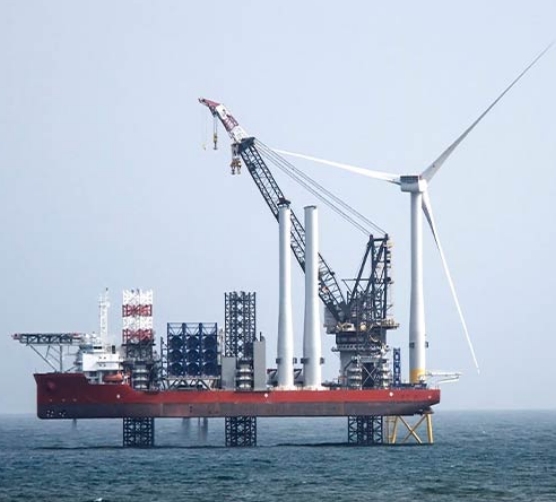
Offshore construction is an indispensable and intricate aspect of the global energy landscape, particularly within the oil and gas sector. It encompasses a range of activities spanning from preparation and design to transportation and installation of various offshore structures and facilities. These constructions, including oil rigs, drilling platforms, and production facilities, are essential for accessing and harnessing hydrocarbon resources from beneath the seabed. In this article, we'll explore the significance of offshore construction in the oil and gas industry, delve into its key components, address the challenges it faces, and highlight recent advancements in the field.
Significance of Offshore Construction
Offshore construction holds immense importance within the oil and gas industry for several reasons:
Resource Extraction: Offshore installations enable access to oil and natural gas reserves located beneath the seabed, significantly contributing to the global energy supply. They provide access to resources that are often inaccessible through onshore drilling methods.
Economic Contribution: Offshore oil and gas production generate substantial economic benefits, including job creation, revenue generation, and investment opportunities. It supports various industries, including engineering, construction, logistics, and maintenance.
Enhanced Energy Security: By diversifying oil and gas sources through offshore production, energy security is bolstered. This diversification reduces reliance on land-based reserves and helps meet the increasing energy demands of society.
Key Components of Offshore Construction
Offshore construction encompasses a multitude of crucial activities, including:
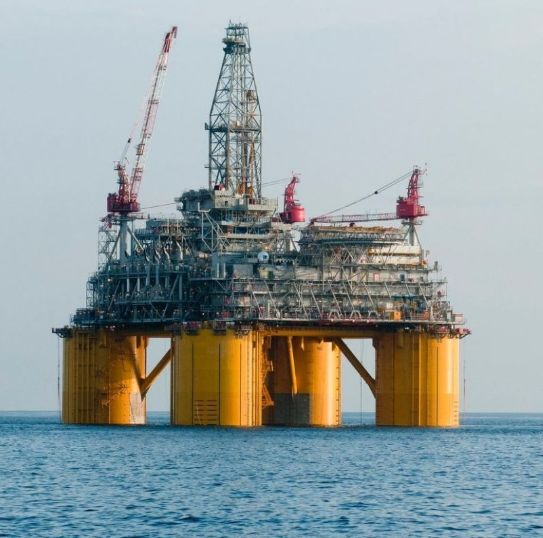
Offshore Platform Construction: Platforms serve as central hubs for drilling, production, and processing activities. These platforms, including fixed and floating variants, are tailored for specific offshore conditions.
Offshore Oil Rig Construction: Building offshore oil rigs involves meticulous planning, fabrication, transportation, and installation. These rigs are vital for exploration and extraction activities beneath the seabed.
Subsea Installations: Subsea infrastructure, including wellheads, pipelines, and flowlines, are essential for hydrocarbon extraction. Remote operation and advanced technologies like ROVs play a pivotal role in subsea installations.
Pipelines Construction: Pipelines are crucial for transporting offshore-produced oil and gas to onshore facilities. Design, materials, laying techniques, and maintenance are vital considerations in pipeline construction.
Challenges in Offshore Construction
Offshore construction faces various challenges, including harsh environmental conditions, logistical complexities, safety concerns, and environmental impacts. These challenges necessitate rigorous safety protocols, advanced technologies, and responsible practices to mitigate risks and ensure sustainability.
Recent Developments and Innovations
Recent advancements in offshore construction include digitalization, environmentally friendly practices, equipment testing, training using virtual reality, and cost optimization measures. These innovations improve operational efficiency, reliability, safety, and environmental sustainability within the offshore construction sector.
Conclusion
Offshore construction is a cornerstone of the energy industry, facilitating the extraction of vital resources from beneath the seabed. It requires precision, innovation, and a steadfast commitment to safety and environmental responsibility. By addressing challenges and embracing advancements, the offshore construction sector continues to drive progress and contribute significantly to global energy production.
Offshore oil rigs stand as iconic symbols in the global energy sector, strategically positioned miles from shorelines, and have long been essential contributors to meeting the world’s energy needs. These colossal installations represent a fusion of engineering brilliance, innovative solutions, and a commitment to environmental responsibility.
This comprehensive article delves into the intricate world of offshore oil rigs, shedding light on their architectural and operational complexities, environmental implications, and their profound significance in the energy landscape. Additionally, we explore the crucial role of simulation technology in training personnel for the demanding operations conducted on these offshore installations.
The Evolution of Offshore Oil Rigs
The history of offshore oil exploration traces back to the early 20th century, driven by the depletion of onshore reserves and the quest for new hydrocarbon sources in oceanic realms. A significant milestone occurred in 1896 along the California coast with the emergence of the first offshore drilling platform, constructed from wood. This pioneering structure contrasts sharply with the sophisticated rigs dominating today's offshore landscapes.
Over time, offshore drilling has undergone remarkable evolution, propelled by cutting-edge technologies and a deeper understanding of the challenges posed by marine environments. The escalating demand for offshore drilling stems from the discovery of extensive, untapped oil and gas reservoirs beneath the ocean floor.
Operational Dynamics of Offshore Oil Rigs
Offshore oil rigs showcase human ingenuity and engineering prowess through intricate processes facilitating the extraction, processing, and transportation of hydrocarbons from deep seabeds to onshore facilities. Here's an overview of their operational mechanisms:
Exploration and Drilling: Seismic surveys identify potential reserves, followed by drilling of exploration wells to confirm hydrocarbon presence. Successful sites lead to drilling of production wells for resource extraction.
Production: Oil and gas are extracted through production wells, employing drilling rigs and wellheads on fixed platforms, or flexible risers/pipelines on floating systems.
Processing: Extracted fluids undergo separation and processing to remove impurities, separate oil and gas, and compress gas for transportation.
Storage: Oil is stored in tanks on FPSOs or floating platforms, awaiting offloading onto shuttle tankers. Gas may be reinjected, flared, or transported via pipelines.
Environmental Protection: Rig installations feature measures like oil spill containment, gas emission control, and adherence to safety protocols to mitigate environmental impact.
Types of Offshore Oil Rigs
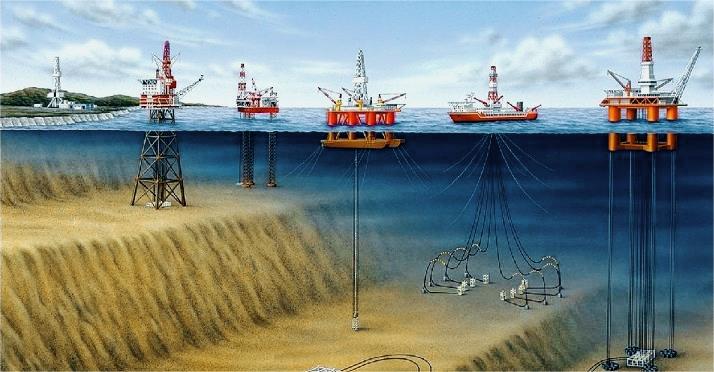
Fixed Platforms: These structures, anchored to the seabed, include Jacket, Caisson, and Concrete Gravity platforms, suitable for various seabed conditions and depths.
Compliant Towers: Designed for deepwater drilling in challenging marine environments, these towers offer flexibility and structural integrity against high waves and currents.
Spar Platforms: Similar to compliant towers, spars excel in deepwater drilling, providing stability and safety in extreme conditions.
Tension-Leg Platforms (TLPs): Specialized for deepwater operations, TLPs ensure stability through tensioned tendons securing them to the seabed.
Floating Production, Storage, and Offloading (FPSO) Vessels: These floating facilities combine drilling, processing, storage, and offloading capabilities, crucial for deepwater extraction.
Drillships: Highly specialized vessels for deepwater drilling, equipped with advanced technology for mobility and exploration in remote offshore areas.
Semi-Submersibles: Buoyant rigs with water ballast tanks for stability, commonly used in deepwater and harsh sea conditions.
Simulation Technology in Offshore Operations
Simulation technology plays a pivotal role in training personnel for offshore rig operations:
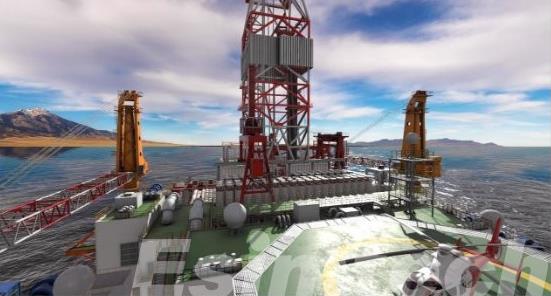
Immersive Training: Simulators replicate real-world offshore environments, enabling trainees to tackle various challenges securely.
Skill Refinement: Trainees practice essential tasks like drilling and emergency responses until proficiency is attained.
Safety Training: Simulators facilitate comprehensive safety drills, ensuring personnel are prepared for critical situations.
Operational Efficiency:Simulated drilling scenarios enhance decision-making skills and response times, improving overall efficiency.
Cost Savings: Simulator-based training reduces expenses associated with conventional training methods, making it both cost-effective and resource-efficient.
Conclusion
Offshore oil rigs, remarkable feats of engineering, have played a significant role in global energy production. However, as we navigate towards a sustainable energy future, they face increased scrutiny for their environmental impact. Whether they continue as energy hubs or adapt to new roles, their importance in the energy industry remains undeniable.
Furthermore, the integration of simulation technology is vital for ensuring the safety and efficiency of offshore operations. By preparing the workforce for the complexities of offshore drilling, these simulations contribute to the ongoing success of offshore endeavors, underlining human innovation in the pursuit of energy resources.
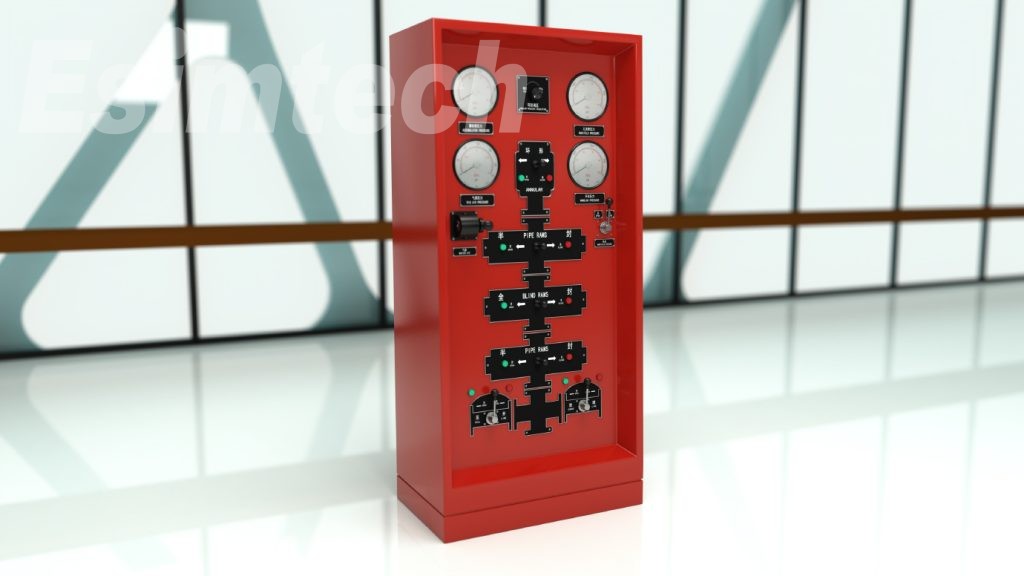
In the realm of oil and gas drilling, safety takes precedence above all else, and at the heart of safety measures lies the Blowout Preventer (BOP). This critical equipment acts as a safeguard against the potentially disastrous consequences of uncontrolled oil or gas releases, known as blowouts. Among the various types of BOPs, two primary categories find extensive use: annular BOPs and ram BOPs. This article delves into the nuances of these two BOP types, shedding light on their distinct characteristics and the scenarios where their application is most fitting.
Functions of Annular BOP and Ram BOP:
Annular BOP:
Annular Blowout Preventers, commonly referred to as annular BOPs, derive their name from their sealing method, which operates within the annular space between the wellbore and the drill pipe or casing. These BOPs offer a versatile well control solution, thanks to their ability to adapt to various pipe sizes and irregular wellbore shapes.
Key Features of Annular BOPs:
Flexible Sealing Element:
Annular BOPs feature a flexible rubber element, known as the packing unit, which forms a tight seal around the drill pipe or casing when activated. This flexibility allows annular BOPs to effectively seal around pipes of different sizes.
Adaptability:
Annular BOPs excel in situations where the wellbore geometry is irregular or when drilling through formations with varying shapes. The flexibility of the sealing element enables them to create reliable seals even in non-standard wellbore conditions.
Ease of Maintenance:
Maintenance of annular BOPs is generally straightforward compared to ram BOPs. The rubber packing unit can be replaced or repaired relatively easily, reducing downtime and operational costs.
Applications of Annular BOPs:
Drilling Operations:
Annular BOPs are commonly used during drilling operations to control wellbore pressure and provide a seal around the drill pipe.
Well Control:
They play a crucial role in well control systems, acting as a backup measure to prevent blowouts.
Circulation:
Annular BOPs facilitate wellbore fluid circulation, allowing mud and other fluids to be circulated down the drill pipe and back up the annulus.
Ram BOP:
Ram Blowout Preventers, also known as ram BOPs, utilize metal blades or rams to establish a tight seal around the drill pipe or casing. Unlike annular BOPs, ram BOPs excel in delivering precise sealing and are often employed as a secondary well control safeguard, particularly during critical situations.
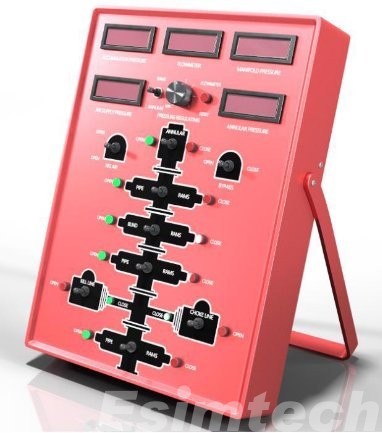
Key Features of Ram BOPs:
Sealing Mechanism:
Ram BOPs use metal rams to create a seal around the pipe. These rams can be configured for different purposes, such as sealing around the drill pipe or casing, cutting and sealing the pipe in emergencies, or creating a complete seal when no pipe is present.
Specialized Configurations:
Ram BOPs come in several specialized configurations, including blind rams, pipe rams, shear rams, and variable rams, providing versatility in addressing various well control scenarios.
Reliability:
Ram BOPs are known for their reliability and are often used as the last line of defense in a well-control system, providing a robust and immediate seal, especially in emergencies.
Applications of Ram BOPs:
Emergency Well Control:
Ram BOPs are often considered the last line of defense in well control systems, deployed in emergencies to quickly and precisely seal off the wellbore.
Deepwater Drilling:
In deepwater drilling operations where the consequences of a blowout can be catastrophic, ram BOPs, including shear rams, are crucial for maintaining control over the well.
Ensuring Well Integrity:
Ram BOPs play a critical role in ensuring the integrity of the well, especially when dealing with challenging formations or high-pressure zones.
Comparison Between Annular BOP and Ram BOP:
While both BOP types serve the fundamental purpose of well control, they differ in design, function, and applications. Here’s a comparison between annular and ram BOPs:
Design and Function:
Annular BOP:
Circular, doughnut-shaped rubber component.
Adaptable for various pipe sizes and irregular wellbore shapes.
Ram BOP:
Metal plates (rams) that create a hermetic seal.
Designed for precise sealing, particularly in critical situations.
Sealing Mechanism:
Annular BOP:
Flexible rubber element provides dynamic sealing.
Accommodates variations in pipe size and shape.
Ram BOP:
Rigid steel plates (rams) provide a fixed seal.
Generally more reliable for high-pressure and high-temperature conditions.
Applications:
Annular BOP:
Primary safeguard in drilling operations and well control.
Well testing and wireline operations.
Ram BOP:
Secondary or contingency BOP in emergencies.
Shearing or cutting the drill pipe.
Maintenance:
Annular BOP:
Generally easier to maintain and repair.
Elastomeric seals may require periodic replacement.
Ram BOP:
More complex maintenance due to mechanical components.
Cost:
Annular BOP:
Often less expensive.
Cost-effective choice for certain drilling situations.
Ram BOP:
Typically more expensive due to precision engineering.
Advantages of Using Annular BOP and Ram BOP in Simulation:
Performance Analysis:
Simulations enable performance analysis across diverse drilling scenarios, assessing sealing effectiveness and pressure-holding capacities.

Pressure and Flow Modeling:
Precisely replicate pressure dynamics to determine the appropriate BOP system for anticipated conditions.
BOP Compatibility:
Assess compatibility with wellbore design and drilling equipment to ensure effective well sealing.
Dynamic Drilling Scenarios:
Replicate well kicks and pressure surges to evaluate BOP responses during emergencies.
Training and Preparedness:
Use simulations for training drilling crews in proper BOP operation and response procedures.
Risk Assessment:
Evaluate risks associated with BOP choice and potential consequences of failure.
Conclusion:
Annular and ram BOPs play vital roles in ensuring the safety and integrity of oil and gas drilling operations. The choice between them depends on specific drilling conditions, wellbore geometry, and safety requirements. Utilizing simulations helps in selecting appropriate BOPs by analyzing performance, pressure dynamics, compatibility, and risk factors. Regardless of the choice, BOPs remain essential frontline defenses, safeguarding personnel and the environment in the oil and gas industry.