
In the realm of oil and gas drilling, ensuring safety stands as the utmost priority. Among the critical components safeguarding drilling operations is the Blowout Preventer (BOP), playing a pivotal role in averting uncontrolled hydrocarbon releases from the wellbore, which could lead to catastrophic blowouts. Engineered to swiftly shut down wells during emergencies, BOPs are indispensable elements of drilling equipment.

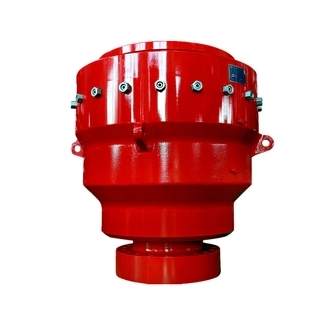
1. Annular BOP:
The Annular Blowout Preventer, or simply the "annular," assumes the form of a flexible, donut-shaped apparatus capable of sealing around diverse pipe sizes to uphold wellbore integrity. Typically stationed atop the BOP stack, its adaptability in accommodating various pipe sizes renders it suitable for diverse drilling operations.
Function:
Annular BOPs seal around drill pipes, casings, or other tubular components, preventing pressurized fluid leaks.
They play a crucial role in controlling well operations during drilling, tripping, and intervention tasks.
Design:
Comprised of a reinforced rubber element ensconced within a steel structure.
Hydraulic pressure is applied to compress the rubber element, effectuating a seal.
Applications:
Frequently employed as a secondary BOP on drilling rigs.
Critical for maintaining pressure control during well control operations.
2. Ram BOP:
Ram Blowout Preventers are robust, hydraulically-operated mechanisms devised to seal the wellbore using pairs of opposing steel rams, capable of enclosing around the pipe, ensuring a secure seal.
Function:
Ram BOPs employ two sets of opposing rams: annular and pipe rams.
Annular rams seal around irregular shapes, while pipe rams seal around the drill pipe or casing.
Design:
Fashioned from high-strength materials capable of withstanding extreme pressures and temperatures.
Hydraulic systems govern ram operation, facilitating rapid responses in emergencies.
Applications:
Typically situated beneath the annular BOP in the BOP stack.
Vital for wellbore shutdown during kicks or blowouts.
Types of Ram BOPs:
Ram BOPs can be further categorized into blind rams and pipe rams.
1. Blind Rams:
Engineered to completely seal the wellbore when no tubulars are present, utilized during drilling or maintenance activities.
2. Shear Rams:
Equipped with sharp blades capable of cutting through the drill pipe or casing, employed as a last resort in blowout control scenarios, severing the pipe to enable well sealing.
Blind Shear Ram BOP:
These specialized ram BOPs boast a unique purpose: to sever the drill pipe or casing when conventional sealing methods fail to control a blowout.
Function:
Employ cutting blades to shear through the drill pipe or casing, isolating the wellbore.
Serve as a last-resort safety measure to prevent uncontrolled blowouts.
Design:
Engineered with robust shearing mechanisms capable of cutting through thick steel.
Applications:
Typically installed as the last ram in the BOP stack.
Rarely used but critical for extreme well control situations.
Hinged Gate BOP:
Hinged Gate BOPs find utility in workover and well intervention operations, offering a more accessible means of well control for maintenance and repair endeavors.
Function:
Utilize a pair of hinged gates that swing open and close around the pipe.
Provide a quick and reliable method to secure the wellbore during intervention operations.
Design:
Boast a simple, compact design for ease of installation and operation.
Applications:
Commonly employed during workover operations to maintain well control during servicing.
Subsea BOP:
Specially designed for offshore drilling operations, Subsea Blowout Preventers are positioned on the seabed, crucial for preventing blowouts in underwater wells.
Function:
Perform similar functions as surface BOPs but adapted for subsea conditions.
Maintain wellbore integrity and prevent hydrocarbon release into the ocean.
Design:
Built to withstand high pressures, corrosive seawater, and extreme depths.
Remotely operated and connected to the surface by hydraulic control systems.
Applications:
Exclusively utilized in offshore drilling, forming a critical component of deepwater drilling rigs.
Significance of BOPs in Drilling:
The importance of blowout preventers in drilling operations cannot be overstated:
Safety: BOPs safeguard the lives of rig workers, the environment, and valuable drilling equipment, serving as the primary defense against blowouts.
Environmental Protection: Prevents the release of harmful substances into the environment, minimizing ecological damage.
Asset Protection: Safeguards expensive drilling rigs and equipment from damage during blowouts.
Regulatory Compliance: Ensures adherence to strict well control regulations, avoiding legal and financial penalties.
Reputation Management: Demonstrates a commitment to safety and responsible drilling practices, preserving a company's reputation.
Conclusion:
Blowout Preventers are indispensable guardians in drilling, ensuring safety and environmental protection. With various types catering to diverse drilling needs, they offer versatility and reliability. From annular and ram BOPs to blind shear ram, hinged gate, and subsea BOPs, their applications span drilling, well intervention, and workover operations. Their collective objective remains consistent: preventing uncontrolled hydrocarbon releases, maintaining wellbore integrity, and safeguarding workers and the environment.
Esimtech specializes in manufacturing oil and gas simulator equipment, including simulation training equipment for Blowout Preventers (BOP). Should you require such equipment, please don’t hesitate to get in touch with us.
In the dynamic realm of oil and gas drilling, ensuring the stability and safety of a well stands as a critical priority. When unforeseen circumstances arise, such as kicks or blowouts, well control methods like the Driller's Method become indispensable in regaining control over the well. This article offers a thorough examination of the Driller's Method in Well Control, exploring its mechanics, historical context, and the crucial role of well control training simulations in mastering this essential technique.
Understanding the Basics of the Driller's Method in Well Control:
1. Basics of Well Control: Before delving into the specifics of the Driller's Method, it's essential to grasp the broader concept of well control. Well control encompasses various techniques and strategies aimed at managing and regulating pressure within the wellbore. This meticulous pressure control is not just a matter of operational convenience but a fundamental aspect ensuring safety and environmental protection in drilling operations.
2. Key Techniques Used in the Driller's Method:
Recognition and Well Closure: The process begins with identifying irregular pressure conditions within the well, often triggered by an influx like a gas or oil kick. Prompt action is then taken to shut down the well by activating the blowout preventer (BOP) and halting drilling operations to prevent further influx of fluids or hydrocarbons.
Pressure Assessment: A detailed assessment of downhole conditions follows, evaluating both pressure and volume associated with the kick. Accurate measurements lay the groundwork for effective implementation of the Driller's Method.
First Circulation: With the well shut in, the drilling team initiates the first circulation. Heavy drilling mud, typically weighted with barite, is pumped down the drill string and into the well to gradually increase mud density and balance formation pressure, halting the influx.
Pressure Monitoring: Continuous monitoring of pressure at the wellhead occurs during the first circulation. Observing pressure response helps the drilling team gauge the effectiveness of introducing heavy mud.
Second Circulation: Once pressure stabilizes to match desired bottom hole pressure (BHP), the first circulation concludes. The drilling team then proceeds with the second circulation, circulating drilling mud out of the well to replace the lighter mud or influx introduced during the kick.
The Importance of the Driller's Method:
The Driller's Method holds significance as a pivotal well control approach due to its focus on maintaining constant BHP. This technique not only helps regain control over a well but also minimizes the risk of wellbore instability, additional complications, and potential equipment damage. Through the use of heavy drilling mud and a systematic approach, drilling professionals effectively manage unexpected kicks or blowouts, ensuring personnel safety and environmental protection.
Benefits of the Driller's Method:
Safety: Prioritizes safety by promptly addressing well control incidents, minimizing the risk of uncontrolled flow and potential blowouts.
Equipment Protection: Prevents damage to drilling equipment caused by excessive pressure and flow rates during well control incidents.
Environmental Preservation: Averts environmental disasters by preventing uncontrolled oil or gas releases that could lead to pollution and ecological damage.
Operational Efficiency: Allows drilling operations to resume swiftly and efficiently after a well control incident, minimizing downtime and financial losses.
Role of Well Control Training Simulations for the Driller's Method:
Well control training plays a crucial role in preparing drilling personnel to effectively implement techniques like the Driller's Method. Simulation-based training offers a safe and immersive learning environment, allowing drilling crews to practice and refine their skills in responding to well control incidents.
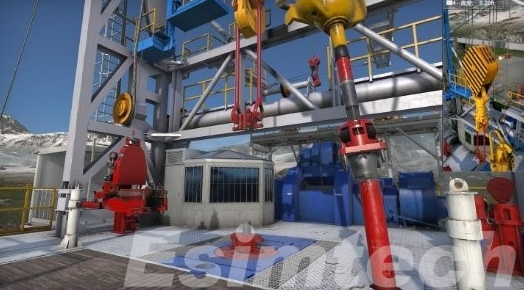
Simulation in Well Control Training:
Realistic Scenarios: Well control simulators recreate well control incidents accurately, providing trainees with realistic experiences.
Safe Learning Environment: Allows personnel to practice well control techniques without the risks associated with live drilling operations.
Scenario Customization: Simulations can be tailored to mimic specific drilling conditions, enabling personnel to train for their work environment.
Repeatable Training: Trainees can repeat scenarios to build proficiency and confidence in responding to well control incidents.
Feedback and Assessment: Provides immediate feedback on trainees' actions and decisions, facilitating continuous improvement.
Crew Coordination: Facilitates team training, helping drilling crews work together effectively in high-pressure situations.
Conclusion:
Safety and precision are paramount in oil and gas drilling, making techniques like the Driller's Method indispensable. By prioritizing safety, protecting equipment, and preserving the environment, the Driller's Method ensures responsible drilling practices. Well control training simulations play a vital role in preparing drilling personnel for well control incidents, contributing to safer and more efficient drilling operations in the ever-evolving industry.
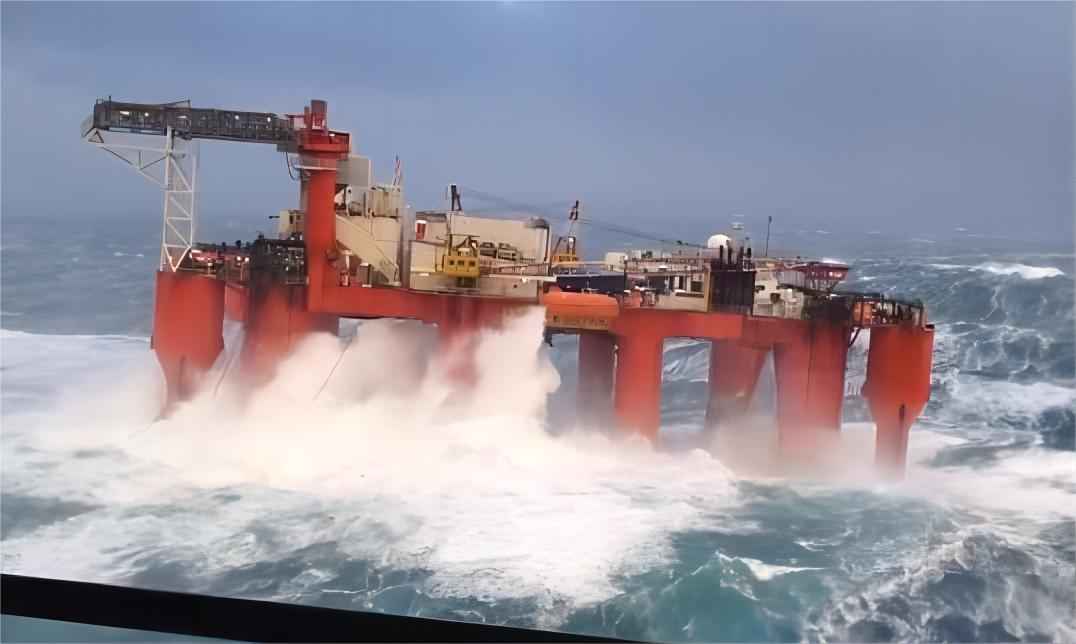
Oil rigs, those towering structures that adorn the oceans and seas, are pivotal to the global oil industry. These colossal platforms are designed to extract oil and natural gas from beneath the seabed, a process that's intricate and demanding. Among the questions often asked is whether oil rigs move during adverse weather conditions. In this piece, we'll delve into the factors influencing oil rig movement and the precautions taken to maintain their stability in challenging weather.
Understanding Oil Rig Movement:
Oil rigs are constructed to extract oil and natural gas from beneath the ocean floor. They vary in types such as fixed platforms, semi-submersible platforms, and floating production systems. Equipped with complex machinery, drilling equipment, and accommodation facilities, these platforms are often stationed in deep waters where they encounter the challenges of the open sea and unpredictable weather conditions.
Fixed Platforms vs. Floating Rigs:
The movement of oil rigs during bad weather depends largely on their type. Fixed platforms, firmly anchored to the seabed, remain stationary and unaffected by adverse weather. In contrast, floating rigs, equipped with dynamic positioning systems and thrusters, can maintain their position even in rough seas. They may sway or bob with the waves but generally stay put.
Factors Influencing Oil Rig Movement:
Several factors influence the movement of oil rigs during bad weather:
Rig Type:
Fixed platforms remain immobile, while floating rigs are designed to adapt to the ocean's dynamic conditions.
Wind Speed:
Strong winds exert lateral forces on oil rigs, more significantly impacting floating rigs than fixed platforms.
Currents:
Ocean currents can affect rig movement, with floating rigs capable of repositioning themselves to counteract strong currents.
Wave Height:
High waves can cause oil rigs to sway or pitch, potentially suspending drilling operations for safety reasons.
Ice and Cold Weather:
In Arctic regions, drifting ice and extreme cold temperatures pose challenges, requiring specially designed ice-resistant rigs.
Storms and Hurricanes:
Extreme weather events like hurricanes necessitate temporary suspension of drilling operations, with rigs evacuated to safer locations.

Precautions and Safety Measures:
To ensure safety and environmental protection during adverse weather, oil rig operators implement various precautions and safety measures:
Rig Design: Rig designs consider environmental factors to ensure stability.
Dynamic Positioning Systems: Floating rigs are equipped with dynamic positioning systems for stability.
Weather Monitoring: Vigilant monitoring of weather conditions to suspend operations if necessary.
Evacuation Protocols: Rig crews undergo training for evacuation procedures during severe weather.
Anchor Systems: Some floating rigs use anchor systems for added stability during unfavorable weather conditions.
Importance of Simulation Technology:
Simulation technology plays a crucial role in understanding oil rig behavior in challenging environments:
Design and Safety: Simulations aid in designing safer and reliable rigs.
Training and Learning: Realistic training experiences help crew members respond effectively during emergencies.
Risk Management: Simulations assess potential risks related to rig movement.
Dynamic Positioning Systems: Simulations fine-tune systems to keep the rig stable.
Real-time Monitoring: Combined with real-time data, drilling rig simulations aid in decision-making during bad weather.
Safety and Environmental Protection: Simulations help reduce the impact of accidents such as oil spills.
Conclusion:
Oil rigs are integral to the global energy industry, engineered to withstand offshore challenges. While they may experience some movement during bad weather, their stability is carefully managed to ensure safety. The industry's commitment to innovation and safety measures enhances the resilience of these offshore structures, ensuring safe and sustainable operations.
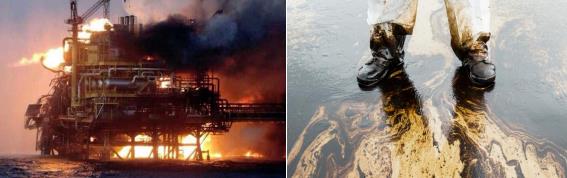
Oilfields stand as dynamic and demanding arenas where invaluable hydrocarbons are extracted. While these operations are essential for meeting global energy needs, they inherently harbor risks to workers, the environment, and the industry at large. Prioritizing oilfield safety is paramount, aiming to safeguard lives, prevent environmental catastrophes, and ensure the enduring viability of oil and gas endeavors. In this article, we delve into the significance of oilfield safety, the hurdles it faces, and the measures imperative for fostering a safe working environment amidst the complexities of this domain.
>
The Importance of Oilfield Safety
1. Protection of Human Lives
the presence of heavy machinery, high-pressure equipment, and exposure to hazardous chemicals, oilfield operations inherently pose dangers to workers. Stringent safety measures and extensive training are vital in mitigating the risks of accidents, injuries, and fatalities.
2. Prevention of Environmental Disasters
Oil spills, leaks, and pollutants from oilfield activities can wreak havoc on the environment, leading to degradation, water contamination, and adverse impacts on local communities. Adhering to rigorous safety protocols and robust environmental safeguards can significantly reduce the likelihood of such disasters.
3. Safeguarding the Industry’s Viability
Oilfield accidents can have severe economic repercussions, disrupting supplies, increasing market volatility, and inflicting financial losses. Ensuring safety is not only a matter of compliance but also pivotal for the industry's long-term sustainability and profitability.
4. Enhancing Reputation and Accountability
Maintaining a positive public image is essential for oil and gas companies. Safety breaches and accidents can tarnish reputation, erode trust, and expose firms to legal liabilities. Prioritizing safety demonstrates accountability and a commitment to ethical business practices.
5. Worker Well-being and Morale
Fostering a robust safety culture contributes to improved worker well-being and morale. When employees feel their safety is prioritized, they are more engaged, motivated, and committed to their tasks, resulting in a positive and productive workforce.
6. Compliance with Regulations
Regulatory authorities enforce stringent safety standards to protect workers, the environment, and the public. Compliance with these standards is not only a legal obligation but also a moral imperative for conducting business responsibly.
7. Risk Mitigation
Proactive measures, such as stringent safety protocols and risk assessments, aid in identifying and minimizing potential hazards. This approach reduces the likelihood of accidents and enhances emergency preparedness.
8. Sustainability and Longevity
The industry's ability to operate safely and ethically is crucial for its long-term viability. Demonstrating a commitment to safety is essential for maintaining social license to operate and ensuring the industry's survival.
Measures and Best Practices for Ensuring Oilfield Safety
1. Comprehensive Training
Continuous training on safety protocols, emergency response procedures, and proper equipment usage is essential for ensuring worker preparedness.
2. Safety Protocols and Procedures
Standardized safety policies covering all aspects of operations should be developed and implemented, with employees well-versed in these protocols. oil and gas simulation training system was designed to assist major drilling training facilities or petroleum schools in conducting training in various disciplines of the petroleum industry. The creation of these online simulation training systems has been critical to the growth of the petroleum sector and continuing education in the oilfield business.
3. Technological Advancements
Embrace innovative technologies like automation, remote monitoring, and robotics to enhance safety and reduce human intervention in risky situations.
4. Preventive Maintenance
Regular inspection and maintenance of equipment and facilities help identify and rectify issues before they escalate into accidents.
5. Safety Culture
Promote a culture of safety throughout the organization, encouraging active participation and accountability at all levels.
6. Regulatory Compliance
Adhere to local and international safety regulations, staying abreast of changes and using audits as opportunities for improvement.
7. Emergency Response Plans
Develop and maintain well-defined emergency response plans to effectively address various contingencies.
8. Environmental Safeguards
Implement preventive and response measures to mitigate environmental risks, including oil spills.
9. Risk Assessments
Conduct comprehensive risk evaluations to identify and address potential hazards.
10. Safety Audits and Oversight
Regular audits and reviews of operations ensure compliance and identify areas for improvement.
11. Health and Wellness Programs
Implement programs that address factors contributing to accidents, promoting overall well-being.
12. Communication and Reporting
Foster open communication channels for reporting safety concerns without fear of reprisal.
13. Continuous Improvement
Regularly review and enhance safety practices based on lessons learned and industry advancements.
14. Safety Performance Metrics
Use key metrics to track safety performance and identify areas for enhancement.
Conclusion
Prioritizing safety in oilfield operations is paramount for protecting lives, preserving the environment, and ensuring the industry's sustainability. By adhering to stringent safety standards, embracing technological advancements, and fostering a culture of safety, the oil and gas sector can create a safer working environment, mitigate risks, and secure its long-term profitability. Ultimately, investing in safety measures is not just a regulatory requirement but a moral obligation to uphold ethical business practices and safeguard the well-being of workers and ecosystems alike.
Oil and gas exploration and extraction serve as crucial pillars of the global energy landscape, catering to a significant portion of the world's energy demands. These operations primarily involve onshore drilling, conducted on land, and offshore drilling, which occurs beneath bodies of water. While both methods contribute to meeting energy needs, they also present unique challenges and environmental considerations. This article delves into the operational disparities between onshore and offshore oil and gas activities, highlighting their respective benefits and drawbacks, along with environmental impacts.
Understanding Onshore Oil and Gas Drilling:
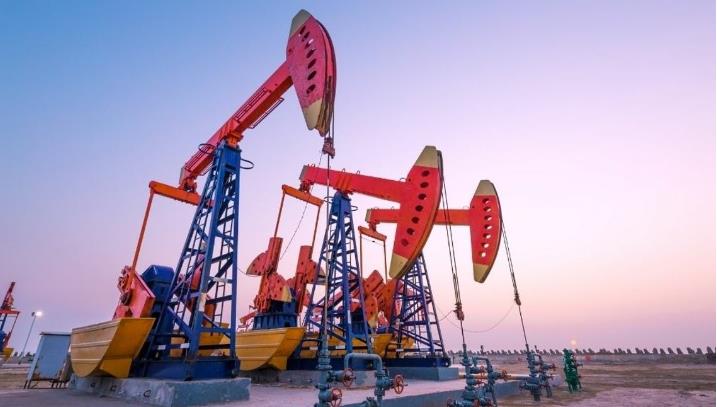
Onshore oil and gas drilling, also known as land-based drilling, involves extracting hydrocarbon resources from land-based reservoirs. It serves as a cornerstone of the global energy economy, meeting substantial energy requirements. Key aspects of onshore drilling include:
Exploration and Drilling: Onshore drilling commences with geological assessments and seismic surveys to identify potential oil and gas reserves. Drilling rigs are then deployed on land to access these reserves, utilizing various techniques ranging from traditional vertical wells to advanced horizontal drilling.
Access and Infrastructure: Onshore drilling sites are typically more accessible than offshore locations, facilitating easier transportation of equipment, personnel, and supplies. This accessibility reduces logistical challenges and financial burdens associated with remote offshore drilling.
Environmental Impact: Onshore drilling can significantly impact surrounding ecosystems, leading to land disturbances, habitat damage, and contamination of soil and groundwater. However, stringent regulatory oversight and responsible drilling practices can mitigate these effects.
Community Impact: Onshore drilling often occurs in populated areas, resulting in potential conflicts with local communities due to noise, traffic, and environmental concerns. Effective community engagement and adherence to environmental standards are essential for addressing these challenges.
Production Costs: Generally, onshore drilling is more cost-effective than offshore drilling due to proximity to infrastructure and markets. Reduced transportation costs make it an attractive option for oil and gas companies, particularly in regions with readily accessible deposits.
Exploring Offshore Oil and Gas Drilling:
Offshore oil and gas drilling involves extracting hydrocarbon resources from beneath the seabed, typically in oceanic or marine environments. Key aspects of offshore drilling include:
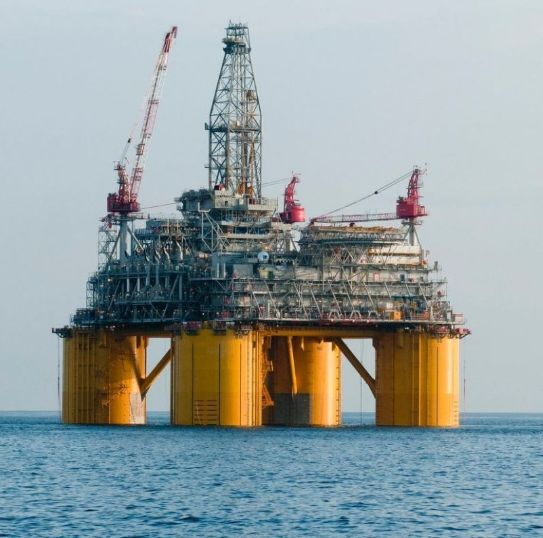
Marine Environment: Offshore drilling presents unique challenges compared to onshore operations, given the dynamic nature of marine environments characterized by tides, waves, and storms.
Technological Complexity: Offshore drilling requires specialized equipment and infrastructure, particularly for deepwater drilling, necessitating advanced technologies to access reserves located far beneath the seabed.
Environmental Impact: Offshore drilling carries environmental risks, including oil spills, habitat disruption, and harm to marine life. However, stringent safety measures and regulations aim to minimize these risks and safeguard marine ecosystems.
Energy Security: Offshore drilling targets extensive reserves located offshore, contributing to energy security by accessing previously untapped resources and diversifying energy sources.
Economic Benefits: Offshore drilling stimulates local economies by generating employment opportunities and revenue. Additionally, it reduces the need for long-distance transportation of oil and gas, enhancing economic efficiency.
Balancing Energy Needs and Environmental Concerns:
Choosing between onshore and offshore oil and gas operations involves a comprehensive assessment of various factors, including:
Resource Assessment:
Conduct a thorough evaluation of available oil and gas reserves, considering their size, depth, and proximity to the coast. This assessment forms the basis for determining the potential yield and feasibility of both onshore and offshore drilling.
Environmental Impact Assessment:
Assess the environmental consequences associated with both onshore and offshore operations. Evaluate factors such as habitat disturbance, water contamination, greenhouse gas emissions, and the risk of oil spills. Understanding these impacts is crucial for minimizing ecological harm.
Technological Feasibility:
Evaluate the technological feasibility of onshore and offshore drilling options. Consider the availability of advanced drilling technologies, safety measures like Blowout Preventers (BOPs), and environmental protection measures. Cutting-edge innovations such as portable drilling well control simulation systems and top drive simulators can enhance operational safety and efficiency.

Economic Analysis:
Conduct a comprehensive cost-benefit analysis to compare the economic viability of onshore and offshore drilling. Assess factors such as production costs, transportation expenses, and potential revenue generation. This analysis provides insights into the financial implications of each option.
Energy Security:
Evaluate the impact of both onshore and offshore drilling on energy security. Determine whether offshore drilling offers access to untapped resources or if onshore drilling can meet immediate energy needs more efficiently. Consider diversification strategies to enhance energy resilience.
Regulatory Framework:
Understand the regulatory framework governing onshore and offshore drilling in the region of interest. Ensure compliance with environmental and safety regulations to mitigate risks and liabilities associated with non-compliance.
Community Engagement:
Engage with local communities and stakeholders to understand their concerns and preferences regarding onshore and offshore drilling. Addressing community feedback and involving stakeholders in the decision-making process fosters support and promotes transparency.
Risk Mitigation:
Identify potential hazards associated with both onshore and offshore operations and devise effective risk mitigation strategies. Develop emergency response plans, implement spill containment techniques, and employ measures to mitigate environmental damage.
Technology and Innovation:
Explore technological and innovative opportunities to minimize the environmental impact of oil and gas operations. Investigate advancements in drilling technology, renewable energy integration, and carbon capture and storage to promote sustainability and reduce carbon emissions.
Energy Transition Considerations:
Align the chosen drilling option with broader energy transition goals towards cleaner and more sustainable energy sources. Assess how each alternative contributes to reducing carbon emissions and advancing environmental sustainability.
Long-Term Sustainability:
Evaluate the long-term viability of onshore and offshore drilling options, considering factors such as resource depletion and the shift towards alternative energy sources. Ensure alignment with sustainability objectives to avoid stranded assets and promote long-term resilience.
Public Perception and Acceptance:
Assess public perception and acceptance of both onshore and offshore drilling activities. Consider the social license to operate and potential reputational impacts on companies. Transparency and engagement with stakeholders are essential for maintaining public trust.
Future Expansion and Flexibility:
Evaluate the scalability and adaptability of the chosen drilling option to meet future market conditions and energy demands. Assess whether the selected option allows for future expansion and flexibility in response to changing industry dynamics.
Renewable Energy Opportunities:
Explore opportunities for diversifying operations into renewable energy sources, such as offshore wind or solar power. This diversification aligns with sustainability goals and reduces the environmental impact of oil and gas operations.
Decision and Monitoring:
Make an informed decision based on a comprehensive assessment of all factors outlined above. Implement robust monitoring and reporting systems to track environmental performance and ensure compliance with regulations. Continuous monitoring enables ongoing improvement and adjustment of practices to minimize environmental impact and enhance sustainability.
Conclusion:
Onshore and offshore oil and gas operations are indispensable for meeting global energy demands, each presenting distinct advantages and challenges. To strike a balance between energy requirements and environmental sustainability, adopting responsible practices, stringent regulation, and transitioning towards greener energy sources are imperative. The ability to address these challenges and steer the industry towards a more sustainable path will define the future of oil and gas development.