
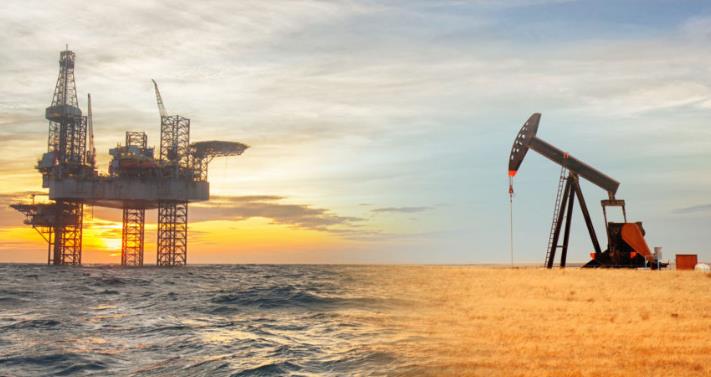
Oil rigs are not solely confined to offshore locations; they also operate on land across various regions globally, delving deep into the Earth's crust to extract valuable fossil fuels. This article explores the world of land-based oil rigs, examining their operations and technological advancements aimed at enhancing efficiency in oil drilling.
Understanding Land-Based Oil Rigs
Land-based oil rigs are structures designed to extract crude oil and natural gas from beneath the Earth's surface. Unlike their offshore counterparts, land-based rigs differ significantly in design, operation, and environmental impact.
Key Components of Land-Based Oil Rigs
1. Derrick:
The towering derrick provides structural support for drilling equipment and serves as a guide for drilling components.
2. Drilling Rig:
Oil drilling rig houses the equipment necessary for drilling operations, including the drilling bit, mud system, and power units.
3. Mud Pumps:
Essential for circulating drilling mud—a mixture of water, clay, and chemicals—to cool the drill bit, lubricate the drill string, and remove cuttings.
4. Mud Tanks:
These tanks store drilling mud, facilitating its recirculation during the drilling process.
5. Wellhead:
Serving as the endpoint of the wellbore, the wellhead ensures a secure seal to prevent oil and gas leaks into the environment.

Operational Processes of Land-Based Oil Rigs
1. Site Preparation:
The process begins with selecting a suitable drilling location, involving geologic surveys and obtaining permits.
2. Drilling:
Once the rig is in place, drilling commences, with the drilling bit rotating to create a borehole thousands of feet deep. Continuous pumping of drilling mud maintains borehole integrity.
3. Casing Installation:
Steel casing pipes are inserted into the borehole to prevent collapse, isolate geological formations, and protect groundwater.
4. Well Completion:
After reaching the desired depth, the well is completed by installing cement between the casing and surrounding rock to create a secure seal.
5. Production:
Productive wells bring oil and gas to the surface using pumps, which are then transported for refining and distribution.
Technological Innovations for Land-Based Oil Rigs
Technological advancements have greatly enhanced the efficiency, safety, and sustainability of land-based oil drilling operations. These innovations include:
1. Automation and Remote Monitoring:
Automated drilling systems and remote monitoring enable optimization of drilling parameters and real-time operational adjustments.
2. Digital Twin Technology:
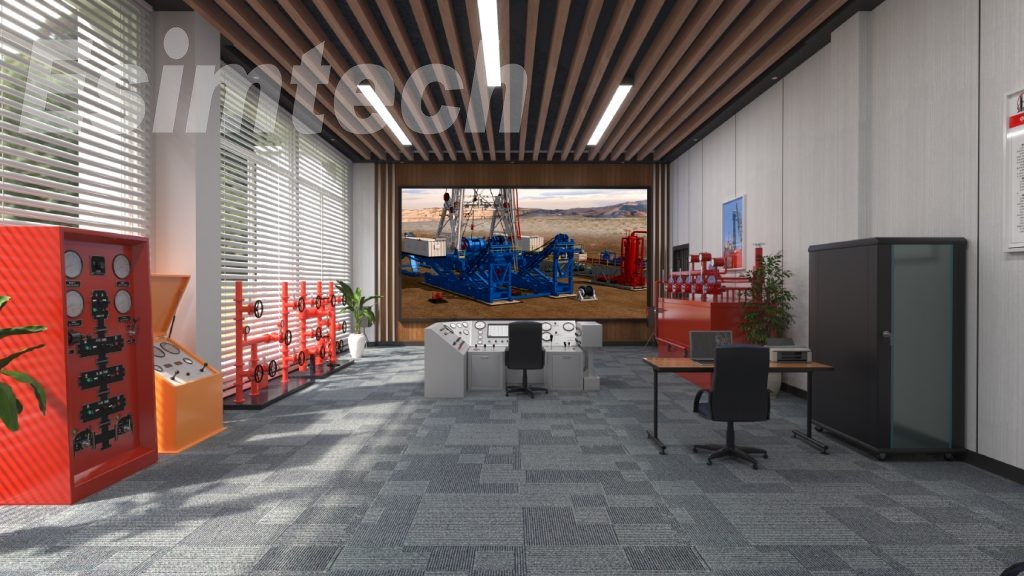
Drilling digital twin models aid operators in visualizing and simulating drilling rig performances, facilitating optimization and issue recognition.
3. Directional and Extended Reach Drilling:
Advances in drilling techniques allow exploration of previously inaccessible oil resources.
4. Electrification and Hybrid Power Systems:
Transitioning to electrified or hybrid power systems minimizes pollutants, reduces operational costs, and improves energy efficiency.
5. High-Performance Drilling Equipment:
Cutting-edge drill bits, motors, and downhole tools enhance drilling speed, accuracy, and reliability.
6. Drilling Fluid and Cuttings Management:
Environmentally friendly drilling fluids lessen the environmental impact of drilling operations.
7. Underbalanced Drilling:
Maintaining reservoir pressure during drilling enhances safety and reservoir recovery rates.
8. Advanced Sensors and Data Analytics:
Real-time data and analytics optimize drilling processes and equipment maintenance.
9. Modular Rig Designs:
Modular designs enable quicker setup and dismantling, reducing downtime and costs.
10. Renewable Energy Integration:
Integrating solar and wind power reduces carbon footprints and operational costs.
11. Drone Technology:
Drones improve efficiency and safety through aerial surveys, monitoring, and inspections.
12. Wellbore Imaging Tools:
Advanced imaging systems provide real-time subsurface data for improved drilling trajectories.
13. Advanced Cementing and Wellbore Isolation:
Innovations in cementing technology enhance wellbore integrity and minimize leakage risks.
14. Hydraulic Fracturing Technologies:
Multi-stage fracking and micro-seismic monitoring improve oil and gas recovery from unconventional sources.
Conclusion
Land-based oil rigs play a crucial role in the global energy sector, extracting fossil fuels vital for modern society. While offering economic benefits and energy security, these operations also pose environmental challenges. Technological innovations are essential for meeting energy demands while addressing environmental concerns, ensuring a sustainable future for the oil and gas industry.
Horizontal oil drilling stands as a pioneering innovation within the oil and gas industry, revolutionizing the accessibility and production of hydrocarbon resources. In this exploration, we delve into the intricacies of horizontal oil drilling, its associated advantages, challenges, environmental considerations, and the indispensable role played by simulation technology in this transformative process.
The Process of Horizontal Oil Drilling
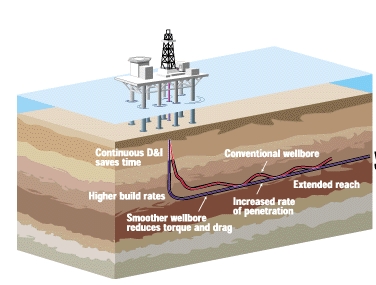
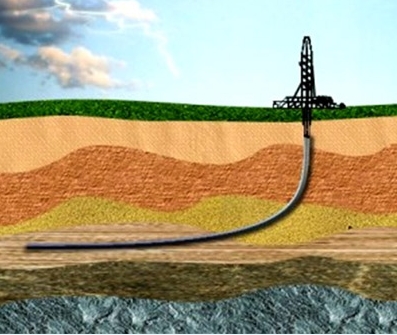
Horizontal drilling, also known as directional drilling, involves drilling a wellbore at an angle to access oil or gas reservoirs beneath the Earth's surface. Here's a breakdown of the process:
Vertical Drilling: Initially, a wellbore is drilled vertically from the surface to a certain depth.
Build Section: At a specified depth, the drilling direction is altered, curving the wellbore to create a "build section."
Horizontal Drilling: Following the curve, the wellbore extends horizontally through the oil or gas reservoir.
Well Completion: Once the desired horizontal length is achieved, the well is completed with casing and cement to facilitate production.
Advantages of Horizontal Oil Drilling
Increased Reservoir Access: Horizontal drilling allows access to previously inaccessible reserves, enhancing the amount of recoverable oil and gas.
Enhanced Recovery Rates: The horizontal portion of a well provides increased contact with the reservoir, leading to higher recovery rates.
Reduced Environmental Impact: Operators can minimize surface footprint and environmental damage by accessing reservoirs from a single drilling location.
Improved Well Economics: Horizontal drilling offers commercial appeal with higher recovery rates and lower drilling costs.
Enhanced Well Control: By controlling the trajectory, operators can avoid geological complications and drilling issues.
Challenges and Environmental Considerations
Challenges:
Technical Complexity: Horizontal drilling requires sophisticated equipment and expertise, making it more technically demanding than vertical drilling.
Increased Costs: The technology and expertise involved in horizontal drilling may lead to higher initial expenses.
Regulatory Compliance: Strict adherence to regulations is crucial for safe and environmentally responsible drilling.
Wellbore Integrity: Maintaining wellbore integrity is essential to prevent accidents and ensure long-term productivity.
Environmental Considerations:
Reduced Surface Impact: Horizontal drilling minimizes surface disruption, particularly beneficial in ecologically sensitive areas.
Risk of Contamination: Careful management is required to prevent groundwater contamination from drilling fluids and hydrocarbon migration.
Spill Prevention: Comprehensive spill prevention plans are essential to address environmental risks effectively.
Habitat Protection: Operators must consider the impact on local wildlife habitats and ecosystems.
The Vital Role of Simulation Technology
Simulation technology plays a crucial role in optimizing horizontal drilling operations:
Geosteering: Drilling simulators utilizes 3D models of the subsurface to guide the drill bit precisely within the reservoir in real-time.
Drilling Trajectory Planning: Designs the ideal well path, considering geological data, wellbore stability, and reservoir parameters.
Wellbore Stability Analysis: Predicts mechanical behavior, evaluates strains and pressures, and forecasts potential issues like wellbore collapse or fluid ingress.
Real-time Monitoring and Adjustments: Provides immediate feedback for drillers to make adjustments to drilling parameters during the operation.
Benefits of Simulation in Horizontal Drilling
Precision and Accuracy: Simulation ensures precise wellbore placement, minimizing deviation and intercepting the most productive reservoir areas.
Enhanced Efficiency: Optimizes trajectories and parameters, reducing drilling time, operational costs, and complications.
Risk Mitigation: Identifies potential challenges in advance, enabling proactive risk management and stability assurance.
Improved Recovery Rates: Accurate placement maximizes recovery, leading to higher production rates and profitability.
Safety and Environmental Protection: Virtual emergency simulation Prevents safety risks and environmental concerns by avoiding issues like instability and fluid influx.
Conclusion
Horizontal oil drilling has reshaped the oil and gas industry, unlocking previously inaccessible resources and increasing recovery rates. Simulation technology ensures that drilling operations are optimized for maximum recovery and safety. As the industry continues to evolve, horizontal drilling will play a pivotal role in meeting energy demands sustainably while safeguarding the environment.
The offshore oil and gas industry stands as a cornerstone of the global energy supply chain, yet it harbors inherent dangers. Oil rig accidents can unleash severe consequences, from injuries to environmental calamities and economic losses. In this piece, we delve into the various types of various types of oil rig accidents and the injuries they can inflict upon workers, shedding light on critical safety concerns in this high-stakes industry.
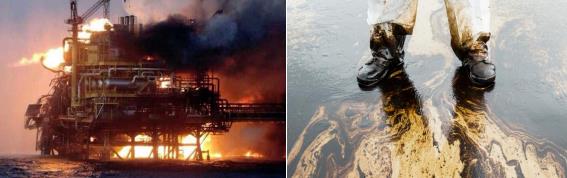
Types of Oil Rig Accidents
Blowouts: A blowout, the stuff of nightmares in the offshore oil industry, occurs when high-pressure oil or gas erupts uncontrollably from the well. Triggered by equipment failures, human error, or a blend of factors, blowouts often lead to catastrophic explosions. Resulting injuries can include severe burns, traumatic injuries, exposure to toxic gases, and psychological trauma.
Fires and Explosions: These incidents, stemming from equipment malfunctions, electrical faults, or human error, pose significant risks. Fires and explosions can cause extensive damage, including rig destruction, and result in severe burns, smoke inhalation, and traumatic injuries to workers.
Falls and Falling Objects: Given the towering structures of oil rigs, workers are susceptible to falls from heights or being struck by falling objects. These accidents can cause broken bones, head injuries, spinal cord damage, and lacerations, emphasizing the importance of stringent safety measures.
Weather-Related Incidents: Offshore rigs are at the mercy of adverse weather conditions, such as storms and hurricanes, which can lead to rig movements, damage, or topples. Workers may suffer traumatic injuries or drowning, emphasizing the need for proactive safety measures and emergency response plans.
Collisions and Groundings: Collisions between vessels and oil rigs or groundings of rigs can result in structural damage, oil spills, and environmental damage. Injuries may include traumatic injuries, drowning, and environmental impact, highlighting the importance of navigational vigilance and equipment maintenance.
Role of Simulation Training
Simulation technology emerges as a crucial tool in preventing oil rig accidents and injuries, offering several benefits:
Realistic Scenario Practice: Workers can simulate realistic accident scenarios, enhancing their understanding of emergency dynamics and response strategies.
Preventative Measures: Simulation training aids in hazard recognition, empowering workers to proactively identify and mitigate risks.
Response Preparedness: Emergency training simulation prepares workers for swift and effective responses in emergencies, guiding them through assessments, task prioritization, and necessary actions.
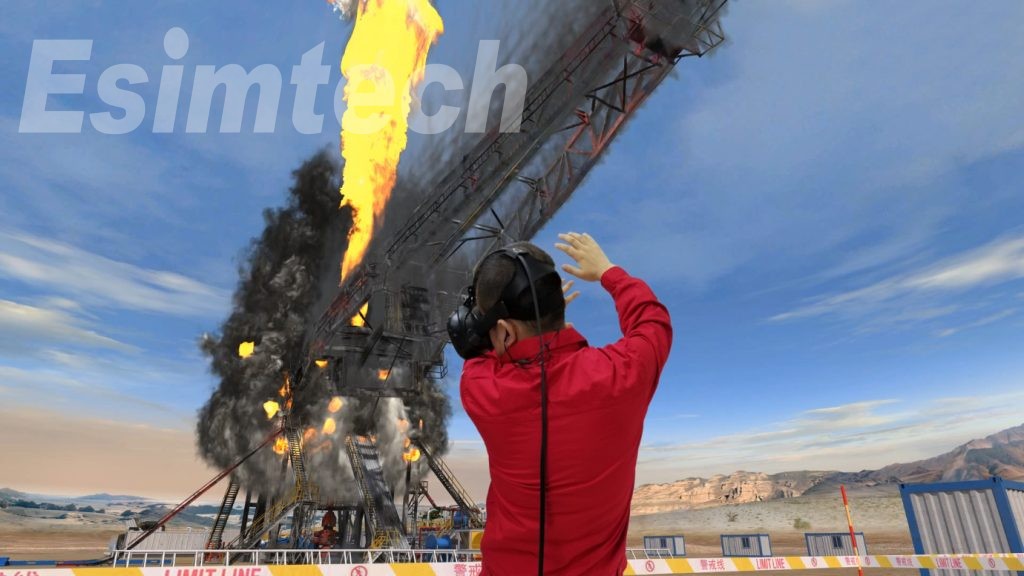
Hands-On Experience: Simulation training provides practical experience, boosting confidence and competence in operating equipment, using safety gear, and applying protocols.
Environmental Protection: Simulation training extends to minimizing environmental damage, ensuring workers can contain pollutants and protect the ecosystem in case of accidents.
Conclusion
In conclusion, while the offshore oil and gas industry is vital for global energy needs, it is not without peril. Understanding and addressing these risks demand concerted efforts from rig operators, workers, and regulatory bodies. By prioritizing safety, leveraging advanced technologies like simulation training, and fostering collaboration, the industry can mitigate risks and safeguard lives, the environment, and its own sustainability.
Oil rigs, also known as drilling platforms or offshore platforms, stand as testament to human engineering prowess, facilitating the extraction of valuable hydrocarbon resources from beneath the ocean floor. These structures are pivotal to the global oil and gas industry, enabling the extraction of crude oil and natural gas from offshore reserves. In this comprehensive guide, we explore the diverse types of oil rigs tailored to unique offshore environments and drilling demands, alongside considerations for selecting the optimal rig for your project.
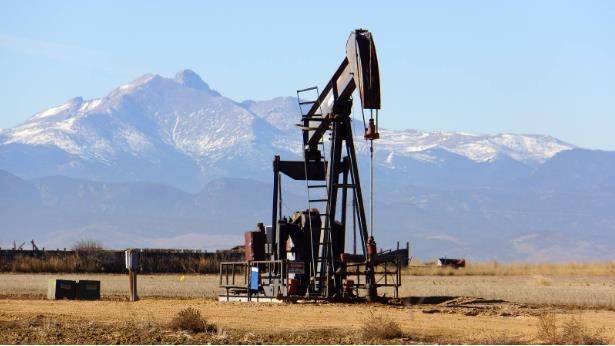
Exploring the Spectrum of Oil Rigs:
Fixed Platform Rigs:
Fixed platform rigs are stalwart fixtures, firmly anchored to the ocean floor. They come in various configurations, including:
Jack-up Platforms: Deployed in shallow waters, supported by adjustable legs.
Conductor Support Platforms: Designed for deep-water drilling, supported by vertical conductors.
Caisson Platforms: Massive hollow structures, utilized in shallow to ultra-deep waters.
Semi-Submersible Rigs:
Semi-submersible rigs offer versatility, partially submerged and regulated by ballast systems. Renowned for their stability, they operate effectively in various water depths and adverse weather conditions.
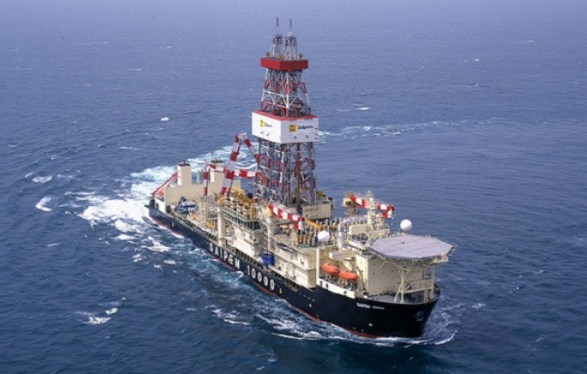
Drillship Rigs:
Drillship rigs, resembling mobile vessels, boast agility and mobility for deepwater and ultra-deepwater drilling. Ideal for exploratory drilling in remote offshore locations.
Tension Leg Platform (TLP) Rigs:
TLP rigs excel in deepwater drilling projects, anchored to the seabed with tension-maintaining tethers or tendons, ensuring stability amid significant wave motion.
Floating Production Storage and Offloading (FPSO) Rigs:
FPSO rigs serve a dual purpose, not only drilling but also processing and storing crude oil. Positioned above offshore fields, they oversee oil processing until tanker ships transport it ashore.
Compliant Tower Rigs:
Compliant tower rigs, tailored for water depths of 300 to 2,000 feet, feature slender towers anchored to the seabed. Their design enables them to sway with natural waves, ensuring operational stability.
Subsea Rigs:
A cutting-edge innovation, subsea rigs eliminate the need for conventional above-water platforms, conducting drilling operations directly from the seabed. Ideal for ultra-deepwater drilling, they offer remote operability from surface vessels.
Articulated Column Rigs:
Articulated column rigs are specialized for Arctic conditions, anchored by a single vertical column that pivots to maintain stability amidst ice movements and severe weather.
Mini Rigs:
Mini rigs, compact and portable, cater to shallow water or near-shore drilling projects. Easily transported by truck, they offer swift deployment for minor drilling endeavors.
Selecting the Right Oil Rig: Considerations and Guidelines:
Drilling Location:
Pinpoint the drilling site's specifics, considering geographical factors, proximity to shore, and water depth.
Water Depth Assessment:
Different rigs are suited to varying water depths. Match the rig type to the depth range of the drilling location.
Drilling Objectives Clarification:
Define the purpose of drilling—exploration, production, or maintenance—to align rig selection with project goals.
Environmental Conditions Evaluation:
Assess environmental factors like weather patterns and currents to choose a rig capable of withstanding local conditions.
Mobilization and Demobilization:
Consider ease of rig transportation and deployment, balancing mobility with operational requirements.
Budgetary and Cost Constraints:
Evaluate project budget and operational costs to select a rig that aligns with financial parameters.
Regulatory Compliance and Permitting:
Ensure adherence to regulatory standards and obtain necessary permits for drilling activities.
Safety and Risk Assessment:
Prioritize rig safety features and emergency response capabilities, conducting thorough risk evaluations. The drilling simulation training system can be of great assistance in assessing safety and risk in oil rigs. It is specifically designed for training individuals on all aspects of safe and effective drilling rig operations, using a display screen, the 3D animation depicting the working conditions, while sound effects imitating a real rig floor create a fully engaging and immersive training environment.
Consultation and Expert Advice:
Seek guidance from drilling professionals and industry experts to inform rig selection decisions.
Flexibility and Adaptability:
Opt for rigs that offer flexibility to operate in diverse conditions and adapt to changing project requirements.
Maintenance and Availability Considerations:
Assess rig availability and maintenance schedules to ensure timely project execution.
Environmental Impact Mitigation:
Choose environmentally conscious rig options to minimize ecological harm from drilling activities.
Conclusion:
Oil rigs represent the pinnacle of human innovation and engineering prowess, facilitating the extraction of invaluable energy resources from beneath the ocean's depths. Selecting the right rig entails a meticulous evaluation of project requirements, environmental factors, regulatory compliance, and budgetary considerations. By aligning rig selection with project objectives and operational realities, stakeholders can navigate the complexities of offshore drilling with confidence and efficiency, ensuring the sustainable extraction of Earth's precious energy reserves.
Oil and gas drilling, a cornerstone of the global energy economy, involves extracting valuable hydrocarbon resources from beneath the Earth's surface to satisfy growing energy needs worldwide. In this article, we'll delve into the fascinating realm of oil and gas drilling, examining its methods, technologies, challenges, and pivotal role in fueling our contemporary world.
The Significance of Oil and Gas Drilling
Oil and gas drilling is indispensable to both the global economy and modern civilization. This industry serves diverse functions beyond merely meeting daily energy requirements:
Energy Production: Oil and natural gas are versatile energy sources utilized for electricity generation, heating, transportation, and industrial processes. They are essential for sustaining our energy-dependent lifestyles.
Economic Driver: The oil and gas sector significantly contributes to the global economy, generating substantial revenue, creating jobs, and fostering economic development, particularly in regions rich in hydrocarbon reserves.
Infrastructure Development: Drilling operations necessitate the construction of extensive infrastructure, including drilling rigs, pipelines, refineries, and distribution networks, which not only support the industry but also spur growth in surrounding areas.
Global Trade: Hydrocarbon exports and imports are vital for many nations, driving international trade and influencing geopolitical dynamics on a global scale.
Government Revenue: Oil and gas activities generate substantial revenue for governments through taxes, royalties, and licensing fees, which fund public services and infrastructure projects.
Energy Security: Access to domestic hydrocarbon reserves enhances a nation's energy security by reducing reliance on foreign sources, mitigating risks during geopolitical instabilities or supply disruptions.
Chemical Industry: Petrochemicals derived from oil and gas serve as feedstocks for various products, including plastics, chemicals, fertilizers, and pharmaceuticals, supporting numerous industries.
Transportation: Oil and gas power the transportation sector, driving automobiles, trucks, ships, and airplanes, facilitating global commerce, trade, and tourism.
Resource Exploration: Oil and gas drilling is essential for discovering new hydrocarbon deposits, ensuring a stable and sustainable energy supply as existing sources deplete.
Balancing Energy Mix: While transitioning to cleaner energy sources, oil and gas play a crucial role in providing reliable power and backup during intermittent renewable energy generation, contributing to a balanced energy mix.
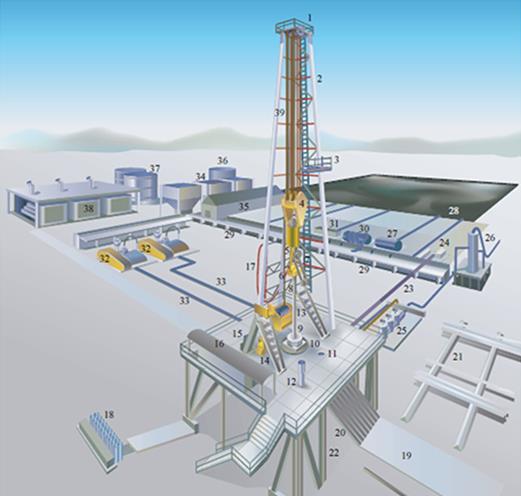
The Oil and Gas Drilling Process
Oil and gas drilling involves a complex, multi-stage process, encompassing:
Exploration: Geological surveys and seismic research locate potential hydrocarbon-bearing formations, followed by exploratory drilling to confirm their presence.
Well Planning: Engineers and geologists meticulously design the well, considering factors such as depth, geology, and potential challenges.
Drilling: Massive drilling rigs penetrate the Earth's crust using rotary drilling methods, aided by drilling mud to cool the drill bit and carry cuttings to the surface.
Casing and Cementing: Steel casing pipes stabilize the wellbore, and cement seals the space between the casing and the rock, preventing hydrocarbon migration.
Completion: Installation of equipment like wellheads and production tubing allows hydrocarbon extraction from the reservoir.
Production: Hydrocarbons flow from the reservoir through the wellbore to the surface, where they undergo processing, refining, and distribution.
Challenges and Innovations in Oil and Gas Drilling
The oil and gas industry faces various challenges, spurring innovations to address them:
Deepwater Exploration: Innovations like dynamically positioned drillships and subsea production systems enable drilling in challenging deepwater environments.
Unconventional Reservoirs: Advancements in fracking technologies, including horizontal drilling, have unlocked vast unconventional reserves.
Environmental Concerns: Innovations like closed-loop drilling systems and advanced monitoring technologies mitigate environmental impacts.
Safety and Well Control: Advanced blowout preventers and real-time monitoring systems provided by drilling and well control simulators enhance operational safety.

Efficiency and Cost Control: Automation and digital technologies improve operational efficiency and cost-effectiveness.
Energy Transition: The industry explores carbon capture, hydrogen production, and renewable energy investments to adapt to a shifting energy landscape.
Exploration in Extreme Conditions: Specialized equipment facilitates exploration in remote and extreme environments.
Sustainable Practices: Adoption of biofuels, offshore wind, and environmentally friendly methods align with sustainability goals.
Conclusion
Oil and gas drilling remains crucial for meeting global energy needs, driving economic growth, and supporting modern lifestyles. Despite challenges, the industry continues to innovate, striving for efficiency, safety, and environmental sustainability. Understanding the complexities of drilling operations underscores the significance of the energy sector in powering our modern society.