
Drilling operations in the oil and gas industry demand meticulous safety measures and precise control mechanisms to mitigate risks effectively. Among these critical safety components, the Annular Blowout Preventer (BOP) stands out as a fundamental safeguard in well control. This article explores the vthe versatile design and pivotal role of annular BOPs in ensuring the safety of personnel and the integrity of drilling operations.
What is an Annular Blowout Preventer?
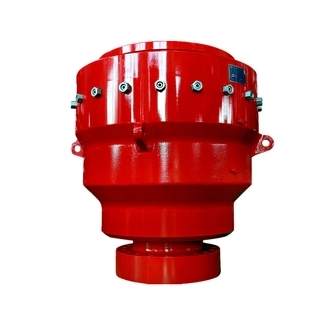
An Annular Blowout Preventer (BOP) is a pivotal safety device employed in oil and gas drilling operations. It serves as a crucial barrier against uncontrolled fluid releases from a well. This specialized component comprises a circular, rubberized sealing element, often resembling a donut, which can be activated hydraulically to envelop the drill pipe or casing within the wellbore. During routine operations, the annular BOP remains open, allowing the drill string to move freely. However, in emergencies such as well control issues or blowouts, it swiftly closes, creating a seal to prevent the escape of fluids under high pressure. This flexibility in accommodating various pipe sizes and shapes makes the annular BOP a versatile safety measure.
Annular Blowout Preventer vs RAM Blowout Preventer:
An Annular BOP uses a flexible, donut-shaped rubber element that adapts to different pipe sizes, offering versatility in accommodating variable sizes and shapes within the wellbore. Conversely, a Ram BOP employs steel rams that move horizontally or vertically to seal the wellbore, providing a more rigid and direct closure around specific pipe sizes and types. While Annular BOPs excel in adaptability, enabling them to handle diverse pressure conditions and different pipe dimensions, Ram BOPs offer a more precise and robust closure for specific pipes.
Applications Across Industries:
Annular Blowout Preventers find applications across various industries such as automotive, aerospace, construction, manufacturing, oil and gas, marine/maritime, rail/transportation, and others. These applications range from securing critical components in vehicles and aircraft to ensuring the structural integrity of buildings and infrastructure projects.
Conclusion:
In summary, Annular Blowout Preventers play a pivotal role in preventing uncontrolled fluid releases during drilling operations. Their adaptable design accommodates various pipe sizes, ensuring versatile safety measures. Incorporating advanced drilling simulation tools allows drilling teams to master the operation of Annular BOPs in different scenarios, enhancing safety standards in drilling operations. Through simulations, personnel can refine their skills, ensuring efficient deployment of these critical safety devices for optimal well control and heightened safety standards in drilling operations.
Vertical drilling stands as the bedrock method for tapping into the vast reservoirs of hydrocarbons buried beneath the Earth's surface, marking a crucial stage in the quest for energy resources. Often referred to as "vertical well drilling," this technique involves piercing the Earth's crust vertically, providing access to lucrative oil and natural gas deposits. In this comprehensive overview, we'll delve into the principles, key techniques, applications, and the pivotal role of simulation technology in vertical drilling operations within the oil and gas sector.

Principles of Vertical Drilling
Direct Descent: As the name suggests, vertical drilling entails creating a wellbore that descends straight into the ground, perpendicular to the surface. This contrasts with directional drilling, where the trajectory may deviate to reach specific targets.
Drilling Rig: Central to vertical drilling is the drilling rig, a sophisticated piece of equipment engineered to bore through various subterranean materials. Equipped with a drilling bit, drill pipe, and essential tools, the drilling rig facilitates the drilling process with precision and efficiency.
Mud Circulation: Specialized drilling fluid, known as "mud," is crucial in vertical drilling. It serves multiple functions, including cooling and lubricating the drill bit, stabilizing the wellbore, and transporting cuttings to the surface for analysis.
Key Techniques in Vertical Drilling
Spudding: This initial step involves using a specialized spud bit to drill a shallow starting hole or "spud" at the surface, ensuring stability for subsequent drilling operations.
Rotary Drilling: The most common technique, rotary drilling employs a spinning drill bit attached to a drill pipe. As the bit cuts into the subsurface material, circulating drilling fluid ("drilling mud") transports cuttings to the surface, making it effective across various geological formations.

Percussion Drilling: Also known as cable tool drilling, this method involves repeatedly raising and dropping a heavy chisel-like bit to break rock formations. Although less prevalent, it finds application in drilling through hard rock.
Air Rotary Drilling: Compressed air is utilized to remove cuttings and cool the drill bit in this technique, particularly effective in unconsolidated or loosely consolidated formations like sands and gravels.
Coring: This method involves taking a cylindrical core sample from the subsurface, providing crucial geological information for mineral exploration, environmental assessment, and geotechnical studies.
Reverse Circulation Drilling, Auger Drilling, Diamond Drilling, Direct Push Drilling, and Geothermal Drilling: These techniques cater to specific drilling needs, from obtaining large-diameter core samples to minimal disturbance drilling in environmental and geotechnical applications.
Applications of Vertical Drilling in the Oil and Gas Industry
Exploration and Production: Vertical drilling serves as the primary method for accessing deep hydrocarbon sources, laying the groundwork for subsequent extraction operations.
Reservoir Characterization: Crucial in understanding oil and gas reserves, vertical drilling provides insights into the composition, porosity, and permeability of subsurface strata, aiding in reservoir assessment.
Workover Operations: Vertical drilling plays a role in maintaining, repairing, or enhancing existing wells, allowing access to different reservoir zones and stimulating production.
Secondary and Tertiary Recovery: Employed in enhanced oil recovery methods, vertical drilling facilitates the introduction of fluids into reservoirs to maximize hydrocarbon recovery.
The Significance of Simulation Technology in Vertical Drilling
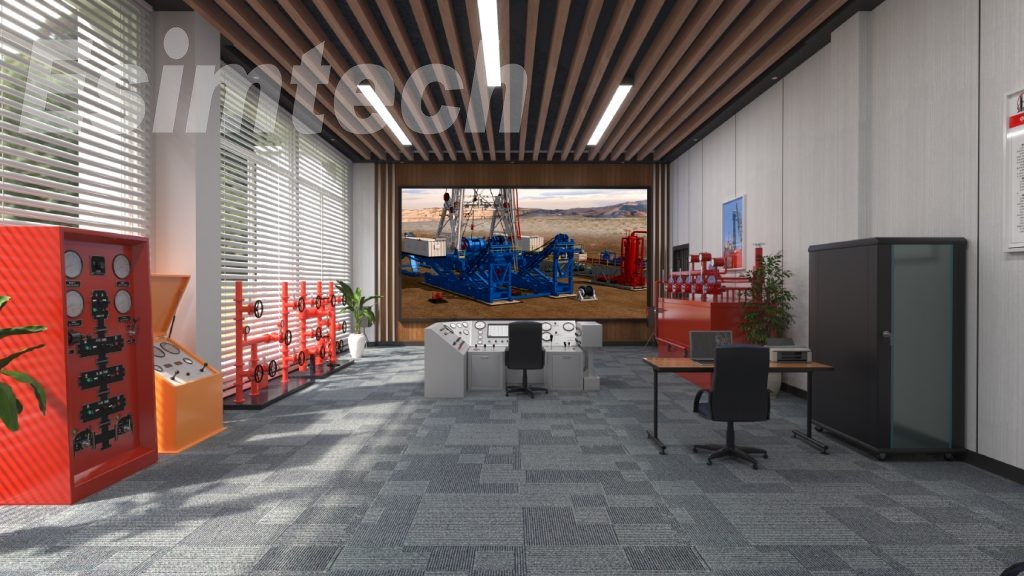
Simulation technology replicates real-world drilling scenarios in a virtual environment, offering invaluable benefits:
Risk Mitigation: Detect potential obstacles and hazards associated with drilling operations, allowing engineers to devise mitigation techniques and reduce the likelihood of setbacks.
Optimized Drilling Parameters: Fine-tune drilling parameters to maximize penetration rates while minimizing equipment wear and tear, leading to cost savings and enhanced efficiency.
Training and Skill Development: Provide a safe environment for drillers and engineers to develop their skills and gain hands-on experience before operating real drilling rigs, improving safety and reducing the learning curve.
Wellbore Stability Analysis: Predict potential wellbore instability issues and design solutions to prevent them, ensuring safe and successful drilling operations.
Economic Feasibility: Assess the economic viability of drilling projects by modeling different scenarios, aiding in decision-making and resource allocation.
Conclusion
Vertical drilling remains a cornerstone technology in the oil and gas industry, enabling access to vital energy resources buried deep beneath the Earth's surface. The integration of simulation technology enhances drilling operations, making them more efficient, cost-effective, and environmentally responsible. As technology continues to evolve, the role of vertical drilling, coupled with simulation advancements, will remain indispensable in meeting global energy demands while ensuring sustainable resource utilization for generations to come.
The oil and gas industry operates within a complex network of equipment designed to extract, process, and transport hydrocarbons efficiently and safely. This article provides insight into the vital role of oil and gas equipment and emphasizes the applications of simulation technology within the industry.
Key Categories of Oil and Gas Equipment
Exploration and Drilling Equipment
The journey begins with exploration, where seismic sensors, geophysical instruments, and advanced imaging technologies locate potential reserves. Drilling equipment, including drill bits and mud pumps, is then deployed to tap into these reservoirs, showcasing engineering marvels capable of withstanding extreme conditions.
Production and Extraction
Following successful drilling, the production phase commences. Extraction equipment such as pumps, separators, and wellheads collaborate to bring hydrocarbons to the surface while ensuring safety and environmental protection.
Processing and Refining
Raw crude oil and natural gas undergo processing and refining to remove impurities and convert them into usable products. Equipment such as distillation towers and catalytic converters play crucial roles in this conversion process.
Transportation
Efficient and safe transportation of processed products is facilitated by pipelines, tankers, and railcars. Stringent safety and environmental standards are adhered to, mitigating the risk of accidents and oil spills.
Storage and Distribution
Storage tanks regulate the flow of oil and gas products, ensuring a steady supply to meet market demands. Distribution equipment, including loading racks and metering systems, facilitates the final leg of the journey to consumers.
Safety and Environmental Protection
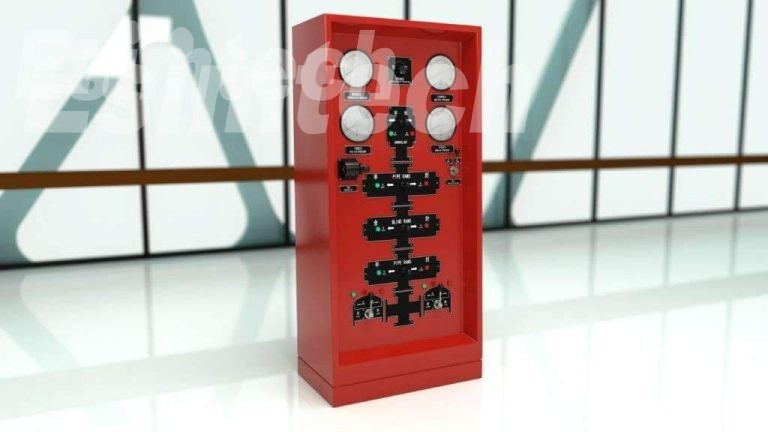
Blowout preventers, flame arrestors, and safety valves are deployed to prevent accidents and minimize equipment failures. Extensive monitoring systems detect potential issues, ensuring responsible industry operations.
The Vital Role of Simulation in Oil and Gas Equipment
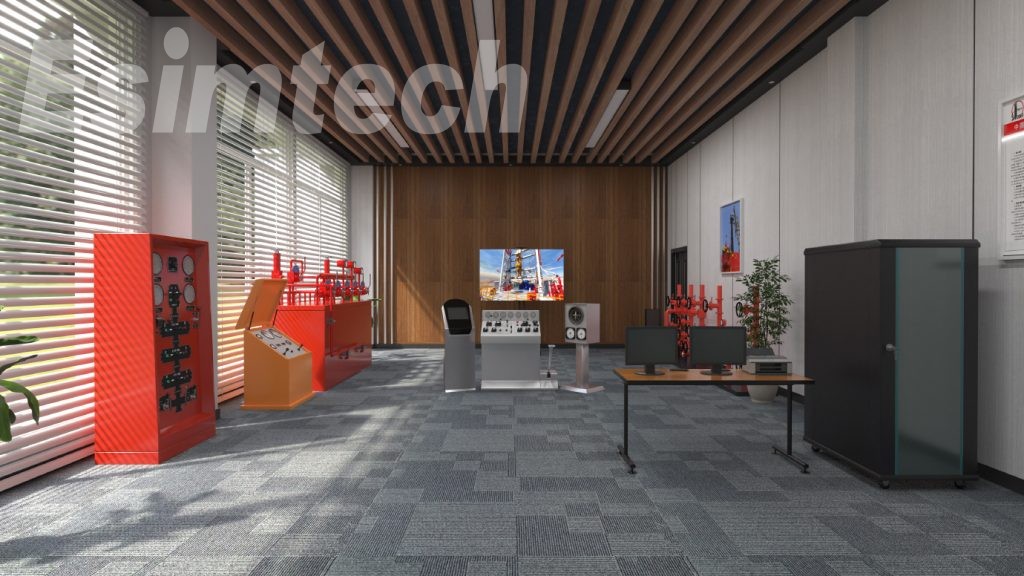
Oil and gas simulation technology is indispensable in high-risk environments. Advantages of simulation include risk reduction, cost savings, efficiency improvement, environmental responsibility, knowledge transfer, and operational flexibility.
Conclusion
Oil and gas equipment is essential for meeting global energy demands. Simulation technology enhances industry operations, ensuring efficiency, safety, and environmental stewardship. As the industry evolves, simulation becomes increasingly vital in driving responsible and sustainable energy solutions.
Offshore oil rig work presents a unique blend of financial rewards and challenges, underscored by the need to navigate a remote and demanding environment. This article provides a comprehensive exploration of the multifaceted risks associated with offshore oil rig employment and outlines strategies to effectively manage and mitigate these challenges.
Main Risks of Offshore Oil Rig Work
1. Environmental Challenges:
Offshore oil rigs operate in harsh and unpredictable environments, subjecting workers to extreme weather conditions and slippery surfaces.
The risk of falling overboard due to challenging sea conditions necessitates strict adherence to safety protocols and personal protective equipment.
2. Health and Safety Hazards:
The complex machinery, high-pressure systems, and handling of flammable materials pose various health and safety risks, including slips, trips, falls, and more severe threats like oil explosions and chemical exposure.
Rig employees undergo rigorous training to adhere to strict safety protocols and utilize personal protective equipment effectively.
3. Emergency Situations:
Offshore oil rigs are equipped with safety measures and emergency response plans to address contingencies, though isolation challenges may hinder prompt responses to critical incidents.
Workers must be well-versed in emergency procedures, evacuation protocols, and the use of safety equipment.
4. Limited Medical Facilities:
While offshore rigs have medical facilities and trained personnel, the distance from comprehensive medical care poses challenges in cases of severe injuries or illnesses.
Remote locations may impede timely access to advanced medical facilities, potentially impacting the outcome of medical emergencies.
5. Transportation Risks:
Transporting workers via helicopters or boats carries inherent risks, including accidents during take-off and landing and challenges posed by rough seas.
Rig workers undergo specialized training to mitigate transportation risks and ensure safe travel to and from offshore platforms.

Safety Measures for Offshore Oil Rig Work
To mitigate risks and ensure the safety of workers, offshore oil rig operations implement a range of safety measures, including:
Personal Protective Equipment (PPE) such as hard hats, safety glasses, ear protection, flame-resistant clothing, and steel-toed boots.
Fall prevention measures including guardrails, safety nets, and fall arrest systems.
Well-defined emergency response plans, regular drills, and training for all personnel.
Fire safety protocols including fire-resistant materials, firefighting equipment, and regular fire drills.
Confined space entry protocols, hazardous materials handling procedures, and safe lifting and handling practices.
Regular maintenance and inspection of tools and equipment, along with proper usage and storage procedures.
Simulation Technology in Offshore Oil Rig Operations
Oil and gas simulation technology plays a crucial role in enhancing safety, efficiency, and environmental protection in offshore rig operations by:

Providing a controlled environment for training and skill development without exposure to real risks.
Improving operational efficiency through hands-on experience with complex equipment and procedures.
Supporting environmental protection efforts through oil spill response training and environmental monitoring simulations.
Facilitating cost reduction, technology integration, research and development, risk assessment, and operational flexibility.
Conclusion
While working on an offshore oil rig presents inherent risks, rigorous safety measures, ongoing training, and a commitment to continuous improvement are paramount to mitigating these challenges. The oil industry recognizes the importance of prioritizing safety and sustainability to protect the well-being of its workforce and the environment, ensuring a safer and more efficient future for offshore oil rig work.
Coastal drilling and offshore drilling are often discussed interchangeably, yet they represent distinct methods of extracting hydrocarbon resources from beneath the seabed. Both are essential for meeting global energy needs, but they differ significantly in location, depth, and environmental impact. In this piece, we'll explore the disparities between coastal drilling and offshore drilling, shedding light on their complexities.

Definition of Coastal Drilling and Offshore Drilling
Coastal Drilling
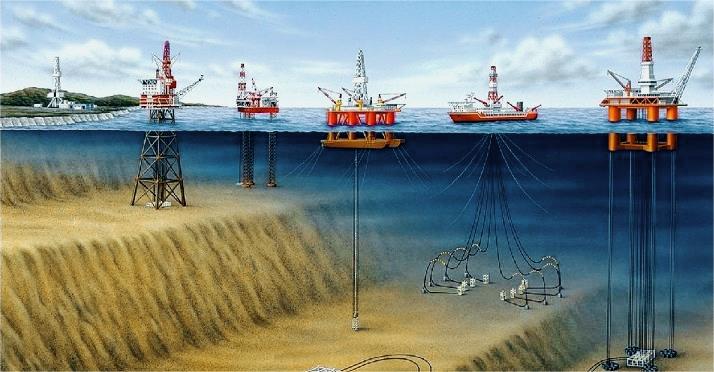
Coastal drilling involves extracting oil or gas located beneath the seabed relatively close to the shoreline. Operations are conducted in shallower waters and may utilize structures fixed to the seabed, subject to specific environmental regulations.
Offshore Drilling
Offshore drilling, however, entails extracting oil or gas from reservoirs situated beneath the seabed, typically at a distance from the coastline. It includes shallow-water, deepwater, and ultra-deepwater drilling, employing floating or fixed platforms anchored to the seabed.
Key Differences Between Coastal Drilling and Offshore Drilling
Location
Coastal Drilling: Conducted near the shoreline or in shallow waters.
Offshore Drilling: Occurs at varying distances from the coastline, including shallow, deep, and ultra-deep waters.
Water Depth
Coastal Drilling: Typically in waters less than 200 meters deep.
Offshore Drilling: Can occur in shallow, deep, and ultra-deep waters, depending on the location.
Environmental Impact
Coastal Drilling: Immediate impact on nearshore environments, posing risks to coastal ecosystems and communities.
Offshore Drilling: May have a lower immediate impact but can still affect marine life and ecosystems, especially in the event of oil spills.
Logistical Complexity
Coastal Drilling: Generally less complex due to proximity to infrastructure on land.
Offshore Drilling: More complex, requiring specialized equipment and facing transportation challenges.
Regulations and Permitting
Coastal Drilling: Subject to specific regulations related to coastal activities.
Offshore Drilling: Governed by extensive regulations and international treaties, especially in deep waters.
Distance to Reserves
Coastal Drilling: Targets reservoirs relatively close to the shoreline.
Offshore Drilling: Targets reservoirs at varying distances from the coastline, necessitating specialized platforms.
Safety and Environmental Considerations
Coastal drilling poses immediate risks to populated areas and ecosystems, necessitating stringent safety protocols and regulatory oversight. Offshore drilling, while more remote, demands preparedness for technical challenges and environmental protection, as evidenced by events like the Deepwater Horizon disaster.
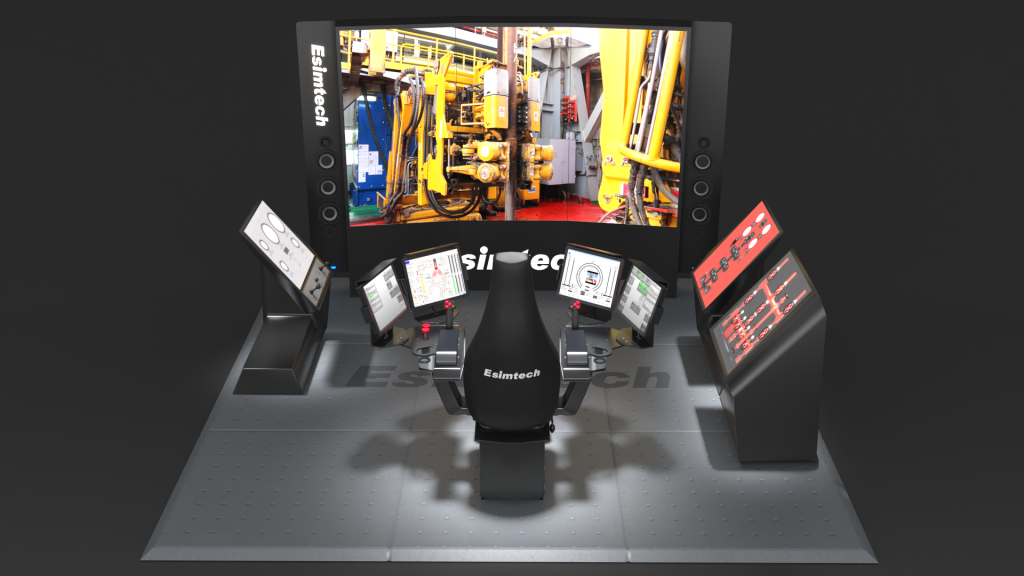
Esimtech provides cutting-edge oil and gas simulation tools designed to manage hazardous situations effectively. These innovative tools enable companies to simulate realistic scenarios, practice safety protocols, and train personnel without exposing them to the risks inherent in real-life exercises. By integrating this technology into safety plans, drilling operations can be made safer, and the overall safety performance of the industry can be significantly enhanced.
Conclusion
Coastal drilling and offshore drilling are distinct methods crucial for meeting global energy demands. Understanding their disparities is essential for implementing appropriate safety measures and environmental protections for each operation.