
Well control is the practice of maintaining hydrostatic pressure in a wellbore to prevent the uncontrolled flow of formation fluids. This critical aspect of oil and gas operations helps prevent blowouts, which are uncontrolled releases of oil and gas from a wellbore.

Blowouts can be extremely dangerous, causing serious injuries or death to workers, and resulting in significant damage to property and the environment. Well control helps prevent blowouts by balancing the hydrostatic pressure of the drilling fluid against the formation pressure.
Primary Well Control Methods
Drilling Fluid (Mud) Weight
The primary method of well control involves maintaining well control by using drilling mud, a specially formulated fluid that exerts hydrostatic pressure against the formation being drilled. The mud’s weight helps balance the pressure from the reservoir, preventing a blowout or loss of control.
Blowout Preventers (BOPs)
These are safety devices installed at the wellhead to control unexpected kicks (sudden influxes of formation fluids into the wellbore) and prevent blowouts. BOPs consist of various components like annular preventers, shear rams, and blind rams, which act as primary barriers in emergency situations.
Secondary Well Control Techniques
Kick Control Procedures
If primary control methods fail, secondary well control techniques are employed. These involve various measures to regain control after a kick has occurred. Techniques include shutting in the well, circulating out the influx of formation fluids, and well monitoring to ensure stability and safety.
Capping and Containment
Secondary control measures also encompass capping and containment methods. This involves sealing the well by installing specialized equipment, such as capping stacks, to control the flow or, in extreme cases, to completely shut in the well. Additionally, containment strategies are crucial for managing the flow of fluids from the well in the event of a blowout, enabling safe containment and recovery of any released hydrocarbons.
Well Control Equipment
The following are some of the most common well control equipment:
Blowout Preventer (BOP)

A BOP is a stack of valves and rams that can be used to seal the wellbore. It is the last line of defense against a blowout. BOPs are typically located at the top of the wellbore but can also be placed at other locations.
Chokes
Chokes are valves used to restrict the flow of oil and gas from the wellbore. They are typically used in conjunction with BOPs to provide additional control over the wellbore.
Kill Line
The kill line is a pipe used to pump kill fluid into the wellbore to increase hydrostatic pressure and kill the well. Kill fluid is typically a heavy mud denser than the drilling fluid.
Mud Pumps
Mud pumps are used to circulate drilling fluid through the wellbore, essential for maintaining the hydrostatic pressure of the drilling fluid.
Well Control Procedures
Well control procedures are a set of steps taken to prevent or control an influx of formation fluids into a wellbore. These procedures are essential for the safety of workers and the environment, as they help prevent blowouts.
Kill Weighting
This involves adding weight to the drilling fluid to increase its hydrostatic pressure, preventing formation fluids from entering the wellbore.
Choking Back
This involves restricting the flow of oil and gas from the wellbore by closing the choke valve on the wellhead.
Closing the BOP
The blowout preventer (BOP) is a stack of valves and rams that can be used to seal the wellbore, serving as the last line of defense against a blowout.
Advanced Well Control Techniques
Underbalanced Drilling
Drilling with a hydrostatic pressure lower than the formation pressure to increase the rate of penetration and improve production. However, it requires careful well control planning and execution.
Managed Pressure Drilling (MPD)
Using various techniques to control the pressure in the wellbore, typically used to drill wells with high formation pressures or in sensitive environments.
Dual Gradient Drilling (DGD)
Using two different drilling fluids with different densities to control the pressure in the wellbore, typically used to drill wells with very high formation pressures.
Well Control Training
All oil and gas workers who work on wells must be trained in well control. Well control training typically includes instruction on:
The principles of well control
Well control equipment and procedures
How to respond to well control emergencies
Well control training is crucial for ensuring the safety of workers and the environment. To enhance training effectiveness, the use of well control simulators is recommended. These simulators provide a realistic, risk-free environment for practicing well control responses, ensuring that oil and gas workers are well-prepared to handle emergencies with confidence.

Conclusion
Well control is a complex and critical aspect of oil and gas operations. By understanding and using well control techniques, operators can help prevent blowouts and other accidents. Well control is also important for protecting the environment and safeguarding companies from financial losses.
In the oil and gas industry, blowout preventers (BOPs) are crucial safety devices designed to prevent blowouts, which are uncontrolled releases of oil, gas, or other fluids from a well. Among the most important components of a BOP stack are shear rams and blind rams. This article explores their functions, advantages, disadvantages, and how to select between them.
Overview of Shear Rams and Blind Rams
Shear Rams
Shear rams are designed to cut through drill pipe and tubing in the event of a blowout. This capability helps to halt the uncontrolled release of oil and gas from the wellbore. Shear rams typically feature two or three blades made from hard and durable materials like tungsten carbide. These blades are engineered to shear through various sizes of drill pipe and tubing.
Shear rams are often used in conjunction with blind rams to ensure a complete seal of the wellbore. After the shear rams cut through the drill pipe and tubing, the blind rams can seal the wellbore, preventing any further flow of oil and gas.
Blind Rams
Blind rams are designed to seal the wellbore during a blowout, regardless of the presence of drill pipe or tubing. They feature two or three rubber seals that create a watertight seal on the wellbore.

Blind rams are typically used alongside shear rams to ensure a complete wellbore seal. However, they can also be employed independently to seal the wellbore when there is no drill pipe or tubing present.
Advantages and Disadvantages of Shear Rams and Blind Rams
Shear Rams
Advantages:
More effective at sealing the wellbore than blind rams.
Can cut through drill pipe and tubing, helping to prevent uncontrolled releases of oil and gas.
Can be used with blind rams for a complete wellbore seal.
Disadvantages:
Can damage the wellbore.
More expensive than blind rams.

Blind Rams
Advantages:
Less likely to damage the wellbore than shear rams.
Less expensive than shear rams.
Can seal the wellbore regardless of the presence of drill pipe or tubing.
Can be used with shear rams for a complete wellbore seal.
Disadvantages:
Not as effective at sealing the wellbore as shear rams.
Cannot cut through drill pipe and tubing.
How to Select Between Shear Rams and Blind Rams
When choosing between shear rams and blind rams, consider the following factors:
Risk of Blowout: If the risk is high, shear rams are preferable due to their superior sealing capabilities.
Condition of the Wellbore: If the wellbore is weak or damaged, blind rams are better to avoid further damage.
Need to Shear Through Drill Pipe or Tubing: If this is required, shear rams are necessary.
Cost: Shear rams are more expensive than blind rams.
Generally, shear rams and blind rams are used together to provide the most effective wellbore seal. However, in cases where the risk of damaging the wellbore is high, blind rams may be used alone.
Utilizing Drilling Simulation Technology
Drilling simulation technology can assist in selecting between shear rams and blind rams. Simulation software can model the wellbore and BOP stack to predict the performance of different types of BOP rams under various conditions. This technology helps in making informed decisions and reducing the risk of accidents by predicting:

The force required to shear through different sizes and materials of drill pipe or tubing.
The extent of damage shear rams might cause to the wellbore.
The effectiveness of blind rams in sealing the wellbore under different conditions.
Simulation software can also train BOP operators on the safe and effective use of different BOP rams, reducing human error and improving overall safety.
Conclusion
Shear rams and blind rams are vital components of a blowout preventer stack. Shear rams provide more effective wellbore sealing but can cause wellbore damage, while blind rams are less likely to damage the wellbore but are less effective at sealing. The choice between shear rams and blind rams depends on specific application requirements, including blowout risk, wellbore condition, need for shearing capabilities, and cost considerations.
Incorporating simulation technology can further aid in selecting the appropriate BOP rams, ensuring safety and efficiency in drilling operations.
Horizontal wells, often referred to as "snake wells," have revolutionized the hydrocarbon production industry. This innovative drilling method offers numerous advantages over traditional vertical wells. In this article, we explore the significance, techniques, and profound impact of horizontal wells on the energy sector.
Understanding Horizontal Wells
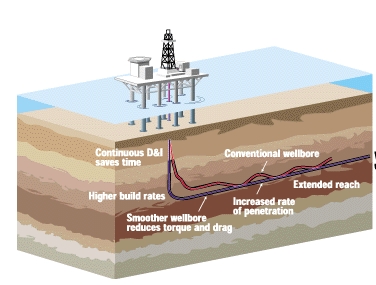
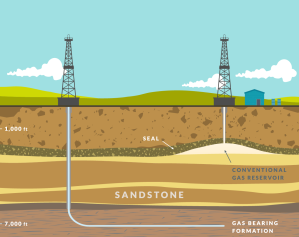
As the name suggests, horizontal wells deviate from the traditional vertical drilling method. Instead of drilling straight down, horizontal wells follow a curved path, extending horizontally beneath the surface through oil- or gas-bearing rock formations. This directional drilling technique enables access to previously untapped reservoirs.
Techniques for Drilling Horizontal Wells
Directional Drilling
The cornerstone of horizontal wells is directional drilling. It starts as a standard vertical well, but at a certain depth, the drill bit is redirected horizontally. Specialized tools and measurements, such as downhole drilling motors and measurement-while-drilling (MWD) systems, guide the drill bit along the desired path.
Steering Tools
Maintaining control over the wellbore’s direction is crucial. Tools like rotary steerable systems and mud motors ensure precise well steering.
Casing and Cementing
To maintain structural integrity and prevent fluid migration between geological layers, horizontal wells require additional casing and cementing at the curve and horizontal sections.
Perforation and Completion
Once drilling is completed, the wellbore is perforated to allow hydrocarbons to flow into the well. Completion operations, such as hydraulic fracturing, may be performed to stimulate reservoir production.
Production Logging
Continuous monitoring and production logging are essential for horizontal wells. These operations help assess reservoir performance, identify issues, and optimize production strategies.
The Significance of Horizontal Wells
Horizontal wells have significantly transformed the oil and gas industry.
Enhanced Recovery Rates
Horizontal drilling allows access to a larger portion of the reservoir, significantly increasing hydrocarbon extraction. This results in higher recovery rates compared to vertical wells.
Economic Efficiency
The financial benefits of horizontal wells often outweigh their initial drilling costs, making them a wise investment for operators.
Environmental Responsibility
Reduced surface disturbance and environmental impact contribute to more responsible resource extraction.
Reservoir Management
Horizontal drilling improves reservoir management, extending the life of oil fields and increasing production.
Maximizing Resources
As global energy demand grows, horizontal wells play a crucial role in maximizing oil and gas resources.
Mitigated Water and Gas Coning
Horizontal wells are less susceptible to water and gas coning, a common issue in vertical wells. This results in less diluted hydrocarbon production and higher quality crude oil.
The Role of Simulation in Enhancing Horizontal Wells
The precision required for horizontal oil drilling demands careful planning, training, and continuous monitoring. This is where simulation technology proves invaluable.
Training and Skill Development
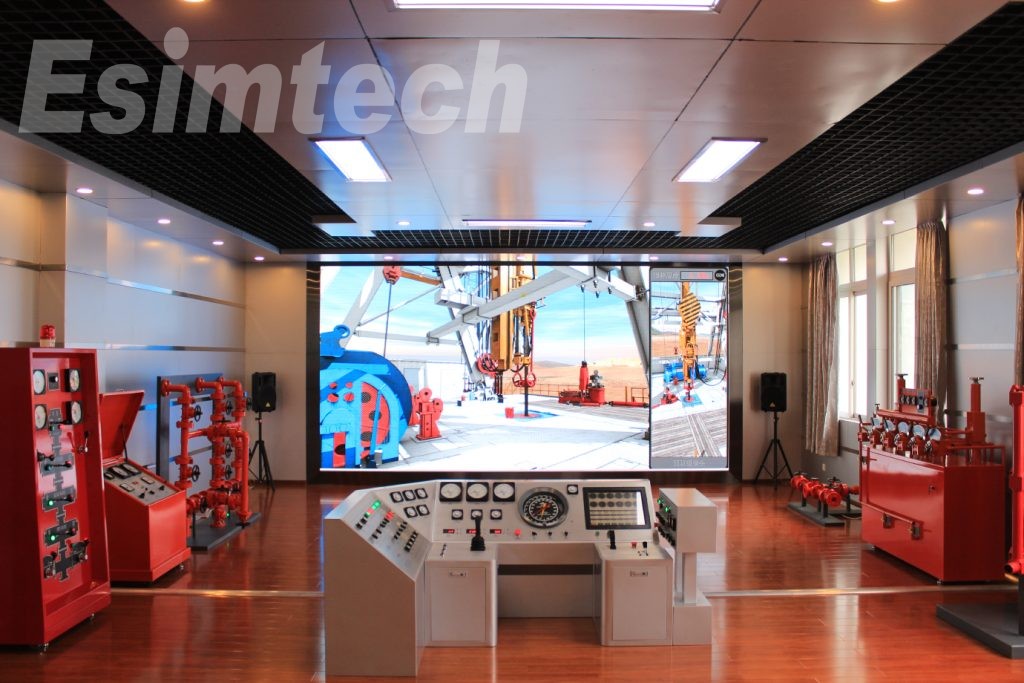
Horizontal drilling requires a specific skill set. Drillers must be proficient in directional drilling, downhole tool management, and geosteering. Drilling and well control training simulations provide a risk-free environment for skill development, allowing drillers to practice and refine their techniques.
Risk Mitigation
Horizontal drilling projects carry significant financial and environmental risks. Simulations enable operators to rehearse drilling procedures, anticipate potential challenges, and develop contingency plans, minimizing risks without the associated costs and dangers of real-world drilling.
Equipment Familiarization
Operators can use downhole simulation tools to become acquainted with specialized equipment used in horizontal drilling, such as downhole drilling motors, MWD systems, and rotary steerable systems. This familiarity is essential for smooth drilling operations.
Operational Optimization
Drilling simulation systems allow operators to test various drilling strategies, assess their impact on the reservoir, and refine their approaches. This process optimizes drilling parameters, minimizes downtime, and enhances drilling efficiency.
Emergency Response Drills
Operators must be prepared to respond swiftly and effectively to unexpected challenges during drilling. Emergency simulation systems help drillers practice emergency procedures, ensuring they are well-prepared to manage unforeseen situations.
Key Components of Simulation in Horizontal Drilling
Virtual Well Environments
Simulations create realistic well environments where operators can practice drilling, make adjustments, and address potential challenges in a controlled setting. These virtual scenarios can replicate various geological formations and conditions.
Interactive Drilling Software
Drilling simulators offer interactive software that enables operators to make real-time decisions and witness the consequences of those decisions in a virtual environment, providing valuable feedback and insights.
Reservoir Modeling
Advanced simulation tools can incorporate reservoir data and modeling to accurately represent geological conditions. This allows for precise geosteering and reservoir management, contributing to enhanced recovery rates.
Data Visualization
Oil and gas simulation software provides detailed data visualization, including drilling parameters, wellbore conditions, and downhole measurements, helping operators make informed decisions and monitor drilling operations effectively.
Drilling Equipment Integration
Drilling simulators can work in tandem with drilling equipment to simulate the use of specialized tools and equipment, allowing operators to practice using the actual tools they will encounter in the field.
Conclusion
Horizontal wells represent a groundbreaking approach to resource extraction, offering numerous benefits that significantly impact the oil and gas industry. They are essential in meeting the world’s energy demands while ensuring a sustainable and efficient approach to resource extraction. Simulation technology enhances the success of horizontal well drilling projects by providing a safe and efficient means of preparation, improving safety, efficiency, and overall productivity in the oil and gas industry.
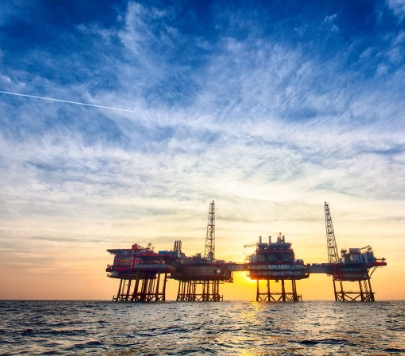
Oil and gas exploration is a complex and vital element of the global energy economy, involving the systematic search for underground hydrocarbon reserves such as crude oil and natural gas. This article delves into the fascinating world of oil and gas exploration, examining the methods, technologies, environmental concerns, and future prospects of this essential industry.
The Fundamentals of Oil and Gas Exploration
Geological Surveys
Geologists conduct extensive research before any drilling begins to identify promising geological formations. These surveys examine rock layers, subsurface structures, and potential hydrocarbon source rocks. Seismic surveys play a crucial role in mapping these subsurface structures by using sound waves to create detailed images of underground formations.
Exploration Drilling
If a promising area is identified, exploratory drilling commences. This involves drilling exploratory wells to evaluate the presence and quantity of hydrocarbons. Core samples and data from these wells provide valuable insights into the reservoir’s characteristics, such as depth, pressure, and temperature.
Reservoir Evaluation
A comprehensive reservoir study is essential to determine a discovery's commercial viability. Engineers assess parameters such as porosity, permeability, and fluid properties. Advanced technologies like well logging and pressure testing help gather critical data to inform decision-making.
Technologies and Tools in Oil and Gas Exploration
Technological advancements have revolutionized the oil and gas exploration sector, enabling more efficient and accurate methods of identifying and extracting hydrocarbon sources. These technologies and techniques are crucial in reducing exploration risks and enhancing overall industry effectiveness.
Seismic Imaging
2D and 3D Seismic Surveys: These surveys send seismic waves into the ground and record the reflections to create detailed images of geological formations and potential reservoirs.
4D Seismic Monitoring: This advanced technique tracks changes in reservoirs over time, providing insights into reservoir behavior and optimizing production strategies.
Remote Sensing
Satellite Imagery: Satellites equipped with various sensors capture high-resolution images of the Earth's surface, monitoring changes in terrain, vegetation, and land use to identify potential exploration sites.
Aerial Surveys: Drones and aircraft with specialized sensors gather detailed data over specific areas, even in remote or inaccessible locations.
Well Logging
Wireline Logging: Logging tools are lowered into a well to measure rock density, porosity, resistivity, and fluid composition, helping determine the reservoir’s properties.
Mud Logging: Analyzing drilling mud for hydrocarbon content and geological information provides real-time data on subsurface conditions.
Directional Drilling
Rotary Steerable Systems: These systems allow operators to control the drill bit’s direction and trajectory, accessing reservoirs not directly beneath the drilling site.
Measurement-While-Drilling (MWD) and Logging-While-Drilling (LWD): These tools provide real-time data on drilling conditions, enabling operators to adjust the drilling process promptly.
Reservoir Simulation
Numerical Reservoir Modeling: Advanced software creates 3D reservoir models to simulate fluid flow and pressure changes, aiding in reservoir management and production strategy optimization.
Simulation Technology: Used for training in various petroleum operations, these drilling simulation systems help improve the skills needed for rig installation, well logging, and other essential activities.
Subsea Technologies
Remote Operated Vehicles (ROVs): ROVs inspect and maintain subsea equipment and pipelines, crucial for deepwater exploration.
Subsea Imaging and Mapping: Sonar and underwater cameras create detailed maps of the seafloor and underwater structures.
Geochemical Analysis
Geochemical Surveys: These surveys analyze soil, rock, and water samples to detect hydrocarbon indicators, providing information on potential oil and gas reservoirs.
Data Analytics and AI
Machine Learning: AI algorithms process vast amounts of exploration data to predict reservoir properties and drilling conditions.
Big Data Analytics: Analyzing large datasets from various sources helps identify exploration trends and optimize decision-making.
Environmental Monitoring
Environmental Sensors: Continuous monitoring of air and water quality and wildlife observations ensure compliance with environmental regulations and mitigate impacts on ecosystems.
Drilling and Well Completion Technologies
Advanced Drill Bits: Improved drill bit designs enhance drilling efficiency and longevity.
Casing and Completion Technologies: Innovations in casing materials and well-completion methods improve well integrity and production rates.

Future Prospects and Challenges in Oil and Gas Exploration
Future Prospects
Technological Advancements: Continued innovation in exploration technologies will lead to more precise and cost-effective methods for locating hydrocarbon reserves.
Unconventional Resources: Exploration of unconventional resources like shale gas and tight oil is expected to grow, significantly altering the energy landscape.
Deepwater Exploration: With shallower resources depleting, deepwater exploration is set to increase, aided by advances in subsea technology.
Renewable Energy Integration: Oil and gas companies are increasingly diversifying into renewable energy sources, creating new exploration opportunities and reducing the industry’s carbon footprint.
Global Energy Demand: Despite the rise of renewables, global energy demand will continue to grow, necessitating ongoing exploration for conventional hydrocarbons.
Future Challenges
Environmental Concerns: The industry faces pressure to reduce its environmental footprint through stricter regulations and increased public awareness of climate change.
Energy Transition: The shift to cleaner energy sources may reduce fossil fuel demand, impacting the economics of exploration projects.
Geopolitical Risks: Exploration in politically unstable regions poses risks related to conflicts, regulatory changes, and supply disruptions.
Resource Depletion: Discovering new, large, and easily accessible reserves is becoming more challenging.
Cost and Risk Management: Managing exploration costs and mitigating risks associated with drilling dry wells remain constant challenges.
Public Perception: Navigating negative public perceptions due to environmental concerns is crucial for maintaining a social license to operate.
Evolving Energy Markets: Fluctuations in energy prices and market dynamics can affect the economic viability of exploration initiatives.
Technological Uncertainty: Rapid technological advancements can complicate long-term investment decisions.
Resource Nationalism: Some countries are increasing governmental control over natural resources, presenting challenges for foreign oil and gas companies.
Conclusion
Oil and gas exploration remains a critical component of the global energy landscape, providing the resources that power our modern world. The industry continues to evolve through technological innovation, responsible practices, and a commitment to sustainability, adapting to the changing energy landsca
Offshore drilling is consistently recognized as one of the top job opportunities accessible without a college degree, according to various business publications like Forbes and Yahoo!. For those familiar with offshore oil drilling, this is unsurprising. The role of an offshore driller has minimal entry barriers and offers compensation well above the average for similar non-degree roles. Typically, workers spend about half of the year on 12-hour shifts, rotating on and off for periods ranging from two to four weeks. However, offshore drilling is not for everyone seeking high-paying jobs with substantial growth potential. It is one of the most perilous, physically demanding, stressful, and isolating occupations, akin to working in a nuclear submarine or the International Space Station, but with greater risks.
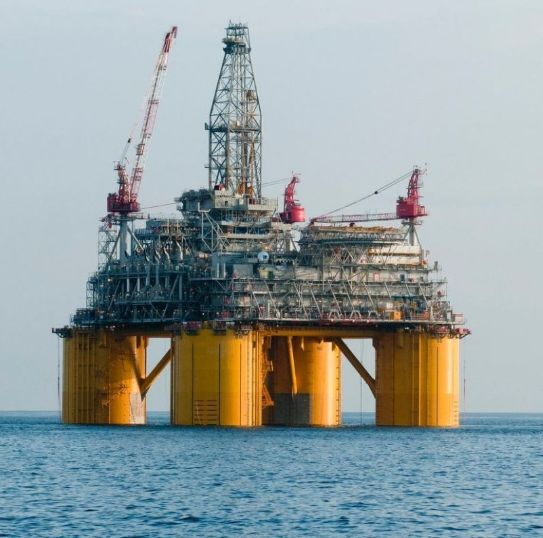
Venturing into a Career as an Offshore Driller
If you believe you have the grit for the challenging yet highly rewarding realm of offshore drilling, here's how to start your career as an offshore driller.
What Does an Offshore Driller Do?
An offshore driller oversees and operates the equipment and machinery used in drilling for oil or gas in offshore locations, typically on oil rigs or platforms situated at sea. Their primary duties involve managing the drilling process, maintaining equipment, ensuring safety protocols are adhered to, and overseeing the crew’s operations. Specific responsibilities include:
Drilling Operations: Conducting drilling procedures by operating and controlling specialized equipment to extract oil or gas from beneath the seabed. This involves handling drilling machinery, directing drilling processes, and monitoring drilling parameters.
Equipment Maintenance: Maintaining and overseeing the maintenance of drilling machinery to ensure it operates efficiently and meets safety standards.
Safety Compliance: Enforcing and overseeing safety protocols to guarantee a safe working environment for the crew and prevent accidents or environmental hazards.
Supervision: Overseeing and managing the crew’s activities, including training, task assignment, and ensuring the team operates efficiently and safely.
Problem-solving: Resolving technical issues, addressing challenges, and making critical decisions during drilling operations to ensure productivity and safety.
Offshore drillers are essential in extracting oil and gas from beneath the seabed, and their expertise and oversight play a significant role in maintaining safe and efficient drilling operations at sea.

Education and Qualifications for an Offshore Driller
A high school diploma is generally the minimum educational requirement for entry into the field of offshore drilling. However, acquiring higher education, such as a degree in petroleum engineering, mechanical engineering, or similar technical disciplines, significantly enhances one’s prospects in this competitive industry. Technical training programs or apprenticeships offering hands-on experience are also valuable.
Gaining Experience and Essential Skills for an Offshore Driller
Entry-level positions, such as roustabouts or roughnecks, are common starting points for individuals aspiring to become offshore drillers. These roles provide a fundamental understanding of rig operations, safety procedures, and the basics of handling drilling equipment. To progress in the field, it’s crucial to develop technical skills such as equipment operation, troubleshooting, and maintenance, alongside demonstrating a strong commitment to safety standards and fostering teamwork.
Leveraging oil and gas drilling simulations can significantly complement hands-on experience, offering a risk-free environment to refine skills in drilling operations and safety protocols. Integrating these simulated experiences into training can enhance the learning curve and proficiency in handling critical situations encountered in offshore drilling.

Challenges and Rewards of an Offshore Driller
Offshore drilling presents a unique combination of challenges and rewards that define the industry’s landscape. This demanding field offers lucrative opportunities but demands a high level of skill, endurance, and adaptability from those involved.
Challenges:
Safety and Risk: Offshore drilling is recognized as one of the riskiest occupations. Workers face hazardous conditions, extreme weather, and high-pressure environments that demand stringent safety protocols and constant vigilance to prevent accidents and environmental disasters.
Physical Demands: The work is physically demanding and often performed in challenging environments. Workers endure long hours, demanding schedules, and laborious tasks in adverse weather conditions.
Isolation and Mental Strain: Offshore platforms can be isolated environments, requiring workers to spend extended periods away from family and friends. The isolation and mental strain from long shifts can take a toll on an individual’s well-being.
Environmental Impact: The potential for environmental damage, such as oil spills, remains a significant concern, necessitating strict adherence to environmental regulations and sustainable practices.
Rewards:
Financial Benefits: Offshore drilling offers significantly higher salaries compared to many other industries, providing substantial financial rewards for workers.
Career Advancement: It offers opportunities for career growth and skill development, allowing individuals to progress from entry-level positions to specialized roles with experience and expertise.
Technological Advancements: The industry constantly adopts cutting-edge technologies and innovations, providing workers exposure to the latest equipment and practices, fostering professional development.
Global Impact: Offshore drilling plays a crucial role in meeting global energy demands, contributing to the production of oil and gas essential for various industries and economies.
Summary
Embarking on a career in offshore drilling offers both enticing rewards and formidable challenges. It’s a field where financial incentives are substantial, career growth potential is real, and access to cutting-edge technology is constant. Yet, offshore drilling is also known for its high risks, physically demanding work, isolation, and environmental concerns.
Aspiring offshore drillers must equip themselves with the necessary skills, undergo practical training, and maintain a steadfast commitment to safety and environmental stewardship. The unique combination of skills, resilience, and dedication to safety is key to thriving in this dynamic and demanding industry, where the rewards are commensurate with the risks. Those who navigate these challenges with determination find not only financial success but also an industry that plays a vital role in meeting global energy demands, contributing to various sectors, and shaping the world’s energy future.