
Workover operations are essential to maintaining the productivity and longevity of oil and gas wells. These operations involve a range of interventions designed to address issues that arise during a well's production lifecycle, ensuring optimal performance and extending the well's life. This article delves into the concept of workover operations, provides examples, outlines the steps involved, and underscores the importance of these procedures in the oil and gas sector.

Examples of Workover Operations
Workover operations are diverse, each tailored to address specific challenges within a well. Below are some common examples:
Pump Changeouts:
When a downhole pump, which is critical for a producing well, fails or wears out, workover operations are employed to replace it. Using techniques like coiled tubing, the old pump is carefully removed and a new one is installed, restoring the well’s productivity.
Tubing Changeouts:
Damaged or corroded tubing can obstruct fluid flow and pose safety risks. Workovers involve removing the compromised tubing and installing new, more robust tubing, thereby restoring the well's efficiency and safety.
Wellbore Cleaning:
Over time, wellbores can become clogged with scale deposits, paraffin buildup, or sand. Specialized tools like high-pressure jetting units or downhole milling tools are used in workover operations to remove these obstructions and ensure smooth production.
Casing Repairs:
Leaks in a well’s casing can be catastrophic, leading to environmental damage and loss of well integrity. Workover operations utilize tools like patchers and cementing equipment to seal these leaks, maintaining the well's structural integrity.
Artificial Lift Installations:
When natural pressure is insufficient to bring oil and gas to the surface, workover operations install artificial lift systems, such as gas lifts or electric submersible pumps, to boost production from deep reservoirs.
Wellbore Abandonment:
At the end of a well's life, workover operations ensure its safe and responsible closure. This includes isolating the well from the reservoir, plugging it with cement, and removing surface equipment to prepare the site for future reclamation.
These examples highlight the versatility of workover operations, which are adaptable to the specific needs of each well. Whether it's restoring production, enhancing safety, or unlocking new reserves, workovers are crucial to the ongoing success of the oil and gas industry.
Steps Involved in Workover Operations
Workover operations are complex and require careful planning, execution, and adaptation. The following steps are typically involved:
Pre-Job Planning:
Data Gathering and Analysis: Engineers review well history, production data, and geological surveys to identify issues and select the most effective tools and technologies.
Simulation and Modeling: Advanced workover operation simulators, anticipating challenges and optimizing equipment deployment, thereby minimizing risks.
Regulatory Compliance: All steps are aligned with safety and environmental regulations, ensuring that permits are obtained and protocols are in place.

Mobilization and Preparation:
Equipment Assembly and Inspection: All tools and technologies are inspected, tested, and assembled at the well site to ensure readiness.
Site Setup and Logistics: A temporary command center is established, complete with communication hubs and emergency response protocols.
Crew Briefing and Safety Training: The crew is thoroughly briefed on the plan, potential risks, and emergency procedures, ensuring a focus on safety.
The Intervention:
Deployment and Monitoring: Tools are deployed into the wellbore, with real-time monitoring by experienced technicians to ensure precision.
Problem-Solving and Adaptation: The crew remains flexible, ready to adapt the plan if unexpected challenges arise during the operation.
Data Collection and Analysis: Continuous data collection allows for real-time adjustments and optimization of the process.
Completion and Post-Job Analysis:
Retrieval and Restoration: Once the operation is complete, tools are retrieved, and the well site is restored to its original condition.
Production Monitoring and Optimization: The well is brought back online, with performance closely monitored and adjustments made to maximize efficiency.
Debriefing and Evaluation: The team reviews the operation, identifying areas for improvement and ensuring continuous learning for future workovers.
These steps provide a flexible framework for workover operations, allowing teams to adapt to the specific requirements of each well and the evolving demands of the industry.

The Importance of Workover Operations
Workover operations are vital to the oil and gas industry, playing a critical role in maintaining and enhancing well productivity. Their importance can be summarized as follows:
Maintaining Production Levels:
Workover operations address issues that could hinder production, such as reservoir changes or equipment failures, helping to sustain optimal production levels throughout a well's life.
Extending Well Life:
By resolving production issues, workovers can extend the economic life of a well, allowing for maximum hydrocarbon recovery and increased profitability.
Protecting Investment:
Wells represent significant capital investments. Workover operations ensure that wells operate efficiently, optimizing the return on investment by maximizing hydrocarbon production.
Conclusion
In conclusion, workover operations are essential to the oil and gas industry, providing the necessary interventions to maintain, optimize, and extend the life of wells. Through careful planning, advanced technologies, and a commitment to safety, workover operations ensure that wells continue to produce efficiently, protecting the substantial investments made in oil and gas exploration and production. As the industry evolves, the role of workover operations will remain crucial to the success and sustainability of oil and gas wells.
The oil and gas industry is renowned for its relentless pursuit of technological innovation, driving advancements to extract and refine resources that power our world. However, when it comes to training its workforce, the industry has traditionally relied on outdated methods that fall short of cutting-edge technology. Traditional training programs, despite their effectiveness, often suffer from limitations that impact efficiency, safety, and environmental sustainability. The advent of virtual reality (VR) simulators is now transforming workforce training, offering a safer, more efficient, and immersive alternative.

The Challenges of Traditional Training
Traditional training methods, though familiar, can be costly and inefficient. Constructing and maintaining realistic training facilities for complex tasks such as drilling and pipeline maintenance can be prohibitively expensive. Adding travel, lodging, and instructor fees only compounds the financial burden. Moreover, these controlled environments, while useful, introduce real-world risks that can lead to serious consequences for trainees.
Additionally, traditional training methods often lack engagement and can contribute to environmental issues. Lectures and textbook simulations can be passive and fail to inspire active participation and deep understanding. Furthermore, the carbon footprint associated with building and operating physical training facilities, and the travel required to access them, adds to the industry's environmental impact.
Scalability also poses a challenge. Traditional programs struggle with large or geographically dispersed groups, leading to delays, inefficiencies, and a less prepared workforce.
The Advantages of Virtual Reality Simulators
Enhanced Safety
Risk-Free Practice: VR simulators allow trainees to practice critical procedures, such as well control and emergency response, in a risk-free virtual environment, minimizing real-world dangers.
Hazard Awareness: Virtual Reality simulations realistically depict potential hazards, such as equipment malfunctions and spills, fostering a stronger awareness of safety among trainees.
Improved Efficiency
Scalability and Accessibility: Virtual Reality simulations can be accessed from any location with minimal setup, eliminating logistical challenges and travel costs associated with traditional training.
Repeatability and Customization: Trainees can repeatedly engage with scenarios to reinforce their skills, while instructors can customize simulations to specific situations and equipment, ensuring targeted learning.
Boosted Knowledge Retention
Immersive Engagement: The interactive nature of VR fosters deeper engagement, leading to better information retention and improved recall under pressure.
Gamification and Feedback: Virtual Reality simulations often include game-like elements and instant feedback, making learning more engaging and competitive, which enhances motivation and knowledge absorption.
Additional Benefits
Reduced Environmental Impact: Virtual Reality eliminates the need for physical mockups and travel, contributing to a more sustainable training approach.
Improved Data Collection and Analysis: Virtual Reality platforms can track trainee performance and identify areas for improvement, allowing for data-driven optimization of training programs.
Multilingual and Multicultural Adaptability: Virtual Reality simulations can be easily translated and adapted, making them suitable for diverse workforces and global training needs.
Comparing Virtual Reality Simulators with Traditional Training
In the high-stakes oil and gas industry, training methods must be effective and reliable. While traditional training has served well over the decades, VR is emerging as a game-changer. Here's a comparison of the pros and cons:
Traditional Training
Pros:
Proven Track Record: Established methods like classroom instruction and hands-on practice have successfully prepared generations of oil and gas professionals.
Cost-Effective: With existing infrastructure and minimal tech reliance, traditional training can be more budget-friendly, especially for smaller firms.
Flexibility: Instructors can adapt training to specific equipment and scenarios, ensuring relevant preparation for real-world roles.
Cons:
Safety Risks: Real-world practice involves potential accidents and injuries, particularly during emergency response training.
Limited Accessibility: On-site training can be inconvenient and time-consuming, especially for geographically dispersed trainees and instructors.
Varying Engagement: Traditional methods can be passive, leading to knowledge gaps and reduced retention.
VR Training
Pros:
Enhanced Safety: VR creates risk-free environments where trainees can make mistakes and learn without real-world consequences.
Immersive Experience: VR offers realistic scenarios that enhance engagement and knowledge retention.
Scalability and Accessibility: VR can be used anywhere, anytime, removing logistical and travel-related obstacles.
Cons:
High Initial Investment: The cost of VR hardware, software, and maintenance can be high, especially for smaller companies.
Technical Challenges: VR technology can be complex and require ongoing support, which may disrupt workflows.
Limited Physical Interaction: While VR simulates many tasks, it may not fully capture the nuances of real-world equipment handling.
The ideal training approach depends on factors such as budget, trainee experience, and specific skills required. VR excels in high-risk scenarios and for geographically dispersed teams, while traditional methods remain valuable for cost-effectiveness, hands-on practice, and flexibility. A hybrid approach that combines the strengths of both VR and traditional methods may offer the most comprehensive training solution.

Case Studies: VR Simulators in Action
Statoil (now Equinor): Wellbore Pressure Control Training
Challenge: High-pressure environments pose risks, and traditional training methods were expensive and hazardous.
VR Solution: Statoil implemented a Virtual Reality simulator replicating wellbore conditions for safe, effective training.
Results: 40% reduction in training time, 30% improvement in knowledge retention, and increased trainee confidence.
ExxonMobil: Offshore Platform Emergency Response
Challenge: Offshore platform evacuations required swift, coordinated action with traditional drills proving complex.
VR Solution: ExxonMobil developed a VR evacuation simulator for practicing communication and decision-making.
Results: 25% faster evacuation times, improved teamwork, and reduced personnel anxiety.
Shell: Confined Space Entry Training
Challenge: Traditional training lacked the realism needed for confined space scenarios.
VR Solution: VR simulator immersed trainees in confined spaces, enhancing procedural training and hazard awareness.
Results: Increased confidence and preparedness, leading to fewer incidents.
Chevron: Pipeline Leak Detection and Response
Challenge: Traditional training lacked the immediacy and pressure of real-world leak scenarios.
VR Solution: VR simulator replicated pipeline control room environments for practice in leak detection and response.
Results: Improved response times, accuracy, and reduced environmental impact.
Conclusion
Virtual reality is transforming petroleum workforce training, offering a revolutionary approach to enhancing safety, efficiency, and knowledge retention. As VR technology evolves and becomes more affordable, its adoption is set to grow, further revolutionizing how the industry trains its professionals. Embracing VR, along with traditional methods where appropriate, can provide a well-rounded and effective training solution, preparing the workforce for the challenges of an ever-evolving industry.
Oil and gas well drilling is a complex and dynamic process at the core of the energy industry. This intricate operation involves extracting hydrocarbons from beneath the Earth’s surface, playing a crucial role in meeting global energy demands. This article delves into the key components, techniques, challenges associated with oil and gas well drilling, and explores the various simulation technologies employed in the process.
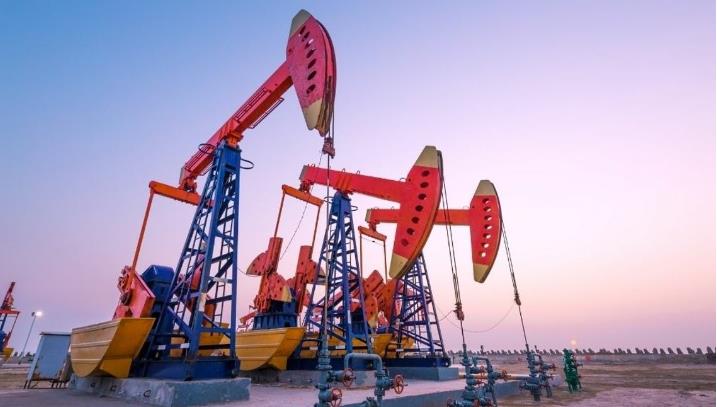
The Process of Oil and Gas Well Drilling
1. Exploration and Site Selection
Before drilling begins, extensive geological surveys and analyses are conducted to identify potential reservoirs. Once a promising site is located, the drilling process commences.
2. Well Design
Engineers design the well, considering factors like depth, reservoir characteristics, and drilling conditions. The wellbore design includes casing and cementing plans to ensure structural integrity and prevent environmental contamination.
3. Site Preparation
Preparing the drilling site involves clearing the area and constructing a drilling pad. Essential infrastructure, such as access roads and wellhead facilities, is also established.
4. Drilling Rig Setup
Mobile drilling rigs, tailored to the project's needs, are transported to the site. These rigs can be either onshore or offshore, depending on the drilling location.
5. Spudding In
Drilling begins with "spudding in," where the drill bit is gradually lowered to the desired depth. This phase establishes the initial section of the wellbore.
6. Drilling Operations
The drilling process continues with a rotating drill bit attached to a drill string. Drilling mud, a mixture of fluid and additives, is circulated to cool the bit, transport cuttings to the surface, and control pressure.
7. Casing and Cementing
Steel casings are inserted into the wellbore to prevent collapse and protect groundwater. Cement is pumped into the annulus between the casing and the wellbore, securing the casing and isolating different geological formations.
8. Well Completion
Upon reaching the target depth, the well undergoes completion. This involves installing production tubing, perforating the well to access the reservoir, and sometimes hydraulic fracturing to enhance hydrocarbon recovery.
Challenges in Oil and Gas Well Drilling
1. Geological Complexity
Drilling through various geological formations, from hard rock to soft sediment, presents significant challenges, particularly in deepwater environments.
2. High Pressure and Temperature
Some reservoirs exhibit extreme pressure and temperature conditions, requiring specialized equipment and engineering to ensure the wellbore's safety and integrity.
3. Environmental Concerns
Minimizing environmental impact is critical. Proper well design, casing, and cementing are essential to prevent fluid and gas migration to the surface.
4. Technological Advancements
The industry continuously adopts new technologies, such as advanced drilling techniques, real-time data monitoring, and automation, to improve efficiency and reduce costs.
Simulation Technologies in Oil and Gas Well Drilling
The oil and gas industry has embraced technological advancements, particularly in simulation technology, which has significantly transformed well planning, execution, and optimization.
1. Drilling Simulators
Training and Skill Development: Drilling simulators create a realistic virtual environment for training rig operators and drilling crews, allowing them to practice different scenarios, equipment handling, and emergency procedures without risks.
Scenario-based Learning: Simulators can replicate various drilling scenarios, such as challenging geological formations, equipment failures, and adverse weather conditions, better preparing teams for real-world challenges.

2. Geosteering Simulations
Virtual Wellbore Navigation: Geosteering simulations enable real-time visualization of the subsurface, integrating geological data with drilling parameters to accurately navigate the wellbore through complex formations.
Risk Mitigation: By simulating different wellbore paths, these tools help identify potential hazards and optimize trajectories, maximizing hydrocarbon recovery while minimizing risks.
3. Reservoir Simulation
Understanding Reservoir Behavior: Reservoir simulations model the behavior of hydrocarbons within the reservoir, assisting in predicting performance, optimizing well placement, and estimating production rates.
Enhanced Recovery Strategies: Simulation tools evaluate Enhanced Oil Recovery (EOR) techniques, such as water flooding, gas injection, and chemical injection, helping operators devise strategies to maximize recovery.
4. Real-time Drilling Simulations
Data Integration: These systems integrate live data from the drilling process, creating a dynamic model that reflects current conditions and enhances decision-making.
Decision Support: Real-time simulations allow operators to test different parameters and make informed decisions quickly, optimizing drilling efficiency and reducing risks.
5. Well Control Simulations
Emergency Response Training: Well control simulators mimic emergencies like blowouts, enabling teams to practice response strategies and well control procedures, which are crucial for handling critical incidents.
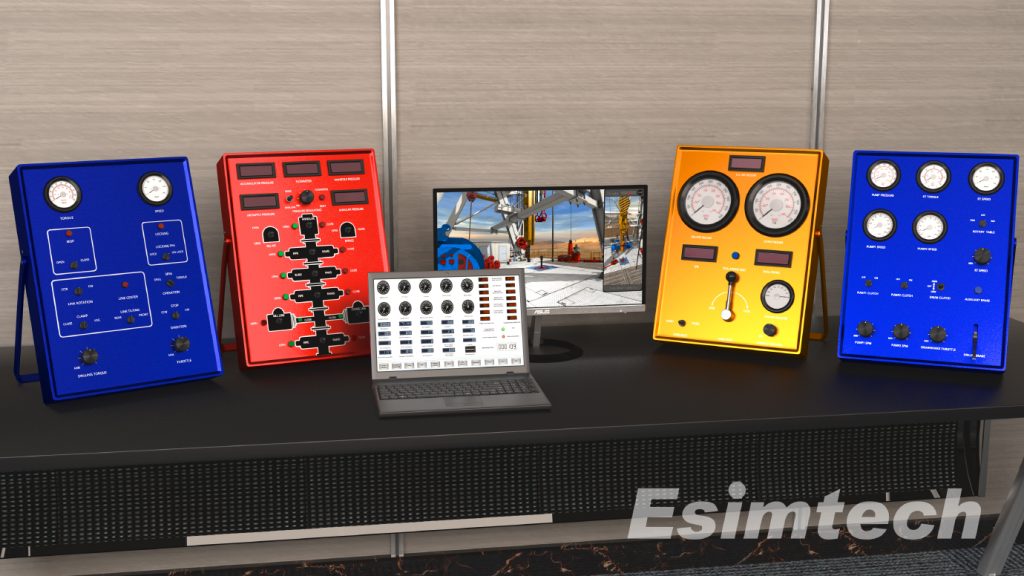
Regulatory Compliance: These simulations help demonstrate the efficacy of well control measures, ensuring operators meet regulatory requirements and can manage unexpected events safely.
Conclusion
Oil and gas well drilling is a multifaceted process that demands a balance of engineering expertise, advanced technology, and environmental responsibility. Simulation technologies significantly enhance the efficiency, safety, and performance of oil and gas well drilling, from training and skill development to real-time decision support and emergency preparedness. As the industry continues to evolve, the integration of these technologies will play an increasingly vital role in meeting global energy demands.
Whipstock drilling is a directional drilling technique used to alter the trajectory of an existing wellbore. This approach is commonly employed to sidetrack from an established wellbore, allowing for the creation of a new path from the same wellhead. This technique serves various purposes, such as accessing multiple reservoirs from a single well or re-entering a well that has been previously plugged and abandoned.

History of Whipstock Drilling
The origins of whipstock drilling can be traced back to the early days of oil exploration. The first whipstocks were simple wooden devices that were lowered into the wellbore and oriented in the desired direction. These whipstocks were anchored in place using wooden wedges driven between the whipstock and the casing. However, this early method was not very effective, often resulting in crooked and difficult-to-control sidetracks.
Improvements in Whipstock Drilling
By the 1940s, significant improvements were made in whipstock technology. Steel whipstocks were introduced, providing greater stability and ease of control. Initially, these steel whipstocks were still anchored using wooden wedges, but later designs incorporated cement as an anchoring method. This advancement greatly improved the accuracy and reliability of sidetracks, reducing the likelihood of collapse.
Modern Whipstock Drilling
Although whipstock drilling has been largely replaced by more sophisticated directional drilling techniques, it remains a valuable tool for certain applications. Today, whipstock drilling is still used when drilling through formations with high fracture gradients or in scenarios where other directional drilling methods may not be suitable.
Key Milestones in Whipstock Drilling
1930s: Introduction of the first whipstocks.
1940s: Development of steel whipstocks.
1950s: Adoption of cement for anchoring whipstocks.
1960s: Emergence of advanced directional drilling techniques.
1970s-present: Continued use of whipstock drilling in specialized applications.
Principles of Whipstock Drilling
The whipstock is the primary component of a whipstock drilling system. It is a wedge-shaped device made of steel or another durable material, with a sloping face designed to deflect the drill bit in the desired direction. The whipstock is securely anchored in place within the wellbore using cement.
Steps in Whipstock Drilling
Setting the Whipstock: The process begins by lowering the whipstock into the wellbore and positioning it at the desired depth. Once in place, the whipstock is anchored using cement to ensure stability.
Initiating the Sidetrack: After the whipstock is secured, a directional drilling tool is used to initiate the sidetrack. This specialized tool follows the sloping face of the whipstock, guiding the drill bit in the intended direction.
Drilling the Sidetrack: The sidetrack is then drilled to the desired depth using conventional drilling equipment.
Completing the Sidetrack: Once drilling is complete, the sidetrack may be finished by running casing, installing a liner, or completing the well.

Applications of Whipstock Drilling
Whipstock drilling is a versatile and effective technique that has been in use for over 90 years. It is employed in various wellbore conditions to create sidetracks for multiple purposes:
Accessing Multiple Reservoirs: By creating a sidetrack from an existing wellbore, operators can tap into multiple reservoirs without the need for additional wells, saving time, money, and reducing environmental impact.
Re-entering Plugged and Abandoned Wells: Whipstock drilling enables the safe and efficient re-entry of wells that have been previously plugged and abandoned, allowing for additional resource extraction.
Drilling Through Obstructions: When faced with an obstruction in the wellbore, such as equipment debris or a collapsed casing, whipstock drilling can be used to bypass the obstacle and continue drilling.
Advantages and Disadvantages of Whipstock Drilling
Whipstock drilling offers several advantages in various drilling scenarios, but it also comes with certain drawbacks that must be considered.
Advantages:
Simplicity and Cost-Effectiveness: Whipstock drilling is a relatively straightforward and economical directional drilling technique. It requires less specialized equipment and expertise, reducing overall operational costs.
Versatility: This technique can be adapted to a wide range of wellbore conditions, making it suitable for diverse drilling environments.
Resource Optimization: Whipstock drilling allows for the exploration and production of multiple reservoirs from a single wellbore, enhancing resource recovery.
Disadvantages:
Directional Control Challenges: Maintaining precise control over the direction of the sidetrack can be difficult, especially in formations with varying hardness or fractured zones. Deviations from the intended path can lead to complications.
Safety Concerns: In certain scenarios, such as drilling through formations with high fracture gradients, whipstock drilling may pose safety risks. Inadequate precautions can result in wellbore instability, equipment failure, or environmental hazards.
Limitations in Specialized Applications: Whipstock drilling may not be the best choice for highly deviated or horizontal wells, where more advanced directional drilling techniques are required.

Conclusion
Whipstock drilling is a versatile and effective technique for addressing various wellbore challenges. However, it can be difficult to control and carries risks in certain situations. Therefore, it is crucial that the drilling crew possesses the necessary skills, making drilling simulation training a valuable consideration. Simulation-based training tools offer operators a safe and realistic environment to practice and prepare for diverse operational scenarios. By simulating emergency situations and complex procedures, operators can gain the knowledge and experience needed to manage real-world challenges effectively.
Well control is a crucial component of oil and gas drilling operations, focusing on the ability to manage and halt the flow of hydrocarbons from a well during an uncontrolled release. Effective well control training is vital for ensuring the safety of personnel, protecting the environment, and avoiding costly accidents.
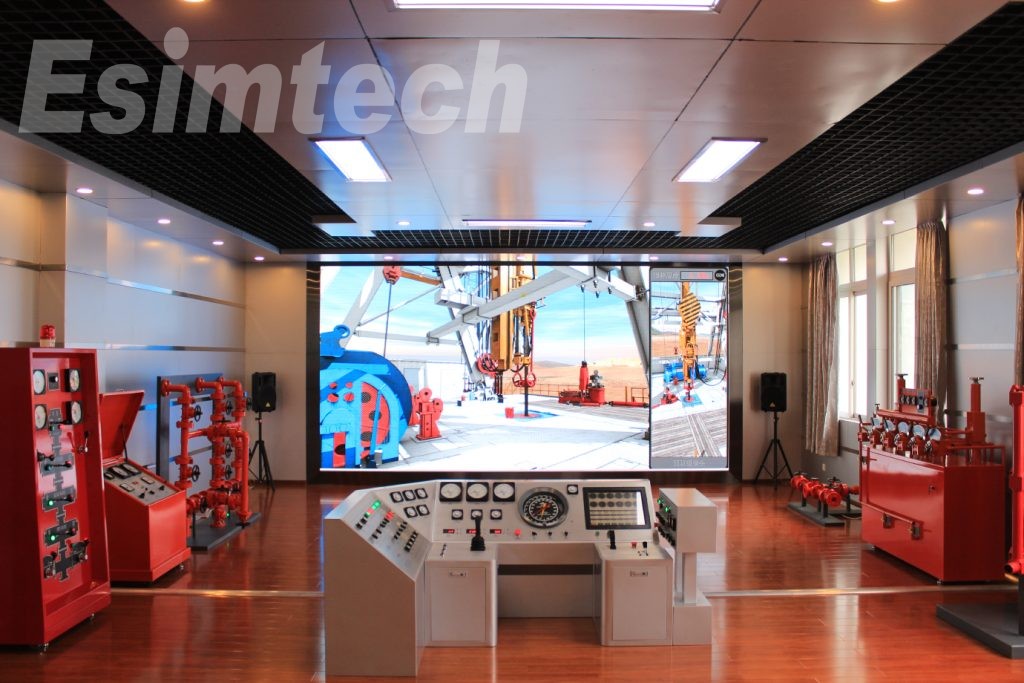
Traditionally, well control training has relied on classroom instruction and hands-on practice with well control simulators. However, these traditional methods may lack the realism and engagement necessary to fully prepare personnel for real-world scenarios. Modern advancements in simulation technology are changing this, offering more immersive and practical training experiences.
Simulations and Exercises in Well Control Training
Simulations provide a controlled environment where personnel can practice well control techniques and procedures. These simulations replicate various well control scenarios, from minor kicks to severe blowouts, allowing trainees to interact with realistic well control equipment and develop critical decision-making skills.
Well control exercises involve real-world scenarios and equipment, offering a more immersive training experience. Conducted on inactive wells or in dedicated training facilities, these exercises enable trainees to apply their knowledge and skills in a practical setting, better preparing them for actual well control incidents.
Types of Simulations and Exercises
Simulations:
Desktop Simulators:
A cost-effective and accessible option, desktop simulators allow trainees to interact with various well control scenarios via computer screens in a virtual learning environment.
Full-Scale Simulators:
These simulators replicate the physical environment of a drilling rig, complete with well control equipment. Trainees manipulate controls and receive real-time feedback, creating a highly immersive and realistic training experience.
Virtual Reality (VR) Simulators:
VR simulators take well control training to the next level, immersing trainees in a fully virtual 3D environment. This advanced technology provides an even more realistic and engaging learning experience.
Tabletop Exercises:
Involving role-playing and scenario discussion, tabletop exercises are valuable for training crew coordination, communication, and decision-making in well control situations.
Exercises:
Kick Control Exercises:
These focus on the practical application of kick detection, control, and kill procedures. Participants use well control equipment to manipulate valves and controls, practicing the steps necessary to safely manage a kick.
Blowout Control Exercises:
Simulating emergency responses to blowouts, these exercises involve coordinating actions, deploying equipment, and implementing blowout control strategies, familiarizing trainees with the complexities of managing uncontrolled fluid releases.
Lost Circulation Exercises:
Emphasizing the identification and prevention of lost circulation, participants practice techniques such as pumping lost circulation materials, using cement plugs, and employing specialized drilling fluids to regain circulation and maintain well control.
Emerging Technologies in Well Control Training
In addition to traditional methods, newer technologies are enhancing well control training:
Virtual Reality (VR) Simulators: Offer a more immersive experience than traditional simulators, allowing participants to interact with well control scenarios in ways previously impossible.
Augmented Reality (AR) Simulators: Overlay simulated well control information onto the real world, helping participants understand how well control procedures apply to specific wellbore situations.
Benefits of Simulations and Exercises
Using simulations and exercises in well control training offers several key benefits:
Increased Immersion and Engagement: These methods create more immersive and engaging learning experiences, helping trainees better understand and retain well control principles.
Safe and Controlled Practice: Trainees can practice well control procedures in a safe, controlled environment, which is crucial given the dangerous nature of real well control events.
Development of Skills and Knowledge: Simulations and exercises help trainees develop the skills and knowledge needed to effectively respond to well control events, including problem identification, quick decision-making, and appropriate action-taking.
Improved Teamwork and Communication: These training methods also enhance teamwork and communication, essential for coordinating responses during well control events.
Conclusion
Simulations and exercises are vital in preparing oil and gas personnel for well control emergencies. By providing hands-on experience and fostering a strong safety culture, these training methods help prevent well control incidents, safeguarding both the environment and the workforce.