
In today's rapidly evolving oil and gas industry, effective data management is essential for optimizing operations, ensuring compliance, and making informed strategic decisions. As the volume and complexity of data increase, specialized oil and gas saoftware solutions play a crucial role. This article explores the significance of these software tools, their key features, and the benefits they offer to the industry.

The Challenges of Oil and Gas Data Management
The oil and gas industry generates vast amounts of data from exploration, production, refining, and distribution. This data includes geological surveys, well logs, production volumes, equipment statuses, and more. Managing this data effectively presents significant challenges, including:
Data volume: The sheer volume of data can be overwhelming.
Data variety: Data comes from various sources and formats, making integration difficult.
Data quality: Ensuring data accuracy and reliability is critical.
Real-time needs: The industry requires real-time access to data for operational efficiency.
Key Features of Oil and Gas Data Management Software
Data integration: Integrating data from various sources provides a comprehensive view of operations.
Data quality and validation: Ensures data accuracy and reliability.
Real-time monitoring: Enables operators to monitor equipment performance and detect anomalies.
Geospatial analysis: Leverages geospatial data for tasks like reservoir mapping and asset tracking.
Compliance management: Helps companies adhere to industry regulations.
Asset lifecycle management: Tracks asset performance, schedules maintenance, and predicts failures.
Predictive analytics: Forecasts equipment failures, production trends, and market dynamics.
Collaboration and workflow management: Facilitates teamwork and streamlines processes.

Benefits of Oil and Gas Data Management Software
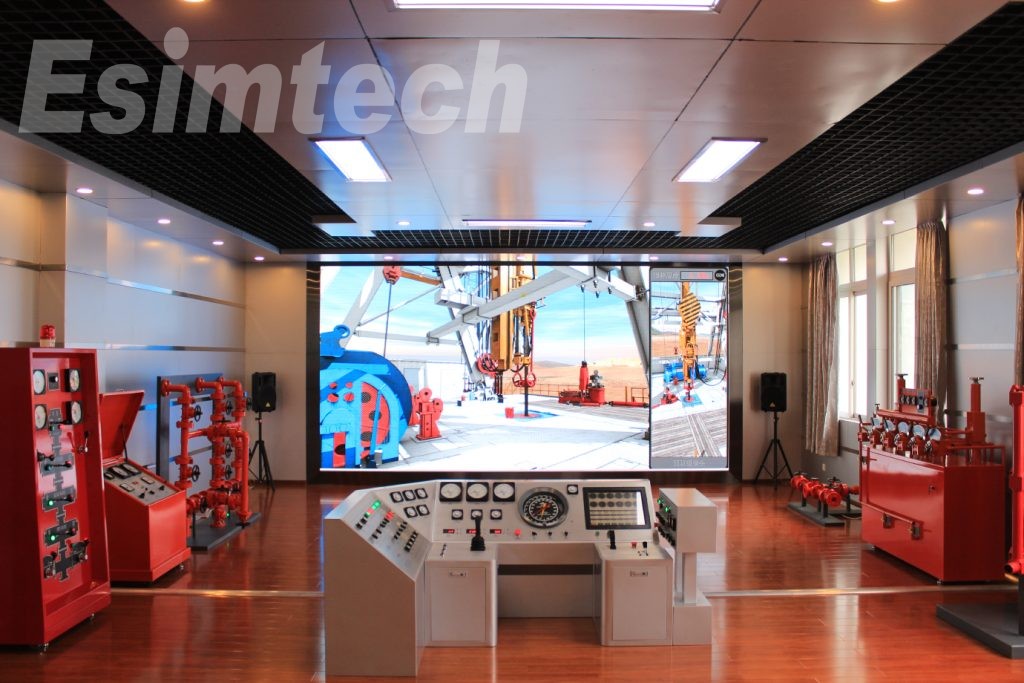
Improved decision-making: Data-driven decisions lead to better outcomes. The drilling and well control simulator which adopts advanced data analysis software, can collect and analyze drilling data, providing real-time feedback on drilling performance and safety.
Cost reduction: Optimizes operations, reduces downtime, and improves efficiency.
Enhanced safety and compliance: Ensures adherence to safety regulations and minimizes risks.
Increased productivity: Streamlines workflows and reduces manual tasks.
Optimized exploration and production: Leverages data to improve upstream operations.
Adaptability to market changes: Enables companies to respond to market fluctuations.

Conclusion
In the competitive oil and gas industry, effective data management is essential for success. By leveraging specialized software solutions, companies can overcome the challenges of data management, optimize operations, improve decision-making, and ensure long-term sustainability. As the industry continues to evolve, the importance of data management will only grow.
A jack-up rig, or self-elevating unit (SEU), is a mobile offshore drilling platform designed to operate in shallow water depths. It's equipped with retractable legs that can be lowered onto the seabed, elevating the rig above the water's surface. This unique design allows it to access areas inaccessible to other drilling platforms.

Key Features and Advantages
Versatility: Jack-up rigs can be quickly mobilized and deployed to various locations, making them ideal for short-term projects or exploring new prospects.
Cost-effectiveness: Compared to fixed platforms, jack-up rigs have lower construction and installation costs, making them more economical for shallow water drilling.
Safety: Their elevated position provides a stable and safe working environment for crew members, even in rough sea conditions.
Accessibility: Jack-up rigs can access shallower areas than other platforms, unlocking previously untapped reserves.
Types of Jack-up Rigs
There are several types of jack-up rigs, each with its own unique design and capabilities:
Independent Leg Jack-up Rigs: This is the most common type, featuring three or four independent legs that are lowered individually onto the seabed.
Mat-Supported Jack-up Rigs: These rigs incorporate a large mat foundation to distribute the weight more evenly, making them suitable for softer seabed conditions.
Caisson-Supported Jack-up Rigs: This design uses large hollow structures called caissons for additional stability and lifting capacity, making them ideal for deeper waters and harsh environments.
Slot Jack-up Rigs: These rigs feature a slot in the platform deck for drilling operations, allowing for more efficient drilling, particularly for directional and horizontal wells.
Cantilever Jack-up Rigs: With a drilling derrick mounted on an extending arm, these rigs can drill beyond the footprint of the platform, offering greater flexibility for well positioning.

Functions of Jack-up Rigs
Jack-up rigs are versatile platforms used for a variety of offshore activities, including:
Exploration drilling: Discovering new oil and gas reserves in shallow waters.
Development drilling: Extracting discovered reserves.
Well completion and workover: Installing production equipment and maintaining wells.
Decommissioning: Removing old platforms and pipelines.
Wind farm construction: Installing offshore wind turbines.
Accommodation and support: Providing living quarters and logistical support for offshore personnel.
Scientific research: Supporting research activities in marine science and oceanography.
The Role of Simulation
Simulation technology has revolutionized jack-up rig drilling. It offers immersive training for critical procedures like well control and emergency response, reducing the risk of accidents. By optimizing drilling processes beforehand, drilling simulation system minimizes downtime and improves efficiency, leading to faster completion times and cost savings.

As technology advances, oil and gas simulation tools will continue to play a crucial role in enhancing training effectiveness and operational efficiency for jack-up rigs, ensuring the success of offshore drilling projects and shaping the future of this vital industry.
The contemporary world relies heavily on the oil and gas industry to fuel industrialization, power transportation, and generate electricity. Both crude oil and natural gas, categorized as fossil fuels, play pivotal roles as primary energy sources on a global scale.

Crude oil, a naturally occurring liquid resource, is utilized in the production of gasoline, jet fuels, and various petroleum-based products. Natural gas, a gaseous state hydrocarbon, is abundant in the United States, often found in porous rock formations like shale. It contributes significantly to the nation's total energy consumption. The transportation of oil, its byproducts, and natural gas is facilitated through an extensive network of pipelines across the country.
Both natural gas and crude oil are acquired through distinct drilling methods: onshore and offshore. This article will delve into the fundamental aspects of these two methods, exploring the processes involved and examining the advantages and disadvantages associated with each approach.
Onshore Oil Drilling
Onshore oil drilling involves extracting oil and gas from land-based deposits. This process utilizes drilling rigs to bore deep into the earth, reaching reservoirs of these valuable resources. While crucial for meeting current energy demands, onshore drilling's impact necessitates careful consideration.
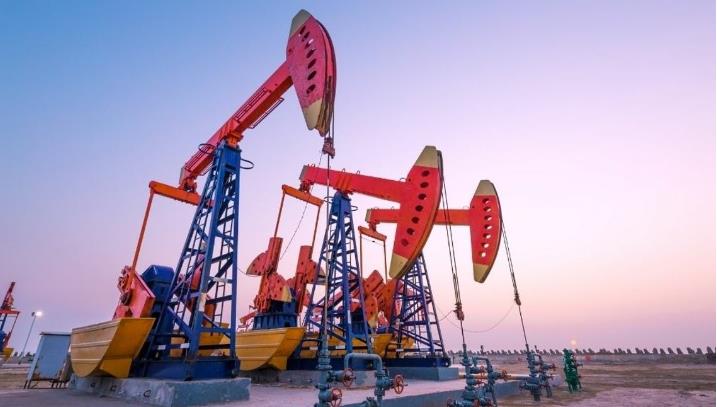
The environmental footprint of onshore oil drilling is undeniable. Land disturbance, water contamination, air and noise pollution are all potential consequences, requiring responsible management practices. Additionally, the social impact on communities, including concerns about land rights, cultural heritage, and health, needs to be addressed.
Stringent regulations govern onshore drilling activities to ensure environmental protection, worker safety, and responsible resource extraction. Advancements in technology, such as horizontal and directional drilling techniques, offer solutions to minimize environmental impact and improve safety standards.
However, the long-term future of onshore oil drilling faces challenges. Climate change concerns and the transition towards renewable energy necessitate a re-evaluation of our reliance on fossil fuels. As renewable energy sources become increasingly viable and cost-effective, the demand for onshore drilling may decrease.
Offshore Oil Drilling
Offshore oil drilling involves extracting oil and gas from beneath the seabed. It requires setting up platforms or drilling rigs in the ocean to tap into underground reservoirs, providing a significant portion of the world's oil and gas needs.
However, offshore oil drilling faces significant environmental challenges. Accidental spills, leaks, and equipment failures can cause devastating consequences for marine ecosystems, polluting delicate habitats and harming wildlife. The exploration and production process can also disrupt sensitive ecosystems and contribute to noise pollution.
Balancing the need for energy resources with environmental protection is a major concern. Strict regulations govern offshore drilling activities, requiring environmental impact assessments, safety protocols, and contingency plans for spill response. Technological advancements, such as subsea wellhead systems and improved drilling techniques, aim to minimize environmental risks.
The future of offshore oil drilling is uncertain. As renewable energy sources become increasingly viable and the world strives to achieve carbon neutrality, the demand for fossil fuels may decrease. However, in the near future, offshore oil drilling is likely to remain an important source of energy, requiring careful management and continuous efforts to minimize its environmental footprint.
Simulation Training: A Vital Tool
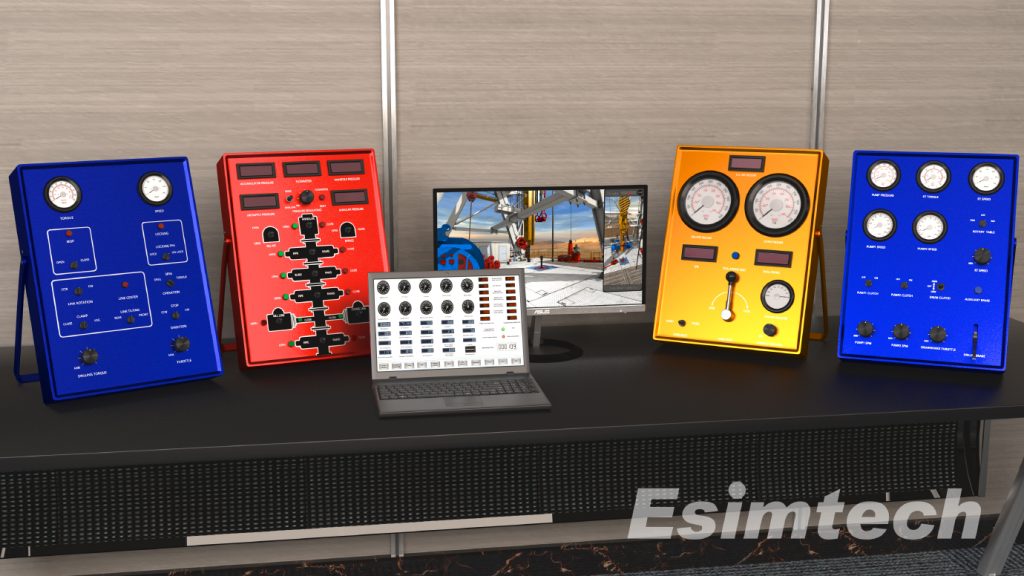
Drilling simulation training system plays a crucial role in both onshore and offshore drilling operations. By providing trainees with a safe and controlled environment to practice various procedures and emergency scenarios, simulation training can enhance skills, reduce risks, improve efficiency, and be more cost-effective than traditional training methods.
Conclusion
The choice between onshore and offshore drilling depends on various factors, including the location of oil and gas reserves, environmental considerations, and economic feasibility. By understanding the key differences between these two drilling methods, we can make more informed decisions about our energy future.
Offshore platforms are colossal structures that serve as the backbone of the global oil and gas industry, enabling the extraction of valuable hydrocarbon resources from beneath the ocean floor. These engineering marvels are a testament to human ingenuity, combining cutting-edge technology with precision design and a deep understanding of the challenges posed by the marine environment. This article explores the world of offshore platforms, delving into their functions, types, and design considerations.
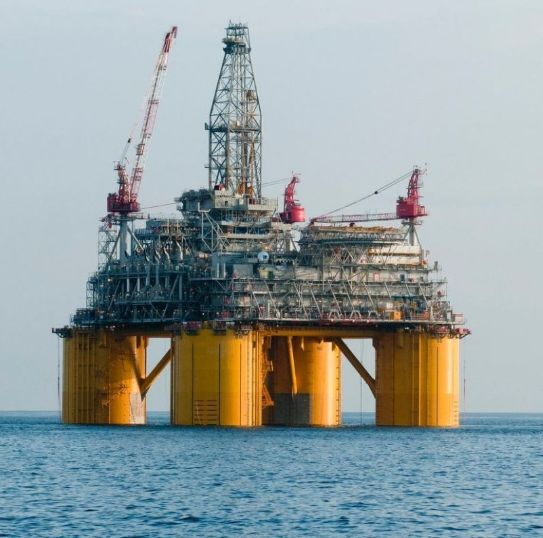
Functions of Offshore Platforms
Offshore platforms play several essential roles in the oil and gas industry:
Drilling and Production: These platforms host drilling rigs and other equipment necessary for extracting hydrocarbons from the seabed. They provide a stable base for underwater drilling operations and house facilities for processing oil and gas.
Storage: Many offshore platforms are equipped with storage tanks for temporarily holding extracted oil and gas before they are transported to onshore facilities.
Living Quarters: Some platforms offer accommodations for personnel working on-site, including living quarters, kitchens, and recreational facilities.
Common Types of Offshore Platforms
Offshore platforms are categorized into various types, each designed to meet specific needs and environmental conditions:
Fixed Platforms:
Jacket Platforms: These steel structures have vertical legs (jackets) that extend to the seafloor. Jacket platforms are widely used in shallow to moderate water depths, offering stability and durability.
Gravity-Based Platforms: Massive concrete structures that rely on their weight to remain anchored to the seafloor. These platforms are suitable for shallow water locations and support drilling and production activities.
Floating Platforms:
Tension Leg Platforms (TLPs): Floating structures connected to the seafloor by vertically tensioned tendons, designed for deepwater use with excellent stability in rough seas.
Spar Platforms: Cylindrical, deep-draft floating structures anchored to the seafloor, ideal for deepwater applications with a slender profile.
Semi-Submersibles: Buoyant platforms that partially submerge in water, providing stability. Often used for drilling operations, they can be easily relocated.
Compliant Towers: Tall, slender structures designed to sway with the waves while maintaining stability. These towers are used in deepwater environments, especially in hurricane-prone areas.
FPSOs (Floating Production Storage and Offloading): Vessels equipped with oil and gas processing facilities, moored to the seabed in deepwater areas. Floating Production Storage and Offloading units store and process hydrocarbons before transferring them to shuttle tankers or pipelines.
Wellhead Platforms: Typically smaller, these platforms focus on housing wellheads and initial processing equipment. They are often used alongside larger production platforms or FPSOs.
Subsea Production Systems: In certain cases, traditional platforms are replaced by subsea production systems, where wellheads and processing equipment are placed on the seabed, with extracted hydrocarbons transported directly to shore via pipelines.
Artificial Islands: In some regions, particularly in shallow waters, artificial islands are constructed to serve as drilling and production hubs. Built from sand and rock, these islands can support various facilities.

Design Considerations for Offshore Platforms
Designing offshore platforms is a complex, highly specialized process that requires careful consideration of multiple factors to ensure the safety, reliability, and functionality of these structures.
Environmental Conditions:
Water Depth: The platform type is determined by the water depth at the location, with different designs required for shallow, deepwater, or ultra-deepwater operations.
Weather and Wave Conditions: Platforms must be designed to withstand extreme weather, including storms, high winds, and waves, with design parameters based on historical weather data.
Seismic Activity: In earthquake-prone regions, platforms are engineered to withstand seismic forces, considering factors like ground motion response and seabed liquefaction potential.
Seabed Conditions:
Seabed Stability: The type and stability of the seabed (e.g., soft mud, sand, rock) influence the platform’s foundation design and anchoring methods.
Geotechnical Surveys: Detailed surveys assess seabed conditions, informing foundation design and pile installation.
Safety Regulations and Standards:
Industry Standards: Platforms must adhere to region-specific safety and design standards, covering structural integrity, fire, and explosion protection.
Regulatory Compliance: Compliance with local, national, and international regulations ensures worker safety and environmental protection.
Structural Design:
Materials: Material selection is crucial to ensure durability and corrosion resistance in the harsh marine environment, with common choices including high-strength steel and corrosion-resistant alloys.
Structural Integrity: Advanced oil and gas modeling and simulation techniques assess the platform’s structural integrity under various loads, including wave forces, wind, and equipment weight.
 Environmental Impact Mitigation:
Oil Spill Contingency: Platforms are equipped with systems to contain and respond to oil spills, including booms, skimmers, and emergency plans.
Emission Controls: Technologies are implemented to minimize air emissions and reduce environmental impact.
Operational Efficiency:
Layout and Functionality: The platform’s layout is designed for efficient operations, including drilling, production, and processing, with careful arrangement of wellheads, equipment, and living quarters.
Maintenance Access: The design prioritizes easy access for routine maintenance and inspections.
Cost Efficiency:
Project Economics: Engineers balance initial construction costs with long-term operational efficiency and maintenance, striving for cost-effectiveness while maintaining safety and reliability.
Decommissioning Planning: Future decommissioning, including equipment and structure removal, is considered during the design phase.
Environmental Impact Assessment:
Ecological Impact: The impact on the local marine ecosystem and wildlife is assessed, with some platforms becoming artificial reefs, positively impacting biodiversity.
Cultural and Social Impact: The social and cultural effects on nearby communities are considered in project planning and stakeholder engagement.
Conclusion
Offshore platforms are essential for the exploration and extraction of valuable energy resources from the ocean floor. These structures, whether fixed or floating, are precision-engineered to withstand harsh environmental conditions while complying with stringent safety and environmental regulations. Despite the economic benefits and environmental challenges they pose, offshore platforms continue to play a vital role in meeting global energy demands and driving innovation in the offshore industry.
Oil and gas exploration and production are vital components of the global energy landscape, supplying the energy needed for industrial, commercial, and residential activities. This complex process involves searching for hydrocarbon reservoirs beneath the Earth's surface, extracting them, and processing them into essential energy resources.
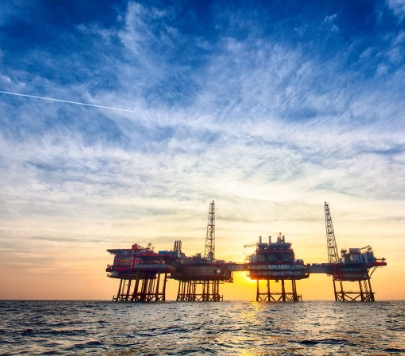
Understanding the Processes of Oil and Gas Exploration and Production
The Exploration Process
Seismic Surveys
Seismic surveys are a crucial step in oil and gas exploration. By utilizing advanced technologies such as 3D and 4D seismic imaging, geophysicists can create detailed subsurface maps. These surveys generate shockwaves through controlled explosions or vibrations, with the reflections helping to identify potential hydrocarbon reservoirs.
Geological and Geophysical Studies
Understanding the geological and geophysical characteristics of a region is vital for identifying areas with potential hydrocarbon deposits. Geologists analyze surface rock formations, while geophysicists study subsurface structures using a variety of techniques to pinpoint likely reservoir locations.
Exploratory Drilling
Once a promising area is identified, exploratory drilling is initiated. This process involves drilling exploratory wells to confirm the presence of oil or gas. Advanced drilling technologies like directional and horizontal drilling enhance the accuracy and efficiency of this phase.
The Production Process
Reservoir Characterization
Before production can begin, it's essential to characterize the reservoir to determine its size, permeability, and other critical properties. This information is vital for developing an effective production strategy.
Drilling and Well Construction
To extract oil or gas, wells are drilled into the reservoir using drilling rigs and specialized equipment. Well construction involves installing casing and cementing to ensure stability and prevent environmental impact.
Enhanced Oil Recovery (EOR)
As reservoirs mature, traditional extraction methods may become less effective. EOR techniques, such as injecting steam, chemicals, or gases into the reservoir, are employed to increase recovery rates and extend the reservoir's life.
Surface Facilities and Processing
Extracted oil and gas contain impurities that must be removed before reaching consumers. Surface facilities, including separation units and processing plants, play a crucial role in purifying the hydrocarbons and separating oil, gas, and water.
Transportation and Distribution
After processing, the extracted oil and gas are transported to refineries and end-users. Pipelines, tankers, and, in some cases, liquefied natural gas (LNG) facilities are used to transport these valuable resources.
Challenges and Innovations in Oil and Gas Exploration and Production
Environmental Concerns
The oil and gas industry faces scrutiny due to environmental concerns. Innovations such as environmentally friendly drilling fluids, low-emission technologies, and sustainable practices are being developed to reduce the industry's environmental impact.
Digitalization and Automation
The integration of digital technologies, automation, and artificial intelligence is transforming the E&P sector. These innovations, ranging from smart drilling systems to data analytics for predictive maintenance, improve efficiency and reduce operational risks.
Renewable Energy Integration
With an increasing emphasis on renewable energy, oil and gas companies are exploring sustainable practices and investing in alternative energy solutions. Some companies are diversifying their portfolios by investing in renewable energy projects.
The Role of Simulation Technology in Oil and Gas Exploration and Production
Simulation technology plays a crucial role in the E&P processes, providing valuable insights, enhancing decision-making, and optimizing various operations.
Reservoir Simulation
Reservoir simulation models the behavior of underground reservoirs to better understand fluid flow, pressure changes, and overall reservoir performance. Engineers use these simulations to predict reservoir behavior, optimize production strategies, and estimate ultimate recovery.
Drilling Simulation
Drilling and well control simulations are used to plan and optimize well trajectories, assess drilling risks, and simulate the response of drill strings and downhole tools. These virtual environments allow operators to train personnel, simulate challenging drilling scenarios, and improve overall drilling efficiency and safety.
Production System Simulation
Oil and gas production system simulation models the entire process, from the wellhead to the processing facilities, taking into account variables like flow rates, pressures, temperatures, and fluid compositions. By simulating the entire production system, operators can optimize processes, identify bottlenecks, and improve system efficiency.
Facilities and Processing Plant Simulation

Simulating processing plants and surface facilities is critical for optimizing the separation and treatment of oil, gas, and water. These simulations help design and optimize facility layouts, assess the impact of different processing scenarios, and identify potential issues before construction begins.
Enhanced Oil Recovery (EOR) Simulation
EOR simulation technology is valuable for designing and optimizing the process. By simulating the injection of steam, chemicals, or gases into reservoirs, engineers can predict the behavior of injected substances, optimize injection rates, and maximize oil recovery while minimizing costs.
Risk and Safety Simulations
Simulation is used to assess and mitigate risks associated with various exploration and production activities. Safety simulations help evaluate response protocols and train personnel by simulating emergency scenarios like blowouts or equipment failures, thereby improving readiness and overall safety.
Geological and Seismic Simulations
Simulating geological formations and seismic data helps in understanding subsurface structures and identifying potential hydrocarbon reservoirs. Advanced seismic simulations improve the imaging of subsurface structures, guiding exploration efforts and reducing the uncertainty associated with drilling decisions.
Digital Twin Technology
Digital twin technology involves creating a virtual replica of physical assets or processes. In the oil and gas industry, digital twins are used to monitor, analyze, and optimize operations in real-time, allowing operators to make informed decisions and respond to changes promptly.
Training Simulators
Simulation technology is extensively used for training purposes. Virtual reality (VR) and augmented reality (AR) simulations provide realistic training environments for personnel involved in drilling, production, and safety procedures, helping improve skills, enhance safety awareness, and reduce the learning curve for new technologies.
Data Analytics and Machine Learning
Combining simulation data with analytics and machine learning algorithms enables predictive modeling and optimization. Continuous analysis of simulation and real-time operational data allows companies to identify patterns, optimize processes, and make data-driven decisions, improving overall efficiency.
Conclusion
Oil and gas exploration and production are dynamic processes that demand advanced technologies, interdisciplinary expertise, and a deep understanding of geological and engineering principles. Simulation technology is a powerful tool in the E&P sector, enhancing decision-making, operational efficiency, and safety. As technology advances, the integration of simulations with other cutting-edge technologies is expected to play an even greater role in shaping the future of the oil and gas industry.