
Oil rigs play a crucial role in meeting the world's energy demands, but their environmental impact is a growing concern. This article explores the various ways oil rigs can affect the environment, the efforts made to mitigate their ecological footprint, and how simulation technology is being used to reduce these risks.
How Do Oil Rigs Affect the Environment
Oil rigs can have a significant negative impact on the environment. Here are some of the key ways they affect ecosystems:
1. Oil Spills:
Accidents during drilling, transportation, or maintenance can lead to oil spills, which have devastating consequences for marine and coastal ecosystems.
Oil spills can contaminate water, harm marine life, and disrupt food chains.

2. Disruption of Marine Ecosystems:
The construction and operation of oil rigs can disrupt marine habitats, affecting species behavior, reproduction, and feeding.
Noise pollution from rig activities can also disturb marine life, leading to behavioral changes and potential harm.
3. Air and Water Pollution:
Oil rigs release pollutants into the air and water, including greenhouse gases, drilling muds, chemicals, and produced water.
These pollutants can contribute to climate change, contaminate water sources, and harm marine life.
4. Climate Change Impact:
The extraction and combustion of fossil fuels contribute to climate change, and oil rigs are a major source of greenhouse gas emissions.
Climate change can lead to rising sea levels, more extreme weather events, and changes in ocean temperatures, further impacting marine ecosystems.
Mitigating Environmental Impacts of Oil Rigs
Advanced spill response technologies: Improved equipment and techniques for containing and cleaning up oil spills.
Improved safety measures: Enhanced safety protocols and inspections to prevent accidents and spills.
Environmental impact assessments: Conducting thorough assessments before rig construction or operation to identify potential risks and develop mitigation plans.
Cleaner energy options: Exploring alternatives to fossil fuels, such as renewable energy sources.
Water pollution treatment: Implementing technologies to treat and safely dispose of drilling wastewaters.
Carbon capture and storage: Developing methods to capture and store carbon dioxide emissions from oil rig operations.

The Role of Simulation Technology in Mitigating Environmental Impacts of Oil Rigs
Simulation technology is playing an increasingly important role in addressing the environmental challenges posed by oil rigs. By creating virtual models of oil rigs and their operations, engineers and scientists can:
Simulate oil spill scenarios: Test response plans and improve spill mitigation strategies.
Conduct environmental risk assessments: Identify potential impacts and develop mitigation measures.
Optimize drilling operations: Reduce environmental footprint and simulating the drilling scenarios for improving efficiency.
Assess climate impact: Explore opportunities for emissions reduction.
Train personnel in emergency response and environmental protection.

Conclusion
While oil rigs continue to be essential for energy production, their environmental impact must be carefully managed. Through a combination of mitigation strategies and innovative technologies like simulation, the industry is working towards a more sustainable future.
Offshore production, the extraction of valuable resources from beneath the ocean floor, has become a cornerstone of global energy supply. This practice, once confined to shallow waters, has expanded into deeper, more challenging environments thanks to technological advancements. However, the industry faces significant environmental challenges and must balance resource extraction with sustainability.

Technological Marvels
The offshore industry has witnessed remarkable technological progress. Advanced drilling techniques like directional drilling and extended reach drilling allow access to reservoirs deep beneath the seabed. Automation and robotics have streamlined operations, while real-time data analytics and artificial intelligence have enhanced decision-making.
Environmental Concerns
While offshore production has contributed significantly to energy supply, it has also faced environmental scrutiny. Oil spills, habitat destruction, and emissions pose significant risks. However, the industry has responded with stringent regulations, technological solutions, and proactive environmental management.
Challenges and Overcoming Them
Offshore operations present unique challenges due to the harsh marine environment, high pressure and temperature conditions, and safety concerns. Despite these obstacles, the industry has a strong safety record, achieved through rigorous training and continuous improvement.

The Role of Simulation Technology
Simulation technology has become indispensable in offshore production. It is used for:
Training and Skill Development: Virtual and augmented reality provide immersive training experiences, allowing personnel to practice various scenarios in a safe environment.
Drilling and Reservoir Simulation: Simulation tools help model drilling scenarios and predict reservoir behavior, optimizing operations.
Operational Decision Support: Digital twins and integrated operations centers provide real-time insights for monitoring, analysis, and optimization.
Emergency Response and Safety: Simulation aids in emergency response planning and training, ensuring preparedness for incidents.
Logistics and Supply Chain Optimization: Simulation optimizes logistics and supply chain operations to reduce costs and minimize downtime.
Weather and Environmental Impact Analysis: Simulation helps predict weather conditions and assess potential environmental impacts.

Conclusion
Offshore production remains a vital part of the global energy landscape. Technological advancements, coupled with a commitment to environmental stewardship, are essential for ensuring a sustainable future. Simulation technology will continue to play a crucial role in enhancing efficiency, safety, and sustainability in the offshore industry.
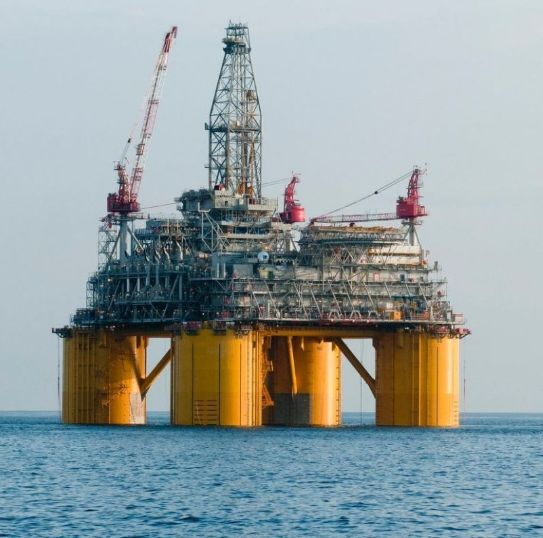
Offshore oil exploration is a complex and challenging endeavor, requiring specialized equipment to extract valuable energy resources from beneath the ocean's surface. Oil rig drilling equipment provides the technological backbone for these operations, ensuring efficient and safe extraction in harsh marine environments.
Key Components and Technologies
Drilling Platforms:
Drillships: Self-propelled vessels equipped with drilling machinery.
Offshore Platforms: Fixed or floating structures that support drilling operations.
Drilling Rigs:
Jack-up Rigs: Mobile platforms with extendable legs for shallow water operations.
Semi-submersible Rigs: Partially submerged platforms for greater stability in rough seas.
Drillship Rigs: Self-propelled drillships for deepwater exploration.

Drilling Equipment:
Drill Bits: Cutting tools for penetrating rock formations.
Blowout Preventers (BOPs): Safety devices to prevent uncontrolled oil or gas release.
Mud Pumps: Circulate drilling fluid to remove cuttings and maintain wellbore stability.
Top Drive Systems: Rotate the drill string for efficient drilling.
Drawworks: Hoist and lower the drill string.
Downhole Tools:
Measurement While Drilling (MWD): Provide real-time data on downhole conditions.
Logging While Drilling (LWD): Measure rock formation properties.
The Role of Simulation Technology
Simulation technology plays a crucial role in optimizing oil rig drilling operations. It is used for:
Design and Prototyping: Creating virtual models to test equipment performance and identify potential issues.
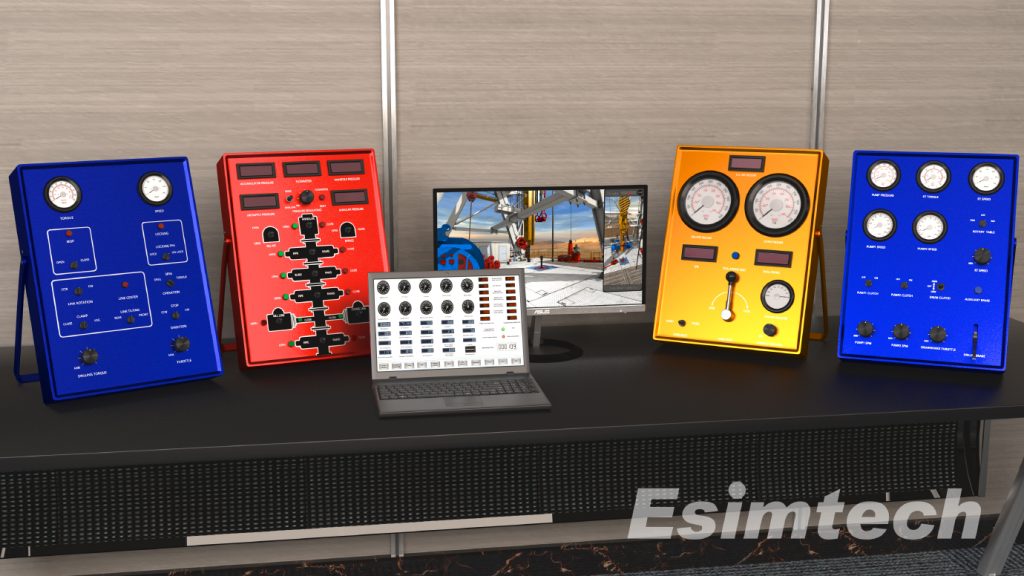
Training Simulators: Providing realistic training scenarios for drilling crews.
Drilling Process Optimization: Simulating drilling conditions to improve efficiency and safety.
Safety and Emergency Response Training: Preparing crews for potential emergencies.
Conclusion
Oil rig drilling equipment represents a sophisticated blend of engineering and technology. By understanding the key components, technologies, and the role of simulation, we can appreciate the complexity and challenges of offshore oil exploration. As technology continues to advance, we can expect even more innovative solutions to ensure the safe and efficient extraction of valuable energy resources from beneath the ocean's surface.
In the complex world of oil and gas exploration and production, effective communication is essential. Traditional methods often struggle to convey intricate processes to stakeholders, investors, and the general public. This is where oil and gas animation shines.

The Power of Visual Storytelling
Oil and gas animation transforms complex concepts into visually stunning narratives. It can shrink us down to the molecular level to witness the dance of oil and gas within reservoirs or take us on a whirlwind tour of drilling rigs and pipelines. Animation makes abstract concepts tangible, fostering understanding and engagement.
Key Benefits of Oil and Gas Animation
1.Clarity and Understanding: Animation breaks down complex technical jargon into easily digestible visual stories.
2.Engagement and Curiosity: By bringing inanimate objects to life, animation captures attention and sparks interest.
3.Awareness and Education: Animation can raise awareness of environmental challenges and highlight industry innovations.
4.Bridge Building: It fosters communication between industry experts and the public, promoting informed dialogue.
The Animation Process
1.Research and Conceptualization: Collaborating with experts, animators gain a deep understanding of the subject matter.
2.Scripting: A detailed script outlines the narrative, key messages, and sequence of events.
3.Storyboarding: Visual planning ensures the animation aligns with the script and effectively conveys the message.
4.Animation Production: Animators create 2D or 3D models, texture them, and bring them to life with dynamic movements and effects.
5.Review and Feedback: Stakeholders provide valuable input to refine the animation.
6.Finalization: The animation is polished to perfection, ensuring accuracy and quality.

Examples of Esimtech's Impact
Esimtech, a leading animation studio, has produced numerous impactful oil and gas animations:
Oil Drilling and Well Control Animation: Demonstrates the internal workings of drilling and well control equipment.
Diesel Engine Assembly and Disassembly Animation: Visually explains the components and processes involved in engine maintenance.
Downhole Tools Animation: Illustrates the function, working principles, and maintenance of downhole tools.
Land Rig Installation Animation: Depicts the step-by-step process of installing a land rig.

Conclusion
Oil and gas animation is a powerful tool for bridging the communication gap between industry experts and the public. By providing clear, engaging, and informative visuals, it fosters understanding, awareness, and collaboration, contributing to a more sustainable and informed future for the oil and gas industry.
The oil and gas industry, renowned for its complexity and high-risk operations, demands a highly skilled and well-trained workforce. Traditional training methods, while valuable, often fall short in replicating the dynamic and unpredictable nature of oil rig environments. To address this gap, the industry has increasingly turned to cutting-edge simulation techniques. This article explores how simulations are transforming oil rig training, providing a more immersive, effective, and safer learning experience.

The Need for Advanced Training
Oil rig operations require a unique blend of technical expertise, problem-solving skills, and a deep understanding of safety protocols. While traditional classroom-based training can provide foundational knowledge, it struggles to replicate the real-world challenges and scenarios encountered on oil rigs. Simulation technology bridges this gap by offering a highly realistic and interactive learning environment.
Oil and gas simulations allow trainees to actively engage with scenarios such as equipment malfunctions, emergency situations, and adverse weather conditions. This hands-on experience helps develop critical thinking, decision-making, and problem-solving skills in a controlled and safe setting. Moreover, simulations promote teamwork, communication, and a strong safety culture.

Key Components of Oil Rig Training Simulation
Drilling Operations: Drillling simulators can recreate the entire drilling process, from planning and positioning the rig to executing extraction. Trainees can practice various drilling techniques, manage pressure, and monitor parameters in a realistic virtual environment.
Emergency Response: Simulations can simulate a wide range of emergencies, including blowouts, fires, and equipment failures. Trainees can practice crisis management, decision-making, and coordinated responses in a safe and controlled environment.
Equipment Handling and Maintenance: Trainees can familiarize themselves with the operation and maintenance of various oil rig equipment through virtual simulations. They can practice troubleshooting, preventative maintenance, and efficient equipment handling.
Team Coordination and Communication: Simulations can foster teamwork and effective communication by placing trainees in collaborative problem-solving scenarios. They can learn to work together, delegate tasks, and communicate effectively in high-pressure situations.
The Benefits of Simulation-Based Training
Enhanced Safety: Simulations provide a safe environment for trainees to practice handling hazardous situations without risking real-world consequences.
Improved Efficiency: By providing hands-on experience, simulations can help trainees become more efficient and effective in their roles.
Reduced Costs: Simulations can reduce training costs by eliminating the need for costly on-site training or live equipment demonstrations.
Increased Engagement: The immersive nature of simulations can make training more engaging and memorable for trainees.
As the oil and gas industry continues to evolve, simulation technology will play an increasingly important role in training its workforce. By providing a realistic and effective learning experience, simulations can help ensure that oil rig workers are well-prepared to meet the challenges of their demanding profession.