
The oil and gas industry utilizes various drilling techniques, each suited for specific conditions, resource locations, and operational objectives. A comparative analysis of drilling methods highlights the advantages, limitations, and ideal applications of each. Understanding these methods can help stakeholders select the most appropriate approach based on factors such as efficiency, cost, safety, and environmental considerations.
1. Conventional Vertical Drilling
Overview:
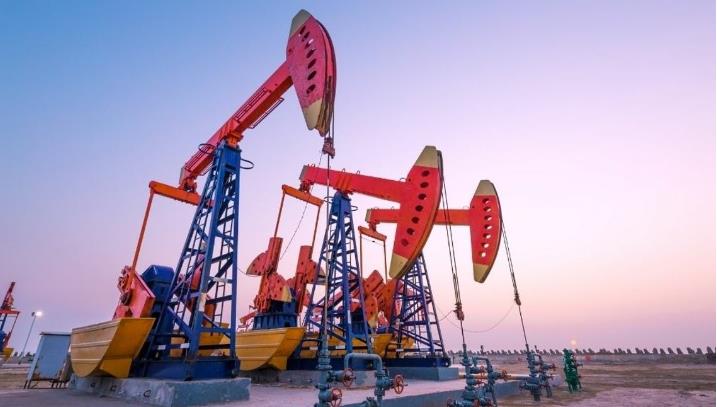
Conventional vertical drilling is the traditional approach, where the well is drilled straight down from the surface to reach an oil or gas reservoir. This method is straightforward, cost-effective, and widely used in regions where reservoirs are directly below the drilling site.
Advantages:
Lower Cost: Vertical drilling is often less expensive due to its simplicity, lower equipment requirements, and reduced complexity.
Simplicity and Speed: Fewer moving parts and shorter drill paths allow for faster drilling and completion.
Ease of Maintenance: Equipment and well maintenance are generally less complex, making it a preferred option in remote areas.
Limitations:
Limited Reservoir Access: Vertical wells are effective only in reservoirs that lie directly beneath the drill site, making them unsuitable for larger or unconventional reservoirs.
Lower Recovery Rates: Compared to advanced methods, vertical wells typically access less of the reservoir, resulting in potentially lower yields.
Environmental Impact: Multiple vertical wells are often required to cover an area, increasing land disturbance.
Ideal Applications:
Shallow or directly accessible reservoirs, smaller oil fields, and wells with low environmental restrictions are ideal for vertical drilling.
2. Directional Drilling
Overview:
Directional drilling enables operators to drill at various angles, allowing for multiple well paths to diverge from a single drill site. This approach is widely adopted for accessing resources spread across a broader area or where geological formations make vertical access impractical.
Advantages:
Increased Reservoir Contact: By adjusting the angle, operators can target multiple points within a reservoir, significantly increasing recovery rates.
Environmental Benefits: A single well pad can support multiple deviated wells, minimizing the environmental footprint.
Cost-Effective Multi-Well Pads: Drilling multiple wells from one location reduces costs associated with site preparation and surface equipment.
Limitations:
Higher Initial Costs: The equipment and technology for directional drilling are more costly than conventional vertical drilling.
Complex Operations: The additional engineering and planning required increase operational complexity and demand skilled personnel.
Ideal Applications:
Directional drilling is ideal for offshore and onshore reservoirs where the resource extends horizontally or where regulatory and environmental considerations limit the number of well pads.
3. Horizontal Drilling
Overview:
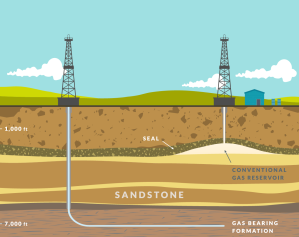
Horizontal drilling is an extension of directional drilling where the well is first drilled vertically and then gradually turned horizontally to maximize contact with the oil or gas reservoir. Horizontal wells are critical in the development of unconventional resources, such as shale and tight gas formations.
Advantages:
Enhanced Resource Recovery: Horizontal wells maximize reservoir exposure, significantly increasing production, especially in low-permeability reservoirs.
Efficient Resource Drainage: Horizontal wells can effectively drain large areas of a reservoir, reducing the need for multiple wells.
Compatibility with Hydraulic Fracturing: Horizontal drilling works well in conjunction with hydraulic fracturing to release resources in tight formations.
Limitations:
Higher Drilling Costs: Horizontal drilling requires advanced equipment and specialized techniques, increasing initial expenses.
Complex Well Design: Complex engineering and planning are required, as well as experienced drillers, which may limit its applicability in certain regions.
Ideal Applications:
Horizontal drilling is particularly suited to unconventional plays, including shale gas, shale oil, and coalbed methane, where maximizing contact with the resource layer is essential for economic viability.
4. Rotary Steerable Drilling (RSS)
Overview:
Rotary steerable drilling systems allow for precise steering of the drill bit without interrupting the drilling process. Unlike traditional steerable systems, RSS maintains continuous rotation of the drill string, improving drilling efficiency and allowing for highly accurate well placement.Advantages:
Enhanced Accuracy and Control: RSS provides real-time directional adjustments, which are essential for complex or extended-reach wells.
Improved Drilling Speed: Continuous rotation prevents the need to stop and adjust, leading to faster drilling and lower costs.
Ideal for Extended-Reach Drilling (ERD): RSS technology makes it feasible to drill longer wells with fewer deviations, maximizing reservoir exposure.
Limitations:
High Equipment and Operational Costs: RSS systems are among the most expensive due to the technology and real-time monitoring required.
Requirement for Skilled Operators: Operating RSS requires specialized skills and training, which can limit its application where such personnel are unavailable.
Ideal Applications:
RSS is ideal for deepwater offshore drilling, extended-reach drilling, and wells with complex geological formations, where precision and control are crucial.
Technological Advancements in Drilling Methods
The drilling industry is experiencing transformative changes with advancements in technology, making drilling safer, more efficient, and capable of reaching previously inaccessible resources. Here’s a look at some of the front-line innovations:
Automation and Robotics
Automation and robotics are replacing labor-intensive tasks in drilling, enhancing both safety and efficiency. Robotic arms can perform precise tasks at the borehole without fatigue, reducing human error and allowing for continuous operation. Think of it as having a tireless assistant performing delicate maneuvers in high-risk environments, ensuring reliability and reducing downtime.
Data Analytics and Real-Time Monitoring
Real-time data analytics and monitoring systems are revolutionizing the decision-making process. Sensors and advanced software continuously track the health and stability of the wellbore, acting as a vigilant, subterranean doctor that instantly identifies issues and recommends adjustments. This data-driven approach minimizes costly mistakes, increases efficiency, and helps operators maintain optimal drilling conditions at all times.
Advanced Drilling Fluids
Nano-engineered drilling fluids are redefining wellbore stability, cooling, and lubrication capabilities. These high-performance fluids are designed to perform under extreme conditions, enabling access to deeper and more challenging formations. Imagine these fluids as a “magic potion” that boosts drilling efficiency, stability, and safety in some of the harshest environments.
Artificial Intelligence (AI)
AI algorithms are making drilling operations smarter by predicting potential issues, recommending ideal techniques, and autonomously adjusting drilling parameters for optimal performance. Picture a drilling mastermind that anticipates and solves problems before they arise, ensuring safer and more efficient operations by continuously learning from past data to improve future outcomes.
Drilling Simulation
Drilling simulation technology offers a risk-free platform to train personnel and analyze various scenarios. These simulations provide realistic, immersive environments for drillers to practice and refine their skills, allowing them to tackle complex scenarios with confidence.

To sum up, each drilling method in the oil and gas industry has distinct advantages and limitations, making it essential to choose the most appropriate one based on the specific characteristics of the reservoir, operational goals, and budgetary constraints. Vertical drilling remains a practical choice for shallow and easily accessible reservoirs, while directional and horizontal drilling expand the range of accessible resources and improve yield in larger fields. Rotary steerable drilling offers unmatched control and efficiency, especially for complex or deepwater projects. By selecting the best-suited drilling technique, operators can maximize productivity, reduce costs, and achieve higher environmental stewardship.
Offshore oil rig decommissioning is a complex, multi-step process that involves dismantling, removing, and managing the environmental impact of aging oil and gas platforms. As more offshore rigs reach the end of their production life, decommissioning has become a vital part of the oil and gas industry. Executing these projects effectively requires a well-coordinated approach to manage environmental, financial, and operational aspects. Here’s a guide on how to excel in offshore oil rig decommissioning, from planning to safe disposal.

1. Conduct Comprehensive Pre-Decommissioning Assessments
Before beginning the decommissioning process, it’s essential to carry out a thorough assessment of the rig and the surrounding environment. This involves:
Engineering Surveys: Detailed structural and engineering surveys identify the rig’s condition and any modifications made over its lifetime.
Environmental Impact Assessment (EIA): The EIA identifies sensitive habitats, marine life, and protected areas around the rig. This assessment helps design an environmentally responsible approach and reduce ecological impact.
Risk Assessment: Evaluate the risks associated with the decommissioning, including potential hazards to workers and the environment. Assessing risks enables the development of contingency plans and safety measures.
By conducting these assessments, you lay the groundwork for a smoother and safer decommissioning project.
2. Develop a Clear and Detailed Decommissioning Plan
A well-defined decommissioning plan is crucial to coordinate various stages, minimize risks, and control costs. This plan should include:
Project Timeline and Phases: Define clear stages such as plug and abandonment of wells, topside removal, and site clearance.
Budget and Financial Planning: Outline expected costs, including contingencies for unexpected expenses.
Compliance Strategy: Address regulatory requirements from relevant authorities, including permits, documentation, and compliance with national and international regulations.
A clear decommissioning plan keeps the project on track, meets legal obligations, and helps prevent delays and cost overruns.
3. Prioritize Safety in Plugging and Abandonment of Wells
The first technical step in decommissioning is plugging and abandoning (P&A) wells. This process requires specialized equipment and expertise to permanently seal the wells, minimizing future environmental risks. Key steps in well P&A include:
Clearing Residual Hydrocarbons: Ensure that the well is cleared of any residual oil or gas.
Installing Cement Plugs: Place cement plugs at strategic points to prevent fluid migration, as required by regulatory standards.
Pressure Testing: Conduct pressure testing to verify that the cement seals are secure and effective.
Since well P&A is complex and potentially hazardous, strict adherence to safety protocols and advanced training for personnel are critical to prevent accidents and leaks.
4. Choose the Right Decommissioning Method
Selecting an appropriate method for dismantling the rig is essential to minimize environmental impact and adhere to regulations. The primary methods include:
Full Removal: Involves complete dismantling and removal of the rig, including the jacket, topside, and substructures. Full removal is often the preferred method to restore the site to its original state.
Partial Removal: Some portions of the structure, particularly those below the seabed, are left in place, which can minimize costs and provide artificial reefs for marine life.
Rig-to-Reef Conversion: The structure is repurposed as an artificial reef to support marine ecosystems, which may be viable in some locations depending on environmental and regulatory considerations.
Careful evaluation of these options helps balance costs, ecological impact, and regulatory compliance, ensuring the best outcome for each specific project.
5. Implement an Environmentally Responsible Dismantling Process
Environmental stewardship is crucial in decommissioning. An environmentally responsible approach includes:
Waste Management: Develop a comprehensive plan for waste disposal, recycling, and repurposing materials, such as metals, plastics, and hazardous substances.
Marine Life Protection: Schedule decommissioning activities to avoid critical periods for local marine life, like breeding seasons, and consider the use of noise reduction technologies to protect marine mammals.
Pollution Prevention: Implement strict procedures to prevent accidental spills or leaks, including secondary containment for fuels and chemicals and regular monitoring of water quality.
Following best practices in environmental management minimizes ecological damage, aligning decommissioning activities with sustainable practices.
6. Use Advanced Technology for Dismantling and Site Clearance
Deploying advanced technology and equipment can increase the efficiency and safety of the decommissioning process. This includes:
Remote-Controlled Underwater Vehicles (ROVs): ROVs are invaluable for underwater inspections, cutting, and removing subsea structures. They reduce risks for divers and improve precision in dismantling.
Specialized Cutting Tools: Utilize diamond wire and abrasive waterjet cutters to dismantle metal structures efficiently while minimizing environmental impact.
Site Clearance and Survey Tools: Conduct post-decommissioning surveys to ensure that all debris and structures have been removed or are in compliance with site clearance standards.
Using advanced technologies reduces risks and ensures thorough site clearance, helping meet regulatory and safety standards.
7. Engage Stakeholders and Communicate Transparently
Successful decommissioning requires coordination with multiple stakeholders, including regulatory bodies, environmental organizations, and the public. Transparent communication fosters trust and ensures that all parties are informed of the project’s progress. Key strategies include:
Regular Reporting: Provide updates to stakeholders at key project milestones, including environmental impact mitigation efforts and compliance with regulations.
Stakeholder Consultation: Engage with local communities, environmental groups, and regulatory authorities early in the process to address concerns and gather input.
Public Transparency: Share decommissioning plans, environmental reports, and post-decommissioning monitoring data with the public to build trust and demonstrate commitment to environmental protection.
Effective communication with stakeholders reduces potential conflicts and supports smooth project execution.
8. Post-Decommissioning Monitoring and Site Restoration
Once the rig is dismantled, ongoing monitoring and restoration are essential to ensure the area is returned to a safe, stable state. Steps for post-decommissioning include:
Environmental Monitoring: Conduct regular environmental assessments to ensure no residual contamination or damage to marine ecosystems.
Seabed Restoration: If necessary, restore the seabed to encourage the recovery of marine habitats and prevent erosion.
Final Compliance Check: Complete all required documentation, and report compliance with decommissioning regulations and environmental standards to relevant authorities.
These measures confirm that the decommissioning process has met environmental and safety standards, contributing to sustainable offshore management.

How Simulation Technology is Used in Offshore Oil Rig Decommissioning
Simulation technology plays a vital role in offshore oil rig decommissioning, offering a virtual platform to model, test, and refine various aspects of the process. By simulating different stages, the oil and gas simulation tools enhance planning, safety, training, and operational efficiency in decommissioning projects. Here’s an overview of how simulation technology supports each stage of offshore oil rig decommissioning:
1. Rig Design and Planning
Virtual Prototyping: During initial planning, engineers create virtual models of the rig and its components. This enables them to test multiple decommissioning scenarios and optimize dismantling and removal strategies.
Structural Integrity Testing: Simulations assess the rig’s structural integrity, helping engineers understand load-bearing capacities and identify potential challenges before dismantling begins.
2. Buoyancy and Stability Analysis
Hydrodynamic Simulation: Modeling how the rig maintains buoyancy and stability under varying sea conditions is essential. Hydrodynamic simulations allow engineers to examine the interaction between the rig's structure, ballast systems, and ocean environment to ensure stability throughout decommissioning.
3. Drilling Processes
Drilling Simulations: For rigs with operational wells, simulations help optimize well plugging and abandonment. Simulating processes like plug insertion and cementing improves safety and ensures wells are securely sealed to prevent environmental hazards.
4. Dynamic Responses
Environmental Force Simulation: External forces, such as waves, wind, and currents, impact the rig’s stability. Simulations help predict the rig’s response to these dynamic elements, allowing engineers to plan accordingly to maintain stability during decommissioning.
5. Emergency Scenarios
Emergency Response Training: Simulation technology trains personnel for emergency situations, like blowouts or fires. Virtual scenarios allow crew members to practice evacuation procedures, well control, and other critical safety measures in a controlled environment.
6. Crew Training
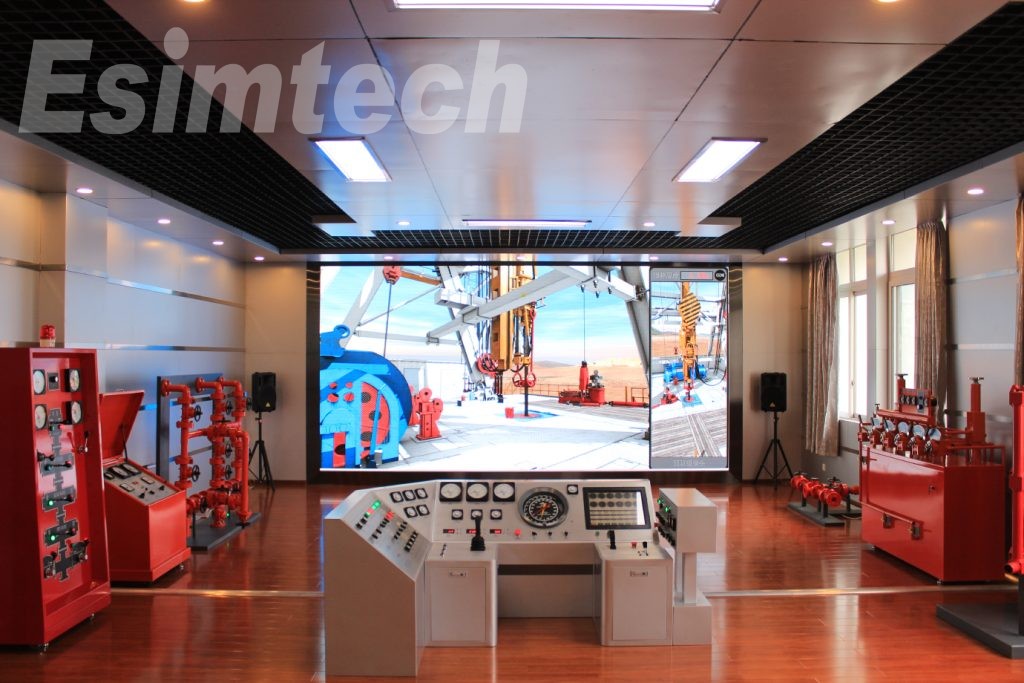
Virtual Reality (VR) Simulations: Advanced VR simulations offer realistic training for rig personnel. Crew members can familiarize themselves with decommissioning operations, equipment, and safety procedures, gaining valuable hands-on experience before working on-site.
7. Equipment Testing
Machinery Performance Simulation: Decommissioning involves various machinery, including cranes and specialized dismantling equipment. Simulations test equipment performance, allowing engineers to optimize machinery configurations and identify potential issues proactively.
8. Data Integration
Real-Time Data Feeds: By integrating real-time data from operational rigs, simulation platforms allow operators to make informed decisions. This data-driven approach improves responsiveness to changing conditions and enhances situational awareness.
9. Optimization and Efficiency
Scenario Analysis: Simulation technology enables engineers to analyze different decommissioning scenarios, helping identify strategies to improve operational efficiency. Engineers can evaluate approaches to dismantling, waste disposal, and resource allocation.
10. Risk Mitigation
Risk Assessment Simulations: Simulations provide a safe platform to assess risks associated with decommissioning. By testing scenarios in a virtual environment, operators can identify potential hazards and develop strategies to enhance safety and minimize risks.
11. Research and Development
Testing New Technologies: Simulation accelerates the research and development of new technologies, equipment, and procedures. Virtual testing enables engineers to refine innovative solutions before they’re implemented on actual rigs, reducing the risk associated with new technology deployment.
Excelling in offshore oil rig decommissioning requires meticulous planning, cutting-edge technology, and a strong commitment to safety and environmental responsibility. By focusing on comprehensive pre-assessments, detailed planning, well abandonment, environmentally conscious dismantling, advanced technology, stakeholder engagement, and post-decommissioning monitoring, companies can ensure that offshore decommissioning projects are successful, safe, and sustainable. With the growing importance of decommissioning in the oil and gas industry, following these best practices is key to minimizing impact and maximizing operational excellence in offshore projects.
The well completion phase is a crucial stage in the lifecycle of an oil or gas well, serving as a key factor in the overall success of drilling operations. It involves a series of specialized processes designed to prepare the wellbore for production, ensuring the efficient extraction of hydrocarbons from the reservoir. This comprehensive guide explores the significance of well completion, the complexities involved, and the various types of well completions employed in the industry.

The Importance of Well Completion
Well completion forms the essential link between the successful drilling of a well and the extraction of valuable resources like oil, gas, or water. This phase entails several critical steps after drilling and casing to prepare the well for efficient and safe production. Key reasons why well completion is so important include:
1. Optimizing Production
Maximizing flow: Well completion involves selecting the right equipment and techniques to allow hydrocarbons or water to flow freely from the reservoir to the wellbore and eventually to the surface. This includes perforating the casing, installing tubing, pumps, and managing sand production.
Targeting specific zones: Completion techniques can isolate different productive zones within the reservoir, enabling operators to target specific layers, maximizing extraction from the most valuable sections.
Enhanced recovery: Advanced methods like horizontal drilling and hydraulic fracturing unlock previously inaccessible reserves, boosting overall production.
2. Ensuring Safety and Well Integrity
Preventing blowouts: Proper completion ensures wellbore integrity, preventing uncontrolled fluid or gas releases, thus safeguarding personnel and the environment.
Corrosion protection: Materials and techniques are chosen to withstand downhole conditions, reducing corrosion and equipment failure.
Monitoring and control: Equipment used during completion, such as sensors and valves, allows operators to monitor well performance, adjust production rates, and take necessary actions, ensuring continued safety and control.
3. Environmental Considerations
Minimizing waste: Efficient completion reduces the need for future interventions and workovers, thus minimizing waste and environmental impact.
Protecting groundwater: Proper casing and cementing techniques protect freshwater aquifers from contamination by hydrocarbons or gases.
4. Economic Efficiency
Reduced operating costs: A well-planned completion minimizes downtime, enhances production rates, and extends the life of the well, leading to significant long-term savings.
Maximizing resource recovery: Efficient completion ensures optimal resource extraction, maximizing return on investment and reducing the need for further drilling.
In summary, well completion is a vital phase that requires expert planning and execution, utilizing advanced technologies to ensure the safe, efficient, and environmentally responsible extraction of hydrocarbons.
The Well Completion Process
The well completion process marks the transition from drilling to production and includes a series of critical steps and technologies designed to prepare the well for optimal hydrocarbon extraction. Below are the key stages of the well completion process:
1. Casing
Casing is the first step in well completion, providing structural reinforcement to prevent fluid migration. Typically made from steel or alloys, the casing is installed in sections and secured with cementing. This ensures wellbore stability and protects surrounding formations from contamination, contributing to overall well integrity. Regular testing ensures continued safety and productivity.
2. Cementing
Cementing secures the casing in place by pumping cement into the space between the casing and the wellbore wall. As the cement hardens, it creates a solid barrier that provides structural support and prevents fluid migration between formations. Cementing is critical for wellbore stability and environmental protection.

3. Open-Hole Completions
In open-hole completions, no casing is installed in certain sections, allowing direct contact between the wellbore and the formation. While this technique is cost-effective and increases reservoir access, it requires careful planning to address well stability and fluid control.
4. Perforating
Perforating involves creating holes in the casing to connect the reservoir with the wellbore. Specialized tools called perforation guns create these openings, allowing hydrocarbons to flow into the well. This process is critical to ensure efficient connectivity between the well and the reservoir.
5. Gravel Pack
Gravel packing is used in wells with unconsolidated formations to prevent sand and particles from entering the well. A mixture of sand and gravel is injected into the wellbore around the production casing, creating a permeable barrier that stabilizes production and prevents sand issues.
6. Production Tree
The final step is the installation of the wellhead, commonly referred to as the production tree or Christmas tree. This device includes casing heads and tubing heads to control the well's conditions from the surface. Depending on the type of well, production trees can be dry (onshore) or wet (submerged in offshore wells).
Types of Well Completions
Different types of well completions are used depending on geological conditions and production goals. Two primary types of completions are:
1. Open Hole Completion
Overview: No casing is installed in certain sections, allowing direct contact with the rock formations.
Application: Used in stable formations with minimal risk of collapse.
Advantages:
Enhanced reservoir access.
Simplified construction.
Cost-effective in stable formations.
2. Cased Hole Completion
Overview: Casing is installed throughout the wellbore, isolating different zones.
Application: Used in complex formations, high-pressure zones, or unstable wells.
Advantages:
Prevents collapse and ensures stability.
Allows zonal isolation for multiple reservoirs.
Reduces environmental and safety risks.
Completion types can be customized, such as selective completions targeting specific zones, multilateral completions accessing multiple branches, or intelligent completions with downhole sensors for optimization.

How Simulations Used for Optimizing Well Completion
Simulations play a vital role in optimizing well completion by allowing engineers to model various completion scenarios before actual implementation. These oil and gas simulation tools use reservoir data and advanced algorithms to predict how different completion techniques, such as perforation patterns, gravel packing, and fracturing, will impact production efficiency and well integrity. By analyzing flow dynamics, pressure changes, and potential challenges like sand production or fluid migration, simulations help to fine-tune the completion design, reduce operational risks, and maximize hydrocarbon recovery, ensuring a more cost-effective and efficient well completion process.
Conclusion
In conclusion, the well completion process is essential to the success, safety, and sustainability of oil and gas wells. Through careful planning, appropriate completion techniques, and a focus on innovation, industry professionals can ensure efficient and responsible resource extraction, making well completions a critical cornerstone of successful drilling operations worldwide.
The downhole drilling landscape has undergone significant transformation in recent years, driven by rapid advancements in technology. This article explores how cutting-edge simulation and predictive technologies have revolutionized downhole drilling, pushing the boundaries of performance and durability beyond their original specifications.

Evolution of Downhole Drilling Techniques
Downhole drilling techniques have evolved considerably since their primitive beginnings. From early manual methods to today’s sophisticated rigs, the industry has seen a series of groundbreaking advancements:
Early Days (Pre-1850s)
Primitive Percussion: The earliest method involved pounding a hole into the ground with a heavy weight or pole. It was slow, labor-intensive, and only effective for shallow depths.
Cable Tool Drilling: This technique used a rope or cable to lower a bit into the hole. The bit would crush the rock, and a bailer was used to remove the cuttings. While an improvement over percussion drilling, it was still slow and limited to depths of around 2,000 feet.
Rotary Drilling (Post-1850s)
Rotary Drilling: A major breakthrough, rotary drilling uses a rotating bit powered by an engine or motor to cut through rock. Drilling fluid is circulated to cool the bit and remove cuttings. This technique is much faster and can reach greater depths than previous methods.
Directional Drilling (Early 1900s – Present)
Directional Drilling: With this technique, drillers can control the direction of the borehole, allowing them to reach targets that are not directly beneath the rig, such as offshore reservoirs or those beneath complex terrains.
Advances in Drilling Technology (Mid-1900s – Present)
Mud Logging: By analyzing cuttings brought up from the wellbore, mud loggers can identify different rock formations and the presence of oil or gas.
Well Logging: Sensors lowered into the wellbore measure rock properties, helping to map formations, assess porosity, and identify oil and gas reservoirs.
Horizontal Drilling: This technique allows for drilling long horizontal sections from a single vertical wellbore, especially useful for reaching extensive reservoirs spread over large areas.
MWD/LWD (Measurement While Drilling/Logging While Drilling): These real-time technologies provide valuable data on the formation during the drilling process, enabling drillers to make critical adjustments in real-time.
The Rise of Simulation Technology in Downhole Drilling Operations
Drilling deep into the Earth is fraught with uncertainty and risk. The deeper the well, the more unpredictable the conditions become. Simulation technology has emerged as a powerful tool to mitigate these risks.
Downhole drilling simulations use sophisticated software to model various factors involved in the drilling process, including geological conditions, rig specifications, and drilling fluids.
Types of Downhole Drilling Simulations:
Geological Simulations: These models help identify potential hazards like faults or fractures, providing critical insights before drilling begins.
Drilling Mechanics Simulations: These models optimize drilling parameters such as weight on bit and rotary speed for improved efficiency.
Wellbore Stability Simulations: These simulations prevent wellbore collapse by ensuring the structural integrity of the well, which is vital for safety.
Types of Downhole Operation Simulations:
Beyond drilling, simulations are used in various downhole operations to enhance training and optimize procedures:
Workover Simulations: Model interventions to restore or enhance production, ensuring safety and efficiency.
Fracturing Simulations: Optimize hydraulic fracturing by simulating fracture propagation and fluid flow.
Production Simulations: Predict fluid flow from reservoirs to the surface, aiding in production strategy optimization.
Transient Simulations: Model short-term behaviors like flow tests or well control events.
Predictive Technologies in Downhole Drilling
The advent of predictive technologies is revolutionizing downhole drilling by enhancing safety, optimizing performance, and reducing risks. These tools allow for data-driven decisions in real-time, significantly improving drilling outcomes.

Real-time Drilling Data Analytics:
Sensors embedded in drill strings and mud pumps capture real-time data, including weight on bit, torque, and flow rates. Machine learning algorithms analyze this data to identify early warning signs of potential issues such as stuck pipe, wellbore instability, or kicks.
Formation Imaging and Logging:
Advanced tools, such as electromagnetic imaging and nuclear magnetic resonance, generate 3D images of the surrounding rock formations. This data helps predict geological hazards and make proactive adjustments to drilling plans.
Mud Logging and Geochemical Analysis:
Mud loggers analyze rock cuttings to detect changes in lithology and proximity to hydrocarbons. Advanced geochemical analysis can reveal subtle changes in the composition, indicating potential oil or gas reservoirs.
Seismic Data Interpretation and Inversion:
Advanced seismic processing techniques convert seismic data into detailed models of rock properties, enabling predictive mapping of subsurface formations and fluid content.
Cloud-based Simulation and Modeling:
Cloud platforms host powerful simulations that integrate real-time data and geological models, allowing drillers to predict wellbore behavior, optimize drilling parameters, and prevent issues before they arise.

Conclusion
Downhole drilling has evolved into a highly sophisticated and technology-driven process. Simulation and predictive technologies are unlocking new levels of efficiency, safety, and performance, making it possible to drill smarter and more sustainably. As these technologies continue to advance, the future of energy exploration will be shaped by our ability to see into the depths of the Earth with unprecedented precision, ensuring a more responsible and effective approach to resource extraction.
The oil and gas industry is vital to powering the global economy, with efficient extraction and production of hydrocarbons essential for meeting the world’s energy demands. Achieving peak performance in oil and gas production requires a complex, multifaceted process encompassing exploration, drilling, extraction, and refining. In recent years, simulation technology has transformed the industry's approach to these stages, enhancing efficiency, safety, and sustainability.

Oil and Gas Production Process Overview
The production process involves several stages, from discovering a reservoir to delivering refined products. Here’s an overview:
Exploration
Seismic Surveys: Seismic waves are used to map subsurface rock formations.
Geological Studies: Geologists evaluate rock types and hydrocarbon presence.
Exploratory Drilling: If a reservoir is suspected, exploratory drilling confirms hydrocarbons and assesses reservoir characteristics.
Drilling
Well Construction: Once confirmed, drilling operations begin, and well casing is installed.
Drilling Fluids: Specialized fluids are used to cool the drill bit and stabilize the wellbore.
Logging and Evaluation: Data from logging tools helps evaluate the reservoir’s potential.
Production
Well Completion: Equipment is installed to extract hydrocarbons.
Well Stimulation: Techniques like hydraulic fracturing may be used to enhance production.
Production Facilities: Hydrocarbons are transported for initial processing, separating oil, gas, and water.
Processing
Separation and Treatment: Oil, gas, and water are separated and treated to meet quality standards.
Transportation: Processed oil and gas are transported to refineries or distribution points.
Refining (Optional)
Refinery Processing: Crude oil is refined into products like gasoline and petrochemicals.
Distribution
Transportation and Storage: Refined products are delivered to distribution centers and stored until they meet market demand.
End Use
Utilization: Refined products serve various purposes, such as transportation, heating, and electricity generation.
The Role of Simulation in Oil and Gas Production
Simulation technology is essential in optimizing oil and gas production processes, offering benefits like increased efficiency, safety, and productivity.

Types of Simulations in Oil and Gas Production
Reservoir Simulation: A 3D model of the reservoir predicts fluid flow, helping optimize well placement and enhance oil recovery.
Benefits: Maximizes hydrocarbon extraction.
Drilling Simulation: Virtual drilling rigs simulation of drilling parameters, predicting issues such as stuck pipe or wellbore instability.
Benefits: Enhances drilling safety and reduces costs.
Production Simulation: Models the flow of oil and gas through pipelines and facilities, identifying bottlenecks and improving efficiency.
Benefits: Increases production and lowers operational costs.
Impact of Simulation on the Industry
Enhanced Safety: Simulations predict hazards and mitigate risks, protecting workers and the environment.
Improved Efficiency: Optimized strategies lead to faster operations and reduced costs.
Increased Productivity: Precise predictions and well placements boost hydrocarbon recovery.
Sustainable Practices: Simulations minimize waste and resource usage, contributing to environmentally-friendly operations.
Conclusion
The oil and gas production process is intricate and continuously evolving, with simulation technology playing a key role in optimizing its many components. From exploration to facility operations, simulations enhance decision-making, boost efficiency, and promote safety and sustainability. As technology advances, the use of simulation tools will shape the future of oil and gas production, driving innovation and improving industry outcomes.