
Offshore oil and gas extraction requires a variety of technologies tailored to different environmental and operational needs. Among these, fixed offshore platforms and mobile offshore rigs are two essential structures, each serving distinct purposes. Understanding their differences is crucial for energy professionals, policymakers, and anyone interested in the oil and gas industry.

Key Aspects that Distinguish Fixed Offshore Platforms from Mobile Offshore Rigs
1. Definition and Overview
Fixed Offshore Platforms: These are permanent structures anchored directly to the seabed. Designed for long-term use, they can accommodate extensive drilling, production, and storage operations. Fixed platforms are often used in shallower waters (typically up to 500 meters), where the economic feasibility of constructing such large, stationary units makes sense.
Mobile Offshore Rigs: These are versatile, movable structures used for drilling exploratory and development wells. They can be relocated to different sites, making them suitable for exploration and temporary operations. Mobile offshore rigs include various types, such as jack-up rigs, semi-submersible rigs, and drillships, allowing for use in a range of water depths.
2. Structural Characteristics
Fixed Offshore Platforms:v
Types: Common types include steel jacket platforms, concrete gravity-based structures, and compliant towers.
Design: These platforms are designed to withstand harsh marine conditions and are built to support heavy drilling and production equipment.
Construction: Fixed platforms are constructed onshore and then transported to their offshore location. They are anchored securely to the seabed using piles or by their own weight.
Mobile Offshore Rigs:
Types: Includes jack-up rigs (suitable for shallower waters), semi-submersible rigs (for deeper waters), and drillships (capable of drilling in ultra-deep waters).
Design: Mobile rigs have buoyant hulls or legs that can be adjusted to maintain stability and adapt to different water depths.
Construction: These rigs are constructed to be towed or self-propelled to various drilling sites, enabling them to move quickly and adapt to exploration needs.

3. Operational Flexibility
Fixed Offshore Platforms:
Usage: Primarily used for long-term production and processing. Once installed, they remain in place for decades, making them ideal for well-established oil and gas fields.
Advantages: High stability and capability for large-scale operations. They can support significant infrastructure such as living quarters, helipads, and storage facilities.
Limitations: High initial construction costs and a lack of mobility, which makes them unsuitable for exploration or short-term projects.
Mobile Offshore Rigs:
Usage: Ideal for exploration and temporary drilling projects. Their mobility allows operators to test various sites for oil and gas potential.
Advantages: Cost-effective for exploratory drilling and adaptable to different locations and water depths. Can be deployed rapidly in response to changing exploration demands.
Limitations: Limited space and capacity for production. Generally, once a well is drilled and proven productive, production facilities need to be installed separately.
4. Water Depth and Environmental Conditions
Fixed Offshore Platforms: Best suited for shallow to medium-depth waters, up to about 500 meters. Advances in engineering have made some designs, like compliant towers, capable of operating in deeper waters. These platforms are engineered to withstand severe weather and environmental conditions, making them reliable for regions with high wave activity and strong winds.
Mobile Offshore Rigs: More versatile in terms of depth. Jack-up rigs are generally used for waters up to 150 meters deep, while semi-submersibles and drillships can operate in waters exceeding 3,000 meters. Their mobility makes them advantageous for work in various environments, including areas prone to hurricanes or severe weather, as they can be evacuated or moved when necessary.
5. Cost Considerations
Fixed Offshore Platforms: The upfront costs of building and installing a fixed platform are substantial. These structures are highly capital-intensive due to the materials, design, and construction involved. However, their long-term production capabilities often justify the initial investment when extensive oil or gas reserves are present.
Mobile Offshore Rigs: Typically more cost-effective for short-term projects or exploratory drilling. The ability to move rigs to different sites enhances their economic efficiency for companies that are evaluating multiple prospects. While the daily operation costs of mobile rigs can be high, the lower initial investment compared to fixed platforms makes them attractive for exploration.
6. Lifecycle and Longevity
Fixed Offshore Platforms: Designed for a long operational lifespan, sometimes exceeding 30 years, making them ideal for fields with proven, abundant reserves. Decommissioning a fixed platform is complex and can be costly due to its size and environmental impact.
Mobile Offshore Rigs: Used for shorter-term projects with a lifespan that depends on the rig type and maintenance practices. Mobile rigs can be updated, repurposed, or retired based on market conditions and operational needs.
Analytics of Simulation Used for Fixed Offshore Platforms vs. Mobile Offshore Rigs
Drilling rig simulation technologies play a crucial role in the design, planning, and operational management of both fixed offshore platforms and mobile offshore rigs. The use of advanced simulations helps to optimize structural integrity, safety, environmental impact, and cost-effectiveness.
1. Purpose of Simulation
Fixed Offshore Platforms:
Structural Analysis: Simulations are employed to assess the strength and durability of fixed platforms, considering long-term environmental loads such as waves, wind, and seismic activity.
Load Testing: Simulations model how platforms bear static and dynamic loads over extended periods, ensuring that the structure remains stable under extreme conditions.
Fatigue Analysis: These simulations predict how materials and joints in the platform react to repetitive stress and environmental factors, enabling engineers to extend the platform's operational life.
Mobile Offshore Rigs:
Mobility and Stability Testing: Simulations evaluate how mobile rigs behave under different oceanographic conditions, ensuring safe movement and anchoring.
Hydrodynamic Performance: Rigs such as semi-submersibles and drillships are analyzed for their response to wave patterns, currents, and weather to ensure stability and operational efficiency.
Structural and Safety Assessments: Mobile rigs undergo simulations to test emergency response scenarios, evacuation plans, and damage control measures.
2. Types of Simulation Used
Fixed Offshore Platforms:
Finite Element Analysis (FEA): Used to simulate the stresses and deformations in the platform structure, FEA helps in identifying potential failure points and optimizing design for enhanced load-bearing capacity.
Computational Fluid Dynamics (CFD): Helps analyze the impact of waves, currents, and wind on the platform, ensuring that the structure can handle different weather conditions without compromising safety.
Seismic Analysis: Critical for platforms located in seismically active areas. Simulations predict the effects of earthquakes on the platform to mitigate risks and strengthen design elements.
Mobile Offshore Rigs:
Dynamic Positioning (DP) Simulations: Essential for ensuring drillships and semi-submersibles maintain position over a well site using computer-controlled systems.
Mooring and Anchoring Analysis: Simulations test how mooring lines and anchors perform under various environmental stresses, reducing the risk of drifting or unintentional movement.
Operational Load Simulations: Examine the forces experienced by mobile rigs during drilling, including heave, pitch, and roll motions that can affect drilling precision and safety.
3. Data and Analytics Techniques
Fixed Offshore Platforms:
Big Data Integration: Collects and analyzes historical data on environmental conditions to improve simulation accuracy and predictive maintenance models.
Predictive Analytics: Uses data to foresee when certain structural components might fail, enabling timely maintenance and reducing downtime.
Machine Learning Models: Enhance simulations by learning from past performance and optimizing platform design based on previous successes and failures.
Mobile Offshore Rigs:
Real-Time Monitoring: Integrates sensors with simulation models for real-time feedback on rig performance, providing predictive insights that inform operations.
Scenario-Based Analysis: Simulates a range of potential operational scenarios (e.g., sudden weather changes or equipment failure) to create robust contingency plans.
Multi-Agent Simulations: Employed to model interactions between the rig and its environment, allowing for better decision-making and risk management.

4. Simulation Outcomes and Applications
Fixed Offshore Platforms:
Optimized Design: Simulations help in fine-tuning design specifications, resulting in structures that can withstand long-term exposure to harsh conditions.
Extended Lifespan: By identifying and addressing potential fatigue issues, simulations contribute to an extended operational life and reduced maintenance costs.
Safety Enhancement: Simulation outcomes improve emergency response strategies, ensuring worker safety and compliance with international safety standards.
Mobile Offshore Rigs:
Enhanced Operational Efficiency: Simulations lead to better positioning and stability, ensuring rigs can operate safely and efficiently in various water depths.
Increased Flexibility: Analytics from simulations allow operators to adapt to changing conditions quickly, optimizing operations and avoiding downtime.
Risk Mitigation: Scenario-based simulations prepare the rig for potential hazards, improving safety protocols and emergency readiness.
Conclusion
Choosing between fixed offshore platforms and mobile offshore rigs depends on a variety of factors, including water depth, project duration, budget, and environmental conditions. Fixed platforms are best for long-term, high-yield projects where stability and capacity are paramount. On the other hand, mobile offshore rigs offer flexibility, adaptability, and cost savings for exploratory and short-term drilling needs.
Simulations for fixed offshore platforms and mobile offshore rigs play an indispensable role in their design, construction, and operation. While fixed platforms benefit from simulations focusing on long-term stability and durability, mobile rigs leverage them for adaptability and real-time response to environmental conditions.
Both options play vital roles in the oil and gas industry, complementing each other to ensure that energy companies can explore new resources, develop fields, and produce oil and gas efficiently and sustainably. Understanding these differences can guide better decision-making and strategic planning in offshore operations.
Hydraulic fracturing, commonly known as "fracking," is a technique used in the oil and gas industry to enhance the extraction of hydrocarbons from underground rock formations. This method has been transformative for energy production, enabling the recovery of oil and natural gas from previously inaccessible reserves. The process involves injecting a high-pressure fluid mixture into subterranean rock layers to create fractures, allowing trapped hydrocarbons to flow more freely into production wells.

The Hydraulic Fracturing Process Explained
Well Drilling: Hydraulic fracturing begins with the drilling of a vertical or horizontal well into the earth, often extending thousands of feet below the surface. Horizontal drilling is particularly common as it maximizes the surface area within the target rock formation.
Casing and Cementing: Once drilling is completed, the wellbore is lined with a steel casing and cemented in place to prevent any fluid leakage into surrounding rock layers and groundwater.
Injection of Fracturing Fluid: A specially formulated fluid, primarily composed of water, sand, and chemical additives, is injected at high pressure into the rock formation. The pressure of this fluid creates fractures in the rock, allowing natural gas or oil to escape.
Propping Agents: The sand or other proppants carried by the fluid act as tiny wedges that keep the newly formed fractures open. This ensures that hydrocarbons can continue to flow even after the pressure from the fluid is released.
Flowback: After the fracturing process, some of the injected fluid, known as flowback, returns to the surface. This fluid is collected, treated, and either reused in future fracking operations or disposed of according to environmental regulations.

Key Components of Fracturing Fluid
Water: Makes up about 90% or more of the total fluid volume and serves as the primary medium for transporting proppants into the fractures.
Sand (Proppants): Keeps the fractures open after the hydraulic pressure is removed.
Chemical Additives: Various chemicals are used to reduce friction, prevent corrosion, kill bacteria, and improve fluid flow. The specific chemicals used depend on the geological and operational needs of the site.
Benefits of Hydraulic Fracturing
Enhanced Energy Production: Hydraulic fracturing has unlocked vast new sources of oil and natural gas, particularly in shale and tight rock formations. This has significantly increased global energy supplies and reduced dependence on imported fuels in some countries.
Economic Growth: The surge in oil and natural gas production has led to job creation, economic stimulation in drilling regions, and lower energy prices.
Energy Independence: For countries rich in shale formations, fracking has contributed to greater energy independence, reducing reliance on foreign oil and gas supplies.
Environmental Concerns and Challenges
Water Usage: Fracking requires large quantities of water, which can strain local water supplies, especially in arid regions. Efforts to recycle and reuse water are growing, but water management remains a key concern.
Potential for Groundwater Contamination: Although properly cased and cemented wells are designed to prevent leakage, there is ongoing concern about the potential for chemicals in the fracturing fluid to seep into groundwater supplies if containment measures fail.
Induced Seismic Activity: The injection of wastewater from the fracking process into deep disposal wells has been linked to increased seismic activity in some areas. This issue has prompted further research and adjustments to disposal practices.
Air Emissions: Fracking sites can emit methane, a potent greenhouse gas, along with volatile organic compounds (VOCs) that contribute to air pollution.
Regulatory measures aim to monitor and reduce emissions.
Simulation Technology Used for Enhancing Hydraulic Fracturing
Simulation technology can significantly enhance hydraulic fracturing (fracking) by improving the efficiency, safety, and environmental impact of the process. Here’s how simulation technology contributes to the advancement of hydraulic fracturing:
1. Optimizing Fracture Design
Modeling Subsurface Conditions: Simulation software can create detailed 3D models of subsurface geological formations, enabling engineers to better understand rock properties, stress fields, and fluid behaviors. This helps in designing fracture networks that maximize hydrocarbon extraction while minimizing risks.
Predictive Analysis: By simulating various fracturing scenarios, engineers can predict the outcomes of different designs and optimize the placement and orientation of wells and fractures for improved production.

2. Enhancing Operational Efficiency
Reduced Costs: Simulation tools can help identify the most effective strategies for fluid composition, injection pressure, and proppant types, leading to more efficient operations and cost savings.
Improved Well Spacing: Simulation tools help determine the optimal spacing between wells to avoid interference and maximize production from a reservoir.
3. Environmental Risk Management
Minimizing Water Use: Simulations can optimize the volume and type of fluid used, reducing the amount of water needed and improving the sustainability of fracking operations.
Leakage and Contamination Prevention: Advanced modeling can predict the potential pathways for fluid leakage or unintended fracturing into nearby groundwater. This helps in designing safer wells and preventing contamination.
Emissions Control: Simulation technology can model the environmental impact of emissions and guide the implementation of methods to capture or reduce greenhouse gas emissions during operations.
4. Real-Time Monitoring and Adaptive Operations
Integration with Sensors: Modern hydraulic fracturing operations incorporate real-time data from sensors within the well. Simulation technology can process this data to adapt and optimize operations as they happen, ensuring the process remains safe and efficient.
Feedback Loops: Using real-time simulations, operators can immediately adjust pressures, fluid compositions, or pumping rates in response to observed changes in the formation or operational conditions.
5. Training and Skill Development
Virtual Training: Virtual reality simulations provide a risk-free environment for training engineers and operators in hydraulic fracturing processes. This helps improve safety protocols and operational skills without real-world consequences.
Enhanced Decision-Making: Simulation tools offer scenarios that prepare teams for unexpected challenges and equip them with better decision-making capabilities when issues arise in actual operations.
6. Enhanced Recovery Techniques
Experimentation with Fracturing Fluids: Simulation allows the testing of new fracturing fluid formulas to maximize extraction while minimizing chemical impacts.
Multi-Stage Fracturing Optimization: In complex reservoirs, multi-stage fracturing can be planned and refined using simulations to ensure that each stage contributes effectively to overall recovery.
The Future of Hydraulic Fracturing
Innovation in hydraulic fracturing technology continues to evolve, with new methods being developed to reduce water use, improve efficiency, and minimize environmental impact. Advancements such as the use of biodegradable additives, improved well designs, and alternative water sources are helping to make the process more sustainable.
Overall, Hydraulic fracturing remains a topic of debate due to its significant benefits in energy production and economic growth, balanced against environmental and community concerns. The ongoing development of safer and more efficient practices will be crucial for the future of this technology.
Recent technical advancements in safety and emergency response systems on offshore oil rigs have significantly enhanced the ability to prevent, detect, and respond to incidents more effectively. These innovations focus on improving the efficiency, reliability, and overall safety of offshore operations. Below are some of the key advancements:

1. Advanced Fire and Gas Detection Systems
Multi-Sensor Detection: Modern fire and gas detection systems use a combination of sensors (e.g., infrared, optical, and ultrasonic) to identify various types of fires (e.g., hydrocarbon or electrical fires) and gas leaks (e.g., methane, hydrogen sulfide). These multi-sensor systems provide faster and more accurate detection, reducing false alarms and ensuring a rapid response.
Smart Fire Systems: Integration with artificial intelligence (AI) allows for predictive analytics, helping to anticipate potential fire hazards based on historical data and real-time monitoring, which enables proactive maintenance and adjustments.
Wireless Sensors: Wireless fire and gas detection systems allow for easier installation, flexible positioning, and faster deployment, improving the coverage and responsiveness of detection systems across the rig.
2. Blowout Preventer (BOP) Technology
Enhanced BOPs: Technological advancements in BOP design, including the introduction of hybrid BOP systems, have improved their ability to manage high-pressure wells and prevent blowouts. These systems are more reliable, with improved seal integrity and pressure capabilities.
Remote-Controlled BOPs: Some rigs now utilize remotely operated BOPs, allowing for better control during drilling operations, especially in remote or dangerous conditions. These systems can be operated from a distance, reducing the risk to personnel.
Real-Time Monitoring: The implementation of real-time data monitoring for BOP performance, including pressure, temperature, and equipment status, enhances the ability to detect anomalies early and take immediate corrective action.
3. Automation and Robotics
Robotic Arms and Drones: Drones and robotic arms are increasingly being used for routine inspections, maintenance, and emergency response tasks, such as searching for hazards or providing real-time video feeds during emergencies. This reduces the need for personnel to be exposed to dangerous situations.
Automated Evacuation Systems: Advances in automated evacuation technologies, such as self-evacuating lifeboats, have made offshore evacuation processes faster and more reliable. These lifeboats can automatically deploy, navigate to a safe distance, and communicate with onshore rescue teams.
Automated Emergency Shut-off Systems: These systems can autonomously shut down certain operations (e.g., drilling or pumping) in response to specific triggers, such as gas leaks or unsafe pressure levels, improving the speed and accuracy of emergency responses.
4. Enhanced Communication and Monitoring Systems
Integrated Communication Networks: New high-speed satellite communication technologies (e.g., 5G and satellite-based systems) enable faster, more reliable communication between offshore rigs and onshore teams, especially in remote locations. This integration allows for real-time data sharing and faster decision-making during emergencies.
Wearable Safety Technology: Smart helmets, body sensors, and personal gas monitors provide real-time data on the health and safety of workers. These wearables can detect falls, exposure to hazardous gases, and other risk factors, sending alerts to safety personnel and triggering automated emergency responses if needed.
Simulation Technology: By creating virtual environments that mimic real-life scenarios, simulation tools allow personnel to practice responding to a wide range of emergencies, such as fires, gas leaks, blowouts, and oil spills. These oil and gas simulations help workers develop their decision-making, coordination, and problem-solving skills without exposure to actual risks. Additionally, simulation technology enables testing and optimization of emergency response procedures, such as evacuation routes and equipment performance, ensuring that all systems are functioning effectively before a real emergency occurs.
Virtual Reality (VR) Training: Virtual reality(VR) is being used for more immersive and effective emergency response training. These technologies allow workers to simulate emergency scenarios and practice their responses in a controlled, virtual environment.

5. Oil Spill Prevention and Response
Advanced Spill Detection Systems: New sensor technologies, including fiber optic systems and underwater drones, enable real-time monitoring of potential oil spills and their spread. These systems can detect minute leaks and identify spill locations quickly, allowing for faster containment and mitigation.
Automated Spill Containment: Technological advancements in robotic systems for underwater spill containment, such as remotely operated vehicles (ROVs), have enhanced the ability to quickly deploy containment booms, skimmers, and oil-absorbing materials during an oil spill.
AI for Spill Modeling: Artificial intelligence (AI) and machine learning are being used to model the movement and impact of oil spills in real-time, allowing for more effective response strategies. These systems can predict how oil will move based on current weather and sea conditions, helping to optimize the deployment of response resources.
6. Health and Medical Response Technology
Telemedicine: Telemedicine systems on offshore rigs enable remote consultations with doctors or medical professionals onshore, allowing for better diagnosis and treatment of medical emergencies. This reduces the need for helicopter evacuations, which are costly and time-consuming.
Advanced Medical Kits: New medical kits now come equipped with diagnostic tools (e.g., portable ultrasound machines, blood gas analyzers) that allow offshore medical teams to perform more comprehensive assessments and treatments, increasing the chances of survival in emergencies.
AI-Assisted Medical Decision-Making: AI and machine learning are being incorporated into medical decision-making tools to assist offshore healthcare workers in diagnosing and treating a variety of medical conditions quickly and accurately.
7. Weather Prediction and Risk Management
Advanced Weather Forecasting: The use of big data analytics and AI for weather forecasting on offshore platforms has improved the accuracy and timeliness of predictions, allowing rigs to better prepare for storms, hurricanes, and other extreme weather events. This technology allows for more informed decision-making regarding evacuations and equipment shutdowns.
Real-Time Environmental Monitoring: Sophisticated environmental sensors now monitor not only weather conditions but also ocean currents, sea levels, and even air quality. This data helps anticipate environmental hazards and facilitates proactive risk management.
8. Integrated Safety Management Systems (SMS)
Digital Safety Management Platforms: Integrated digital platforms are enabling real-time tracking of safety protocols, incident management, and regulatory compliance. These platforms provide a centralized dashboard for monitoring risk factors, safety equipment status, personnel location, and training records, improving overall safety management.
Predictive Safety Analytics: Advanced analytics powered by AI are being used to predict potential safety hazards before they occur. By analyzing historical incident data, maintenance records, and environmental conditions, these systems can identify patterns and recommend preventive actions.
In summary, Technical advancements in safety and emergency response systems on offshore oil rigs are continuously evolving to improve the safety, efficiency, and effectiveness of operations. By integrating automation, real-time monitoring, AI, and improved communication, these innovations not only reduce risks but also enhance the ability to respond rapidly and effectively to emergencies, ultimately ensuring a safer environment for workers and minimizing environmental impact.
Drilling engineering is a specialized field within petroleum engineering that focuses on the planning, design, execution, and management of drilling operations. The primary goal of drilling engineering is to drill wells safely, efficiently, and cost-effectively to access hydrocarbons. This discipline is essential in oil and gas exploration, where it plays a critical role in optimizing the extraction of resources while minimizing environmental impact and ensuring operational safety.

Core Functions of Drilling Engineering
Drilling engineering covers several core functions that ensure the successful completion of a well. These include:
Well Planning and Design: This is the foundational step in which engineers decide on the well’s location, trajectory, and depth. During planning, engineers use geological and geophysical data to optimize well placement and maximize reservoir contact. They also consider factors like well integrity, cost constraints, and potential environmental hazards.
Drilling Fluid Management: Drilling fluids, also known as "drilling mud," are essential for maintaining well stability, cooling the drill bit, carrying cuttings to the surface, and balancing formation pressures. Engineers design these fluids based on the specific conditions of each well to ensure efficiency and safety.
Drilling Equipment Selection: Engineers select specialized equipment, such as drill bits, drill pipes, and bottom-hole assemblies, based on the formation's characteristics. Each piece of equipment must be compatible with the geological and operational conditions, as well as the desired trajectory of the well.
Pressure Control and Well Integrity: Pressure control is crucial in drilling operations to prevent incidents like blowouts. Engineers use blowout preventers (BOPs) and maintain well integrity through proper casing and cementing to prevent uncontrolled flow of fluids into the wellbore.
Drilling Techniques and Methods
Different drilling methods are employed based on the type of formation and the depth of the reservoir:
Rotary Drilling: The most commonly used method, rotary drilling employs a rotating drill bit to cut through rock formations. The rotation is achieved through a rotary table on the rig floor or a top drive, and drilling mud is circulated to cool the bit and carry rock cuttings to the surface.
Directional Drilling: This technique allows engineers to drill at angles rather than just vertically. Directional drilling is essential for accessing reservoirs that are not directly below the drilling site and is commonly used in offshore drilling.
Horizontal Drilling: Horizontal drilling is a form of directional drilling where the wellbore is turned horizontal to increase the surface area in contact with the reservoir. This method is highly effective in unconventional reservoirs, such as shale plays, where it enables greater access to hydrocarbon-rich zones.
Managed Pressure Drilling (MPD): MPD is a specialized technique that allows for better control over downhole pressures, reducing the risk of formation damage and blowouts. This method is especially useful in complex geological conditions.
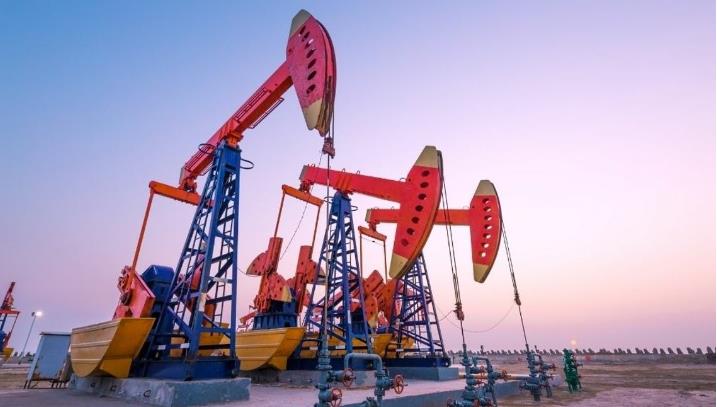
Drilling Challenges and Solutions
Drilling operations come with a variety of challenges that require innovative solutions:
High-Temperature and High-Pressure (HTHP) Environments: Drilling in extreme environments requires advanced materials and equipment to withstand high temperatures and pressures without failure. HTHP wells often require specialized drilling fluids, advanced sensors, and enhanced drilling tools.
Unconventional Reservoirs: Extracting oil and gas from unconventional reservoirs, such as shale formations, requires complex drilling techniques like hydraulic fracturing combined with horizontal drilling. Engineers must manage wellbore stability, proppant placement, and pressure to ensure successful extraction.
Deepwater Drilling: In offshore drilling, deepwater and ultra-deepwater wells present logistical and technical challenges. Engineers use remotely operated vehicles (ROVs) and advanced monitoring systems to handle these operations, often deploying specialized rigs designed for deepwater conditions.
Environmental and Safety Concerns: Reducing the environmental impact and ensuring the safety of workers is a top priority. Drilling engineers are developing eco-friendly drilling fluids, implementing best practices in well control, and adhering to strict regulatory standards to mitigate environmental risks.
Innovations and Future Trends in Drilling Engineering
The future of drilling engineering is shaped by technological advancements that improve efficiency, safety, and environmental sustainability. Key trends include:
Automation and Digitalization: Automation is revolutionizing drilling operations by enabling real-time data collection, remote monitoring, and predictive maintenance. Digital twins—virtual models of the drilling process—allow engineers to simulate various scenarios and optimize drilling performance.
Enhanced Drilling Sensors: Modern wells use an array of sensors that monitor temperature, pressure, and vibration levels in real-time. Advanced measurement-while-drilling (MWD) and logging-while-drilling (LWD) technologies provide continuous data on subsurface conditions, allowing for better decision-making.
Top Drive Drilling Systems: These systems provide a safer and more efficient alternative to traditional rotary tables by directly rotating the drill string from the top. Top drive systems are particularly beneficial in complex wells, where they allow for easier control over drilling speed and torque.
Sustainable Drilling Practices: With the global push for sustainability, drilling engineering is focusing on minimizing emissions, reducing the use of non-recyclable materials, and implementing energy-efficient practices. For example, advanced water-based muds are being developed as eco-friendly alternatives to oil-based muds.
Advanced Geosteering Technologies: Geosteering is the process of adjusting the well trajectory in real-time based on geological data. Advanced geosteering technologies use seismic and LWD data to steer the drill bit more precisely, maximizing reservoir exposure.
Drilling Software: Drilling Software refers to specialized tools that streamline planning, monitoring, and optimizing drilling operations in industries like oil and gas. It enables engineers to design well trajectories, monitor real-time data, and simulate drilling parameters such as pressure and rate of penetration. With capabilities like geosteering, automated risk assessment, and performance analysis, drilling software enhances safety, reduces operational costs, and supports efficient, data-driven decision-making. Integrating advanced technologies such as AI and machine learning, drilling software is pivotal for achieving precision, safety, and sustainability in modern drilling projects.

Career and Industry Outlook
Drilling engineers are in demand globally, especially in regions with rich hydrocarbon reserves. As the industry evolves to meet environmental regulations and the demand for energy efficiency, there is a growing need for engineers skilled in emerging technologies like automation, data analysis, and sustainability-focused drilling methods. In addition to traditional oil and gas applications, drilling engineering skills are also valuable in geothermal energy extraction, water well drilling, and carbon capture and storage (CCS) projects.
In summary, drilling engineering is an essential field that combines engineering principles, geological knowledge, and technological innovation. From traditional drilling to advanced techniques, drilling engineers are instrumental in safely and efficiently tapping into the Earth’s energy resources. As the industry continues to evolve, innovations in automation, digitalization, and sustainability will redefine the future of drilling engineering, making it a dynamic and impactful career path for engineers passionate about the energy sector.
The oil and gas industry has been a cornerstone of global energy production for over a century, and advancements in drilling technology continue to shape its future. Innovations in drilling techniques have enabled the industry to access previously unreachable reservoirs, improve efficiency, reduce environmental impact, and increase safety.

Key Advancments in Drilling Techniques for the Oil and Gas Industry
1. Directional and Horizontal Drilling
What It Is: Directional drilling allows for drilling at various angles, enabling multiple wells to be drilled from a single location. Horizontal drilling is a form of directional drilling in which the wellbore turns horizontally within the reservoir.
Advantages:
Maximizes contact with oil- or gas-bearing formations, enhancing extraction.
Reduces surface footprint by enabling multiple wells from a single pad.
Increases the ability to extract hydrocarbons from challenging, unconventional reservoirs, such as shale formations.
Applications: Horizontal drilling has been essential in the success of shale gas and oil extraction, particularly in regions like the United States, which experienced a shale boom due to this innovation.
2. Managed Pressure Drilling (MPD)
What It Is: MPD is a technology that allows precise control over wellbore pressure, enabling operators to manage the pressure gradient effectively and respond to downhole conditions in real time.
Advantages:
Reduces the risks of blowouts, wellbore instability, and lost circulation.
Enhances safety and efficiency, especially in high-pressure, high-temperature (HPHT) environments.
Enables access to challenging reservoirs with narrow pressure margins.
Applications: MPD is widely used in deepwater and offshore drilling, where conventional pressure control methods are insufficient for complex and high-risk environments.
3. Extended Reach Drilling (ERD)
What It Is: ERD is a method of drilling wells with exceptionally long horizontal reach, allowing operators to tap into reservoirs located several kilometers away from the drill site.
Advantages:
Minimizes environmental impact by reducing the need for additional surface facilities.
Allows operators to access remote resources from land-based drilling pads or existing offshore platforms.
Provides cost savings by reducing the need for new infrastructure.
Applications: ERD is beneficial in offshore drilling, where rigs are strategically placed to reach distant, economically viable deposits while reducing the environmental footprint.
4. Rotary Steerable Systems (RSS)
What It Is: RSS is a system that enables precise directional control of the drill bit without stopping the rotation of the drill string, allowing for faster, more accurate drilling.
Advantages:
Provides greater control over the drilling trajectory, resulting in improved accuracy.
Increases the rate of penetration and reduces overall drilling time.
Reduces wear on equipment, extending the operational life of tools and drill bits.
Applications: RSS is widely used in complex well paths, such as those with multiple changes in direction, making it essential for drilling in unconventional reservoirs and tight formations.
5. Automated Drilling and Data-Driven Operations
What It Is: Automated drilling involves using advanced algorithms, real-time data, and machine learning to optimize drilling processes with minimal human intervention.
Advantages:
Increases efficiency by reducing downtime and optimizing drilling parameters.
Enhances safety by minimizing human exposure to hazardous drilling conditions.
Provides operators with real-time insights and predictive analytics for better decision-making.
Applications: Automation is applied in both onshore and offshore drilling operations, where real-time data is essential for continuous optimization, predictive maintenance, and identifying potential hazards.
6. Top Drive Drilling Technology
What It Is: Top drive systems replace traditional rotary tables, providing power and torque directly to the drill string, allowing for continuous rotation.
Advantages:
Increases drilling speed and efficiency by enabling continuous drilling without making connections.
Reduces wear and tear on the drill string and associated equipment.
Improves safety by reducing the need for manual handling of heavy equipment.
Applications: Top drive technology is widely used in both onshore and offshore drilling, particularly in deep wells where traditional rotary tables would face limitations.

7. Underbalanced Drilling (UBD)
What It Is: UBD is a technique where the pressure in the wellbore is intentionally kept lower than the formation pressure, allowing hydrocarbons to flow to the surface as drilling continues.
Advantages:
Minimizes formation damage, which can occur when drilling fluids invade the reservoir.
Reduces the risk of lost circulation, as fluid pressure is lower than the surrounding formation pressure.
Increases production rates and extends the productive life of the well.
Applications: UBD is effective in depleted reservoirs, mature fields, and formations where traditional drilling methods would reduce the reservoir’s productivity.
8. Dual Gradient Drilling (DGD)
What It Is: DGD is a type of drilling that uses two different drilling fluids or gradients to manage pressure more accurately, which is particularly beneficial in deepwater environments.
Advantages:
Helps maintain well control in challenging deepwater formations where conventional drilling gradients are insufficient.
Reduces the risk of blowouts by accurately balancing formation pressures.
Enhances safety and efficiency in ultra-deepwater drilling.
Applications: DGD is especially valuable in ultra-deepwater offshore projects where pressure control is critical, as it allows operators to balance formation pressures without excessive casing and cementing.
How Simulation Technology Contributes to the Innovations in Drilling Techniques
1. Enhanced Training and Skill Development
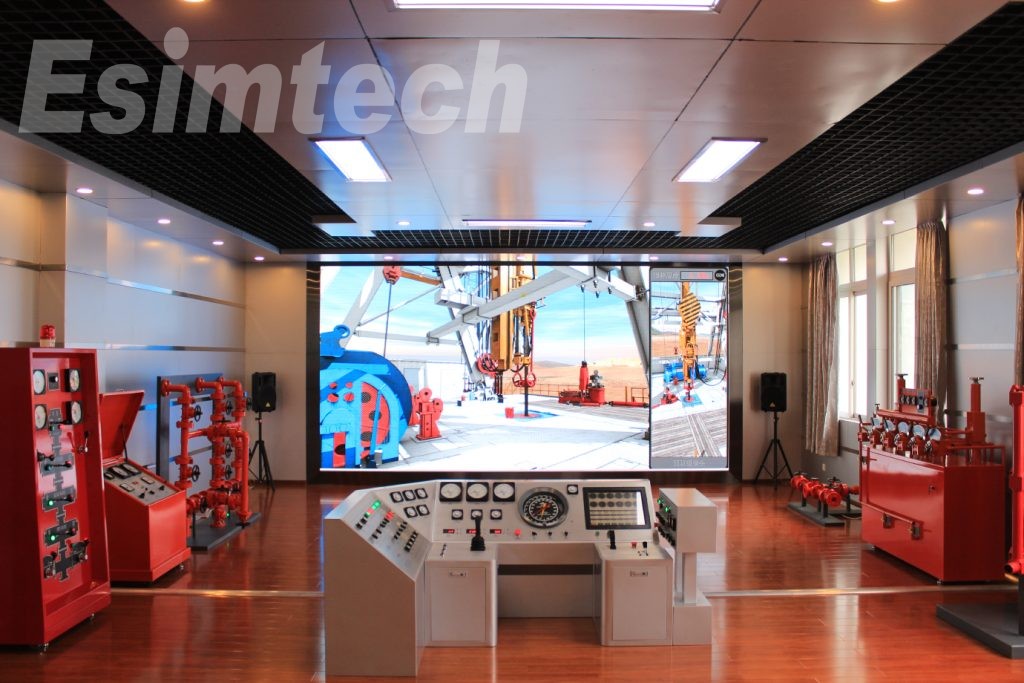
Realistic Drilling Environments: Simulation-based drilling training system allows operators to practice in highly realistic environments that mimic complex drilling scenarios, from routine operations to rare, high-risk situations.
Risk-Free Learning: Trainees can experience the impacts of their decisions in a virtual setting, building proficiency without the high costs or safety risks associated with real-life mistakes.
Continuous Learning: With advancements in simulation fidelity, trainees can stay updated on new techniques and technologies, ensuring they remain competent in the latest innovations like rotary steerable systems (RSS) and managed pressure drilling (MPD).
2. Optimizing Well Path and Trajectory Planning
Pre-Drilling Analysis: Simulations help engineers design the optimal well path, predicting subsurface conditions to navigate complex reservoirs effectively.
Collision Avoidance: In fields with multiple wells, simulation helps map out trajectories to prevent collisions, especially critical in directional and extended reach drilling operations.
Real-Time Adjustments: Simulations allow for real-time analysis of drilling conditionss, helping drillers make informed decisions on-the-fly, such as changes in trajectory or alterations in drilling parameters.
3. Managed Pressure and Underbalanced Drilling Simulations
Pressure Management: By simulating well pressure dynamics, operators can perfect their approach to MPD and underbalanced drilling (UBD) techniques. This reduces the likelihood of costly blowouts, formation damage, or lost circulation events.
Downhole Conditions Modeling: Advanced simulations allow for accurate modeling of downhole conditions, giving engineers the insights they need to control wellbore pressures more effectively and safely.
Optimized Fluid Selection: Simulations can test various fluid properties under different pressures and temperatures, guiding the selection of the best drilling fluid for complex environments.
4. Improving Efficiency and Rate of Penetration (ROP)
Data-Driven Optimization: Simulation tools use historical and real-time data to analyze optimal drilling parameters, such as rotation speed, weight on bit, and hydraulic power, improving ROP and reducing drilling time.
Reducing Downtime: Predictive maintenance simulations analyze wear and tear on drill bits and other equipment, helping to minimize unexpected downtime by planning maintenance and replacements in advance.
RSS and Top Drive Optimization: Simulation enables engineers to test different configurations and drilling parameters for RSS and top drive systems, refining settings that achieve the highest ROP and tool lifespan.
5. Predictive Analysis for Drilling Safety and Hazard Prevention
Blowout Prevention: With high-fidelity simulations, engineers can model extreme pressure conditions and test blowout preventer (BOP) responses, allowing drillers to design BOP stacks that will withstand specific well pressures.
Kick Detection and Response: Simulations model potential "kick" scenarios, enabling crews to develop a quick, practiced response to prevent kicks from escalating into blowouts.
Real-Time Hazard Monitoring: By integrating simulation models with real-time data, drillers can identify hazards like gas pockets or unstable formations before they cause safety issues.
6. Enhanced Offshore Drilling Capabilities
Dynamic Positioning Systems: Simulation tools for offshore rigs model environmental forces, such as ocean currents and wind, allowing for fine-tuning of dynamic positioning systems that keep rigs stable and precisely located.
Dual Gradient Drilling (DGD) Optimization: Offshore simulations assess pressure gradients and fluid properties to fine-tune DGD techniques, which help manage pressures in ultra-deepwater projects, reducing blowout risk.
Virtual Rig Design: Before offshore rigs are even deployed, simulation technology is used to model their interactions with seabed formations and pressure gradients, allowing engineers to design the best rig configuration for a given location.
7. Cost Reduction through Virtual Testing and Planning
Reduced Field Testing: Simulation reduces the need for expensive field tests by allowing engineers to virtually test various drilling scenarios and tools, cutting down on unnecessary costs.
Virtual Equipment Prototyping: New equipment designs, such as rotary steerable systems or specialized drill bits, can be virtually prototyped, reducing time and costs associated with physical prototypes.
Supply Chain Efficiency: Simulation-driven planning helps optimize supply chain and logistics by predicting equipment and material needs more accurately, minimizing delays and resource wastage.
8. Automated and Digital Drilling
Machine Learning and Predictive Analytics: Simulations are integrated with machine learning algorithms that analyze drilling data in real time, adjusting parameters automatically to enhance performance.
Digital Twins: By creating a “digital twin” of a drilling operation, operators can monitor a live model that reacts to real-time changes, allowing immediate adjustments and improvements based on simulation-predicted outcomes.
Remote Operations: Remote drilling operations are made possible through simulations that model field conditions, enabling remote teams to control and optimize drilling activities from centralized locations.
In summary, the advancements in drilling techniques for oil and gas have brought about a new era of efficiency, safety, and environmental responsibility. Simulation technology is central to driving innovation in oil and gas drilling, creating pathways to safer, more efficient, and environmentally responsible operations. As the industry faces the challenges of increasing energy demand, unconventional reservoirs, and stricter environmental regulations, these innovations will play a key role in its continued evolution and sustainability.