
Marine passenger seats play a crucial role in providing a comfortable and secure travel experience for passengers on various marine vessels. Whether it's a cruise ship, ferry, offshore vessel, or yacht, these seats are specially designed to withstand the unique challenges of the marine environment while offering optimal comfort and functionality. In this article, we will explore the design considerations, ergonomics, safety standards, and compliance requirements involved in creating marine passenger seats.
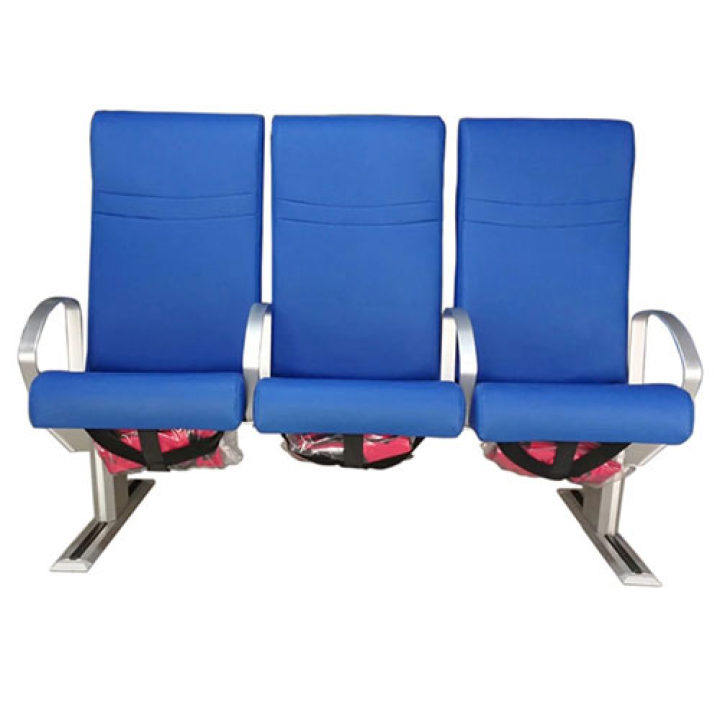
Design Considerations for Marine Passenger Seats
Ergonomics: Prioritize maximum comfort and support by considering seat height, width, depth, and backrest angle. Design seats that cater to diverse body types and promote proper posture for a comfortable travel experience.
Seating Configuration: Determine the best seating arrangement based on the vessel's layout and passenger capacity. Consider factors such as aisle width, legroom, and accessibility for passengers with mobility issues.
Seat Cushioning and Padding: Use high-quality cushioning materials that provide adequate support and pressure distribution. Marine seats are susceptible to vibrations and impacts, so choose materials that can withstand such conditions while ensuring passenger comfort.
Upholstery and Coverings: Select upholstery materials that are durable, water-resistant, and easy to clean in marine environments. Consider materials that are resistant to fading, mildew, and saltwater damage. Ensure that the coverings comply with fire safety regulations.
Safety Features: Incorporate safety equipment such as seat belts or harnesses to keep passengers safe during rough seas or unexpected vessel movements. Ensure that the safety devices are user-friendly and comply with relevant safety regulations.
Structural Strength and Stability: Design seats with sturdy frames and structures capable of withstanding the stresses encountered during maritime travel. Consider using corrosion-resistant metals or high-strength composites to ensure long-term durability.
Vibration and Shock Absorption: Implement mechanisms or materials that reduce the transmission of vibrations and shocks to the passenger seats. This can enhance passenger comfort and reduce the risk of fatigue or discomfort during long-distance travel.
Aesthetics and Branding: Create visually appealing designs that complement the overall interior aesthetics and branding of the vessel. Use color schemes, patterns, and finishes that enhance the passenger experience and reflect the maritime ambiance.
Maintenance and Cleanliness: Design seats that are easy to maintain and clean due to the presence of dirt, salt, and moisture in coastal environments. Consider using replaceable and washable seat covers, as well as components that are easily accessible for routine maintenance and repairs.
Regulatory Compliance: Ensure that the design and construction of marine passenger seats comply with relevant maritime safety and regulatory standards. This includes requirements for stability, fire safety, and evacuation protocols.

Ergonomics and Comfort of Marine Passenger Seats
The ergonomics and comfort of marine passenger seats are crucial factors in improving the overall travel experience and ensuring passenger satisfaction. Here are key considerations to prioritize when designing marine passenger seats:
Seat Contouring: Design seats that conform to the natural curves of the human body, providing optimal support and promoting proper posture. Consider the contours of the seat bottom, backrest, and headrest to evenly distribute pressure and reduce discomfort during prolonged sitting.
Seat Padding and Cushioning: Utilize high-quality padding materials that offer sufficient cushioning and shock absorption. The padding should strike a balance between comfort and support, relieving pressure points while maintaining stability. Consider incorporating foam or gel inserts to enhance comfort levels.
Lumbar Support: Include adjustable lumbar support to accommodate passengers with varying needs. Lumbar support helps maintain proper sitting posture by preserving the natural curve of the spine.
Seat Width and Depth: Ensure sufficient seat width and depth to comfortably accommodate individuals of all sizes. Seats that are too narrow or shallow can cause discomfort and restrict movement.
Armrests: Incorporate properly positioned and padded armrests to support passengers' arms and provide a resting place. Armrests should be at a comfortable height, allowing passengers to maintain a relaxed posture without raising their shoulders. Consider the optimal seat height to facilitate easy entry and exit for passengers.
Seat Height: Consider the appropriate seat height to facilitate passenger entry and exit. Seats should align with the deck height of the vessel, allowing passengers to firmly plant their feet on the floor for stability.
Seat Upholstery: Choose upholstery fabrics that are not only comfortable but also resistant to water, mildew, and stains. Seats in marine environments are exposed to water splashes, salt, and other impurities, so selecting durable, water-resistant textiles or marine-grade vinyl is essential.
Ventilation: Incorporate ventilation features into the seat design to improve airflow and prevent heat buildup, particularly in warmer climates. Proper ventilation can help reduce perspiration and enhance passenger comfort.
Noise and Vibration Dampening: Implement measures to minimize the transfer of noise and vibration to the seats. This may involve using vibration-absorbing materials or isolating the seat mounting from the vessel's structure to alleviate discomfort caused by vibrations and engine noise.
Accessibility: Ensure that the seats are designed to accommodate passengers with mobility issues, such as those using wheelchairs or walkers. Consider wider seat dimensions, retractable armrests, and unobstructed pathways throughout the seating area for easy movement.
Safety Standards and Compliance of Marine Passenger Seats
Regulatory Requirements: Familiarize yourself with applicable norms and standards for marine passenger seating, including recommendations from organizations such as the International Maritime Organization (IMO), the United States Coast Guard (USCG), and classification societies like Det Norske Veritas Germanischer Lloyd (DNV GL) or Lloyd's Register (LR). Stay updated on any revisions or amendments to these regulations.
Seat Strength and Durability: Marine passenger seats must have structurally sound frames capable of withstanding the dynamic stresses experienced during vessel operations. Consider seat frame materials, reinforcements, and load testing to ensure appropriate strength and durability.
Fire Safety: Materials used in marine seating must meet fire safety standards, such as the International Convention for the Safety of Life at Sea (SOLAS) requirements for fire resistance. Use fire-retardant materials and ensure compliance with relevant flammability standards, such as the International Maritime Organization's Fire Test Procedures Code (FTP Code).
Seat Belt Systems: Install proper seat belt systems to enhance passenger safety and minimize the risk of injury during turbulence or accidents. Follow industry-standard seat belt designs, including buckle types, webbing strength, and attachment points. Consider utilizing a three-point or lap-and-shoulder seat belt.
Impact Resistance: Design seats with impact-resistant characteristics to minimize the effects of collisions or incidents. Reinforce seat constructions and attachment points to withstand impact forces and minimize the risk of seat detachment or failure.
Slip Resistance: Use slip-resistant materials or surface treatments on seat surfaces and surrounding areas to prevent passengers from slipping or falling, particularly when the vessel is in motion or during wet weather conditions.
Accessibility: Ensure that marine passenger seats meet accessibility requirements to accommodate individuals with disabilities. Consider factors such as seat height, armrest design, and maneuvering space to facilitate ease of use for passengers with mobility challenges.

Documentation and Certification: Maintain detailed records of seat design, materials, manufacturing processes, and compliance testing. Obtain necessary certificates or approvals from recognized authorities or classification organizations to demonstrate compliance with safety standards.
Crash Testing: Consider conducting crash tests or simulations to assess the performance of the seats during impact scenarios. This can help identify areas for improvement and validate compliance with safety regulations.
Ongoing Compliance Monitoring: Regularly review and evaluate seat designs and materials to ensure continuous compliance with evolving safety requirements and standards. Stay informed about industry developments, safety bulletins, and best practices to ensure the safety of marine passenger seats.
Summary
Marine passenger seats are not only essential for safety but also contribute to the overall passenger experience on the high seas. These seats are designed to provide comfort, durability, compliance with safety regulations, and accessibility for all passengers, from luxurious cruise liners to efficient ferry services. By prioritizing ergonomics, safety standards, and design considerations, marine passenger seats can offer passengers a pleasant and secure journey at sea.
Marine seats are crucial components of boats, offering comfortable seating for captains and guests. Choosing the right marine seat is vital for ensuring comfort, safety, and overall enjoyment during boating trips. There are various types of marine seats available, each with its own features and advantages. In this article, we will explore the common types of marine seats, key components and features, the advantages they offer, and how to choose the right marine seat for your needs.
Commonly Used Types of Marine Seats:
Captain's Chair: The primary seat for the boat's driver, typically mounted on a swivel pedestal for height and distance adjustment. Captain's chairs often include armrests, built-in cup holders, storage sections, and some may have shock-absorbing features for added comfort.
Bench Seats: The most common type of boat passenger seats, bench seats can be pedestal-mounted or secured to the boat's structure. They can be configured to face forward or backward and may be foldable to create more deck space.
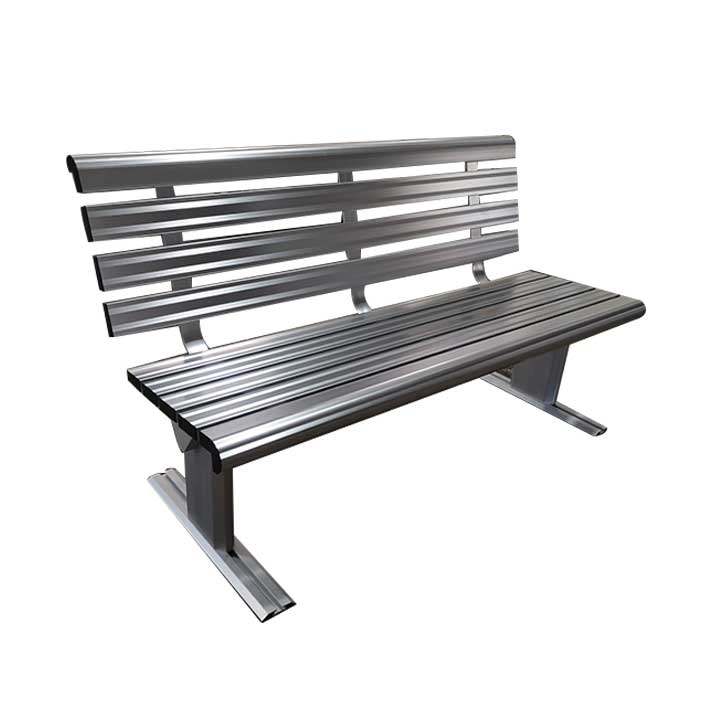
Folding Seats: Ideal for boats with limited capacity, folding seats can be easily folded up when not in use, freeing up deck space. They are lightweight, portable, and can be fixed on pedestals or directly to the boat's frame.
Fishing Seats: Designed specifically for anglers, fishing seats are usually mounted on pedestals and allow for swiveling in any direction. They often feature additional elements like rod holders and cup holders, and some may have shock-absorbing properties for comfort in rough waters.
Key Components of Marine Seats:
Padding: Marine seats are typically padded with materials such as foam, vinyl, or leather to provide a comfortable seating surface. Some seats may have extra cushioning in the lumbar area for lower back support.
Seat Belts: Seat belts are crucial for safety, especially in rough waters or during sudden stops. They are made of strong materials like nylon webbing and may have quick-release fasteners for easy removal.
Armrests: Armrests offer increased comfort and support for passengers. They can be adjustable or fixed and may include cup holders or storage compartments.
Swivel: Swivel seats allow passengers to turn and face any direction, making them convenient for fishing or interacting with other passengers. They are typically mounted on pedestals and have locking mechanisms to hold them in position.
Storage Compartments: Some marine seats come with built-in storage pockets or compartments, providing convenient space to store snacks, drinks, or fishing gear. Storage areas can be located beneath the seat or in the armrests.
Advantages of Marine Seats:
Comfort: Marine seats provide a comfortable seating surface, reducing fatigue and back strain during boating trips. They can also help alleviate motion sickness and other motion-related discomforts.
Safety: Seat belts on marine seats enhance passenger safety, especially in turbulent waters or during sudden movements. Shock-absorbing features in seats can minimize the risk of injuries caused by rough waves.
Functionality: Marine seats come with various features that enhance their functionality. Swivel seats, armrests, and storage compartments improve comfort and versatility. Folding seats are particularly useful for boats with limited deck space.
Aesthetics: Marine seats can enhance the overall appearance and ambiance of a boat. They come in a range of colors and styles, allowing boat owners to personalize the look of their vessel. High-quality marine seats can also increase the resale value of a boat.
Durability: Marine seats are designed to withstand the harsh conditions of the marine environment. They are made of durable materials that can resist saltwater, UV radiation, and other environmental elements. With proper care and maintenance, high-quality marine seats can last for many years.
How to Choose the Right Marine Seat:
When selecting a marine seat, consider the following factors:
Type: Choose a seat that suits the type of boating you will be doing. Captain's chairs are suitable for extended trips or open sea voyages, while bench seats are great for socializing or accommodating more passengers. Folding seats are ideal for boats with limited deck space, and fishing seats are designed specifically for anglers.
Features: Determine the features you require in a marine seat. Consider factors such as padding, seat belts, armrests, swivel capabilities, and storage compartments based on your comfort and functionality needs.
Material: Select a seat made of durable materials that can withstand the marine environment. Common materials for marine seats include vinyl, leather, and foam. Look for seats that are resistant to saltwater, UV radiation, and other environmental factors.
Budget: Consider your budget when choosing a marine seat. Higher-quality seats tend to be more expensive, but they offer better durability and longevity with proper care.
In conclusion, marine seats play a crucial role in providing comfort, safety, and functionality on boats. Considering the type of boat, passenger needs, and budget is essential when selecting the right marine seat. Look for features that enhance comfort and versatility, choose seats made of durable materials, and ensure they match the aesthetics of your vessel. By making an informed decision, you can enhance your boating experience and enjoy your time on the water to the fullest.
Stockless anchors are gaining popularity in marine applications due to their versatility and compact design. These anchors, suitable for small boats and large ships alike, offer a range of advantages for various seabed conditions. In this article, we will explore on the topic of what are stockless anchors, including the definition, design components, types, installation, maintenance, and the advantages and disadvantages of stockless anchors.

Definition of Stockless Anchors:
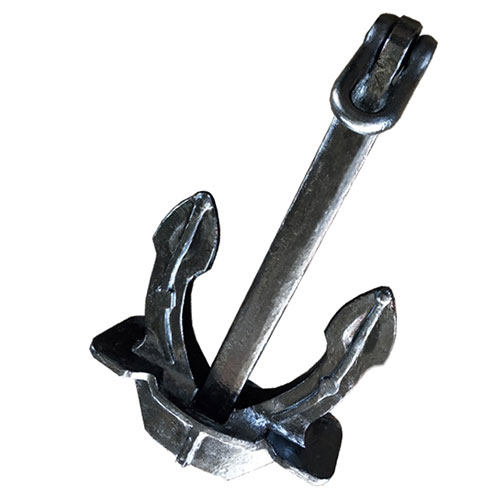
A stockless anchor is a type of marine anchor that lacks a vertical bar called a stock, which assists in proper pivoting and setting on the seafloor. Instead, the shank of a stockless anchor is directly attached to the anchor chain or rope. This design allows the anchor to rotate and dig into the seafloor without the need for a stock. Stockless anchors are popular due to their small size, ease of use, and ability to provide reliable holding power in various seabed conditions.
Design and Components of Stockless Anchors:
While the design and components of stockless anchors may vary depending on the manufacturer and intended purpose, they typically consist of the following parts:
Shank: The shank serves as the anchor's main body, providing the necessary weight and structure to keep the anchor in place. It features a bent or fluked end that aids in digging into the seafloor.
Flukes: Flukes are the flat, curved, or pointed sections of the anchor that dig into the seafloor, providing gripping power. They can be shaped like a scoop or a wing and vary in number, size, and angle based on the anchor's size and type.
Crown: The crown is the top part of the anchor, typically featuring a hole or slot for attaching the anchor chain or rope.
Tripping Ring: A small ring attached to the crown, the tripping ring is used in emergencies to remove the anchor from the seabed.
Chain or Rope: The anchor chain or rope connects the anchor to the boat, supplying the necessary tension to keep the anchor in place. A shackle is often used to secure it to the anchor's crown.
Various Types of Stockless Anchors:
Stockless anchors come in different types, each suited for specific marine applications and seabed conditions. Some common types include:
AC-14 Anchor: This anchor offers excellent dragging resistance and holding force, commonly found on offshore oil rigs and large marine vessels.
Hall Anchor: Lightweight and compact, the Hall anchor is ideal for smaller vessels, providing good holding power in soft to moderate seabed conditions.
Spek Anchor: Designed for challenging seabed conditions like rocks, the Spek anchor is a heavy-duty option frequently used on large ships and offshore rigs.
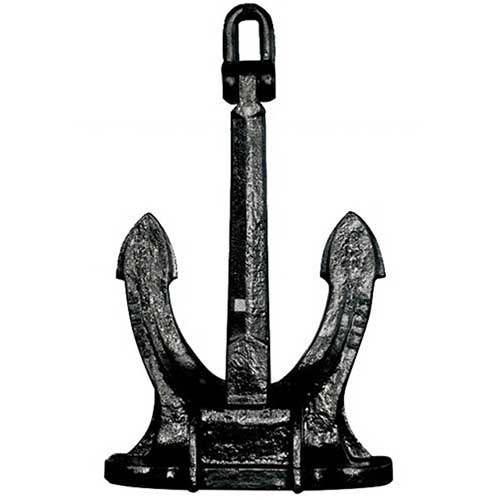
Pool Anchor: Pool anchors are versatile and adaptable, suitable for a variety of bottom conditions such as mud, sand, and rock. They are commonly seen on small to medium-sized ships.
Baldt Anchor: With high-strength capabilities, Baldt anchors are used in heavy-duty marine applications like oil rigs and large cargo ships.
Delta Anchor: Popular among recreational boats and smaller commercial vessels, the Delta anchor offers strong holding ability across different seabed situations.
Installation and Maintenance of Stockless Anchors:
Proper installation and maintenance are crucial for the optimal performance and longevity of stockless anchors. Follow these guidelines for installation and maintenance:
Installation:
Before installation, inspect the chain or rope for any damage such as fraying, rust, or wear and tear. Replace any damaged components before proceeding.
Ensure the anchor is appropriate for the size and weight of the vessel and the seabed conditions. Follow the manufacturer's instructions regarding chain or rope lengths.
Lower the anchor carefully and gradually, paying out the chain or rope to avoid damaging the anchor and to ensure proper placement on the seabed.
Verify that the boat is securely fastened in place once the anchor is set.
Maintenance:
After each use, inspect the anchor for any damage or wear, such as bent flukes or cracks in the shank. Rectify any damage or consider replacing the anchor if necessary.
Regularly clean the anchor to prevent corrosion and rust, which can weaken its holding capacity.
Inspect the chain or rope periodically for deterioration, corrosion, or fraying. Replace any damaged sections promptly.
Follow the manufacturer's instructions for maintenance and inspection intervals, which may vary depending on the material and usage of the anchor.
Advantages and Disadvantages of Stockless Anchors:
Consider the following advantages and disadvantages when selecting a stockless anchor for your marine application:
Advantages:
Compact design facilitates easier handling and storage.
Easy deployment, especially in shallow waters.
Good holding power on various seabed conditions.
Reduced risk of snagging on underwater debris.
Versatile and suitable for a wide range of vessels.
Disadvantages:
Limited pivoting capability compared to anchors with stocks.
May not perform as effectively in high winds.
Limited holding power in hard seabeds.
May require more frequent maintenance due to compact design.
Higher cost, particularly for high-strength materials.
Summary
Stockless anchors offer a compact and versatile solution for marine applications. Their design, lack of stock, and various components enable ease of use, reliability, and efficient anchoring. By understanding the advantages and disadvantages of stockless anchors, as well as considering specific requirements for each application, you can make an informed decision when selecting the most suitable anchor for your marine needs.
Rubber fenders play a crucial role in ensuring safety and protection in the marine industry, as well as in various industrial and commercial applications. They are primarily used to safeguard boats, structures, and employees from the impacts associated with berthing and mooring.
Vessel Protection
One of the key reasons why rubber fenders are essential is their ability to act as a protective barrier between vessels and hard surfaces, such as piers or other vessels. By providing a cushioning effect, they help maintain the integrity of both the vessel and the surface it comes in contact with.
Personnel Safety
Rubber fenders offer a cushioning effect that plays a vital role in safeguarding employees in the event of accidents or impacts. This cushioning effect minimizes the risk of injuries and ensures the well-being of personnel working in marine environments.
Durability
Rubber fenders are renowned for their exceptional durability and resilience in harsh marine environments. They can withstand the challenging conditions presented by saltwater, constant exposure to waves and weather, and the constant berthing and mooring of vessels. Their durability makes them a reliable choice for long-term vessel protection.
Cost-effectiveness
In terms of cost-effectiveness, rubber fenders are a preferred option for vessel protection. They require less maintenance compared to other types of fenders and are less prone to damage. This translates into reduced maintenance costs and longer service life, providing an economical solution for marine applications.
Versatility
Rubber fenders come in various shapes and sizes, offering versatility in their application. This adaptability allows them to be used in a wide range of marine scenarios and applications, making them highly versatile and suitable for different vessels and structures.
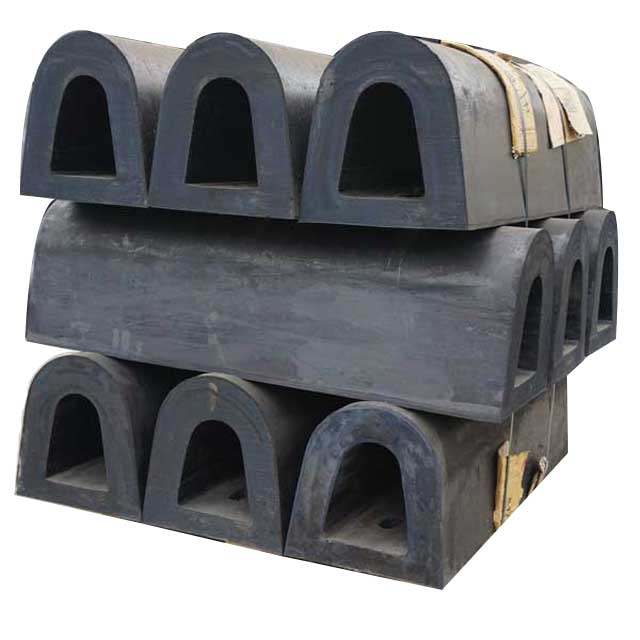
Types of Rubber Fenders commonly used
Different types of rubber fenders have their own advantages and are applied based on specific requirements.
Solid Rubber Fenders
Solid rubber fenders are widely used due to their durability, robustness, and resistance to wear and tear. They are suitable for various marine applications, including berthing and mooring, providing reliable protection for vessels and structures.
Pneumatic Rubber Fenders
Pneumatic rubber fenders find extensive use in the offshore industry. They have the ability to absorb large amounts of energy, making them highly effective in protecting vessels and offshore structures from accidents and impacts.

Cone Rubber Fenders
Cone rubber fenders are commonly employed in high-energy applications, such as protecting offshore platforms or serving as a buffer for a ship's bow. Their unique shape allows them to handle high impact energies effectively.
Foam Rubber Fenders
Foam rubber fenders are lightweight and excellent at absorbing stress. They are typically utilized in smaller applications, such as recreational boats, where their properties are well-suited for the specific requirements.
Factors to Consider for Selection and Design of Rubber Fenders
Choosing the right type of rubber fender involves considering various factors related to the vessel, the environment, and the expected impact energy. These factors include:
Energy Absorption
The fender's ability to absorb energy is critical in determining its effectiveness. Factors such as type, size, and shape influence the amount of energy a fender can absorb.
Reaction Force
The reaction force of a fender refers to the force it exerts on a vessel or structure during an impact. Balancing this force is crucial to protect the vessel or structure while avoiding damage to the fender.
Type of Vessel
The type and size of the vessel play a significant role in selecting the appropriate fender. Considerations such as weight, speed, and draught of the vessel help determine the most suitable fender type.
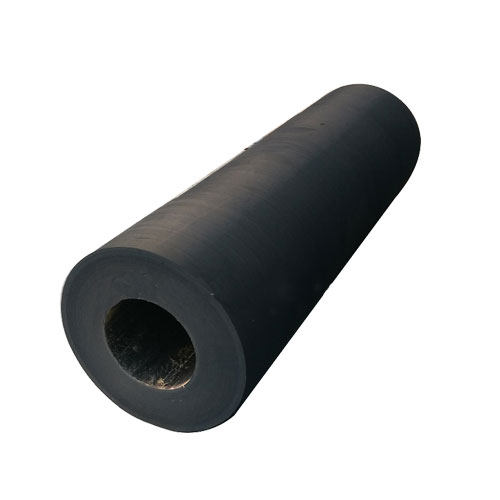
Environmental Factors
Environmental conditions, including wind, waves, and water levels, must be taken into account when selecting a fender. These factors can influence the performance and effectiveness of the fender in its specific application.
By carefully considering these factors, marine industry professionals can select and design the appropriate type of rubber fender to meet their specific requirements.
Maintenance of Rubber Fenders
To ensure the continued effectiveness and longevity of rubber fenders, proper maintenance is essential. Here are some maintenance tips:
Regular Inspection
Regularly inspect the fenders for any signs of wear and tear, such as cracks, punctures, or deformations. Additionally, check the chain and shackles that connect the fenders to the vessel or structure for signs of damage.
Cleaning
Regularly clean the fenders to remove accumulated dirt, grime, and debris. Use a mild soap or detergent along with a gentle brush or cloth to avoid damaging the rubber surface.
Lubrication
Lubricate the chain and shackles with an appropriate lubricant to prevent corrosion and ensure smooth operation.
By following these maintenance practices, rubber fenders can maintain their effectiveness, prolong their lifespan, and continue to provide reliable protection in marine environments.
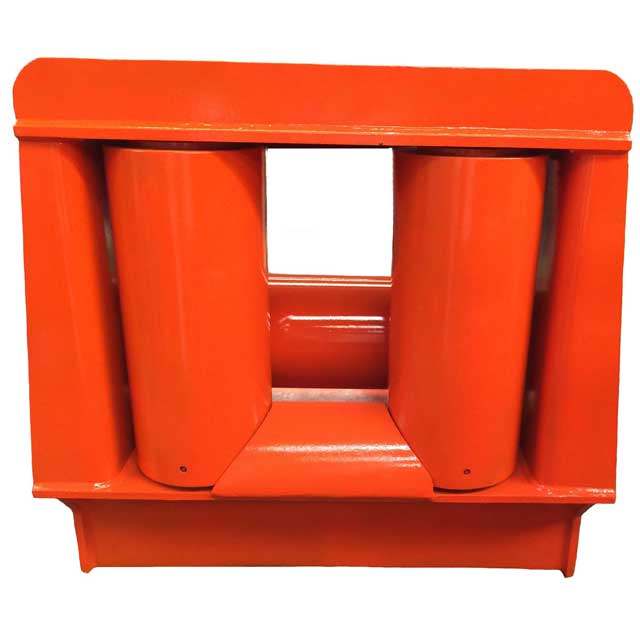
Roller fairleads are mechanical devices used to smoothly guide ropes, cables, or wires around bends or corners in a range of applications such as winches, cranes, and other heavy machinery. They are designed to reduce friction and wear on ropes and cables, allowing for more efficient and safe operation.
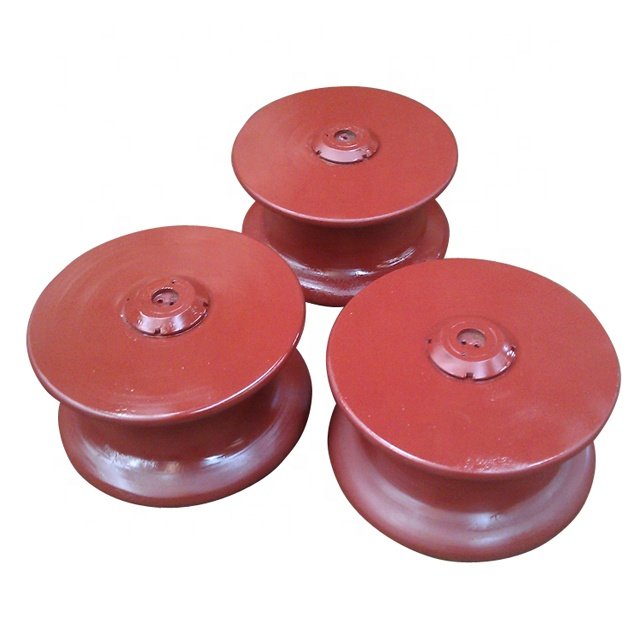
How Roller Fairleads Work
The working of roller fairleads is the utilization of a row or circular arrangement of cylindrical rollers. These rollers are often made of metal or other durable materials and are mounted on a frame or housing.
When a rope or cable passes through the roller fairlead, the rollers freely rotate, allowing the rope or cable to run smoothly and change direction with minimal friction. The rollers are usually spaced at regular intervals to keep the rope or cable properly aligned as it passes through the fairlead. This prevents the rope or cable from rubbing against sharp edges or surfaces, which would otherwise cause abrasion and damage.
Types of Roller Fairleads
Horizontal Roller Fairleads
The rollers are positioned horizontally in a row in these basic roller fairleads. Horizontal roller fairleads are frequently used to guide ropes or cables in straight lines or over minor bends.
Vertical Roller Fairleads
The rollers in this type of fairlead are arranged vertically, often in a round or semi-circular pattern. They are most commonly used in situations when the rope or cable must reverse direction in a vertical plane, such as ship mooring or lifting.
Angle Roller Fairleads
Angle roller fairleads guide ropes and cables around corners and sharp bends. They frequently have rollers that are oriented in the same direction as the rope or cable, allowing for smooth direction changes while reducing friction and wear.
Multi-Roller Fairleads
In these fairleads, many rows of rollers, often staggered, are employed to provide additional support and stability for the rope or cable. They are commonly used in heavy-duty applications demanding heavier loads or larger ropes/cables.
Swivel Roller Fairleads
Swivel roller fairleads are designed to rotate or swivel, giving you more freedom while guiding ropes or cables in different directions. They are frequently employed in applications where the pull direction varies, such as off-road winching or marine towing.
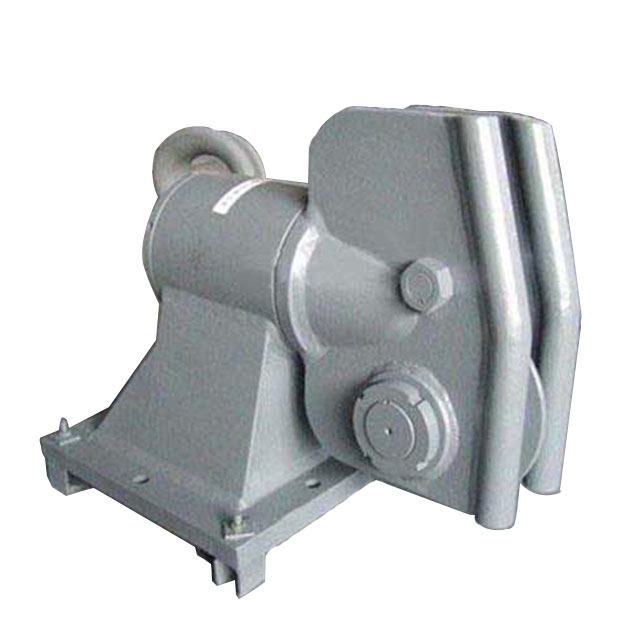
Combination Roller Fairleads
These fairleads combine several roller configurations, such as horizontal, vertical, and angle rollers, in a single unit. They offer adaptability and flexibility in steering ropes or cables in various directions and are frequently employed in complex applications requiring multiple changes in direction.
Construction and Components of Roller Fairleads
Roller fairleads are frequently built of durable materials such as steel, stainless steel, or other corrosion-resistant materials to withstand heavy loads, harsh environments, and extensive use.
Frame or Housing
The frame or housing is the basic component of the roller fairlead that holds and supports the rollers. It is often made of a robust material that is designed to withstand the loads and stresses delivered to the fairlead.
Rollers
The cylindrical components that guide the rope or cable through the fairlead are known as rollers. Depending on the type of fairlead, they are typically formed of metal or other sturdy materials and can be positioned horizontally, vertically, or at an angle.
Roller Bearings
Roller bearings allow the rollers in fairleads with rotating or swiveling rollers to operate smoothly. They are often placed within the rollers or the frame/housing and allow the rollers to revolve or swivel.
Mounting Brackets
Mounting brackets secure the roller fairlead to the equipment or structure to which it is mounted. They are often welded or fastened to the fairlead's frame or housing and provide stability and support while in use.
Guide Plates or Flanges
Certain roller fairleads may incorporate guide plates or flanges to assist in guiding the rope or cable onto the rollers and preventing it from falling off. They are often found at the fairlead's entry and exit points and can be adjusted or secured in place.
Grease Fittings
Grease fittings or lubrication points can be installed in the fairlead to enable frequent lubrication of the rollers and bearings, resulting in smoother performance and a longer service life.
Mounting Hardware
Mounting hardware such as bolts, nuts, washers, and other fasteners are typically used to secure roller fairleads to the equipment or structure.
Protective Coatings
Roller fairleads can be covered with corrosion-resistant coatings like paint or galvanization to increase durability, particularly in maritime or other severe environments.
Labels or Markings
Roller fairleads may include labels or markings that provide critical information like as load capacity, operating directions, or safety warnings to guarantee proper and safe operation.
Best Practices For Safe Operation And Maintenance
Follow Manufacturer's Instructions
When installing, using, and maintaining roller fairleads, always follow the manufacturer's instructions. This includes proper rope or cable attachment, alignment, and tensioning, as well as regular lubrication and inspection per the manufacturer's specifications.
Inspect Regularly
Regularly inspect the roller fairlead for signs of wear, damage, or corrosion. As needed, replace or repair any loose or missing bolts, damaged rollers, bearings, or other components. Because ropes and cables are prone to wear and breakage, special attention should be taken in areas where they enter or exit the fairlead.
Lubricate as Needed
Lubrication of rollers and bearings is vital for smooth functioning and reducing friction and wear. Follow the manufacturer's lubrication type and frequency requirements, and ensure that grease fittings or lubrication points are inspected and properly greased on a regular basis.
Avoid Overloading
Do not exceed the roller fairlead's load capability as specified by the manufacturer. Overloading can result in excessive wear, damage, or failure of the fairlead, jeopardizing safety. Always use the right size and type of rope or cable for the fairlead, and make sure it's correctly tensioned and aligned.
Operate Safely
Use safe operating methods when operating equipment with roller fairleads. Avoid sudden jerks or maneuvers that place too much strain on the fairlead, rope, or cable. Allowing ropes or cables to come into contact with sharp edges or corners can cause damage and reduce their service life.
Keep Clean
Maintain a clean roller fairlead free of dirt, debris, and other contaminants that can cause friction, wear, or corrosion. Clean the fairlead on a regular basis and remove any collected debris to ensure smooth operation.
Replace Worn or Damaged Parts
As soon as feasible, replace any damaged, broken, or missing roller fairlead components. Using defective or worn components might jeopardize the safety and functionality of the fairlead, resulting in accidents or equipment failure.
Proper Training Operators
Operators should be appropriately taught and instructed on how to operate and maintain roller fairleads safely. Ascertain that operators are aware of the equipment's capabilities, limits, and safe operating procedures. Encourage operators to report any faults or abnormalities to the fairlead as soon as possible so that they can be remedied.
Follow Safety Regulations
Follow all safety rules, standards, and guidelines for the industry or application in which the roller fairlead is used. Workplace safety and health organizations' legislation, industry standards, and local legislation may all be included.
Regular Maintenance
Create and adhere to a regular maintenance schedule for the roller fairlead. Routine inspections, lubrication, cleaning, and part replacement may be provided. Regular maintenance can assist in identifying and addressing possible faults before they become serious ones, guaranteeing safe and dependable operation.