
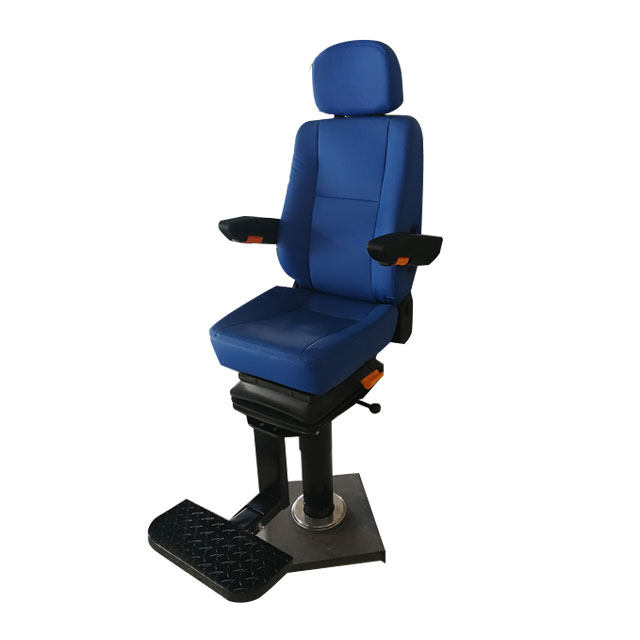
A marine captain's chair is a specially designed piece of furniture tailored for the captain or skipper of a maritime vessel. Positioned at the heart of command, marine captain seat offers a blend of comfort, functionality, and safety during extended journeys at sea. It has been meticulously crafted to withstand the harsh marine environment while providing top-notch performance and support.
Defining a Marine Captain's Chair
A marine captain's chair is an exclusive seating solution reserved for the captain or skipper of a ship. It assumes a central role in the bridge or helm area, affording the captain a commanding position to oversee vessel operations. Tailored for the maritime setting, this chair boasts attributes like durability, weather resistance, ergonomic design, and safety features. It serves as a comfortable and utilitarian seating choice, enabling the captain to efficiently maneuver, communicate, make informed decisions, and maintain control of the vessel.
Key Features of a Marine Captain's Chair
These critical features harmonize to ensure that a marine captain's chair delivers comfort, functionality, and safety for those on board a vessel.
Durability and Weather Resistance: Constructed from robust materials capable of withstanding the rigors of the sea, these chairs are designed to endure challenges like seawater corrosion, UV radiation, moisture, and other elements found at sea. Common materials include marine-grade stainless steel, aluminum, and weather-resistant upholstery.
Ergonomic Design: Catering to captains who spend extended periods seated, these chairs feature contoured seat and backrests. These contours provide essential lumbar support, reducing fatigue and preventing back discomfort even in turbulent sea conditions. High-density foam cushioning ensures a comfortable seating experience.
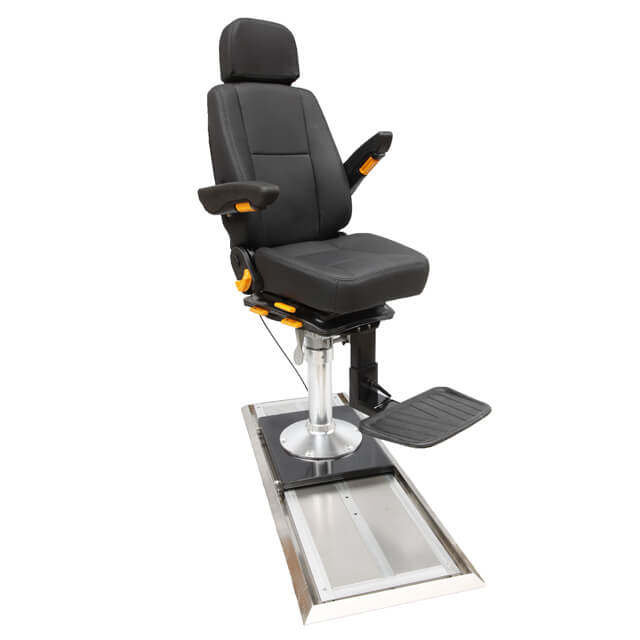
Adjustable Features: Many marine captain's chairs offer adjustability to accommodate various body types and preferences. Features such as height adjustment, tilt control, armrest adjustability, and swivel capabilities allow captains to select their preferred seating position, enhancing comfort and reducing stress during long sea voyages.
Stability and Safety: Stability is paramount on a marine vessel, and captain's chairs are engineered to provide a secure seating solution. They come with sturdy bases and pedestals that ensure stability, even in rough seas. Safety considerations may encompass non-slip surfaces, seat belts, and armrests with integrated hand grips, further enhancing stability and safety during navigation.
Aesthetic Appeal: These marine chairs are designed with an eye toward aesthetics, while maintaining stability. They feature strong bases and pedestals that keep them stable even in rough waves. Non-slip surfaces, seat belts, and armrests with integrated hand grips may be considered for added stability and safety during navigation.
Mounting Options: Marine captain's chairs can be installed in various configurations to suit the vessel's layout and space constraints. Options may include pedestal mounts, swivel mounts, or slide mounts, simplifying installation and adjustment.
Storage and Convenience: Some captain's chairs offer additional storage options, such as built-in compartments or pockets, allowing easy access to essential items like charts, navigational instruments, or personal belongings.
Upholstery and Easy Maintenance: The upholstery on these chairs is crafted for durability, ease of cleaning, and resistance to stains, mildew, and UV damage. It is typically composed of marine-grade vinyl or other weather-resistant materials that can withstand the sea's demands.
Benefits of a Marine Captain's Chair
Comfort: These chairs prioritize skipper comfort. Their ergonomic features, including contoured seats and backrests, padding, and adjustable settings, provide excellent support and reduce discomfort during long sea journeys. This enhances concentration, reduces fatigue, and promotes overall well-being.
Control and Visibility: Placed at a commanding height and equipped with customizable features, a marine captain's chair offers exceptional visibility and control. Captains can effectively monitor their surroundings, navigate obstacles, and make informed decisions with clear sightlines. This enhances situational awareness and enables safe and efficient vessel operation.
Authority and Professionalism: A captain's chair on the bridge or helm signifies the captain's authority and professionalism. It establishes their role as the vessel's captain, enhancing their overall image of competence and expertise. This fosters crew confidence, encourages effective communication, and promotes teamwork.
Operational Efficiency: A marine captain's chair contributes to operational efficiency by providing a comfortable and focused seating arrangement. Captains can maintain focus, make critical decisions promptly, and handle controls precisely. This ensures smooth navigation, clear communication with the crew, and efficient vessel operations.
In Conclusion
The marine captain's chair is a vital element of a skipper's comfort, safety, and performance when spending extended periods at sea. Its durable construction, ergonomic design, and aesthetic appeal enhance the entire voyage experience, making it an indispensable component of maritime seating.
Navigating the vast and often perilous expanses of the world's oceans has been a challenge throughout history. The maritime sector places a high priority on the safety of ships, crews, and cargo, with navigation lights being a crucial element in ensuring this safety. Marine navigation lights play a vital role in avoiding collisions, guiding vessels through congested waterways, and maintaining order on the high seas. In this article, we will explore how navigation lights contribute to enhancing maritime safety.

Understanding Navigation Lights
Navigation lights, also referred to as running lights, are specialized lighting systems installed on all types of vessels, from small pleasure crafts to massive cargo ships and oil tankers. These lights serve two primary functions:
Collision Avoidance: Navigation lights enable mariners to assess the direction, size, and type of approaching vessels. This information is essential for preventing collisions, allowing ships to take evasive action when necessary. Different combinations of lights indicate a vessel's condition and direction of movement.
Position Indication: These lights help vessels determine their relative position in relation to other ships. By observing nearby vessels' lights, mariners can ascertain whether they are on a collision course or safely passing each other.
Common Types of Navigation Lights
The International Maritime Organization (IMO) has established the International Regulations for Preventing Collisions at Sea (COLREGs), which mandate the use of navigation lights and define their configurations. Here are some commonly used types:
Masthead Light: A white light located at the forward end of a vessel, typically at the mast's highest point. It is visible from the front and sides and indicates the vessel's presence and direction.
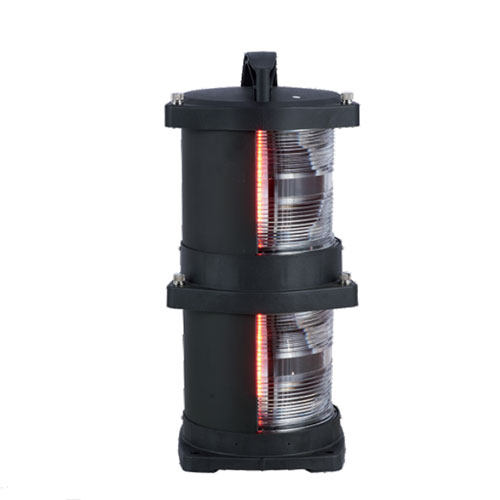
Port (Red) and Starboard (Green) Lights: Colored lights situated on the vessel's left (port) and right (starboard) sides, respectively. These lights are critical for determining a ship's course.
Stern Light: A white light at the vessel's stern (rear), visible from behind and within a 135-degree arc on either side. It helps other vessels determine a ship's direction and relative position.
Towing Lights: Additional lights displayed on tugboats and vessels towing objects such as barges. These lights indicate the towing configuration and length.
Special Lights: Certain types of vessels, such as pilot boats, fishing vessels, and those restricted in their maneuverability, display unique lights to convey their status and intentions.
Strategies for Enhancing Maritime Safety with Navigation Lights
Navigation lights are a critical component of maritime safety, and it is imperative that all seafarers understand and utilize them correctly. Here are various strategie aimed at enhancing safety through navigation lights:
Adherence to COLREGs: Compliance with the International Regulations for Preventing Collisions at Sea (COLREGs) forms the foundation of navigation light safety. These regulations standardize navigation light arrangements, ensuring consistency in conveying information.
Proper Use and Maintenance: Regular inspections and maintenance procedures are essential to ensure that navigation lights are properly fitted, well-maintained, and in good working condition. This prevents equipment failures that could compromise safety.
Clear Visibility: Visibility is crucial for navigation lights to function effectively. Strategies for improving visibility include using clean and undamaged light fixtures, ensuring lights are not obstructed by cargo or equipment, and replacing worn or faded lenses.
LED Technology: Modern vessels are increasingly adopting LED navigation lights due to their energy efficiency, longer lifespan, and brighter illumination. LED lights offer improved visibility and are less prone to malfunction than traditional incandescent lights.
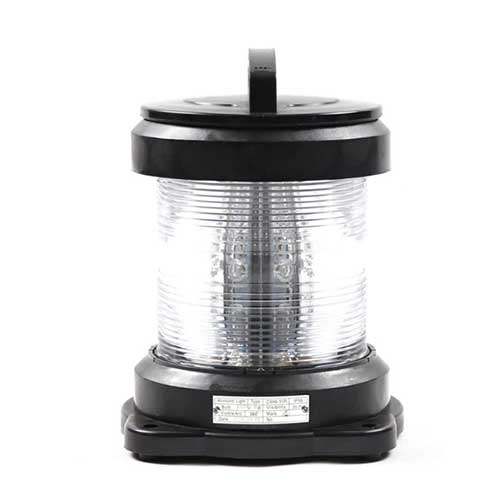
Backup and Redundancy: Having backup navigation lights and power sources onboard is a safety measure. These backups ensure that vessels can continue to display required lights in case of primary light failure or power outage.
Training and Awareness: Crew members should be well-versed in the use and interpretation of navigation lights. Raising awareness of the importance of navigation lights and their role in collision avoidance ensures compliance and understanding.
Automated Light Control Systems: Some ships are equipped with automatic light control systems that adjust the intensity and angle of navigation lights based on factors such as visibility conditions and vessel speed. These systems improve visibility and conserve energy.
Advanced AIS Technology: The integration of Automatic Identification System (AIS) technology with navigation lights provides real-time vessel identity, position, and course information to other vessels equipped with AIS receivers.
Enhanced Light Synchronization: Coordinating navigation light patterns with traffic movement can improve safety in congested rivers and ports, preventing confusion by ensuring nearby vessels have similar lighting settings.
Dynamic Positioning Systems: Modern vessels equipped with dynamic positioning systems can automatically control their location and direction. This helps ensure that navigation lights are always pointing in the right direction, enhancing visibility.
Incorporating LED Light Bars: LED navigation lights are commonly used on modern warships due to their energy efficiency, extended lifespan, and improved illumination, enhancing safety.
Integration with Bridge Systems: Modern bridge systems often integrate navigation light control, AIS data, and radar data on a single display. This integration enhances situational awareness and simplifies monitoring of nearby vessels.
Continuous Assessment and Improvement: Maritime operators should regularly evaluate their vessels' navigation light systems and safety practices. Staying updated with advancements in navigation light technology and regulations is essential, and equipment should be updated as needed.
Conclusion
Navigation lights are a vital component of maritime safety, enabling vessels to communicate their presence, status, and intentions to one another. By adhering to international regulations governing navigation lights, mariners can navigate the world's waterways with confidence, reduce the risk of collisions, and safeguard the safety of their crews, cargo, and the marine environment.
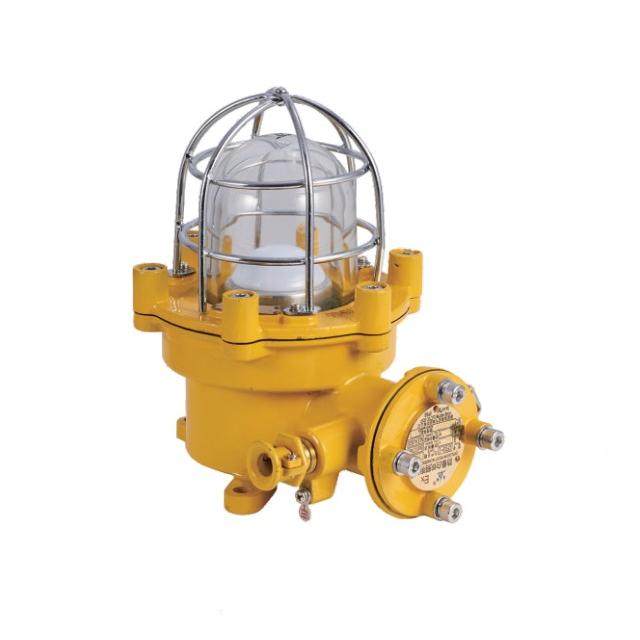
Marine environments are notorious for their inherent hazards, including saltwater exposure, corrosive atmospheres, and the presence of combustible gases and vapors. In such settings, safety takes center stage, whether on offshore oil and gas platforms, commercial vessels, or dockyards. Marine explosion-proof lighting emerges as a critical solution, providing illumination while ensuring utmost safety. This article delves into the significance of marine explosion-proof lighting, its operational principles, recent advancements, and its crucial role in safeguarding human lives and marine assets.
The Importance of Marine Explosion-Proof Lighting
Preventing Ignition
Marine environments often host explosive atmospheres where even the smallest spark can lead to disaster. The primary purpose of explosion-proof lighting is to eliminate potential ignition sources, ensuring that the lighting system itself does not contribute to hazardous conditions.
Compliance and Regulations
Stringent regulations enforced by organizations like the International Maritime Organization (IMO) and local maritime authorities mandate the use of explosion-proof lighting in areas prone to explosive atmospheres. This underscores the critical role these systems play in adhering to safety regulations.
Enhancing Visibility
Beyond safety, appropriate lighting is essential for efficient operations at sea. Explosion-proof lighting not only ensures safety but also boosts productivity during critical operations performed in challenging conditions.
Operating Principles of Marine Explosion-Proof Lighting
The principles of containment, pressure release, cooling, and robust construction govern marine explosion-proof lighting, making them a safety asset in perilous maritime environments.
Encapsulation and Containment
Marine explosion-proof lighting relies on encapsulation, employing sturdy enclosures and tight seals to keep hazardous gases, vapors, and dust away from internal components. This isolation prevents potential ignition sources within the fixture from coming into contact with the explosive atmosphere outside.
Pressure Release and Durability
In case of an internal explosion, pressure release systems ensure controlled venting, preventing the fixture from rupturing and triggering secondary explosions. Built ruggedly, these fixtures withstand the physical stresses of the marine environment, including shocks, vibrations, and motion.
Cooling Mechanisms
Effective heat dissipation is integral to explosion-proof lighting. Excessive heat can be dangerous in explosive atmospheres, potentially leading to ignition. Cooling mechanisms in these fixtures maintain safe surface temperatures, reducing the risk of heat-induced ignition.
Corrosion-Resistant Materials
Materials employed in marine explosion-proof lighting are resistant to corrosion from saltwater exposure and harsh marine conditions. These fixtures utilize corrosion-resistant coatings, seals, and enclosures to ensure longevity and efficacy in corrosive environments.
Electrical Isolation and Sealing
To prevent sparks or electrical faults from igniting explosive atmospheres, electrical components within explosion-proof lighting fixtures are isolated and sealed. All wiring connections are securely sealed to prevent the escape of sparks or gases, maintaining insulation and containment.
Common Types of Marine Explosion-Proof Lighting
Explosion-Proof Floodlights
Versatile fixtures that provide comprehensive illumination in hazardous environments, such as ships, offshore platforms, docks, and ports. They ensure visibility without igniting flammable materials, contributing to safety and productivity.

Explosion-Proof Emergency Lighting
Critical for power outages or emergencies, these lights include exit signs, escape route illumination, and backup power sources. They facilitate swift evacuations and responses, ensuring safety during unforeseen events.
Explosion-Proof LED Fixtures
LED technology's efficiency and longevity have revolutionized marine lighting. Explosion-proof LED lighting offers consistent illumination without heat buildup or sparks, enhancing safety in potentially hazardous areas.
Explosion-Proof Navigation Lights
Essential for maritime safety, these lights enable vessels to communicate their positions. Designed to withstand the sea environment while adhering to international standards, they ensure safe navigation.
Explosion-Proof Searchlights
Vital for nighttime navigation and rescue operations, these lights emit intense beams while preventing sparks and heat from escaping. They enhance visibility during crucial activities.
Explosion-Proof Pendant Lights
Suspended fixtures suitable for both indoor and outdoor use, essential in hazardous marine environments. They provide focused illumination while maintaining safety, ensuring proper lighting in potentially explosive settings.

Explosion-Proof Tank Lights
Specialized lighting for confined spaces and tanks on ships or offshore installations. These lights offer focused illumination without ignition risks, ensuring safe working conditions in tight spaces.
Advancements in Marine Explosion-Proof Lighting
Evolution of LED Technology
LED technology's impact on marine lighting is significant, offering energy efficiency, reduced heat generation, and extended lifespans. LED-based explosion-proof lighting fixtures lower energy consumption, heat emission, and maintenance needs.

Robust Construction and Materials
Material science advancements result in construction materials resistant to corrosion, impact, and degradation. Explosion-proof lighting now utilizes specialized coatings, durable enclosures, and seals that ensure longevity and effectiveness in harsh marine conditions.
Smart Lighting Solutions
Incorporating smart technology into explosion-proof lighting brings benefits like remote control, dimming, and monitoring. Real-time data insights enhance energy management, maintenance, and operational efficiency.
Wireless Communication and IoT Integration
Wireless communication and IoT integration enable seamless data transmission and communication between lighting fixtures and central control systems. Real-time monitoring facilitates proactive maintenance and optimization of lighting conditions.
Conclusion
Marine explosion-proof lighting plays an indispensable role in hazardous environments, shielding against potential catastrophes and securing both human lives and marine assets. LED technology, robust construction, and smart features contribute to these systems' effectiveness. With ongoing technological advancements, explosion-proof lighting will continue to evolve, maintaining its pivotal role in balancing safety, productivity, and operational continuity.
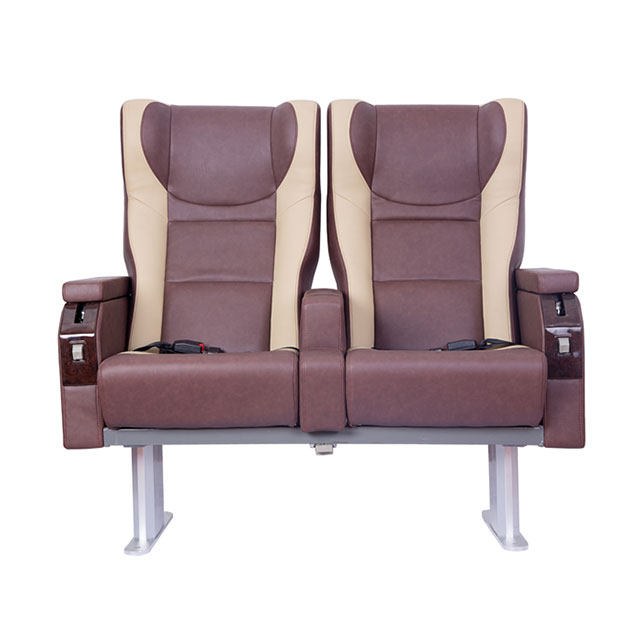
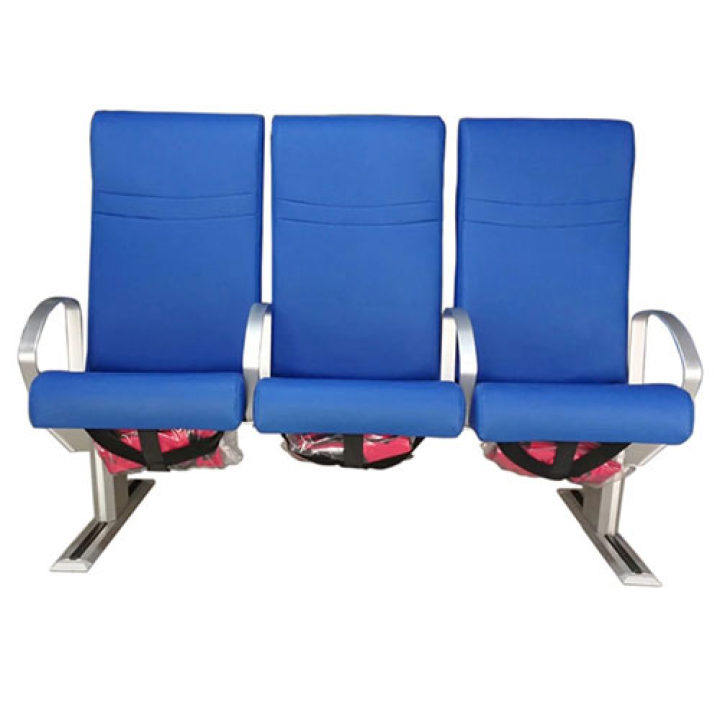
In the world of maritime exploration, the significance of marine passenger seats cannot be overstated. These seats stand as sentinels, safeguarding the comfort, safety, and delight of passengers on boats, ferries, cruise ships, and an array of marine vessels. Engineered to weather the distinctive challenges posed by the marine realm—vibrations, tempestuous seas, and ceaseless exposure to saltwater—marine passenger seats are essential components that elevate the maritime experience to unprecedented levels. This article navigates the landscape of marine passenger seats, shedding light on their vital role, materials, and requisite maintenance, underscoring their status as indispensable elements in modern maritime travel.
Why Marine Passenger Seats are Crucial
Marine passenger seats occupy a pivotal role, weaving a tapestry of comfort and security for passengers in the expansive seascape.
Comfort Amplified: Extended voyages across the open sea can exact a toll, necessitating the presence of supremely comfortable seating. Equipped with optimal support, cushioning, and ergonomic design, these seats provide a reprieve from fatigue, nurturing passenger well-being throughout the journey.
Stability and Safety: The unpredictable marine environment is rife with tumultuous waters and capricious conditions. Robustly constructed marine passenger seats serve as beacons of stability, mitigating the risk of accidents or falls. The inclusion of armrests and seat belts bolsters these safety measures, cocooning passengers in protective embrace.
Ingenious Space Efficiency: Within the confines of marine vessels, space is a prized commodity. Marine passenger seats are astutely designed to maximize space utilization, allowing for optimal seating arrangements that accommodate more passengers without compromising their well-being or comfort.
Durability and Endurance: The formidable marine setting subjects materials to an array of adversities—saltwater exposure, extreme temperatures, and ceaseless vibrations. Constructed from robust materials and fortified with specialized coatings, marine passenger seats emerge as stalwarts against the elements, promising enduring structural integrity.
Adherence to Stringent Regulations: The maritime domain operates under exacting safety regulations. Marine passenger seats are crafted to meet these rigorous criteria, encompassing attributes such as seat anchoring, fire resistance, impact resilience, and the capability for emergency egress. Complying with these standards ensures passenger safety in the face of adversity at sea.
Aesthetic Enhancement: Beyond functionality, marine passenger seats contribute to the ambiance and aesthetics of vessels. A myriad of styles and finishes cater to personalization, harmonizing seats with the vessel's interior design and branding.
Fostering Passenger Contentment: The nexus between well-designed, comfortable seating and heightened passenger satisfaction is undeniable. Enhanced passenger experiences lead to positive feedback, repeat business, and referrals—rendering the provision of comfortable and enjoyable travel experiences a cardinal goal for maritime transport companies.

Materials Nurturing Resilient Marine Passenger Seats
The construction of marine passenger seats is a symphony of materials curated for their resilience, corrosion resistance, and ability to brave the maritime crucible.
Marine-Grade Aluminum: Renowned for its lightweight disposition, impressive strength-to-weight ratio, and unparalleled corrosion resistance, marine-grade aluminum alloys are stalwart contenders in marine seat construction. These seats exemplify repairability, resilience against seawater, and a steadfast structural integrity.
Stainless Steel: Stainless steel stands as another exemplar material, exuding exceptional corrosion and rust resistance that align with the demands of the marine milieu. Durable, sturdy, and low-maintenance, stainless steel seats are a fitting choice for the marine environment.
Fiberglass: Fiberglass-reinforced polymers (FRP) find their way into marine passenger seat construction, offering resistance to corrosion, water, and UV light. Lightweight yet robust, fiberglass seats are marked by structural stability and can be sculpted into diverse shapes and designs for a personalized touch.
Specialized Plastics: Specialist plastics, including high-density polyethylene (HDPE) and acrylonitrile butadiene styrene (ABS), play a pivotal role in crafting marine seats. These plastics are impervious to water, solvents, and UV rays, embodying lightweight durability and simplified maintenance.
Maritime-Grade Upholstery Fabrics: The seating surfaces of marine passenger seats embrace maritime-grade upholstery textiles, meticulously tailored to thrive in coastal environments. These textiles display resistance to water, salt, fading, and mildew, coupled with UV resistance and rapid drying.
Cushioning with Foam: Upholstered comfort is augmented by high-density foam cushioning, offering passengers support during extended journeys while warding off moisture and mold growth.
Upholding the Splendor of Marine Passenger Seats
Maintaining the longevity, efficacy, and passenger well-being that marine passenger seats epitomize hinges on a judicious maintenance regimen.
Periodic Cleansing: Routinely cleanse seats to banish accumulated dirt, salt, or debris. Utilize mild detergent or soap solutions, coupled with gentle brushes or sponges, to clean seating surfaces. Caution against abrasive cleansers or harsh chemicals that could compromise seat materials.
Upholstery Reverence: Upholstered surfaces warrant specialized care. Regular vacuuming or brushing keeps dust and dirt at bay. Treat stains promptly with gentle cleaning products suited for marine-grade upholstery materials. Ensuring complete dryness prevents mold or mildew.
Scrutiny and Rectification: Regular scrutiny unveils wear, loose fittings, or damage. Cast a discerning eye on seat frames, fasteners, and anchoring systems for signs of rust or structural compromise. Swiftly replace worn-out or broken components, adhering to manufacturer guidelines or seeking expert counsel.
Lubrication: Seats featuring moving components—hinges or swivel mechanisms—demand regular lubrication with marine-grade lubricants. Adhere to manufacturer recommendations to stave off friction and wear.
Shielding from Sunlight: Sunlight's erosive effect warrants safeguarding. Protective covers or shadings shield seats from direct sunlight exposure when not in use.
Saltwater Rinse: Saltwater exposure necessitates thorough cleansing after each usage. Salt's corrosive potential mandates diligent rinsing to eliminate residue, followed by meticulous drying to avert moisture-related complications.
Embrace Manufacturer Guidance: Embrace manufacturer's maintenance directives. These guidelines offer insights into care instructions, recommended cleaning agents, and bespoke maintenance requisites tied to seat materials and design.
In Summary
The voyage aboard maritime vessels hinges on the bedrock of marine passenger seats that constructed to weather the marine maelstrom, proffer comfort, safety, and functionality. In traversing the significance of these seats, the materials that shape them, and the art of their maintenance, a profound appreciation is fostered for their indispensable role in modern maritime travel.
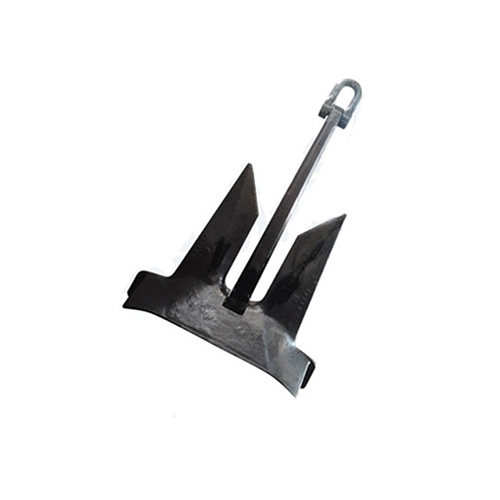
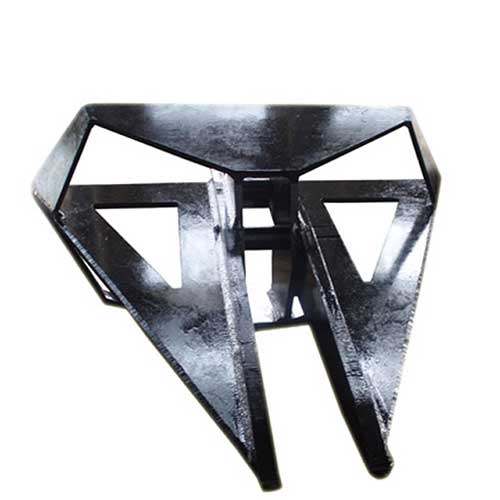
High holding power anchors (HHP anchors) are specialized marine anchors designed to offer superior holding capability and stability in various seabed conditions. Their primary purpose is to securely anchor boats, buildings, or equipment to the seafloor, preventing drifting and unwanted movement. These anchors are specifically engineered to withstand the forces of wind, waves, and currents, providing reliable mooring even in challenging environmental conditions.

Key Components and Design Features of High Holding Power Anchors
Flukes or Blades: The flukes or blades of HHP anchors are designed to pierce the seafloor or substrate, maximizing holding capacity by generating resistance to pulling forces. The number, shape, and angle of the flukes may vary depending on the anchor's specific design.
Shank: The shank is the main structural component of the anchor, connecting the flukes to the anchor's connection point. It provides strength and rigidity, transmitting the load from the flukes to the anchor rode.
Stock: A crossbar or rod near the anchor's crown, the stock acts as a pivot point, allowing the anchor to position itself correctly on the seafloor. It aids in aligning the anchor with the force direction, ensuring efficient penetration and holding power.
Crown: Positioned at the top of the anchor, the crown connects the shank and the stock, equally distributing the load across the anchor and ensuring structural stability.
Weight Distribution: HHP anchors often have a balanced weight distribution, strategically dividing the weight across the flukes, shank, and crown to provide optimal penetration and maximum holding strength.
Surface Area: The flukes of HHP anchors usually have a wide surface area, increasing friction between the anchor and the seafloor and enhancing resistance to dragging forces.
Reinforcement and Material Selection: HHP anchors are constructed from strong and durable materials such as steel alloys, designed to withstand the immense loads and strains experienced during anchoring.
Roll Bar or Roll-Palm: Some HHP anchor types have a roll bar or roll-palm at the back to ensure proper alignment with the force direction, preventing the anchor from overturning during changes in wind or current direction.
Fluke Angle: The angle of the flukes relative to the shank influences the anchor's holding power. A larger fluke angle often improves the anchor's penetration and holding capabilities.
Retrieval Ability: HHP anchors are designed for easy retrieval, incorporating features like trip line attachment points or disassembly mechanisms for effortless removal from the seafloor.
Differences Between High Holding Power Anchors and Traditional Anchors
Design and Shape:
Traditional Anchors: These anchors typically feature a stock or shank attached to two or more curved or concave flukes or blades, relying on weight and fluke surface area for holding power. High Holding Power Anchors: HHP anchors have sharp, pointed flukes or blades that are longer and narrower, providing better penetration into the seabed and higher holding capacity.
Weight Distribution:
Traditional Anchors: Weight is more evenly distributed throughout the anchor's structure to achieve a balance of weight and surface area for holding force.
High Holding Power Anchors: HHP anchors concentrate more weight in the fluke or blade region, enhancing penetration and holding capacity in challenging seabed conditions. Holding Power and Performance:Traditional Anchors: Traditional anchors work effectively in some seabed conditions but may have lower holding capability in challenging situations.
High Holding Power Anchors: HHP anchors are engineered to perform well in various seabed conditions, including soft sediments, clay, and rocky substrates, offering superior performance and dependability.
Applications and Industry Use:
Traditional Anchors: Used in leisure boating, small vessels, and inshore applications with lesser holding power requirements.
High Holding Power Anchors: Widely used in offshore industries, including offshore oil and gas platforms, floating production systems, large commercial vessels, and floating wind turbines, due to their increased holding capacity and reliability in harsh marine environments.
Factors Influencing the Selection of High Holding Power Anchors
To ensure optimal performance and safety, several factors must be considered when selecting high holding power anchors:
Vessel Size and Type: The size and type of the vessel influence anchor selection, with larger vessels requiring anchors with higher holding capacity to withstand additional loads.
Holding Power Requirements: Consider water depth, seabed type, wind and current conditions, and predicted loads to determine the anchor's necessary holding force.
Anchor Weight and Size: Choose an anchor that is appropriate for the vessel, striking a balance between weight and holding power.
Anchor Type: Different anchor types are suited for various seabed conditions, so consider factors like holding power, penetration ability, and ease of usage when making a selection.
Construction Material: Opt for materials like steel or alloys that are corrosion-resistant and durable.
Ease of Deployment and Retrieval: Consider anchor design, weight, handling methods, and compatibility with the vessel's anchoring system for easy deployment and retrieval.
Reputation and Reviews: Research the reputation and reviews of various anchor brands and models to gauge their performance, reliability, and durability.
Budget: Consider the cost of the anchor while prioritizing quality and performance.
Legal and Regulatory Requirements: Check for any legal or regulatory requirements that specify the type and size of anchors allowed in the region or canal.
Summary
High holding power anchors play a crucial role in ensuring stability, safety, and efficiency in maritime and offshore operations by securely anchoring vessels and structures. With their optimized design, weight distribution, and ability to thrive in various seabed conditions, HHP anchors have become the preferred choice for critical mooring operations in offshore settings. Careful consideration of factors such as vessel size, holding power requirements, anchor type, and construction material will result in the selection of an anchor that meets the specific needs of the operation, enhancing safety and performance.