
Inflatable life rafts stand as vital components of maritime safety, serving as reliable means of survival during emergencies at sea. As technology and engineering progress, various types of inflatable life rafts have emerged, each tailored to specific needs and scenarios. This article explores the diverse world of inflatable life rafts, examining their types, features, and key considerations for selecting the most suitable option to enhance maritime safety.
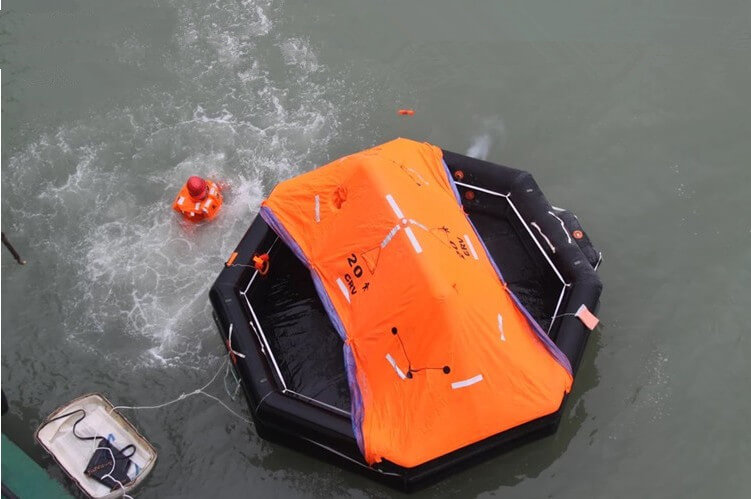
Common Types of Inflatable Life Rafts
Throw-Overboard Inflatable Life Rafts
Design: Designed to be thrown into the water by hand.
Activation: Automatically inflates upon immersion or can be manually activated.
Use: Common on smaller vessels with limited deck space.
Davit-Launched Inflatable Life Rafts
Design: Installed on the ship’s deck in a cradle and launched using davit systems.
Activation: Can be launched manually or hydrostatically.
Use: Davit launched inflatable life rafts commonly used on larger vessels where deck space is at a premium or for vessels adhering to specific safety regulations.
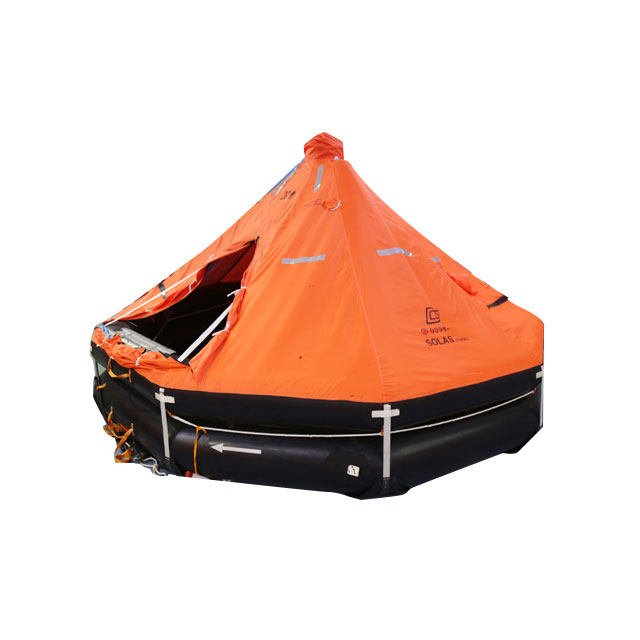
Canister-Packed Inflatable Life Rafts
Design: Housed in a rigid canister, secured on the ship’s deck or deckhouse.
Activation: Released and inflated manually or automatically upon immersion.
Use: Versatile and suitable for various vessel types, providing protection from environmental elements during inflation.
Valise-Packed Inflatable Life Rafts
Design: Compact and versatile, comes in a soft valise for easy storage.
Activation: Manually launched and inflated upon immersion.
Use: Lightweight and easily deployable, ideal for vessels with limited storage space.
Reversible Inflatable Life Rafts
Design: Opens at the top, allowing for easy boarding from the water.
Capacity: Allows for a larger number of people, facilitating faster and more efficient evacuation.
Use: Suitable for calm sea conditions and scenarios requiring rapid deployment.
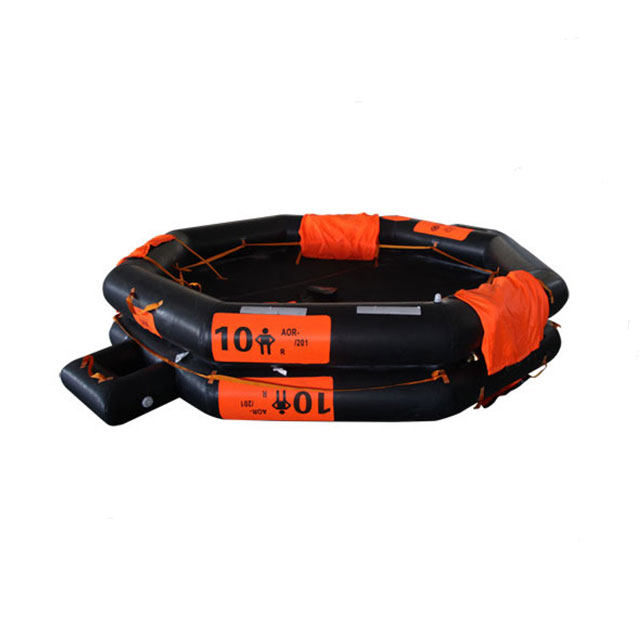
Self-Righting Inflatable Life Rafts
Design: Includes a self-righting mechanism to keep the raft upright in the water.
Stability: Increased stability in rough seas, lowering the risk of capsize.
Use: Ideal for vessels navigating in unpredictable and difficult waters.
Aviation Inflatable Life Rafts
Design: Specifically designed for aircraft emergencies over water, compact and lightweight.
Portability: Easily stowed on aircraft and inflated manually or automatically upon ditching.
Use: Essential for flights over water bodies, ensuring the safety of passengers and crew in aviation emergencies.
Offshore Inflatable Life Rafts
Design: Designed for extended survival at sea, often equipped with additional features for long-term use.
Capacity: Typically larger and capable of sustaining occupants for an extended duration.
Use: Ideal for offshore vessels and long-distance voyages where rescue may take more time.
Coastal Inflatable Life Rafts
Design: Suitable for coastal waters and shorter voyages.
Compact: Generally smaller and more compact than offshore rafts.
Use: Designed for vessels operating in areas with easy access to rescue services.
Inflatable Life Rafts with Canopy
Design: Equipped with a canopy or cover to provide protection from the elements.
Shelter: Enhances survival chances in adverse weather conditions.
Use: Recommended for vessels operating in regions with unpredictable weather.
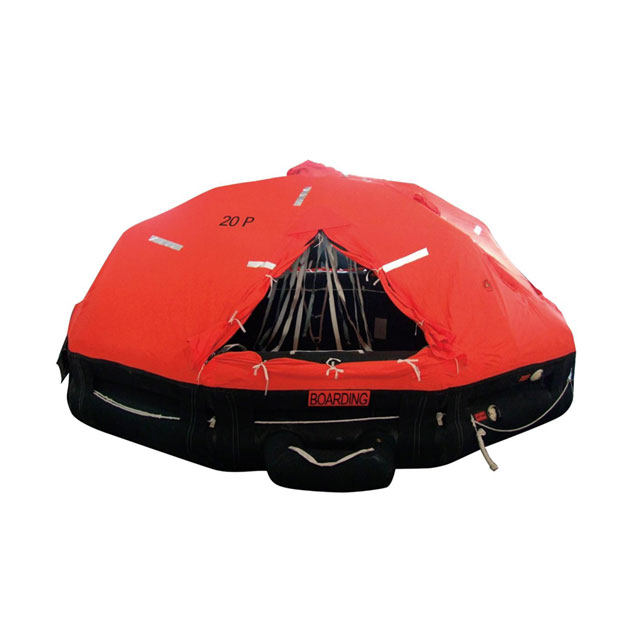
Key Factors for Choosing a Suitable Inflatable Life Raft
Selecting the right inflatable life raft is a critical decision with a significant impact on maritime safety. Consider the following factors to ensure the chosen life raft is well-suited to the vessel’s specific needs:
Vessel Type and Size:
Consider the vessel’s size, type, and stability to determine the most suitable life raft type.
Occupancy Capacity:
Determine the number of people the life raft must accommodate, considering both passengers and crew.
Operating Environment:
Evaluate typical sea conditions and climate to choose a life raft that can withstand the vessel’s operating environment.
Regulatory Compliance:
Verify that the selected life raft complies with international maritime safety regulations and standards.
Deployment Method:
Evaluate the deployment method that best suits the vessel’s needs and available equipment.
Stowage Space:
Consider the available space for stowing the life raft on the vessel.
Inflation Mechanism:
Examine the inflation mechanism, whether automatic or manual, and its reliability.
Additional Features:
Explore features such as canopies, survival equipment, and signaling devices to enhance the life raft’s functionality.
Maintenance and Inspection:
Consider the maintenance and inspection requirements to ensure the life raft’s proper operation.
Training and Familiarization:
Ascertain that the vessel’s crew is adequately trained in the deployment and use of the chosen life raft.
Conclusion
As inflatable life rafts continue to evolve, the maritime industry benefits from improved safety standards. The selection of the best inflatable life raft requires a thoughtful analysis of vessel specifications, operating conditions, and safety regulations. Embracing technological advancements in inflatable life raft design enhances the chances of survival during emergency situations at sea, contributing to a safer maritime environment for all.
Marine lighting is far more than just a means to see in the dark waters. It is a pivotal component in the enigmatic realm beneath the ocean's surface. Its importance spans a wide spectrum, encompassing navigational safety, scientific exploration, environmental protection, artistic expression, and the adoption of cutting-edge technologies. In this article, we delve into the captivating world of marine lighting, shedding light on its various roles, the common types it encompasses, the technological breakthroughs that are shaping its future, and its profound impact on our understanding and preservation of the world's aquatic ecosystems.
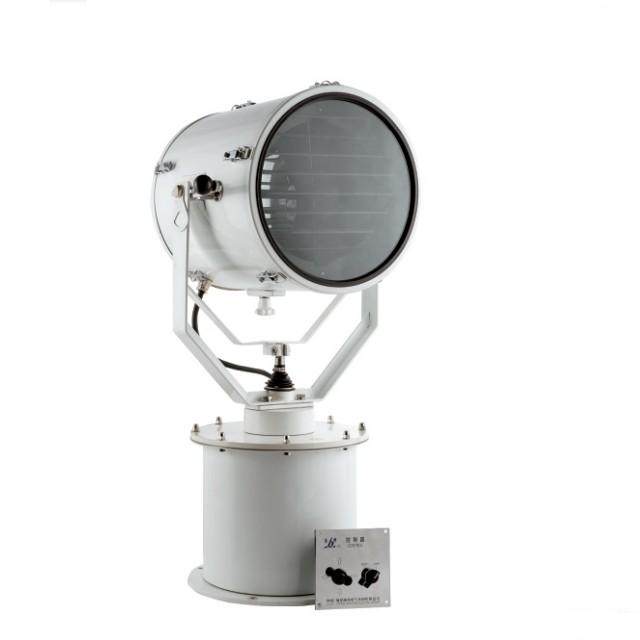
The Crucial Role of Marine Lighting
Marine lighting plays a pivotal role in our interactions with the underwater world, serving as a guiding light for vessels and unlocking the mysteries of the deep.
Navigational Safety and Guidance
Safety on the high seas is heavily reliant on marine lighting. Lighthouses stand as iconic symbols of maritime safety, guiding ships away from treacherous shores and perilous rocks. Navigation lights on vessels, as well as strategically placed buoy lights, provide essential guidance, helping seafarers navigate safely through challenging waters.
Scientific Exploration and Discovery
Beneath the waves, marine lighting reveals a world teeming with uncharted beauty and mystery. Advanced lighting systems on submersibles, remotely operated vehicles (ROVs), and autonomous underwater vehicles (AUVs) illuminate the hidden depths, enabling researchers to capture stunning images and films of marine life, geological formations, and underwater ecosystems. These lights transform these vessels into windows into the unknown, allowing us to gain insight into a realm that has long eluded us.
Environmental Conservation and Study
Marine lighting is a crucial tool for studying and preserving intricate marine ecosystems threatened by human activities. Bioluminescent organisms, unique to the depths, emit their own light, and adequate illumination is necessary to observe and document their behavior. Controlled lighting is used by marine researchers to monitor and study marine life, deepening our understanding of biodiversity, migration patterns, and the interactions that sustain delicate ecosystems. Additionally, responsible marine lighting practices mitigate light pollution, preserving the natural behaviors of marine species and supporting conservation efforts.
Artistic Exploration and Communication
Marine lighting is not only a utilitarian tool but also a conduit for artistic expression. Underwater photographers and filmmakers employ specialized lighting equipment to capture the ethereal beauty of marine landscapes, creating visually captivating narratives that bridge the gap between the aquatic world and land-bound audiences. These artistic initiatives not only inspire awe but also foster a deeper connection between humans and the aquatic realm.
Technological Advancements and Future Prospects
The advent of LED technology, energy efficiency, and remote sensing innovations is ushering in a new era for marine lighting. These technological advancements are revolutionizing how we interact with marine environments, from reducing light pollution to harnessing renewable energy sources for illumination. As technology continues to evolve, the future of marine lighting holds the promise of more sustainable, adaptable, and environmentally friendly solutions.
The Diverse Types of Marine Lighting
Marine lighting encompasses a wide array of categories, each tailored to specific marine functions and applications.
Navigation Lights
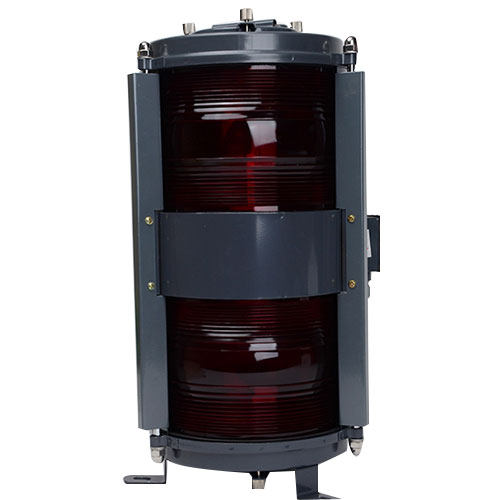
navigation lights are critical for maritime safety, ensuring vessel visibility and prevent collisions in low-light or hazardous conditions. These lights come in various colors, each conveying information about a vessel's type and direction of travel, aiding in safe passage.
Lighthouses
Lighthouses have long served as beacons of safety, guiding mariners away from dangerous waters. Equipped with powerful lighting systems and distinctive patterns, they are recognizable from a distance and have become symbols of maritime history.
Buoy Lights
Buoy lights play a vital role in indicating safe navigation through waterways and channels. Their color and design convey navigational messages, directing mariners safely through treacherous waters.
Underwater Lights
Underwater lights serve multiple purposes, including illuminating underwater structures and enhancing visibility in marine environments. They are essential for observing marine life and studying delicate ecosystems while minimizing disturbances.
Research Lighting Systems
Specialized illumination systems on marine research vessels, such as ROVs and AUVs, enable scientists to capture high-definition visuals for scientific study and documentation, shedding light on the ocean's mysteries.
Fishing and Commercial Lighting
Marine lighting is essential for the fishing and commercial industries. It helps fishing boats attract fish and ensures efficient nighttime operations for commercial vessels.
Deck and Interior Lighting
Deck and interior lighting, often underestimated, are critical for safety and functionality on vessels, making nighttime operations safer and providing a comfortable living and working environment for crew members.
Environmental and Wildlife Preservation Lighting
Emerging technologies are reducing the impact of light pollution on marine life while maintaining navigational and safety requirements.
Innovative Technological Advances in Marine Lighting
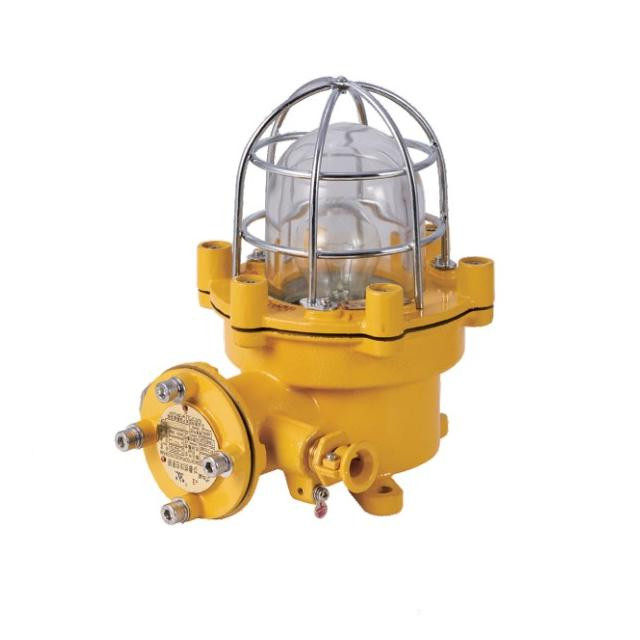
Marine lighting technology is evolving, transforming the way we illuminate the oceans and advancing navigational safety, scientific exploration, and environmental protection.
Energy-Efficient LED Lighting
The adoption of light-emitting diodes (LEDs) is a major breakthrough in marine lighting technology. LEDs offer exceptional energy efficiency, consuming significantly less electricity while providing intense and focused illumination. They contribute to sustainable maritime practices by reducing energy consumption and operational costs.
Adaptive Lighting Controls
Adaptive lighting systems adjust their intensity and color based on environmental conditions and user needs, reducing light pollution and preserving marine habitats while ensuring safety.
Remote Sensing and Monitoring
Advancements in remote sensing technology allow marine lighting systems to respond to real-time data on light levels, weather patterns, and marine activities. This optimizes visibility for navigation while minimizing impacts on marine ecosystems.
Renewable Energy Integration
Marine lighting systems are increasingly incorporating renewable energy sources, such as solar panels and wind turbines, to reduce reliance on fossil fuels and lower their carbon footprint.
Smart Lighting Networks
Emerging smart lighting networks enable individual lighting units to communicate and synchronize their actions, improving coordination and performance across large maritime areas.
Reducing Impact on Marine Ecosystems
Innovations in marine lighting are focusing on minimizing ecological impacts on marine life, with warm-colored LEDs and shielded designs reducing light pollution and preserving natural habits.
Integrating Artificial Intelligence (AI)
The integration of artificial intelligence (AI) is revolutionizing marine lighting systems. AI algorithms assess sensor data to predict lighting requirements based on environmental conditions, enhancing safety and reducing energy consumption.
In Summary
Marine lighting is a multifaceted field that extends far beyond simple illumination, influencing navigation, science, art, and conservation. As technology continues to advance, marine lighting will continue to play a pivotal role in illuminating the oceans while safeguarding the delicate balance of aquatic life.
Lifeboats are indispensable vessels created with a singular mission – to rescue and protect lives in emergency situations at sea. Whether it's a shipwreck, a maritime catastrophe, or a search-and-rescue operation, these uncelebrated marine heroes have saved innumerable lives. In this article, we will delve into the pivotal role that lifeboats play in maritime safety, examining their construction materials, design, and features.
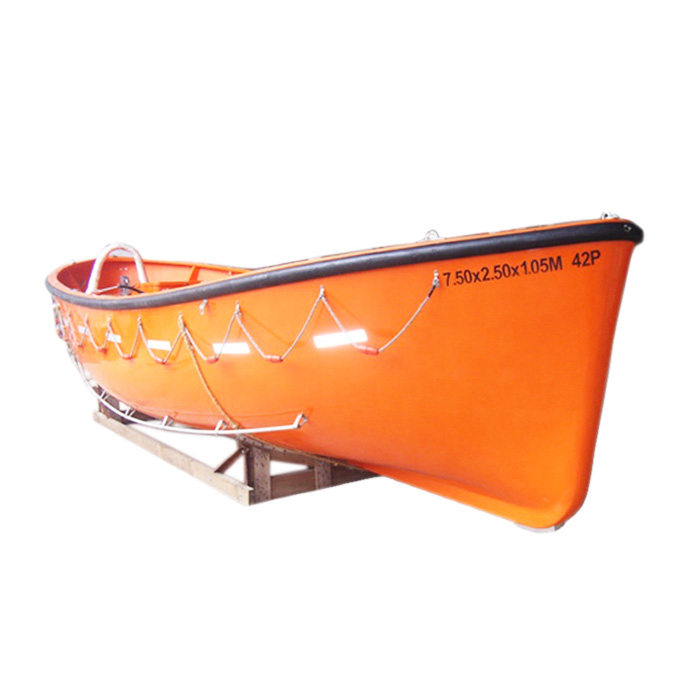
Commonly Used Construction Materials for Lifeboats:
Lifeboats are constructed using materials carefully chosen for their durability, buoyancy, and resistance to the harsh conditions of the sea. Common materials used in lifeboat construction include:
Fiberglass: Fiberglass-reinforced composite materials are popular for lifeboat construction due to their lightweight nature, high strength-to-weight ratio, and corrosion resistance. Fiberglass lifeboats are renowned for their resilience and ability to withstand challenging marine environments.
Aluminum: Aluminum lifeboats are favored for their lightweight yet robust construction. They exhibit high resistance to corrosion, making them ideal for use in saltwater environments. Aluminum lifeboats are commonly employed on offshore facilities and smaller vessels.
Steel: Steel lifeboats are noted for their ruggedness and durability. They are capable of handling heavy-duty applications and are frequently used on larger vessels and cargo ships. Steel lifeboats are less susceptible to damage from accidents or severe seas.
Inflatable Materials: Some lifeboats are designed as rigid inflatable boats (RIBs) or inflatable life rafts. These typically feature an inflatable buoyancy tube and a rigid, lightweight structure made from materials like fiberglass or aluminum. Inflatable lifeboats are celebrated for their buoyancy and stability.
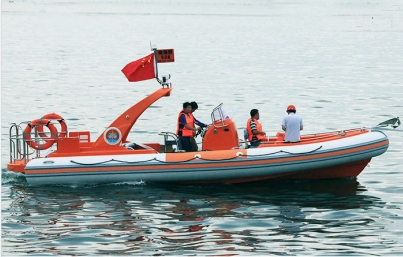
GRP (Glass Reinforced Plastic): GRP lifeboats are lightweight and durable. They exhibit resistance to corrosion and offer good buoyancy. GRP is often used for smaller lifeboats or rescue boats.
Wood: Traditional wooden lifeboats, owing to their vulnerability to rot and deterioration in harsh marine conditions, have been largely replaced by more modern materials. However, some older vessels may still retain wooden lifeboats.
Polyethylene: HDPE (High-Density Polyethylene) is occasionally employed in the construction of smaller lifeboats and life rafts. HDPE is known for its durability and resistance to impact and chemicals.
Design and Features of Lifeboats:
Lifeboats are meticulously designed to ensure maximum safety and efficiency. Key design elements and features include:
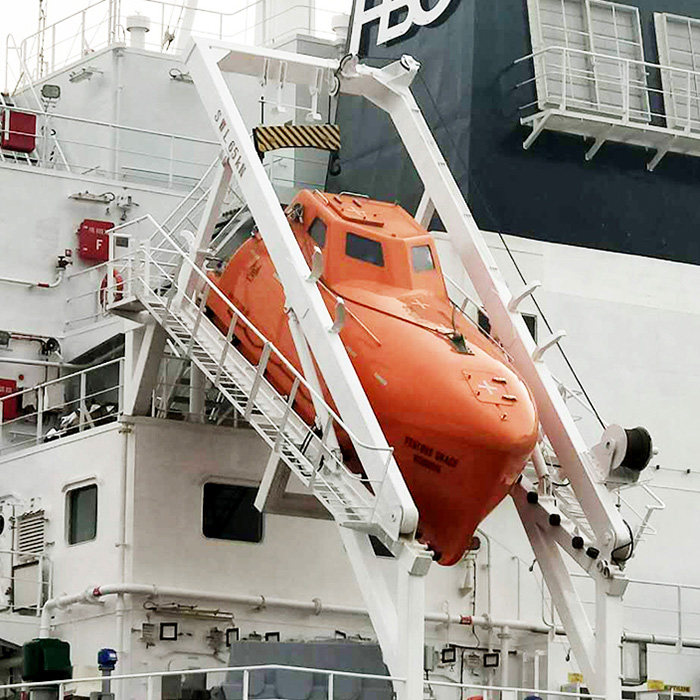
Buoyancy and Stability: Lifeboats are engineered to remain buoyant and stable, even in challenging conditions. They must navigate rough seas while keeping occupants safe.
Self-Righting Capability: Many lifeboats are equipped with self-righting mechanisms that automatically return them to an upright position if capsized.
Capacity: Lifeboats come in various sizes and are designed to accommodate a specific number of passengers, often in adherence to international maritime regulations.
Safety Equipment: Lifeboats are typically equipped with essential safety gear, including life jackets, lifebuoys, flares, and communication devices, ensuring the well-being of those on board.
Visibility and Signaling: They are outfitted with bright, reflective colors and lighting to enhance visibility at sea, especially in adverse weather conditions.
The Importance of Lifeboats in Maritime Safety:
Rescue Operations: Lifeboats serve as the first responders in maritime emergencies, providing safe evacuation and rescuing passengers and crew from sinking ships.
Search and Rescue: They are frequently deployed in search-and-rescue missions to locate and recover individuals who have gone missing at sea.
Providing Shelter: In the event of shipwrecks or maritime disasters, lifeboats offer temporary shelter, protecting occupants from inclement weather and sea conditions.
Safety Training: Regular lifeboat drills and training are conducted on ships to prepare crew members and passengers for emergency situations.
Humanitarian Missions: Beyond their primary role, lifeboats have been instrumental in humanitarian efforts, aiding in the rescue of refugees and victims of natural disasters at sea.
Conclusion:
In times of marine peril, lifeboats stand as beacons of hope, a testament to human ingenuity and compassion. Their design and capabilities have evolved over time to meet the increasingly complex demands of modern seafaring. Lifeboats save lives and play a pivotal role in ensuring the safety of individuals who venture into the unpredictable vastness of the world's oceans.
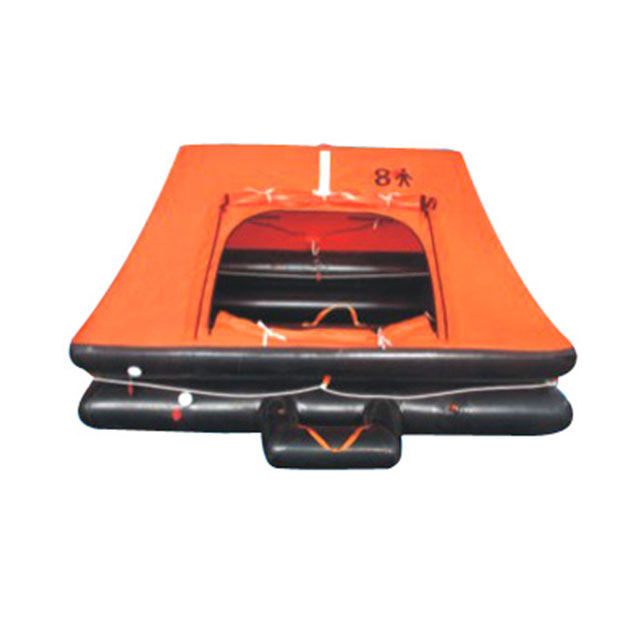
Inflatable life rafts hold a pivotal role in maritime safety, serving as vital equipment that has, over time, rescued numerous lives during emergencies at sea. Whether during disasters, accidents, or any situation demanding the urgent evacuation of a vessel, these versatile and buoyant devices offer a lifeline for those in need. This article delves into the significance, design, deployment, and maintenance of inflatable life rafts, underscoring their critical role in maritime safety.
The Importance of Inflatable Life Rafts
In the unforgiving realm of the open sea, where conditions can swiftly shift and catch sailors off guard, having a reliable means of survival is of paramount importance. Inflatable life rafts serve as the ultimate safeguard, offering a safe refuge for mariners when their vessel is no longer seaworthy. These rafts are meticulously designed to keep occupants afloat, shielded from the elements, and visible to potential rescuers until help arrives.
Key Design Features of Inflatable Life Rafts
The effectiveness and safety of inflatable life rafts hinge on several critical design elements, each meticulously crafted to ensure the raft's ability to provide a safe haven:
Buoyancy and Materials
Buoyancy: Inflatable life rafts are crafted to provide buoyancy, enabling them to remain afloat even in turbulent seas. Buoyancy is achieved through the use of buoyant materials and compartments.
Materials: The materials employed in the construction of life rafts are meticulously selected for their buoyancy and durability. Common materials include rubberized textiles and synthetics that resist water absorption.
Self-Inflation Mechanism
Automatic Inflation: Modern inflatable life rafts feature automatic inflation mechanisms. Devices like hydraulic release units (HRUs) or automatic inflation devices (AIDs) activate upon deployment in water. This rapid inflation, without the need for manual intervention, is crucial for swift deployment in emergencies.
Stability and Resistance to CapsizingStability: Life rafts are engineered to maintain stability in water, preventing tipping or capsizing even in rough seas. This stability is vital for occupant safety and comfort.
Ballast Bags: Some life rafts are equipped with ballast bags or pockets that enhance stability by adding weight to the raft's bottom.
Shelter and ProtectionCanopies or Covers: Inflatable life rafts typically feature canopies or covers to provide shelter from the elements. These protective coverings shield occupants from sun, rain, wind, and spray, mitigating exposure-related concerns.
Insulated Floors: Certain types of life rafts come with insulated floors that help minimize heat loss to the chilly water beneath, maintaining a comfortable temperature within the raft.
Safety Equipment
Safety Essentials: Inflatable life rafts are equipped with essential safety gear, including maneuvering paddles or oars, signaling devices like flares or lights for attracting attention, and first aid kits to address injuries.
Survival Instructions: Many life rafts have survival instructions printed on their inner walls, guiding occupants in the use of survival equipment and procedures.
Visibility and Rescue Aids
Reflective Materials: Reflective materials are often incorporated into the design to enhance the raft's visibility, particularly at night or in low-light conditions.
Sea Anchor: Some life rafts include sea anchors, which serve to stabilize and orient the raft, making it easier for search and rescue teams to locate.
Occupant Capacity
Inflatable life rafts are constructed to accommodate a specific number of individuals, determined by factors such as size, buoyancy, and safety regulations.
Packaging and Deployment
Life rafts are often compactly packed to minimize space on vessels. They are designed for swift and efficient deployment during emergencies, minimizing delays.
Deployment and Use of Inflatable Life Rafts
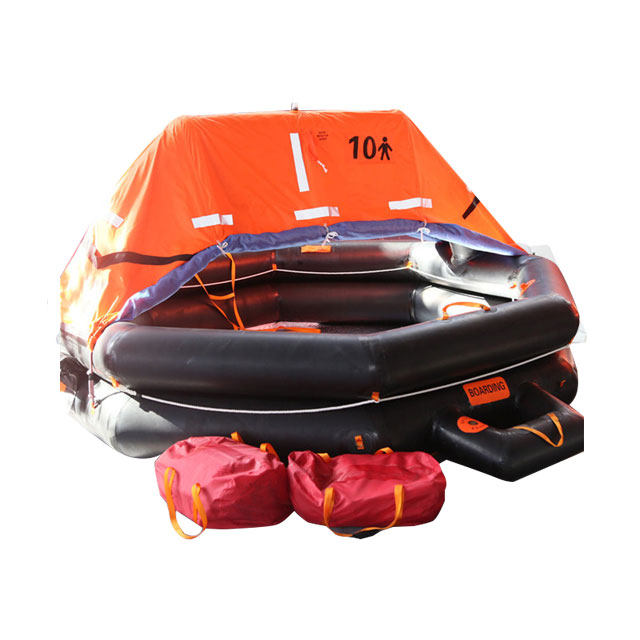
Proper deployment and usage of inflatable life rafts are crucial components of maritime safety. Knowing how to deploy and utilize these lifesaving devices correctly can make the difference between survival and catastrophe during a maritime crisis:
1. Recognize the Emergency: It is imperative to assess the severity of the situation and the need to abandon the vessel in the event of a maritime disaster, such as shipwrecks, collisions, or sinking.
2. Locate and Access the Life Raft: Inflatable life rafts are typically stored in designated locations on board vessels. Familiarizing oneself with their locations in advance is vital. Follow the vessel's abandonment procedures and remove any securing straps or coverings to access the life raft.
3. Release Mechanism Activation: Depending on the type of life raft and the vessel's equipment, activate the release mechanism to deploy the life raft. This mechanism may be activated manually or automatically upon submersion in water. Ensure it deploys accurately and swiftly.
4. Life Raft Inflation: If the life raft is equipped with an automatic inflation system, it will inflate rapidly upon deployment in the water. Verify that it inflates completely and correctly. In the case of manually inflatable life rafts, locate and use the inflation mechanism as instructed, typically involving pulling a cord or manually inflating a compressed gas cylinder.
5. Boarding the Life Raft: Exercise caution when approaching the inflatable life raft. Pay close attention to the raft's stability to prevent capsizing or damage. Board the raft carefully to prevent overturning, maintaining a balanced distribution of weight within the raft.
6. Occupant Safety and Equipment: Once inside the life raft, account for all occupants and ensure they are securely seated. Familiarize yourself with the safety equipment available within the raft, such as paddles, flares, first aid kits, and other survival gear. Follow the provided instructions for utilizing safety equipment, using signaling devices to increase visibility to potential rescuers.
7. Maintain the Raft: Stay inside the life raft and refrain from re-entering the water unless directed by rescue personnel or under extreme circumstances. Utilize the canopy or cover to protect the raft from the elements.
8. Communication and Signaling: If communication devices such as radios or emergency beacons are available, use them to alert authorities or nearby vessels of your location. Periodically activate and monitor signaling devices like flares or lights to enhance visibility to potential rescuers.
9. Stay Calm and Await Rescue: In an emergency situation, maintaining composure is essential. Panic can lead to poor decision-making. Patiently await rescue while adhering to safety protocols, retaining hope and confidence in the rescue process.
10. Follow Rescue Procedures: Upon the arrival of rescue personnel or another vessel, cooperate fully with their instructions and procedures for a safe recovery.
Maintenance and Inspection of Inflatable Life Rafts
Regular maintenance and inspection are imperative to ensure the reliability of inflatable life rafts during emergencies:
Inspection Intervals: Life rafts should undergo routine inspections as per maritime regulations and the manufacturer's recommendations. These inspections encompass checking for leaks, examining the inflating system, and verifying the operational status of all safety equipment.
Professional Servicing: Skilled specialists should service life rafts regularly. This entails inspections and rectification of any issues. Repacking the raft is often part of the servicing process to ensure proper inflation.
Conclusion
Inflatable life rafts represent indispensable safety assets on vessels of all types, serving as lifelines for mariners in times of emergency at sea. Their buoyancy and stability make them essential tools for survival and rescue. Proper maintenance and familiarity with deployment procedures are critical to ensuring that these lifesaving devices perform reliably when needed most.
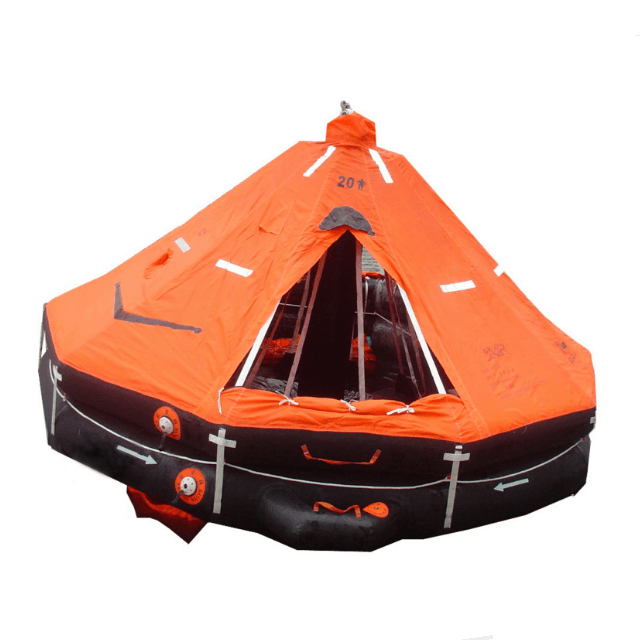
Safety at sea is paramount, and having dependable life-saving equipment can make all the difference in an emergency. The davit launched liferaft is one such vital piece of maritime safety equipment. In this article, we will focus on the topic that what is a davit-launched liferaft, exploring its functions, how it works, and why it is an indispensable component of maritime safety.
Functions of a Davit Launched Liferaft
A davit launched liferaft is a specially designed inflatable life raft used on ships, offshore platforms, and other marine vessels. Its primary function is to evacuate passengers in the event of an emergency such as a ship sinking, fire, or other life-threatening circumstances. Unlike throw-overboard liferafts, davit-launched liferafts are secured on deck and launched using mechanical davit systems.
How Does a Davit Launched Liferaft Work
A davit launched liferaft operates through a series of carefully coordinated steps:
Stowage: Davit-launched liferafts are securely stored on the vessel, typically in designated compartments or containers on the deck or superstructure. These storage locations are designed to protect the liferafts from environmental elements and potential damage.
Activation: In the event of an emergency, the crew activates the release mechanism for the liferaft. This can be done manually by pulling a release handle or automatically through a hydrostatic release unit, which activates when the liferaft is submerged to a certain depth.
Inflation: Upon activation, the liferaft starts to inflate. Inflation can be achieved through either a CO2 cylinder, where the release mechanism punctures the cylinder, allowing CO2 gas to rapidly inflate the liferaft, or a combination of gas and water pressure.
Launch: Once fully inflated, the liferaft is ready for deployment into the sea. This is accomplished by a davit system, a mechanical device designed to swing the liferaft out of its stowage place and safely lower it into the sea. Crew members operate the davit system, ensuring a controlled and safe deployment.
Occupancy: As the davit-launched liferaft enters the water, it stabilizes and provides a safe platform for passengers to board. These liferafts are designed to remain steady even in stormy seas and come equipped with multiple entrances, handholds, and boarding ladders for convenient access. The liferaft also contains essential survival equipment such as water, food, first aid supplies, and signaling devices.
Survival: Passengers inside the liferaft can use the provided materials to sustain themselves until rescue arrives. The liferaft is self-contained, offering protection from the elements and the means to signal for assistance using flares, radios, or other communication equipment.
Visibility: Davit launched liferafts are typically brightly colored, often in international orange or other highly visible hues. Reflective materials are also used to enhance visibility, making it easier for search and rescue teams to locate them, especially during low-light conditions or at night.
Importance of a Davit Launched Liferaft
A davit-launched liferaft is of paramount importance in the maritime industry for several compelling reasons:
Rapid Deployment: In emergency situations at sea, time is of the essence. Davit-launched liferafts can be deployed quickly, minimizing the time it takes for passengers and crew to evacuate a sinking ship or respond to other life-threatening incidents.
Safety and Stability: These liferafts are designed to provide a safe and stable platform for occupants. They remain upright and buoyant even in rough seas, high winds, and adverse weather conditions, preventing capsizing and ensuring passenger safety.
Capacity: Available in various sizes, davit-launched liferafts can accommodate different vessel types and passenger loads. This adaptability makes them suitable for a wide range of marine circumstances, from small pleasure boats to large commercial vessels.
Regulatory Compliance: International maritime regulations, notably those outlined in the SOLAS Convention, mandate the presence of davit-launched liferafts on specific types of vessels, including commercial ships and passenger vessels. Compliance underscores their importance while ensuring vessels meet stringent safety standards.
Self-Containment: These liferafts are typically equipped with essential survival supplies, including fresh water, non-perishable food, first aid kits, and signaling devices such as flares and radios. This self-containment allows passengers to sustain themselves until rescue arrives, even in remote or challenging maritime environments.
Visibility: Davit-launched liferafts are designed with high-visibility colors, often in international orange or yellow, to enhance their visibility from a distance. Reflective materials further increase visibility during low-light conditions or at night, aiding search and rescue efforts.
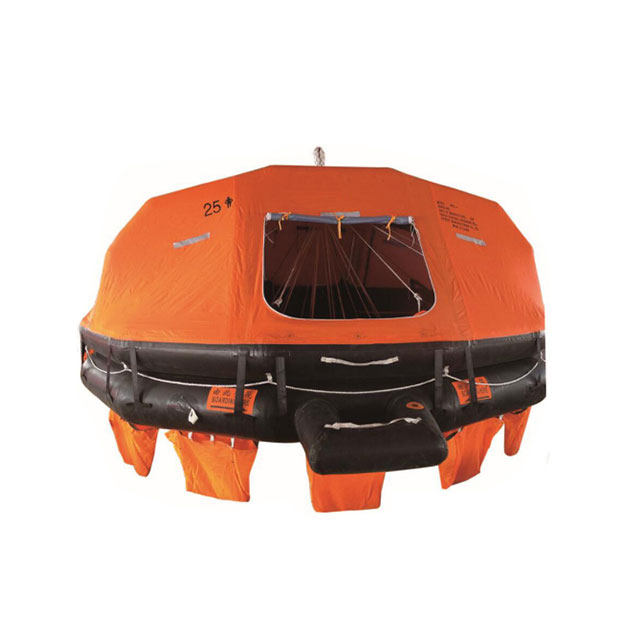
Reliability: These liferafts undergo rigorous testing and quality assurance to ensure their reliability in emergencies. They are built to withstand harsh environmental conditions, including exposure to seawater, UV radiation, and extreme temperatures.
Evacuation of Non-Swimmers: Especially crucial for vessels carrying passengers who may not be strong swimmers, such as children, the elderly, or individuals with limited mobility. Davit-launched liferafts offer a safe and convenient mode of evacuation for all passengers, regardless of their swimming ability.
Conclusion
A davit-launched liferaft is indispensable for maritime safety as it provides a reliable means of escape and survival during emergency situations at sea. These inflatable life rafts are designed to withstand adverse conditions and protect occupants until assistance arrives. Securely stowed on vessels and launched using mechanical davit systems, they exemplify the commitment to safety in the maritime industry.