
Marine windows, commonly referred to as ship windows or portholes, play a vital role in the design and functionality of marine vessels. As integral components of ship architecture, these windows serve essential functions such as providing natural illumination, supporting visibility, enabling ventilation, and ensuring emergency access. However, their unique exposure to harsh environmental conditions, including water pressure, saltwater corrosion, and impact from waves and debris, poses distinctive challenges. In this article, we will delve into the world of marine windows, exploring their importance, design considerations, materials, and various types employed in maritime applications.
Importance of Marine Windows:
Natural Lighting:
Marine windows facilitate the entry of natural light into interior spaces, reducing the reliance on artificial lighting during the day and enhancing the comfort of passengers and crew members.
Visibility and Navigation:
Clear marine windows provide an unobstructed line of sight for crew members, aiding navigation, situational awareness, and overall safety during maneuvers.
Ventilation:
Hinged marine windows can be opened to offer ventilation, promoting improved air circulation and ensuring the comfort of passengers and crew.
Emergency Access:
In emergency situations, marine windows can serve as alternative escape routes, enhancing safety measures for evacuations.
Aesthetics:
Well-designed marine windows contribute to the overall aesthetics of a vessel, increasing its visual appeal and charm.
Design Considerations for Marine Windows:
Shape and Size:
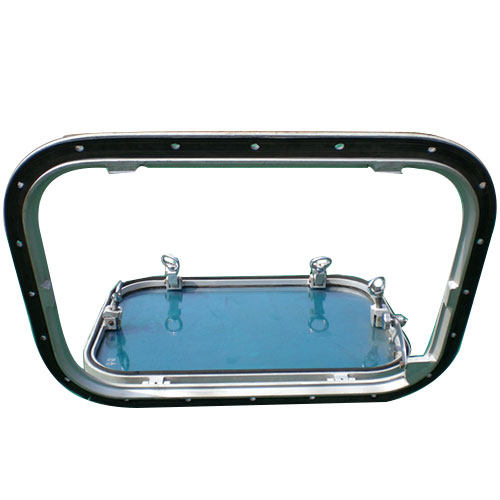
Marine windows come in various shapes and sizes, with portholes being common on smaller vessels and circular, rectangular, or oval windows on larger ships, dictated by the vessel's type and purpose.
Materials:
Materials such as tempered glass, laminated glass, acrylic (PMMA), and polycarbonate are employed to ensure durability and safety, each offering unique characteristics such as strength, impact resistance, and lightweight properties.
Framing:
Frames made of stainless steel, aluminum, or marine-grade brass provide structural stability, watertightness, and corrosion protection in the challenging marine environment.
Watertightness:
Maintaining watertightness is crucial to prevent water ingress during severe sea conditions, and the sealing mechanisms of both windows and frames play a pivotal role in achieving this.
Double Glazing: Many modern marine windows feature double glazing, enhancing insulation and preventing condensation, thereby regulating interior temperature and minimizing heat transfer.Hinged or Fixed:
Marine windows can be either fixed or hinged, with hinged windows providing the added functionality of ventilation.
Materials Used in Marine Windows:
Tempered Glass:
Known for its strength and safety features, tempered glass shatters into small, less harmful fragments upon breakage.
Laminated Glass:
Comprising multiple layers with an interlayer substance, laminated glass remains intact even if fractured, offering enhanced strength and safety.
Acrylic (PMMA):
A lightweight and impact-resistant alternative to glass, acrylic offers clarity and UV protection but may require more frequent maintenance.
Polycarbonate:
Another lightweight and impact-resistant material suitable for marine windows, polycarbonate boasts high tensile strength and clarity, making it ideal for rough sea conditions.
Common Types of Marine Windows:
Portholes:
Small circular side scuttle porthole windows, popular on smaller ships, boats, and historic vessels, are often retained for their aesthetic appeal.

Fixed Windows:
Non-operable windows securely sealed shut, commonly found in areas where ventilation is not a primary concern.
Sliding Windows:
Aluminum sliding windows with panels that slide horizontally or vertically, offering ventilation options while maintaining a secure seal when closed.

Hinged Windows:
Windows with panels that pivot on one side, allowing for outward opening to facilitate ventilation, commonly used in cabins and crew quarters.
Windows with Storm Shutters:
Some marine windows come equipped with storm shutters or covers for additional protection against adverse weather conditions.
Conclusion:
Marine windows are indispensable components of maritime vessels, providing essential services such as natural illumination, visibility, ventilation, and safety. Their design and construction must withstand the extreme conditions of the marine environment. With advancements in materials and construction processes, modern marine windows offer enhanced durability, safety, and aesthetics, contributing to the efficiency and comfort of maritime operations. As the maritime industry continues to evolve, further advancements in marine window design and technology are anticipated to meet the sector's ever-growing demands.
Lifeboats, crucial elements of maritime safety equipment, play a pivotal role in ensuring the well-being of individuals at sea during emergencies. Over the years, various types of lifeboats have been developed to meet diverse maritime needs, offering solutions for evacuating and safeguarding crew and passengers. This article delves into the different categories of lifeboats, exploring their designs, specific applications in maritime safety, and key considerations for selecting the most suitable lifeboat.
Diverse Types of Lifeboats
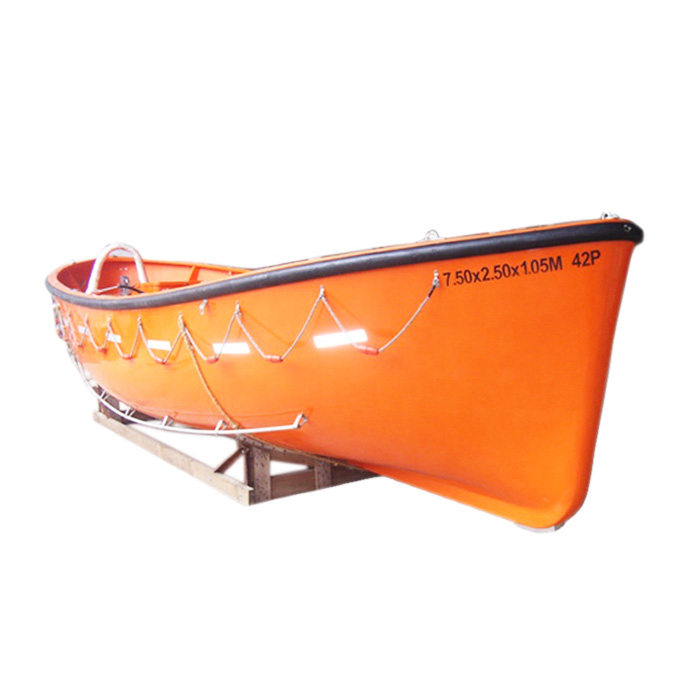
Open Lifeboats:
Simple and traditional, often constructed with durable materials like fiberglass. Suitable for quick boarding, manually propelled by oars or a small outboard motor. Common on smaller vessels.
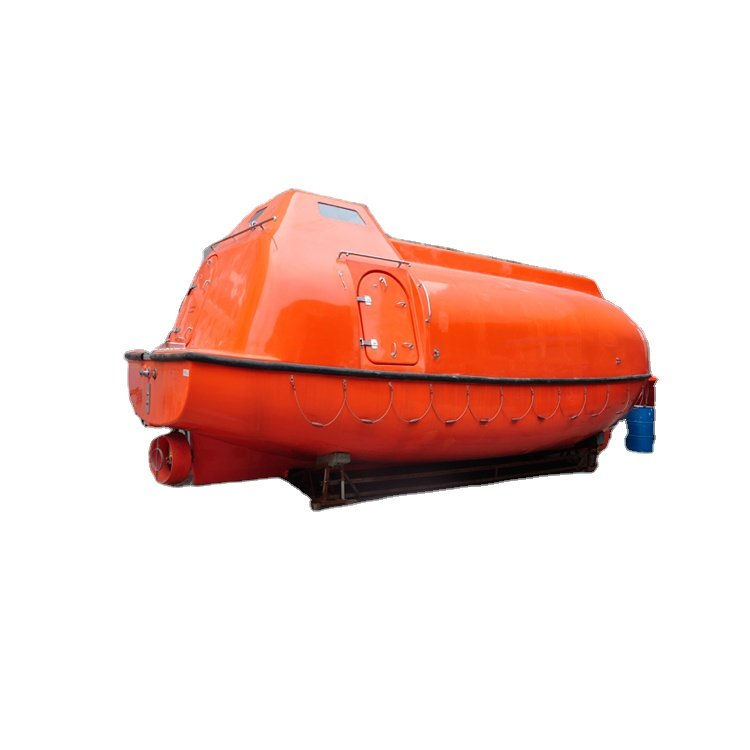
Enclosed Lifeboats:
Equipped with a protective canopy or roof for added shelter against the elements. Appropriate for various vessels, including cargo ships, passenger ships, and offshore platforms. Often equipped with survival gear and communication systems.
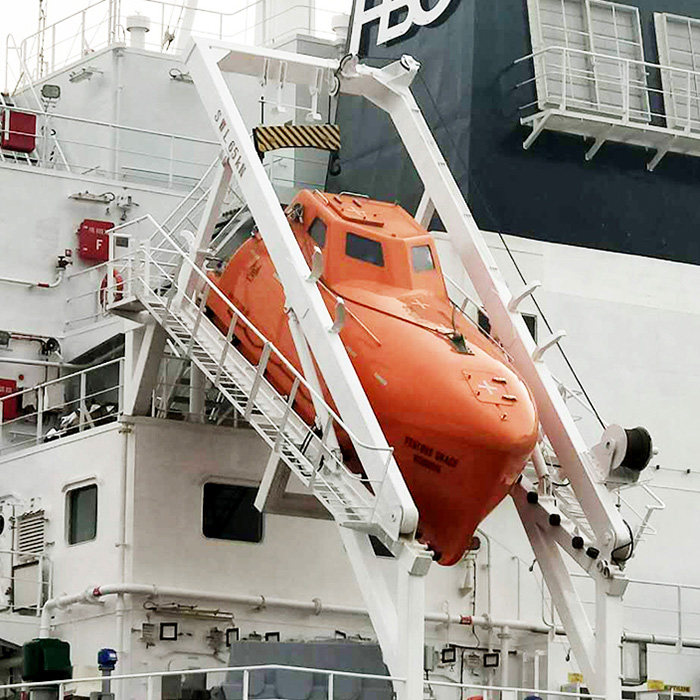
Freefall Lifeboats:
Specifically designed for rapid deployment, launched by freefall from an elevated position on the ship. Freefall lifeboats ensure quick and efficient entry into the water during emergencies.
Fast Rescue Craft:
Small and agile vessels for rapid response and rescue operations. Found on larger vessels like passenger ferries, cruise ships, and offshore installations. Designed for quick maneuverability in emergencies.
Davit-Launched Lifeboats:
Launched using mechanical davits, commonly used on ships and offshore platforms. Versatile, available in open or enclosed designs, known for their reliability and ease of use.
Inflatable Lifeboats:
Featuring inflatable tubes for buoyancy and stability. Lightweight and easy to store, commonly used on smaller vessels like yachts and offshore installations. Available in open or enclosed designs.
Combination Lifeboats:
Combine features from various types to provide a comprehensive solution. For example, a combination lifeboat may have an enclosed design with inflatable elements, aiming to enhance safety and versatility.
Key Considerations for Selection
Vessel Type and Size:
Consider the size and type of the vessel to determine lifeboat capacity and necessary features.
Occupancy Capacity:
Evaluate the maximum number of people the lifeboat must accommodate during emergencies.
Operational Environment:
Assess typical operating conditions to choose a lifeboat designed to withstand specific sea conditions.
Launch and Recovery Method:
Consider the vessel’s layout and evacuation speed when selecting between davit-launched or freefall lifeboats.
Survivability Features:
Evaluate stability, self-righting capabilities, and the ability to withstand extreme weather conditions.
Accessibility and Ease of Boarding:
Consider features like ladders or platforms to ensure quick and easy boarding, especially in challenging conditions.
Special Requirements:
Determine any specific requirements based on the vessel’s operations, such as the need for rapid evacuation or additional safety measures.
Regulatory Compliance:
Ensure the selected lifeboat complies with international and national regulations and standards.
Training and Familiarization:
Consider training requirements to ensure crew members are adept at operating the selected lifeboat during emergencies.
Maintenance and Inspection:
Assess the ease of maintenance and inspection to ensure the lifeboat remains in optimal condition.
Cost Considerations:
Balance safety considerations with overall costs, including purchase, installation, training, and ongoing maintenance.
Conclusion
The diversity in lifeboat designs reflects the evolving challenges of maritime safety. Each type of lifeboat serves a specific purpose, and selecting the right one requires a thorough examination of vessel characteristics, operational environments, and safety requirements. By carefully considering these factors, vessel operators can ensure that the chosen lifeboat is well-suited to handle emergencies, playing a critical role in maritime safety and evacuation procedures.
The open seas demand precision, safety, and reliable equipment, and among the essential tools for maritime exploration, marine searchlights stand as beacons, piercing through darkness and adverse weather conditions. This article explores the diverse types of marine searchlights, shedding light on their roles in maritime operations and offering guidance on selecting the appropriate type of ship search lights.
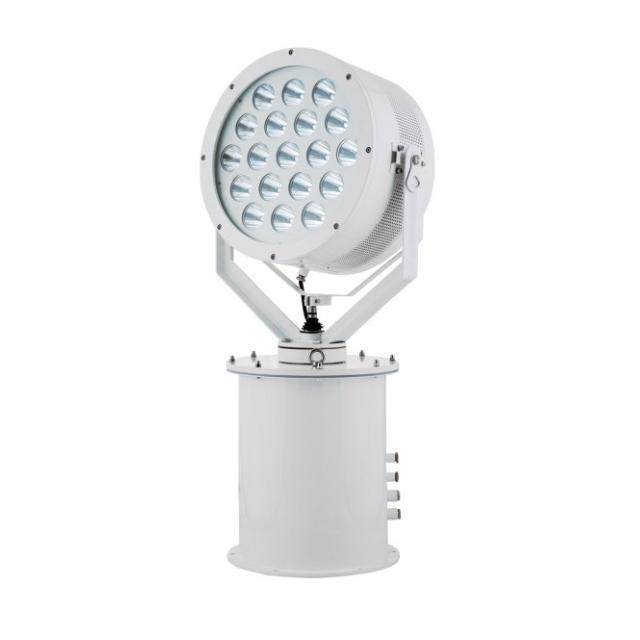
Diverse Types of Marine Searchlights:
Spotlights for Precision:
Description: Concentrated, high-intensity lights projecting a beam over a long distance.
Applications: Navigation through intricate channels, aiding in search and rescue operations.
Floodlights for Broad Illumination:
Description: Emitting a broad, even beam, essential for illuminating large areas.
Applications: Deck lighting, emergency response, and night operations in poorly lit areas.
Rotating or Pan-and-Tilt Searchlights:
Description: Dynamic lights with horizontal rotation and vertical tilt for enhanced versatility.
Applications: Surveillance, security patrols, and monitoring specific areas.
Remote-Controlled Searchlights:
Description: Operated from a distance, allowing flexible light direction adjustments.
Applications: Bridge lighting, integration with automated navigation systems.
Infrared (IR) and Thermal Imaging Searchlights:
Description: Operating beyond the visible light spectrum, effective in low-light conditions.
Applications: Night vision capabilities for security, surveillance in areas without visible light.
LED Technology in Marine Searchlights:
Description: Energy-efficient, durable, and long-lasting illumination.
Applications: Contributing to energy savings, extended lifespan reducing maintenance requirements.
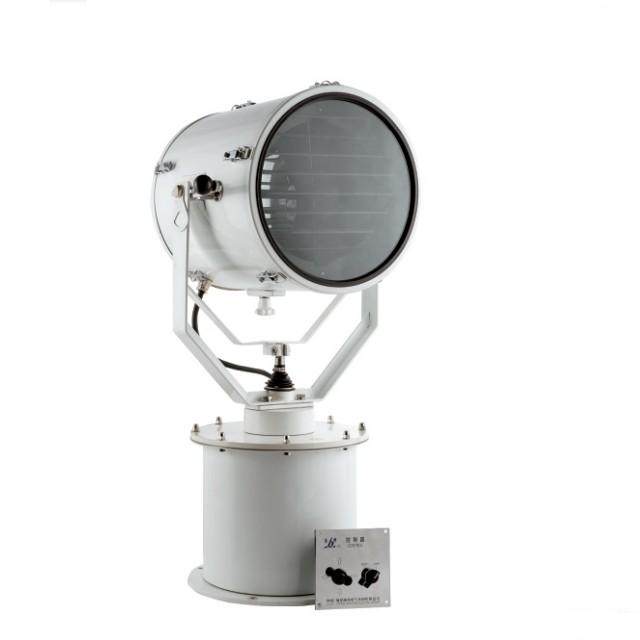
Choosing the Suitable Type of Marine Searchlights:
Purpose and Application:
Navigation: Spotlights with a focused beam for intricate channels.
Security and Surveillance: Pan-and-tilt or remote-controlled options for monitoring.
Emergency Response: Versatile floodlights and IR searchlights for visibility.
Visibility Requirements:
Consider range and coverage based on vessel size, intended routes, and operational environment.
Spotlights for long-range visibility, floodlights for broader coverage.
Light Source and Technology:
LED vs. Traditional Bulbs: Consider energy efficiency and lifespan advantages of LED technology.
Infrared and Thermal Imaging: Enhance visibility in low-light conditions for nighttime operations.
Movement and Control:
Rotating or Pan-and-Tilt: Dynamic movement for surveillance or targeted illumination.
Remote-Controlled: Convenience and flexibility for adjusting light direction from a distance.
Durability and Resistance:
Weather Resistance: Choose lights resistant to saltwater corrosion, UV exposure, and extreme weather.
Vibration and Shock Resistance: Ensure operational stability during rough sea conditions.
Regulatory Compliance:
Ensure compliance with maritime regulations and international standards, especially for vessels in international waters.
Power Consumption:
Evaluate power consumption, with LED searchlights known for energy efficiency.
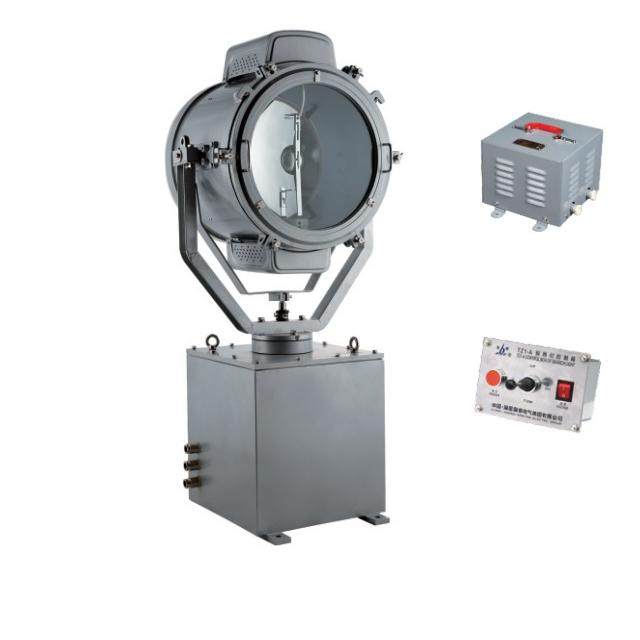
Integration with Navigation Systems:
Choose lights that integrate seamlessly with vessel navigation systems for automated control.
Ease of Maintenance:
Select lights with accessible components for routine inspections and repairs.
LED searchlights may reduce maintenance frequency due to longer lifespans.
Budget Considerations:
Create a budget, balancing cost with required features and functionalities.
Consider long-term costs such as energy efficiency and maintenance requirements.
Conclusion:
Selecting the right type of marine searchlights is paramount for ship operators, given their critical roles in navigation, safety, and emergency response at sea. By considering the vessel's needs, operational nature, and environmental conditions, operators can ensure they have the appropriate searchlights to guide them through the vast and unpredictable maritime environment.
Marine passenger seats stand as crucial components in waterborne vessels, contributing to the comfort, safety, and satisfaction of passengers during their maritime journeys. The design and functionality of passenger seats, whether on ferries, cruise ships, or recreational boats, significantly impact the overall maritime experience. This article takes a closer look at the various types of marine passenger seats available and outlines key considerations for selecting the right type of passenger chairs tailored to different vessels.
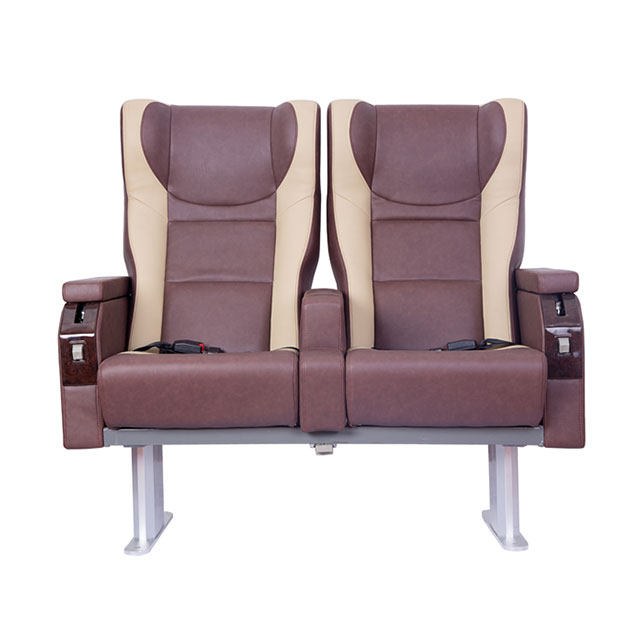
Common Types of Marine Passenger Seats:
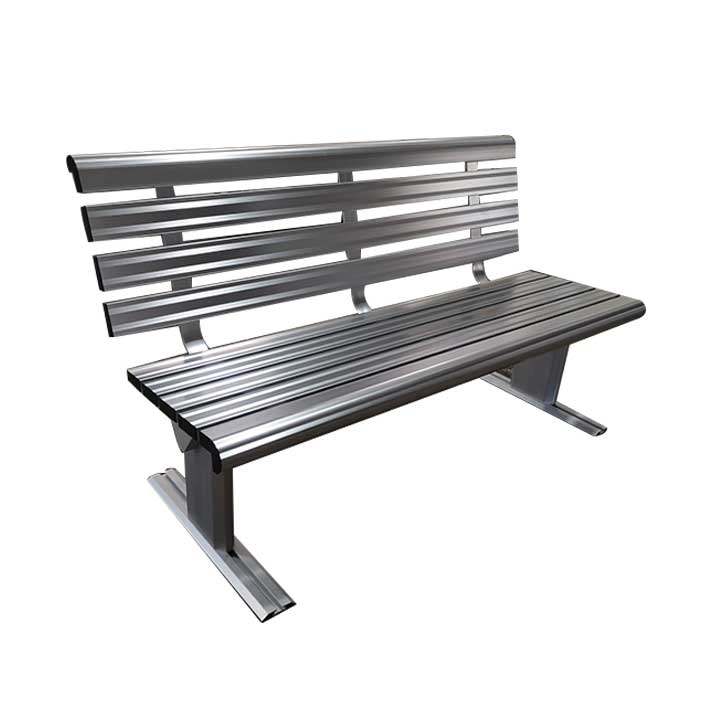
Bench Seats:
Design and Configuration: Space-efficient seating arranged in rows, common on ferries and larger vessels.
Materials: Typically made of high-grade plastics or marine-grade upholstery for durability.
Bucket Seats:
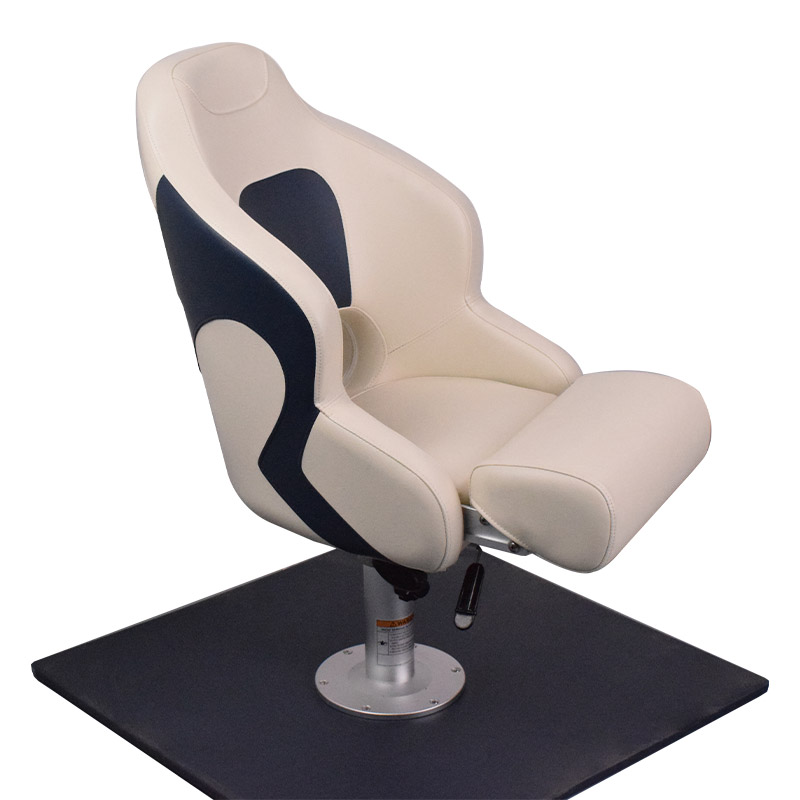
Design and Configuration: Ergonomic, contoured seats for individual passengers, commonly found on smaller boats and recreational vessels.
Features: Some include swivel mechanisms, adjustable heights, and additional padding for extended comfort.
Helm Seats:
Design and Configuration: Specialized seats for the captain or operator, strategically placed at the helm for optimal control.
Features: Armrests, adjustable heights, and 360-degree swivel capabilities for comfort and control.
Flip-Up Seats:
Design and Configuration: Versatile, space-saving seats often used in multipurpose vessels, can be folded or flipped up when not in use.
Applications: Ideal for vessels requiring flexible seating arrangements for different activities.
Jockey Seats:
Design and Configuration: Low-profile seats commonly found on high-speed boats, offering stability in rough waters.
Safety Features: High backrests and side supports ensure passenger safety during high-speed maneuvers.
Sofa and Lounge Seats:
Design and Configuration: Found on luxury yachts and cruise ships, providing relaxed and social seating for groups.
Amenities: Some include integrated tables, cup holders, and charging ports for enhanced passenger experience.
Fold-Down Seats:
Design and Configuration: Compact and space-saving seats, suitable for vessels with limited deck space.
Applications: Common in smaller boats and recreational vessels requiring adaptability and compact storage.
Key Factors for Choosing Marine Passenger Seats:
Vessel Type and Purpose:
Align the seat type with the vessel's specific needs and functions.
Passenger Comfort:
Consider ergonomic designs, additional padding, and adjustable features for longer journeys.
Space Utilization:
Efficiently use available deck space while allowing for easy movement and accessibility.
Seating Capacity:
Accommodate the expected number of passengers while adhering to safety regulations.
Durability and Materials:
Choose corrosion-resistant materials such as marine-grade plastics or stainless steel.
Weather Resistance:
Ensure seats are resistant to UV rays, moisture, and environmental factors.
Safety Features:
Prioritize high backrests, armrests, and secure mounting mechanisms for passenger safety.
Regulatory Compliance:
Confirm adherence to relevant maritime safety regulations and standards.
Maintenance Requirements:
Opt for seats that are easy to clean and maintain for overall cleanliness.
Aesthetics and Design:
Consider the overall visual appeal of seats, especially for luxury yachts or cruise ships.
Budget Considerations:
Evaluate seats that align with the allocated budget while prioritizing quality and safety.
Customization Options:
Explore customization options for specific design preferences or functional requirements.
Conclusion:
Selecting the right type of marine passenger seat is a pivotal decision, influencing passenger comfort, safety, and overall vessel functionality. From the practicality of bench seats to the luxury of sofa-style seating, the diverse array of options caters to the unique needs of each maritime setting. By aligning seat choices with vessel purposes, considering passenger comfort, and factoring in environmental conditions, operators can ensure a safe, comfortable, and enjoyable experience for passengers on board. The evolution of marine passenger seat design continues to enhance maritime journeys across different vessels.
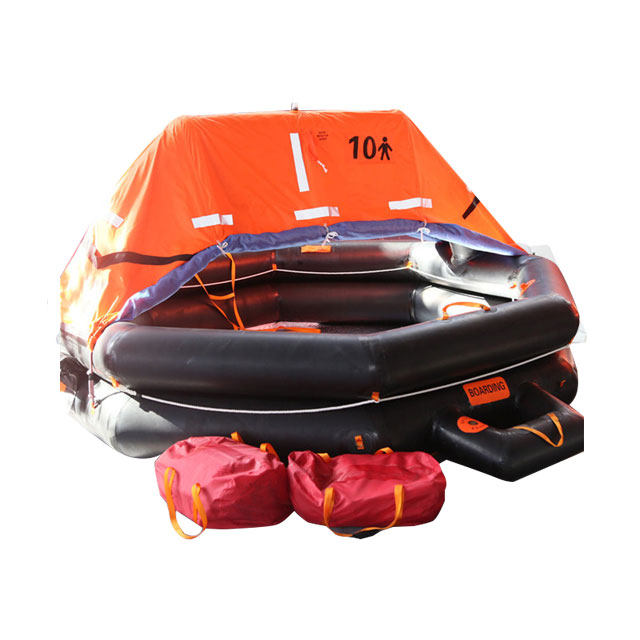
In the realm of maritime safety, Inflatable Life Rafts play a pivotal role, offering a dependable means of survival during emergencies at sea. Engineered to keep individuals afloat and secure, these inflatable structures serve as crucial lifelines until rescue arrives. As technology and engineering progress, various types of inflatable life rafts have emerged, each tailored to specific needs and scenarios. This article explores the diverse world of inflatable life rafts, including their types, features, and considerations for selecting the most suitable option.
Common Types of Inflatable Life Rafts
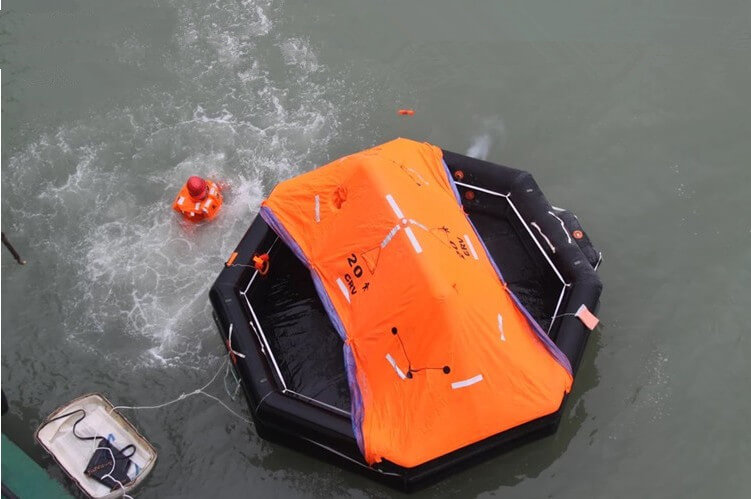
Throw-Overboard Inflatable Life Rafts
Design: Intended to be manually thrown into the water.
Activation: Automatic upon immersion or manual activation.
Use: Common on smaller vessels with limited deck space.
Davit-Launched Inflatable Life Rafts
Design: Installed on the ship’s deck in a cradle and the life rafts launched using davit systems.
Activation: Manual or hydrostatic launch.
Use: Found on larger vessels or those adhering to specific safety regulations.
Canister-Packed Inflatable Life Rafts
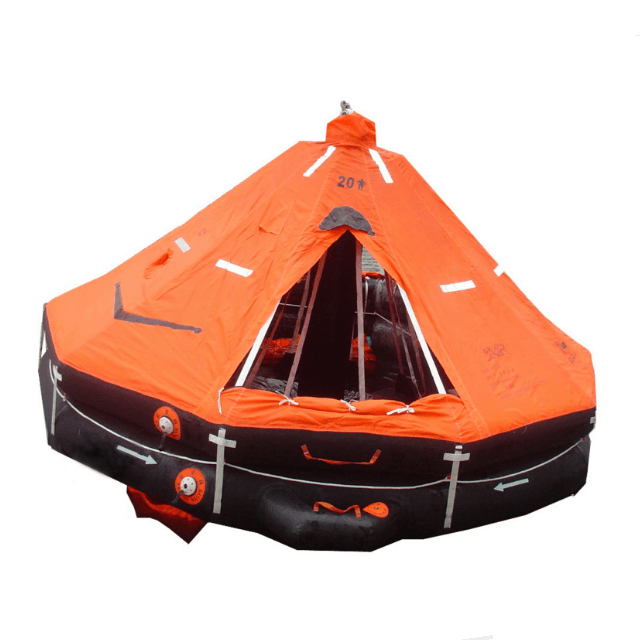
Design: Housed in a rigid canister on the ship’s deck or deckhouse.
Activation: Manually or automatically released and inflated upon immersion.
Use: Versatile, suitable for various vessel types, providing protection during inflation.
Valise-Packed Inflatable Life Rafts
Design: Compact and versatile, stored in a soft valise.
Activation: Manually launched and inflated upon immersion.
Use: Lightweight and easily deployable, ideal for vessels with limited storage space.
Reversible Inflatable Life Rafts
Design: Opens at the top, allowing easy boarding from the water.
Capacity: Accommodates a larger number of people for efficient evacuation.
Use: Suitable for calm sea conditions and rapid deployment scenarios.
Self-Righting Inflatable Life Rafts
Design: Includes a self-righting mechanism for stability in rough seas.
Stability: Self-righting inflatable life rafts are ideal for vessels navigating unpredictable and difficult waters.
Aviation Inflatable Life Rafts
Design: Specifically for aircraft emergencies, compact and lightweight.
Portability: Easily stowed on aircraft and manually or automatically inflated upon ditching.
Use: Essential for flights over water, ensuring passenger and crew safety in aviation emergencies.
Design: Extended survival at sea, often equipped with additional features.
Capacity: Larger and capable of sustaining occupants for an extended duration.
Use: Ideal for offshore vessels and long-distance voyages.
Coastal Inflatable Life Rafts
Design: Suitable for coastal waters and shorter voyages.
Compact: Smaller and more compact than offshore rafts.
Use: Designed for vessels operating in areas with easy access to rescue services.
Inflatable Life Rafts with Canopy
Design: Equipped with a canopy for protection from the elements.
Shelter: Enhances survival chances in adverse weather conditions.
Use: Recommended for vessels operating in regions with unpredictable weather.
Key Factors for Choosing a Suitable Inflatable Life Raft
Selecting the right inflatable life raft is a critical decision impacting maritime safety. Consider the following factors to ensure the chosen life raft suits the vessel's needs:
Vessel Type and Size: Match the raft to the vessel's size, type, and stability.
Occupancy Capacity: Ensure the raft accommodates both passengers and crew.
Operating Environment: Consider sea conditions, climate, and potential exposure to adverse weather.
Regulatory Compliance: Verify compliance with international maritime safety regulations.
Deployment Method: Choose a deployment method that suits the vessel's characteristics.
Stowage Space: Consider available space for stowing the life raft on the vessel.
Inflation Mechanism: Examine the inflation mechanism and its reliability.
Additional Features: Explore features like canopies, survival equipment, and signaling devices.
Maintenance and Inspection: Consider maintenance requirements to ensure proper operation.
Training and Familiarization: Ensure the crew is trained in the deployment and use of the chosen life raft.
Conclusion
The evolution of inflatable life rafts reflects the industry's commitment to enhancing maritime safety. Choosing the best inflatable life raft demands careful consideration of vessel specifications, operating conditions, and safety regulations. As technology advances, innovative features in inflatable life rafts will contribute to higher safety standards and increased survival chances in emergency situations at sea.