
Securing vessels from potential threats in the maritime industry is of utmost importance, where safety is a paramount concern. Among the critical components ensuring safety and integrity at sea are marine watertight doors. These doors are specifically designed to resist water penetration during emergencies or severe conditions. This article delves into the design concepts that contribute to the success of marine watertight doors.
Purpose and Importance of Marine Watertight Doors
Watertight doors strategically placed throughout a ship are intended to compartmentalize it. Their primary purpose is to contain flooding in case of damage while maintaining the buoyancy and stability of the vessel. These marine doors act as barriers, limiting the movement of water and averting catastrophic consequences in emergencies.
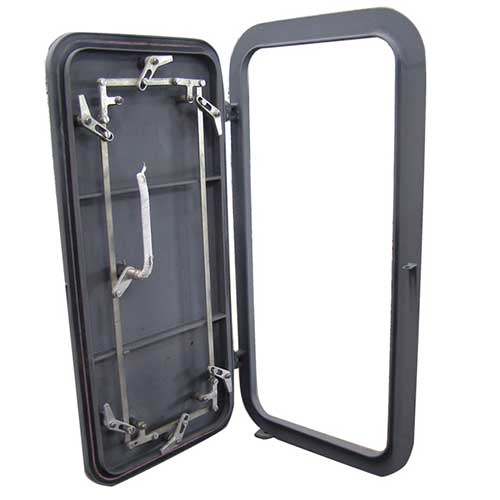
Key Considerations and Design Principles of Marine Watertight Doors
Marine watertight door design requires a blend of engineering expertise, adherence to safety regulations, and a deep understanding of the challenging marine environment.
Material Selection:
Corrosion Resistance: Marine settings are corrosive due to saltwater exposure. Choosing corrosion-resistant materials like marine-grade stainless steel or aluminum alloys ensures longevity and structural integrity.
Durability: Selected materials must endure physical loads and impacts during routine and emergency operations.
Sealing Mechanisms:
Compression Gaskets: Forming a tight seal when closed, compression gaskets prevent water infiltration. Tough materials retain their effectiveness even under high pressure.
Inflatable Seals: Advanced designs may incorporate inflatable seals that adjust to different pressures, adding an extra layer of protection.
Hinges and Locking Systems:
Heavy-Duty Hinges: Frequent opening and closing necessitate heavy-duty hinges for durability, longevity, and optimum alignment.
Secure Locking Mechanisms: Reliable and secure locking mechanisms prevent unintended door openings during normal or emergency operations.
Testing and Certification:
Rigorous Testing: Doors undergo rigorous testing simulating real-world conditions such as high-pressure water flow and shifting sea states.
Certification Compliance: Adherence to international norms, such as those defined by the International Maritime Organization (IMO), confirms doors meet safety and performance criteria.

Design for Easy Operation:
Ergonomics: Consideration for ease of operation is crucial, especially during emergencies where quick and efficient closure is vital.
Accessibility: Designing doors to be easily accessible and operable by the crew ensures effective response, considering factors like size, weight, and manual or automated operation.
Integration with Automation:
Remote Monitoring and Control: Automation technologies enable real-time monitoring and control, allowing quick responses to emergency situations and enhancing operational efficiency.
Maintenance Protocols:
Regular Inspection: Scheduled inspections and maintenance protocols identify and address issues promptly.
Training: Proper training of crew members on maintenance procedures and emergency protocols ensures effective functioning when needed.
Environmental Considerations:
Temperature Variations: Doors should endure frequent temperature fluctuations without compromising sealing capabilities.
UV Resistance: If exposed to sunlight, considering UV-resistant coatings or materials prevents deterioration over time.
Conclusion
Watertight design for marine doors is indispensable for maritime safety, acting as the first line of defense against potential flooding. Watertight doors, through meticulous material selection, rigorous testing, and modern sealing technology, play a crucial role in ensuring the safety and resilience of vessels at sea. The ongoing commitment to watertight door design remains vital to the overall safety and security of seafaring vessels and their crew as the maritime sector continues to evolve.
Marine navigation lights are indispensable tools that ensure vessel safety and prevent collisions in the open sea. These lights serve as beacons, guiding ships through darkness, adverse weather conditions, and hazardous waters. This article explores the significance of marine navigation lights, delves into their common types, and examines the technological advancements that have transformed navigation lighting.

Definition and Purpose of Marine Navigation Lights
Definition:
Marine navigation lights refer to a specialized system mounted on vessels, ships, and maritime structures to aid navigation, signal intentions, and prevent collisions at sea. Governed by international standards, these lights provide crucial visual signals for recognizing the location, size, and direction of other vessels, especially in low-light conditions such as darkness, fog, or adverse weather.Purpose:
The primary purpose of marine navigation lights is to ensure safe navigation and prevent collisions in various maritime scenarios. They facilitate collision avoidance, vessel identification, communication of intent, precise vessel positioning, and navigation in limited visibility conditions. Adherence to international regulations, such as the COLREGs, ensures consistency in the display of lights across vessels worldwide, enhancing maritime safety.
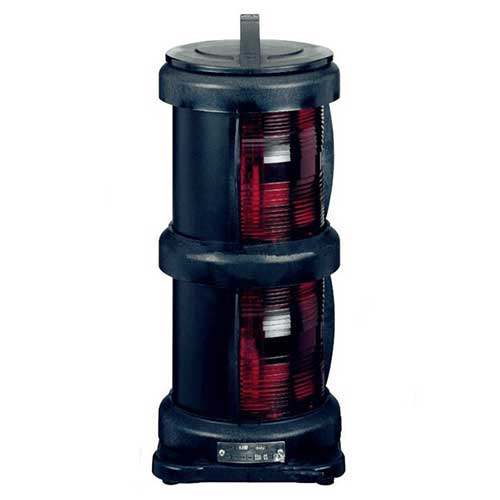
Common Types of Marine Navigation Lights
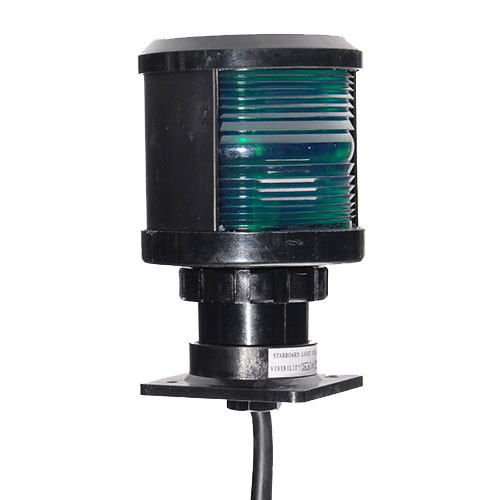
Sidelights (Port and Starboard Lights):
Color: Red (port side) and green (starboard side)
Purpose: Communicate the direction and heading of the vessel, aiding in collision avoidance.
Sternlight:
Color: White
Purpose: Indicates the size and direction of motion of the vessel to those behind it, especially important for passing or trailing vessels.
Masthead Light (Steaming Light):
Color: White
Purpose: Mounted atop the vessel's mast, indicates the presence of a vessel and is visible when the ship is in motion and under power.
Towing Lights:
Colors: Yellow (towing light) above a white masthead light
Purpose: Indicates vessels involved in towing, aiding in collision avoidance.
All-Round Light (360-Degree Light):
Color: White
Purpose: Emits light in all directions, used when a vessel is at anchor or not under command.
Anchor Lights:
Color: White
Purpose: Visible when a vessel is at anchor, helps avoid collisions, and indicates the vessel's position.
Special Purpose Lights:
Purpose: Customized lights for specific vessels, such as fishing or pilot boats, conveying information about their operations to prevent accidents.
Navigation Light Combinations:
Purpose: Vary based on vessel type, purpose, and operations, aiding in determining the vessel's type and nautical status. Governed by COLREGs for global uniformity.
Evolution Technologies for Marine Navigation Lights
Incandescent Bulbs:
Traditional bulbs emitting light when an electric current passes through a filament.
LED (Light-Emitting Diode) Lights:
Energy-efficient, long-lasting, and bright lights revolutionizing marine navigation.
Automated Systems and Sensors:
Controls light intensity based on external factors like ambient light, weather, and vessel movement.
Remote Monitoring and Control:
Allows operators to remotely monitor and control navigation lights through digital interfaces or software.
Improved Durability and Reliability:
Modern materials and sealing techniques enhance durability, protecting lights from water intrusion and corrosion.
Compliance with Regulations:
Built-in compliance functions ensure lights adhere to international norms and standards.
Wireless Communication:
Enables communication between navigation lights and other vessel systems, improving overall safety and coordination.
GPS Integration:
Integrating GPS technology for accurate positioning and displaying appropriate navigation light combinations.
Conclusion:
Marine navigation lights enabling sailors to navigate intricate waterways and reach their destinations safely, from classic sidelights to modern LED systems, symbolize the essence of maritime navigation. Through continuous technological evolution, these lights have become more reliable, energy-efficient, and adaptable, contributing to the enhancement of maritime safety on a global scale.
Anchors play a pivotal role in ensuring the stability and safety of vessels at sea, making them indispensable tools in the maritime industry. Among the various types of anchors, high holding power anchors stand out for their superior grip in challenging conditions. This article explores the diverse world of high holding power anchors, delving into their designs, features, applications, and how to choose the most suitable type for specific uses.

Types of High Holding Power Anchors:
Fluke-Type Anchors:
Design: Lightweight and featuring a crown stock with two curved, pointed flukes.
Applications: Ideal for small to medium-sized vessels, popular in recreational boating and light-duty applications.
Plow-Type Anchors:
Design: Resembling traditional plows with a single broad fluke for adaptability.
Applications: Widely used in various vessels, suitable for both temporary and long-term mooring.
Delta-Type Anchors:
Design: Triangular shape with a wide, flat surface and a weighted tip.
Applications: Effective in sandy and muddy bottoms, popular in recreational and commercial maritime settings.
Design: Two long, sharp flukes at a 90-degree angle, known for lightweight construction.
Applications: Commonly used in small to medium-sized vessels, excelling in sand and mud.

Bruce-Type Anchors:
Design: Three curved flukes, designed to pivot for quick and secure anchoring.
Applications: Widely used in commercial and recreational vessels, effective in various seabed conditions, including rocky bottoms.
Mushroom-Type Anchors:
Design: Distinctive mushroom cap shape, burying themselves in the seabed.
Applications: Commonly used in permanent moorings and for securing floating docks, effective in areas with silt and mud.
Choosing the Suitable High Holding Power Anchor:
Understand Your Vessel:
Consider size, weight, and type to match the anchor's holding power with the vessel's requirements.
Know the Seabed Conditions:Consider predominant seabed types (sandy, muddy, rocky) to choose an anchor suitable for the conditions.
Research Anchor Types:Learn about fluke-type, plow-type, delta-type, Danforth-type, Bruce-type, and mushroom-type anchors and their strengths.
Consider Holding Power:
Evaluate each anchor's holding power to ensure it meets the vessel's size and expected weather conditions.
Think about Versatility:
Opt for versatile anchors, such as plow-type anchors, if anchoring in different locations with varying seabed conditions.
Examine Retrieval Ease:
Consider how easy it is to retrieve and stow the anchor, with some types like Danforth anchors known for quick retrieval.
Account for Weight and Storage:
Evaluate the weight and storage requirements to ensure manageability on the vessel.
Check Anchor Material and Construction:
Consider high-quality materials like galvanized steel or stainless steel for durability and corrosion resistance.
Consult with Experts:
Seek advice from marine experts or professionals for customized recommendations based on specific requirements.
Factor in Budget:
Balance safety and cost, considering that high holding power anchors are available at various price points.
Conclusion:
With various designs catering to different seabed conditions and vessel sizes, high holding power anchors are indispensable for the safety and stability of vessels at anchor. They provide maritime enthusiasts and professionals with reliable options for secure mooring.Ship windows, commonly referred to as marine windows or portholes, play a pivotal role in the design and operation of maritime vessels. These windows are integral components of ship architecture, serving essential functions such as providing natural illumination, facilitating vision, and enabling ventilation. However, they face unique challenges due to exposure to extreme environmental conditions, including water pressure, saltwater corrosion, and impact from waves and debris. This article delves into the realm of marine windows, exploring their significance, design considerations, materials, and various types utilized in maritime applications.
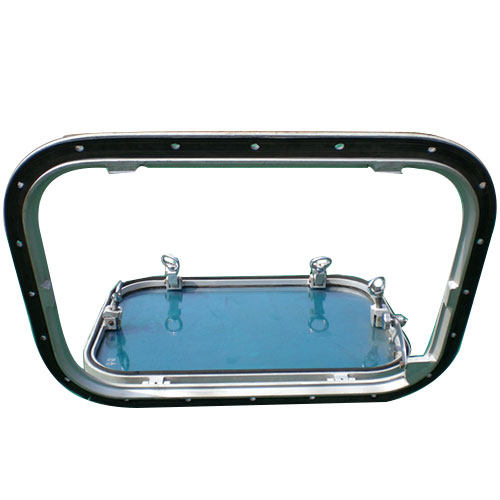
Significance of Marine Windows
Marine windows serve a multitude of crucial functions aboard ships and vessels.
Natural Lighting:
Natural light streaming through marine windows eliminates the need for artificial lighting during daylight hours, creating a more comfortable environment for both passengers and crew members.
Visibility and Navigation:
Clear marine windows provide crew members with an unobstructed view, aiding in navigation, situational awareness, and ensuring safety during maneuvers.
Ventilation:
Hinged marine windows can be opened to provide ventilation, enhancing air circulation and contributing to the comfort of passengers and crew.
Emergency Access:
In emergency situations, marine windows can serve as alternate escape routes, offering additional safety measures for evacuations.
Aesthetics:
Well-designed marine windows enhance the visual appeal of the vessel, contributing to its overall aesthetics.
Design Considerations for Marine Windows
Several factors are taken into account when designing marine windows.
Shape and Size:
Marine windows come in various shapes and sizes, depending on the type and purpose of the vessel. Circular portholes are common in smaller vessels, while larger ships typically feature rectangular or oval windows.
Materials:
The choice of materials is crucial for durability and safety. Common materials include tempered glass, laminated glass, acrylic (PMMA), and polycarbonate.
Framing:
Frames, typically made of stainless steel, aluminum, or marine-grade brass, provide structural stability, watertightness, and corrosion protection in the marine environment.
Watertightness:
Maintaining watertight seals is crucial to prevent water ingress during severe seas. The sealing mechanisms of both windows and frames play a critical role in ensuring water resistance.
Double Glazing:
Many modern marine windows incorporate double glazing to improve insulation, prevent condensation, and regulate interior temperatures.
Hinged or Fixed:
Marine windows can be either fixed or hinged, with hinged windows offering the option of ventilation.
Materials Used in Marine Windows
Choosing the right materials is essential for durability and performance.
Tempered Glass:
Known for its strength and safety characteristics, tempered glass shatters into less dangerous fragments upon breaking.
Laminated Glass:
Comprising two or more layers with an interlayer substance, laminated glass remains intact even if fractured, enhancing safety.
Acrylic (PMMA):
A lightweight and impact-resistant alternative, acrylic offers clarity and UV protection but may require more frequent maintenance.
Polycarbonate:
Another lightweight and impact-resistant material suitable for rough sea conditions due to its high tensile strength and clarity.
Common Types of Marine Windows
Portholes:
Small side scuttle porthole windows are popular on smaller ships and boats, providing ventilation and lighting with a classic nautical appearance.
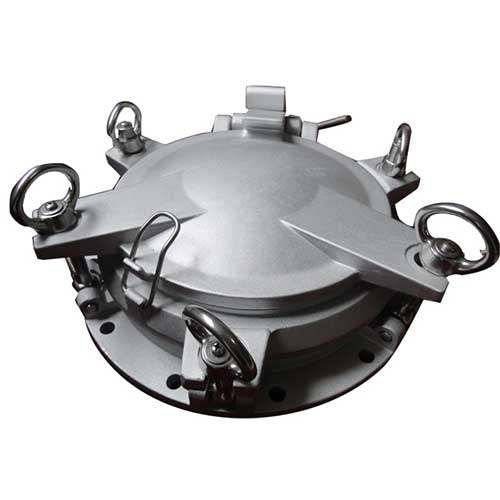
Fixed Windows:
Non-operable windows securely sealed shut, commonly found in areas where ventilation is not a primary concern.
Sliding Windows:
Aluminum sliding windows with panels that can slide horizontally or vertically, offering ventilation options while maintaining a secure seal.

Hinged Windows:
Windows with panels that pivot on one side, allowing for outward opening, commonly used in cabins and areas where controlled airflow is desired.
Windows with Storm Shutters:
Some marine windows come equipped with storm shutters or covers for additional protection during adverse weather conditions.
Conclusion
Marine windows play a vital role in maritime vessels, providing essential services such as illumination, visibility, ventilation, and safety. Their design and construction must withstand the harsh marine environment. Advancements in materials and construction processes have led to modern marine windows offering enhanced durability, safety, and aesthetics, contributing to the efficiency and comfort of maritime operations. As the maritime industry continues to evolve, marine window design and technology are likely to witness further advancements to meet the sector's ever-growing demands.
Lifeboats, integral components of maritime safety equipment, play a vital role in ensuring the well-being of individuals at sea during emergencies. Over the years, various types of lifeboats have been developed to address diverse maritime needs, offering solutions for evacuating and safeguarding crew and passengers. This article explores the different types of lifeboats, their designs, specific applications in maritime safety, and key considerations for selecting the most suitable lifeboat.
Common Types of Lifeboats:
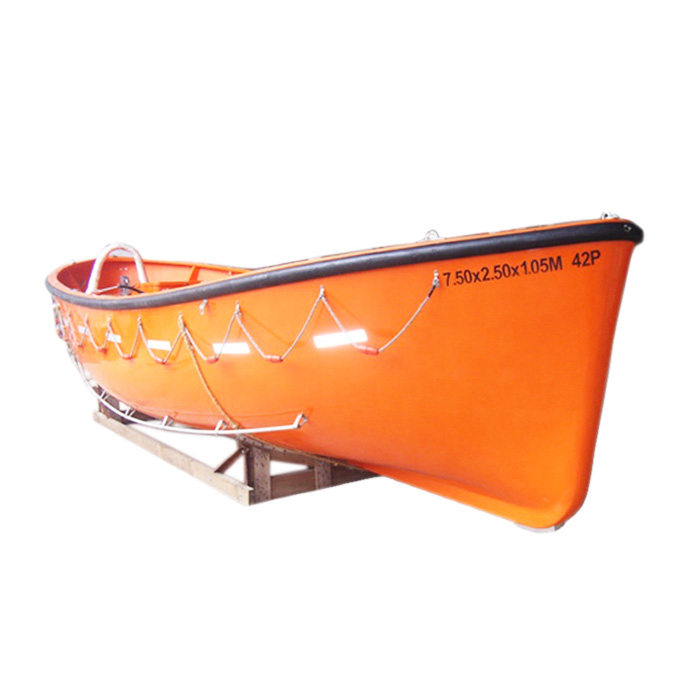
Open Lifeboats:
Open lifeboats, with their simple and traditional design, have stood the test of time. Constructed from materials like wood, fiberglass, or reinforced plastic, these boats lack a roof, allowing for quick and easy boarding. Found on smaller vessels, they are manually propelled using oars or a small outboard motor.
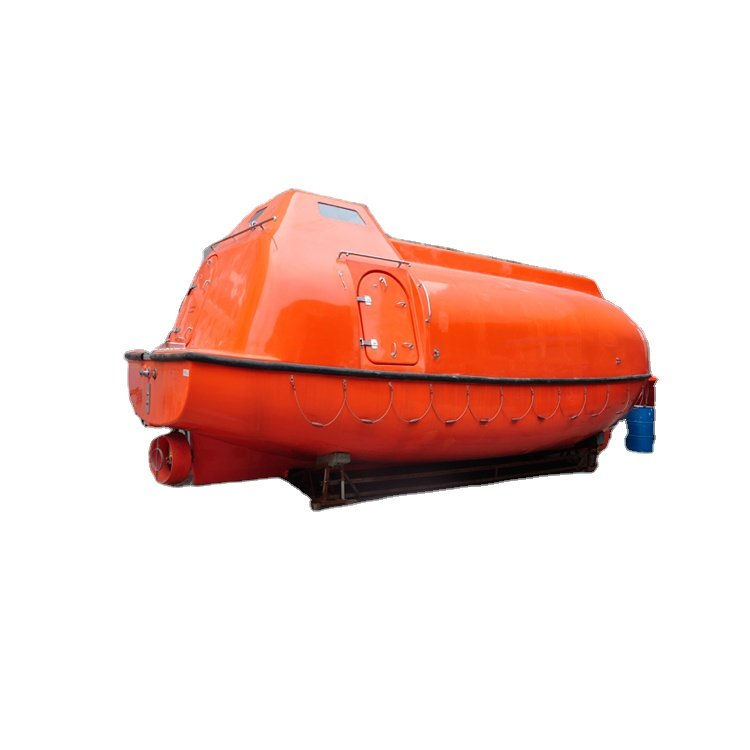
Enclosed Lifeboats:
Enclosed lifeboats feature a protective canopy or roof, offering additional protection against adverse weather conditions. These lifeboats often come equipped with survival equipment, communication systems, and emergency supplies. Suitable for various vessels, including cargo and passenger ships, they provide a sheltered environment for occupants.
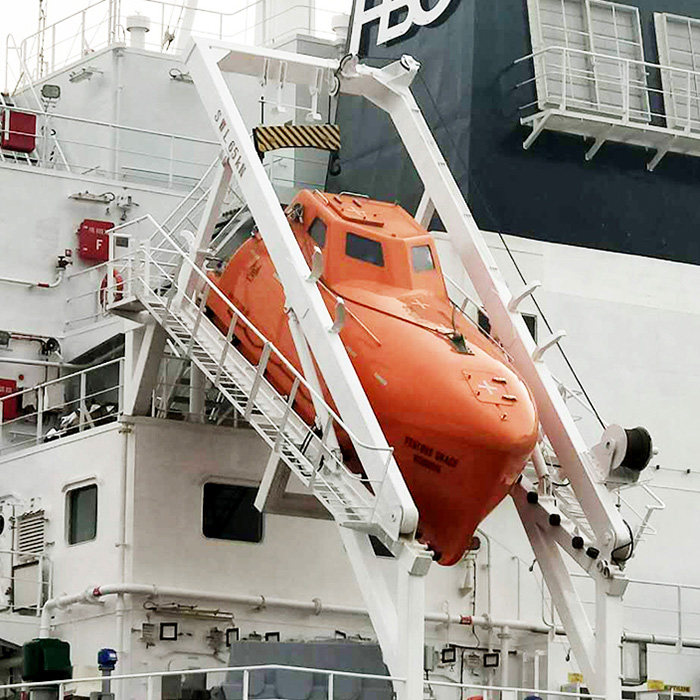
Freefall Lifeboats:
Specifically designed for rapid deployment, freefall lifeboats are launched from an elevated position on a ship's deck. Their freefall descent enables quick entry into the water, ensuring timely evacuation during critical situations.
Fast Rescue Craft (FRC):
Fast rescue craft (FRCs) are agile, smaller vessels designed for rapid response and rescue operations. Deployed on larger vessels like passenger ferries and offshore installations, FRCs offer quick maneuverability and can swiftly reach locations for emergency assistance.
Davit-Launched Lifeboats:
Davit-launched lifeboats are commonly used on ships and offshore platforms. Launched using mechanical davits, these lifeboats can be open or enclosed, providing versatility in their application. Known for their dependability and ease of use, davit-launched lifeboats are integral to maritime safety.
Inflatable Lifeboats:
Inflatable lifeboats utilize inflatable tubes for buoyancy and stability. Lightweight and easy to store and deploy, these lifeboats are commonly used on smaller vessels such as yachts and offshore installations. They offer design flexibility, with options for open or enclosed configurations.
Combination Lifeboats:
Combining features from various types, combination lifeboats aim to provide a comprehensive solution. For instance, a combination lifeboat may feature an enclosed design with inflatable elements, combining the strengths of different designs to enhance safety and versatility.
Key Considerations to Select the Most Appropriate Type of Lifeboats:
Vessel Type and Size:
Consider the size and type of the vessel, as larger vessels may require lifeboats with greater capacity and additional features.
Occupancy Capacity:
Evaluate the maximum number of people the lifeboat needs to accommodate during emergencies.
Operational Environment:
Assess the typical operating conditions and environmental factors where the vessel operates, ensuring the lifeboat can withstand specific sea conditions.
Launch and Recovery Method:
Consider the method of launching and recovering the lifeboat based on the vessel's layout and evacuation speed requirements.
Survivability Features:
Evaluate features such as stability, self-righting capabilities, and the ability to withstand extreme weather conditions.
Accessibility and Ease of Boarding:
Consider how easy it is to board the lifeboat, especially in challenging conditions.
Special Requirements:
Determine any special requirements based on the vessel's operations, such as the need for rapid evacuation or additional safety measures.
Regulatory Compliance:
Ensure that the selected lifeboat complies with international and national regulations and standards.
Training and Familiarization:
Consider the training requirements for operating the lifeboat and ensure crew members are familiar with its features.
Maintenance and Inspection:
Assess the ease of maintenance and inspection for the chosen lifeboat to ensure ongoing reliability.
Cost Considerations:
Balance budgetary concerns with the need for a dependable and efficient lifeboat, considering overall lifecycle costs.
Conclusion:
Selecting the right type of lifeboat is a critical decision for maritime safety, involving a thorough examination of the vessel's characteristics, operational environment, and safety requirements. By carefully considering these factors, vessel operators can ensure that the chosen lifeboat is well-suited to handle emergency situations, serving as a crucial component in maritime safety and evacuation procedures.