
Whether navigating trade routes or exploring coastal waters, the risk of maritime emergencies emphasizes the crucial role of life-saving equipment. From traditional lifebuoys to state-of-the-art distress beacons, marine life-saving gear is instrumental in protecting lives at sea. This article delves into the realm of marine life-saving equipment, shedding light on its vital types, recent innovations, prevalent challenges, and the ongoing pursuit of enhanced safety at sea.

Evolution of Life-saving Equipment
The development of life-saving equipment has been propelled by a relentless pursuit of innovation and effectiveness throughout history. Early civilizations crafted basic flotation devices from natural materials like wood and animal hides. Advancements such as cork life jackets and lifeboats marked significant milestones, revolutionizing maritime safety by offering improved buoyancy and survivability in emergencies.
Crucial Categories of Marine Life-saving Equipment
To mitigate the inherent risks of maritime activities, various types of life-saving equipment are indispensable onboard:
Life Jackets: These buoyant garments, also known as personal flotation devices (PFDs), are fundamental to maritime safety. Modern marine life jackets come in inflatable and foam-filled variants, offering different levels of buoyancy and comfort to both swimmers and non-swimmers, ensuring vital support in emergencies.

Lifebuoys and Ring Buoys: These throwable flotation devices, equipped with ropes, are crucial for rescuing individuals who have fallen overboard, providing them with something to hold onto while awaiting rescue.

Life Rafts: Inflatable life rafts are designed to offer temporary shelter and flotation for individuals in distress, equipped with essentials such as survival supplies and signaling devices, ensuring protection from the elements.
Life Boat: Specialized vessels equipped with buoyant compartments, seating, and survival supplies, serving as safe refuges for individuals in distress at sea, facilitating evacuation and survival during emergencies such as shipwrecks or fires.
Distress Signaling Devices: These devices, including visual and audible signals, are crucial for alerting rescuers to the location of individuals or vessels in distress, incorporating modern technology such as GPS-enabled distress beacons for precise location tracking.
Immersion Suits: Also known as survival or anti-exposure suits, these specialized garments offer thermal protection and buoyancy, essential for personnel operating in cold water environments.
Rescue Platforms and Recovery Systems: Specialized equipment facilitating the safe recovery of individuals from the water, including man-overboard recovery systems and rescue ladders.
Technologies and Innovations in Marine Life Saving Equipment
Technological advancements have significantly enhanced safety at sea through innovations in marine life-saving equipment:
GPS-Enabled Distress Beacons: Precise location tracking enabled by GPS technology drastically reduces response times and improves the chances of timely rescue.
Automatic Identification System (AIS): Integration of AIS technology into distress beacons and life-saving equipment enhances visibility and identification of individuals in distress by nearby vessels and rescue authorities.
Inflatable Life Jackets with Automatic Inflation: Sensors detecting immersion in water or wearer activation ensure rapid deployment of life-saving equipment in emergencies.
Remote-Controlled Lifebuoys and Drones: Innovative tools for swift water rescue operations, reaching individuals in distress quickly and providing flotation support.
Multi-Function Rescue Platforms: Featuring ergonomic designs and integrated safety features, these platforms facilitate efficient recovery of individuals from the water.
Smart Wearable Technologies: Integration of smart devices enhances the safety and situational awareness of maritime personnel, allowing for prompt response to emergencies.
Biodegradable and Eco-Friendly Materials: Exploration of sustainable materials for minimizing environmental impact.
Challenges and Future Directions in Marine Life Saving Equipment
Despite significant advancements, challenges persist, offering opportunities for future improvements:
Accessibility and Affordability: Ensuring widespread availability of life-saving equipment, particularly in developing maritime regions, by reducing manufacturing costs and streamlining distribution channels.
User Training and Education: Comprehensive training programs and certification requirements for maritime personnel to maximize the effectiveness of life-saving equipment during emergencies.
Integration of Emerging Technologies: Leveraging emerging technologies such as AI and blockchain for enhanced safety and maintenance of equipment.
Environmental Sustainability: Development of eco-friendly materials and processes to minimize environmental impact.
Global Standardization and Regulation: Harmonization of international standards and regulatory compliance to ensure the quality and reliability of life-saving equipment.
Research and Development: Investment in research to drive innovation and address current challenges in maritime safety.
Collaboration and Partnerships: Cross-sector collaboration to foster progress and knowledge sharing in maritime safety globally.
Conclusion
Marine life-saving equipment stands as a cornerstone of safety and survival in the unpredictable marine environment. Sustained investment in research, innovation, and international cooperation is essential to ensure the safety and well-being of all who embark upon the high seas. Customized solutions tailored to the specific needs of various industries involved in maritime activities play a pivotal role in advancing safety measures and safeguarding lives at sea.
Marine installations, from ships to offshore platforms, rely heavily on lighting systems to ensure safety, navigation, and operational efficiency amidst the harsh conditions of the open seas. Crafting effective solutions for marine lighting demands a unique blend of considerations and innovative designs.
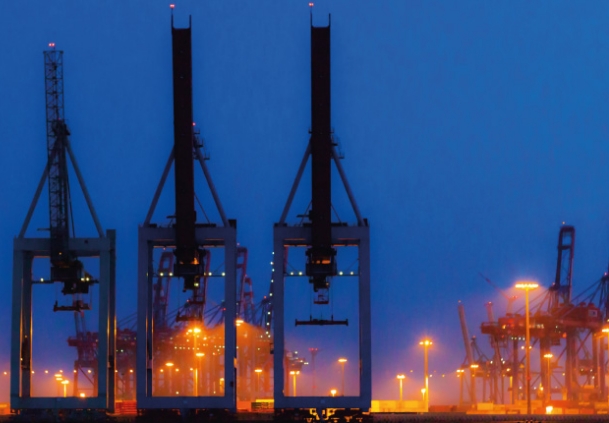
1. Safety at Sea: Lighting serves as a beacon of safety in maritime operations. Navigation lights guide vessels through hazardous waters, marking safe passage and warning nearby ships of their presence. This is particularly critical in low visibility conditions like fog or darkness, where lights on lighthouses, buoys, and beacons help prevent collisions and groundings.
2. Navigation and Positioning: Marine lighting aids navigation by providing visual cues for determining a vessel's position, course, and heading. From channel markers to port lights, these aids guide ships into harbors and through narrow channels, ensuring safe passage and smooth maritime traffic flow.
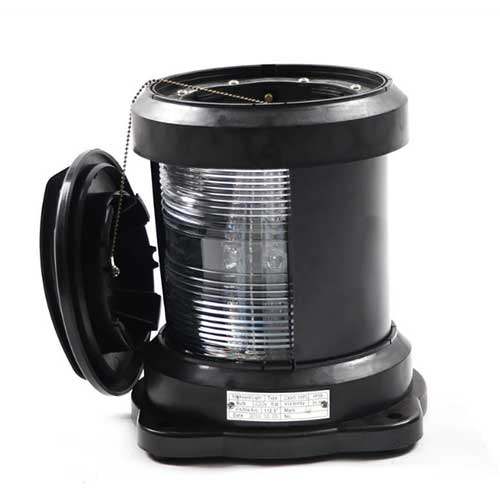
3. Operational Efficiency: Well-lit cargo handling areas, container terminals, and dockyards are essential for efficient loading and unloading operations in ports and shipyards. Additionally, illuminated workspaces and equipment on ships and offshore facilities enhance productivity and safety for crew members performing maintenance, repair, and inspection tasks.
4. Emergency Preparedness: Lighting systems play a crucial role in signaling for help and guiding rescue efforts during emergencies at sea. Emergency lighting, including distress signals and illuminated escape routes, provides vital visibility and guidance during power outages, fires, or other onboard crises, ensuring the safety of passengers and crew.
5. Crew Comfort and Well-being: Adequate illumination in living quarters, mess halls, and recreational areas contributes to the comfort and well-being of crew members onboard ships and marine installations. Additionally, lighting that mimics natural daylight cycles helps regulate circadian rhythms, improve sleep patterns, and reduce fatigue among crew members, promoting overall health and productivity.
Challenges of Lighting in Marine Installations:
Corrosion and Saltwater Exposure: Lighting fixtures in marine environments are prone to corrosion due to exposure to saltwater and saline air. Corrosion-resistant materials and coatings are essential to prolonging the lifespan of fixtures and maintaining functionality in corrosive conditions.
Vibration and Shock: Constant motion, vibration, and shock from waves and engine operations can compromise the stability and integrity of lighting fixtures. Shock-resistant designs and secure mounting mechanisms help mitigate the effects of motion and ensure reliability onboard vessels and marine structures.
Regulatory Compliance: Marine lighting must comply with stringent regulations and standards established by maritime organizations and national authorities. Meeting regulatory requirements entails thorough testing, certification, and adherence to specific guidelines, adding complexity to the design and implementation of lighting systems.
Harsh Environmental Conditions: Extreme weather conditions, including high winds, temperature fluctuations, salt spray, and UV radiation, pose challenges for lighting fixtures in marine environments. Weatherproof designs and UV-resistant coatings protect fixtures from environmental damage and ensure reliable operation in challenging conditions.
Maintenance and Accessibility: Maintenance of lighting systems in remote marine installations can be challenging due to limited access and logistical constraints. Designing systems with modular components and remote monitoring capabilities facilitates maintenance tasks and minimizes downtime.
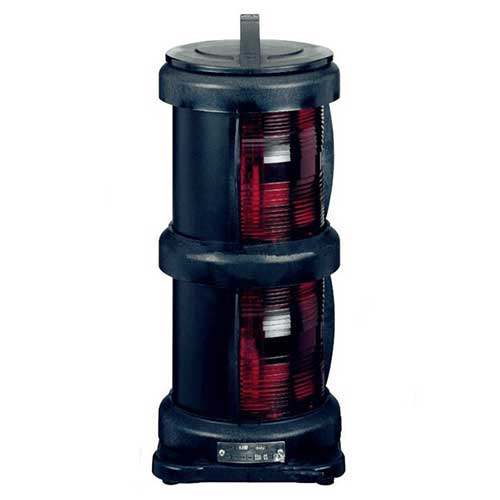
Innovative Solutions for Lighting in Marine Installations:
LED Technology: LED lighting offers energy efficiency, durability, and resistance to shock and vibration, making it ideal for marine applications.
Modular and Adaptive Designs: Modular lighting systems with interchangeable components and adaptive controls optimize energy usage and facilitate maintenance in marine environments.
Corrosion-Resistant Materials: Utilizing corrosion-resistant materials and coatings extends the lifespan of lighting fixtures in corrosive marine environments.
Solar-Powered Lighting: Solar-powered lighting solutions provide sustainable illumination for remote or off-grid marine installations, reducing reliance on fossil fuels.
Smart Lighting Controls: Integration of smart controls enables real-time monitoring, scheduling, and optimization of lighting systems in marine installations.
Future Trends of Lighting in Marine Installations:
Integration of Renewable Energy: Solar and wind-powered lighting solutions offer sustainable alternatives for remote marine installations.
Advanced Materials and Coatings: Innovations in materials science continue to enhance durability and resistance to corrosion in marine lighting fixtures.
Human-Centric Lighting Design: Human-centric lighting design improves crew well-being and productivity through dynamic lighting controls.
Artificial Intelligence and IoT Integration: AI and IoT technologies enable intelligent monitoring, control, and optimization of lighting systems in marine installations.
In conclusion, lighting plays a vital role in ensuring safety, efficiency, and comfort in marine environments. By addressing the challenges and embracing innovative solutions, the future of lighting in marine installations holds promise for safer, more efficient, and sustainable maritime operations.
Emergency and safety lighting systems are vital for ensuring the safety and security of marine vessels, their crew, and passengers. These systems serve multiple purposes, including navigation, emergency preparedness, distress signaling, operational safety, and compliance with regulations. This article explores the importance, components, and technological advancements in emergency and safety marine lighting systems.
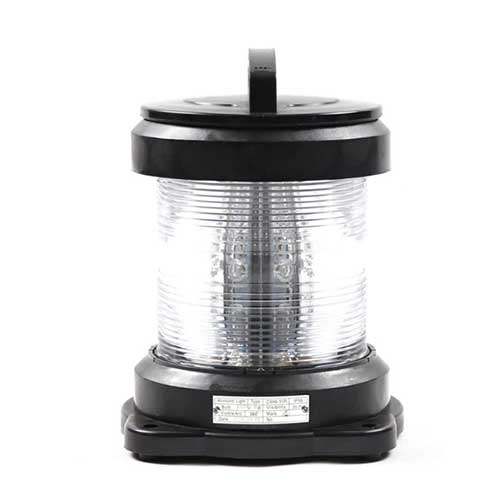
Importance of Emergency and Safety Marine Lighting Systems:
Navigational Aid:
Marine LED Navigation Lights guide vessels through dark waters and adverse weather conditions, minimizing the risk of collisions by communicating a vessel's position, direction, and status to others.
Emergency Preparedness:
Essential for readiness during emergencies, these lighting systems provide immediate illumination to guide crew and passengers to safety, ensuring swift and orderly evacuation procedures.
Distress Signaling:
Safety lighting systems include signaling devices like strobe lights and distress flares to attract attention and summon assistance in critical situations.
Operational Safety:
Floodlights and spotlights enhance operational safety by illuminating obstacles, hazards, or other vessels, aiding in navigation, docking, and search and rescue operations.
Compliance with Regulations:
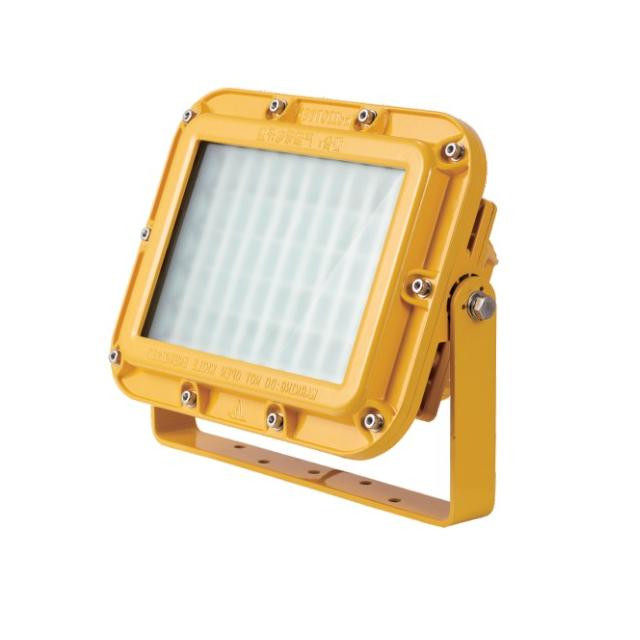
International maritime regulations mandate the installation and maintenance of emergency and safety lighting systems on all marine vessels to ensure uniform safety standards.
Components of Emergency and Safety Marine Lighting Systems:
Navigation Lights:
Including red port lights, green starboard lights, white stern lights, and white masthead lights, these lights indicate a vessel's position and direction to others.
Emergency Lighting:
Consisting of emergency exit lights, emergency illumination, and battery backup systems, these lights facilitate safe evacuation during emergencies.
Signal Lights:
Strobe lights, beacon lights, and distress flares are used for distress signaling and communication with other vessels or search and rescue teams.
Floodlights and Spotlights:
Floodlights provide general illumination, while spotlights offer focused illumination for specific areas or objects.
Remote-Controlled Lights:
Remote-controlled floodlights and spotlights allow operators to adjust lighting parameters for optimal visibility.
Backup Power Systems:
Emergency generators and battery banks ensure uninterrupted operation of critical lighting components during power outages.
Technological Advancements in Emergency and Safety Marine Lighting Systems:
LED Technology:
LEDs offer energy efficiency, longevity, durability, and instantaneous operation compared to traditional lighting sources.
Smart Lighting Controls:
Advanced lighting control systems optimize energy usage, enable remote monitoring, and dynamically adjust lighting parameters.
Wireless Connectivity:
Wi-Fi or Bluetooth connectivity facilitates centralized control and remote access of lighting systems, enhancing flexibility and responsiveness.
Integrated Light and Sound Signals:
Integration of visual and auditory signals enhances emergency notifications, ensuring prompt response and evacuation.
Compliance with Regulatory Standards:
Manufacturers adhere to stringent regulatory standards to ensure the highest safety and performance requirements are met.
Conclusion:
Advancements in emergency and safety marine lighting systems have transformed maritime safety, offering enhanced reliability, efficiency, and functionality. These systems play a critical role in ensuring safe and efficient maritime operations, providing illumination, navigation aids, and distress signals for vessels and their occupants. With continuous technological innovation, modern marine lighting systems uphold the highest safety standards.
The effects of climate change on marine environments have become increasingly evident, reshaping marine ecosystems and the vital "windows" they provide into the underwater world. From coral reefs to polar seas, these repercussions alter ecosystems in significant ways, emphasizing the crucial role of marine windows in our understanding and preservation of oceanic health.
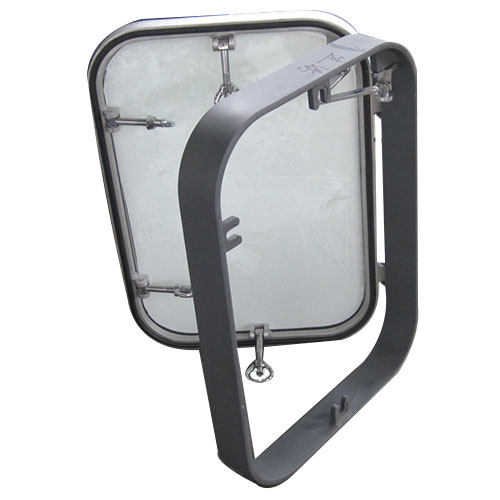
The Vital Role of Marine Windows in Ecosystems:
Marine windows serve as metaphorical portals into the intricate underwater world, playing a pivotal role in scientific research and serving as indicators of oceanic well-being. These windows, including coral reefs, polar ice caps, and coastal regions, offer insights into the health of marine ecosystems.
Climate Change's Impact on Marine Windows:
1. Coral Reefs: Fragile Ecosystems Under Pressure
Coral reefs, renowned as the rainforests of the sea, support a vast array of marine life. However, climate change-induced stressors threaten their existence:
Temperature Stress: Rising sea temperatures trigger coral bleaching, weakening corals and increasing susceptibility to disease.
Ocean Acidification: Increased carbon dioxide absorption leads to acidification, hindering coral growth and reef formation.
Extreme Weather Events: Intensifying storms cause physical damage to coral reefs, further exacerbating their degradation.
2. Polar Regions: Melting Ice and Shifting Landscapes
Polar regions experience rapid transformations due to global warming:
Loss of Sea Ice: Shrinking Arctic sea ice imperils species reliant on it, such as polar bears and seals.
Thinning Ice Sheets: Warming temperatures in Antarctica contribute to ice shelf thinning and glacier retreat.
Altered Ecosystem Dynamics: Disruptions in ice cover and temperature regimes destabilize polar ecosystems, affecting marine life and food webs.
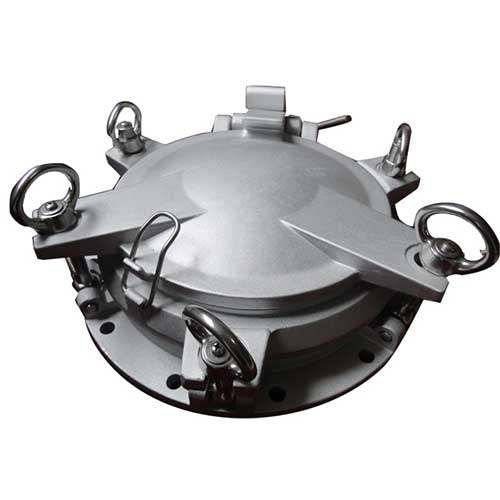
3. Coastal Zones: Frontlines of Human-Induced Changes
Coastal areas face escalating threats from climate change and human activities:
Sea Level Rise: Coastal flooding and saltwater intrusion endanger communities and ecosystems.
Habitat Loss: Development, pollution, and overfishing degrade critical marine habitats.
Ocean Pollution: Climate change exacerbates ocean pollution, disrupting marine ecosystems and compromising water quality.
Strategies to Mitigate Climate Change's Impact on Marine Windows:
Addressing climate change's impact on marine ecosystems requires a comprehensive approach:
Reduce Greenhouse Gas Emissions:
Transition to renewable energy sources and implement energy efficiency measures.
Foster international cooperation to limit carbon emissions.
Protect and Restore Marine Ecosystems:
Establish marine protected areas and adopt sustainable fisheries management practices.
Support habitat restoration efforts to enhance ecosystem resilience.
Adaptation Strategies for Vulnerable Ecosystems:
Develop tailored adaptation measures for vulnerable ecosystems, such as coral reefs and polar regions.
Invest in research and monitoring to inform adaptive management strategies.
Reduce Coastal Vulnerability:
Implement coastal management strategies and sustainable land-use planning to mitigate coastal erosion.
Promote community-based approaches to climate resilience-building and ocean governance.
Enhance Ocean Governance and International Cooperation:
Strengthen governance frameworks and foster collaboration among stakeholders for sustainable ocean management.
Support initiatives that integrate climate considerations into marine policy and planning processes.
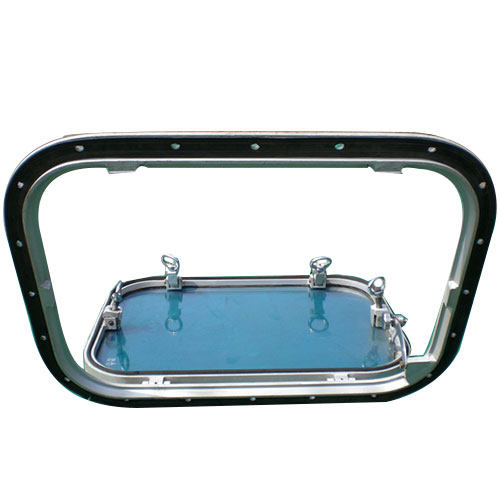
Conclusion:
Climate change poses profound threats to marine ecosystems, as evidenced by the impacts observed through coral reefs, polar seas, and coastal zones. Protecting these critical ecosystems requires concerted efforts to mitigate climate change and adapt to its consequences. By safeguarding marine windows, we safeguard the biodiversity and ecological integrity of our oceans, ensuring a sustainable future for generations to come.
Marine captain's chairs serve as vital fixtures onboard vessels, providing comfort and support to captains and crew during extended voyages. However, the relentless marine environment, characterized by seawater, sunlight, and fluctuating weather conditions, poses significant challenges to the durability and weather resistance of these chairs. To safeguard their longevity and functionality, proactive measures must be taken to fortify their resilience.
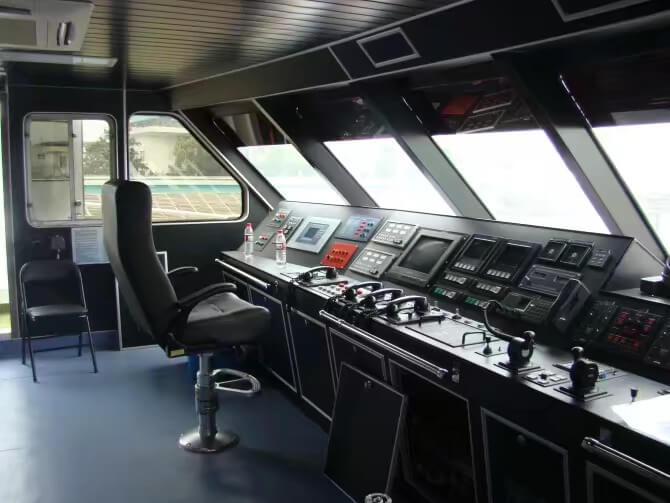
Quality Materials Selection:
a. Frame Materials:
Stainless Steel: Opt for marine-grade stainless steel for its exceptional corrosion resistance in saltwater environments.
Aluminum: Utilize lightweight and corrosion-resistant anodized aluminum for enhanced durability.
Corrosion-Resistant Plastics: Incorporate high-quality plastics like polyethylene or fiberglass-reinforced polymers for specific chair components.
b. Hardware:
Stainless Steel Hardware: Employ stainless steel hardware for all chair components to ensure superior corrosion resistance.
Anodized Aluminum Hardware: Consider anodized aluminum hardware for its corrosion resistance and sleek appearance.
Upholstery Fabrics:
Marine-Grade Vinyl: Select marine-grade vinyl upholstery known for its durability, UV resistance, and water resistance.
Solution-Dyed Acrylic Fabrics: Opt for solution-dyed acrylic fabrics like Sunbrella® for exceptional UV protection and mold resistance.
Mesh Fabrics: Choose high-quality mesh fabrics offering breathability and quick drying properties.
Protective Finishes:
a. Powder Coating: Apply powder coating to metal components for excellent corrosion and UV resistance.
b. Anodizing: Utilize anodizing for aluminum surfaces to enhance corrosion resistance and durability.
c. Marine-Grade Paints and Sealants: Apply marine-grade paints and sealants to provide a protective barrier against moisture, UV radiation, and saltwater.
d. Clear Coat Finishes: Employ clear coat finishes to protect surfaces from UV radiation, moisture, and abrasion while maintaining their natural appearance.
e. Fabric Protectants: Treat upholstery fabrics with fabric protectants to repel water, resist stains, and provide UV protection.

Storage and Covering:
Indoor Storage: Store marine captain’s chairs indoors to shield them from sunlight, rain, and saltwater exposure.
Custom-Fitted Covers: Utilize custom-fitted covers made from durable, weather-resistant materials to provide additional protection.
Boat Enclosures: Install boat enclosures for comprehensive protection of onboard furniture from the elements.
Elevated Storage: Store chairs in elevated positions to minimize contact with moisture and optimize air circulation.
Regular Cleaning and Maintenance: Implement a routine cleaning and maintenance schedule to preserve the chairs’ condition and longevity.
Proper Installation:
Follow Manufacturer’s Instructions: Adhere to the manufacturer’s recommended installation procedures for proper fit and function.
Ensure Secure Attachment: Use appropriate fasteners and seal mounting holes to ensure secure attachment to mounting surfaces.
Consider Reinforcements: Reinforce mounting surfaces as needed to provide additional support and stability.
Ensure Proper Alignment: Align chairs accurately to ensure they are level, straight, and securely anchored.
Test for Stability: Conduct stability tests to verify the chairs’ stability and functionality under normal use conditions.
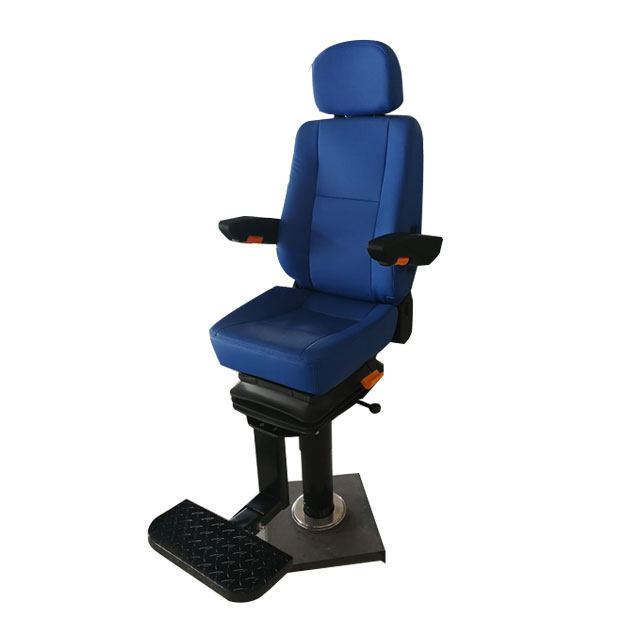
Conclusion:
Enhancing the durability and weather resistance of marine captain's chairs is essential to ensure their longevity and functionality in the demanding marine environment. By incorporating quality materials, protective finishes, proper storage, and installation practices, vessel owners can safeguard their investment and enhance the comfort and safety of their crew during maritime journeys.