
Energy efficiency is a crucial consideration in the design of high holding power anchors, particularly in industries like maritime and offshore, where these anchors play a pivotal role in vessel stability and safety. Recent advancements in anchor design not only enhance their holding power but also significantly improve energy efficiency in marine operations. This article delves into the latest innovations in high holding power anchor design and their impact on energy conservation and sustainability.
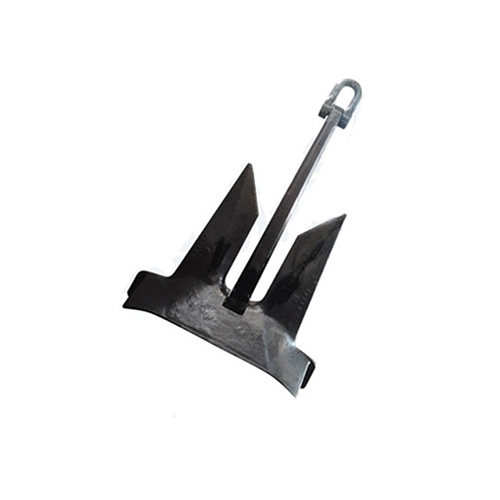
Enhanced Shapes:
Modern anchor designs integrate aerodynamic and hydrodynamic principles to minimize drag during deployment and usage. By reducing resistance in water, less energy is needed to maintain the anchor's position, especially in dynamic conditions with strong currents or waves. Computational fluid dynamics (CFD) simulations refine anchor shapes, resulting in lower energy consumption during deployment and retrieval.
Material Advancements:
Innovations in materials science have led to the development of high-strength, lightweight materials that are durable and corrosion-resistant. These materials reduce the anchor's weight, requiring less energy for handling, deployment, and retrieval. Moreover, advanced coatings and surface treatments minimize friction and corrosion, further enhancing energy efficiency.
Optimized Fluke Design:
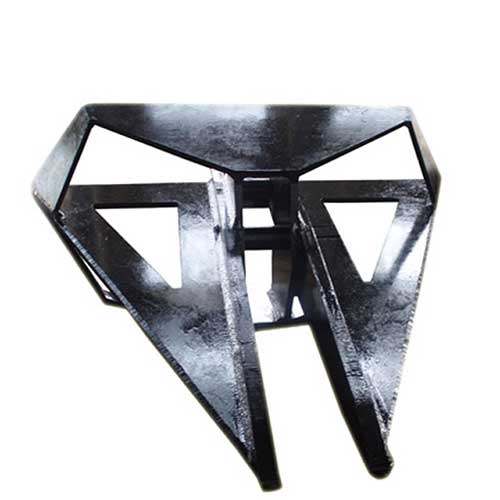
Improvements in anchor fluke design, including shape, angle, and surface area, enhance penetration into different seabeds more efficiently. Better penetration means increased holding power with less weight and drag, resulting in energy savings. Some anchors incorporate mechanisms like roll-bars or setting flukes to aid in quick and secure penetration of the seabed.
Smart Anchor Systems:
Integration of sensors, actuators, and real-time monitoring systems enables dynamic adjustments based on environmental conditions. Smart anchors autonomously optimize their orientation and position, conserving energy while ensuring secure anchoring. These systems offer valuable insights into anchor performance, facilitating informed decisions to further enhance energy efficiency.
Hybrid Energy Integration:
High holding power anchors are increasingly used alongside renewable energy systems such as offshore wind turbines or tidal energy converters. Anchor designs accommodating these systems improve overall efficiency in renewable energy generation by ensuring stable and reliable mooring with minimal energy loss. Optimizing anchor design for renewable energy systems maximizes energy efficiency and sustainability.
Innovative Deployment Mechanisms:
Advancements in anchor deployment mechanisms, such as remotely operated systems or autonomous underwater vehicles (AUVs), enable precise positioning with minimal human intervention and energy expenditure.
Advanced Testing and Simulation:
Engineers utilize computer-aided design (CAD), computational fluid dynamics (CFD), and finite element analysis (FEA) to virtually optimize anchor designs before physical prototyping. This iterative design approach eliminates the need for costly and energy-intensive trial and error testing, resulting in more efficient anchor designs.
Integration with Renewable Energy:
In some instances, high holding power anchors are paired with renewable energy systems like offshore wind turbines or tidal energy devices. Aligning anchor design with these systems boosts overall energy efficiency in marine renewable energy applications.
In conclusion, advancements in high holding power anchor design not only enhance maritime safety and reliability but also contribute significantly to energy efficiency and sustainability. As technology progresses, further innovations in anchor design are anticipated to drive even greater improvements in energy efficiency and sustainability for the maritime and offshore sectors.
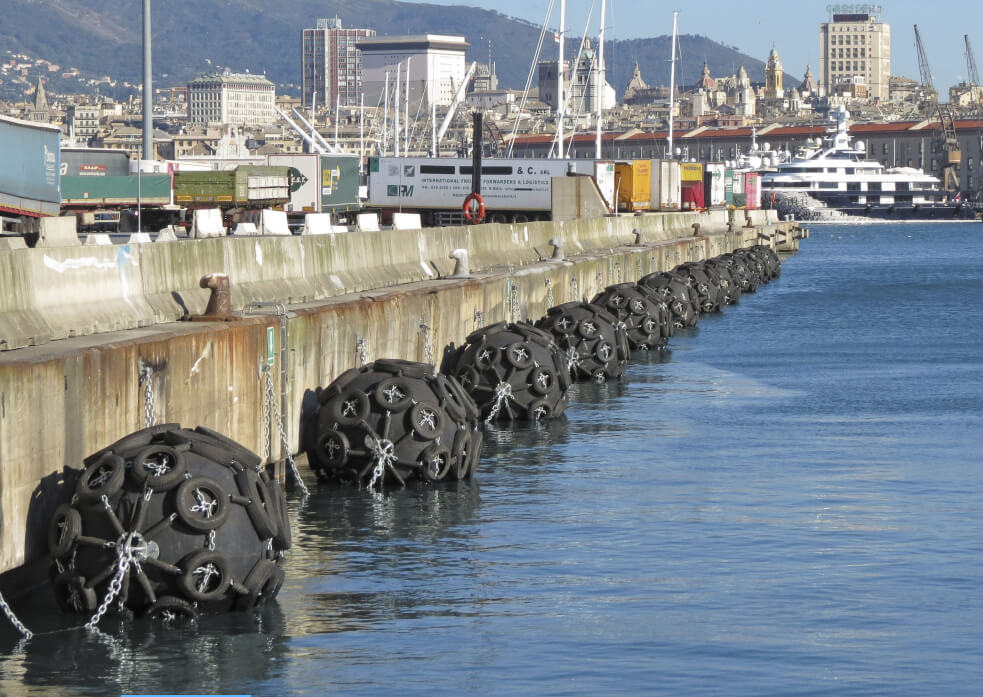
Yokohama Pneumatic Rubber Fenders (YPRFs) have emerged as revolutionary technologies reshaping vessel handling and protection in ports and harbors worldwide. Engineered with advanced designs and durable materials, these fenders offer unmatched performance and reliability across diverse maritime applications. This article explores the extensive applications and myriad benefits that Yokohama Pneumatic Rubber Fenders bring to the maritime industry.
Applications of Yokohama Pneumatic Rubber Fenders
Yokohama Pneumatic Rubber Fenders find application across various sectors of the maritime industry owing to their unique design and resilient construction.
Commercial Ports: These fenders are integral to berthing and mooring operations in commercial ports, strategically placed along quaysides to absorb kinetic energy during vessel impacts. From small fishing boats to massive container ships and oil tankers, these fenders accommodate vessels of all sizes and types.
Oil and Gas Terminals: Yokohama Rubber Fenders excel in challenging conditions at oil and gas terminals, providing reliable protection during loading and unloading activities, thus ensuring the safety and integrity of vital installations.
LNG Terminals: Specifically designed for LNG terminals, Yokohama Pneumatic Rubber Fenders offer excellent shock absorption and durability, critical for safe handling of LNG carriers during berthing and cargo transfer.
Offshore Platforms: These fenders ensure the safety of vessels during crew transfers and supply operations in offshore installations, enduring severe seas and impacts to protect both personnel and equipment.
Ship-to-Ship Transfer Operations: Facilitating safe and efficient ship-to-ship transfers, Yokohama Pneumatic Fenders ensure smooth vessel positioning even in adverse weather conditions, minimizing accidents and environmental risks.
Floating Docks and Pontoons: Used in floating docks and pontoons, these fenders protect vessels during mooring and docking, minimizing damage risks to both vessels and structures.

Benefits of Yokohama Pneumatic Rubber Fenders
Exceptional Shock Absorption: Designed to absorb kinetic energy, these fenders minimize impact forces, reducing damage to vessels and infrastructure, thus lowering repair costs and downtime.
Versatility and Customization: Available in various sizes, diameters, and lengths, Yokohama Pneumatic Rubber Fenders can be customized to meet specific port requirements and accommodate diverse vessels, ensuring suitability across different maritime sectors.
Low Maintenance: With minimal maintenance requirements compared to traditional systems, these fenders offer long-term reliability and cost savings for port operators due to their durable rubber construction and resistance to corrosion and UV degradation.
Quick and Easy Installation: Featuring a modular design, installation of pneumatic rubber fenders is swift, minimizing downtime and disruptions to port operations, contributing to overall efficiency.
Proven Reliability: Yokohama Rubber Fenders undergo rigorous testing and quality control measures, ensuring compliance with international standards and instilling confidence in port operators and vessel owners alike.
Buoyancy and Stability: Providing buoyancy and stability during berthing and mooring, these fenders mitigate risks and ensure the safety of crew and cargo, maintaining a stable environment for vessel operations.
Environmental Friendliness: Made from environmentally sustainable materials, Yokohama Pneumatic Fenders align with industry initiatives for sustainability, offering a low environmental impact option for maritime infrastructure projects.
Conclusion
Yokohama Pneumatic Rubber Fenders have transformed maritime safety and efficiency, playing a vital role in safeguarding vessels, personnel, and critical infrastructure worldwide. With their innovative design and unparalleled reliability, these fenders continue to redefine standards in the maritime industry, ensuring safer and more efficient operations in ports, terminals, and offshore installations.
Comfort, safety, and aesthetics are paramount in the design of marine passenger seats, shaping the onboard experience across various vessels from luxurious cruise liners to efficient ferries. This article explores the latest trends and advancements in marine passenger seat design, focusing on innovative designs and cushioning materials that are revolutionizing travel on the high seas.

Emphasis on Ergonomics
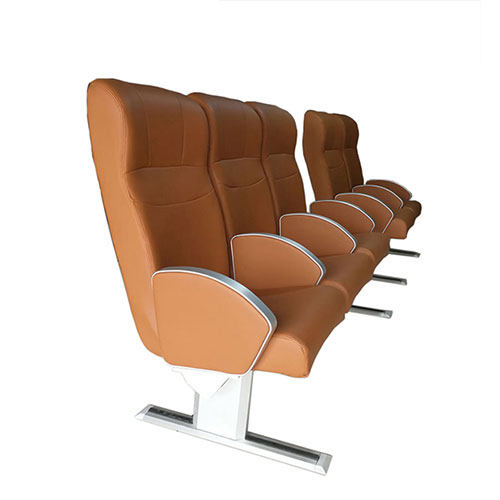
Modern marine passenger chairs prioritize ergonomic design to enhance comfort during long journeys. These seats offer proper lumbar support, promote good posture, and alleviate fatigue. Features such as adjustable headrests, armrests, and seat recline provide passengers with personalized comfort options to suit their preferences.
Enhanced Durability in Harsh Conditions
Marine environments pose unique challenges like saltwater exposure and adverse weather conditions. Innovative seat designs integrate materials resistant to corrosion, fading, and wear. Utilizing high-quality marine-grade upholstery fabrics, reinforced frames, and corrosion-resistant components ensures longevity, reducing maintenance costs and ensuring reliability over time.
Adoption of Lightweight Materials
Advancements in lightweight materials contribute to fuel efficiency and carbon emissions reduction in marine transportation. Innovative seat designs utilize lightweight yet robust materials such as aluminum alloys and composite polymers, achieving a balance between durability and weight savings. Lightweight seats also facilitate easier installation and reconfiguration, offering operational flexibility to vessel operators.
Space Optimization Solutions
Maximizing space is crucial in marine passenger seating design, especially on vessels with limited real estate. Foldable and stackable seat designs optimize cabin space, enabling flexible seating arrangements and efficient use of onboard areas. Smart mechanisms allow seats to be easily stowed away when not in use, creating versatile passenger environments.
Customization for Diverse Needs
Passenger preferences vary widely, necessitating customizable seating solutions. Innovative seat designs offer options for seat width, cushion firmness, upholstery color, and configuration layouts. Modular seating arrangements accommodate varying passenger capacities and spatial constraints, ensuring flexibility and adaptability.
Integration of Shock-Mitigating Technology
In vessels navigating rough seas, shock-absorbing seating arrangements are essential for passenger safety and comfort. Advanced shock-absorbing materials and suspension systems are integrated into maritime passenger seats to minimize wave-induced vibrations and vessel motion impacts, reducing the risk of passenger injuries and enhancing ride comfort.
Implementation of Fire Retardant Materials
Safety is paramount in marine transportation, particularly concerning fire prevention measures. Innovative seat designs incorporate fire-retardant materials and fabrics compliant with international safety standards. Fire-resistant foams, upholstery fabrics treated with flame-retardant coatings, and self-extinguishing cushioning materials enhance passenger safety and ensure regulatory compliance.
Adoption of Sustainable Materials
There is a growing focus on sustainability in marine passenger seat design. Innovative seating solutions utilize eco-friendly materials such as recycled plastics, bio-based foams, and low-impact upholstery fabrics. Sustainable seat designs aim to minimize carbon footprint, reduce waste generation, and promote environmental stewardship in the maritime sector.

Integration of Amenities
To enhance the passenger experience, modern marine passenger seats feature integrated amenities and connectivity features. USB charging ports, adjustable reading lights, foldable tray tables, and personal entertainment systems are seamlessly integrated into seat designs, providing convenience and entertainment options during voyages.
Aesthetic Considerations
Aesthetic appeal is given importance alongside comfort and utility in modern maritime passenger seats. Sleek lines, contemporary finishes, and customizable color options result in visually appealing seating solutions, elevating the ambiance of onboard spaces. Innovative seat designs combine style with substance, enhancing the overall passenger experience.
In conclusion, Seat designs are important for the passenger experience in maritime travel. By prioritizing comfort, safety, and aesthetics, modern marine passenger seats offer a delightful journey for travelers. With the integration of lightweight materials, customizable features, and sustainable solutions, vessel operators can enhance operational efficiency while providing passengers with a comfortable and enjoyable sea voyage.
Marine anchors stand as the steadfast connection between vessels and the ocean floor, offering stability and security amidst the unpredictable and sometimes hostile marine environment. Achieving optimal performance, reliability, and longevity requires meticulous attention to both material selection and manufacturing processes. In recent times, significant strides in material science and manufacturing techniques have reshaped the landscape of marine anchor production, paving the way for more efficient, durable, and sustainable solutions.

Material Innovations Transforming Marine Anchor Production:
Next-Generation Alloys:
Traditionally, marine anchors were predominantly crafted from high-strength steel for its robustness and endurance. However, breakthroughs in metallurgy have birthed high-performance alloys boasting superior attributes like heightened strength, corrosion resistance, and fatigue resilience. Among these alloys are duplex stainless steels and high-strength aluminum alloys, increasingly favored in marine anchor construction for enhanced performance and longevity.
Duplex stainless steels blend the strength of martensitic steels with the corrosion resistance of austenitic steels, rendering them ideal for marine applications demanding both robustness and corrosion protection. Similarly, high-strength aluminum alloys offer substantial weight reduction without compromising strength, making them ideal for crafting lightweight anchor designs.
Composite Materials:
Composite materials, such as fiber-reinforced polymers (FRPs), have garnered attention in marine anchor design owing to their remarkable strength-to-weight ratio and corrosion resistance. FRP anchors typically incorporate high-strength fibers, such as carbon or glass fibers, within a polymer matrix, yielding anchors that are lightweight, sturdy, and resistant to corrosion.
A primary advantage of composite anchors lies in their ability to withstand galvanic corrosion, a common occurrence when dissimilar metals interact in hostile environments. This makes composite anchors well-suited for saltwater applications where galvanic corrosion poses a significant threat. Furthermore, the flexibility of composite materials allows for tailoring anchor properties to specific requirements through variations in fiber type and orientation, enhancing performance and durability.

Innovative Manufacturing Techniques Revolutionizing Marine Anchor Production:
Precision CNC Machining:
Computer Numerical Control (CNC) machining has revolutionized marine anchor fabrication by enabling precise and automated machining of anchor components. By leveraging computer-aided design (CAD) software, CNC machines generate toolpaths to guide cutting tools with unparalleled accuracy, facilitating the production of intricate anchor shapes with tight tolerances and impeccable surface finishes.
Compared to traditional machining methods, CNC machining offers heightened productivity, shorter lead times, and superior reproducibility. By minimizing manual intervention, CNC machining mitigates the risk of human error and ensures consistent quality across large-scale production runs. Additionally, CNC machining facilitates rapid prototyping and customization, enabling manufacturers to swiftly iterate on anchor designs to meet specific customer needs.
Additive Manufacturing (3D Printing):
Additive manufacturing, or 3D printing, has emerged as a disruptive force in marine anchor production. Unlike conventional subtractive manufacturing processes that entail material removal from solid blocks, additive manufacturing builds up parts layer by layer from digital designs. This capability allows for the creation of highly intricate anchor geometries that are challenging or impossible to achieve using traditional methods.
Additive manufacturing offers myriad benefits for marine anchor production, including reduced material wastage, shorter lead times, and enhanced design flexibility. By directly translating digital designs into physical objects, marine anchor manufacturers eliminate the need for costly tooling and machining operations, resulting in significant cost savings. Moreover, additive manufacturing enables on-demand production of anchors, reducing inventory costs and enhancing supply chain efficiency.
Advanced Casting Techniques:
Recent advancements in casting technology have ushered in a new era of precision, efficiency, and quality in marine anchor production. Computer simulation software is employed to optimize casting processes and anticipate defects, enabling manufacturers to fine-tune parameters and minimize flaws such as porosity and shrinkage.
Another breakthrough is the utilization of rapid prototyping technologies, such as 3D sand printing, to create intricate sand molds directly from digital designs. This facilitates the swift production of prototype castings for testing new anchor designs prior to full-scale manufacturing.
Innovative Coatings:
In addition to advanced alloys and composites, innovative coatings have emerged as a pivotal focus area in marine anchor development. These coatings are applied to the anchor surface to enhance protection against corrosion, abrasion, and fouling, thereby extending anchor lifespan and reducing maintenance needs.
Ceramic-metallic composite coatings, for instance, combine ceramic corrosion resistance with metal durability, forming a protective barrier against corrosion and erosion in harsh marine environments. Other novel coatings, such as self-healing and nanocomposite coatings, offer added benefits such as increased durability and resistance to fouling.
Conclusion:
The convergence of advanced materials and manufacturing technologies heralds a new era of innovation in marine anchor production. These advancements empower manufacturers to create anchors that are lighter, stronger, more durable, and environmentally sustainable than ever before. As the industry continues to evolve, the quest for excellence in marine anchor design and fabrication remains relentless, driven by a commitment to enhancing maritime safety and efficiency.
In environments where the presence of flammable gases, vapors, or combustible dust is a constant risk, explosion-proof lighting serves as a crucial safeguard. These specialized lighting fixtures are designed to prevent the ignition of hazardous atmospheres, ensuring safety across various industries including marine, oil and gas, and more. This article delves into the different varieties of explosion-proof lighting, shedding light on their distinctive features, and applications.
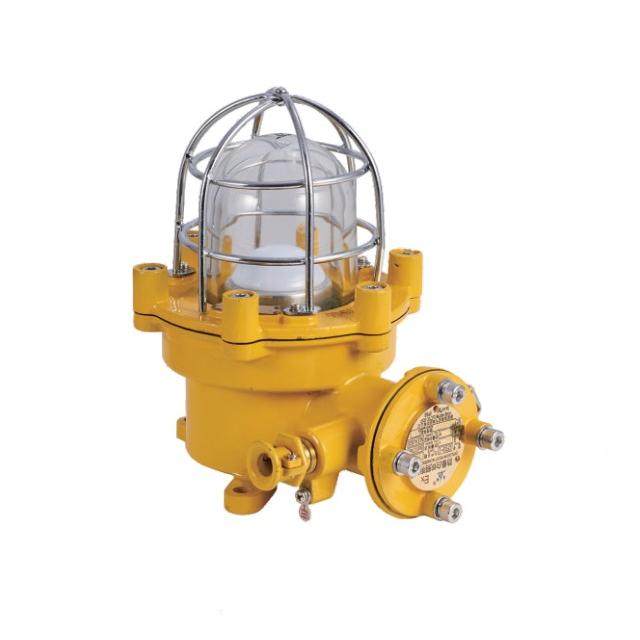
Incandescent Explosion-Proof Lighting
Incandescent explosion-proof lights stand as a steadfast choice in the realm of hazardous environments. Operating by passing an electric current through a wire filament, these lights generate illumination by heating up the filament. Their enclosed construction effectively prevents sparks and hot surfaces from triggering ignition, making them suitable for general illumination in hazardous areas.
Fluorescent Explosion-Proof Lighting
Renowned for their energy efficiency, fluorescent lights are a favored option in explosion-proof applications. Housed within sturdy enclosures, fluorescent explosion-proof lights utilize a ballast to regulate electrical current. They excel in areas necessitating consistent and widespread illumination, such as warehouses and manufacturing facilities.

LED Explosion-Proof Lighting
With advancements in lighting technology, LED explosion-proof lights are increasingly prevalent. Offering energy efficiency, prolonged lifespan, and rapid illumination, LED fixtures are engineered to withstand impact and vibration, making them ideal for challenging industrial environments. Their adaptability allows for both general illumination and focused task lighting.

High-Intensity Discharge (HID) Explosion-Proof Lighting
Distinguished by their remarkable brightness, HID lights, including metal halide and high-pressure sodium lamps, are enclosed within robust housings. Widely employed in outdoor settings such as refineries and drilling sites, HID explosion-proof lights are renowned for their ability to deliver abundant light output with high efficiency.
Emergency Exit and Egress Lighting
In critical scenarios like power failures or emergency evacuations, specialized explosion-proof emergency exit and egress lighting systems play a vital role. Engineered to offer clear and visible pathways for safe evacuation in hazardous environments, these fixtures often feature battery backup for uninterrupted functionality during power outages.
Handheld and Portable Explosion-Proof Lighting
For tasks requiring mobility or inspection within confined spaces, handheld and portable explosion-proof lights are indispensable. Designed for easy transportation by workers and equipped with durable protective casings, these fixtures often leverage LED technology for efficiency and longevity.
Tank Inspection Lights
Tailored for use in confined spaces and tank environments, tank inspection lights are built to endure the challenges of inspections, delivering reliable illumination in areas with restricted access. Compact and portable, these lights facilitate ease of use across various industrial settings.
Corrosion-Resistant Explosion-Proof Lighting
Industries exposed to corrosive elements demand explosion-proof lighting capable of withstanding harsh conditions. Constructed from materials resistant to degradation, corrosion-resistant fixtures ensure longevity and reliability in challenging environments like offshore platforms or chemical processing plants.
Conclusion
Selecting the appropriate type of explosion-proof lighting is paramount for ensuring safety in hazardous areas. Determined by specific industry requirements, workplace conditions, and potential threats posed by flammable compounds, the diverse array of explosion-proof lighting solutions offers flexibility and reliability in industries