
In the vast expanses of our oceans, navigation lighting stands as the silent sentinel of maritime safety, guiding ships through darkness and ensuring smooth passage. Yet, the effectiveness of this lighting hinges crucially on adherence to regulations and compliance with international standards. In this article, we delve into the pivotal significance of regulations governing navigation lighting, explore the primary standards vessels must adhere to, and shed light on the implications of compliance for maritime operations worldwide.
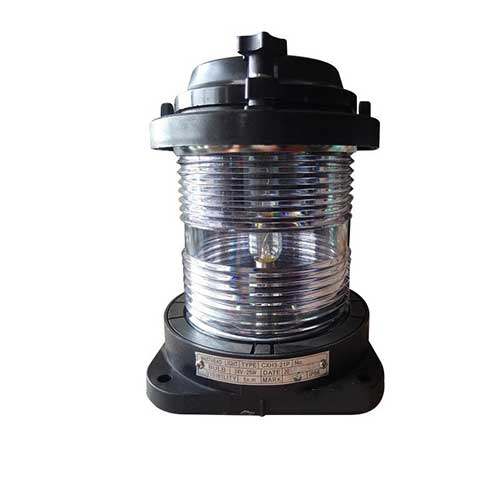
The Vital Role of Navigation Lighting Regulations
Navigation lighting regulations form the bedrock of maritime safety, offering clear directives on the types, colors, and placements of lights necessary for vessels traversing the seas. These regulations are indispensable for instilling order amidst the maritime bustle, mitigating collision risks, and safeguarding the lives of seafarers. Compliance with these regulations transcends mere legal obligation—it is a moral imperative, ensuring the safety and security of all who voyage our oceans.
Key Standards and Regulations Steering Navigation Lighting
International Regulations for Preventing Collisions at Sea (COLREGs):
Established by the International Maritime Organization (IMO), the COLREGs serve as primary international regulations governing navigation lighting.
They delineate the types, colors, and placements of lights requisite for vessels of varying sizes and types to signal their status, directional movement, and relative positions to other vessels.
Additionally, the COLREGs delineate visibility arcs for navigation lights and stipulate requisites for special lights used by specific vessels like fishing vessels, towing vessels, and pilot vessels.
International Association of Marine Aids to Navigation and Lighthouse Authorities (IALA) Standards:
IALA standards complement the COLREGs by furnishing detailed specifications for the design, performance, and upkeep of navigation lights, alongside other navigation aids like buoys and beacons.
These standards ensure that navigation lights are conspicuous, recognizable, and efficacious in guiding vessels safely through waterways, harbors, and channels.
National and Regional Regulations:
Many nations and regions augment international standards with additional regulations tailored to address distinct navigational challenges and local conditions.
Such regulations might mandate supplementary navigation lights, such as those for vessels navigating inland waterways, rivers, or confined waters.
International Maritime Organization (IMO) Resolutions:
Periodic adoption of resolutions and guidelines by the IMO addresses navigation lighting and other safety measures, tackling emerging issues and technological advancements.
These resolutions furnish guidance on implementing navigation lighting regulations, as well as recommendations for enhancing safety standards and practices in maritime operations.
Classification Society Rules:
Classification societies like Lloyd’s Register, DNV GL, and Bureau Veritas formulate rules and standards for ships' construction, equipment, and operation.
These rules often encompass requirements for marine navigation lighting systems, encompassing design, installation, and testing to ensure adherence to international regulations and industry best practices.
Implications of Regulations and Compliance in Navigation Lighting
Compliance with navigation lighting regulations carries profound implications, transcending mere legal obligations to significantly impact maritime safety, operational efficiency, legal liability, and stakeholders' overall reputation.
Safety at Sea:
Compliance enhances safety at sea by ensuring vessels remain visible, particularly during low visibility conditions or night navigation, thereby mitigating collision risks.
Effective compliance enables vessels to communicate their status, direction, and size to others, facilitating safe navigation and maneuvering in congested waterways and shipping lanes.
Legal Compliance:
Compliance with regulations is a legal requisite enforced by maritime authorities globally, with non-compliance inviting penalties, fines, or even criminal liability in maritime incidents.
Vessel operators bear responsibility for equipping vessels with appropriate navigation lights prescribed by conventions like the COLREGs and ensuring their operation aligns with regulatory mandates.
Insurance and Liability:
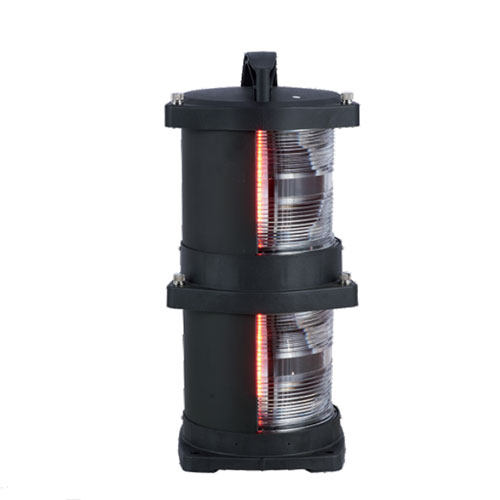
Compliance influences insurance coverage and liability, with insurers considering safety regulations when underwriting marine policies.
Non-compliance may impact vessel insurability or result in higher premiums, while liability in maritime incidents may also hinge on adherence to navigation lighting regulations.
Operational Efficiency:
Compliance enhances operational efficiency by curbing navigational errors, delays, and accidents, thereby facilitating smoother vessel traffic flow in busy waterways.
It minimizes operational disruptions stemming from regulatory inspections, fines, or legal proceedings arising from non-compliance.
Reputation and Trust:
Maintaining a safety-conscious, compliant reputation is pivotal for maritime stakeholders, bolstering trust among stakeholders, customers, and regulatory bodies.
Compliance signals a commitment to safety, professionalism, and responsible navigation, fortifying stakeholders' reputation and credibility within the maritime sphere.
Conclusion
Navigation lighting standards and regulations underpin maritime safety, offering standardized directives to mitigate collision risks, protect lives and property, and uphold the maritime industry's integrity. Compliance with these regulations isn't merely a legal duty—it's a moral imperative, embodying a steadfast commitment to safety, professionalism, and responsible navigation on the high seas.
Maritime safety relies heavily on life-saving equipment designed to mitigate risks and ensure the safety of individuals navigating the waters. In this guide, we'll explore the various types of marine life-saving equipment and provide insight into selecting the appropriate gear for your specific needs.
Types of Marine Life-saving Equipment
Personal Flotation Devices (PFDs)
PFDs, such as life jackets or vests, offer reliable flotation without inflation, making them essential for water activities.
Inflatable vests provide a comfortable fit, while hybrid designs combine buoyancy with inflation convenience.

Life Rafts
Serve as floating sanctuaries in emergencies, providing shelter, buoyancy, and essential supplies.
Types include throw-overboard life rafts for smaller vessels, davit-launched rafts for commercial shipping, and helicopter-deployable rafts for swift aerial deployment.
Emergency Position Indicating Radio Beacons (EPIRBs) and Personal Locator Beacons (PLBs)
Transmit distress signals via satellite to aid search and rescue authorities during emergencies.
Equipped with GPS technology for accurate location determination, even in remote areas.
Fire Suppression Systems
Crucial for containing and extinguishing fires onboard vessels.
Include portable fire extinguishers, fixed firefighting systems, and automatic sprinkler systems.
First Aid Kits and Medical Equipment
Essential for addressing medical emergencies during maritime operations.
Stocked with bandages, antiseptics, medications, and medical instruments, with advanced equipment like defibrillators for comprehensive care.

Selecting the Right Type of Marine Life-saving Equipment: A Step-by-step Guide
Assess Your Needs
Consider vessel type, activities, and weather conditions to determine equipment requirements.
Understand Regulations
Familiarize yourself with maritime safety regulations and ensure selected equipment meets or exceeds standards.
Identify Essential Equipment
Determine appropriate PFDs, life rafts, signaling devices, fire suppression systems, and medical equipment based on vessel size, crew capacity, and operational environment.
Consider Additional Safety Measures
Explore additional safety equipment like man-overboard recovery systems and emergency lighting.
Regular Maintenance and Inspection
Ensure all equipment is properly maintained and inspected according to guidelines and regulations of life-saving equipment manufacturer.
Stay Informed and Prepared
Stay updated on weather conditions, hazards, and emergency procedures relevant to your area of operation.
Conclusion
Selecting the right marine life-saving equipment is vital for ensuring safety at sea. By investing in high-quality gear, staying informed, and prioritizing preparedness, you can navigate waters confidently, equipped to handle emergencies effectively.
In the expansive blue embrace of our oceans and waterways, prioritizing safety is paramount. Amidst any maritime endeavor, one of the most crucial pieces of marine life-saving equipment remains the humble yet indispensable life jacket
.
Evolution of Marine Life Jackets
Life jackets boast a historical lineage spanning centuries, with various flotation devices aiding waterborne survival. However, the modern marine life jacket, as we recognize it today, has evolved significantly in design and technology.
Among the earliest recognizable life jackets is the cork vest, popularized in the late 19th century. These vests comprised buoyant cork pieces sewn into fabric pockets, offering rudimentary flotation. Over time, materials like kapok and foam gained prominence for their superior buoyancy and durability.
Present-day marine life jackets stand as testaments to decades of innovation and refinement. Available in diverse styles, from traditional foam-filled jackets to inflatable models enhancing comfort and mobility, these advancements have not only bolstered safety but also improved accessibility and comfort for users of all ages and sizes.
Types and Varieties of Marine Life Jackets
Designed to uphold individuals' safety and buoyancy during emergencies, marine life jackets come in various types and styles, catering to diverse activities, preferences, and environments.
Foam-Filled Life Jackets
These traditional life jackets, familiar to many, feature layers of foam padding encased in durable fabric. Inherently buoyant, they offer reliable flotation without inflation mechanisms. They come in different styles, including:
Vest-style Jackets: Sleeveless, wrapping around the torso and fastening securely with buckles or zippers, offering freedom of movement for recreational boating and water sports.
Jackets with Collars: Featuring a collar providing additional support to the head and neck, ideal for activities carrying risks of unconsciousness or injury, such as offshore sailing.
Full-body Suits: Encompassing the entire body, providing flotation for commercial maritime settings or extreme water sports, especially in cold water immersion scenarios.
Inflatable Life Jackets
Gaining popularity for their lightweight and low-profile design, inflatable life jackets offer enhanced comfort and mobility. They rely on inflation mechanisms for buoyancy, categorized as:
Automatic Inflatable Jackets: Automatically inflate upon immersion in water, ideal for activities necessitating rapid flotation, like offshore fishing or sailing.
Manual Inflatable Jackets: Require wearers to pull a cord to activate inflation manually, offering more control over inflation timing and preferred by some boaters for versatility.
Hybrid Life Jackets
Combining elements of foam-filled and inflatable designs, hybrid life jackets offer the benefits of both types in one garment. Typically featuring foam padding for buoyancy supplemented by inflatable chambers, they provide added flotation and flexibility, gaining popularity among boaters valuing versatility and performance.
Specialized Life Jackets
Beyond general-purpose life jackets, specialized models cater to specific activities and environments:
High-Visibility Jackets: Featuring bright colors and reflective strips for enhanced visibility in low-light conditions or high-traffic areas.
Child-Sized Jackets: Scaled-down versions of adult life jackets, ensuring proper flotation and safety for children.
Floatation Aid Vests: Tailored for activities like snorkeling, paddleboarding, or kayaking, offering buoyancy without traditional life jacket bulkiness.

Why Proper Fit and Selection of Marine Life Jackets are Crucial
Personalized Protection
Life jackets must fit properly as no two bodies are identical. Ill-fitting jackets risk slipping off or restricting movement and breathing. Appropriately fitted life jackets keep the wearer's head above water, supporting the torso and neck to mitigate drowning risks.
Comfort and Mobility
Comfort is paramount for prolonged life jacket wear. A well-fitted life jacket should feel snug yet unrestricted, enabling comfortable movement devoid of chafing or irritation. Especially crucial during activities like boating, fishing, or watersports, overly bulky or restrictive jackets can impede performance and detract from overall enjoyment.
Activity-Specific Design
Diverse activities demand tailored life jackets. Offshore sailing may necessitate robust jackets with added flotation and insulation, while kayaking or paddleboarding thrive on lightweight and streamlined designs. Understanding activity demands and selecting accordingly ensures optimal safety and performance on water.
Compliance with Regulations
Numerous jurisdictions mandate life jacket usage on water, especially for children and non-swimmers. Non-compliance invites fines and compromises onboard safety. Selecting compliant life jackets meeting safety standards and ensuring appropriate wear is crucial for legal adherence and peace of mind.
Regular Inspection and Maintenance
Even the best-fitted life jackets prove ineffective if damaged or inadequately maintained. Regular inspections for wear, tear, or deterioration—checking straps, flotation material, and hardware—are essential. Inflatable jackets demand leak inspections and timely CO2 cartridge replacements.
Conclusion
Marine life jackets are essential tools for life preservation and tragedy prevention on water. Whether cruising leisurely or embarking on deep-sea fishing, wearing properly fitted and maintained life jackets is non-negotiable. By grasping life jackets' significance and embracing best practices, we foster safer and more enjoyable maritime experiences for all.
Crafting effective explosion-proof lighting systems necessitates a meticulous approach encompassing various elements, from the classification of hazardous zones to the careful selection of fixtures and installation procedures. This article delves into the crucial design considerations for explosion-proof lighting, shedding light on the fundamental principles and methodologies that uphold safety standards in perilous environments.
Understanding Hazardous Area Classification for Designing Explosion-proof Lighting
Classifications: Hazardous areas are categorized based on the presence and concentration of flammable substances, coupled with the likelihood of ignition. The classifications typically include Class I (gas), Class II (dust), and Class III (fibers and flyings), each with subdivisions delineating the nature and extent of the hazard.
Zone Classification: Further delineating the level of risk within hazardous areas, zone classifications range from Zone 0 (high risk) to Zone 2 (low risk) for gases, and Zone 20 (high risk) to Zone 22 (low risk) for dust.
Fixture Selection and Certification in Explosion-Proof Lighting
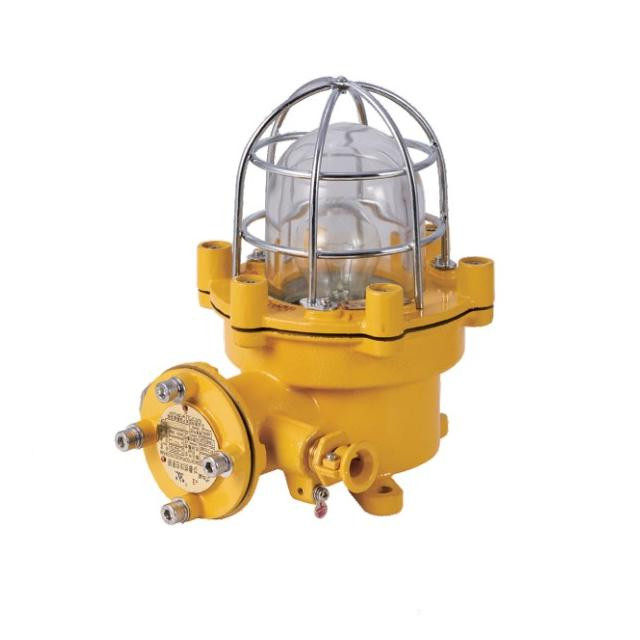
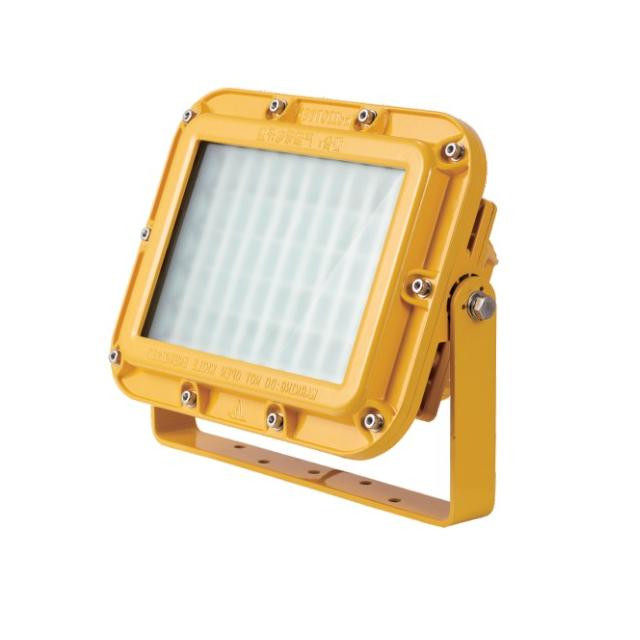
Explosion-Proof Fixture Design: Specially engineered to prevent the ignition of flammable substances, these fixtures boast robust construction and sealed enclosures that withstand internal pressures generated by explosions without propagating ignition beyond the enclosure.
Materials and Construction: Typically crafted from durable materials like cast aluminum, stainless steel, or fiberglass-reinforced plastic, fixture materials are chosen based on environmental corrosiveness, ambient temperature, and mechanical stress factors.
Enclosure Ratings and Certifications: Lighting fixtures must meet stringent certification standards to ensure safety and regulatory compliance. Common certifications include ATEX (European Union), UL (Underwriters Laboratories), and IECEx (International Electrotechnical Commission Explosive Atmospheres), each indicating rigorous testing and adherence to safety protocols.
Choosing the Right Fixture Type: Fixture selection hinges on specific hazardous area requirements, such as the presence of gases, vapors, or dust. Enclosed fixtures, explosion-proof floodlights, LED fixtures, and emergency lighting fixtures are among the common types tailored to various needs.
Optimal Lighting Design in Explosion-Proof Lighting
Task Requirements and Illumination Levels: Tailor lighting design to meet specific tasks and required illumination levels, ensuring safe working conditions without over-illumination.
Uniformity of Illumination: Aim for consistent light distribution to minimize shadows and ensure visibility across the workspace.
Fixture Placement and Spacing: Strategically position fixtures to achieve optimal coverage while avoiding excessive overlap, optimizing energy efficiency and uniformity.
Lighting Control and Flexibility: Incorporate dimming controls and emergency lighting systems to adjust illumination levels and ensure continuous operation during power outages or emergencies.
Glare Control: Employ fixtures with appropriate shielding or diffusers to minimize glare, enhancing visual comfort and safety.
Color Rendering and Temperature: Consider the color rendering index (CRI) and temperature of fixtures to ensure accurate color perception and task performance alignment.

Maintenance and Inspection in Explosion-Proof Lighting
Scheduled Maintenance Routine: Establish routine inspection, testing, and servicing intervals based on environmental factors and regulatory requirements.
Visual and Electrical Inspection: Conduct regular visual and electrical inspections to identify damage, corrosion, or electrical faults, ensuring fixture integrity and safety.
Lamp Replacement: Replace lamps as recommended, following proper procedures to maintain safety and performance standards.
Seal Integrity and Cleaning: Check seals for integrity and cleanliness, and develop cleaning procedures to remove contaminants and maintain fixture performance.
Documentation and Record-Keeping: Maintain detailed records of maintenance activities to ensure compliance and accountability.
Conclusion
Explosion-proof lighting systems serve as vital safety mechanisms in hazardous environments, guiding personnel and illuminating workspaces while mitigating explosion risks. Effective design hinges on a comprehensive understanding of hazardous area classifications, meticulous fixture selection, optimal lighting design, and diligent maintenance practices, ensuring continued safety and compliance in high-risk settings.
Marine lifebuoys represent a beacon of hope amidst the unpredictability of the open sea, serving as indispensable tools for ensuring survival during emergencies. In this exploration, we uncover the significance of marine lifebuoys and their pivotal role in maritime safety.
A Brief Evolution
The concept of buoyant devices aiding water rescues traces back centuries. Initially simple rings crafted from wood, lifebuoys have evolved significantly with advancements in materials and technology. Today, they stand as highly efficient and standardized marine lifesaving devices.
Design and Composition
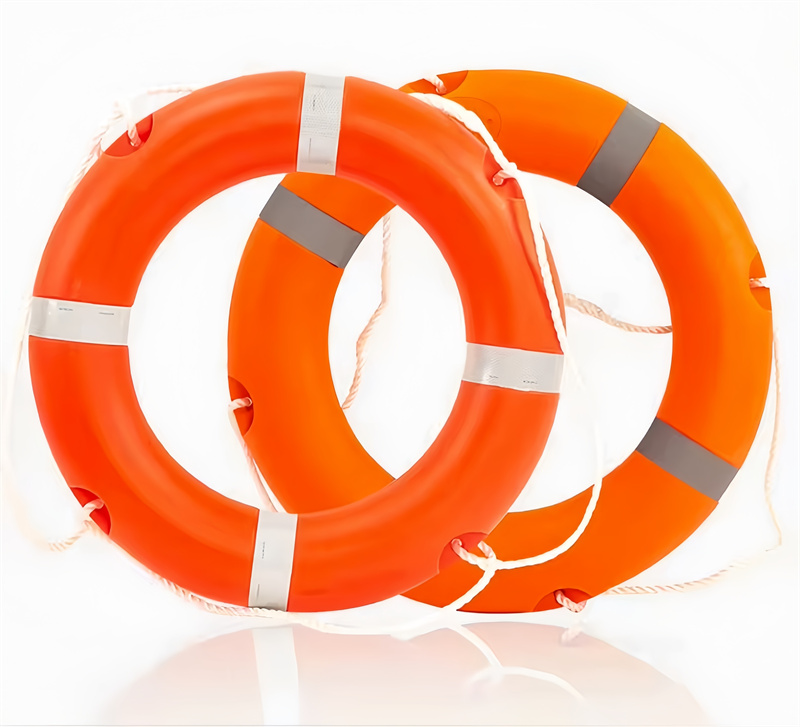
Buoyancy Material: Marine lifebuoys are crafted from buoyant materials like high-density polyethylene or foam-filled plastics, ensuring they remain afloat even in harsh marine conditions.
Shape and Size: Traditionally circular, lifebuoys offer stability and ease of handling. Standard sizes range between 24 to 30 inches in diameter, providing ample buoyancy for individuals in distress.
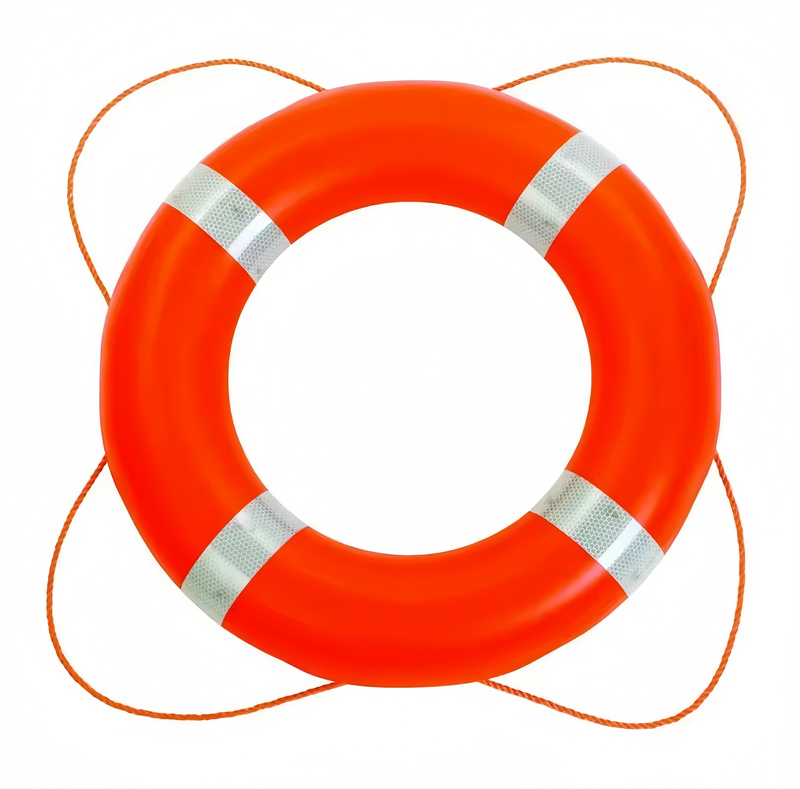
Visibility Features: Bright colors such as orange, yellow, or red coupled with reflective strips enhance visibility, crucial for quick retrieval during emergencies.
Attachment Points: Equipped with fixtures for rope attachment, lifebuoys facilitate securing to the individual in distress or other rescue equipment.
Grab Lines or Ropes: Some feature grab lines aiding both individuals in distress to hold on and rescuers to pull them to safety.
Durability and Resistance: Constructed with materials resilient to saltwater, UV radiation, and rough handling, ensuring longevity and effectiveness.
Compliance with Regulations: Governed by international maritime regulations, lifebuoys adhere to standards ensuring consistency and effectiveness across maritime operations.
Functionality
Buoyancy and Floatation: Providing immediate buoyancy, lifebuoys offer stability and support to individuals in distress.
Aid in Water Rescue: Deployed swiftly during emergencies, lifebuoys assist individuals until rescue personnel arrive, allowing them to hold on while awaiting assistance.
Marking and Signaling: Highly visible, lifebuoys act as markers during search and rescue operations, aiding in locating individuals in low-light conditions or rough seas.
Assistance in Retrieval: Featuring grab lines, lifebuoys enable rescuers to pull individuals to safety, guiding them back to the vessel or another secure location.
Emergency Preparedness: Strategically positioned for quick access, lifebuoys are integral to emergency preparedness, ensuring readiness for swift deployment.
Innovative Utilization
From recreational water safety to industrial applications, lifebuoys find versatile use:
Recreational Water Safety: Lifeguards employ lifebuoys at beaches and pools for swift water rescues.
Waterfront Safety and Rescue Operations: Positioned along waterfronts, lifebuoys aid in emergencies, ensuring rapid assistance.
Waterfront Public Safety Campaigns: Symbols of water safety, lifebuoys feature in campaigns advocating drowning prevention.
Flood and Swift Water Rescue: During floods, lifebuoys assist in rescuing individuals trapped in fast-moving water.
Ice Rescue Operations: Essential in regions with frozen bodies of water, lifebuoys aid in ice rescue operations.
Waterfront Security and Surveillance: Equipped with monitoring devices, lifebuoys enhance waterfront security.
Industrial and Commercial Applications: Integrated into safety protocols, lifebuoys offer emergency flotation assistance.
Water-based Events and Competitions: Deployed along race courses, lifebuoys ensure participant safety during events.
Personal Watercraft Safety: Enthusiasts carry compact inflatable lifebuoys for personal safety during water activities.
Training and Preparedness
Proficient utilization hinges on proper training among crew members and passengers, ensuring swift and coordinated responses during emergencies. Regular drills and exercises instill proficiency in deploying lifesaving equipment, bolstering safety measures at sea.
Conclusion
In the realm of maritime safety, the marine lifebuoy remains an emblem of preparedness and resilience. Its evolution, stringent standards, and versatile applications underscore its indispensable role in safeguarding lives amidst the vastness of the open sea.