
The safety of crew and passengers aboard maritime vessels is paramount, and one of the critical components of maritime safety is the lifeboat launching system. These systems are designed to ensure that lifeboats can be quickly and safely deployed in the event of an emergency, providing a reliable means of escape and survival. This article delves into the various types of lifeboat launching systems, their components, and the regulations governing their use.
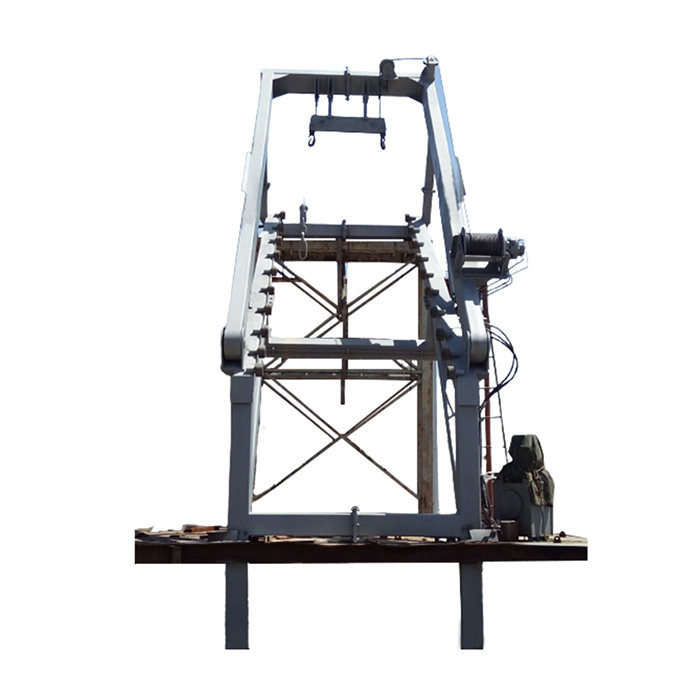
The Main Types of Lifeboat Launching Systems
1. Gravity Davits
Mechanism: Utilize gravity to lower the lifeboats.
Single Pivot Gravity Davit:
Description: The lifeboat is supported by davits with a single pivot point, allowing the boat to swing out and be lowered into the water.
Advantages: Simple design, reliable operation, and can be used without power.
Quadrantal Davit:
Description: Features a curved arm that moves the lifeboat outward and downward in a controlled arc.
Advantages: Smooth deployment path and compact design suitable for limited deck space.
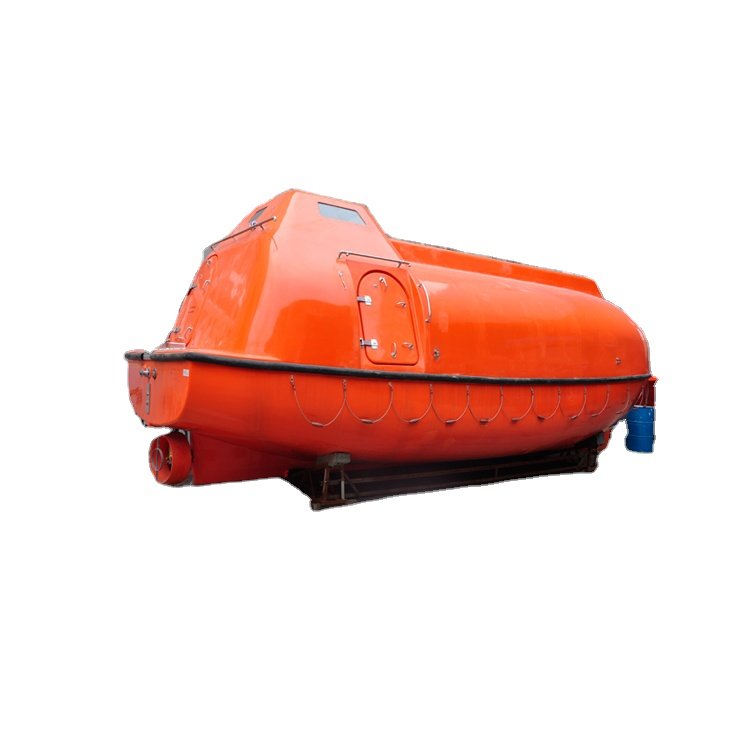
2. Free-Fall Lifeboat Systems
Mechanism: The lifeboat slides off an inclined ramp into the water.
Description: Freefall lifeboats are launched from a considerable height, sliding down a ramp to enter the water quickly.
Advantages: Rapid deployment, reduces time spent on the ship during an emergency, and ensures the lifeboat is clear of the vessel.
3. Hydraulic Davits
Mechanism: Use hydraulic power to control the lowering and hoisting of lifeboats.
Description: Incorporate hydraulic cylinders and pumps to manage the movement of the lifeboats.
Advantages: Provides smooth and controlled operations, can handle heavier lifeboats, and allows precise positioning.
4. Mechanically Controlled Davits
Mechanism: Operated using mechanical gears and winches.
Description: These systems use manual or motor-driven winches and gears to lower and raise lifeboats.
Advantages: Reliable and can be operated manually if power is unavailable, providing an extra layer of safety.
5. Davit-Launched Lifeboats
Mechanism: The lifeboat is swung out over the side of the vessel before being lowered.
Description: Includes various types of davits (such as gravity and hydraulic) that can swing the lifeboat outboard before lowering it.
Advantages: Keeps the lifeboat clear of the vessel, minimizing the risk of damage during deployment.
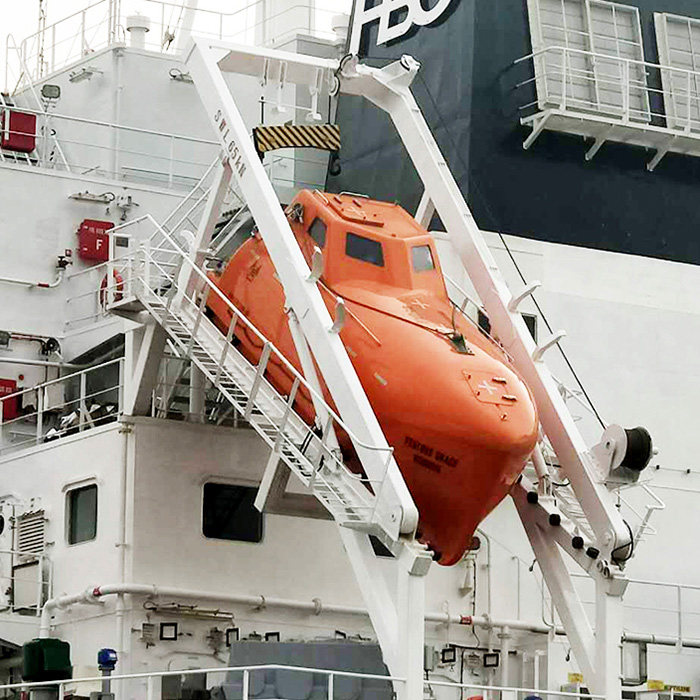
Regulatory Standards Covering Lifeboat Launching Systems
1. International Maritime Organization (IMO)
SOLAS Convention: The International Convention for the Safety of Life at Sea (SOLAS) sets comprehensive standards for lifeboat launching systems, including design, testing, and maintenance requirements.
LSA Code: The Life-Saving Appliances (LSA) Code provides detailed specifications for lifeboat launching systems, ensuring they meet rigorous safety standards.
2. Classification Societies
Organizations such as Lloyd’s Register, Bureau Veritas, and the American Bureau of Shipping provide additional certification and inspection services to ensure compliance with international standards.
3. National Regulations
Individual countries may have their own regulations and standards that complement international guidelines, tailored to specific maritime operations within their jurisdiction.
Maintenance and Testing of Lifeboat Launching Systems
1. Importance of Maintenance and Testing
Regular maintenance and testing are not optional; they are lifesaving practices. By proactively identifying and addressing potential issues, these procedures ensure the lifeboat launching systems are in peak condition when needed most. A well-maintained and tested lifeboat launching system provides peace of mind for crews and passengers, knowing they have a reliable evacuation option in case of an emergency.
2. Maintenance
Regular Inspections: Lifeboat launching systems, including davits, winches, wires, hooks, and release mechanisms, undergo regular inspections according to a planned schedule. These inspections are typically weekly and monthly, as mandated by SOLAS.
Visual Checks: Inspectors look for signs of wear, corrosion, deformation, or any damage that could compromise the system’s operation. Lubrication of moving parts and ensuring proper alignment are also crucial maintenance tasks.
Record Keeping: Detailed records of all maintenance activities, including inspections, repairs, and replacements, are maintained onboard. This documentation helps ensure a complete service history and facilitates identification of any recurring issues.
3. Testing
Operational Tests: Lifeboat launching systems are not just inspected; they are also functionally tested regularly. These tests verify the davits’ ability to lower and raise the lifeboats at the required speeds under various loads, simulating real-world scenarios.
Release Gear Testing: The lifeboat release gear, which allows for quick detachment from the davit in an emergency, is rigorously tested. This ensures the simultaneous release of all hooks and proper functioning under load.
Free-Fall Lifeboat Testing: For certain types of lifeboats designed for rapid deployment, free-fall launch tests might be conducted periodically. These tests involve lowering the lifeboat with crew onboard a short distance to verify its functionality and crew readiness.
4. Frequency of Testing
The frequency of testing varies depending on the specific equipment and SOLAS regulations. Here’s a general guideline:
Weekly: Lifeboat winches and brakes are tested under light load.
Monthly: Lifeboats are lowered and raised under full load capacity.
Every 3 Months: Lifeboat release gear is functionally tested.
Every 6 Months: Free-fall lifeboat testing might be required (depending on the type).
Annual: A comprehensive operational test of the entire lifeboat launching system is conducted.
Conclusion
Understanding the various types of lifeboat launching systems and their components, along with the regulatory framework, ensures the maritime industry can maintain reliable and effective emergency response measures. Regular maintenance, testing, and training are essential practices that uphold the integrity of marine lifeboat launching systems, ultimately safeguarding lives at sea.
Marine signal products are vital tools that ensure safety and effective communication in maritime environments. These products help prevent collisions, facilitate navigation, and enable communication between vessels and shore facilities. In the vast and often hazardous marine environment, reliable signal products are indispensable for both commercial and recreational maritime activities. This article explores 4 key types of marine signal products, their uses, and their importance in maritime safety.

Marine Signal Lights
Marine signal lights serve as essential beacons, conveying vital information about a vessel’s position, status, and movements, especially in low-visibility conditions such as nighttime, fog, or heavy rain.
1. Navigation Lights
Navigation lights are mandatory on all vessels to indicate their presence, movement, and direction. These lights help prevent collisions by informing nearby vessels about a vessel’s type, size, and activity. The primary types of navigation lights include:

Sidelights (Port and Starboard Lights):
Port Light: A red light on the left (port) side of the vessel.
Starboard Light: A green light on the right (starboard) side of the vessel.
Purpose: Visible to vessels approaching from the side or head-on, indicating orientation and direction of travel.
Stern Light:
Description: A white light located at the rear (stern) of the vessel.
Purpose: Visible from behind the vessel, indicating its direction and providing a clear marker of its position.
Masthead Light:
Description: A white light placed on the fore-and-aft centerline of the vessel, typically above the deck.
Purpose: Visible from the front and sides, indicating the vessel’s presence and helping determine its direction of movement.
All-Round Light:
Description: A white light visible from all directions around the vessel.
Purpose: Used in various configurations, such as anchor lights or as a single light on smaller boats.
2. Anchor Lights
Description: A white light visible from all directions.
Purpose: Displayed by vessels when anchored, signaling that the vessel is stationary. This helps prevent collisions by alerting other vessels to its position.
3. Towing Lights
Description: A yellow light located above the stern light.
Purpose: Used on vessels engaged in towing operations to indicate that the vessel is towing another vessel. This information is crucial for nearby vessels to navigate safely around the towing vessel and its tow.
4. Specialty Lights
Certain vessels have additional lighting requirements based on their activities and regulations governing maritime operations. These specialty lights include:
Fishing Lights:
Description: Red over white or green over white lights.
Purpose: Used by fishing vessels to indicate they are engaged in fishing activities, helping other vessels avoid interfering with fishing operations.
Pilot Lights:
Description: White over red lights.
Purpose: Indicate that the vessel is a pilot boat, which guides other vessels into or out of ports, ensuring it receives the right of way.
Restricted Maneuverability Lights:
Description: Red, white, and red lights in a vertical line.
Purpose: Indicate that the vessel has restricted maneuverability due to its work (e.g., dredging or underwater operations). Other vessels should navigate with caution around it.
5. Emergency and Distress Lights
Emergency and distress lights are crucial for signaling when a vessel is in trouble and needs assistance. These include:
SOS Lights:
Description: Flashing lights that signal the international distress code (SOS).
Purpose: Used in emergencies to alert nearby vessels and rescue services to a vessel in distress.
Strobe Lights:
Description: High-intensity flashing lights.
Purpose: Used to attract attention during search and rescue operations.

Marine Flares and Pyrotechnics
Marine flares and pyrotechnics are primarily used for signaling distress and attracting attention during emergencies. These tools can be lifesaving in the vast and often perilous marine environment.
1. Types of Marine Flares
Marine flares are designed to be highly visible and are categorized based on their intended use and the type of signal they produce. The main types include:
Handheld Flares:
Description: Produce a bright, intense light, typically red.
Purpose: Used to signal distress, visible over long distances, both day and night.
Parachute Flares:
Purpose: Visible for miles, making them highly effective for attracting attention from ships or aircraft.
Smoke Flares:
Description: Emit dense, colored smoke, usually orange.
Purpose: Signal distress in daylight conditions and help mark a position for rescue operations.
Multi-Star Flares:
Description: Launch several bright stars into the air, spreading out and descending slowly.
Purpose: Provide a wider signal pattern, effective in both day and night conditions.
2. Pyrotechnic Signaling Devices
Beyond flares, other pyrotechnic devices are used for signaling in maritime environments:
Distress Rockets:
Description: Launch a flare to a high altitude, similar to parachute flares but may not always deploy a parachute.
Purpose: Send an immediate and highly visible distress signal.
Line-Throwing Devices:
Description: Use pyrotechnics to launch a line over long distances.
Purpose: Used in rescue operations to establish a line between vessels or to shore.
3. Regulations and Standards
The use of marine flares and pyrotechnics is regulated by international maritime organizations to ensure effectiveness and safety:
SOLAS (Safety of Life at Sea):
Description: Sets minimum standards for marine safety equipment, including flares and pyrotechnics.
Requirements: Vessels must carry a specific number and type of flares, depending on their size and voyage type.
US Coast Guard (USCG) Regulations:
Description: In the United States, the USCG sets standards for the types and quantities of distress signals that must be carried on boats.
Requirements: Recreational boats, commercial vessels, and certain passenger-carrying vessels must adhere to these regulations.
4. Usage and Safety
Proper use and handling of marine flares and pyrotechnics are crucial for their effectiveness and safety:
Storage: Flares should be stored in a dry, accessible location, protected from moisture and extreme temperatures. Expiry dates should be checked regularly, and expired flares should be replaced and disposed of according to local regulations.
Operation: Familiarize yourself with the operation of each type of flare. Practice using dummy versions if available, and follow the manufacturer’s instructions during an actual emergency.
Safety Precautions: Wear protective gloves and eye protection when handling pyrotechnics. Ensure flares are launched away from the body and any flammable materials. Be aware of wind direction to avoid exposure to smoke.
5. Significance in Maritime Safety
Marine flares and pyrotechnics are indispensable for several reasons:
Distress Signaling: Provide a clear and unmistakable signal that a vessel is in distress, facilitating quick response and rescue.
Visibility: The intense light and smoke produced by these devices are visible over long distances and in various conditions, ensuring that distress signals are seen.
Sound Marine Signaling Devices
Sound marine signaling devices allow vessels to convey their presence, movements, and intentions, particularly in conditions of poor visibility such as fog, heavy rain, or nighttime.
1. Types of Sound Signaling Devices
Several types of sound signaling devices are used on vessels, each serving specific purposes to aid in navigation and communication:
Whistles and Horns:
Description: Produce loud, distinct sounds that can be heard over long distances.
Purpose: Signal intentions, warnings, and responses to other vessels. Specific sound signals are outlined in the International Regulations for Preventing Collisions at Sea (COLREGs).
Bells:
Description: Traditionally used on larger vessels, produce a clear, ringing sound.
Purpose: Used in foggy conditions or during periods of restricted visibility to signal the vessel’s presence.
Gongs:
Description: Produce a deep, resonant sound.
Purpose: Used in conjunction with bells on larger vessels to provide additional audible signals.
Fog Horns:
Description: Produce low-frequency sounds that can travel long distances in foggy conditions.
Purpose: Signal the vessel’s position, course, and speed to nearby vessels.
2. Regulations and Standards
The use of sound signaling devices is governed by international regulations to ensure consistency and effectiveness in maritime communication:
International Regulations for Preventing Collisions at Sea (COLREGs):
Description: Set out the rules for sound signals to be used in various situations, such as maneuvering and warning signals.
Requirements: Vessels must be equipped with appropriate sound signaling devices and use them as specified.
SOLAS (Safety of Life at Sea):
Description: Includes provisions for sound signaling devices as part of the required safety equipment on vessels.
Requirements: Vessels must carry sound signaling devices appropriate for their size and type.
3. Usage and Significance
Proper use of sound signaling devices is crucial for maritime safety:
Maneuvering and Warning Signals:
Usage: Vessels use specific sound signals to indicate their maneuvers.
Significance: Help prevent collisions by clearly communicating a vessel’s intentions to nearby vessels.
Restricted Visibility Signals:
Usage: In foggy or low-visibility conditions, vessels use prolonged blasts at regular intervals to signal their presence.
Significance: Ensure vessels remain aware of each other’s presence and can navigate safely.
Emergency Signals:
Usage: Sound signals are used to indicate emergencies.
Significance: Quick and effective communication of emergencies can lead to faster response and rescue operations.
4. Modern Advances
Modern technology has introduced additional tools to enhance maritime communication:
Automatic Identification Systems (AIS):
Description: Transmits a vessel’s position, speed, and other data electronically.
Purpose: Enhances situational awareness and complements traditional sound signals.
Integrated Communication Systems:
Description: Combine traditional sound signals with visual and electronic signals.
Purpose: Improve the accuracy and reliability of maritime communication.
Electronic Marine Signal Devices
Electronic marine signal devices have revolutionized maritime navigation and safety, providing advanced tools for communication and situational awareness. These devices use modern technology to enhance traditional signaling methods.
1. Automatic Identification System (AIS)
Description: An automated tracking system using transponders on ships.
Purpose: Provides real-time information about a vessel’s position, speed, course, and other data.
Significance: Enhances situational awareness, collision avoidance, and navigational safety.
2. Radar and Radar Reflectors
Radar Systems:
Description: Use radio waves to detect objects and determine their distance, speed, and direction.
Purpose: Used for navigation and collision avoidance.
Significance: Helps detect other vessels, landmasses, and obstacles.
Radar Reflectors:
Description: Passive devices that reflect radar signals back to the source.
Purpose: Enhance the visibility of small or non-metallic vessels on radar screens.
3. Global Maritime Distress and Safety System (GMDSS)
Description: A set of safety procedures, equipment, and communication protocols.
Purpose: Ensures ships can send and receive distress signals and important maritime safety information globally.
Significance: Provides a comprehensive safety net for maritime operations.
4. Emergency Position Indicating Radio Beacons (EPIRBs)
Description: Emergency devices that transmit a distress signal via satellite.
Purpose: Used to alert search and rescue services in an emergency.
Significance: Ensure help can be dispatched quickly to the vessel’s exact location.
5. Automatic Radar Plotting Aids (ARPA)
Description: Advanced radar systems that automatically track targets and provide information on their course and speed.
Purpose: Aid in collision avoidance.
Significance: Enhance navigational safety.
6. Electronic Chart Display and Information System (ECDIS)
Description: A digital navigation system displaying electronic navigational charts.
Purpose: Provides real-time charting and navigational information.
Significance: Enhances situational awareness and route planning.
7. Vessel Traffic Services (VTS)
Description: Shore-based systems that monitor and manage vessel traffic.
Purpose: Provide information, navigational assistance, and traffic organization.
Significance: Enhance maritime safety by reducing the risk of collisions and groundings.
8. Digital Selective Calling (DSC)
Description: A digital communication technology used in maritime VHF radios.
Purpose: Allows automated distress signaling and direct calling to specific vessels or shore stations.
Significance: Improves the speed and reliability of distress communications.
Conclusion
From traditional lights and sound signals to modern electronic devices like AIS and EPIRBs, marine signal tools provide crucial information that aids in preventing collisions, guiding navigation, and signaling distress. Understanding and properly using marine signal products is essential for maritime safety, ensuring vessels can communicate effectively and navigate safely through various marine environments.
Life jackets, also known as personal flotation devices (PFDs), are essential for ensuring safety during water activities. With various types available, each designed for specific environments and purposes, choosing the right one can be challenging. This article will outline the different types of life jackets and provide guidance on selecting the right type for your needs.

1. Offshore Life Jackets (Type I PFDs)
Characteristics:
Buoyancy: At least 22 pounds for adults.
Design: Bulky but provides the highest level of buoyancy.
Visibility: Often brightly colored with reflective tape for better visibility.
Best For:
Open, rough, or remote waters where rescue may take longer.
Situations where maximum buoyancy is necessary, such as for unconscious individuals.
Advantages:
Keeps the wearer face-up, even if unconscious.
Excellent for extreme conditions and long-duration survival.
Drawbacks:
Bulky and less comfortable for extended wear.
2. Near-Shore Buoyant Vests (Type II PFDs)
Characteristics:
Buoyancy: Minimum of 15.5 pounds for adults.
Design: Less bulky than Type I, still provides good buoyancy.
Visibility: Available in bright colors with some reflective elements.
Best For:
Calm, life jackets used for inland waters where quick rescue is likely.
Boating activities near the shore.
Advantages:
Lighter and more comfortable than Type I.
Suitable for a variety of near-shore water activities.
Drawbacks:
Not as effective at turning an unconscious person face-up.
Less buoyant than Type I.

3. Flotation Aids (Type III PFDs)
Characteristics:
Buoyancy: Minimum of 15.5 pounds for adults.
Design: Designed for comfort and continuous wear.
Visibility: Available in a range of colors and styles, often with added features like pockets.
Best For:
Calm waters and supervised activities such as kayaking, canoeing, and sailing.
Situations where the wearer is likely to be conscious and able to assist in their own rescue.
Advantages:
Comfortable for prolonged use and allows for a wide range of motion.
Many designs to fit specific activities.
Drawbacks:
Less buoyant and doesn’t automatically turn the wearer face-up.
Not suitable for rough or remote waters.
4. Throwable Devices (Type IV PFDs)
Characteristics:
Buoyancy: Designed to be thrown to a person in the water.
Design: Includes ring buoys, cushions, and horseshoe buoys.
Visibility: Often brightly colored for easy spotting.
Best For:
Boats as a backup safety device.
Situations where a person can grab and hold onto the device until rescued.
Advantages:
Simple to use and can be thrown to anyone in the water.
Provides additional safety for boats, complementing wearable life jackets.
Drawbacks:
Not designed for unconscious individuals.
Ineffective if the person cannot hold onto it.
5. Special Use Devices (Type V PFDs)
Characteristics:
Buoyancy: Varies depending on the specific design and purpose.
Design: Includes work vests, deck suits, hybrid PFDs, and inflatable PFDs.
Visibility: Varies widely; working life jackets are designed for specific conditions or professional use.
Best For:
Specific activities such as windsurfing, waterskiing, or professional maritime work.
Situations requiring specialized equipment that provides both flotation and other functional benefits.
Advantages:
Tailored to specific activities, offering both safety and functionality.
Some designs (e.g., inflatables) are very comfortable and compact when not inflated.
Drawbacks:
Must be used according to the manufacturer’s instructions to be effective.
Some types require regular maintenance and checks.
Useful Tips on Selecting the Right Type of Life Jacket
1. Determine the Water Environment
Open and Rough Waters:
Type I PFDs (Offshore Life Jackets): These provide the highest buoyancy (at least 22 pounds for adults) and are designed to keep the wearer’s head above water even if unconscious. Ideal for open, rough, or remote waters where rescue may take longer.
Calm, Inland Waters:
Type II PFDs (Near-Shore Buoyant Vests): Offer good buoyancy (minimum of 15.5 pounds for adults) and are suitable for calm, inland waters where quick rescue is likely. They are less bulky than Type I but may not turn an unconscious person face-up as effectively.
Type III PFDs (Flotation Aids): Designed for comfort and continuous wear. They provide the same buoyancy as Type II (minimum of 15.5 pounds for adults) and are best for calm waters and supervised activities such as kayaking, canoeing, and sailing. They are comfortable and allow for a wide range of motion but are not suitable for rough or remote waters.
2. Consider the Activity
Boating Near Shore:
Type II PFDs: Offer a good balance of comfort and safety for boating activities near the shore.
Water Sports (e.g., Kayaking, Paddleboarding):
Type III PFDs: Ideal for water sports as they provide comfort and freedom of movement.
Specialized Activities (e.g., Windsurfing, Waterskiing):
Type V PFDs (Special Use Devices): Tailored for specific activities and offer both safety and functionality. They include work vests, deck suits, hybrid PFDs, and inflatable PFDs. Some designs, like inflatables, are very comfortable and compact when not inflated.
3. Evaluate Comfort and Fit
Proper Fit:
Ensure the life jacket fits snugly without being too tight. Adjustable straps can help achieve the right fit. A properly fitted life jacket should not rise above the wearer’s chin or ears when lifted at the shoulders.
Comfort:
Consider the design and material for comfort during extended wear. Type III and Type V PFDs are typically more comfortable for active use. Look for features like padded straps and ventilation.
4. Check for Certification and Compliance
Certification:
Ensure the life jacket meets relevant safety standards, such as those set by the U.S. Coast Guard, ISO, or other local regulatory bodies. Certified life jackets have been tested for performance and safety.
Compliance:
Verify that the life jacket is appropriate for your region and activity. Different regions may have specific requirements for life jacket use.

5. Inspect Features and Maintenance Requirements
Visibility:
Bright colors and reflective tape enhance visibility in the water, making it easier for rescuers to spot the wearer.
Maintenance:
Some life jackets, especially inflatable types (Type V), require regular checks and maintenance. Ensure you are prepared to maintain your PFD properly. Regularly inspect for wear and tear, and follow the manufacturer’s instructions for care and maintenance.
6. Additional Tips
Child and Pet Life Jackets: Ensure you have appropriately sized life jackets for children and pets. These are specifically designed for smaller body sizes and unique needs.
Try Before You Buy: If possible, try on different life jackets to find the best fit and comfort. Some stores may allow you to test them in water.
Educate Yourself: Familiarize yourself with the different features and functions of life jackets. Understand how to properly wear and use it in an emergency.
Conclusion
Choosing the right life jacket is crucial for safety on the water. The type of life jacket needed depends on the activity, water conditions, and individual needs. By understanding the different types available and considering the specific water environment, activity, comfort, certification, and maintenance needs, you can select a life jacket that provides optimal safety and convenience.
Maritime safety is a critical aspect of seafaring, and the integration of vvarious marine life-saving equipment is crucial for enhancing the survival rates of individuals in emergency situations. Among these, inflatable life rafts play a pivotal role, offering immediate refuge in the event of ship abandonment. However, their effectiveness is significantly amplified when combined with other marine life-saving devices. This article explores the seamless integration of inflatable life rafts with other critical marine safety equipment, highlighting advancements, benefits, and best practices.

Integration of Inflatable Life Rafts with Various Marine Life-Saving Equipment
Personal Locator Beacons (PLBs) and Emergency Position-Indicating Radio Beacons (EPIRBs)
Integration: PLBs and EPIRBs can be pre-installed in life rafts or activated automatically when the raft is deployed.
Benefit: These devices send distress signals to satellites, providing precise location data to rescue services, which accelerates rescue operations.
Automatic Identification Systems (AIS)
Integration: AIS transponders can be included in life rafts, allowing them to broadcast their location to nearby ships and rescue teams.
Benefit: Enhanced visibility and tracking of the life raft by other vessels and rescue authorities improve coordination and response time.
Survival Suits and Thermal Protective Aids (TPAs)
Integration: Stored within the life raft, these suits help individuals retain body heat in cold water conditions.
Benefit: They significantly increase the chances of survival by preventing hypothermia, which is crucial in cold maritime environments.

Hydrostatic Release Units (HRUs)
Integration: HRUs automatically deploy life rafts when submerged in water.
Benefit: Ensures that life rafts are released and inflated even if the crew is incapacitated or unable to manually launch them, providing a critical safety net in fast-sinking scenarios.
Fire Detection and Extinguishing Systems
Integration: Portable fire extinguishers and integrated fire detection systems are included with the life raft deployment system.
Benefit: Immediate access to firefighting tools enhances safety by preventing fire damage to the life raft and protecting its occupants.
Best Practices for Achieving Optimal Integration of Inflatable Life Rafts with Marine Life-Saving Equipment
Regular Maintenance and Inspection
Routine Checks and Servicing
Regular Inspections: Conduct frequent inspections of life rafts and integrated equipment to ensure they are in good working condition.
Scheduled Servicing: Adhere to a strict maintenance schedule for all components, including inflation systems, hydrostatic release units (HRUs), and signaling devices.
Update Safety Equipment: Ensure all life-saving equipment is up-to-date and complies with the latest safety standards and regulations.
Importance: Regular maintenance ensures that life-saving equipment is ready for immediate deployment during emergencies, reducing the risk of malfunctions.
Comprehensive Training and Drills
Crew Training
Hands-On Training: Provide crew members with practical training sessions on deploying and using integrated life rafts and associated equipment.
Emergency Drills: Conduct regular emergency drills that simulate real-life scenarios, allowing the crew to practice and refine their response procedures.
Importance: Proper training ensures that crew members are familiar with the equipment and can act swiftly and efficiently in emergencies.
Utilizing Advanced Technology
Modern Communication and Tracking Systems
GPS and AIS Integration: Equip life rafts with GPS and Automatic Identification Systems (AIS) to enhance tracking and location accuracy.
Satellite Communication Devices: Integrate Emergency Position-Indicating Radio Beacons (EPIRBs) and Personal Locator Beacons (PLBs) for reliable distress signaling.
Advanced Safety Features
Thermal Protective Aids (TPAs): Include TPAs and survival suits within life rafts to protect occupants from hypothermia in cold water conditions.
Fire Detection and Extinguishing Systems: Integrate portable fire extinguishers and fire detection systems to address fire-related emergencies.
Importance: Leveraging advanced technology improves the effectiveness of life-saving equipment, enhancing the chances of timely rescue and survival.
Customization for Specific Vessel Needs
Tailored Solutions
Vessel-Specific Equipment: Customize the integration of life rafts and safety equipment based on the vessel type, size, and operational environment.
Environmental Considerations: Consider specific environmental conditions such as temperature, sea state, and geographical location when selecting and integrating safety equipment.
Importance: Tailored solutions ensure that the safety equipment is suitable for the specific needs of the vessel and its operational context, maximizing its effectiveness.
Regulatory Compliance and Certification
Adherence to Standards
Compliance with Regulations: Ensure that all life rafts and integrated equipment meet international maritime safety standards and regulations set by organizations such as the International Maritime Organization (IMO) and the United States Coast Guard (USCG).
Certification: Obtain certification for all integrated safety equipment from recognized regulatory bodies.
Importance: Compliance with regulations and obtaining certifications ensure that the safety equipment is reliable, recognized, and approved for use in maritime operations.
Integration Planning and Coordination

Strategic Planning
Integration Blueprint: Develop a comprehensive plan that outlines the integration process, including equipment specifications, installation procedures, and testing protocols.
Coordination with Manufacturers: Collaborate with manufacturers of life rafts and safety equipment to ensure compatibility and seamless integration.
Importance: Strategic planning and coordination ensure that the integration process is smooth, efficient, and effective, minimizing potential issues during deployment.
Conclusion
The integration of inflatable life rafts with other marine life-saving equipment represents a significant advancement in maritime safety. This comprehensive approach ensures that all critical aspects of survival—location tracking, signaling, thermal protection, and fire safety—are addressed effectively. By adopting these integrated solutions, maritime operators can create a robust safety framework that enhances the protection of crew and passengers, ultimately saving more lives during maritime emergencies.
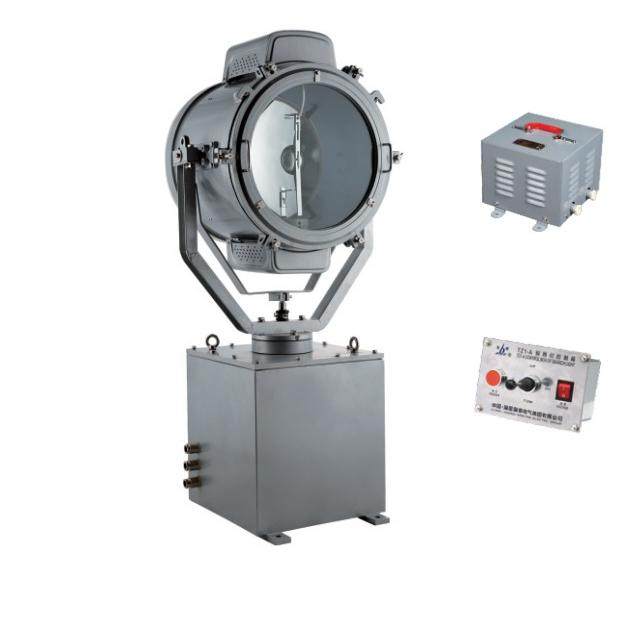
Navigation is a crucial element of maritime operations, ensuring the safe passage of vessels of all sizes. While traditional aids like lighthouses have long guided ships through dangerous waters, modern technology is revolutionizing maritime navigation. Today, marine searchlights are being seamlessly integrated with contemporary navigation systems, leveraging advanced technologies to enhance safety and efficiency in maritime operations.
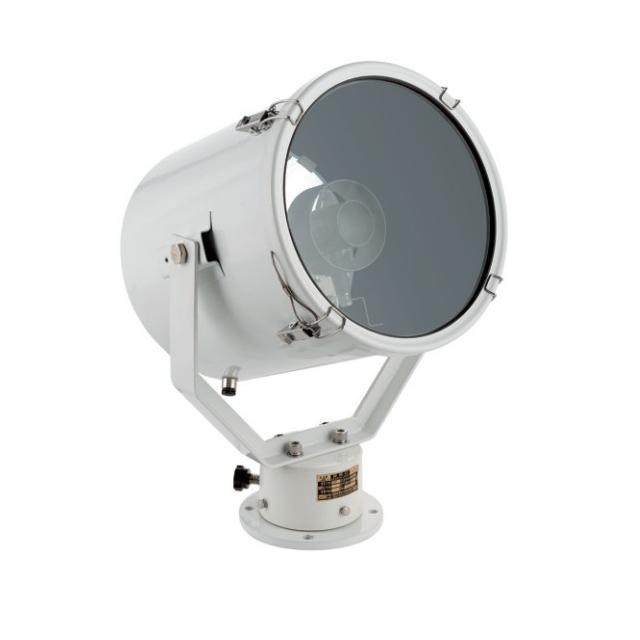
Evolution of Marine Searchlights
Marine searchlights have a storied history, dating back to the early days of seafaring when oil lamps and primitive lanterns were used to signal hazards and guide ships into port. Over time, these rudimentary devices evolved into powerful electric searchlights capable of illuminating vast stretches of the ocean with precision and clarity. Today’s marine searchlights are sophisticated devices equipped with advanced optics, durable housings, and efficient LED or xenon lamp technologies, providing unmatched performance in even the most challenging maritime environments.
Integrating Marine Searchlights with Modern Navigation Systems
GPS Positioning Integration
Modern marine searchlights can be equipped with GPS receivers that synchronize with a vessel’s navigation system. This integration allows searchlights to automatically adjust their direction and intensity based on the vessel’s position, ensuring that critical areas such as navigational buoys, harbor entrances, and offshore structures remain illuminated as the vessel moves.
Radar Targeting Capabilities
Advanced marine searchlights can incorporate radar-targeting features, enabling them to track and illuminate specific targets detected by the vessel’s radar system. This functionality is particularly valuable for search and rescue operations and for highlighting potential collision hazards such as drifting debris or other vessels in the vicinity.
Wireless Connectivity
Integration with wireless communication networks allows remote monitoring and control of marine searchlights from onboard consoles or shore-based command centers. Operators can adjust searchlight parameters—such as direction, intensity, and beam width—in real-time, maximizing visibility while conserving energy.
Collision Avoidance Systems
Marine searchlights can be integrated with collision avoidance systems, such as Automatic Identification Systems (AIS) and radar, to provide early warning of potential hazards and improve navigation safety. By automatically illuminating approaching vessels or navigational hazards, searchlights help mitigate the risk of collisions, ensuring safe passage for maritime traffic.
Automated Control and Monitoring
Automation features enable marine searchlights to dynamically adjust their settings based on environmental conditions and vessel movements. For example, searchlights may dim or change direction in response to changes in visibility, vessel speed, or the presence of nearby obstacles, enhancing safety and reducing the need for manual intervention.

Integration with Electronic Charting Systems (ECS) and Electronic Navigation Displays
Marine searchlights can be integrated with Electronic Charting Systems (ECS) and Electronic Navigation Displays, allowing operators to overlay searchlight information—such as target positions and illumination patterns—onto electronic navigation charts. This integration enhances situational awareness and facilitates more precise navigation in low-light or adverse weather conditions.
Energy Efficiency Measures
Integration with modern navigation systems enables marine searchlights to optimize energy consumption while maintaining effective illumination. Smart algorithms and sensors can adjust light output and operating parameters based on environmental conditions, vessel speed, and battery levels, ensuring efficient use of onboard power sources.
Benefits of Integrating Marine Searchlights with Modern Navigation Systems
Enhanced Visibility
By synchronizing with modern navigation systems, marine searchlights provide targeted illumination of navigational hazards, critical areas, and nearby vessels. This improves visibility of navigation lighting during low-light conditions or adverse weather, reducing the risk of accidents and collisions.
Improved Safety
Integrated searchlights enhance safety at sea by providing early detection and warning of potential hazards such as submerged objects, navigational buoys, or other vessels. This allows ship operators to take timely evasive actions, protecting lives and preventing environmental damage.
Optimized Navigation
The seamless integration of searchlights with navigation systems enhances navigational accuracy and efficiency. Operators can rely on illuminated markers and reference points to maintain course, identify safe passages, and navigate through congested or poorly marked areas with confidence.
Collision Avoidance
Integrated searchlights aid in collision avoidance by illuminating approaching vessels, navigational hazards, and other potential obstructions. This early warning system enables operators to make informed decisions and take corrective actions to prevent accidents.
Remote Monitoring and Control
Integration with modern navigation systems allows for remote monitoring and control of searchlight parameters from onboard consoles or shore-based command centers. Operators can adjust searchlight settings in real-time, maximizing visibility while conserving energy and optimizing performance.
Compliance with Regulations
Many maritime regulations require vessels to maintain adequate lighting and visibility, especially in restricted visibility conditions or congested waterways. Integrated searchlights help vessels comply with these regulations by providing reliable and effective illumination of critical areas and navigational aids.
Search and Rescue Support
Integrated searchlights are invaluable in search and rescue operations, aiding in the detection and location of distressed vessels or individuals in the water. By providing powerful illumination over large areas, searchlights improve visibility for rescue teams and enhance the chances of successful outcomes in emergency situations.
Conclusion
The integration of marine searchlights with modern navigation systems represents a significant advancement in maritime technology, offering enhanced safety, visibility, and operational efficiency for ships navigating at sea. This seamless integration is poised to play an increasingly vital role in shaping the future of maritime navigation, ensuring safe passage for vessels and protecting the lives of seafarers around the globe.