
Rubber fenders are vital in the marine industry, safeguarding vessels and docking structures during berthing. However, cold weather can significantly impact their performance. This article explores how rubber fenders function in cold conditions, the challenges they face, and the solutions developed to enhance their functionality in such environments.

Understanding Rubber Fenders
Rubber fenders are crafted from various types of rubber, including natural rubber, styrene-butadiene rubber (SBR), and ethylene-propylene-diene monomer (EPDM). These materials are chosen for their excellent elasticity, energy absorption capabilities, and durability. The design and composition of rubber fenders allow them to deform under pressure and return to their original shape, thus dissipating the energy from impacts.
Maintaining Performance of Rubber Fenders in Cold Weather
Material Selection
Use Cold-Resistant Rubber Compounds: Opt for rubber materials like EPDM, which retain flexibility and durability at low temperatures. These compounds are designed to perform well even in extreme cold conditions.
Design Adaptations
Thicker Walls and Robust Structures: Enhance the design of fenders with thicker walls and more durable structures to counteract the brittleness caused by cold weather. This helps maintain their energy absorption capacity.
Protective Coatings
Moisture Barriers: Apply protective coatings to prevent moisture infiltration, which can lead to freezing and internal damage. These coatings act as barriers, keeping the rubber dry and intact.
Regular Maintenance
Inspection and Repair: Conduct regular inspections to identify early signs of brittleness, cracking, or other damage. Promptly repair or replace damaged fenders to prevent major failures.
Cleaning: Keep fenders clean to prevent ice formation and ensure optimal performance.
Monitoring Systems
Real-Time Tracking: Implement monitoring systems to track the temperature and condition of the fenders. Real-time data allows for proactive maintenance and timely interventions to address potential issues.
Proper Installation
Secure Attachment: Ensure that fenders are securely attached to the dock or vessel to prevent gaps caused by thermal contraction. Proper installation minimizes the risk of reduced contact area and compromised energy absorption.
Storage Practices
Controlled Environment: Store spare fenders in a controlled environment to protect them from extreme cold when not in use. This helps maintain their integrity and readiness for deployment.

Technological Advancements in Rubber Fenders for Cold Weather
Recent technological advancements have significantly enhanced the performance of rubber fenders in cold weather conditions. These innovations address the challenges posed by low temperatures, ensuring the effectiveness and durability of rubber fenders.
Advanced Rubber Compounds
Low-Temperature Formulations: New rubber formulations specifically designed for cold environments offer superior flexibility, durability, and energy absorption at low temperatures. These compounds maintain their properties even in extreme cold, reducing the risk of brittleness and cracking.
Hybrid Materials
Rubber-Polyurethane Combinations: Hybrid fenders that combine rubber with materials like polyurethane provide enhanced low-temperature performance. Polyurethane’s resilience complements rubber’s energy absorption capabilities, resulting in fenders that are both flexible and durable in cold conditions.
Enhanced Protective Coatings
Moisture-Resistant Coatings: Advanced coatings prevent moisture infiltration, which can lead to internal damage when the water freezes and expands. These coatings act as barriers, keeping the fender’s integrity intact in wet and cold environments.
Ice-Repellent Surfaces: Coatings that repel ice formation on the fender’s surface help maintain flexibility and performance, ensuring that the fender can still absorb impacts effectively.
Smart Fenders
Integrated Sensors: Smart fenders equipped with sensors can continuously monitor temperature, strain, and overall condition. These sensors provide real-time data, allowing for proactive maintenance and timely interventions to address potential issues before they lead to failures.
Remote Monitoring: The integration of IoT technology enables remote monitoring and data analysis, providing operators with valuable insights and alerts on fender performance in cold weather conditions.
Optimized Design Features
Adaptive Structures: Adaptive structures that adjust to temperature changes can maintain effective energy absorption capabilities of rubber fendersr across a range of temperatures. These designs incorporate flexible joints and materials that expand and contract without compromising performance.
Modular Designs: Modular fenders allow for easy replacement of damaged sections, reducing downtime and ensuring continuous protection even in harsh conditions.
Thermal Insulation Layers
Insulating Materials: Incorporating thermal insulation layers within the fender structure helps to maintain the internal temperature of the fender, reducing the impact of external cold temperatures and preventing brittleness.
Enhanced Manufacturing Processes
Precision Molding Techniques: Advances in molding techniques ensure that rubber fenders are produced with consistent quality and precise material properties, enhancing their performance in cold weather.
Quality Control Innovations: Improved quality control processes during manufacturing ensure that each fender meets stringent standards for low-temperature performance.
Field Testing and Simulation
Cold Weather Simulations: Extensive field testing and advanced simulation techniques allow manufacturers to test fender performance under controlled cold weather conditions, ensuring reliability before deployment in real-world scenarios.
Accelerated Aging Tests: These tests simulate long-term exposure to cold weather, helping to identify potential issues and optimize fender designs for extended durability.

Conclusion
The performance of rubber fenders in cold weather is a critical consideration. While cold temperatures pose significant challenges, advancements in materials and design have greatly enhanced the ability of rubber fenders to perform effectively in such conditions. Through the use of advanced rubber compounds, hybrid materials, protective coatings, and smart technology, rubber fenders can maintain their energy absorption capabilities and durability even in the harshest cold weather environments.
Ensuring the safety of crew and passengers on maritime vessels is crucial, and inflatable life rafts play a vital role in emergency preparedness. Effective emergency response planning involves comprehensive preparation, regular training, and adherence to established safety protocols to ensure these devices can be deployed efficiently and effectively in critical situations.

What are Inflatable Life Rafts?
Inflatable life rafts are essential maritime safety devices designed to provide temporary refuge and support in emergencies such as shipwrecks, fires, or collisions. These rafts are compact and stored in a deflated state, making them easy to store on vessels. Upon deployment, they quickly inflate either automatically or manually, forming a stable, buoyant platform that can accommodate multiple people. Equipped with survival essentials such as food, water, first aid supplies, and signaling devices, inflatable life rafts are crucial for ensuring the safety and survival of crew and passengers awaiting rescue.
Key Elements of an Effective Emergency Response Plan for Inflatable Life Rafts
1. Risk Assessment and Analysis
Identify Potential Hazards: Conduct thorough risk assessments to identify potential emergency scenarios, such as collisions, fires, and severe weather conditions.
Evaluate Vessel Specifics: Consider the ship’s design, route, cargo, and operating environment to tailor the emergency response plan to specific risks.
2. Provision and Maintenance of Life Rafts
Compliance with Standards: Ensure that the number and capacity of life rafts meet international safety standards set by organizations like the International Maritime Organization (IMO).
Regular Inspections: Perform routine inspections to check the integrity of life rafts, including inflation mechanisms, hydrostatic release units, and the condition of survival equipment.
Maintenance Schedules: Establish and adhere to regular maintenance schedules to keep life rafts in optimal condition, replacing any outdated or damaged components promptly.
3. Crew Training and Drills
Comprehensive Training: Provide extensive training for all crew members on the proper use of life rafts, including deployment techniques, boarding procedures, and survival skills.
Regular Drills: Conduct routine emergency drills simulating various scenarios to ensure crew members are well-prepared and can perform their roles efficiently under stress.
Assessment and Feedback: Evaluate the performance of crew members during drills and provide constructive feedback to address any weaknesses or gaps in knowledge.
4. Clear Communication Protocols
Emergency Alerts: Establish a reliable system for emergency alerts, including alarms and public announcements, to ensure timely and clear communication during an emergency.
Instructions and Coordination: Develop clear instructions for crew and passengers on evacuation procedures, ensuring coordination and orderly movement towards life rafts.
Language and Accessibility: Ensure that communication protocols are accessible to all, considering language barriers and the needs of passengers with disabilities.
5. Effective Deployment Procedures
Deployment Techniques: Develop detailed procedures for deploying life rafts, including the use of hydrostatic release units and manual deployment methods.
Accessibility: Ensure life rafts are strategically placed and easily accessible from various points on the vessel to facilitate quick deployment.
Training on Deployment: Train crew members on both standard and emergency deployment procedures to cover all potential scenarios.
6. Survival Kits and Supplies
Essential Equipment: Equip life rafts with comprehensive life saving items, including food, water, first aid supplies, signaling devices, thermal protection, and navigation tools.
Regular Updates: Regularly check and replenish survival kits to ensure all supplies are up-to-date and in good condition.
Inventory Management: Keep an inventory of all items in the survival kits and update it after each inspection or resupply.
7. Post-Evacuation Protocols
Life Raft Management: Outline procedures for managing the life raft after deployment, including securing the raft, organizing passengers, and maintaining order.
Supply Rationing: Develop protocols for rationing food and water supplies to ensure they last until rescue.
Morale and Health: Include measures for maintaining morale and health, such as regular health checks, mental support, and activities to keep spirits up.

Continuous Improvement and Evaluation in Emergency Response Planning for Inflatable Life Rafts
1. Incorporating Technological Advancements
Adopt New Technologies: Stay updated on the latest advancements in life raft technology and emergency response equipment. Integrate these technologies into the emergency response plan to improve efficiency and effectiveness.
Training on New Equipment: Ensure that crew members are trained on any new equipment or technologies introduced. This training should cover both theoretical knowledge and practical use.
2. Lessons Learned from Real Incidents
Incident Analysis: Analyze real-life maritime incidents to learn from them. Understand what went wrong and what was done correctly. Use these insights to refine and improve the emergency response plan.
Case Studies: Review case studies and reports from other vessels and organizations to gather valuable lessons and best practices that can be applied to your own emergency response planning.
Feedback Mechanisms: After each drill, gather feedback from participants to understand what worked well and what didn’t. Use this feedback to make necessary adjustments to the emergency response plan.
3. Engagement with Industry Forums
Industry Collaboration: Participate in industry forums, workshops, and conferences to stay informed about best practices, innovations, and regulatory changes. Engaging with the broader maritime community can provide valuable insights and foster collaboration.
Knowledge Sharing: Share experiences and lessons learned with other maritime operators. This collaborative approach can help improve safety standards across the industry.
4. Monitoring and Auditing
Internal Audits: Conduct regular internal audits of emergency preparedness, focusing on the condition of life rafts, the availability of survival supplies, and the readiness of crew members.
Third-Party Inspections: Engage third-party inspectors to conduct independent evaluations of the emergency response plan and equipment. These external audits provide an unbiased assessment and help identify areas for improvement.

Conclusion
Effective emergency response planning for inflatable life rafts is a critical aspect of maritime safety. By conducting thorough risk assessments, maintaining life rafts, training crew members, establishing clear communication protocols, and continuously improving procedures, maritime operators can significantly enhance the chances of survival in emergencies. Ensuring that in the face of an emergency, the crew and passengers can rely on well-maintained life rafts and a well-practiced plan to guide them to safety.
Lifeboats are essential safety features on vessels, designed to provide a means of escape and survival in emergencies. Ensuring marine lifeboats are in optimal condition requires rigorous and regular maintenance and inspection. Proper upkeep not only meets international safety standards but also ensures the safety of crew members when needed.
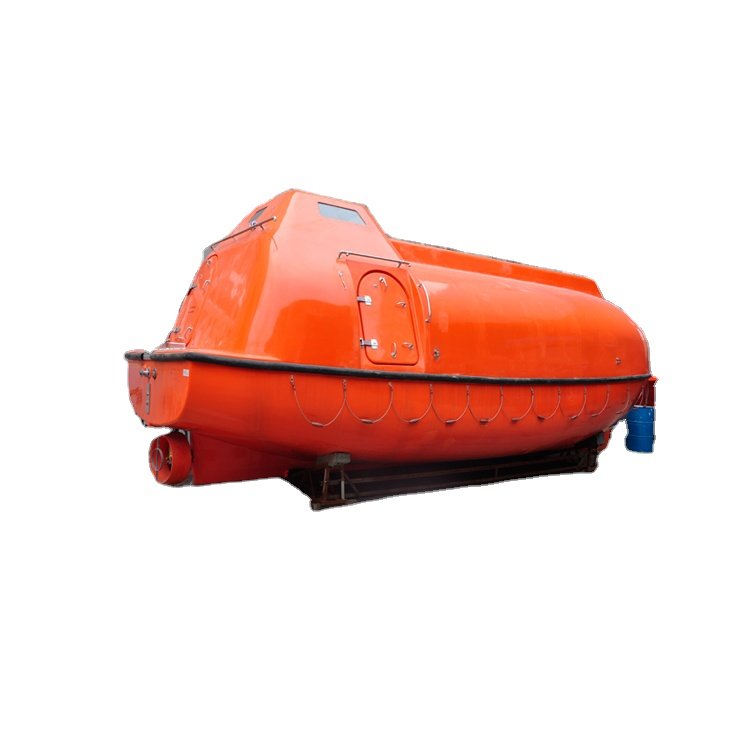
Key Components of Marine Lifeboat Maintenance
Hull and Structure
Inspection for Damage: Regularly check the hull for cracks, corrosion, or structural damage.
Cleaning and Painting: Clean the hull to remove salt and debris, and ensure it is painted to prevent corrosion.v
Launching Mechanisms
Davits and Winches: Inspect davits and winches for wear and tear, lubricate moving parts, and ensure proper operation.
Ropes and Cables: Check for fraying, corrosion, or damage and replace as necessary.
Engines and Propulsion
Engine Checks: Perform routine maintenance, including oil changes, fuel filter replacements, and inspection of belts and hoses.
Propellers and Shafts: Inspect and maintain to ensure they are free of obstructions and damage.
Safety Equipment
Life Jackets and Lifebuoys: Ensure they are in good condition and easily accessible.
Emergency Rations and Water: Inspect and replace life saving equipmentbefore expiration dates.
Communication and Navigation
Radio and Signaling Equipment: Test to ensure full functionality.
Navigational Aids: Verify the condition of compasses and lights.
Seating and Safety Belts
Seat Integrity: Check for structural integrity and comfort.
Safety Belts: Ensure they are operational and in good condition.
Inspection Protocols and Procedures
Pre-Inspection Preparation
Documentation Review: Review previous reports and maintenance records to identify recurring issues.
Safety Briefing: Conduct a safety briefing for the inspection team.
Visual Inspection
Exterior and Interior: Perform a thorough visual inspection, noting any damage or irregularities.
Component Check: Examine the hull, engine, safety equipment, and launching mechanisms.
Functional Testing
Engine Start-Up: Test the engine for smooth operation.
Launch Test: Simulate a launch to verify the proper functioning of davits, winches, and release mechanisms.
Detailed Reporting
Inspection Report: Document findings in a detailed report, noting any issues requiring attention.
Maintenance Log: Update the log with actions taken and parts replaced or repaired.
Challenges and Solutions in Marine Lifeboat Maintenance
Harsh Marine Environment
Problem: Exposure to saltwater, humidity, and temperature extremes causes corrosion and damage.
Solution: Apply specialized marine-grade paints and coatings, implement routine cleaning, and use marine-grade materials.
Limited Access and Space
Problem: Lifeboats are often stowed in confined spaces, making access difficult.
Solution: Use compact tools and modular components, and schedule maintenance during downtime.
Regulatory Compliance
Problem: Keeping up with evolving safety regulations is challenging.
Solution: Provide continuous training, use digital systems for documentation, and conduct external audits.
Wear and Tear
Problem: Frequent use can lead to accelerated wear and tear.
Solution: Perform routine inspections, use high-quality parts, and establish a rigorous maintenance schedule.
Complex Systems and Technology
Problem: Advanced technologies require specialized knowledge for maintenance and repair.
Solution: Provide specialized training, collaborate with manufacturers for support, and maintain up-to-date manuals.
Human Error
Problem: Human error can lead to overlooked issues or improper repairs.
Solution: Develop standardized procedures, use checklists and protocols, and establish a quality control system.
Limited Availability of Spare Parts
Problem: Obtaining spare parts, especially in remote locations, can be challenging.
Solution: Maintain an inventory of critical spare parts, develop strong supplier relationships, and standardize parts across the fleet.

Future Innovations for Maintenance and Inspection
Advanced Monitoring Systems
Smart Sensors: Monitor real-time performance metrics and analyze data for predictive maintenance.
Remote Monitoring and Diagnostics
IoT and Connectivity: Enable remote monitoring and diagnostics using cloud-based solutions.
Autonomous Inspection Technologies
UAVs: Use drones for aerial inspections of hard-to-reach areas.
Robotics and Automation
Underwater Inspections: Develop robotic systems for underwater inspections and automate routine tasks.
Predictive Maintenance Algorithms
AI and Machine Learning: Analyze historical data to predict maintenance needs and shift to condition-based maintenance.
AR and VR for Training and Maintenance Support
AR Applications: Use AR for maintenance guidance and training.
VR Simulations: Provide VR simulations for crew training in emergency procedures.
Advanced Materials and Coatings
Nano-coatings: Use advanced materials to enhance resistance to corrosion and wear.
Integrated Maintenance Management Systems
Digital Platforms: Implement systems for lifecycle management, including maintenance scheduling and regulatory compliance.
Conclusion
Regular and thorough maintenance and inspection of marine lifeboats are vital for maritime safety. Adhering to structured protocols and best practices ensures compliance with safety regulations and enhances the reliability and longevity of lifeboats, safeguarding the lives of crew members in emergencies.
Navigational aids and safety equipment are essential for ensuring smooth maritime activities and safe voyages. Among these tools, marine searchlights stand out as crucial assets, enhancing visibility and serving various functions in marine operations. This article explores the significance, common types, and technological advancements of marine searchlights.

Why Marine Searchlights are Important
Marine searchlights hold significant importance across a range of maritime operations due to their versatility and their pivotal role in enhancing visibility, ensuring safety, and facilitating numerous tasks at sea.
1. Navigation and Safety
Guiding Through Hazardous Waters: Marine searchlights are indispensable for guiding vessels safely through treacherous waters, especially in conditions of reduced visibility, such as nighttime or adverse weather conditions like fog or heavy rain. They enhance visibility, enabling captains and navigators to make informed decisions and avoid potential obstacles such as rocks, reefs, and other vessels.
2. Search and Rescue Operations
Locating Distressed Vessels: During search and rescue missions, especially in emergencies like distress signals or accidents at sea, marine searchlights are invaluable. Their powerful beams can cover significant distances, aiding rescuers in locating distressed vessels or individuals in the water. This capability greatly enhances the chances of successful rescue operations, potentially saving lives.
3. Security and Surveillance
Monitoring Maritime Security: Maritime security relies heavily on searchlights for surveillance purposes. These lights are used to monitor waters around vessels, ports, and offshore installations. By illuminating the area, they help deter and detect unauthorized activities, ensuring the safety and security of maritime assets.
4. Docking and Berthing
Precision in Maneuvering: When it comes to docking or berthing a vessel, precision is paramount to avoid collisions and damage to either the vessel or the berth. Marine searchlights assist in these operations by illuminating the dock or berth, providing a clear view for the crew. This heightened visibility facilitates the assessment of distances, angles, and alignment, resulting in safe and efficient maneuvering.
5. Wildlife Observation
Studying Marine Life: Researchers, marine biologists, and wildlife enthusiasts utilize marine searchlights for wildlife observation purposes. These lights are instrumental in studying marine life, including fish behavior, marine mammals, and seabirds. They enable researchers to conduct observations both above and below the water’s surface, contributing to scientific knowledge and conservation efforts.
6. Recreational and Commercial Boating
Enhancing Safety and Enjoyment: In recreational boating, marine searchlights enhance safety by improving visibility during nighttime trips. Commercial vessels, such as fishing boats and ferries, also benefit from searchlights, ensuring the safety of passengers and crew while optimizing the efficiency of their operations.
7. Emergency Signaling
Distress Signaling: In emergency situations at sea, searchlights can be used for distress signaling. The powerful beams are highly visible and can attract the attention of nearby vessels or rescue teams, signaling the need for immediate assistance.
VTechnological Advancements in Marine SearchlightsRecent advancements in marine searchlights continue to enhance their capabilities and functionality:
1. LED Technology
LED marine searchlights have become the preferred choice for marine searchlights due to their high efficiency, low power consumption, and long life. They provide exceptionally bright and focused beams while minimizing maintenance requirements.

2. Integrated Systems
Some marine searchlights are now part of integrated vessel control systems, allowing seamless coordination with other navigation and safety equipment, such as radar and GPS.
3. Remote Monitoring
Remote monitoring and control capabilities have improved, enabling operators to manage searchlights from onshore locations, enhancing efficiency and reducing crew workload.
4. Environmental Considerations
Modern searchlights are designed with a focus on environmental sustainability, minimizing light pollution and energy consumption to protect marine ecosystems and meet regulatory requirements.
Conclusion
Marine searchlights are indispensable tools in maritime operations, contributing to navigation safety, search and rescue missions, security, and environmental conservation. With ongoing technological advancements, marine searchlights will continue to evolve, promising even greater efficiency, reliability, and functionality in the future, ensuring the safety and success of maritime endeavors.
Life jackets are essential safety gear for anyone engaging in water activities. However, different water activities require specific types of life jackets designed to provide the right balance of buoyancy, comfort, and mobility. This article explores the different types of life jackets suited for various water activities and the features that make them ideal for each specific use.

Boating and Sailing
Type I Offshore Life Jackets: Designed for open, rough, or remote waters where rescue may be delayed, these life jackets provide the highest level of buoyancy (22 pounds or more). They are designed to turn most unconscious wearers face-up in the water. Although bulky, they offer maximum safety for offshore conditions.
Type II Near-Shore Buoyant Vests: Suitable for calmer, inland waters where a quick rescue is likely. These life jackets provide less buoyancy (15.5 pounds) than Type I and are more comfortable for extended wear. They are often used for recreational boating and sailing in areas close to shore.
Type III Flotation Aids: Commonly used for general boating, fishing, and sailing in inland waters, these life jackets offer the same buoyancy as Type II but are designed for comfort and mobility. They are ideal for activities where the user is likely to be conscious and able to assist in their own rescue.

Kayaking and Canoeing
Type III Flotation Aids: The preferred choice for kayakers and canoeists due to their balance of safety and freedom of movement. These life jackets often have features such as larger armholes, multiple adjustment points, and pockets for storing gear. They are designed to keep the wearer upright and stable without restricting paddling motions.
Low-Profile PFDs: Designed specifically for active paddlers, these jackets are less bulky and allow for a full range of motion. They often come with mesh panels for ventilation and quick-drying materials to enhance comfort during extended paddling sessions.
Stand-Up Paddleboarding (SUP)
Inflatable Belt PFDs: Popular among paddleboarders, these inflatable life jackets are worn around the waist like a belt and inflated manually when needed. They provide minimal interference with paddling and are lightweight and unobtrusive, making them ideal for the freedom required in SUP.
Vest-Style PFDs: For those who prefer traditional life jackets, low-profile Type III vests offer the right balance of safety and mobility. They are designed to sit high on the chest, keeping the lower back free, which is beneficial for the paddling posture.
Water Skiing and Wakeboarding
Type III Flotation Aids: These life jackets are designed to provide buoyancy without hindering the wearer’s ability to move and perform tricks. They are made from flexible, high-impact materials to protect against falls and collisions while allowing for a snug fit that stays in place during high-speed activities.
Impact Vests: Specifically engineered for wakeboarding, these vests offer additional padding and protection against hard falls. They are not officially classified as life jackets but provide extra safety for experienced users who prioritize impact protection.
Fishing
Fishing PFDs: Tailored for anglers, these life jackets come with multiple pockets, tool holders, and D-rings for attaching gear. They are usually Type III flotation aids, offering a comfortable fit and enough buoyancy to keep the angler safe while providing easy access to fishing equipment.
Inflatable PFDs: Popular among professional and recreational anglers, these inflatable life jackets offer high buoyancy when inflated but remain compact and less restrictive when deflated. They can be manually or automatically inflated in the water.
Swimming and Snorkeling
Snorkeling Vests: Designed to provide just enough buoyancy to keep swimmers afloat without hindering movement. These vests are usually less bulky than traditional life jackets and can be inflated or deflated to adjust buoyancy as needed.
Swim Aids for Children: For young swimmers, swim vests and float suits offer added buoyancy and safety while allowing for a natural swimming motion. These are not life-saving devices but are helpful for building confidence and improving swimming skills.

Special Considerations for Children and Pets
Children’s Life Jackets: Available in various sizes and designs to ensure a secure and comfortable fit. They often come with additional safety features such as crotch straps, head support, and grab handles. It’s crucial to choose a life jacket appropriate for the child’s weight and age.
Pet Life Jackets: Designed for dogs and other pets, these life jackets provide buoyancy and safety for pets accompanying their owners on water adventures. They come with features like handles for lifting the pet out of the water and reflective strips for visibility.
Conclusion
Selecting the appropriate life jacket for different water activities is crucial for ensuring safety and maximizing enjoyment. Each type of life jacket is designed with specific features to meet the unique demands of the activity, from high buoyancy for offshore sailing to flexible, low-profile designs for paddleboarding. By understanding and choosing the right life jacket for your activity, you can enjoy water activities with greater confidence and security.