
CO2 incubators and anaerobic incubators stand as two prominent types of incubation equipment in contemporary use. This article delves into a detailed comparative analysis of these incubators across eight key aspects.

Defining the Difference
A CO2 incubator serves to emulate an in vivo environment conducive to cell and tissue growth within a confined chamber. On the other hand, an anaerobic incubator is tailored for bacterial cultivation under anaerobic conditions.
Gas Composition Contrast
A CO2 incubator typically maintains an atmosphere composed of 5% carbon dioxide, a portion of oxygen, and 95% air. In contrast, an anaerobic incubator is devoid of oxygen and sustains an environment comprising 90% nitrogen, 5% hydrogen, and 5% carbon dioxide.
Divergent Applications
CO2 incubators find their primary utility in nurturing cell, tissue, and specialized microorganism cultures. Conversely, anaerobic incubators excel in cultivating anaerobic organisms.
Features at a Glance
CO2 incubators come equipped with heating capabilities and high-temperature sterilization functions. Precise temperature control is vital for optimal cell growth, driving the incorporation of advanced temperature control mechanisms. The heating methods encompass air jacket and water jacket heating. Some models offer features such as CO2 level regulation, pH control, temperature regulation, and refrigeration control.
For instance, CO2 level control employs either infrared sensors (IR) or thermal conductivity sensors (TCD). Thermal conductivity sensors gauge concentration by measuring air's thermal conductivity within the chamber. Infrared sensors rely on optical principles, where the absorption of emitted infrared light indicates CO2 concentration levels.
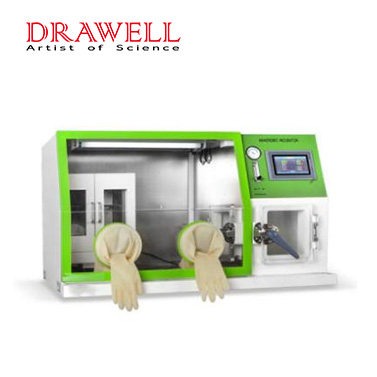
Anaerobic incubators primarily incorporate anaerobic and temperature control features. These units typically comprise an anaerobic chamber, transfer chamber, manual cuff operation port, and control system.
Application Experimentation Scope
CO2 incubators find application in immunology, oncology, and cell dynamics studies. Conversely, anaerobic incubators are utilized in consistent temperature experiments, cultivation studies, and environmental investigations. They find extensive usage in fields like biology, environmental protection, agriculture, and medicine.
Categorizing the Types
Drawell CO2 Incubators encompass three main categories: DCI Series CO2 Incubators, WJ-2 Series CO2 Incubators, and WJ-3 Series CO2 Incubators. Similarly, Drawell's anaerobic incubator range comprises five types: anaerobic incubator LAI-3T, anaerobic incubator LAI-3T-N, anaerobic incubator LAI-3D, anaerobic incubator LAI-3DT, and anaerobic incubator LAI-3.
Navigating Purchase Considerations
CO2 incubators stand as essential alternatives to conventional electric heating incubators. Anaerobic incubators, on the other hand, serve as specialized tools for cultivating and operating surprise bacteria under anaerobic conditions.
Noteworthy Similarities
Firstly, both Drawell CO2 Incubators and Drawell anaerobic incubators offer user-friendly operations. Secondly, they both hail from the same manufacturer, Drawell, ensuring competitive factory prices. Thirdly, both the Drawell CO2 incubators and anaerobic incubators boast exceptional quality, backed by reliable guarantees.
In conclusion, this article meticulously compares CO2 incubators and anaerobic incubators, offering valuable insights into their respective features and applications. For those seeking further information, reaching out to Drawell, the manufacturer of both CO2 and anaerobic incubators, is a recommended avenue to explore.
The anaerobic incubator represents a specialized apparatus designed to foster and manipulate bacteria within an oxygen-free environment. Its functionality extends to nurturing even the most demanding anaerobic organisms while circumventing the peril of their exposure to oxygen in an atmospheric setting. As such, this device stands as an ideal instrument for both anaerobic biological assessments and scientific investigations. Moreover, its versatility shines through as it accommodates various operational modes, effectively providing optimal conditions for the proliferation of microaerophilic bacteria. In this article, we delve into the essential considerations for installing and using anaerobic incubators.
Prerequisites for Anaerobic Incubator Installation
Ensuring the proper installation of an anaerobic incubator involves adhering to three key guidelines:
Optimal Placement: The unit should be positioned in an area characterized by minimal temperature fluctuations, enabling efficient operation. Shield it from direct sunlight and distance it from heat-emitting equipment. Stability in placement is paramount.
Secure Gas Cylinder Positioning: The mixed gas and nitrogen cylinders must be securely positioned, each equipped with a pressure-reducing valve (inclusive of a pressure gauge) and placed suitably.
Air Circuit Connection and Assessment: Thoroughly connect the air circuit while rigorously inspecting for potential air leaks. Employ sealant where necessary to prevent leakage at connecting points.
Guidelines for the Prudent Use of Anaerobic Incubators
The judicious operation of an anaerobic incubator necessitates adherence to the following eleven precautions:
Optimal Operating Environment: Ideally, set up the instrument in an environment characterized by clean air and minimal temperature fluctuations.
Comprehensive Familiarization: Prior to commencing operations, ensure a thorough understanding of the operational instructions for each component of the auxiliary instruments and gauges, grasping the correct utilization methods.
Culturing within Anaerobic Conditions: Only introduce cultures into the operational chamber after the prescribed anaerobic environment has been established.
Avoid Overcrowding: Refrain from overloading the chamber with items, as this may compromise temperature uniformity. Prevent obstructions of the circulating fan and air duct.
Safeguarding Anaerobic State: In the event of a malfunction (such as gas interruption), the anaerobic conditions can be maintained within the operational chamber for up to 10 to 12 hours. Should the duration exceed this window, consider alternate treatments for the culture.
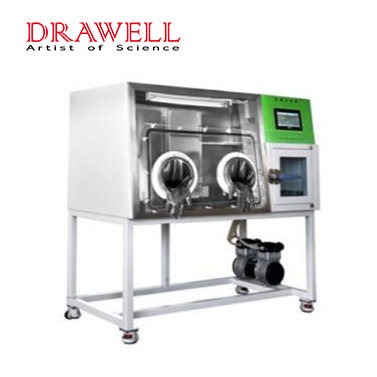
Vigilance Against Air Leaks: Regularly monitor the gas pathway for any indications of air leakage.
Gas Cylinder Replacement: During gas cylinder replacement, exercise caution to securely fasten the tubing to prevent the inflow of oxygen-rich gases.
Adhering to Vacuum Pump Usage: Utilize the vacuum pump as directed and routinely inspect and replenish the oil.
Cautious Item Placement: Prohibit the placement of flammable, explosive, or corrosive items within the chamber. Ensure a cooling buffer zone outside the incubator to preserve its cooling efficiency.
Proper Shutdown Protocol: Upon discontinuing use, power down the anaerobic incubator by deactivating the main power button and the rear equipment switch.
Thorough Drying of the Chamber: Before storage, dry the interior of the chamber using the following method: Set the incubator temperature above 40°C, allow it to run steadily for two hours, open the chamber door for 10 minutes every half hour, and then repeat this process 3-5 times.
In summary, this article has provided a comprehensive overview of the imperative guidelines for the installation and operation of anaerobic incubators. For additional insights into anaerobic incubator precautions, consider reaching out to the manufacturer. Their specialized advice can prove invaluable when troubleshooting issues with your anaerobic incubator, ensuring optimal performance and results.
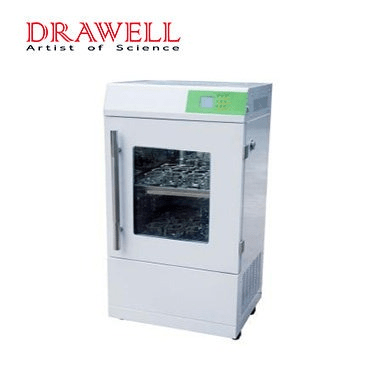
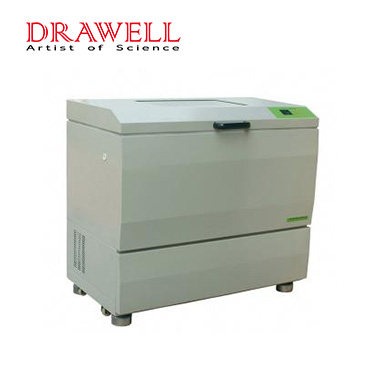
A shaking incubator, an essential piece of laboratory equipment categorized as a biochemical instrument, serves as a specialized cultivation tool for the growth and propagation of molds and microorganisms. This device creates controlled conditions encompassing temperature, humidity, light, carbon dioxide concentration, oscillation parameters, and more. Its utility spans across diverse fields including life sciences, genetics, agriculture, biomedicine, food industry, and various biochemical studies. Comprising components like a motor, fan, shaking plate, controller, heating tube, and temperature sensor, the shaking incubator comes in different types - benchtop, vertical, and horizontal. This article emphasizes the maintenance and cleaning practices crucial for the optimal functioning of a shaking incubator.
Maintenance of a Shaking Incubator:
Proper care and maintenance play a pivotal role in ensuring the shaking incubator's operational efficiency and longevity.
Regular checks, ideally every three months during operation, are imperative. Inspect fuses, control elements, fastening screws, and assess the presence of moisture or debris near the motor and controls.
Grease the transmission part's bearings every six months, replenishing approximately one-third of the bearing space. A preliminary grease fill is done at the manufacturer's end.
Routine usage results in natural wear and tear. Unusual noises from the motor or compressor indicate potential issues. Seek guidance from the manufacturer for professional advice and resolution.
Prevent continuous start-ups of the compressor to prolong its lifespan.
Cleaning a Shaking Incubator:
Surface Cleaning
Utilize detergent to clean the exterior of the shaking incubator. For disinfection, consider using quaternary ammonium. Wipe the surface with a damp cloth and mild detergent, followed by thorough drying with a clean cloth. Inside and outside surfaces of the glass door can be cleaned with a soft cloth and mild detergent solution, ensuring no residue remains.
Internal Cleaning
Avoid high-pressure water sprays for internal cleaning to prevent damage to critical components. Post-cleaning, drain any liquids properly, taking care not to expose the bottom drive system or electrical elements to excess moisture.
Surrounding Area Maintenance
Maintain an unobstructed space around the shaking incubator for efficient heat dissipation. Regularly clean the vicinity, including the floor and nearby regions, to ensure a pollution-free environment. Establish a cleaning schedule, keeping detailed records of cleaning activities. In case aggressive floor cleaners are used in the lab, promptly wipe off any spills on the equipment.
Cleaning the Shaker
For broken shaker flasks or leaked medium, remove the shaker plate to facilitate proper cleaning. When dealing with broken glass, follow safety protocols by wearing protective gloves and meticulously removing fragments. Disinfect affected parts with a cloth soaked in disinfectant. Always use a soft cloth and mild detergent for cleaning the shaker and its components, employing disinfectant like quaternary ammonium for effective sterilization.
Conclusion
Maintaining and cleaning a shaking incubator is pivotal to its reliability and operational excellence. Regular checks, appropriate lubrication, and adherence to cleaning protocols ensure the longevity and effectiveness of this essential laboratory equipment.
CO2 incubators have become a staple in laboratories around the world, playing a pivotal role in various scientific and research endeavors. In this article, we'll delve into the significance of CO2 incubators, their standout features, different types available, steps for proper operation, and a reliable source for obtaining these essential devices.
The Role of CO2 Incubators
CO2 incubators emulate the growth environment found within living organisms, making them indispensable tools for cell and tissue cultures, as well as the cultivation of specific microorganisms. Their applications extend to the study of cell dynamics, collection of mammalian cell secretions, investigating carcinogenic or toxicological effects, antigen production, tissue engineering, and drug screening, among other research fields.

Notable Features of CO2 Incubators
Advanced Carbon Dioxide Concentration Detection: Equipped with long-lasting and highly reliable thermal conductivity carbon dioxide concentration detectors.
Sterilization and Filtration: Incorporates UV lamp disinfection and a sterile air filtration system for maintaining a clean environment.
Efficient Heating: Utilizes an air jacket heating system for rapid heating without the need for frequent maintenance.
Robust Alarm System: Features a comprehensive sound and light alarm system that triggers for overheating, temperature probe damage, or water shortage.
Enhanced Humidity Control: The bottom of the unit functions as a reservoir, ensuring fast evaporation and rapid humidity recovery upon door closure.
User-Friendly: Designed with simple and intuitive operation for ease of use.
Three Types of CO2 Incubators
DCI Series CO2 Incubator:
Features RS485 and RS232 connectors for connectivity.
Equipped with a wireless alarm system, HEPA filter system, and automatic humidification system.
Requires self-sterilization at 90℃.
WJ-2 Series CO2 Incubator:
Incorporates a water jacket and air jacket structure.
Utilizes a PID microprocessor for precision control.
Includes sterile air filtration devices and a UV light system.
Available in chamber volumes of 80 L and 160 L.
WJ-3 Series CO2 Incubator:
The WJ-3 series CO2 incubator is Controlled by a microcomputer.
Features a water jacket and air jacket structure.
Utilizes LED indication for various working states.
Equipped with an imported infrared sensor for accuracy and longevity.

Operational Steps of CO2 Incubators
Thoroughly clean and disinfect the interior with alcohol, followed by ultraviolet or ozone sterilization before powering on.
Power on the unit, adjusting the temperature settings to the desired level (e.g., 37°C). The flashing light indicates that the incubator is heating. (Note: In high ambient temperatures, air conditioning can help maintain optimal conditions.)
Sourcing CO2 Incubators
For reliable CO2 incubator acquisition, Drawell stands out as a manufacturer of choice. Here's why:
Strength of Drawell:
With quality and customer service at the forefront, Drawell provides professional laboratory equipment to meet diverse research needs, offering solutions and services in primary research, biotechnology, and clinical applications. Variety of Incubators:
Drawell offers an array of incubators, including the mentioned CO2 incubator types, along with sharking incubators. This enables informed comparisons and optimal selection.
Competitive Pricing:
Drawell offers competitive factory prices without compromising quality, ensuring high-value CO2 incubators for various applications. In conclusion, CO2 incubators serve as indispensable tools in modern laboratories. Understanding their roles, features, types, proper operation, and reliable sourcing options, such as Drawell, empowers researchers to make informed decisions that contribute to successful scientific endeavors.
Anaerobic bacteriology plays a pivotal role in understanding the delicate micro-ecological balance. With over 99% of the alimentary canal flora consisting of anaerobic bacteria, isolating, culturing, and screening these microorganisms becomes crucial for uncovering their beneficial functions and exploring their relationship with host nutrition, immunity, and health.
As the knowledge of anaerobic bacteria deepens, researchers are increasingly focusing on anaerobic culture, making the choice of a high-performance anaerobic incubator a hot topic in related fields. This article presents five essential factors to consider when selecting an anaerobic incubator.
Anaerobic State Stability
Ensuring good air tightness is vital, as it maintains a stable anaerobic environment within the incubator during operation and maintenance. The design of the operation hole should allow easy entry and exit of the operator's hands, minimizing the risk of outside air entering the inner cavity. Additionally, a well-designed transfer chamber facilitates rapid sample transfer, further reducing the chance of outside air entering the incubator.
Temperature State Stability
A stable temperature environment is critical for the cultivation of anaerobic bacteria, as it directly influences the reliability of the cultivation results. The selected anaerobic incubator should maintain a consistent and precise temperature throughout the cultivation process.
Humidity State Stability
Anaerobic bacteria require a stable humidity environment for proper cultivation. Extreme humidity levels can lead to atypical biological characteristics of bacteria, affecting the accuracy of identification results. Additionally, as the incubator is a closed cavity, preventing excessive evaporation of medium water is necessary to avoid the production of condensed water, which can lead to biological contamination and culture failure.
Anti-pollution Ability
An anaerobic incubator serves both as an operating and cultivation space. Therefore, ensuring the inner chamber's proper disinfection is crucial for the success of experiments. Anaerobic incubators should support UV disinfection and vital oxidant disinfection functions to prevent contamination.
Biological Detoxification
During growth and reproduction, all bacteria, including anaerobic ones, produce metabolic wastes. In a closed cavity like an incubator, the concentration of metabolic waste gas can increase and inhibit the growth and reproduction of viable bacteria. Thus, effective removal of metabolic waste gas is essential to maintain an optimal growth state for anaerobic bacteria.
In conclusion, when selecting an anaerobic incubator with superior performance, these five key indicators should be considered. Drawell, an anaerobic incubator manufacturer, offers reliable and comfortable anaerobic culture and operating environments. They provide various anaerobic incubators like Anaerobic Incubator LAI-3T-N, Anaerobic Incubator LAI-3T, Anaerobic Incubator LAI-3D, and more, ensuring the successful cultivation of anaerobic microorganisms for various research purposes.