
In the ever-evolving landscape of research, technology, and healthcare, numerous instruments and technologies have emerged to drive progress and tackle complex challenges. Among these remarkable innovations, incubators stand out as versatile machines with a myriad of applications. In this article, we delve into the diverse uses of incubators across industries such as healthcare, scientific research, agriculture, entrepreneurship, and environmental sciences, highlighting their transformative impact on various facets of our lives.

Incubators in the Medical Industry:
Incubators play a crucial role in healthcare, particularly in neonatal care units. These medical marvels provide a regulated environment for the care and development of preterm or critically ill newborns. By creating a warm, stable, and sanitary environment that controls temperature, humidity, and oxygen levels, medical incubators ensure optimal conditions for infant well-being and growth. Equipped with monitoring devices, medical incubators enable healthcare personnel to closely monitor vital signs and respond promptly to abnormalities, thereby increasing the chances of survival for vulnerable infants.
Laboratory Incubators:
In scientific research, laboratory incubators serve as nurturing environments for various live organisms. These devices provide controlled conditions of temperature, humidity, and nutrient availability to support the growth and reproduction of cells, bacteria, fungi, and other microorganisms. Laboratory incubators facilitate the investigation of biological processes, experimentation, and drug development by replicating natural settings. They play a vital role in advancing fields such as medicine, biotechnology, and microbiology, contributing to breakthroughs in cellular activity research and genetic engineering techniques.
Incubators in Agriculture and Animal Husbandry:
Egg incubators are indispensable in agriculture and animal husbandry, facilitating the hatching and rearing of various species. By mimicking ideal conditions for egg development, including temperature, humidity, and ventilation, these incubators significantly increase the chances of successful hatching and higher survival rates. Used by poultry farmers, reptile breeders, and bird enthusiasts, egg incubators ensure the continuity and sustainability of species. Additionally, specialized egg incubators can manipulate parameters such as temperature and humidity to modify the gender ratio of certain reptiles, aiding conservation efforts.
Entrepreneurship and Business Incubators:
Beyond healthcare and scientific research, the concept of incubators has found its place in the entrepreneurial and business landscape. Startup incubators support early-stage businesses by providing essential tools, mentorship, office space, and networking opportunities. By nurturing entrepreneurial talent and fostering creativity, startup incubators play a critical role in driving economic growth and transforming innovative ideas into successful enterprises. They provide invaluable assistance to budding entrepreneurs in navigating the challenges of business development.
Environmental Incubators:
Environmental incubators are specialized equipment used in ecological research and testing. These devices allow scientists to create controlled environments that mimic specific ecosystems or microhabitats, facilitating the study of environmental variables' impact on organisms and their interactions. Environmental incubators contribute to understanding climate change, biodiversity trends, plant development dynamics, and the effects of pollutants on living organisms. Such research informs conservation efforts, ecosystem management, and the development of sustainable practices.
In Conclusion:
Incubators are versatile tools with boundless potential, providing controlled settings for a wide range of applications. From nurturing premature infants to driving scientific discoveries, from fostering agricultural growth to supporting entrepreneurship and environmental research, incubators have transformed numerous disciplines. As technology advances, incubators will continue to push the boundaries of innovation, opening new avenues and providing crucial support in our pursuit of growth and understanding. With each application, incubators showcase their revolutionary capabilities and solidify their position as indispensable assets in shaping a better future for humanity.
Biochemical incubators are invaluable pieces of laboratory equipment, serving vital roles in scientific research and education across various fields, including plant biology, microbiology, genetics, medicine, and environmental protection. These versatile devices are equipped with a two-way temperature adjustment system, enabling precise temperature control, a critical factor for successful experiments. Biochemical incubators find applications in biology, genetic engineering, medicine, environmental research, agriculture, and more. In this article, we'll delve into the essential aspects of installing and maintaining a biochemical incubator.

Installation of a Biochemical Incubator:
Power Supply:
Ensure that the biochemical incubator is connected to a reliable 220V/50Hz power supply. A grounded power supply circuit is essential for safe operation.
Location and Ventilation:Place the biochemical incubator in a well-ventilated and dry room, away from direct sunlight. Maintain a minimum distance of 10 centimeters between the incubator and the wall to allow proper airflow.
Stability:
Adjust the base of the incubator using the bottom adjusting screw to ensure stable positioning.
Power On:
Turn on the power switch, setting it to the "on" position. The incubator will enter the powered-on state, allowing temperature and time settings.
Time Setting:
To set the time, press the temperature/time key once to activate the time setting indicator. Use the set key to enter the time setting mode, and adjust the time as needed using the ∧ and ∨ keys. Press the set key again to save the desired time setting.
Temperature Setting:
Press the temperature/time key once more to activate the temperature setting indicator. Similar to time setting, use the set key to enter the temperature setting mode, adjust the desired temperature using the ∧ and ∨ keys, and save the setting with the set key.
Maintenance of the Biochemical Incubator:
Avoid Frequent Value Changes:
To prevent frequent compressor starts and potential overloads, refrain from frequently changing the set values during use.
Lighting Switch:When lighting is unnecessary inside the incubator, switch off the lighting to maintain a stable upper-layer temperature and extend the lamp's lifespan.
Transportation Precautions:
During transportation, never place the incubator upside down or at an angle greater than 45 degrees to avoid damage.
Fuse Check:
The incubator is equipped with two sets of fuses. In case of operational issues, disconnect the power, check the fuses' condition, and then proceed with further troubleshooting if needed.
Power Off During Non-Use:
When not in use, keep the incubator dry and disconnect the power supply to conserve energy.
Axial Flow Fan Maintenance:
Regularly check the axial flow fan inside the incubator for proper operation to ensure uniform temperature distribution. Avoid overcrowding the incubator with items and ensure the fan's air outlet remains unblocked during experiments.
Avoid Physical Contact:
Avoid physical contact with the temperature sensor inside the incubator, as it can disrupt temperature control.
Cleaning:
To maintain the incubator's appearance, refrain from using corrosive solutions on its exterior. Use a dry cloth or alcohol to clean the interior, ensuring it remains free from contaminants.
In conclusion, the proper installation and maintenance of a biochemical incubator are crucial for ensuring accurate and consistent results in various scientific and research applications. By following these guidelines, researchers can maximize the functionality and lifespan of this essential laboratory equipment.
Biochemical incubators are a common sight in laboratories and among environmental protection operators, but for those in the role of purchasers, these machines may seem somewhat unfamiliar. However, choosing the right biochemical incubator is crucial to ensure efficient operations and reliable results. When making a purchase, buyers often engage in thorough research and consultations with biochemical incubator manufacturers. This diligence stems from the fact that the prices of biochemical incubators can vary significantly, with higher quality models naturally commanding a premium. If the price difference isn't substantial, the craftsmanship of the incubator may not differ greatly. To make a cost-effective and high-quality purchase, consider the following key factors:
1. Compressor Type:
The compressor plays a central role in the biochemical incubator, as it controls the refrigeration temperature. Currently, the two most common types of compressors in the market are fluorine-free and fluorine-containing. Increasingly, mainstream biochemical incubators are adopting fluorine-free refrigeration.
Fluorine-free compressors typically use R134a refrigerant, which is environmentally friendly, as it does not harm the ozone layer, has no greenhouse effect, and offers energy-saving and efficient cooling. These compressors have a high latent heat of evaporation, strong cooling capacity, low power consumption, and compatibility with various compressor lubricants.
Fluorine compressors, on the other hand, rely on freon as a refrigerant, which can contribute to ozone layer depletion. Given the importance of the ozone layer in protecting against harmful ultraviolet rays, finding alternatives to fluorine is essential.
While the principles of both compressor types are the same, the refrigerants they use differ significantly, leading to varying costs and, consequently, different prices for biochemical incubators.
2. Temperature Control Range:
Select a biochemical incubator with a temperature control range that suits your experimental requirements. Options typically range from room temperature +5°C to 60°C, 0-60°C, 4-60°C, and 5-50°C. Standard biochemical incubators usually maintain a constant temperature between 5-50°C, while low-temperature biochemical incubators can achieve temperatures as low as -10°C.
3. Incubator Volume:
Biochemical incubators are available in various volumes, including 80L, 150L, 200L, 250L, 300L, and 400L. Choose a size that aligns with your laboratory's needs.
4. Refrigerant Choice:
In today's environmentally conscious world, opting for a biochemical incubator that uses a fluorine-free refrigerant is advisable, considering its positive impact on environmental protection.
5. Power Consumption:
Consider the power rating of the biochemical incubator, as it directly affects electricity consumption. Lower power consumption can lead to cost savings, especially with the rising cost of electricity.
6. Dimensions:
Evaluate the incubator's dimensions, including its internal and external measurements and packaging size. Ensure your laboratory can accommodate the incubator, and that the internal dimensions are suitable for your specific experiments. If you require a large incubator, confirm that your laboratory's door dimensions can accommodate it.
7. Temperature Control Accuracy:
Examine parameters such as temperature fluctuation, resolution, and uniformity to ensure they meet your experimental requirements.
8. Technical Guidance and After-Sales Support:
If you lack experience with biochemical incubators, consider whether the manufacturer offers technical guidance from engineers to help you use the equipment proficiently. After-sales service is crucial due to the high cost, size, and weight of these machines, as transportation and maintenance can pose challenges. Verify the warranty terms and the availability of on-site technical support and services.
By carefully considering these key factors for choosing the right biochemical incubators, purchasers can acquire the product which meets their laboratory's needs effectively.
Anaerobic bacteriology plays a pivotal role in understanding the delicate micro-ecological balance within our bodies. Remarkably, more than 99% of the microorganisms residing in our alimentary canal thrive in anaerobic conditions. Investigating these anaerobic microorganisms through isolation, culture, and screening offers an avenue to uncovering their beneficial functions and unraveling their complex relationship with host nutrition, immunity, and overall health.
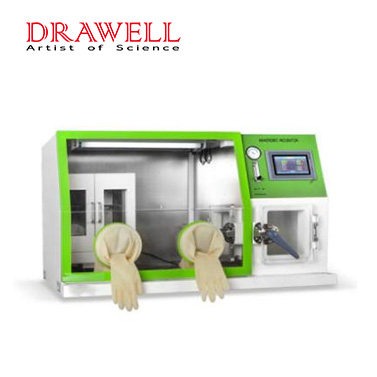
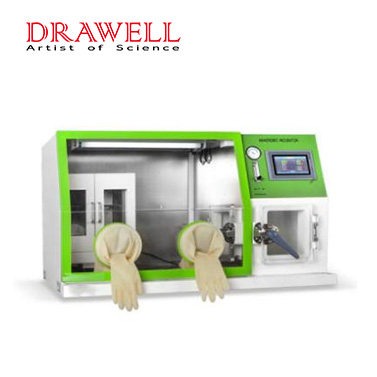
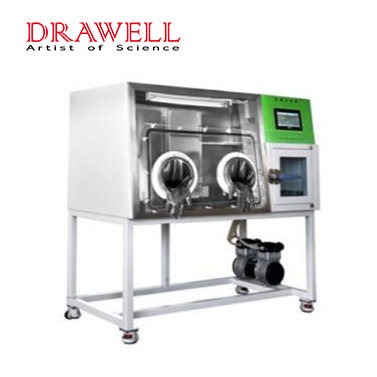
As our comprehension of anaerobic incubators deepens, researchers are increasingly focusing on anaerobic culture techniques. The selection of a high-performance anaerobic incubator has thus become a critical consideration within related fields. In this article, we will introduce several key criteria for choosing the most suitable anaerobic incubator.
1. Stable Anaerobic State
Excellent Air Tightness: A reliable anaerobic incubator should boast impeccable air-tightness. This ensures that the internal cavity remains consistently anaerobic during operation and maintenance.
Thoughtful Operation Hole Design: The incubator's design should feature a well-placed operation hole, making it convenient for operators to access the interior without compromising the anaerobic environment.
Efficient Transfer Chamber: A well-designed transfer chamber facilitates swift sample transfer while minimizing the risk of outside air infiltration, ensuring the inner cavity's stable anaerobic conditions during sample manipulation.
High-Quality Materials: An anaerobic incubator constructed from high-performance materials with robust anti-aging properties can reduce the risk of air leakage due to wall aging, maintaining anaerobic stability under normal conditions.
2. Temperature Stability
Anaerobic bacteria cultivation demands a consistent temperature environment. The temperature stability of the anaerobic incubator directly influences the reliability of cultivation results.
3. Humidity Control
Anaerobic bacteria flourish in a stable humidity environment. Excessive or insufficient humidity can lead to atypical bacterial characteristics, affecting the accuracy of identification results. Additionally, the closed nature of the incubator can cause medium water evaporation, resulting in condensation that may foster biological contamination or cause bacterial colonies to vanish, leading to culture failure.
4. Anti-Pollution Capability
Given the dual role of the anaerobic incubator for both operation and cultivation, maintaining a sterile interior is paramount to experiment success. Thus, the availability of features like ultraviolet disinfection and strong oxidant disinfection functions is crucial.
5. Biological Detoxification Function
All bacteria, including anaerobic varieties, generate metabolic waste during growth and reproduction. Some anaerobic bacteria even produce metabolic waste gases. Over time, the concentration of these waste products can rise within the closed incubator, inhibiting the growth of viable bacteria. Therefore, effective removal of metabolic waste gases, or biological detoxification, is essential to maintain optimal anaerobic bacterial growth conditions.
6. Ease of Use
Routine operations involving microorganisms, such as inoculation, seed transfer, and single colony picking, require precision. The incubator should be designed to support these fine motor skills, allowing users to work efficiently and effectively.
In conclusion, selecting the right anaerobic incubator is pivotal for researchers and laboratories engaged in anaerobic bacteriology. Ensuring a stable anaerobic state, temperature control, humidity stability, anti-pollution capabilities, biological detoxification functions, and user-friendly features are all essential considerations in choosing the most suitable incubator for your research needs.
Incubators are essential tools in scientific research, educational institutions, and various production sectors. This article focuses on elucidating the distinctions among biochemical incubators, constant temperature incubators, and electric heating constant temperature incubators, outlining their unique features and applications.
Distinguishing Features of Biochemical Incubators and Constant Temperature Incubators:
Biochemical Incubators:
Biochemical incubators serve a wide spectrum of purposes, finding utility in scientific exploration, academic institutions, and production facilities spanning environmental protection, sanitation, drug inspection, agriculture, and aquatic sciences. Designed for water body analysis, BOD measurement, bacterial and microorganism cultivation, preservation, plant nurturing, and breeding tests, these incubators are specialized constant temperature equipment.
Equipped with a precise digital microcomputer temperature controller, biochemical incubators ensure accurate and dependable temperature regulation.
The use of stainless steel chambers facilitates easy cleaning, and the shelf spacing within the chamber is adjustable.
Incorporation of a glass observation window enhances convenient and clear observations.
Safety measures include spare temperature controls to ensure experiment integrity and prevent accidents.
Constant Temperature Incubators:
Ideal for bacterial culture, fermentation, and temperature-sensitive experiments in fields such as medical research, pharmaceuticals, biochemistry, and agriculture, constant temperature incubators are adaptable and reliable tools.
The incubator's exterior is crafted from high-quality cold-rolled steel, featuring an electrostatically sprayed surface.
The interior studio is either stainless steel or treated cold-rolled steel, fortified against rust and corrosion.
Temperature control options include a temperature controller or microcomputer intelligent temperature controller, the latter employing PID control for accuracy, large digital displays, intuitive touch operation buttons, and over-temperature alarms.
The middle door is outfitted with a double-layer tempered glass observation window for real-time culture monitoring.
Secure magnetic tape sealing ensures effective insulation.
Temperature Control Precision:
Biochemical Incubators:
Designed for biochemical reactions, these incubators incorporate a glass door that allows observation without compromising the reaction conditions. They are suitable for incubating reactions and cultivating bacterial molds.
Constant Temperature and Humidity Incubators:
With a focus on bacterial culture and control, these incubators offer controllable and stable temperature and humidity levels. However, their sealed design restricts external observation.

Comparing Biochemical Incubators and Electric Heating Constant Temperature Incubators:
Temperature Ranges:
Biochemical incubators encompass a cooling functionality with a temperature range of 4 to 60 degrees Celsius. In contrast, electric heating constant temperature incubators lack cooling features, operating within room temperature +5 to 65 degrees Celsius. A compressor integrated into the biochemical incubator enables cooling.
Controllers:
Electric heating constant temperature incubators employ microcomputer intelligent temperature controllers, featuring dual digital displays and PID auto-tuning for precise temperature control. Biochemical incubators employ microcomputer single-chip technology, boasting high-precision temperature control, adjustable time controls, and touch mode keyboard settings.
Appearance:
Biochemical incubators are distinguishable by their glass observation window, absent in electric heating models. Biochemical incubators often come equipped with casters for mobility and interior lighting.
Price:
Biochemical incubators tend to be more expensive than electric heating constant temperature incubators of equivalent size, reflective of their enhanced performance and quality.
In conclusion, understanding the distinctions among biochemical incubators, constant temperature incubators, and electric heating constant temperature incubators is crucial for selecting the most suitable incubator for specific applications. Each type has its unique features, benefits, and cost considerations that cater to diverse research and production needs.